EBENEZER (2026)
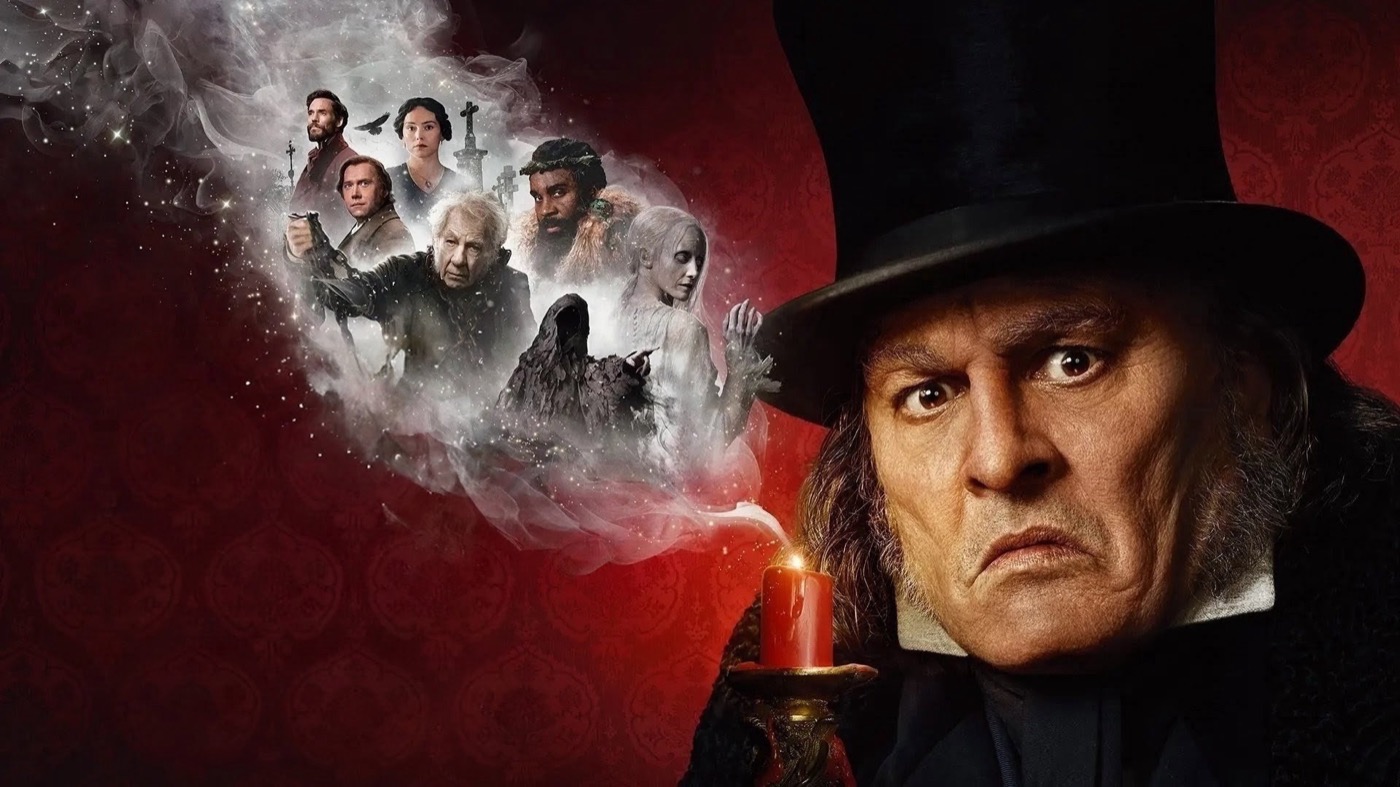
In Victorian London, a series of ghosts teach misanthropic Ebenezer Scrooge the meaning of Christmas.


In Victorian London, a series of ghosts teach misanthropic Ebenezer Scrooge the meaning of Christmas.
Amazing fact number one: until Ti West’s new Ebenezer arrived just in time for this year’s holiday season, there seems not to have been a straight, gimmick-free, live-action adaptation of Dickens’s novella for the big screen since A Christmas Carol (1951), often regarded as the best.
There have, of course, been numerous other re-workings of the tale: television versions, animated versions (notably 2009’s A Christmas Carol, with Jim Carrey voicing Ebenezer Scrooge), musicals (famously 1992’s The Muppet Christmas Carol with Michael Caine), “inspired by” variations and so on. But there hasn’t been a direct translation of Dickens’s story to the cinema without embellishments.
Amazing fact number two: the first known screen adaptation of A Christmas Carol appeared in 1901, just 31 years after Dickens’s death. Its director, Walter R. Booth, had been alive at the same time as Dickens — just. Fact number two may explain fact number one: from cinema’s earliest days, filmmakers have been tempted by this story. A Christmas Carol is almost certainly Dickens’s most adapted work, and Dickens is one of the most adapted authors. Perhaps it’s not surprising that, in recent decades, filmmakers have tended to add a novelty to Scrooge’s Christmas Eve redemption.
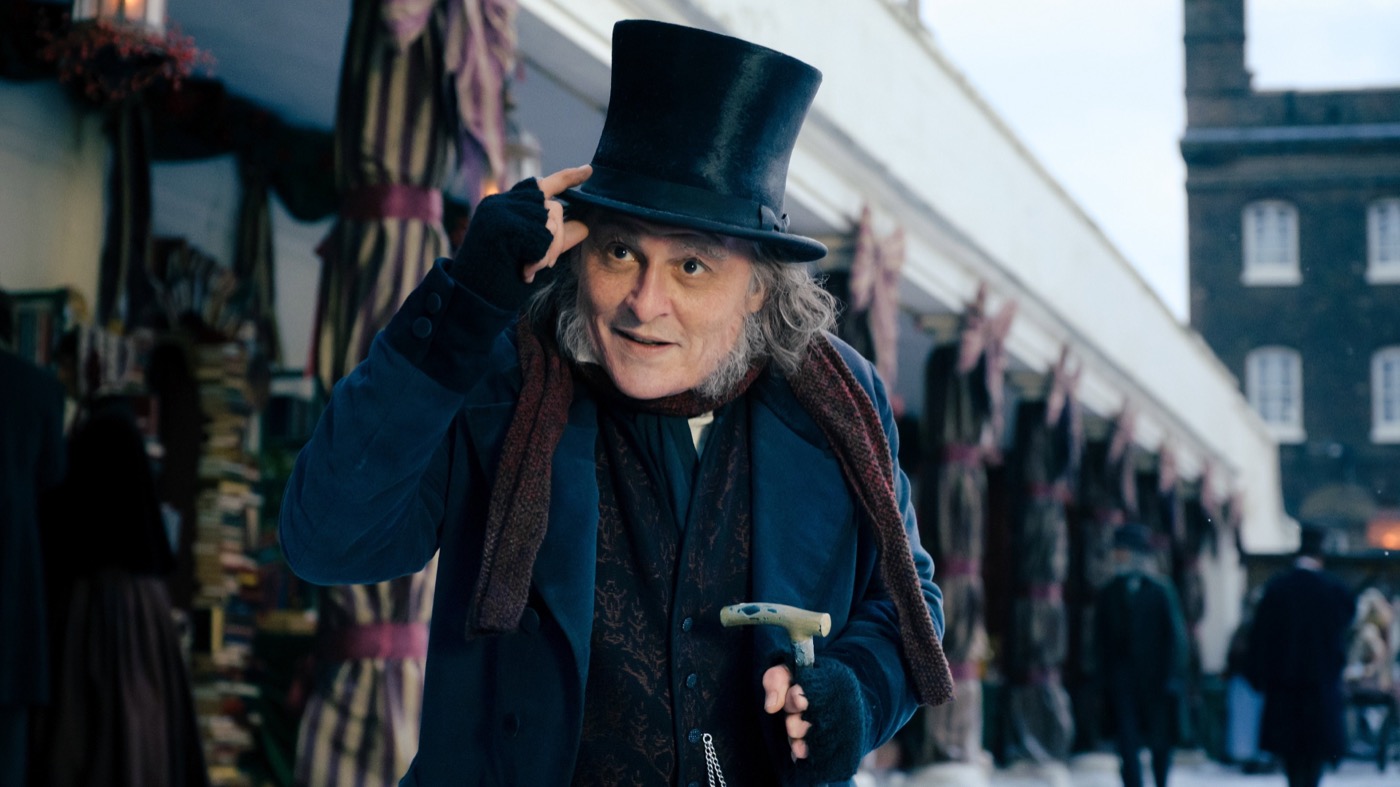
So we may, in fact, be overdue for another straight telling. It’s not as if most people these days are sitting down to watch the 1951 version, let alone the 1901 one; rightly or wrongly, many audiences see older films as tainted by their age. In Ebenezer, director Ti West gives them a Christmas Carol that’s acceptably 21st-century on the surface, with Johnny Depp in the title role and some modestly impressive special effects, but profoundly conventional underneath.
It’s hard to believe this comes from the same filmmaker as the X trilogy. There are a few touches that recall vintage horror films, but no sex, no real violence (though there’s a little body horror), no politics, no in-jokes, no knowingness. There is, however, a sense that everyone is having fun, which adds to the film’s entertainment value.
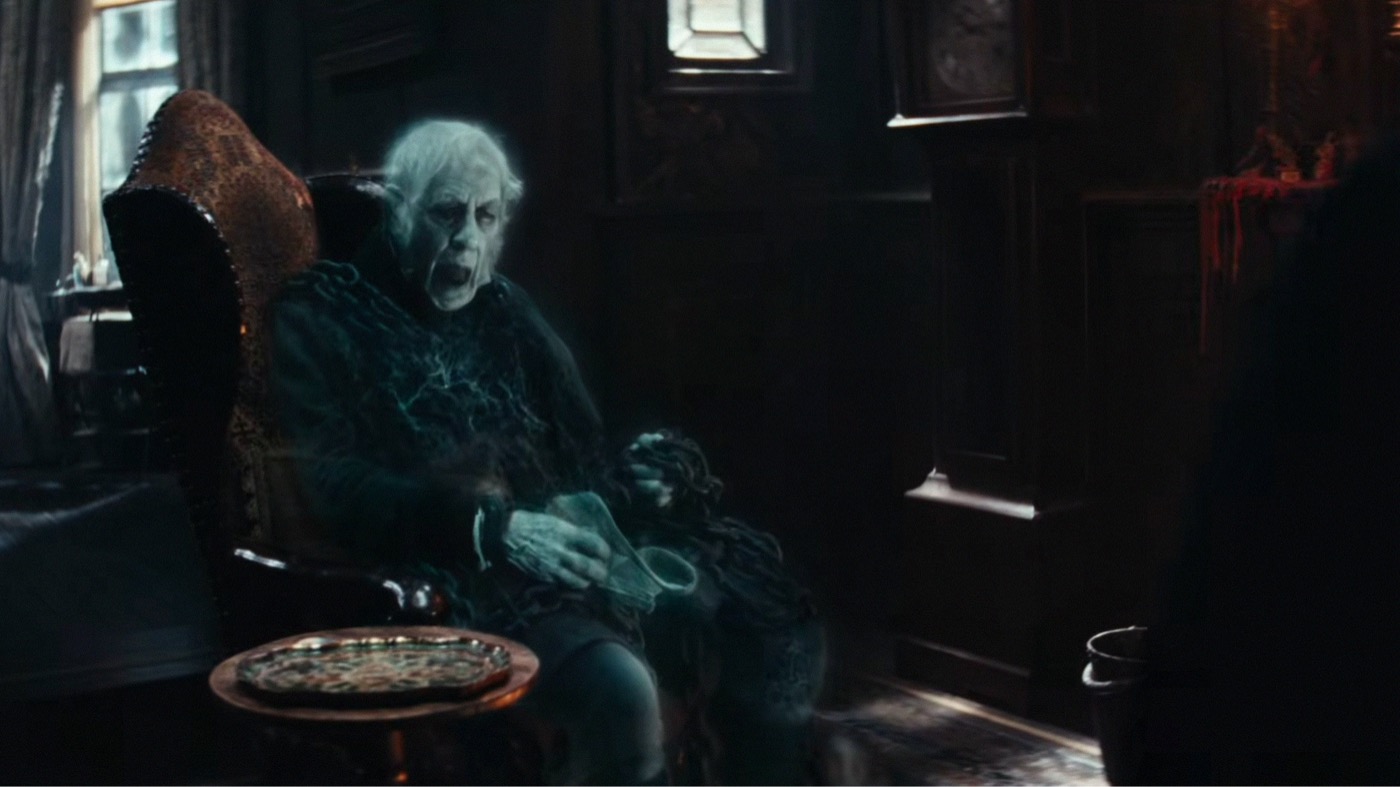
The familiar story is divided into sections identified by intertitles as “staves”, Dickens’s term. In the first, we meet Ebenezer Scrooge (Depp), Jacob Marley (Ian McKellen) and Bob Cratchit (Rupert Grint). Scrooge and Marley are business partners; Cratchit is their much younger clerk. He’s pleasant and affable, while they’re the Grinches of Victorian London. Their business seems to be some kind of money-lending operation that exploits the poor (Dickens wasn’t specific). Marley dies unexpectedly. At his funeral, attended only by Scrooge, a gravedigger remarks that he was “not a very popular chap”. “No man of value ever is,” Scrooge replies.
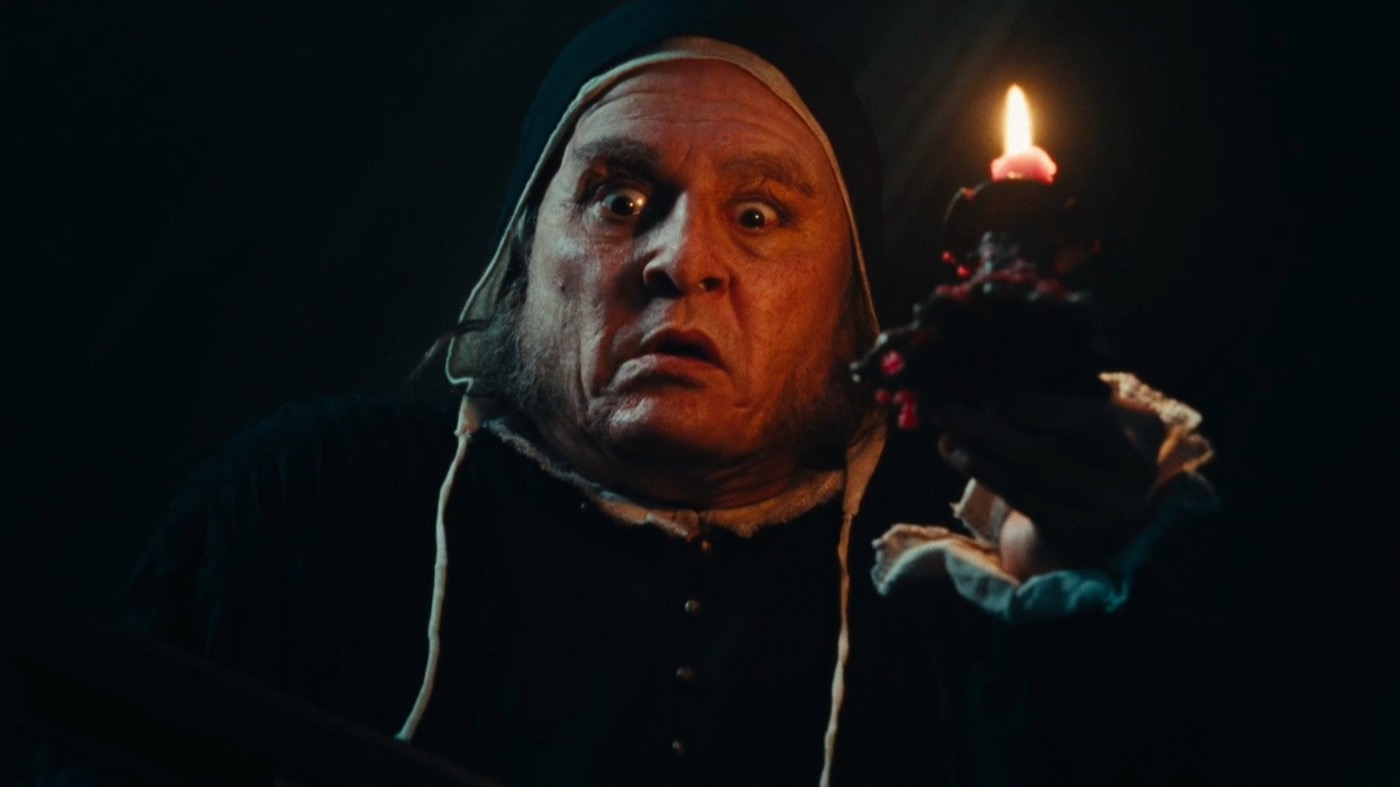
Staves two to five take place seven years later, over less than 24 hours. Scrooge still runs the business, and Cratchit still assists him. It’s Christmas Eve, and Scrooge makes little secret of his distaste for the season. But a few odd occurrences — a sputtering gas lamp, a vision in the door knocker — signal what we already know is coming: visits from four spirits. The first is Marley himself, who warns Scrooge that he’s suffering in the afterlife because of the miserly greed he displayed in life.
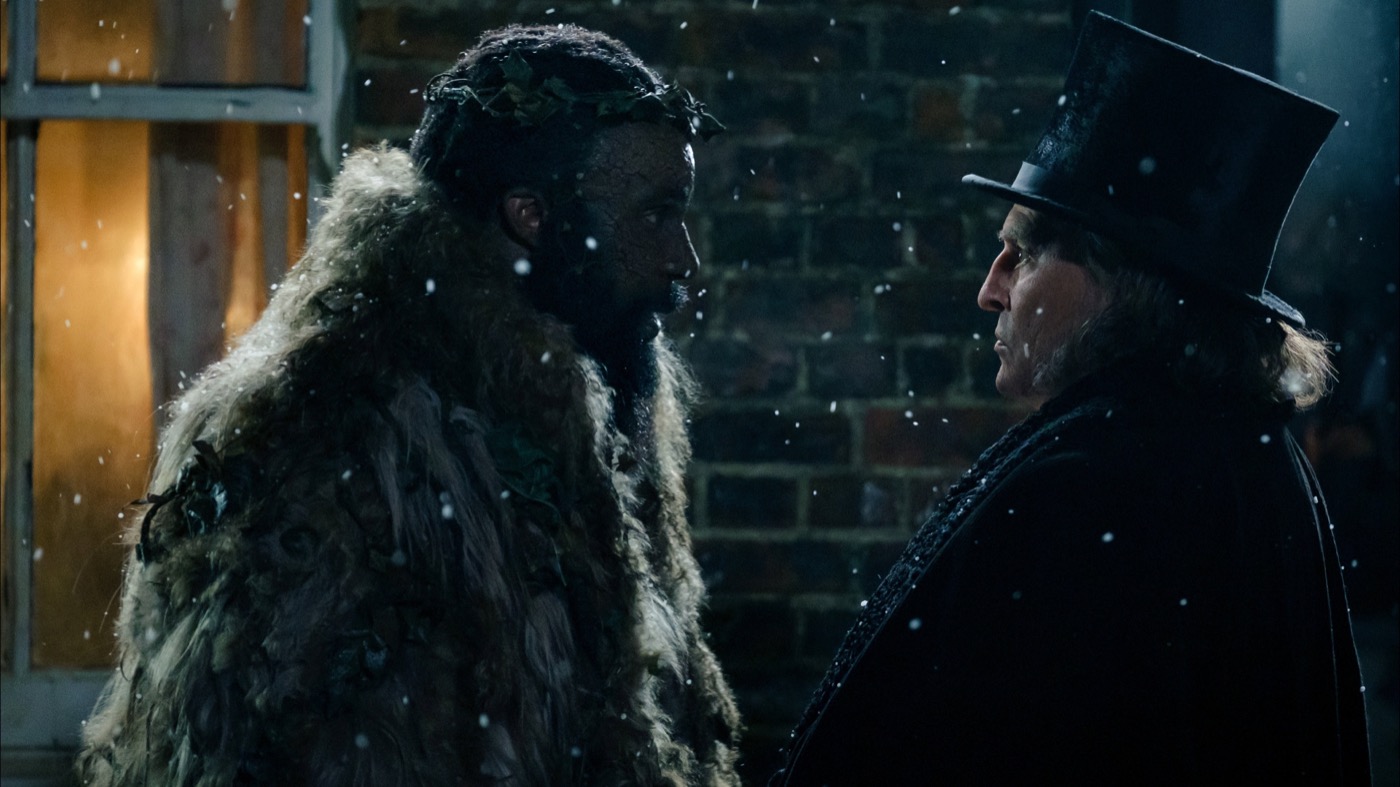
Next comes the Ghost of Christmas Past (Andrea Riseborough), who ushers Scrooge through time to show him scenes from his unhappy boyhood and young adulthood, including his romance with Belle (Ellie Bamber). The Ghost of Christmas Present (Tramell Tillman) then reveals the hardships others endure, including the struggles of Cratchit’s family and the plight of the debtors’ prison inmates. Finally, the Ghost of Christmas Yet to Come (Robert Strange) forces Scrooge to confront what will happen after his death and how others regard such an unpleasant man.
The ghosts’ revelations move Scrooge. He’s previously maintained, callously, that “life has always been a cruel and miserable affair”, but only now does he seem to understand what that really means. “The flame of humanity still flickers within you,” observes the Ghost of Christmas Present. Nobody in the audience (or the spirit realm) is surprised when a reformed Scrooge greets Christmas Day with warm, fuzzy feelings towards his fellow men, though his relatives and the Cratchits certainly are.
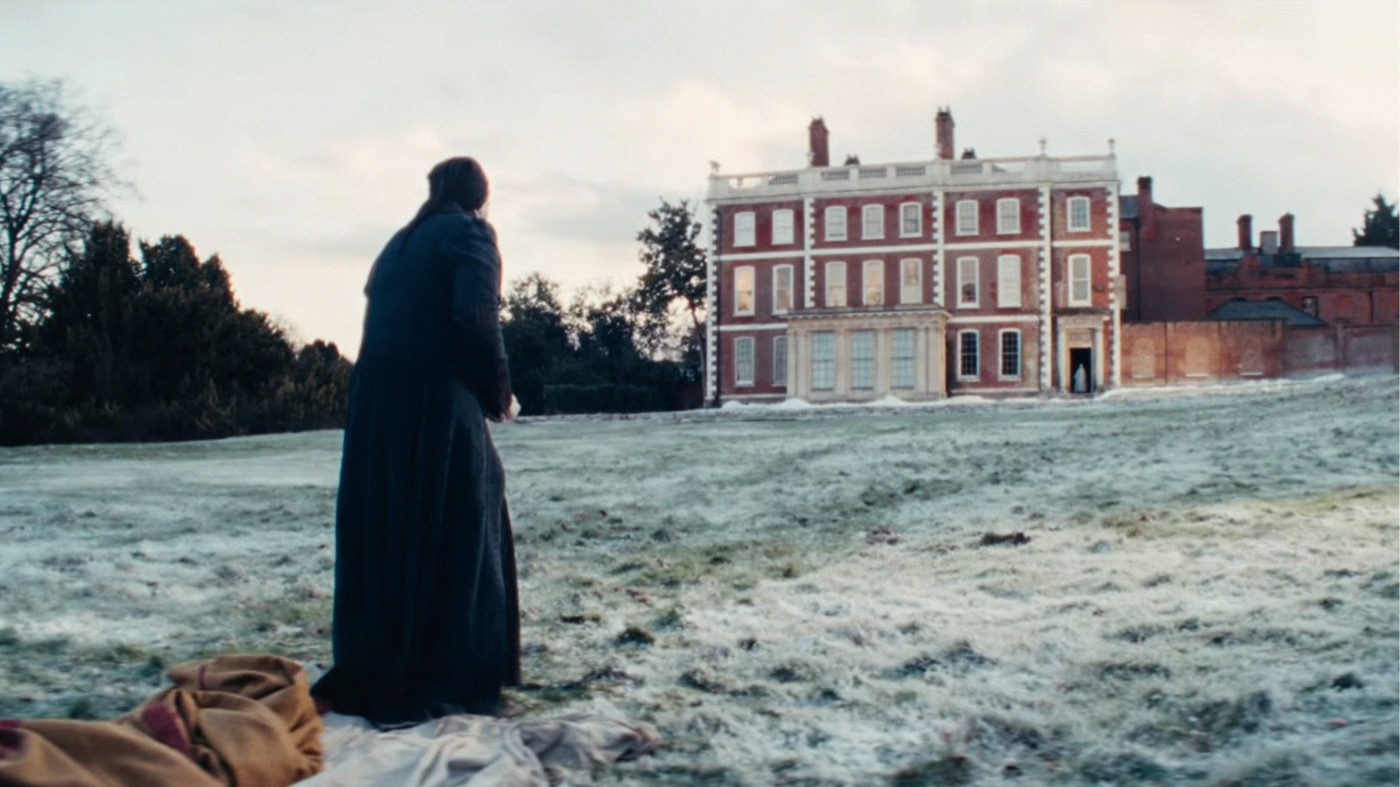
West sets the story in a stereotypical Victorian London — the film technically begins just before the Victorian era — filled with hellish slums, black horses pulling hansom cabs and, of course, seasonally snow-laden windowpanes. There’s little pretence at realism. Many of the effects seem practical, though the widespread claim that Ebenezer was shot on 35mm film is questionable, even if it looks that way. The overall impression is Tim Burton Lite, but there’s some imagination, particularly in the staging of Scrooge’s hauntings. Tyler Bates’s musical score makes effective, ominous use of “God Rest Ye Merry, Gentlemen” and is strongest when it edges towards horror-film territory. The diegetic appearances of other carols (“In the Bleak Midwinter” and “Silent Night”) are rather sentimental and historically dubious.
Of the cast, McKellen steals every scene he’s in, of course. But the film focuses almost entirely on Depp, who waltzes through it with a campy performance built around emphatic physicality (perhaps he watched silent-film actors for inspiration?) and a wonderful expression of distaste for Christmas, humanity and the world in general. He mostly avoids sounding American, though a few odd vocalisations creep in. At times, perhaps because he’s trying to achieve or suppress an accent, he can be difficult to understand. He’s unlikely to steal the crown from Alastair Sim in 1951 or Michael Caine with the Muppets in ’92, but it’s a creditable effort.
The rest of the cast comes across as rather bland, with the exceptions of Bamber as Scrooge’s lost love, Belle, and Tillman as the genuinely unsettling Ghost of Christmas Present. Tillman also has the best make-up of all the otherworldly visitors. The lack of impact isn’t necessarily the actors’ fault, though. Structuring almost the entire story around Scrooge’s transformative night leaves the others relatively little screen time, and when they do appear, it’s to amplify some aspect of Scrooge’s journey. Sam Claflin’s nephew and Daisy Ridley’s wife, for example, are there because the plot needs them, not because they’re interesting characters in their own right.
There’s no real effort at social commentary, either. The film can’t help reflecting Dickens’s longstanding concern with social injustice, but the poor in Ebenezer are largely part of the backdrop. So are most of the wealthy characters. Online, Ebenezer has been criticised for reshaping A Christmas Carol into a defence of capitalism, but I see little evidence of that in the film itself, which remains quite close to Dickens in the ways that matter. (It might, for example, have made a more dramatically effective film if Scrooge hadn’t begun to rediscover his humanity so quickly, but in this respect it follows the original.)
Yes, West’s version includes a few unpleasant characters among the poor, but there are plenty of perfectly nice ones, too. The charity representatives who come to collect money from Scrooge near the beginning may be less than upstanding — if so, it’s a strange change from Dickens’s original. Perhaps the point is to show Scrooge how cruel avarice can be. In any case, their motives are ambiguous, this idea isn’t unique to this version (it was the premise of Alexander Knott’s play Cratchit a few years ago) and it’s not very important.
The core of A Christmas Carol — that Scrooge has made himself and others miserable by loving money more than people — remains untouched. Seeing Ebenezer as a flag-waving defence of cold-hearted loan sharks is simply bizarre. At most, the film, like Dickens’s story, suggests that unlikeable, seemingly uncaring people aren’t necessarily evil all the way through.
The specific flaws in Ebenezer are few and pedantic. Scrooge’s relationship with Topper the lawyer (Henry Lloyd-Hughes) isn’t explained very well. A final panorama of London seems to place Scrooge’s home somewhere like Greenwich, rather than in the City of London — apparently so the film can show the Palace of Westminster, which was still under construction at the time. Gustav Holst’s tune for “In the Bleak Midwinter” was also written decades after A Christmas Carol. And so on.
The more general flaw is that the film simply isn’t very interesting. But it’s just interesting enough: a serviceable, traditional telling. It’s unlikely to become any aficionado’s favourite version, but Ebenezer will satisfy viewers looking for an uncomplicated classic Christmas tale. It’s as good as any other adaptation at introducing younger viewers unfamiliar with the story to A Christmas Carol.
Meanwhile, Johnny Depp’s return to stardom in a mainstream, big-budget film after several years away will, of course, be welcomed by his fans. Whether it marks a bright new dawn for him, as Christmas Day does for Scrooge, remains to be seen.
UK • USA | 2026 | 115 MINUTES | 2.39:1 | COLOUR | ENGLISH

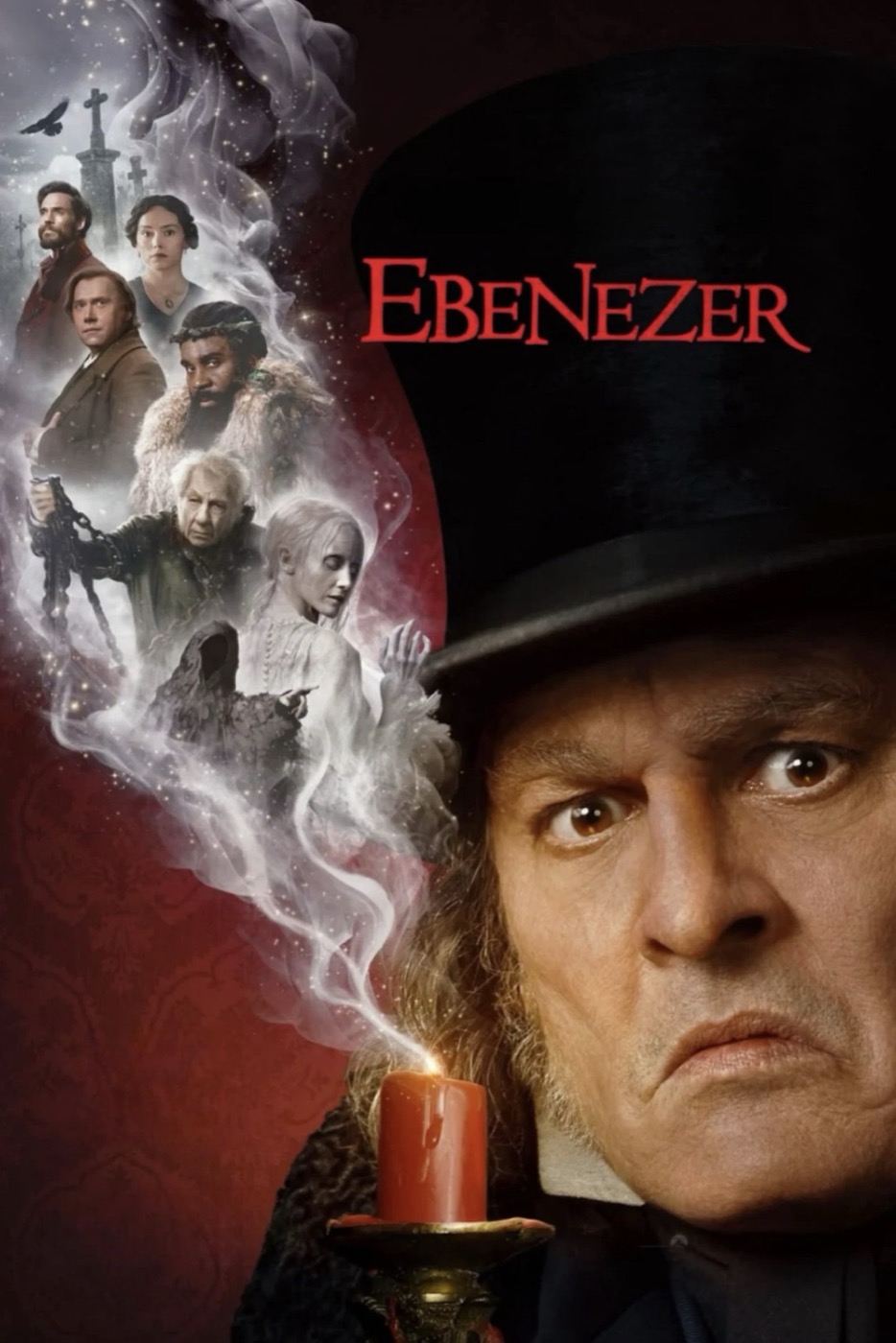
director: Ti West.
writer: Nathaniel Halpern (based on the novella ‘A Christmas Carol’ by Charles Dickens).
starring: Johnny Depp, Rupert Grint, Ian McKellen, Andrea Riseborough, Sam Claflin, Daisy Ridley & Tramell Tillman.