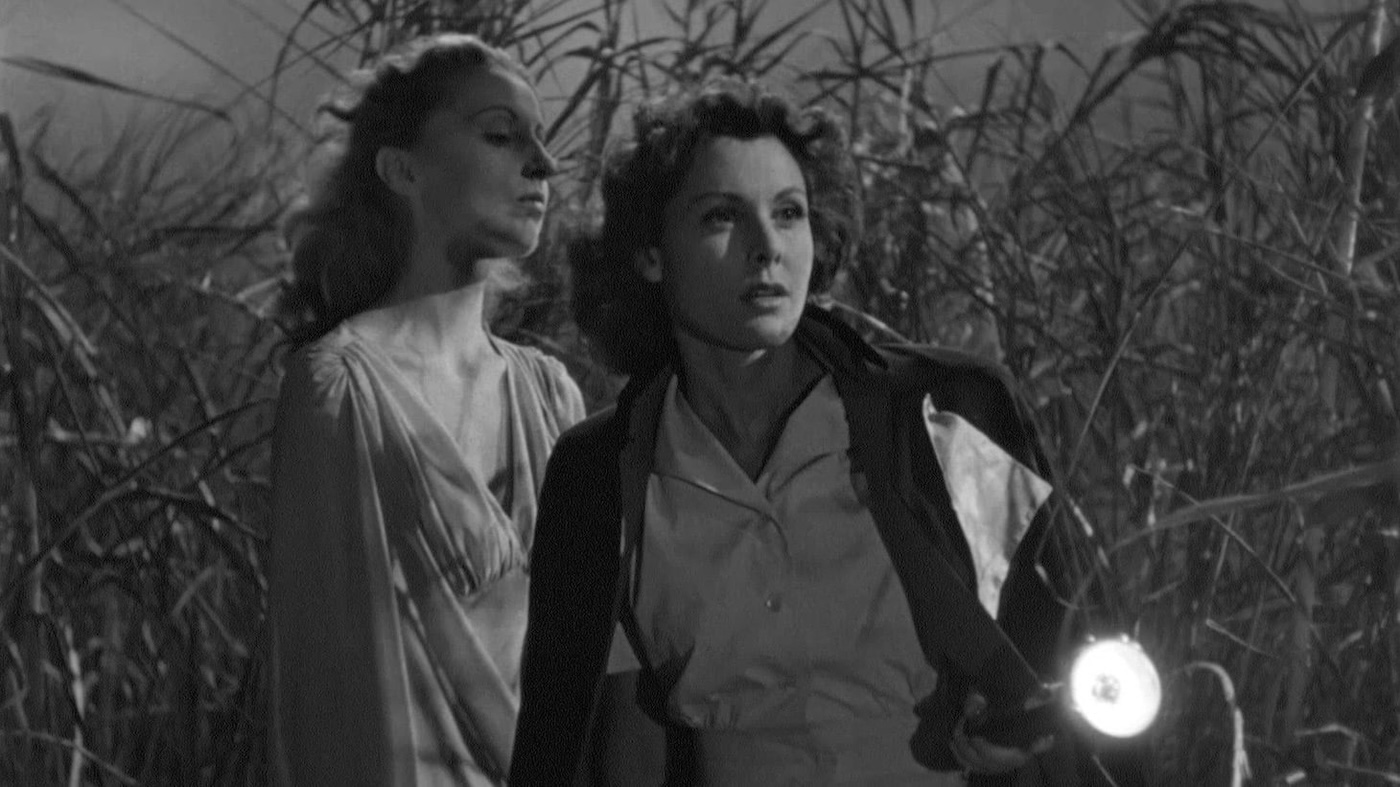
THE DAY THE EARTH STOOD STILL (1951)
An alien lands in Washington, D.C and tells the people of Earth that they must live peacefully or be destroyed as a danger to other planets.

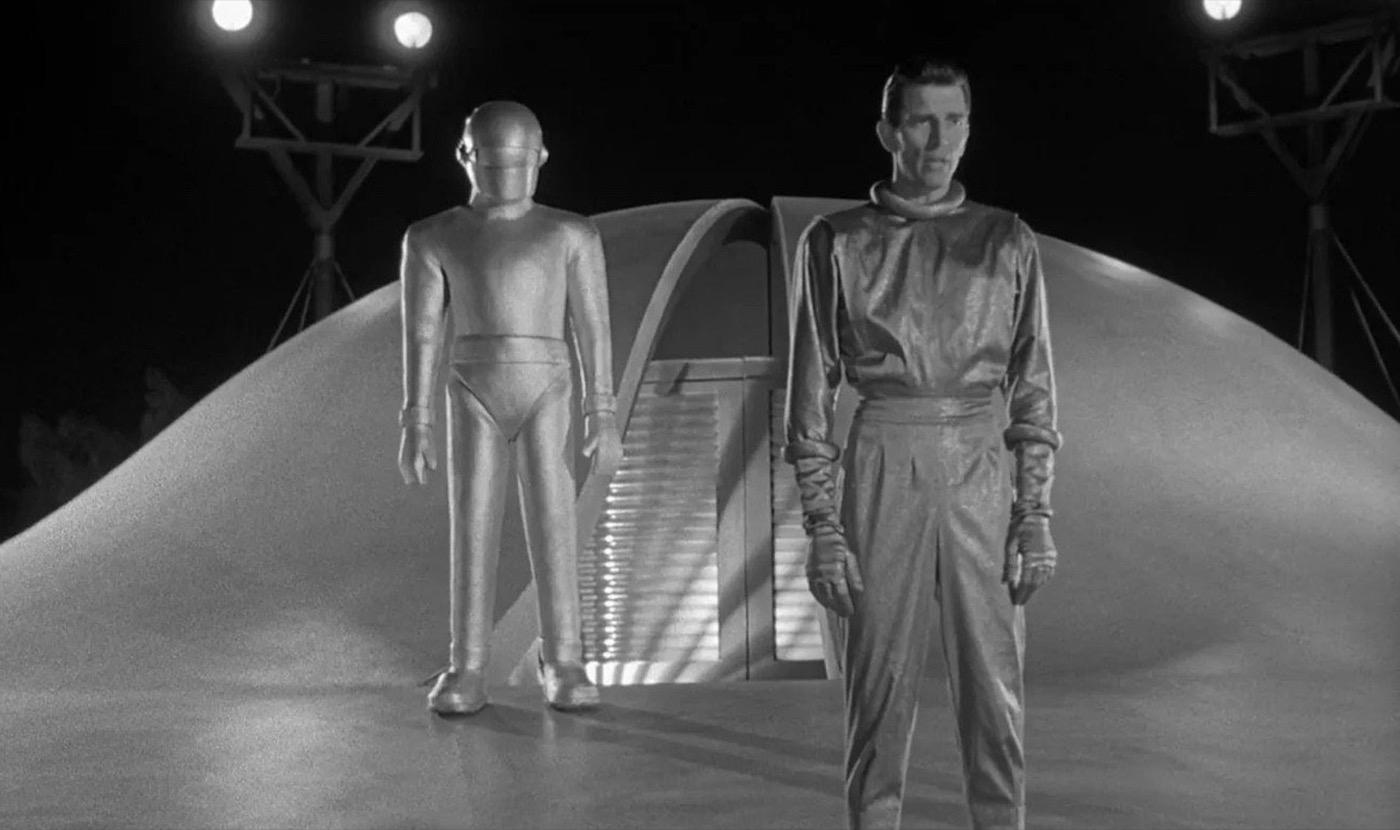

An alien lands in Washington, D.C and tells the people of Earth that they must live peacefully or be destroyed as a danger to other planets.
There’s no denying that The Day the Earth Stood Still is a genre-changing classic that remains just as relevant today as it did three-quarters of a century ago. Maybe more so. A major part of its appeal is the nostalgia of its sleek retro-futurism and genuinely iconic golden-age imagery colliding with 1950s film noir, but it’s the carefully considered allegorical flexibility that has ensured its longevity.
The project began as a concept even before a script was commissioned. Producer Julian Blaustein had noted that so-called pulp magazines were publishing remarkably imaginative and intelligent stories that employed allegory and metaphor to challenge accepted norms and envisage brave futures. He believed the time was right for cinema to embrace the trend and use the apolitical arena of science fiction to address the fear and paranoia he saw proliferating in society, stoked by certain individuals and organisations for political leverage. Sadly, this remains a familiar malaise today. To mitigate such division and counter the weaponisation of hate, he also wanted to encourage the potential peace-keeping role of the newly formed United Nations, which he perceived as crucial in preventing nuclear war.
With the approval of Darryl F. Zanuck, Head of 20th Century Fox, he pursued this idea by reading hundreds of stories until settling on “Farewell to the Master” by Harry Bates, first published in Astounding Science Fiction magazine in 1940, and tasking Edmund H. North with adapting the short story. Blaustein offered Robert Wise the directorial helm because of his sense of realism and track record of making compelling films that didn’t shy away from serious themes. It would be the first of Wise’s rare, though always impressive, forays into science fiction.
Bernard Herrmann’s experimental score pioneered the use of electronic instruments, including two theremins and three organs, plus a brass section and an unusual array of percussion and studio effects. It sets the otherworldly tone during the opening credits to contrast with the documentary-style montage that follows. Snippets of various countries and cultures around the world show people reacting to news that an extraterrestrial object has entered Earth’s orbit.
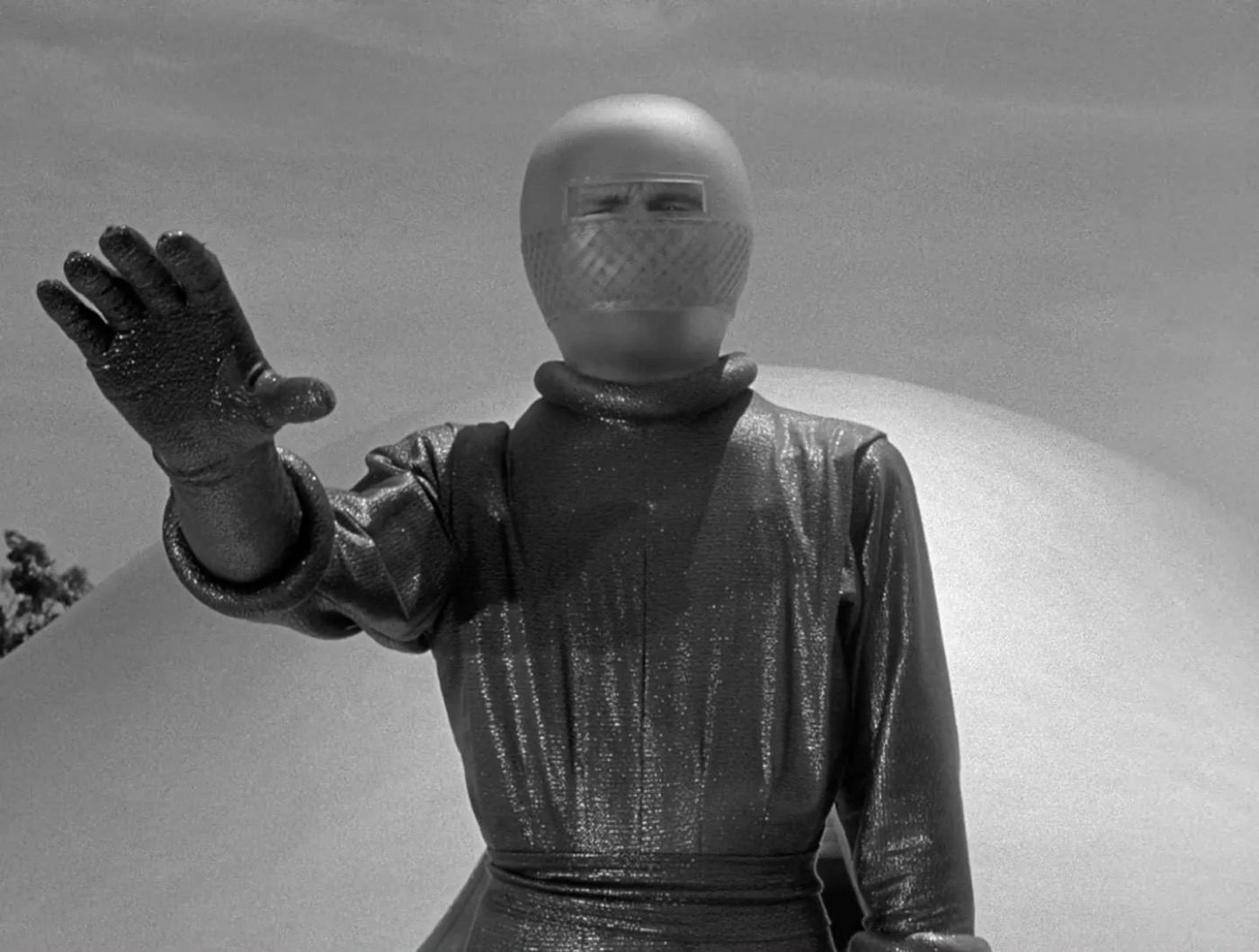
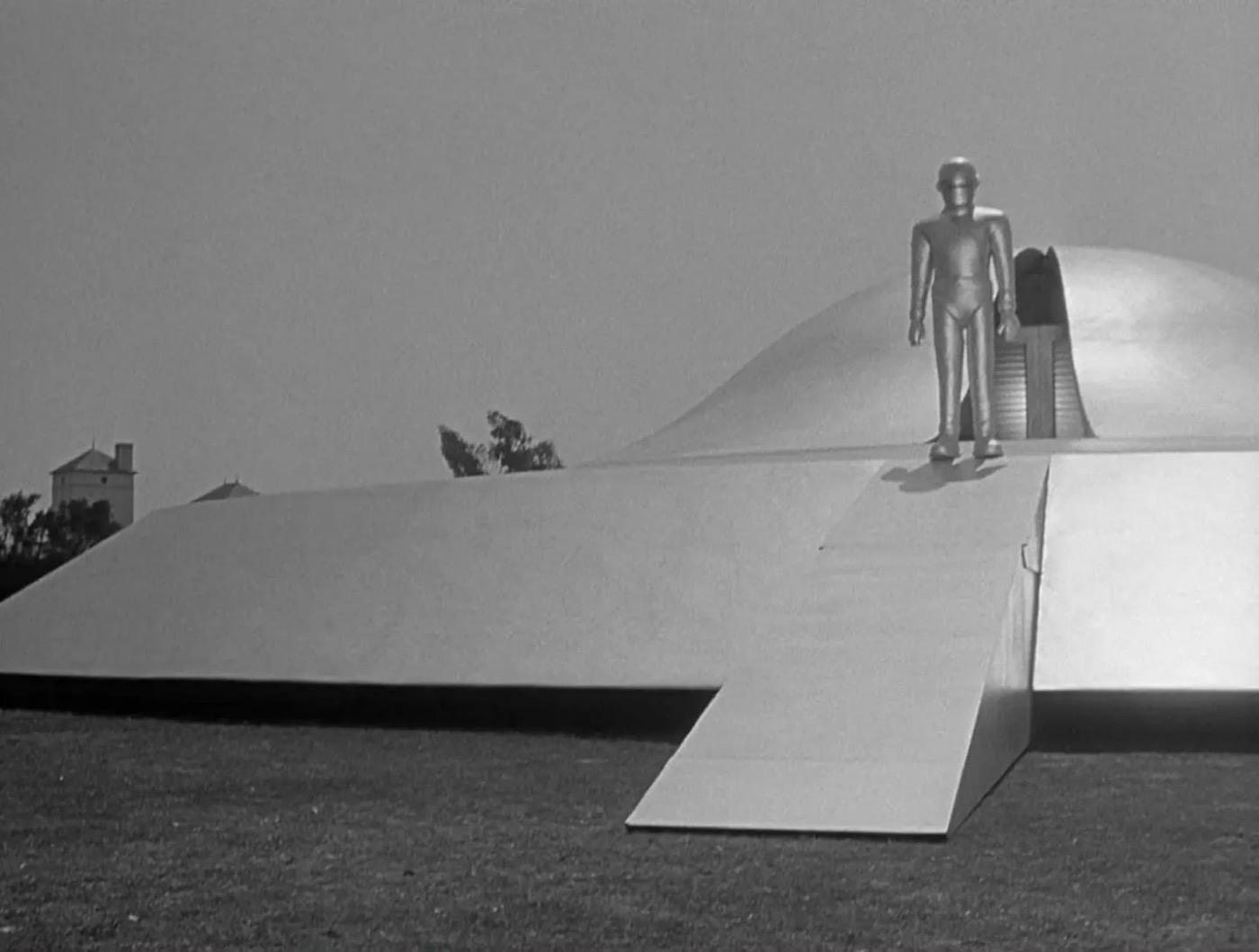
It’s an American film so, naturally, of all the places in the world, what turns out to be a spaceship lands on a baseball diamond in Washington DC. Predictably, the military responds in force, surrounding the large flying saucer. It isn’t until the 10-minute mark that the ship opens and we meet our protagonist, Klaatu (Michael Rennie), wearing a suit and helmet that emphasise his otherness. He raises an open hand and offers a friendly greeting in English before slowly descending the ramp from his ship. Then he reaches inside his tunic and produces a device which he proceeds to raise towards the battery of tanks and heavy artillery.
For an interplanetary emissary, this seems a naive thing to do, but it underscores the fact that where this spaceman comes from, the concept of guns and how they’re used is alien to him. Perhaps that’s why he remains so calm in the face of the military threat. Nevertheless, a nervous, trigger-happy soldier takes this for a weapon and shoots him.
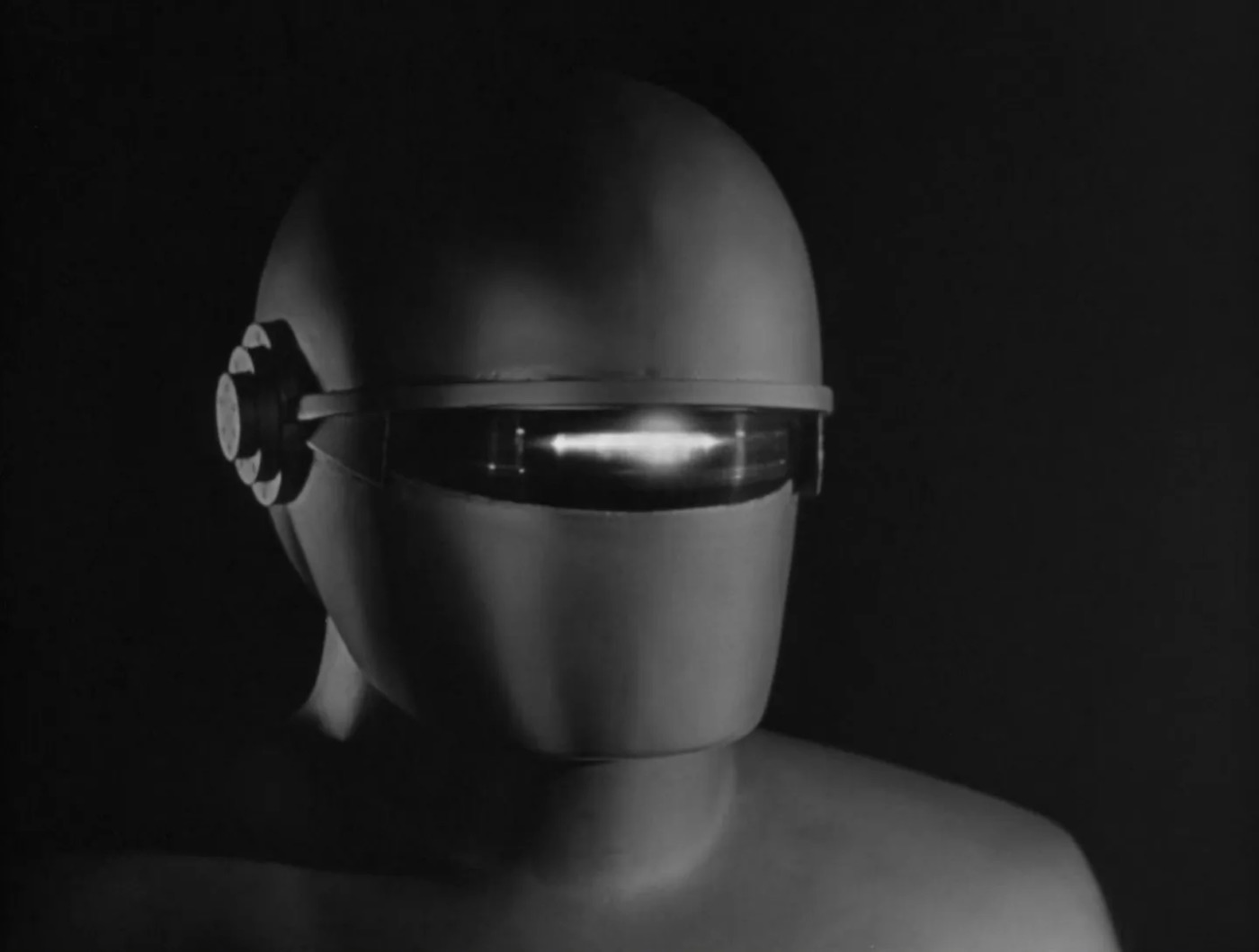
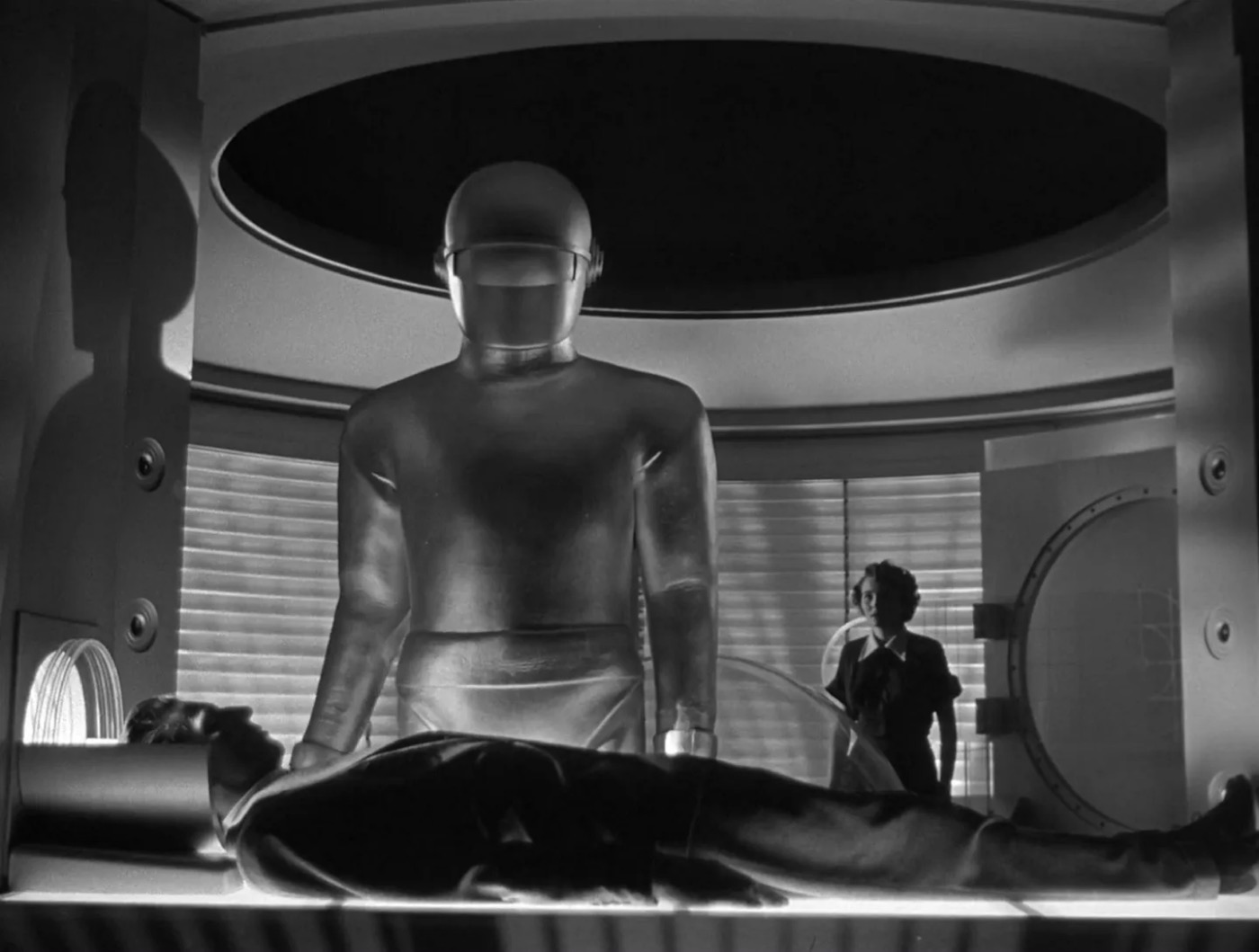
While the soldiers are distracted, another figure exits the saucer. This is Gort (Lock Martin), an eight-foot-tall silver ‘cyberman’ equipped with a ray that can precisely disassemble specific materials, as demonstrated when it disintegrates several rifles, a tank, and a cannon without harming the soldiers carrying or operating them. Klaatu, although injured, manages to order Gort to stand down before explaining that the scientific device he offered was intended as a gift.
So far, the opening gambit has followed the original story, but here the film diverges. In the source material Klaatu is fatally wounded, whereas here he’s whisked away to hospital. In both the story and the movie, there’s an inference that Gort and Klaatu may have been given synthetic humanoid forms to interact with humans. This might explain why Klaatu doesn’t remove his helmet on arrival, as he has yet to assimilate to Earth’s atmosphere. This is questioned later when medics discuss Klaatu’s X-rays and superhuman healing, commenting that his biological age is far younger than the 78 years he claims. This implies a range of explanations, including that his current body is indeed a fabricated one, touching upon the sort of serious ethical discussions that are only now surfacing in today’s scientific community.
While recovering, Klaatu is visited by Presidential Secretary Harley (Frank Conroy), who wants to know the purpose of this first contact. Klaatu refuses to discuss this with him or the president alone, requesting an audience with representatives from all the nations of the world. This immediately exposes the flaw in our global society: its ideological fragmentation and continuing international conflict. Klaatu realises that political channels will be useless to his mission, so he escapes from hospital to conduct his own research into human nature, hoping to find a way to gather people to hear his warning that the world must unite in peace or face obliteration.
Claude Rains and Spencer Tracy were both offered the lead, but were unable to fit the planned production into their schedules. Zanuck recommended Michael Rennie because, despite being a seasoned actor with around 30 screen credits, he wasn’t well known to US audiences. Wise agreed that this, along with Rennie’s dignified demeanour and slender six-foot-four frame, made him ideal as the stranger from another world; a more famous Hollywood star would have immediately disrupted that initial sense of mystery.
Michael Rennie’s Klaatu is non-violent, calm and composed, with a presence that often echoes the stillness of Gort. In the face of militaristic aggression, he doesn’t retaliate, even when that means taking a bullet—which he does more than once. He seems to be a prototype for The Doctor in Doctor Who: an alien who remains patient with the childish petulance of humans. Oh, and he can regenerate, too. Plus, the flight deck of the saucer looks a little like a TARDIS control room.
Modernist maverick architect Frank Lloyd Wright collaborated with the production team behind the scenes, working with set designers Thomas Little and Claude Carpenter on the saucer design. Wright suggested that the surface should be smooth and featureless, like a living metal that could heal itself. This effect was achieved using soft putty and wax to seal any joints and render them invisible. The film was then reversed as the ramps retracted and doors closed. This envisaged smart materials, which we are only now beginning to develop and apply practically.
It seems the interior of the vessel was inspired by Wright’s Johnson Wax Headquarters building, completed in 1936. There appears to be a clear aesthetic connection with its clean minimalism, translucence, recurring circular motifs, and curvilinear fixtures and furniture. Wright’s buildings are large-windowed and well-lit. Likewise, the interior of Klaatu’s craft is bright and white, almost shadowless when activated. This provides a meaningful contrast with the noirish treatment of other interiors, where deep shadows act as metaphors for the darker corners of our psyche where fear and paranoia breed.
The simple aesthetics of the flying saucer itself were hugely influential on a cultural scale beyond cinema. Sightings of UFOs had been on the increase since the end of the World War II, but they took a variety of forms, such as crescents and lozenges. The following year, 1952, became the peak for UFO sightings, which were overwhelmingly saucer-shaped—many resembling hubcaps or, indeed, Klaatu’s smooth-surfaced metallic ship. Thus, the mass consciousness of mid-20th-century USA attests to the design’s iconic status.
Gort the robot is sleek and seamless, as if he’s an extension of the ship itself, and their wireless connectivity envisages what we now know as Wi-Fi. It’s awesome in the truest sense that this unit, consisting of a robot and a flying saucer, contains the power to destroy the Earth. With the recent demonstrations of atomic power in the form of bombs, and with the first nuclear power station coming online in 1951, this would have been frighteningly believable. Gort embodies the dual nature of new technology capable of wreaking annihilation, but which can be controlled by clear moral imperatives. At the time, the film would have been an explicit warning against nuclear escalation and the dangers of radiation.
Although such terminology wouldn’t enter common parlance until the late-1950s, today’s audiences will more readily understand the core theme as a contemplation of agentic artificial intelligence. Klaatu explains that he comes from a collective of interplanetary civilisations that have eradicated aggression and live in harmony. This was achieved through relinquishing some freedoms and creating a robot police force, represented by Gort. These peacekeepers patrol the planets, and if aggression is detected and appears to be escalating towards conflict, a robot will visit. Usually their presence is enough of a catalyst to restore peace immediately. The alternative is total annihilation. Their judgment is dispassionate, logical, and non-negotiable.
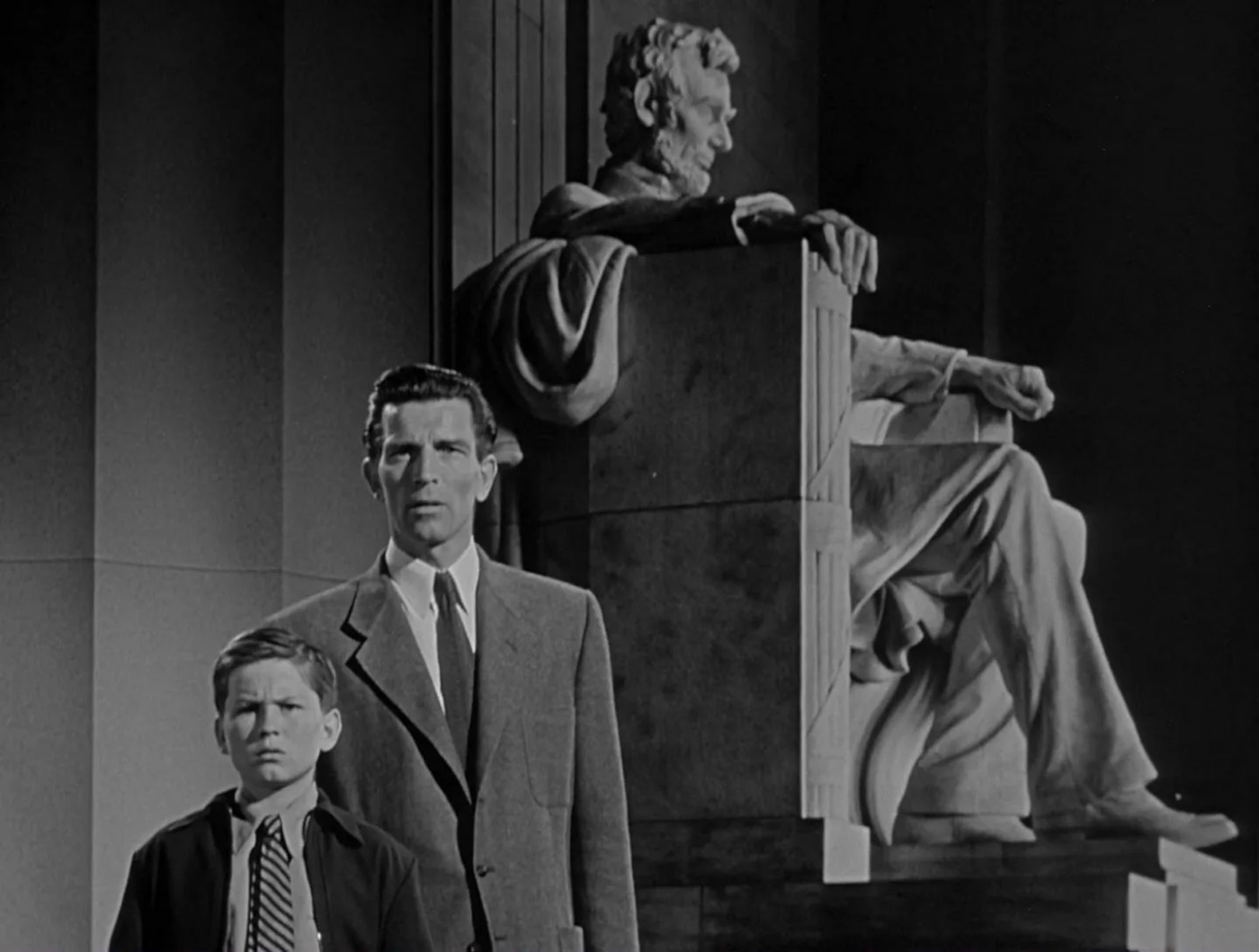
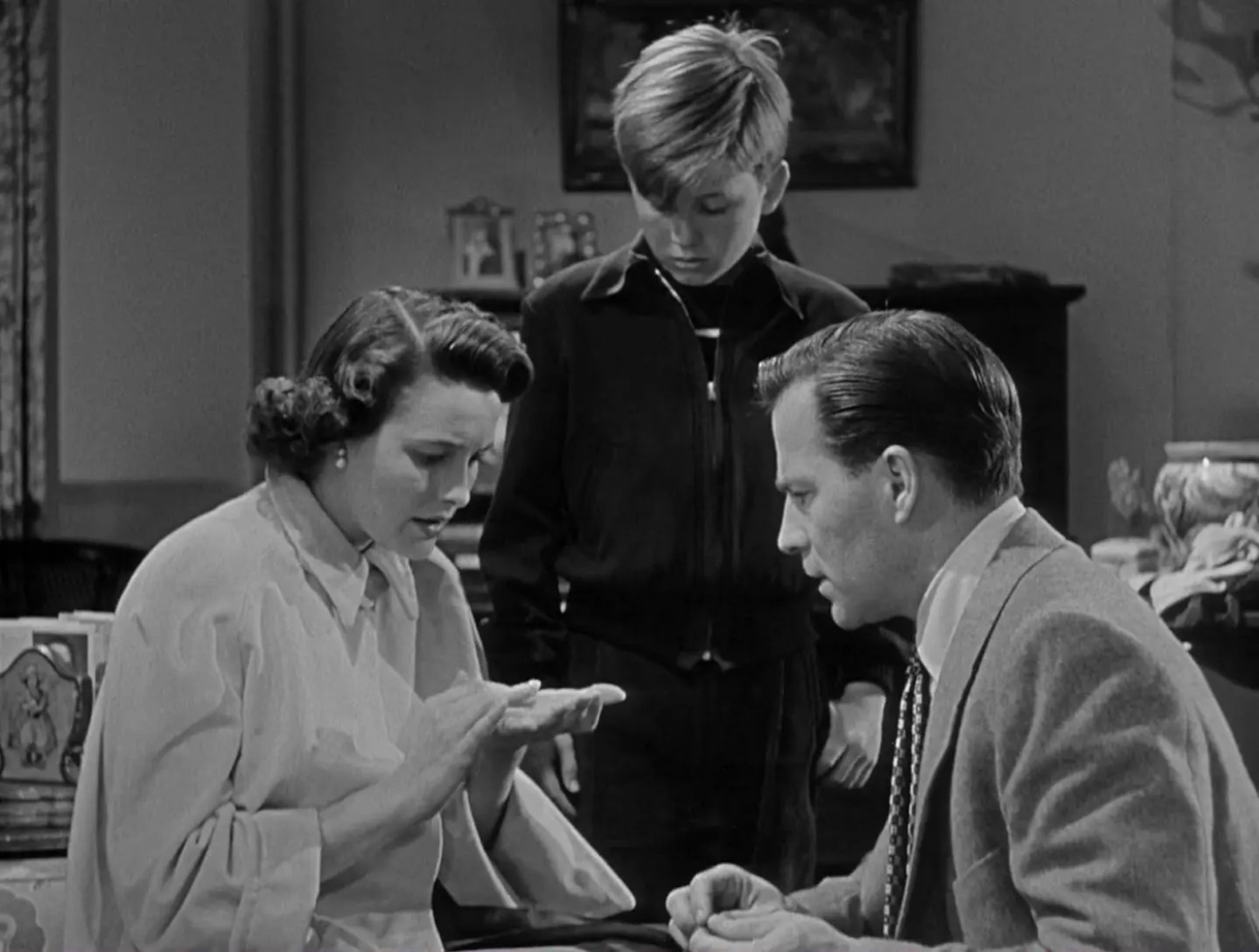
Klaatu takes the name of Carpenter from the dry-cleaning ticket attached to the suit he stole from the hospital. This, along with his resurrection and final ascension, presents him as a Christ-like saviour figure, extending the movie’s metaphorical reach into religious territory. Just like Jesus, he decides the way to understand—and hopefully save—humankind is to live among them. So he takes a room in an unremarkable boarding house, where little Bobby Benson (Billy Gray) assumes he’s a government agent on the trail of the escaped spaceman. They strike up a friendship and, as Mr Carpenter, Klaatu becomes a father figure, accompanying him on a tour of the city while his mother, Helen (Patricia Neal), spends time with her fiancé, Tom (Hugh Marlowe).
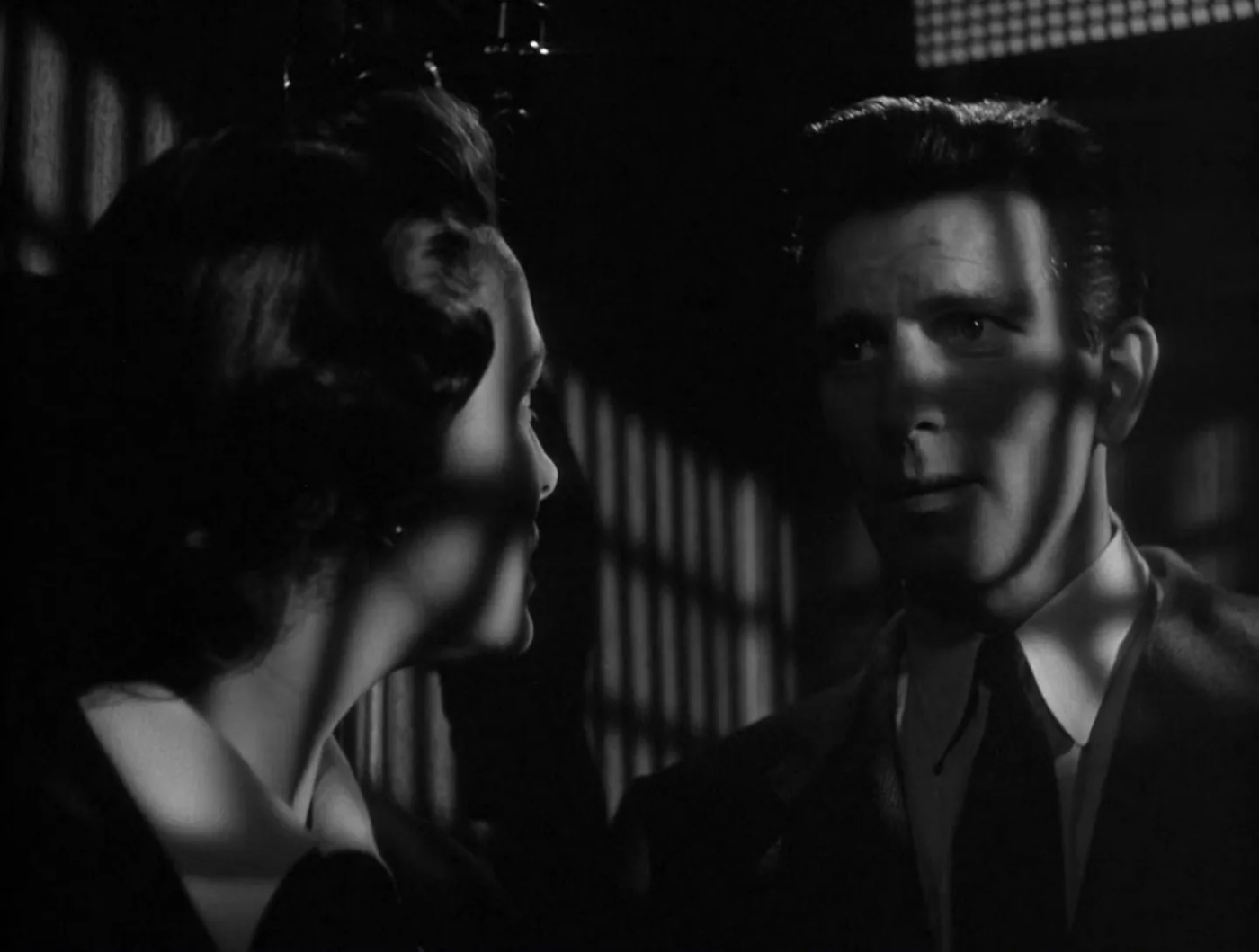
Anne Baxter was initially cast in the female lead, but last-minute rescheduling meant she was no longer available. Wise knew the theatrically trained Patricia Neal, having directed her the previous year in the mystery melodrama Three Secrets (1950). Apparently, she was convinced to take the role at short notice because the script seemed simple and undemanding. However, she’s perfect as a believable 1950s single mother, unashamed of her intelligence while navigating independence in a society that places great value on the idealised nuclear family. She’s prepared to shun the easy option of marriage to a man whose ethics are decidedly shaky, becoming one of the few to fully grasp Klaatu’s predicament.
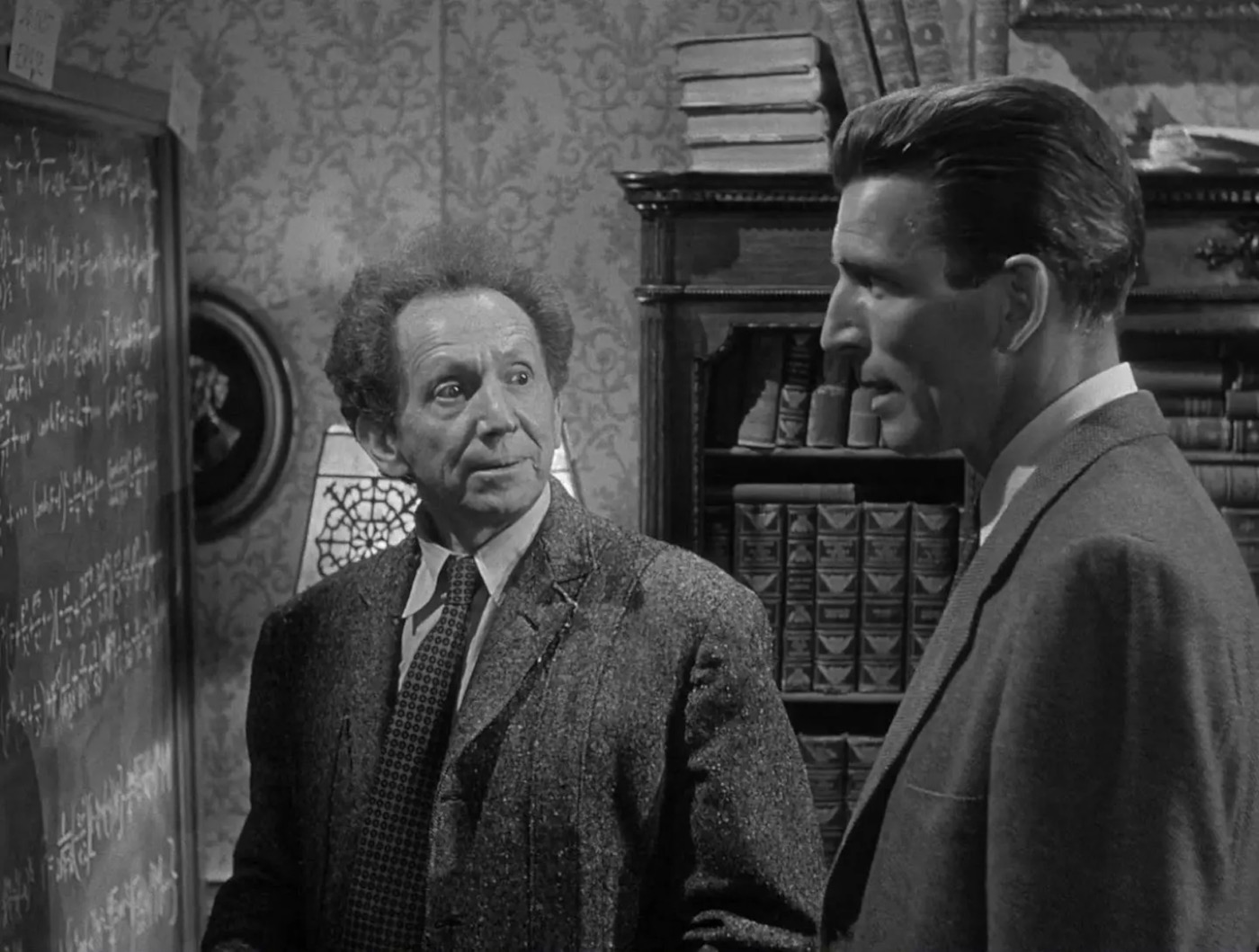
It’s Bobby who indirectly suggests that Klaatu contact local genius Professor Barnhardt (Sam Jaffe). Understanding that the world’s scientific community collaborates across borders, Klaatu requests that a broad group of international representatives be summoned to hear his ultimatum at the same time and place. The professor explains that it’s possible, but with so little time, an irrefutable, non-lethal demonstration of Gort’s power would be needed to convince them. Hence, all electricity is disrupted and the world is brought to a standstill—except for essential services such as hospitals and aeroplanes in flight.
Robert Wise made the decision to avoid superfluous explanations regarding the technology while ensuring its plausibility. Astrophysicist Samuel Herrick was the science consultant who advised on what to leave in and what to take out of the dialogue. He was exploring the mathematics of the three-body problem at the time, and the equations written on Professor Barnhardt’s blackboard were based on his own work relevant to this challenge.
The Day the Earth Stood Still is the progenitor of the benign ambassadorial alien trope, with very few big-screen predecessors. Denmark’s A Trip to Mars / Himmelskibet (1918) may be the earliest and is also cited as the first space opera. The plot involved explorers from Earth reaching Mars to find a utopian paradise populated by pacifist philosophers. Made at the close of World War I, it presents an idealised model for a more harmonious human future: an early use of an alien society as a moral compass and possible catalyst for change.
The Flash Gordon serials (1936–1940) prefigured a complex interplanetary society of politics and diplomacy, made up of both allies and enemies. However, they were dominated by the evil empire of Ming the Merciless, which posed a threat to Earth, and their first contact certainly wasn’t in an ambassadorial capacity.
Superman, of course, is perhaps the most obvious early example of a benign alien in popular culture, and comic adaptations had started to appear as cinematic serials from 1948. Initially, though, the superhero’s extraterrestrial origin story was simply a device to explain his powers—a desperate post-war affirmation that “truth, justice, and the American way” would ultimately win through.
Thus, The Day the Earth Stood Still remains an anomaly in mid-20th-century American cinema—a nation gripped by Cold War paranoia and anti-communist hysteria stoked by Senator Joseph McCarthy and his cronies. Most aliens, therefore, were malicious invaders or insidious infiltrators: metaphors for perceived threats from beyond the borders, particularly from communist nations. Yet the spiritual, philosophical, or messianic alien left a lasting legacy that resonates through the more considered and cerebral cinema of sci-fi.
Based on a story by Ray Bradbury, Jack Arnold’s It Came from Outer Space (1953) was the first to pick up the baton of benign aliens who, in this case, come to Earth accidentally and are in more danger from us than we are from them. This was Universal Pictures turning their hand to serious science fiction with a reasonable mid-range budget that did well enough at the box office, encouraging them to splash out on the lavish special effects extravaganza This Island Earth (1955), in which aliens covertly come to Earth to learn from us. They’re also part of an interplanetary society, though, unlike Klaatu’s collective, haven’t managed to eradicate war. But although their society isn’t entirely benign, each individual has the capacity for good or evil, and their desperate, dystopian society holds a cautionary mirror to our own.
Steven Spielberg’s E.T. the Extra-Terrestrial (1982) is possibly the best-known and best-loved wholly benign alien, who also befriends a human child, nearly dies, and is miraculously healed. John Carpenter’s Starman (1984) shares some narrative beats, not least an ambassadorial alien falling victim to a trigger-happy US military, followed by a resurrection motif. The events of James Cameron’s The Abyss (1989) occur as tensions escalate between the US and the Soviet Union, and the Cold War seems poised to go hot. Here, the aliens also have technology capable of wiping out civilisation at their disposal, but instead make a moral judgement of leniency. The alien interaction in Robert Zemeckis’s Contact (1997) is more baffling, but is certainly in the same lineage of benign aliens offering philosophical wisdom and transcendence, as do the time-bending aliens of Denis Villeneuve’s Arrival (2016).
Scott Derrickson’s remake of The Day the Earth Stood Still (2008) was an attempt to update the story to appease 21st-century cinemagoers more used to FX-heavy science fiction blockbusters. It has its moments, and the redesign of Gort was inventive while still honouring the original; however, it leaned into the spectacle of destruction more than the human-scale story, veering much closer to standard alien threat and invasion tropes. It was almost the antithesis of the original.
Robert Wise’s The Day the Earth Stood Still is not an alien invasion movie. Its fusion of allegory, moral inquiry, and sublime yet restrained spectacle set the template for alien diplomacy narratives. What began as a plea for unity in an age of nuclear dread has become a broader meditation on fear, responsibility, and the choices that define us. Seventy‑five years later, Klaatu’s warning still rings true—no longer a relic of Cold War anxiety, but a stark and pertinent reminder that the future we fear can be asserted or averted by our actions today.
USA | 1952 | 92 MINUTES | 1.37:1 | BLACK & WHITE | ENGLISH • FRENCH • HINDI • RUSSIAN

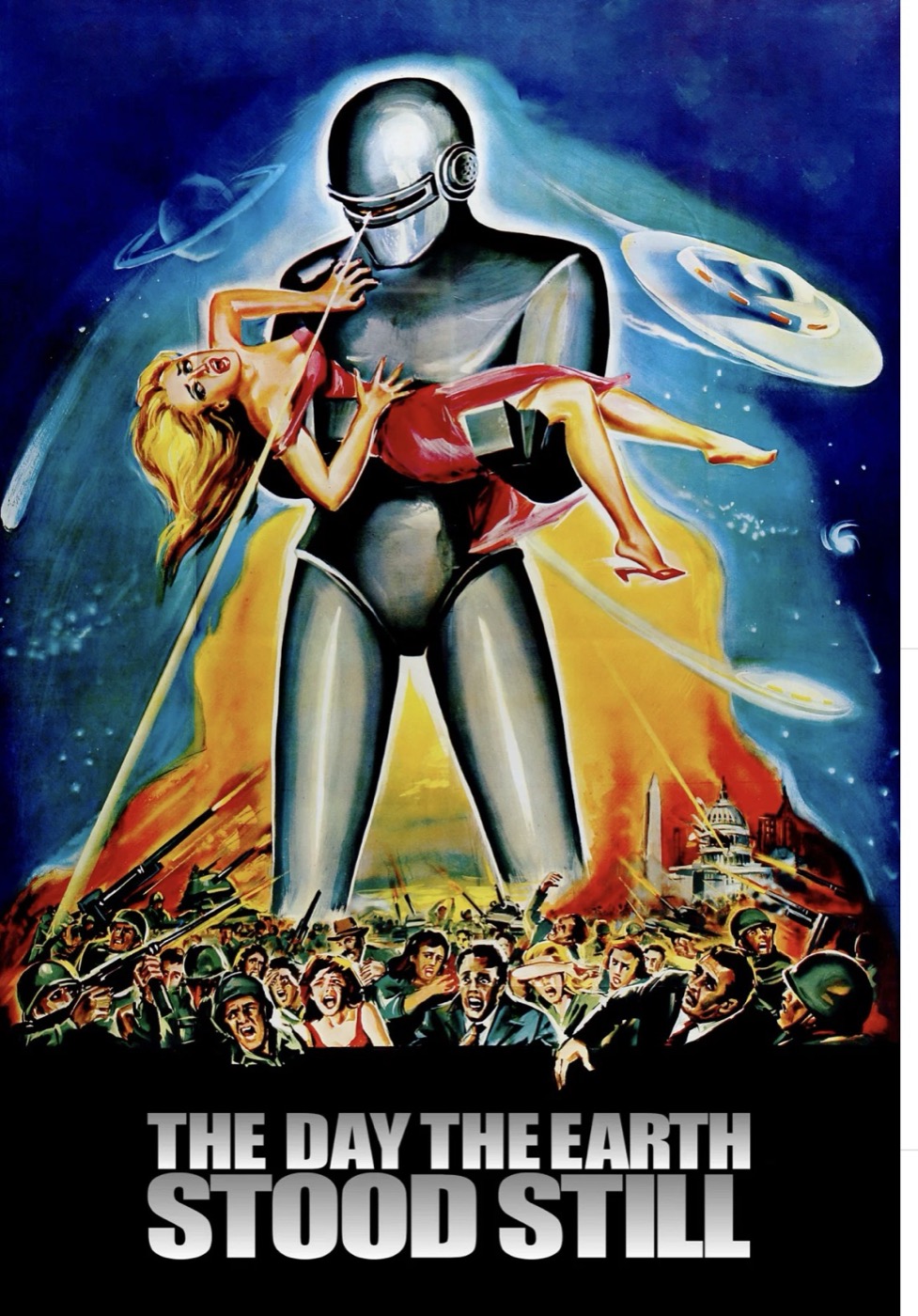
director: Robert Wise.
writer: Edmund H. North (based on the story ‘Farewell to the Master’ by Harry Bates).
starring: Michael Rennie, Patricia Neal, Sam Jaffe, Hugh Marlowe, Billy Gray, Frances Bavier & Lock Martin.