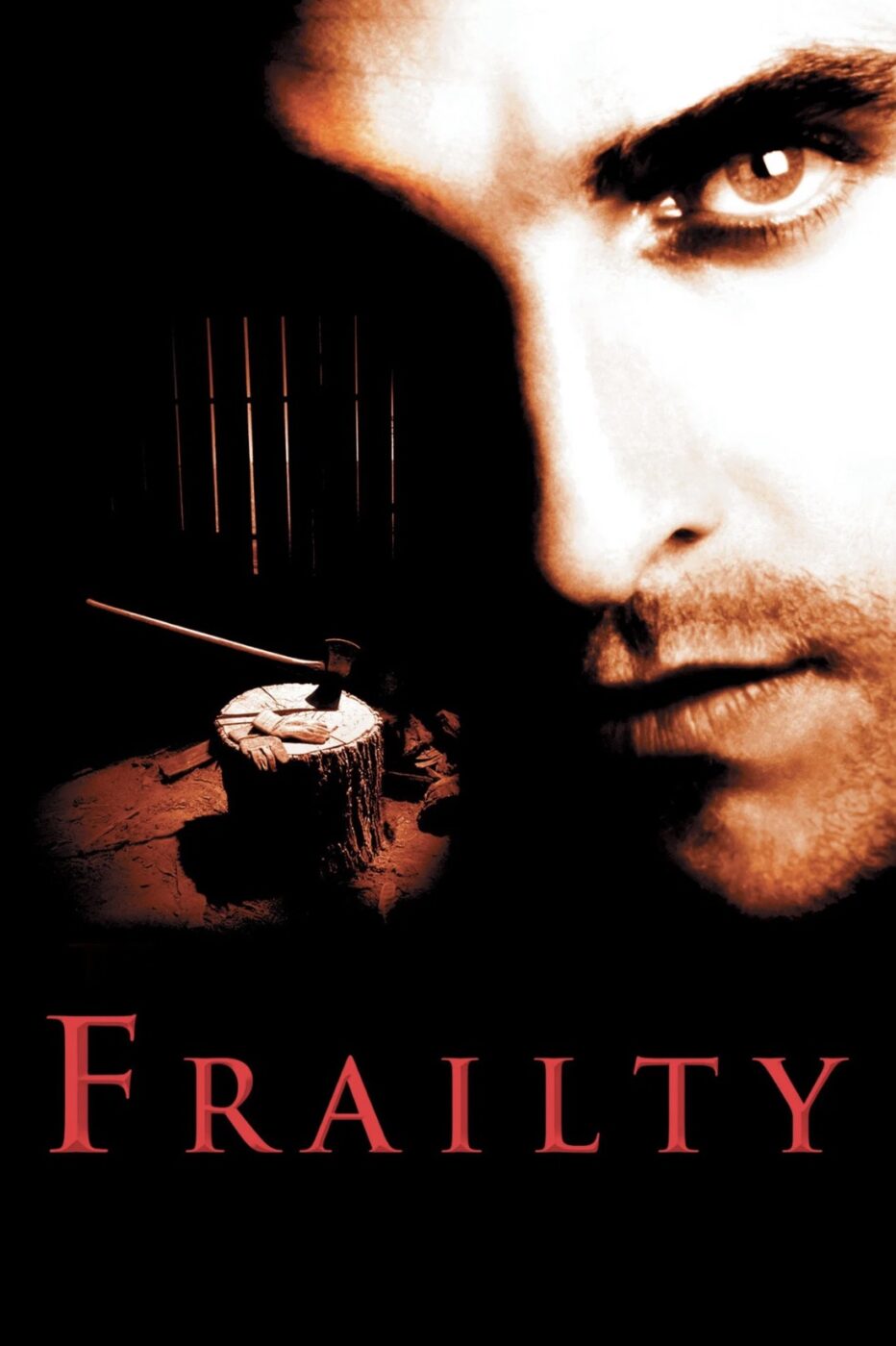
FRAILTY (2001)
A mysterious man arrives at the offices of an FBI agent and recounts his childhood: how his religious fanatic father received visions telling him to kill people who were in fact "demons."


A mysterious man arrives at the offices of an FBI agent and recounts his childhood: how his religious fanatic father received visions telling him to kill people who were in fact "demons."
The first time I saw Frailty as an impressionable youth, it blew me away. Most twisty serial killer thrillers did. Read enough retrospectives on the film and you’ll hear a choir echoing the sentiment that an underrated gem has been slept on; yet, you’ll simultaneously find the repeated criticism that its mundanity buried it in a busy market. It follows a simple Texas family staving off Armageddon by every so often killing a random person in their cellar—a domestic drama of biblical allusions, rather than proportions.
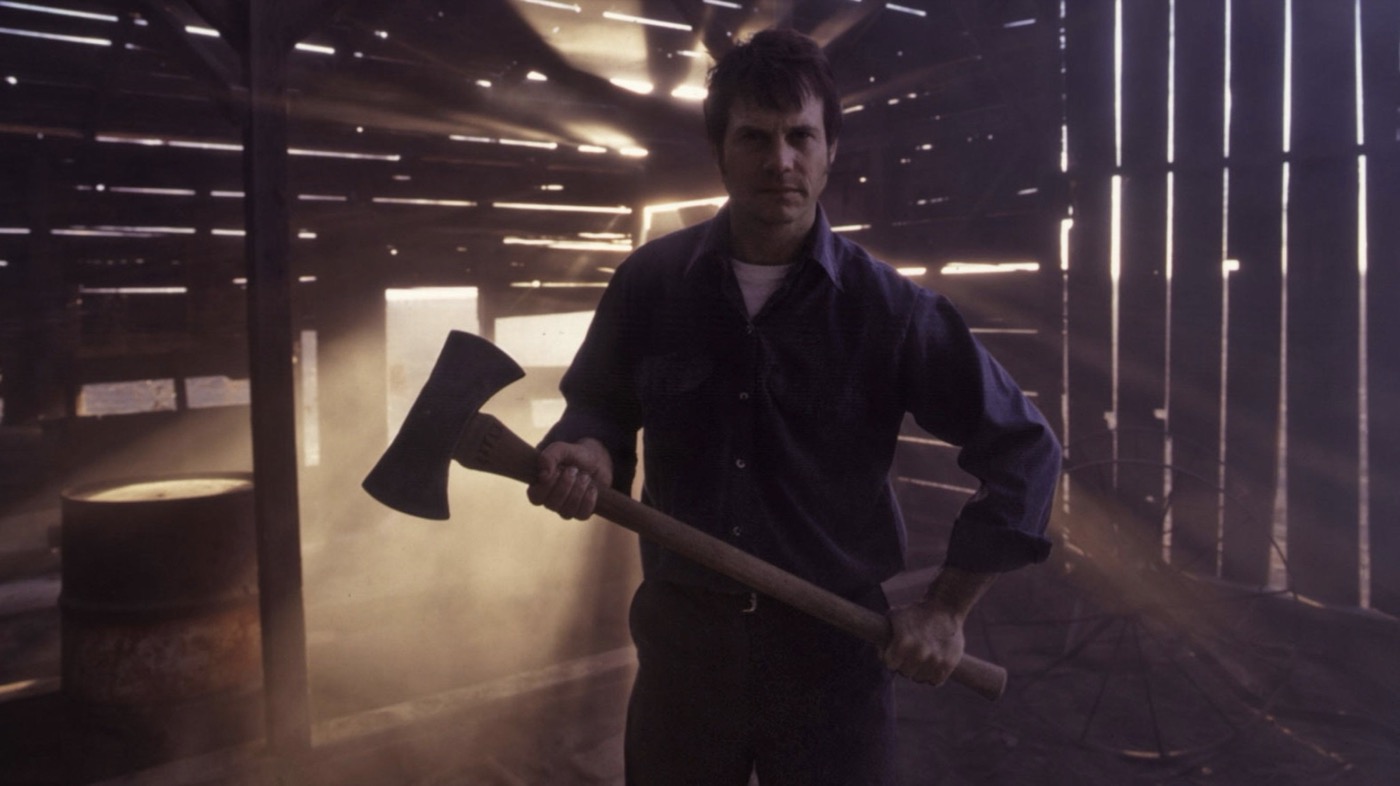
Frailty itself is impressed with the trending styles of the genre. Arriving in the wake of Se7en (1995), Primal Fear (1996), The Game (1997), and Fallen (1998)—even before The Silence of the Lambs (1991)—there are unmistakable echoes of The Shining (1980). Here is another bad dad who goes mad with an axe.
Unlike Jack Nicholson’s iconic mania as a disgruntled brute, Bill Paxton prefers an approach closer to Stephen King’s original novel: he’s a genuinely loving father who’s desperately saving his children from God’s wrath. This Dad never ‘goes crazy’; he just loses his mind. It simply means some people are demons and his family must remove them from the Earth. He never feels as though he might chase down his two sons, Fenton (Matt O’Leary) and Adam (Jeremy Sumpter), with his axe—but Dad does starve one in a pitch-black cellar for over a week. That’s something even the Overlook Hotel didn’t push Jack to try.
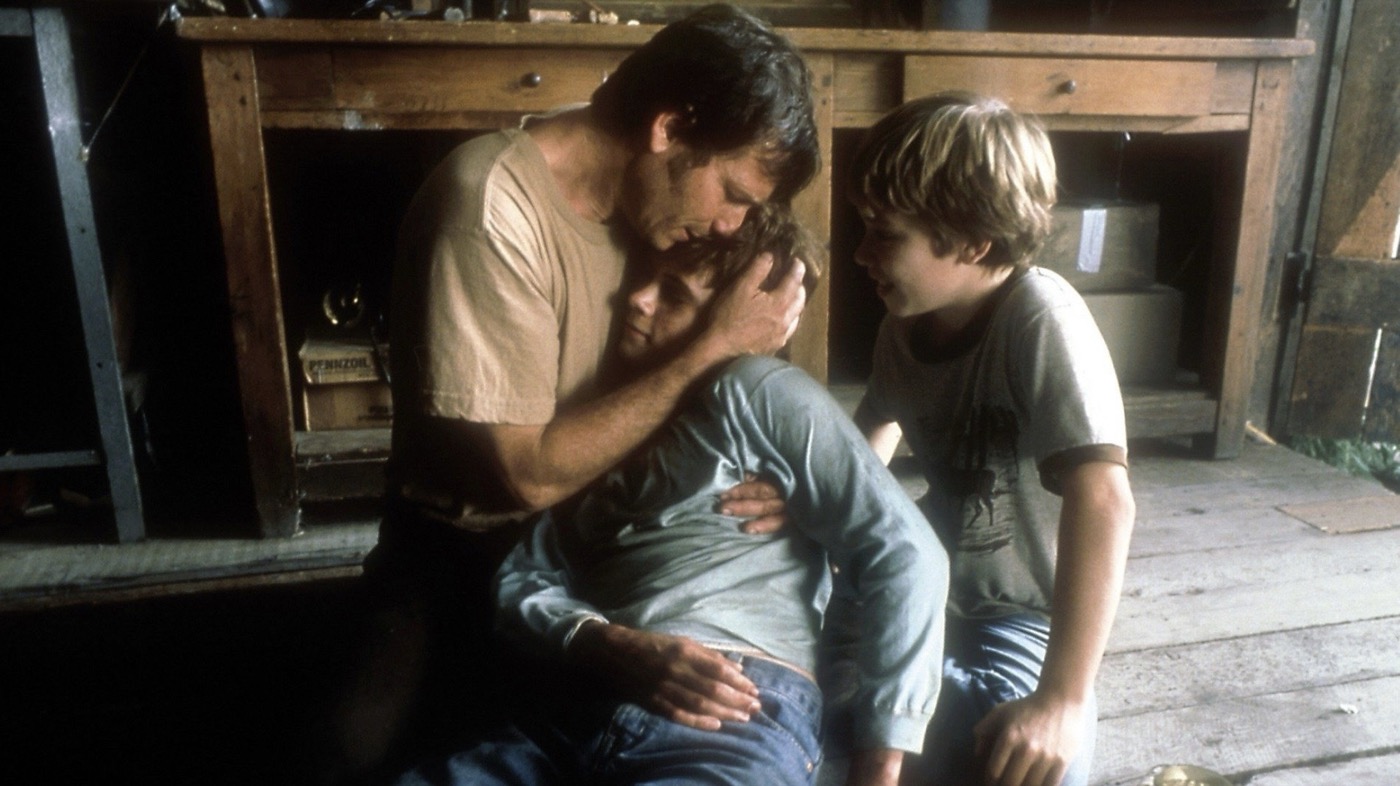
“I read the script and it scared the hell out of me,” said Paxton. Having been given Brent Hanley’s debut screenplay to play the tormented father, he shocked producer David Kirschner by returning with storyboards, colour palettes, and a request to make this his directorial debut. “I’ve waited a long time to direct,” Paxton noted. He elevates a dour psycho-procedural into a haunting, “neo-classical piece” of domestic bliss, destroyed when a God-fearing family undertakes an Old Testament task.
“A lot of people in Hollywood recognized that it was a great piece of work, but they wouldn’t touch it with a bargepole because it involves children and violence. I was worried that a wild-eyed director would get hold of this material and sensationalize it just to shock people. And that, to me, wouldn’t do the script justice.”—Bill Paxton, actor-director.
An adult Fenton Meiks (Matthew McConaughey) claims his brother was the wanted “God’s Hands” murderer who committed suicide the previous night. Fenton has stolen the body and delivered it late at night to a sceptical FBI agent (Powers Boothe). There’s no high-tension action; instead, two men whisper their dialogue before a soft fade back to 1979, which makes for one long-winded confession.
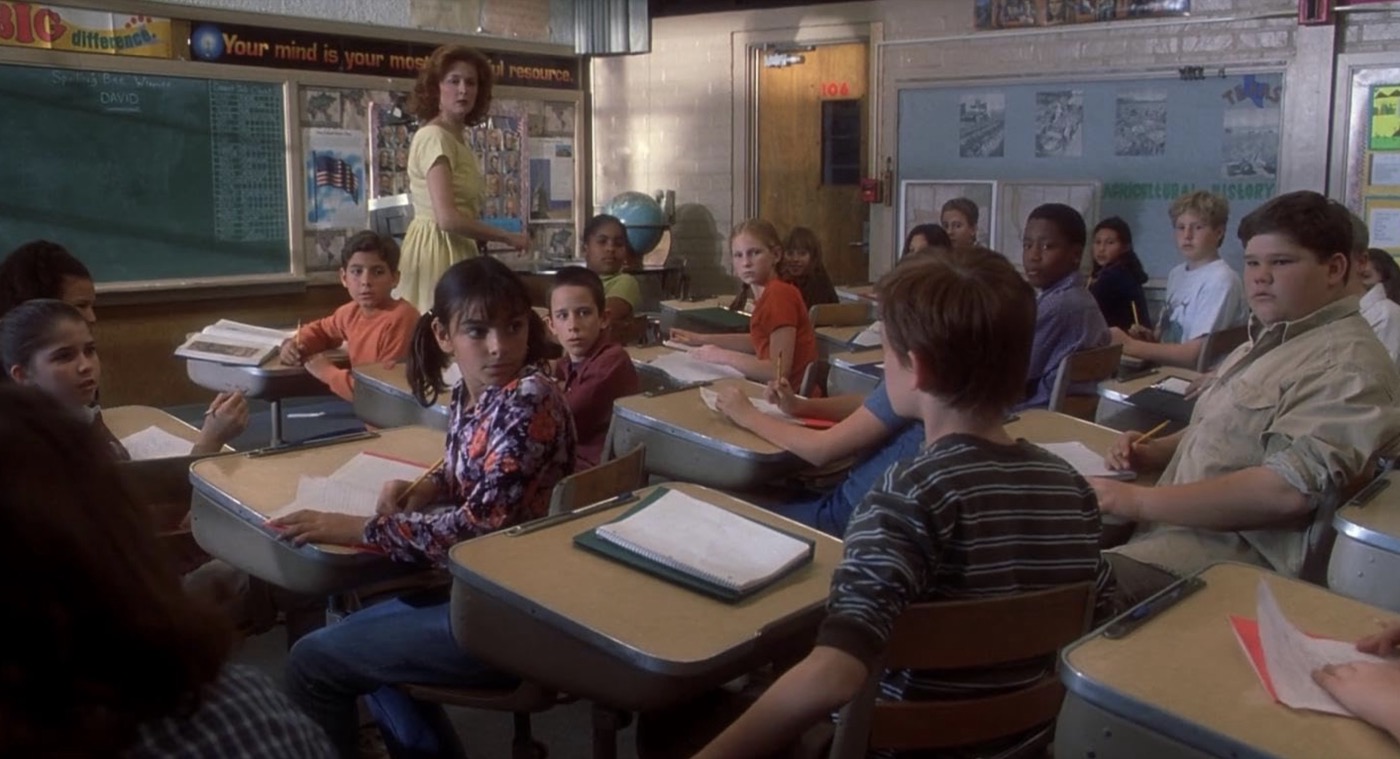
The Meiks family talk about homework over dinner, the kids debate sneaking into The Warriors (1979) or Meatballs (1979), and Dad feigns passing out when double-checking someone brushed their teeth. It’s all undramatic authenticity. Even the most ordinary lines build character: young Adam kisses his dad goodnight and says, “Love you,” while Fenton, feeling too old for hugs, simply says, “Night, Dad.” These minute differences will soon divide the siblings.
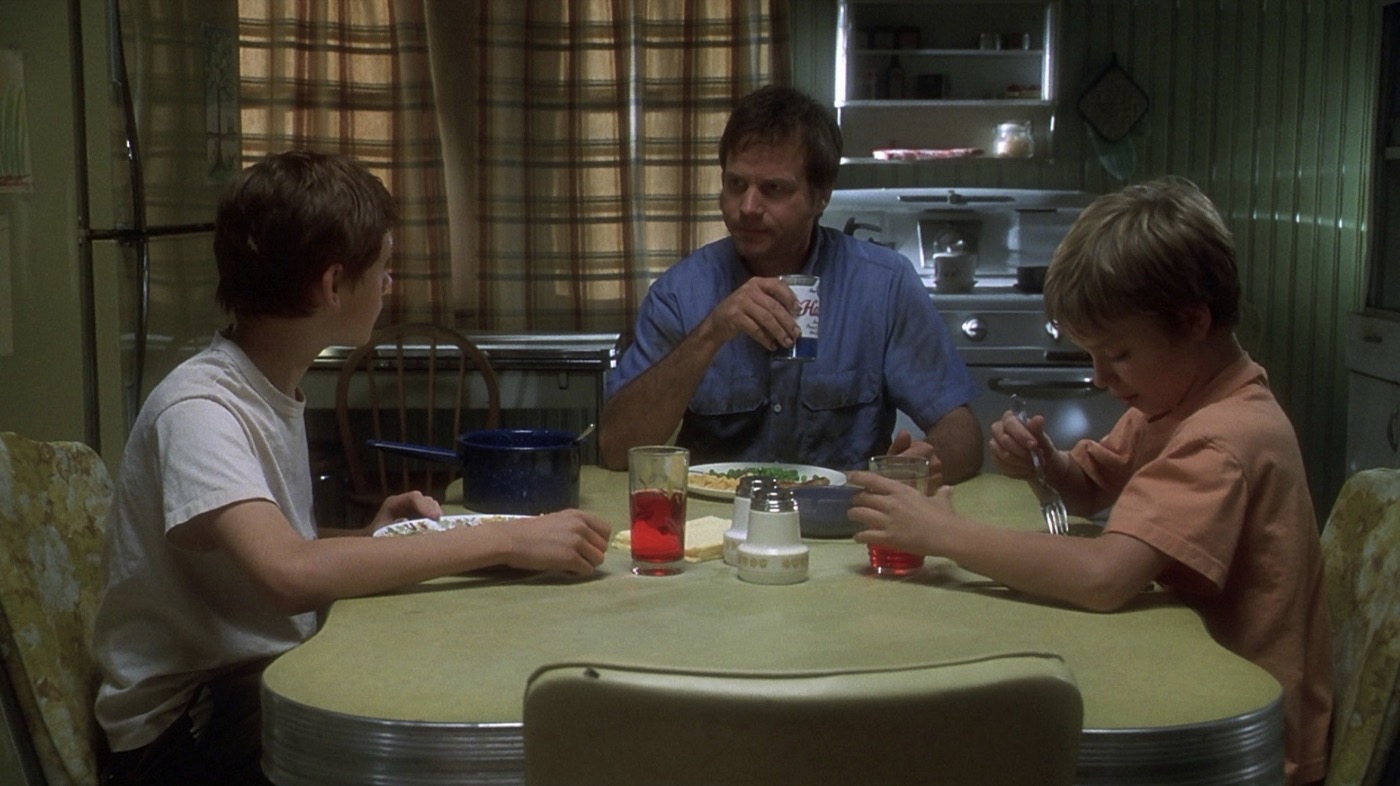
As casual as life was before, it changes. A trophy shimmering in the moonlight gives way to an apocalyptic herald—unseen by us, but visible to Dad. All we need to see are the reactions to his revelation: Fenton stares in tired disbelief, Adam asks if they’re like superheroes, and Dad himself is confused, yet he wakes them the next day as if the world were still normal. This is a mission from God, treated like an extracurricular activity squeezed in between work and school.
Paxton anchors the film with an unassuming performance that remains provocative. If he’s insane, why so suddenly? If it’s premeditated, why risk involving his children? We must also ask how much of this is accurate in a childhood recollection; scenes featuring Dad away from his children are third-hand stories presented as gospel.
The multitude of questions is a sign of the evocative screenplay’s strengths. While the story veers through different perspectives, the core emotional vice crushes Fenton’s sense of morality between traditional familial love and concern for his father’s mental wellbeing. This domestic tragedy makes the audience squirm through claustrophobic intimacies, such as when the reluctant boy musters the courage to ask, “Maybe… maybe you’re not right in the head?” Conversely, Adam ‘drinks the Kool-Aid,’ frivolously offering his own handwritten list of demons that coincidentally features a high-school bully. The responsible adult puts his foot down: “If we used your list, we wouldn’t be destroying demons; we’d be killing people. And we can never do that.”
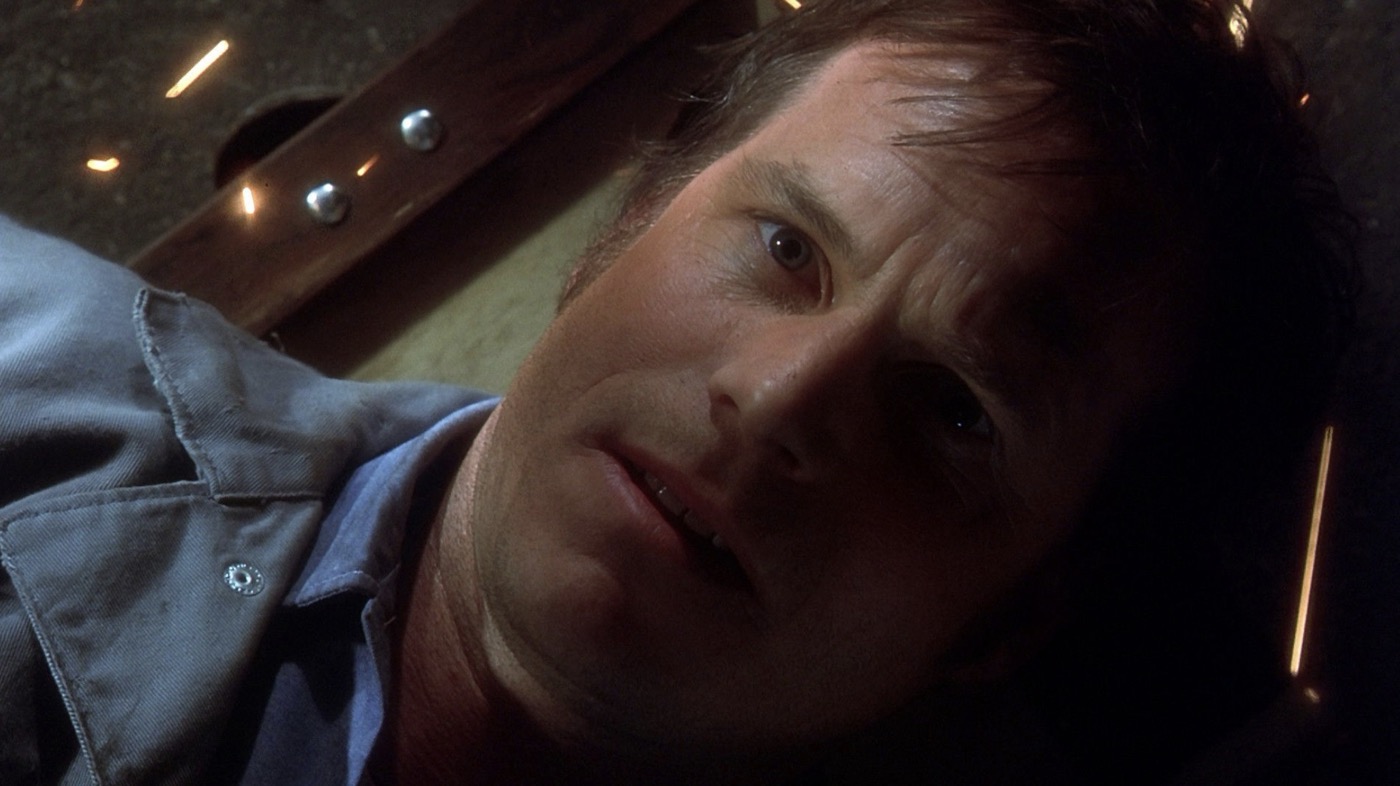
“I loved him even if he had gone crazy,” relents the adult Fenton. While some of his narration is significant—or at least poetic—we’re never allowed to linger in a scene for long before McConaughey, rarely seen but often heard, chimes in to explain how everyone was feeling, despite it being clear in the performances. Given the minimalist approach, it’s almost ironic that Paxton didn’t tone down the overwritten dialogue. With his down-to-earth elegance, he was presumably all too happy to direct without ‘putting his foot down’ on the script.
Those uninterrupted interactions provide a painful allure. Fenton tries to dissuade his brother from helping, who then tattles; the image of Dad hovering over Fenton at night is a terrifying dose of reality. We fear punishment, yet Dad swears his innocence. Through teary-eyed prayers for angels to enlighten his child, he achieves a wickedly clever gaslighting. If Fenton isn’t swayed by religion, what if Dad receives an omen about his son that he’s too distraught to share? What if Dad swears he’ll prove the angel wrong? Coming from a man killing on behalf of God, he weaponises his familiarity as the head of the family. He loves his son more than Abraham loved Isaac; so really, when you think about it, he’s risking his own neck if God wants the boy punished.
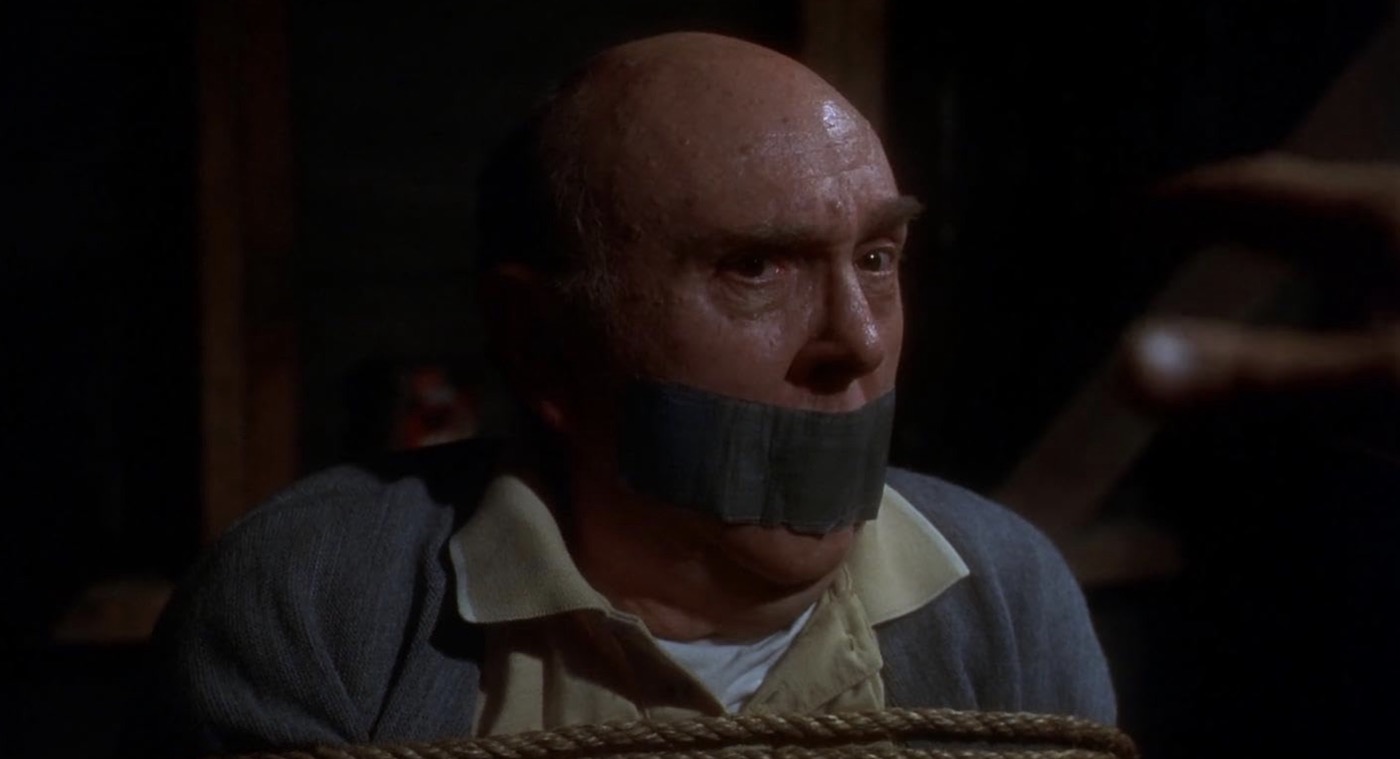
Fenton’s best bet is to do what Dad says: dig a 15x15x10ft hole. This punishment becomes penance as Dad offers painkillers and concern, noticing Fenton can barely hold his cutlery due to welts and blisters—self-inflicted from refusing to wear gloves. Dad can’t stomach cruelty as visions of the demons’ crimes literally shake him to his core. Confronting such evil spurs his conviction, leading him to bludgeon women and old men by walking up to their front doors or accosting them outside supermarkets in broad daylight. It’s no wonder people love true crime; there is a morbid, pre-surveillance-state nostalgia in the idea that one could commit such brazen acts and simply walk away.
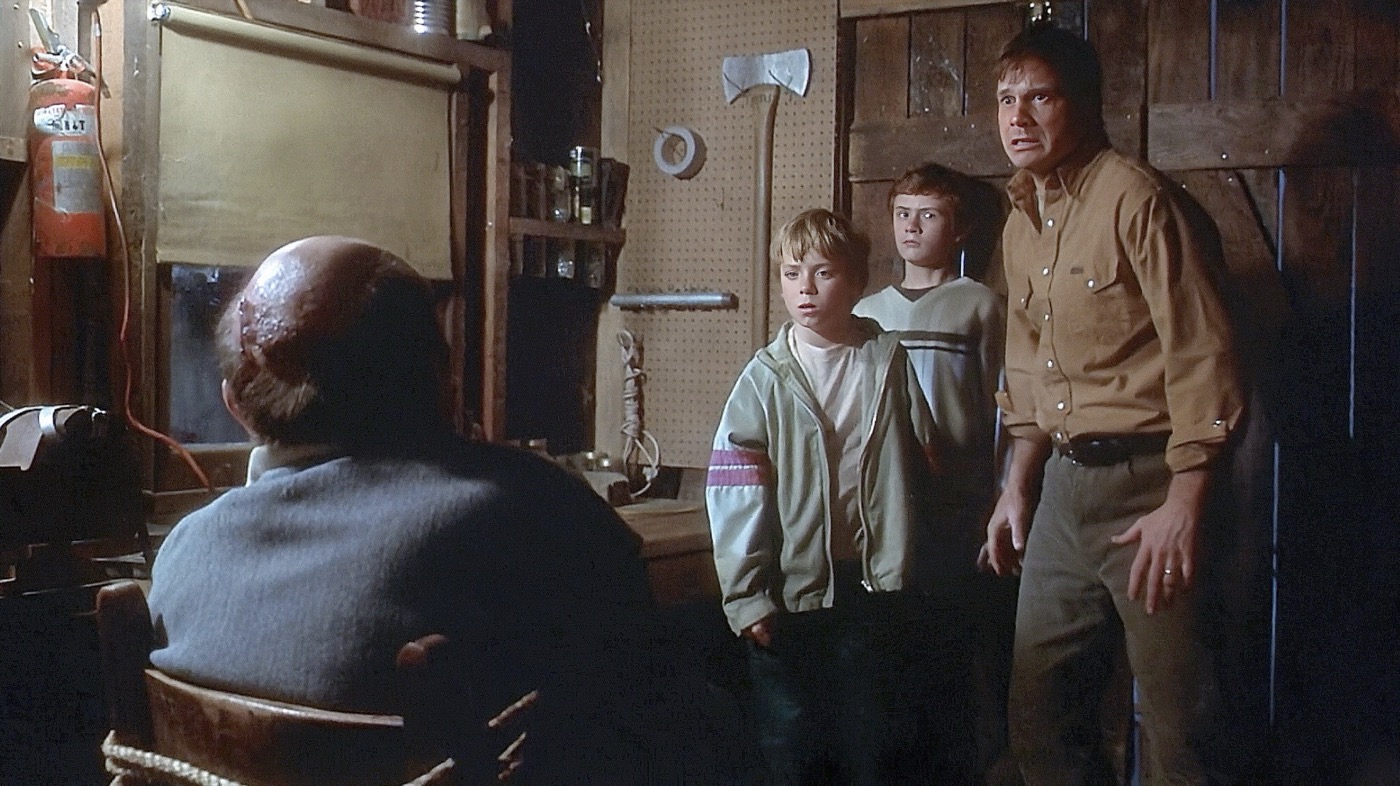
Eventually, Fenton does tell the police. However, the kind old sheriff’s visit goes about as well as the one in Misery (1990). Dad even confers with his son before inviting the sheriff into their new cellar: “What do you think, kiddo? Does it have to be done?” Coming so soon after A Simple Plan (1998), Bill Paxton is once again the reluctant killer.
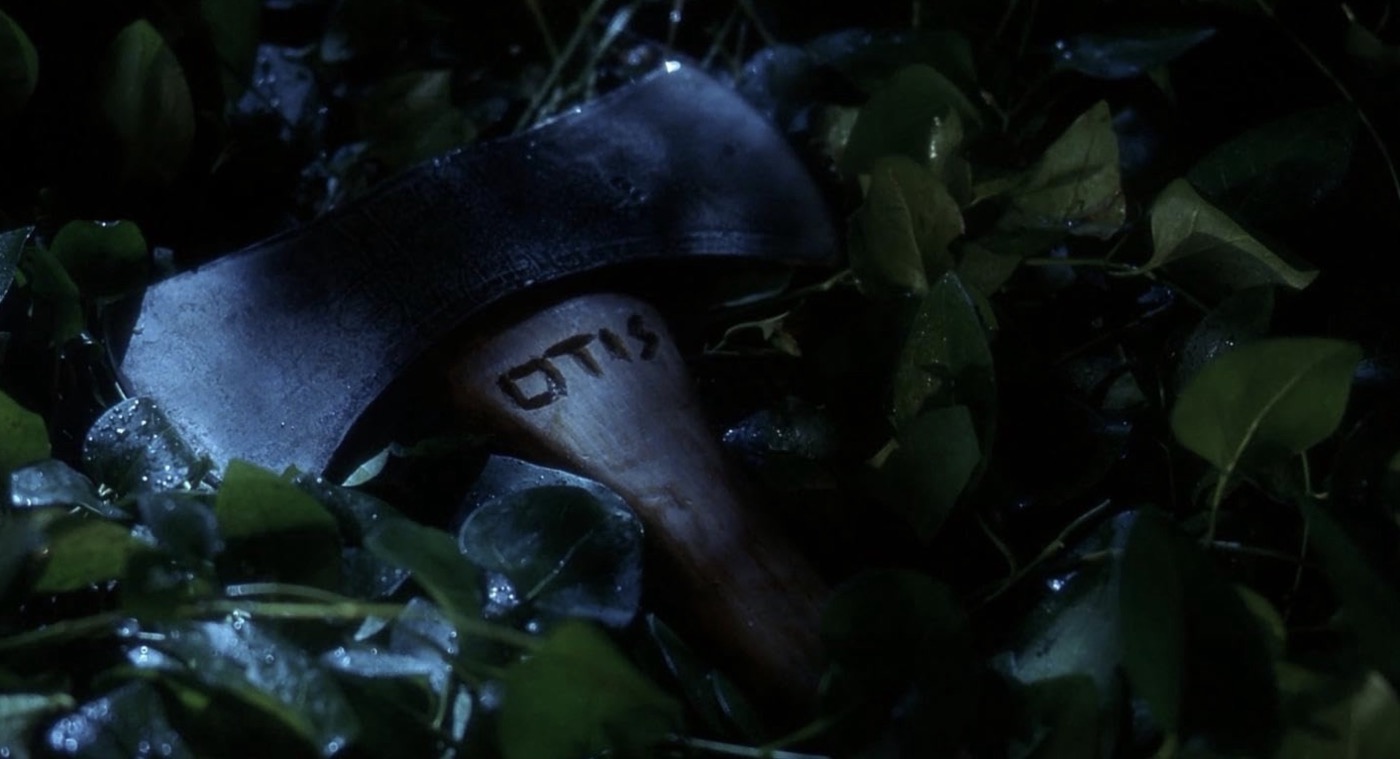
“Twister, Apollo, Titanic—he’s the wholesome guy,” Paxton reflected, noting his real-life reputation as a ‘darling’ of the industry. “They’re not looking at Near Dark or True Lies. I get kind of tired of reading that.” He insisted this role wasn’t a self-conscious pursuit of a darker image: “I’ve played a lot of different people. I believe people are capable of great villainy and great heroism—the same person.” In the film, Dad is granted three holy weapons: plain gloves, a metal pipe, and an axe engraved with the name “Otis.” Producer David Kirschner wondered why 90% of US elevators are adorned with that same name, and fans speculate it stands for “Only the Innocent Survive.” However, Paxton simply struck up a conversation with a homeless man, offered him money for his name, and it happened to be Otis.
Paxton was a good person, a great actor, and a capable, if unambitious, director. Envisioning “a stark, clean look, like an Edward Hopper painting,” he cited Charles Laughton’s Night of the Hunter (1955) as a major influence. Screenwriter Hanley did the same, which explains the familiar beats of child abuse, zealotry, and murder in East Texas. Paxton “knew the landscape, knew the characters,” which aided the film’s authenticity, though he never quite reaches the majesty of Laughton. Despite the excitement of hiring Bill Butler—the cinematographer for The Conversation (1974), Jaws (1975), and One Flew Over the Cuckoo’s Nest (1976)—the film languishes with the unassuming feel of a made-for-TV movie.
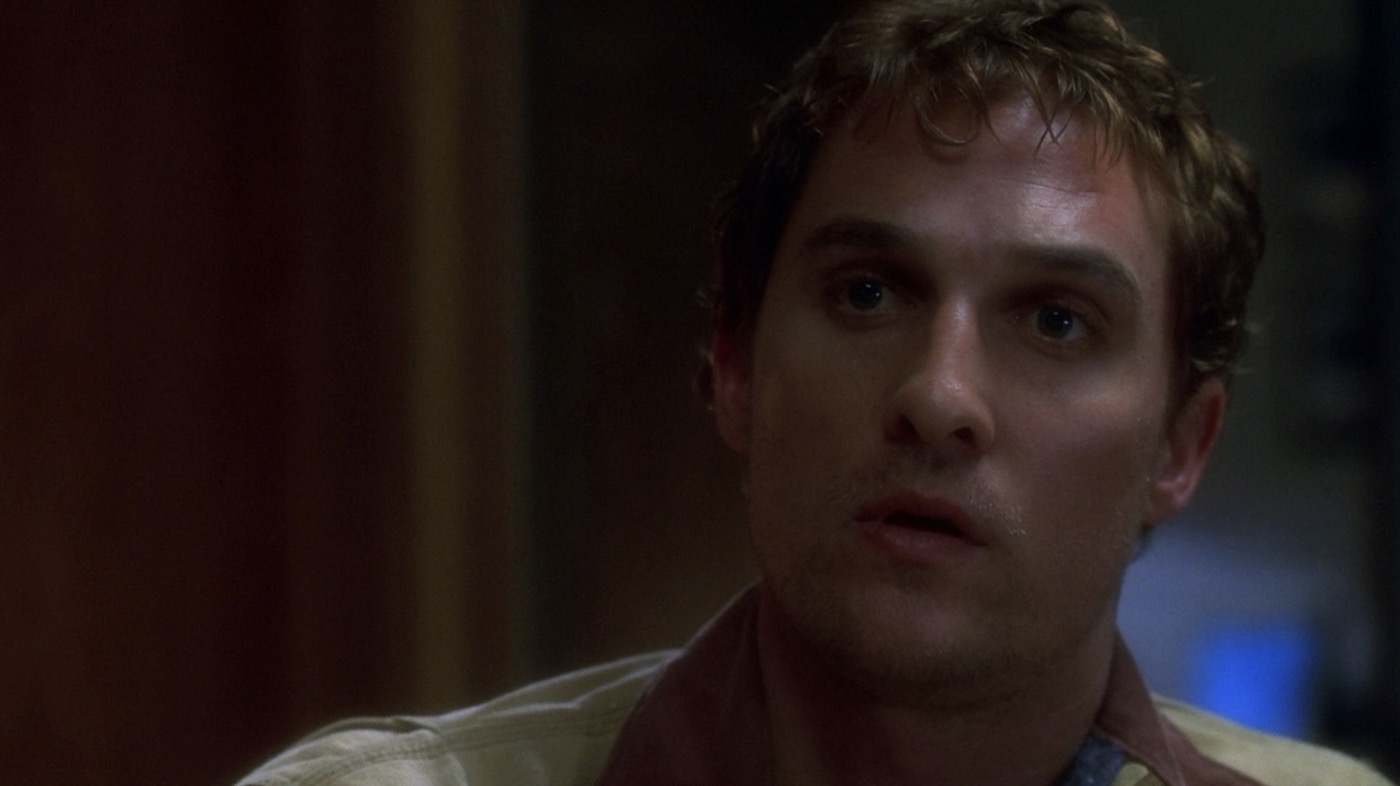
Some visions are ‘seen,’ or perhaps imagined second-hand given the nature of the retelling. The 1990s-style morphing church, the blue-screen angel, and the optical flaming sword all add an off-kilter, fantastical unreliability. Touching the demons also betrays the perspective of the non-believing Fenton, as the experience is powerful enough to shake the camera itself. Yet, acknowledging this effect deepens the mystery; by remaining still with the third act victim, the film implies that the masquerade has finally worn off for the child.
“Perhaps only an actor who does not depend on directing for his next job, would have had the nerve to make this movie. We love movies that play and toy with the supernatural, but are we prepared for one that is an unblinking look at where the logic of the true believer can lead? There was just a glimpse of this mentality on the day after 9/11, when certain TV preachers described it as God’s punishment for our sins, before backpedaling when they found such frankness eroded their popularity base.”—Roger Ebert, critic.
Debuting at the Deep Ellum Film Festival in 2001, Frailty was naturally delayed several times before its US release the following year. Paxton admits: “I know I can’t skirt this. After that event, everything gets put through that lens. I always saw this as a good, creepy, Gothic story and a family tragedy. But let’s face it, it has a lot to do with religious fanaticism.”
It certainly doesn’t help that, in its pursuit of topping tough genre competition with shocking twists, the film shoots itself in the foot by championing the religious fanatics. What’s clearly intended to leave audiences rattled as the credits roll reveals a naivety regarding reality; after all, the public was already haunted by such stories long before 9/11.
Roger Ebert referenced further horrors that Frailty evokes. Andrea Pia Yates, from Houston, Texas, drowned her five children in June 2001 after claiming Satan had told her their souls would be saved that way. He also mentioned the then-ongoing case of the “West Memphis Three”—teenagers convicted in 1993 of murder via a “Satanic ritual” based on wearing black, liking rock music, and little real evidence. Ebert drew this parallel at a time when they were facing life imprisonment and the death penalty. They weren’t finally freed until 2011, with the real killer(s) still undiscovered. There’s been a cultural shift in the decades since, and the practice of hiding personal demons behind a veneer of righteous Christianity has faltered, though it hasn’t vanished entirely.
“This movie definitely polarises people,” reflected Paxton, and I concede to that sentiment, albeit in a different light. He was referring to the taboo subject matter, but Frailty feels at odds with itself. Once Paxton the actor is out of the picture, it’s as if he packed his bags and left the director’s chair too; it feels as though a second unit filmed the wraparound conclusion, and it falls flat. Despite Lionsgate never once visiting the set because they were so impressed with the dailies, and James Cameron providing hands-on editing tweaks as a favour to a friend, these twists upon twists throttle the emotional investment. Each surprise makes sense, but the entire flashback never feels truly necessary. While what happens in the present ties things up for the audience, why the hell did Fenton waste ninety minutes telling an FBI agent all this?
What once blew me away now gives me reservations, especially after reading interviews with the screenwriter. Brent Hanley is much like Stephen King—the author who famously hated Stanley Kubrick’s byzantine interpretability and directed his own TV adaptation of The Shining (1997), replete with CGI hedge animals and Jack Torrance (Steven Weber) in Evil Dead-style makeup. Hanley resists leaving any nuance at the end, and in doing so, he betrays all of Paxton’s subtlety. The heavy hand of several last-minute ‘miracles’ blows past coincidence and, worst of all, is reinforced by Hanley’s commentary insistent that Dad was right the whole time. David Lynch must have wept sensing a story out there being explained rather than explored.
“Frailty to me was always about the frailty of perception, the frailty of morality, the frailty of right and wrong,” said Hanley. But perhaps it’s actually about the frailty of confident storytelling and trust in the audience. Frailty suffers from an overexertion of twists because, surely, it couldn’t just be a tragedy of mental illness tearing a family apart? We can’t be that boring after Se7en! Hanley’s tiring at the finish line settles his film comfortably as the precursor to the borderline camp of Identity (2003) and Saw (2004). I can’t help but think this is exactly the kind of film Adaptation mocked a year later.
Hanley’s screenplay topped Minority Report (2002), The Ring (2002), and Signs (2002) to win that year’s Bram Stoker Award. Producer David Kirschner claims everyone raved about the film and that Steven Spielberg even wanted to meet this hot new talent. This was Hanley’s first and last screenplay.
As for Paxton himself, his directorial debut left him feeling “like a doctor who’s just finished his first surgery. The next thing I want to direct is completely different from this.” Grossing $17.4M against an $11M budget and holding a positive review aggregate of 76%, Paxton would only direct one more feature film, The Greatest Game Ever Played (2005), before his untimely passing in 2017. During the promotion for Frailty, he hinted at a “British romantic comedy” and had spoken with Hanley again about adapting Joe Lansdale’s novel The Bottoms.
Kirschner ruminates on the lack of marketing: “Lionsgate said to me that ‘we just weren’t ready for this kind of film.’ They had not hit their horror world yet. They had not done Saw or any of those and were just getting their feet in the water. I think that hurt us because most people didn’t even know it existed.”
“Part of the reason I did this was to earn some respect from the industry. You could say I have quite a nice-guy image as an actor and I wanted to do something new, something that might break that mould a bit. I saw how Billy Bob Thornton, Matt Damon, Ben Affleck were suddenly praised because they made films. I don’t think you get respect as an actor in this town unless you’re Tom Cruise or Tom Hanks. But you get respect as a film maker.”—Bill Paxton.
USA • GERMANY | 2001 | 100 MINUTES | 1.85:1 | COLOUR | ENGLISH

director: Bill Paxton.
writer: Brent Hanley.
starring: Bill Paxton, Matthew McConaughey, Luke Akew, Powers Boothe, Matt O’Leary & Jeremy Sumpter.