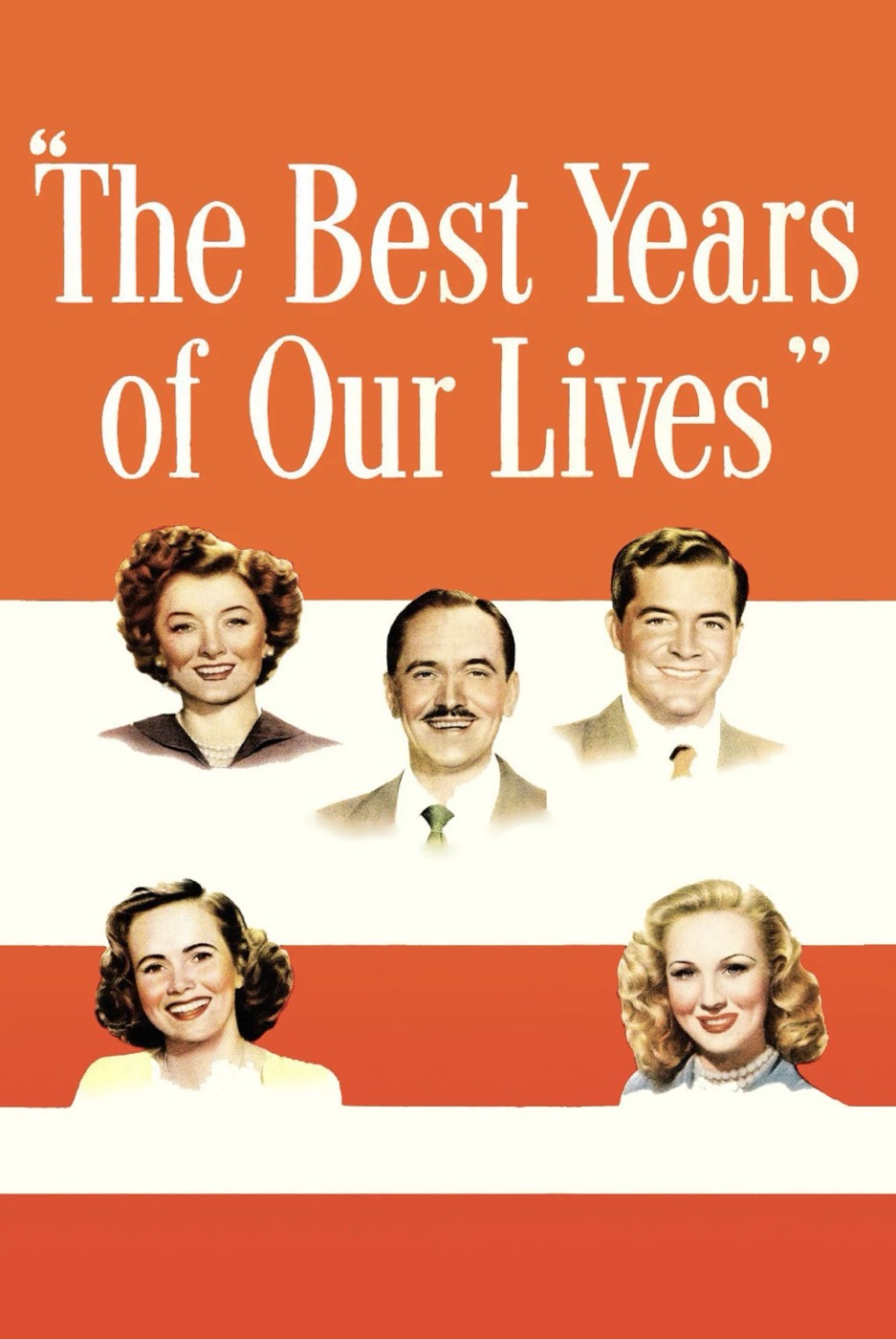
THE BEST YEARS OF OUR LIVES (1946)
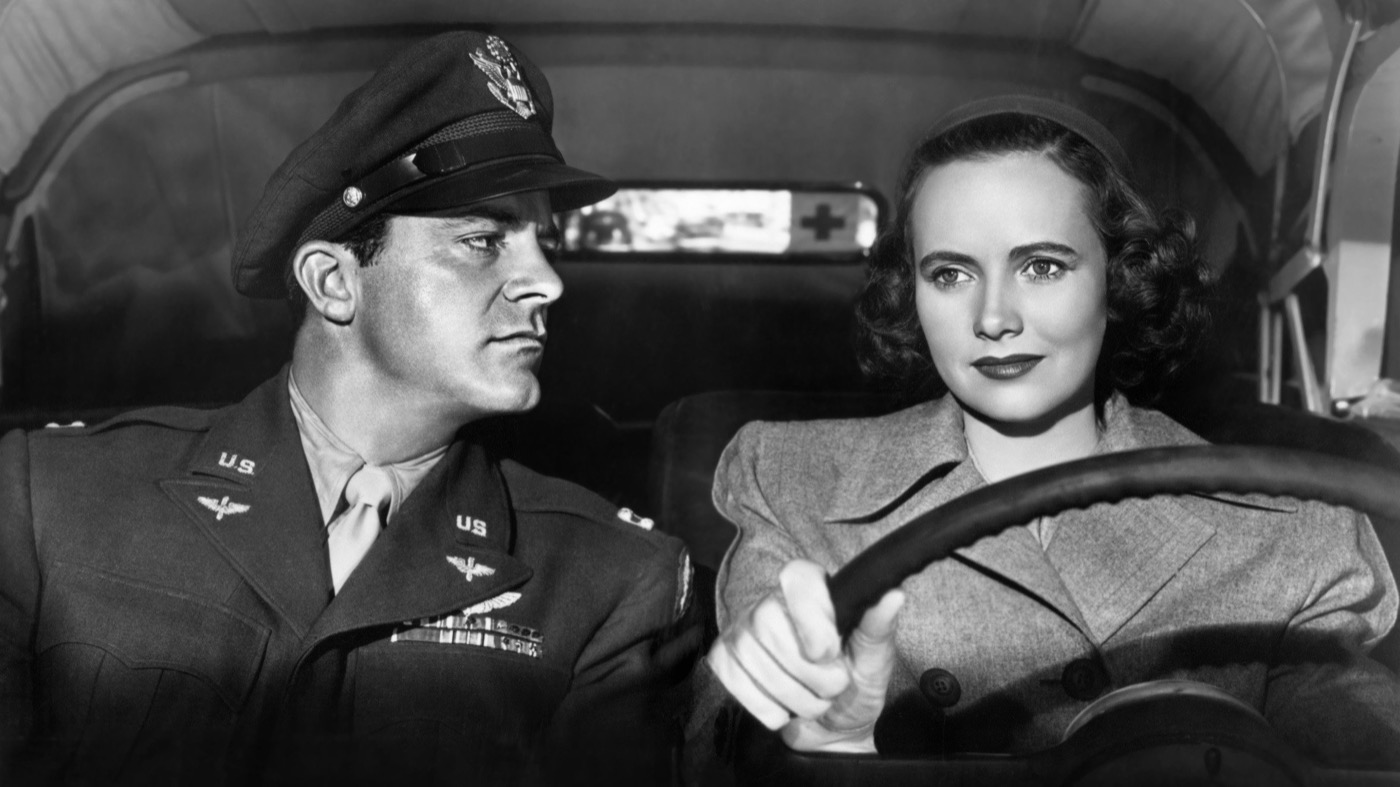
Three WWII veterans return home forever changed and find it difficult to adjust to their new realities.


Three WWII veterans return home forever changed and find it difficult to adjust to their new realities.
In 1945, 12 million American servicemen returned from World War II after years away from their families and fighting overseas. Behind the parades and celebrations for the returning heroes lay the darker trauma of trying to resume lives they could never fully regain. William Wyler’s 1946 ‘Best Picture’ Academy Award winner, The Best Years of Our Lives (also known as Glory For Me and Home Again), embraced these bittersweet homecomings. A critical and commercial success at the time, it remains, 80 years later, a transcendent masterpiece and one of the best films ever made about veterans.
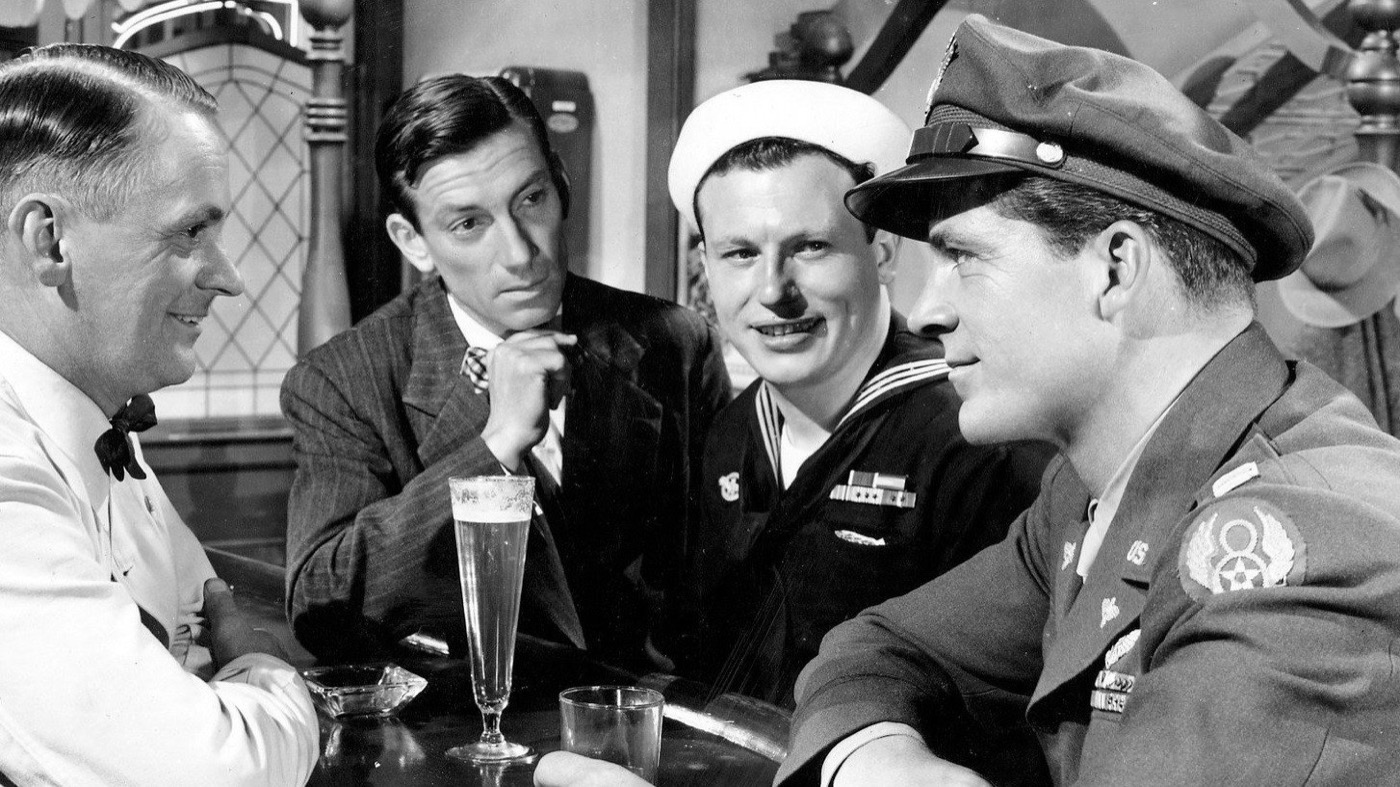
The Best Years of Our Lives tells the story of three WWII veterans: Sergeant Al Stephenson (Fredric March), Captain Fred Derry (Dana Andrews) and Petty Officer Homer Parrish (Harold Russell), who return to their lives in the fictional Midwestern US town of Boone City. Stephenson, a successful bank executive before the war, is welcomed back with a promotion and the love of his wife, Milly (Myrna Loy), and their two children, Rob (Michael Hall) and Peggy (Teresa Wright). Derry, who married his sweetheart, Marie (Virginia Mayo), just six days before shipping out, can’t seem to find her. Parrish, a double amputee, is met with both love and resignation by his family and his high-school sweetheart, Wilma (Cathy O’Donnell).
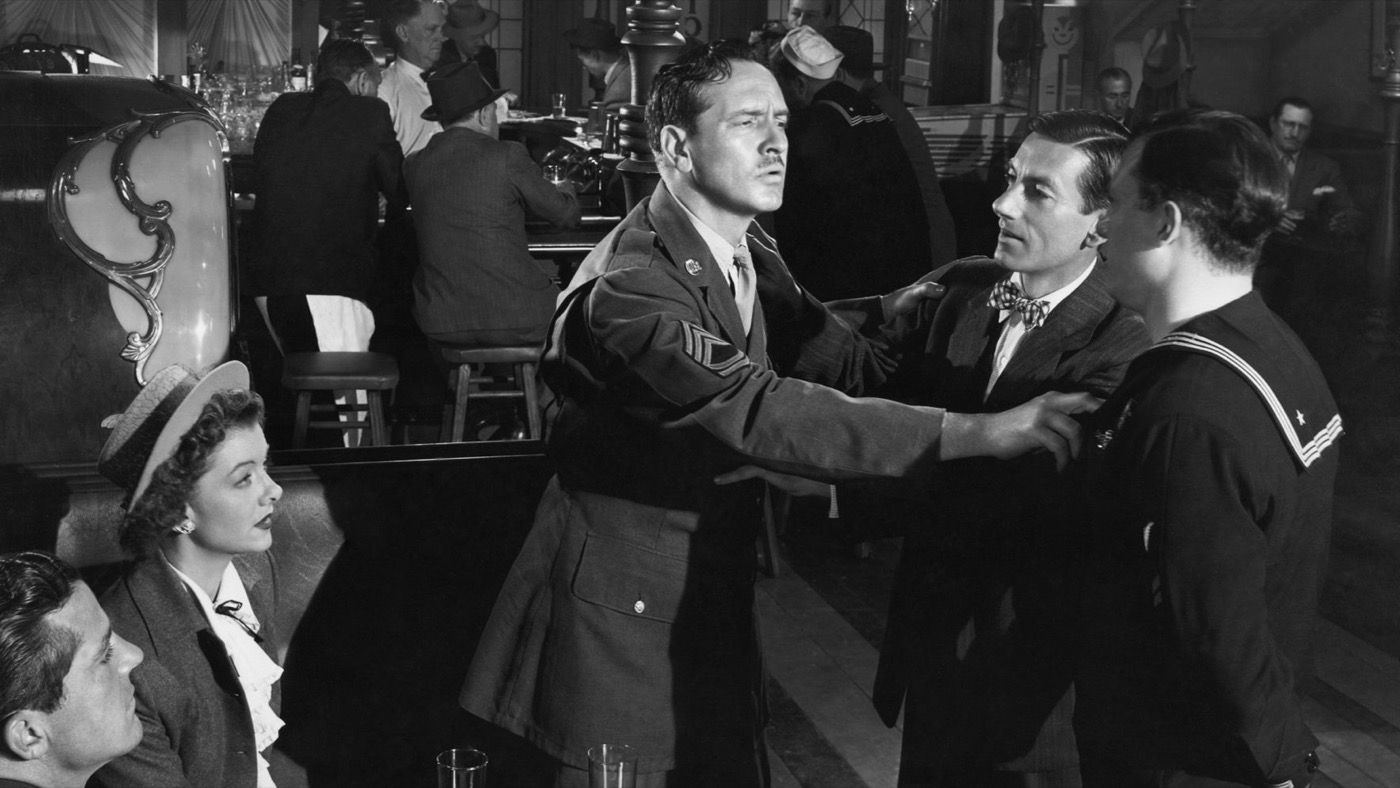
Each of the three men faces hardships rather than the rosy prospect of returning to a peaceful life. Al begins drinking heavily and finds himself at odds with the bank’s restrictive small-loan policies. Homer faces pitying looks from those around him and struggles to believe Wilma would still want to be with a man who has lost both his hands. Fred struggles to find a well-paid job that will support his wife’s lavish lifestyle, all while experiencing post-traumatic stress from his wartime bombing missions.
Polish-American producer Samuel Goldwyn first approached MacKinlay Kantor in 1944 to write a script about soldiers’ trepidation at returning home. Kantor’s screenplay became a dark novella, Glory for Me, about three soldiers returning from war. According to Mark Harris’s Five Came Back: A Story of Hollywood and the Second World War, “it was darker, grimmer, sadder, and more explicitly brutal than any movie of the time could have been.”
The project eventually passed to screenwriter Robert E. Sherwood and director William Wyler, who had served as a major in the US Air Force during the war. Wyler worked on several documentaries about Air Force crews and lost his hearing in one ear during a bombing run. Drawing on his own experience, he made The Best Years of Our Lives a deeply personal film. “I was still full of the war,” he said. He believed the film could help servicemen cope with the “heartaches and even tragedies” of returning to their old lives.
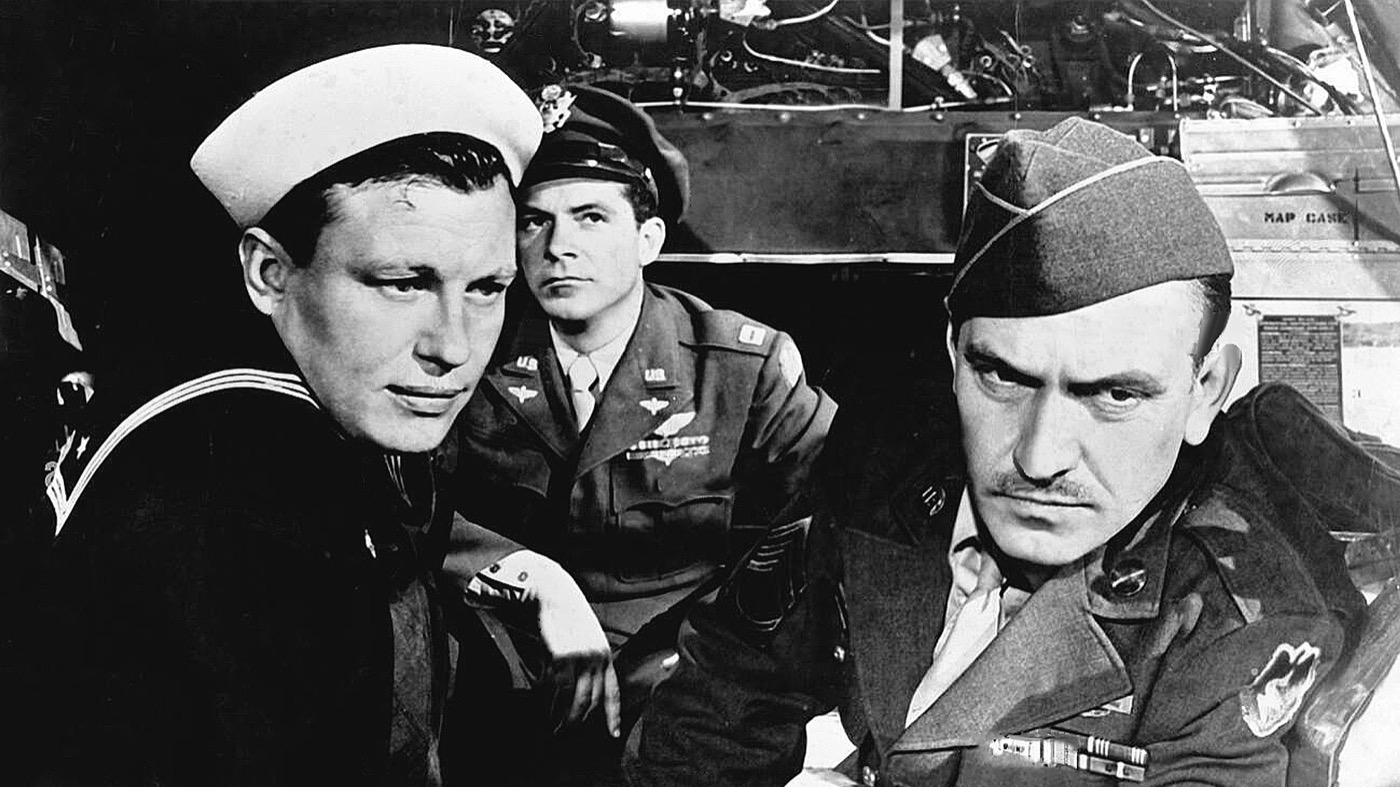
The result is 172 minutes of pure magic. From the opening scene, in which an older man travelling with his golf clubs — on a trip booked by his secretary — pushes past Fred at the airport ticket counter, the film has a strong sense of identity and an unwavering message about the aftermath of war. These themes are strengthened by a cast delivering some of the finest performances of their careers.
Fredric March won Best Actor at the 1947 Academy Awards for his portrayal of Al Stephenson, the character who most closely reflects Wyler himself: a man changed by war and unsure whether he can simply return to work and pick up his life after years overseas. March plays Stephenson with humour and deep reflection, so it’s no wonder he took top billing on the awards circuit. His drunken acting is some of the funniest on screen, reminiscent of Jimmy Stewart in The Philadelphia Story (1940). March’s openness helps express not only his character’s emotional state — and, by extension, Wyler’s — but also the film’s belief in the importance of connection and family.
Dana Andrews is at his best as the traumatised Derry. A year earlier, he played the calculating, soft-spoken detective in the noir mystery Laura (1944). Here, he’s given a more dramatic role, conveying both outspoken and internalised pain in a performance that anchors the film. In the climactic scene on the airstrip, Derry confronts his past among the wreckage of a decommissioned bomber. Hugo Friedhofer’s score works in tandem with Andrews’s nuanced expressions. The scene isn’t bombastic, but it effectively externalises Derry’s emotional state and shows us his growth, especially when we think he’s given up.
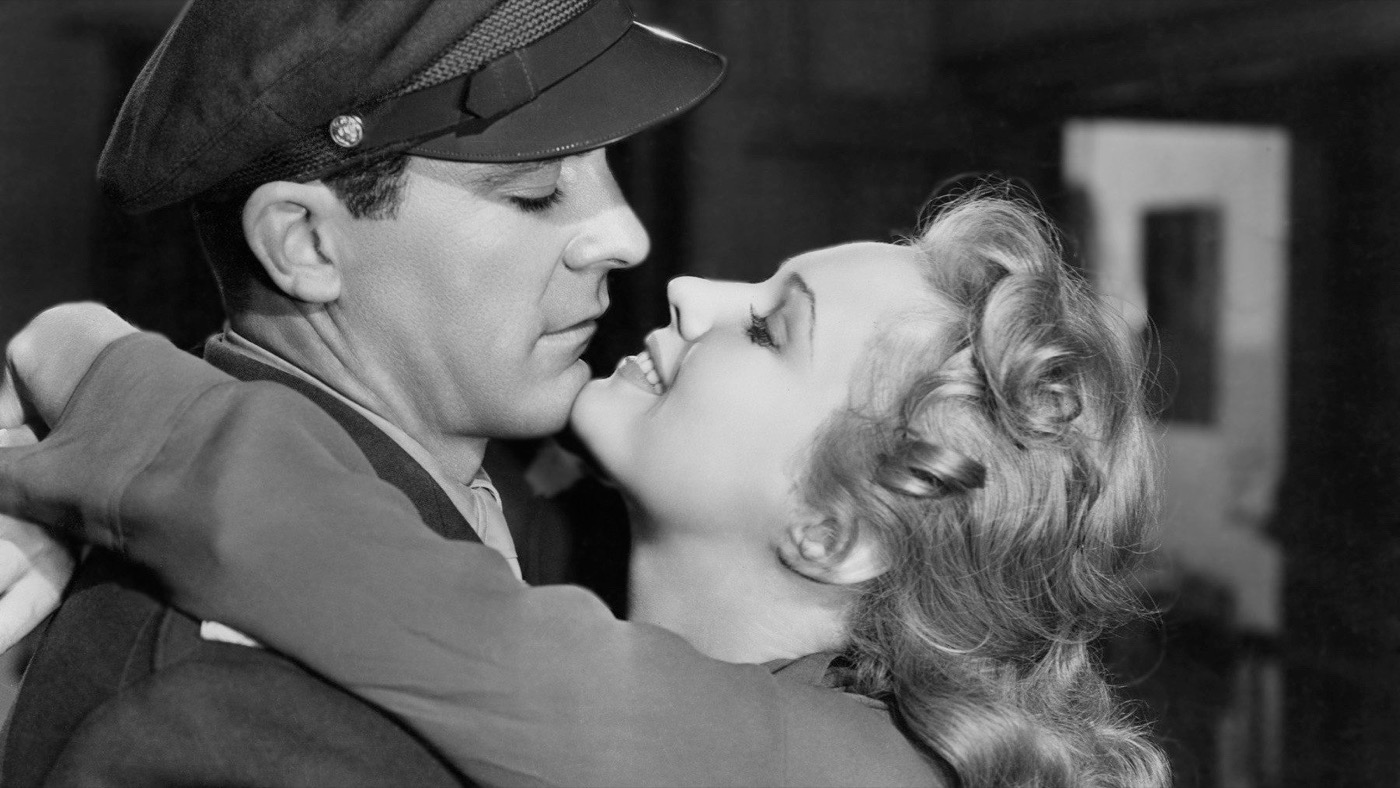
The entire ensemble cast is outstanding. Virginia Mayo is so convincing as the horrible, shallow Marie that it’s hard to separate her from the character. Myrna Loy is a commanding presence, while Teresa Wright steals every scene she’s in. Each lovelorn look is heartbreaking. It’s striking to see how different Wright’s character is from the one she played just three years earlier in Alfred Hitchcock’s Shadow of a Doubt (1943).
The film’s best-remembered performance, and rightly so, is Harold Russell’s as Homer Parrish. Even today, actors without disabilities are cast in roles as disabled characters, which makes it all the more surprising and moving that an actual amputee was cast as Homer. Choosing a non-actor was part of the brilliance of the casting. Parrish lost his hands in a training accident on 6 July 1944. As Russell put it: “I got [my injury] on D-Day, all right, but it was in North Carolina.” His experience was documented in the short film Diary of a Sergeant (1945). He fits seamlessly into the ensemble; it’s astonishing how well he conceals his inexperience as an actor. Simply living as the character isn’t enough. It takes something special to dramatise your emotions and experiences, and Russell succeeds. To this day, he’s the only actor to have won two Oscars for the same performance. He received the Academy Award for ‘Best Supporting Actor’ and an ‘Honorary Oscar’ that same night for “bringing hope and courage to his fellow veterans”.
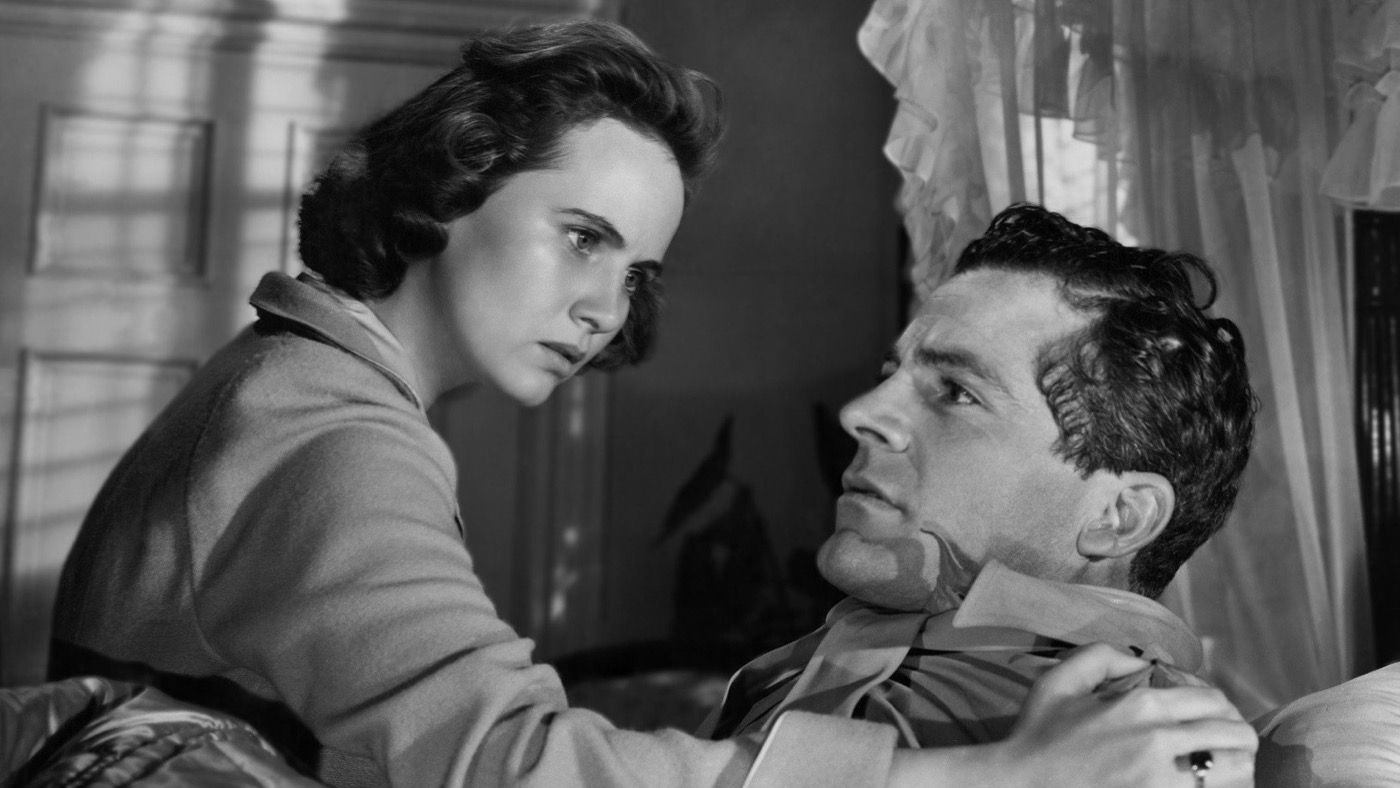
Sherwood’s script is remarkable in the way it weaves these characters together. My one gripe is its sprawling structure. At just under three hours, the film gives us long stretches with some characters, then goes a long time without showing them. Homer, for example, is absent for a lengthy section in the middle, so rebuilding our connection with him takes extra effort. I’d also have liked to see more reconciliation between Fred and Al at the end. Still, these are small complaints about a film that’s longer than average but doesn’t waste a second. Every moment of its runtime is used with care and purpose.
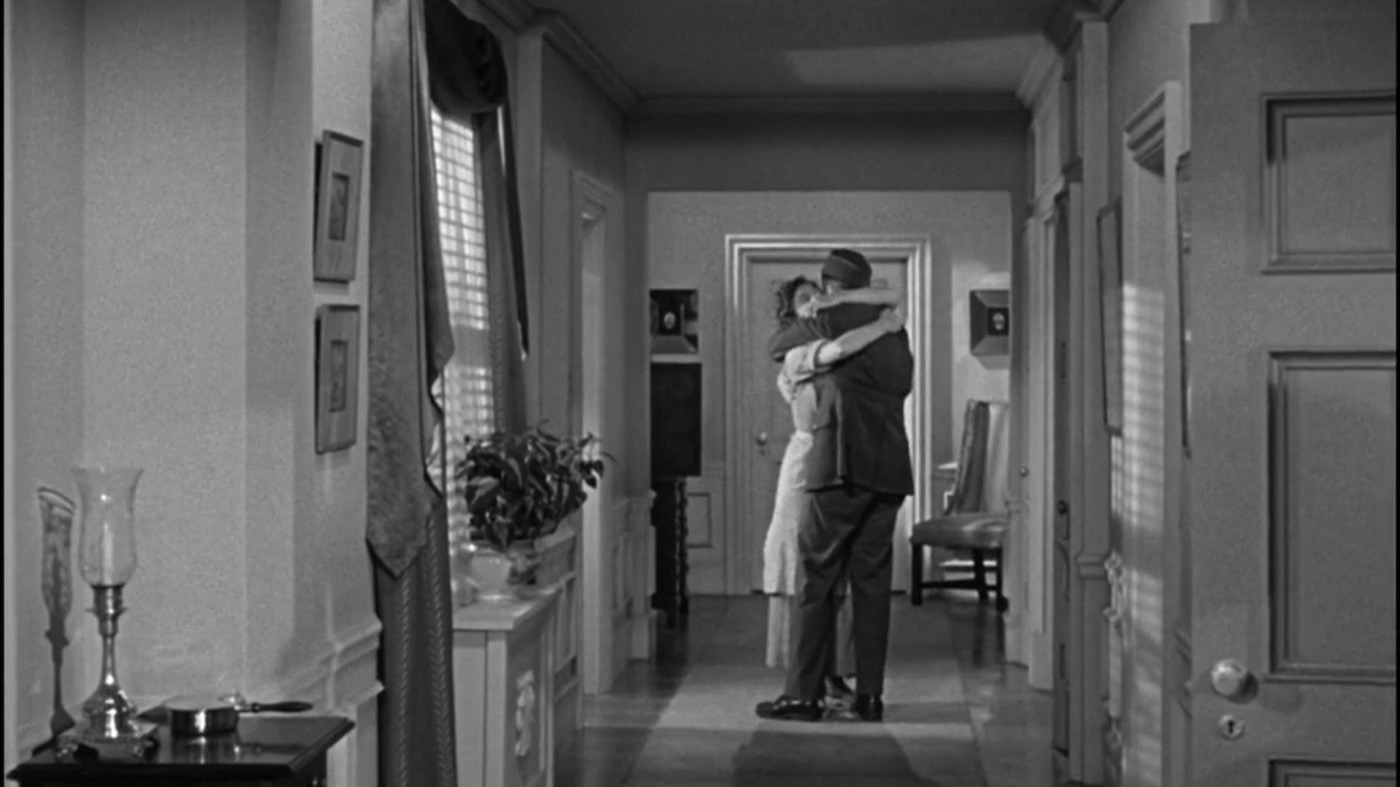
That clarity is showcased by Gregg Toland’s striking cinematography. The film draws on Citizen Kane (1941), using depth of field to create images of great beauty. The wedding scenes are breathtaking. I’m in awe of how the actors are blocked in each scene, with no image ever feeling flat. Even in the longer scenes and extended shots, the energy never fades.
On release, The Best Years of Our Lives grossed $23.7M, the second-highest total at the time, behind only Gone with the Wind (1939). That’s equivalent to approximately $719M in 2026 ticket sales. How did this 172-minute drama about the hardships of returning home after WWII capture audiences so completely? And what makes it a timeless masterpiece that still charms us today?
Perhaps audiences were just as captivated by its dimensional cast of characters. By showing the tension between love and belonging on one hand, and loss and trauma on the other, the film helped audiences understand the 12 million American servicemen returning home — and the millions more returning across the world. Perhaps it was the timeless love stories of sacrifice, connection and understanding: feelings that nurture belonging and community.
The Best Years of Our Lives encompasses all this while offering an unflinching look at the divide between how servicemen are treated during their service and when they come home. Seven per cent of US veterans experience PTSD in their lifetimes, while veterans make up 20 per cent of homeless men in the United States. The resources veterans need are still lacking, just as they were in 1946.
The Best Years of Our Lives bridges the darkness of war and its aftermath with hope and love. Although we didn’t get the darker Glory for Me version — and I’d be interested to see a more unflinching account of trauma and grief — Wyler’s film doesn’t shy away from the pain of the era. It even delves into early fears of atomic annihilation. In Five Came Back, Harris discusses a radio broadcast Wyler gave in 1947, just months after the film’s release. With the blacklisting of suspected Communists under way, Wyler said that “in the current climate of paranoia and mistrust, he never could have made the picture.” The film’s hopeful vision of a world built on togetherness and understanding may resonate even more strongly today.
The world has changed enormously in the past 80 years, but much remains the same. Love and connection endure. The Best Years of Our Lives shows their importance not in spite of war, but because of it. The film doesn’t dismiss pain and suffering; it shows how people can grow through them. Its beautiful optimism is wonderful to see on screen, and will keep the film worth revisiting for the next 80 years and beyond.
USA | 1946 | 172 MINUTES | 1.37:1 | BLACK & WHITE | ENGLISH

director: William Wyler.
writer: Robert E. Sherwood (based on 1945 novella ‘Glory for Me’ by MacKinlay Kantor).
starring: Myrna Loy, Fredric March, Dana Andrews, Teresa Wright, Virginia Mayo, Cathy O’Donnell, Hoagy Carmichael, Harold Russell & Gladys George.