AMERICAN HONEY (2016)
A teenage girl with nothing to lose joins a travelling magazine sales crew, and gets caught up in a whirlwind of hard partying, law bending and young love as she criss-crosses the Midwest with a band of misfits.



A teenage girl with nothing to lose joins a travelling magazine sales crew, and gets caught up in a whirlwind of hard partying, law bending and young love as she criss-crosses the Midwest with a band of misfits.
It often feels like there’s no winning when it comes to social realist filmmakers. Those using their characters’ dire circumstances to promote a political message inevitably alienate some audiences. The effectiveness of this mode of expression is open to question, as filmmakers can easily end up preaching to the converted. On the other hand, directors who don’t take an explicit stance on the causes of—and responses to—the endemic poverty and quiet desperation of their characters’ lives run the risk of being accused of miserablism. If there’s no grander message at play, what could possibly justify wading through such bleak viewing experiences?
With filmmakers like Mike Leigh, the answer lies in the boundless empathy on display. Transmuted through cinema’s finest performances, his characters are workshopped ad nauseam with his cast. At first, his films can feel rankling and crass—less a matter-of-fact portrayal of human essence and more a mockery of behaviour. Yet the more time you spend with each character—even over just a few mundane days—the deeper the narrative becomes. Eventually, it reaches a brilliant, heart-wrenching breaking point: their spirit crashes against their circumstances, or their will collides with a lack of option, forcing them to confront truths they’ve always known but could never articulate.
Andrea Arnold is just as empathetic, but she doesn’t work towards a single dramatic horizon to unlock her characters’ pain and beauty. Instead, she draws it out through minor moments, noticing the subtle details almost everyone else misses. In Fish Tank, no one in teen protagonist Mia’s (Katie Jarvis) life sees her innocence or sensitivity, masked as it is by the foul-mouthed venom she levels at anyone and anything. Yet whether it’s a dance audition that ends in understated tragedy, her girlish attraction to an older man, or her tenderness towards a maltreated horse, these interactions ring far truer than anything around them.
Leigh is quietly devastating in how he takes over an hour to drive home what we’ve always known: we all wear masks in our daily lives. Arnold reveals this much sooner by drawing us directly into her protagonists’ subjective reality. Her handheld camera doesn’t glide smoothly or jitter uncomfortably; instead, it moves with a graceful, human cadence towards and away from her subject.

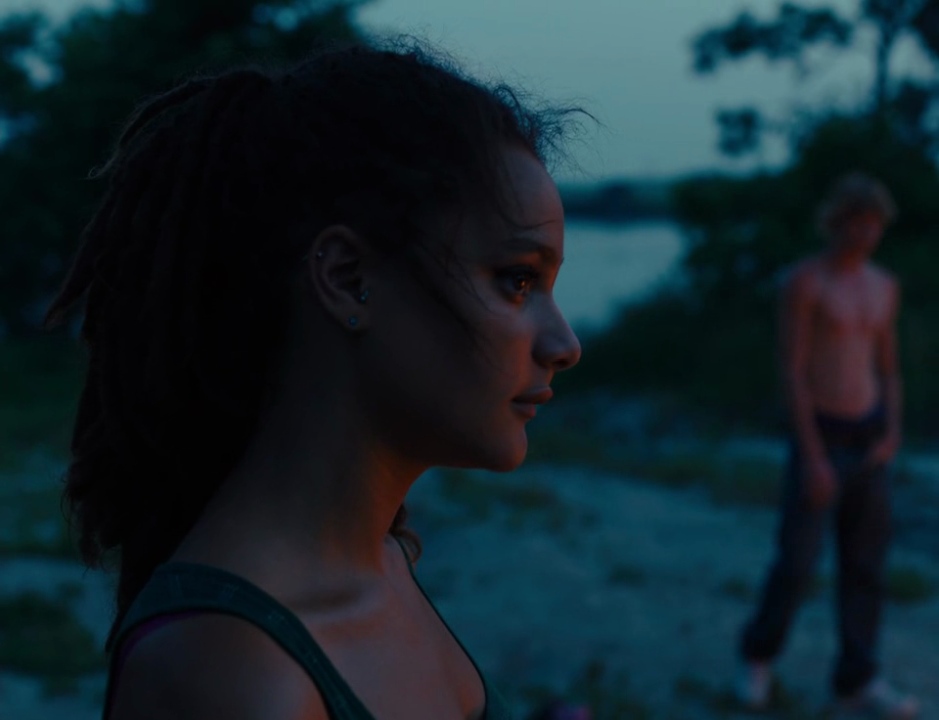
Her 2016 feature American Honey came five years after her adaptation of Wuthering Heights (2011)—a sensitive, understated recreation of 19th-century pain and passion that left evocative imagery where emotional resonance ought to have been. American Honey marked a return to form and familiar territory, recalling her magnum opus, Fish Tank (2009). Moving outside theUK for the first time in her career, the English director follows Star (Sasha Lane), a young woman from an abusive, poverty-stricken home who becomes besotted with charismatic magazine salesman Jake (Shia LaBeouf). Eager to escape her home life and be with this enticing, complicated stranger, she runs away to join Jake’s magazine-selling crew: a ragtag collection of young people escaping their own troubling circumstances. The cast’s mix of established and first-time actors lends an authentic, hangout-style looseness to their early interactions.
On first viewing, American Honey feels drenched in kinship—a story about an unorthodox community formed to shield vulnerable people from hardship. It’s liberating to watch Star break free from scrounging for food in dumpsters, caring for her two younger siblings, and enduring a sexually abusive stepfather. The film’s early scenes make you squirm, with stifling heat bearing down on a bag of old chicken outside while ants crawl across kitchen counters. Much like Leigh in his opening acts, Arnold could be accused of painting an unfavourable portrait that leans into ‘white trash’ American stereotypes, but she avoids crassness by emphasizing Star and her siblings’ simultaneous vulnerability and resilience.

This more sentimental—and less cruel—approach generally works, even if it leads to heavy-handed motifs. Star’s name is an obvious example, as is the early name-drop of the title and its source song, though the bluntest instrument is a different track entirely. When Rihanna’s “We Found Love” plays in a Target store where Jake and Star exchange their first words, flashing neon signs virtually appear above their heads (‘WAKE UP’, ‘LEAVE NOW’, ‘RUN AWAY WITH HIM’). Yet the opportunity, and its execution, remain electric. Sparks fly between newcomer Lane and the seasoned LaBeouf; their natural tenderness makes them feel genuinely like star-crossed lovers (again, the heavy-handed name) who’ve had the misfortune of landing in an unforgiving world.
We barely know Star when she embarks on this cross-country trip, but Arnold trusts her own ability to draw poetry and sorrow from a single day in her protagonist’s life. As so often happens, Arnold’s radiant empathy overflows, leaving viewers hoping—even when they know the likely outcome—that Star will take a chance on herself. Doing so requires sacrifice and severed ties, but that’s easily forgotten once the thrill of the open road and like-minded comrades dominates her new life.
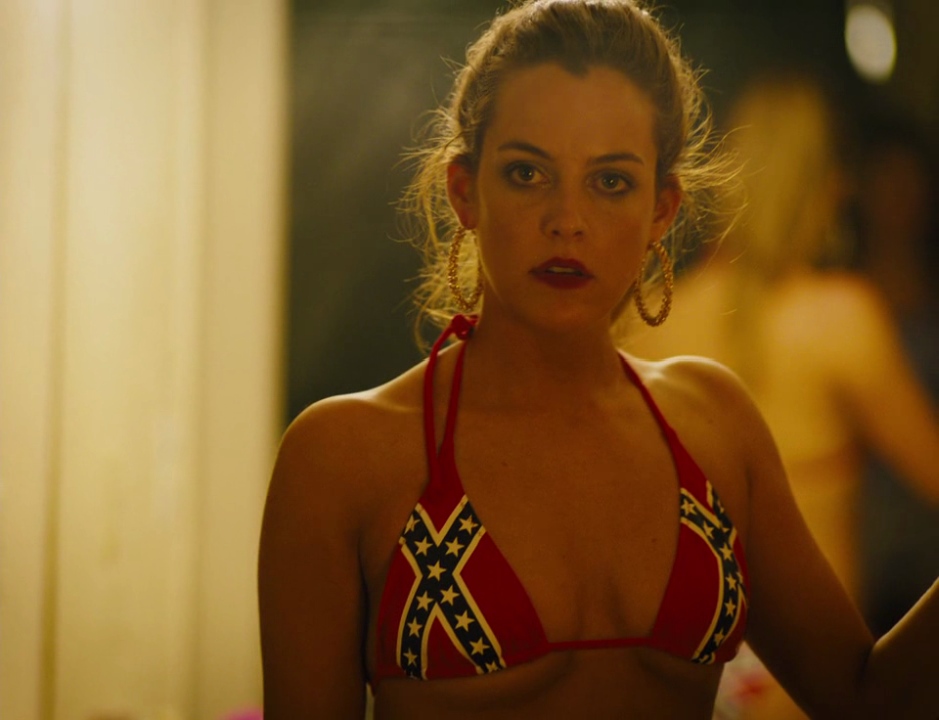
While the film’s first act is undoubtedly joyous, what ultimately emerges is less a heartwarming tale of wayward youngsters forging a home and more a story about the erratic work route they’ve committed to. Aside from magical early sequences filled with music and laughter, there’s little true camaraderie. These are colleagues who seemingly exist only on the road—it’s striking that across 163 minutes, we never see their ever-changing sleeping arrangements in various motels. Once they enter their rooms and turn out the lights, the camera does the same. Beyond initial introductions and a few rough character sketches, Star rarely interacts with the wider crew. With Star as our vessel, the supporting characters remain obscured.
Their conversations, which felt fun-loving on a first viewing years ago (closer to the characters’ ages), came across this time as superficial attempts to bridge irreparable gaps in understanding. Star is kind enough to hear out the edgy ramblings of Pagan (Arielle Holmes), a crew member struggling with her mental health, even staying up late to ensure she doesn’t wander onto the road while dissociating. But there’s no deep connection; the same is true across the group. New members float in and out without heartache. These teenagers live in the moment, but they aren’t united. Escaping a rough background is one thing; inner peace is another battle entirely, and it’s one they never confront together. Star never really draws closer to that distant horizon, no matter how far she travels. It’s an idea explored with little beauty or sadness; rather than emanating from the story’s centre, it simply lurks at the fringes.
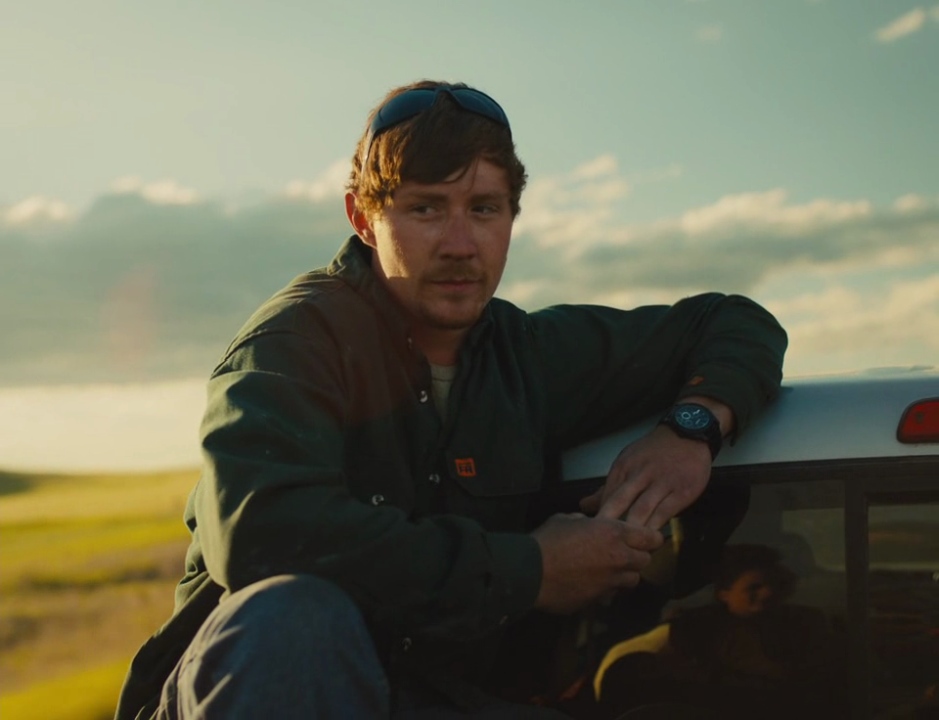
Instead, the film devotes more time to the strange dynamic between crew leader Crystal (Riley Keough)—an intimidating, ruthless boss with a piercing gaze—and Jake, who is atypically meek around her. Star tries to make sense of their relationship in light of her chemistry with Jake, though little concrete information is gleaned from any side of the triangle. Doe-eyed desires for escape might have led me to overlook Crystal’s viciousness as an employer on first viewing, as she pockets almost all of her workers’ earnings and forces the bottom two sellers to fight each other long after a clear winner has emerged.
Focused on rebellion and channelling a primal energy they can’t express elsewhere, the teenagers fail to recognise how easily they’ve been hoodwinked by the very authority figure they thought they’d escaped. It’s a fascinating dynamic that only Jake, Crystal, and Star seem to grasp. Yet like most of the story’s emotional undercurrents, much of it goes unsaid—shown rather than explored. What is fully explored is a touching, earnest tribute to the uncertainty of adolescence and life on the road, couched in a slightly overlong film that doesn’t always know what to do with its gargantuan runtime and lofty moral ideals.
A preachy closing-credits song about togetherness disappoints in much the same way as the film’s other heavy-handed motifs. Yet there’s enough gentle poetry along the way to light the embers of a new existence—sparks that ignite the moment Star destroys her old life. There’s no point looking at this rebirth purely through the lens of wish fulfilment or romanticism; Arnold is too adept at exploring the harrowing realities of poverty across Americana. But tenderness is never far from pain, and vice versa. Providing an imperfect escape for its protagonist, American Honey doesn’t always feel essential in every sequence, but its writer-director ensures it remains touching. Even if she, like Star, doesn’t always know what to do with this silent power, there is no denying Arnold’s sensitivity in capturing the subtle details of a life that others so easily miss.
UK • USA | 2016 | 163 MINUTES | 1.37:1 | COLOUR | ENGLISH


writer & director: Andrea Arnold.
starring: Sasha Lane, Shia LaBeouf, Riley Keough, Arielle Holmes, McCaul Lombardi, Crystal B. Ice, Chad McKenzie Cox & Garry Howell.