STREET FIGHTER (2026)
Street fighters Ryu and Ken reunite when Chun-Li recruits them for the World Warrior Tournament. As they face a hidden conspiracy, they must confront each other and their past-or face destruction.

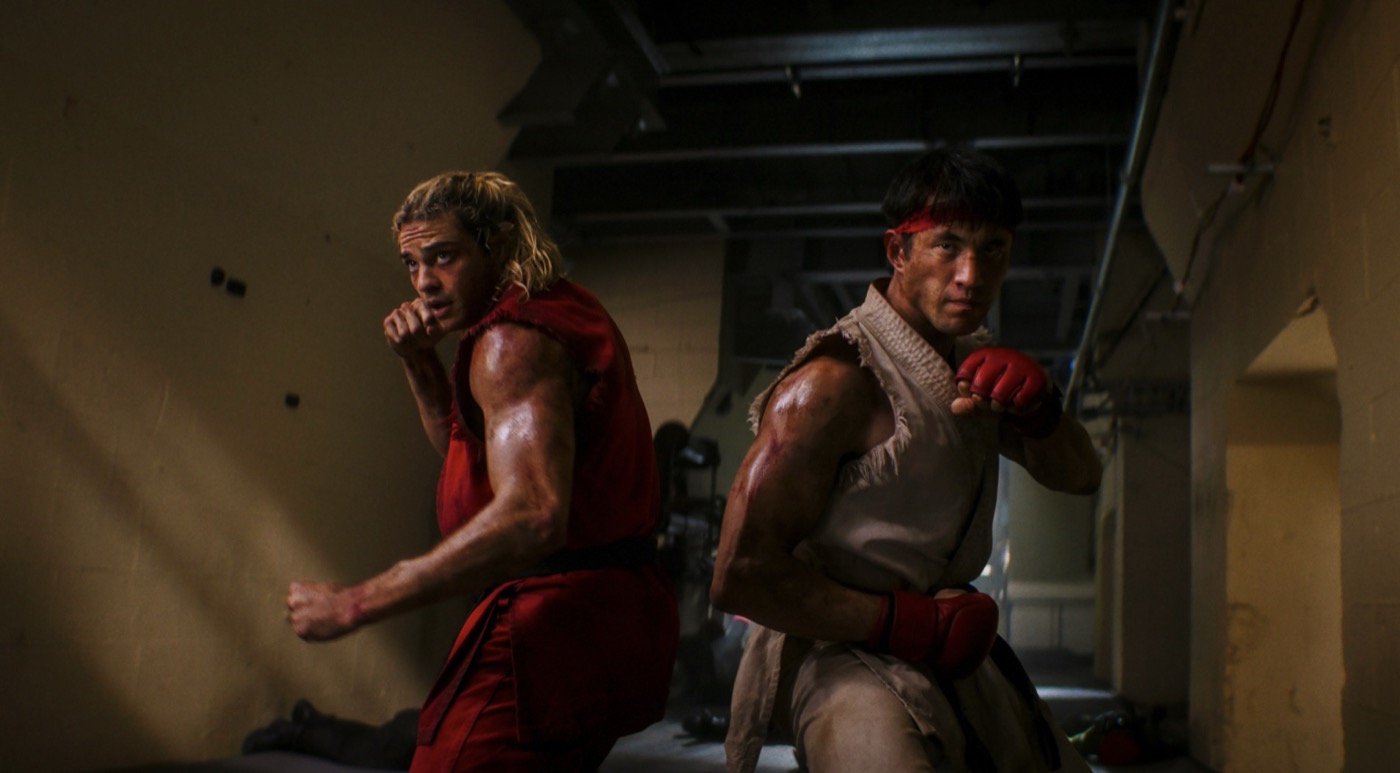

Street fighters Ryu and Ken reunite when Chun-Li recruits them for the World Warrior Tournament. As they face a hidden conspiracy, they must confront each other and their past-or face destruction.
Directed by Kitao Sakurai and co-written with T.J Fixman, Street Fighter is a neon-lit, video game-based time-waster derived from the Capcom franchise. It also takes inspiration from the 1994 Steven E. de Souza film, which is known for starring era icons Jean-Claude Van Damme, Kylie Minogue and Raul Julia.
Ken (Noah Centineo) and Ryu Masters (Andrew Koji) are brothers-in-arms trained by a martial arts master who recognises Ryu’s innate combat abilities—and fears they’ll lead him to the dark side. He tasks Ken with keeping an eye on Ryu. After their master is killed, the two drift apart. Ken moves into celebrity fights with his best friend, Dan Hibiki (Andrew Schulz), while Ryu sells street food.
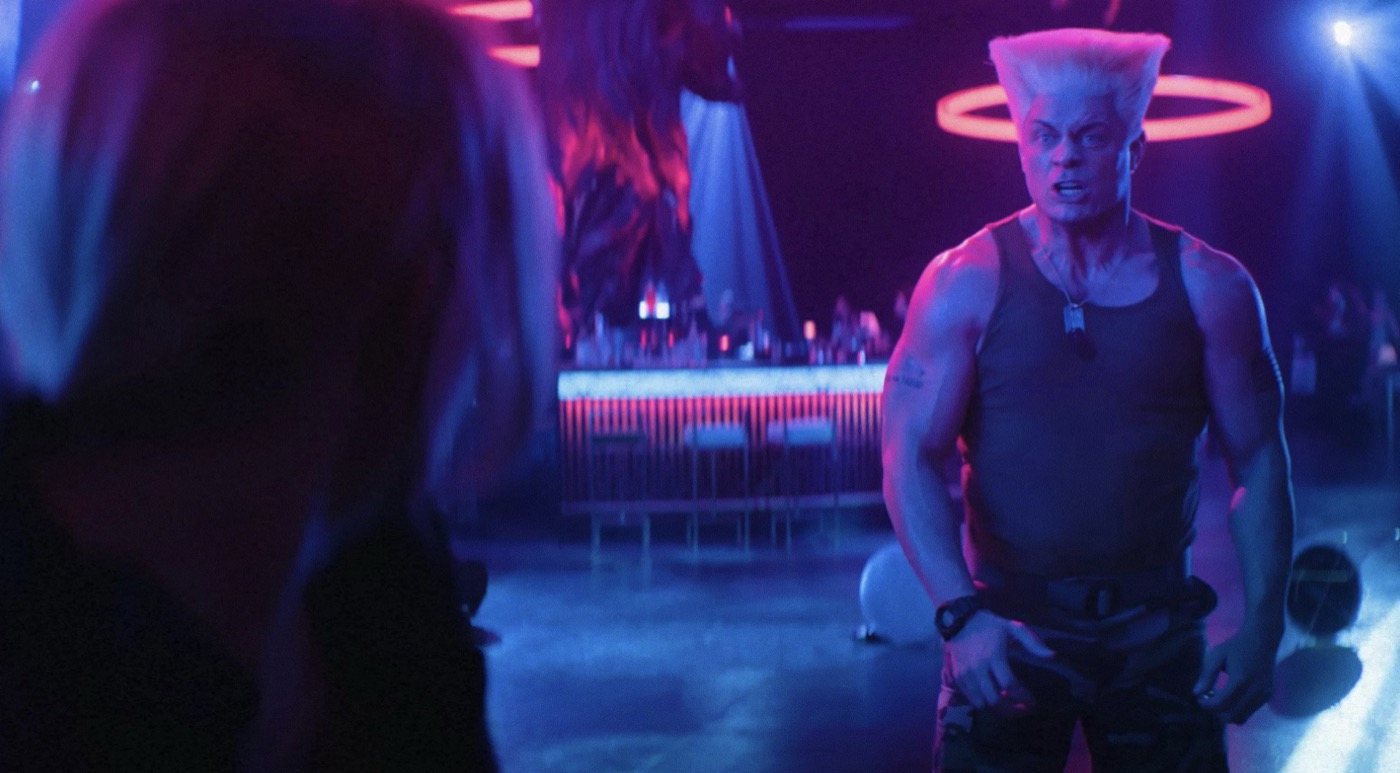
Brought back together by Chun-Li (Callina Liang), an Interpol agent and martial artist, they remain at loggerheads, even as they prepare to fight in the World Warrior tournament, run by M. Bison (David Dastmalchian). But Bison has plans of his own, involving the draining of psychic energy.
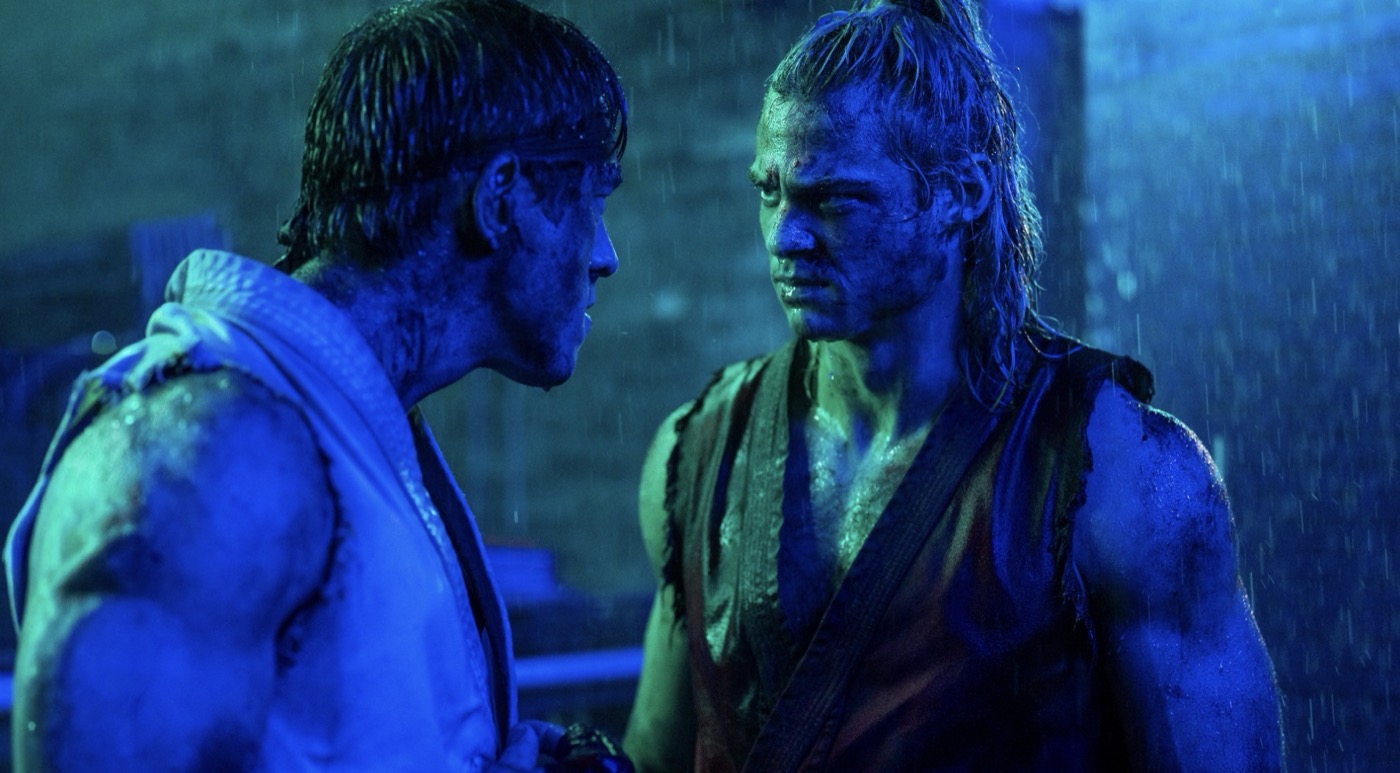
Whew. Summarising that felt like writing a master’s dissertation on the plots of The Magic Roundabout. Wait, no, that’s not fair. That was an artistic show. It’s more like the plots of The Fonz and the Happy Days Gang, a Hanna-Barbera cartoon from the early-1980s that put Henry Winkler and co. in a time machine driven by a future girl called Cupcake.
Like that show, Street Fighter has plenty of story elements but little actual story to latch on to. As a film, it brings to mind works made before Psycho (1960), which you could join at any point and still follow. Psycho, according to the usual account, was the first major film to insist that audiences arrive on time, though it was preceded by Les Diaboliques (1955). This was because anyone who arrived late might expect to see Janet Leigh, even after she’d left the story. The plot was structured so that you had to follow it from the beginning.
Films from the 1950s and earlier, by and large, weren’t arranged so strictly. They played on a loop all day, so if you wanted to see, say, Stagecoach (1939), you could turn up half an hour in and quickly work out who the cowboys and Indians were.
Street Fighter is like that. In fact, the story is so open-ended that I was genuinely stunned when the title appeared and the credits started to roll. There isn’t really a third act, and the film should have ended with a ‘To be continued…’ sign—though I suppose that can’t be guaranteed. What it lacks, unlike Stagecoach, is rich characterisation and strong performances. The characters are action figures and little else. They have the rudiments of personality.
Ryu is the stoic, conflicted one; Ken is the Joey of the gang (if you haven’t seen Friends, I mean the dumb hunk). Dan’s written as though he was meant to be Ken’s lover, though of course a mainstream film with a broad male fanbase would never go there.
Instead, we get odd asides that only add to the homoeroticism, such as Dan telling Ken to put a shirt on before they have an emotional conversation. Is this how heterosexual men talk to each other? As if they’re one flexed pec away from tickling the ivories? Answers on an unsexy postcard, please.
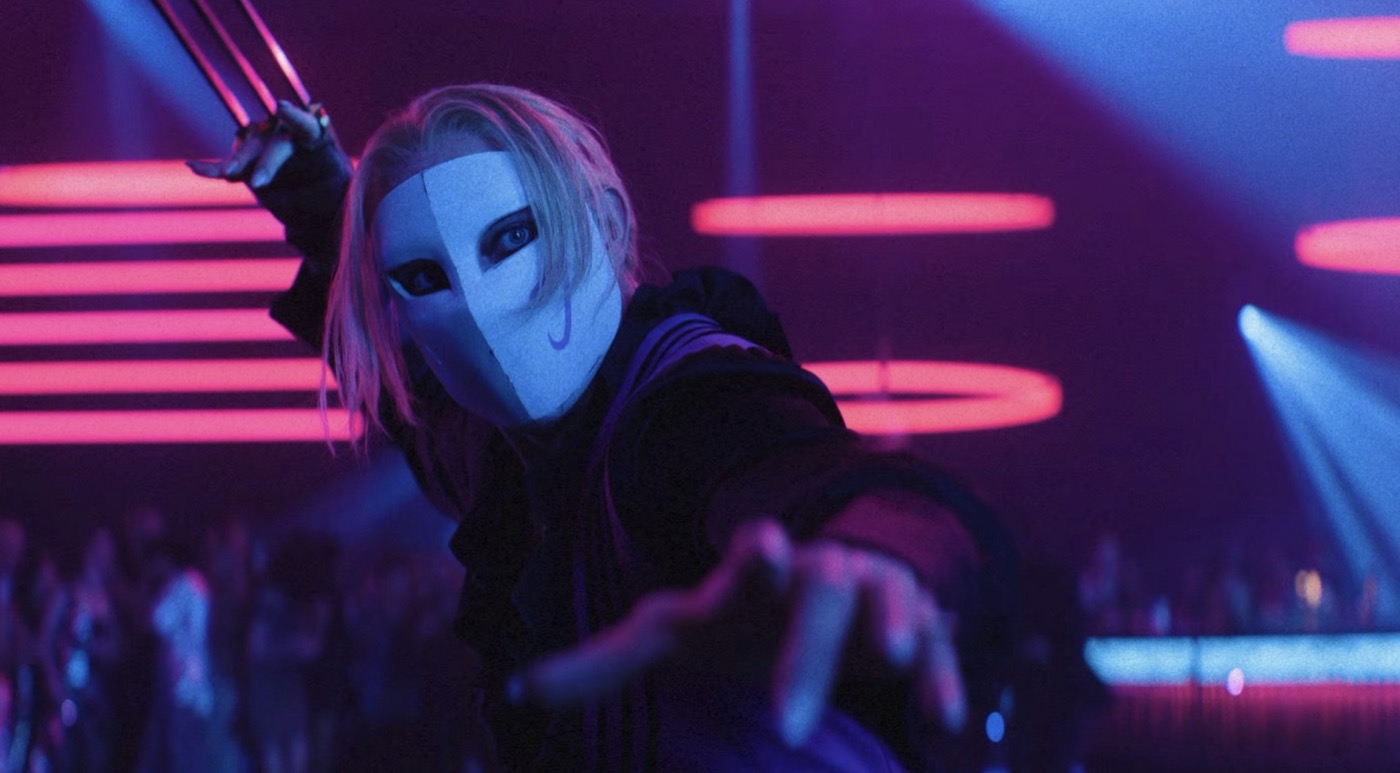
The fight scenes are well choreographed, and the film makes up for its lack of substance with humour. It even hires Eric Andre to compere the tournament and includes comedians such as Schulz in the rest of the cast. The film seems to know full well that it offers no satisfying drama, even on a pulp level—unless you’re a video-game fan who’ll enjoy seeing familiar story points and tropes.
Dastmalchian was my favourite part of the film. He’s easily the best actor, delivering the comic-opera buffoonery that suits a role like this. Andre is also great, though somewhat underused. If he and Dastmalchian had more screen time, they’d probably detract from what a film like this is meant to be: colourful nonsense for kids and fans.
It might be sacrilege to say that Dastmalchian didn’t make me miss Raul Julia, who was the best part of the ’94 film. But this isn’t about acting ability; I simply have no attachment to these characters. I will say that Dastmalchian delivers a version of the famous “For me, it was Tuesday” line, but it doesn’t come close to the original. The original was a whole monologue; here, the line is snapped off as if the film is embarrassed to pause for a speech.
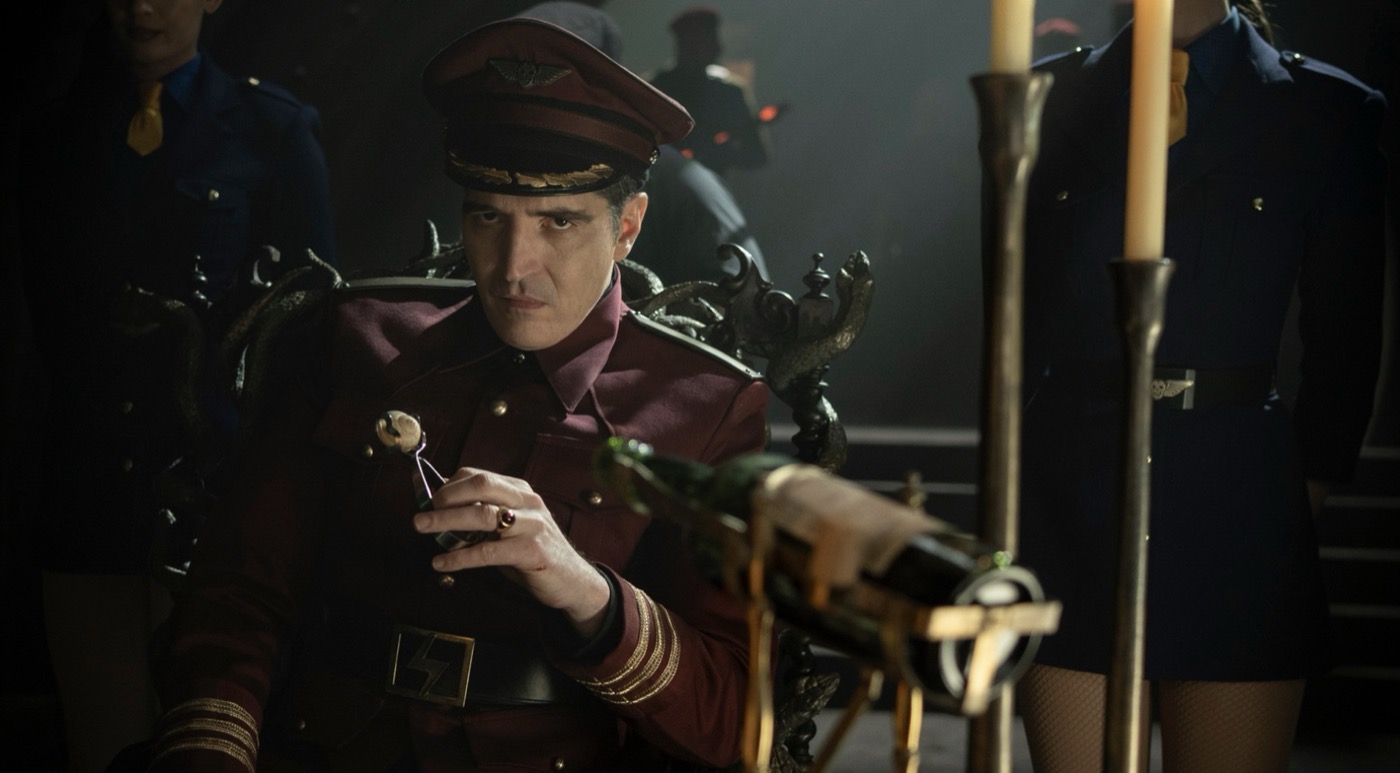
The film includes anime segments and late-’80s and early-’90s graphic-design trends, which lend it a greater sense of nostalgic, stylised fun than you find in, say, the recent Mortal Kombat II (2026). For me, the punchy-punchy stuff doesn’t mean much because the film doesn’t feel all that real. This may just be a side effect of the digital age: films shot on celluloid have a greater tactility that works better for fight scenes, which don’t feel so much like special effects.
That’s not to say I’m one of those idiot critics who watch a punch-’em-up and then say, “Well, this isn’t Uncle Vanya!” (At least, I hope I’m not.) I’m fine with tropes and even clichés in a product like this. But as a piece of writing, Street Fighter is almost free-associative drivel, like a first-draft spec script.
The romance writer Jacqueline Susann wrote her drafts on different-coloured paper to show how much had been added about the characters and other elements, starting with white. Street Fighter feels as though it never got past white.
USA JAPAN | 2026 | 120 MINUTES | 2.39:1 | COLOUR | ENGLISH

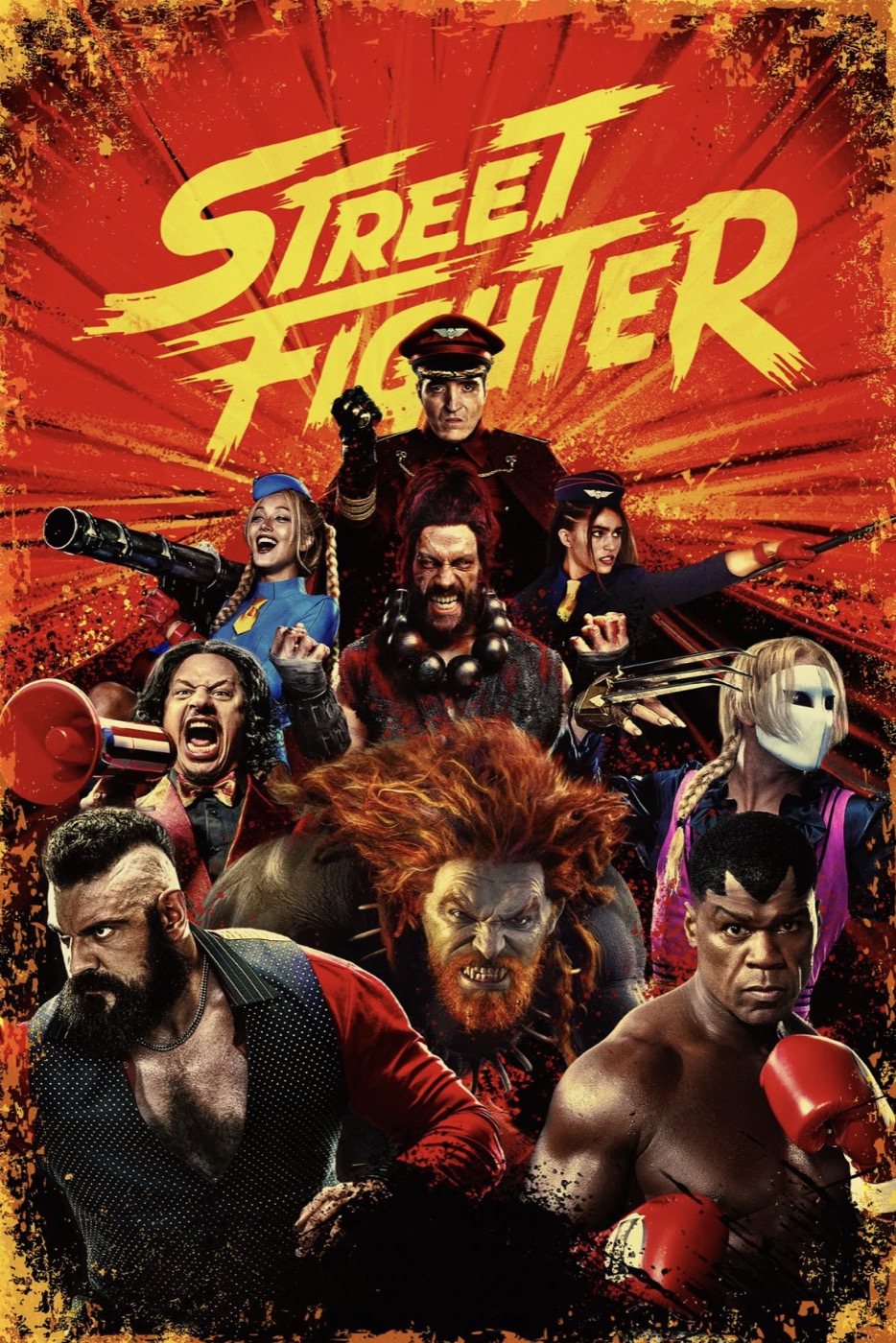
director: Kitao Sakurai.
writers: T.J Fixman & Kitao Sakurai (story by Dalan Musson & Gary Dauberman; based on the ‘Street Fighter’ video game by Capcom).
starring: Noah Centineo, Andrew Koji, Callina Liang, David Dastmalchian, Joe “Roman Reigns” Anoa’i, Cody Rhodes, Eric André, Andrew Schulz, Vidyut Jammwal, Don Lee, Orville Peck, Curtis “50 Cent” Jackson & Jason Momoa.


