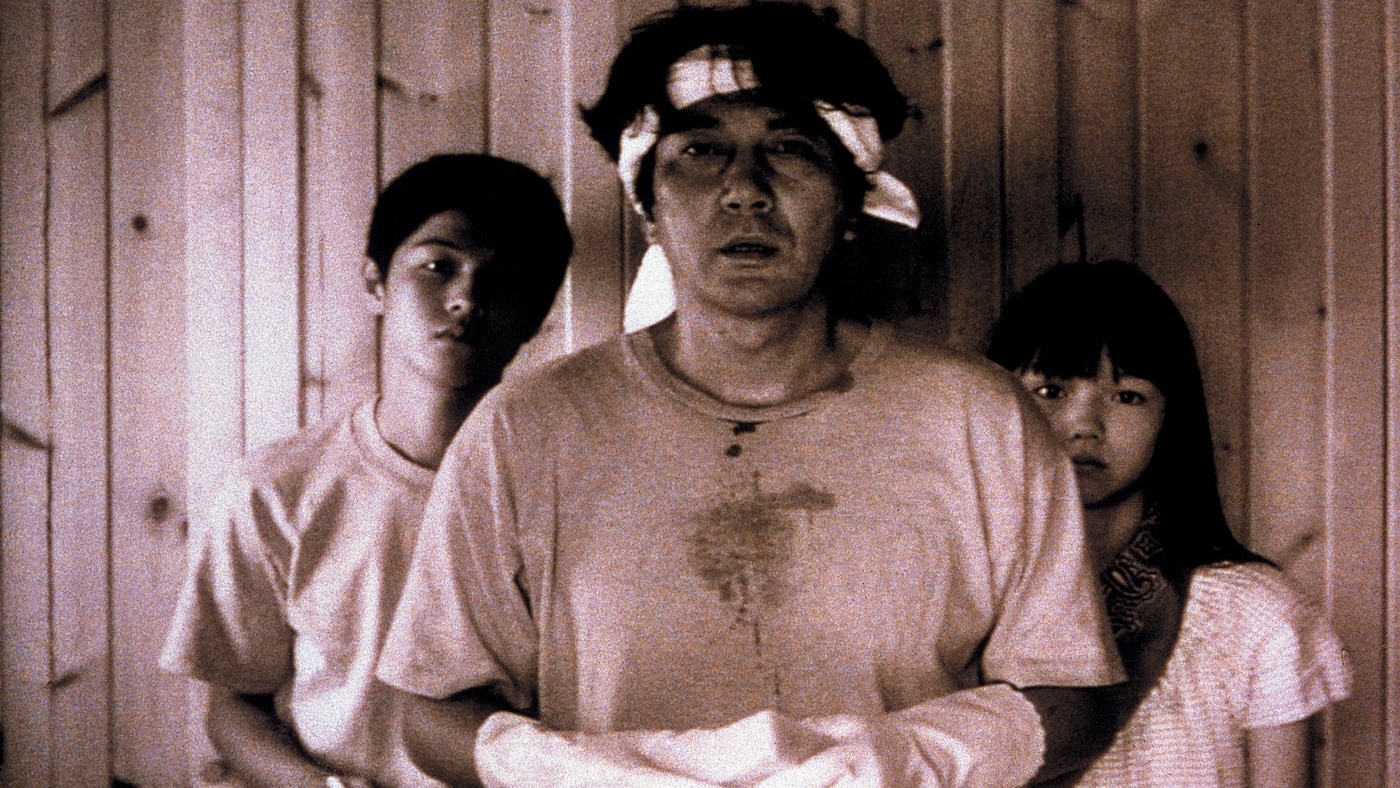
VISITOR Q (2001)
An unemployed reporter films the disintegration of his dysfunctional family as they descend into debauchery and madness.

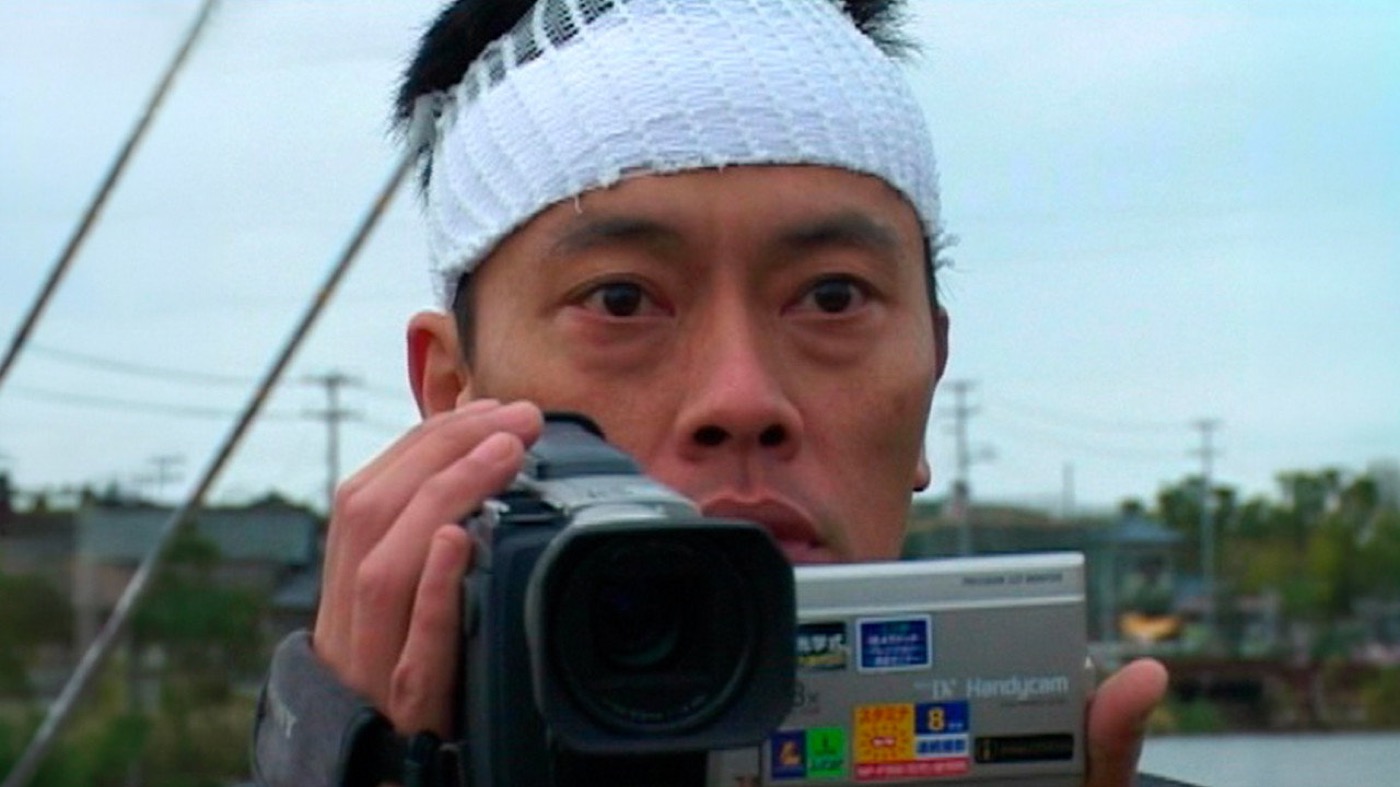

An unemployed reporter films the disintegration of his dysfunctional family as they descend into debauchery and madness.
Takashi Miike’s transgressive cult horror Visitor Q / ビジターQ was shot on a micro-budget using a shop-bought camcorder and, beyond a very limited theatrical release, was aimed strictly at the V-cinema home rental market. Nevertheless,Radiance has treated it with due respect, sourcing a fresh transfer directly from the original Betacam master for this new Limited Edition Blu-ray, accompanied by enlightening, newly filmed extras. The intervening 25 years have not blunted its cutting-edge bravery.
Despite being a truly unique film, crackling with creative energy and laced with the darkest humour imaginable, I can’t recommend Visitor Q to everyone. It simply contains too many triggers, which I mention upfront as a warning to sensitive readers. The plot hinges on the exploits of an inadequate patriarch and his grotesquely dysfunctional family’s descent into madness by way of incest, rape, murder, and dismemberment. Every key character suffers and perpetrates some form of abuse — physical, psychological, or sexual. Its bold, taboo-busting themes are sure to shock even those familiar with director Takashi Miike’s similarly audacious earlier works, such as Fudoh: The New Generation (1996) and Audition (1999).
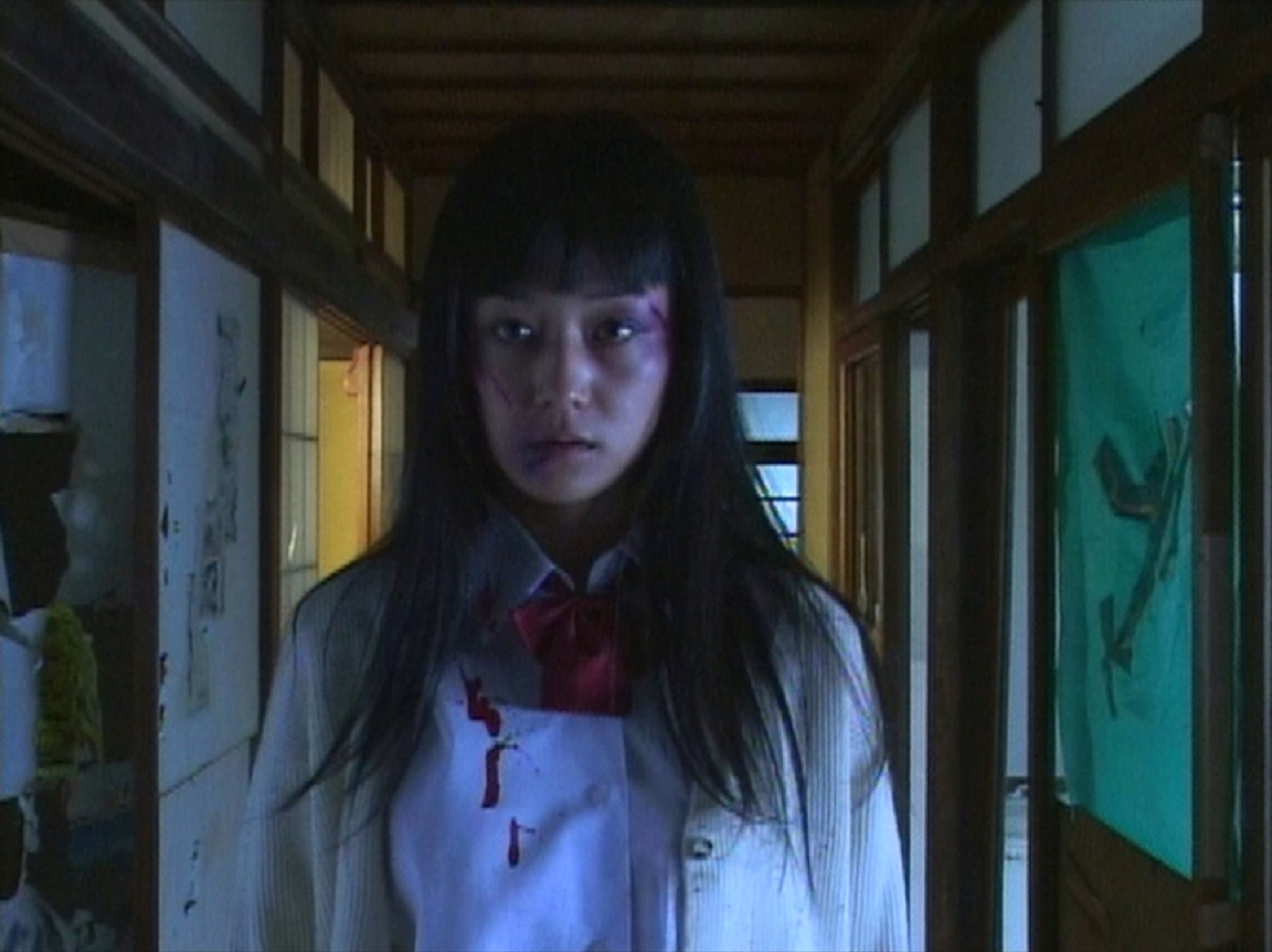
Yet it’s the most fun to be had with necrophiliac misadventures since the Nick Zedd and Richard Kern short film Thrust in Me (1985) or Dominique Deruddere’s Crazy Love (1987). Those primed by the No Wave Cinema of Transgression who can chuckle while recalling such films will be fine with Visitor Q. They’ll find poetic poignancy beyond the wilder elements of gleeful exploitation that (over-)compensate for the lack of budget.
News reporter Kiyoshi Yamazaki (Kenichi Endō) is trying to prove himself to his former employers by making a documentary about Japan’s disenfranchised youth. We join him as he interviews Miki (Fujiko), a teenage prostitute who talks him into having sex. Only after the awkward act — which is over all too soon — does it become apparent that she’s his runaway daughter. Not only has he left the camera running to document his utter failure as both a father and a client, but he also finds himself unable to afford Miki’s standard rate.
Thus, the first 10 minutes alone are a damning deconstruction of capitalism, transactional relationships, and traditional masculinity: Kiyoshi fails in his patriarchal responsibility, sexual prowess, and financial superiority. We later learn that he’s currently unemployed due to recent trauma suffered at the hands of a group of delinquents he attempted to interview. Instead, they wrested the camera from him and filmed themselves sexually assaulting him with the microphone — a motif that recurs in Agitator (2001), another of the six films Miike made that year.
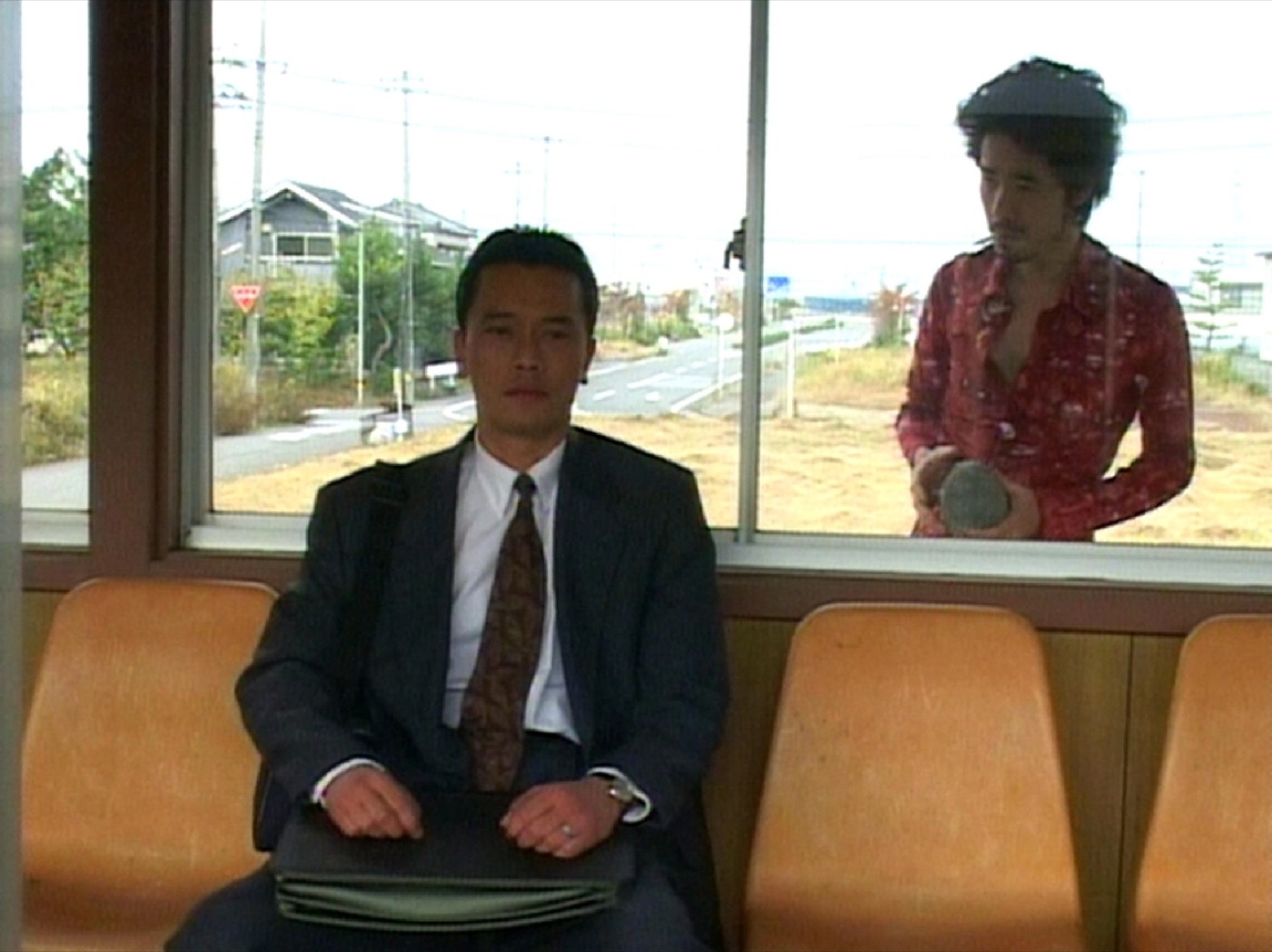
Shortly after, a young man (Kazushi Watanabe) dressed like a yakuza punk who could’ve walked straight out of Agitator approaches Kiyoshi from behind and strikes him a heavy blow to the head with a rock. He then helps him home where, with casual indifference, he witnesses the broken Yamazaki family dynamic. Young Takuya (Jun Mutō) violently lashes his docile mother Keiko (Shungicu Uchida) with an array of carpet beaters. Kiyoshi never intervenes to protect his wife or discipline his son. Keiko copes with the assistance of heroin, moonlighting as an S&M escort to finance her habit. The visitor stays, presumably using Miki’s room, and sets about helping each of the Yamazakis in his own inscrutable way. As their depravity escalates, so does their interdependence, finally leading to acceptance,forgiveness, and even a brief happiness as the final act descends into the depths of dark Freudian surrealism.
There’s a recurring theme of observation without intervention: Miki and Kiyoshi film each other during their incestuous dalliance, but neither presses pause to reflect. Kiyoshi often witnesses emotional trauma through the viewfinder, including standing back to record extreme bullying — of his own son by three other school kids — treating people like animals in a wildlife documentary. He’s delighted when the same three hooligans attack his home with a barrage of fireworks, thrilled at the footage he captures as windows and furniture explode. Later, the Visitor coldly films Kiyoshi as he assaults and kills a woman. There’s a lot of lens pointing while characters often stare into the camera and meet the gaze of the viewer through the fourth wall, challenging us to consider how media operates and reminding us that we observe without intervention on a daily basis.
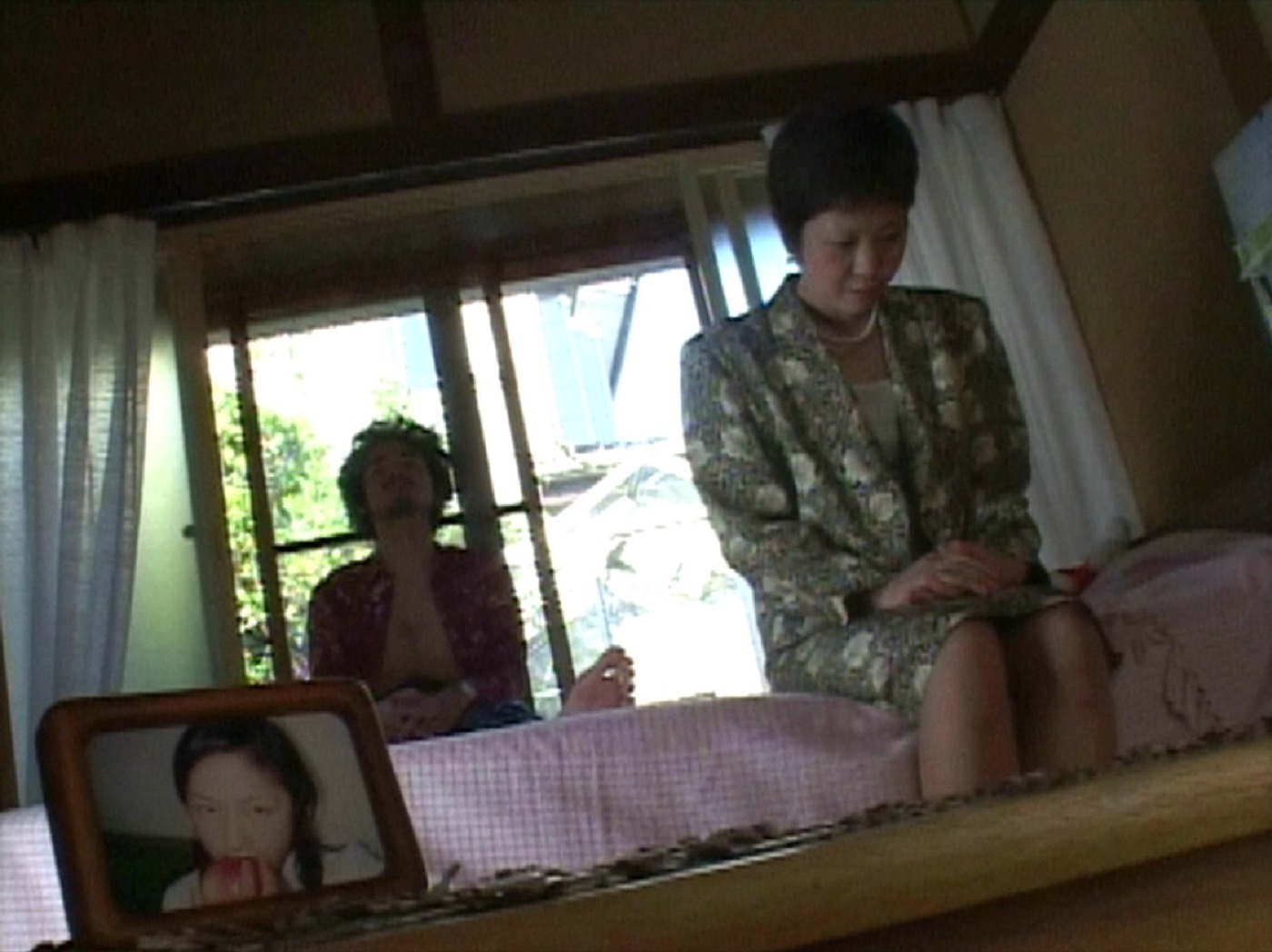
The success of Visitor Q rests upon the vitality and sheer commitment of its small cast, dominated by Kenichi Endō’s bravura performance. However, his central role is totally reliant on those around him, and each character has their moment as the protagonist. Even his ex-colleague and former mistress Asako (Showko Nakahara) is brilliant, both before she’s throttled and thereafter as a ‘sex-doll’ corpse.
Shungicu Uchida turns in the most nuanced performance as the lonely wife and abused mother who finds relief in narcotic oblivion, funded by prostitution that reveals her kindly nature when dealing with clients. Uchida is a well-known manga artist and novelist, famed for combining difficult autobiographical material, dark humour, feminism, family dysfunction, and a frank treatment of sexuality — both romantic and deviant. She would’ve found a kindred spirit in Miike and sympathised with the core themes of Visitor Q. Apparently, she suggested the key scene where she lactates copiously, showering the Visitor with mother’s milk that eventually floods the kitchen floor. Uchida was a new mother at the time and wanted to celebrate and commemorate this biological expression of the feminine principle through spectacular exaggeration.
Critics tend to approach the problematic elements in Miike’s work through the lens of Asia Extreme — placing Visitor Q, somewhat uncomfortably, within a messy lineage of ero guro, pinky-violence, and Roman-porno. Others have framed it as Trash Cinema, likening it to the more outrageous films of John Waters. Yet perhaps it’s more fitting to situate it as a descendant of la Décadence — the French Decadent tradition and its Romantic Literature of Transgression.

Key works by seminal authors including Charles Baudelaire, Georges Bataille, Antonin Artaud, and Nobel laureate André Gide have been widely available in Japanese translation since the mid-20th century. Although, to my knowledge, Miike has never mentioned any direct influence, he surely felt it via the avant-garde theatre and cinema of Murayama Tomoyoshi and, particularly, Shūji Terayama — whose most mainstream film, The Boxer (1977), was recently released by Radiance.
Admittedly, there may not be a conscious absorption of specific Decadent philosophies, yet there’s no denying a clear resonance, particularly with concerns that weave through the writings of Bataille. Bataille posits that accepted societal norms serve common denominators and are therefore not tailored to the needs or desires of the individual. In key texts, including the groundbreaking L’Érotisme (1957), he argues that experiences of violence, taboo sexuality, sacrilege, death, and madness reveal aspects of the human condition that ordinary life conceals.
In the works of Baudelaire and Bataille, one finds themes of familial abuse, obsession, addiction, humiliation, the eroticism of death, transgression as a path towards truth, and salvation emerging through degradation. In Visitor Q, Miike presents these exact same themes as catalysts that expose the Yamazaki family’s emotional emptiness. Like Bataille, he questions whether authentic experience emerges only after conventional morality has collapsed. If so, does this imply that social acceptance rests on inauthentic behaviour? Can authenticity exist within conformity, and if they are indeed mutually exclusive, which should we value most? Don’t worry; there’s no right answer here. Rhetoric,ethics, and philosophy have wrestled with such questions since their inception in Ancient Greece.
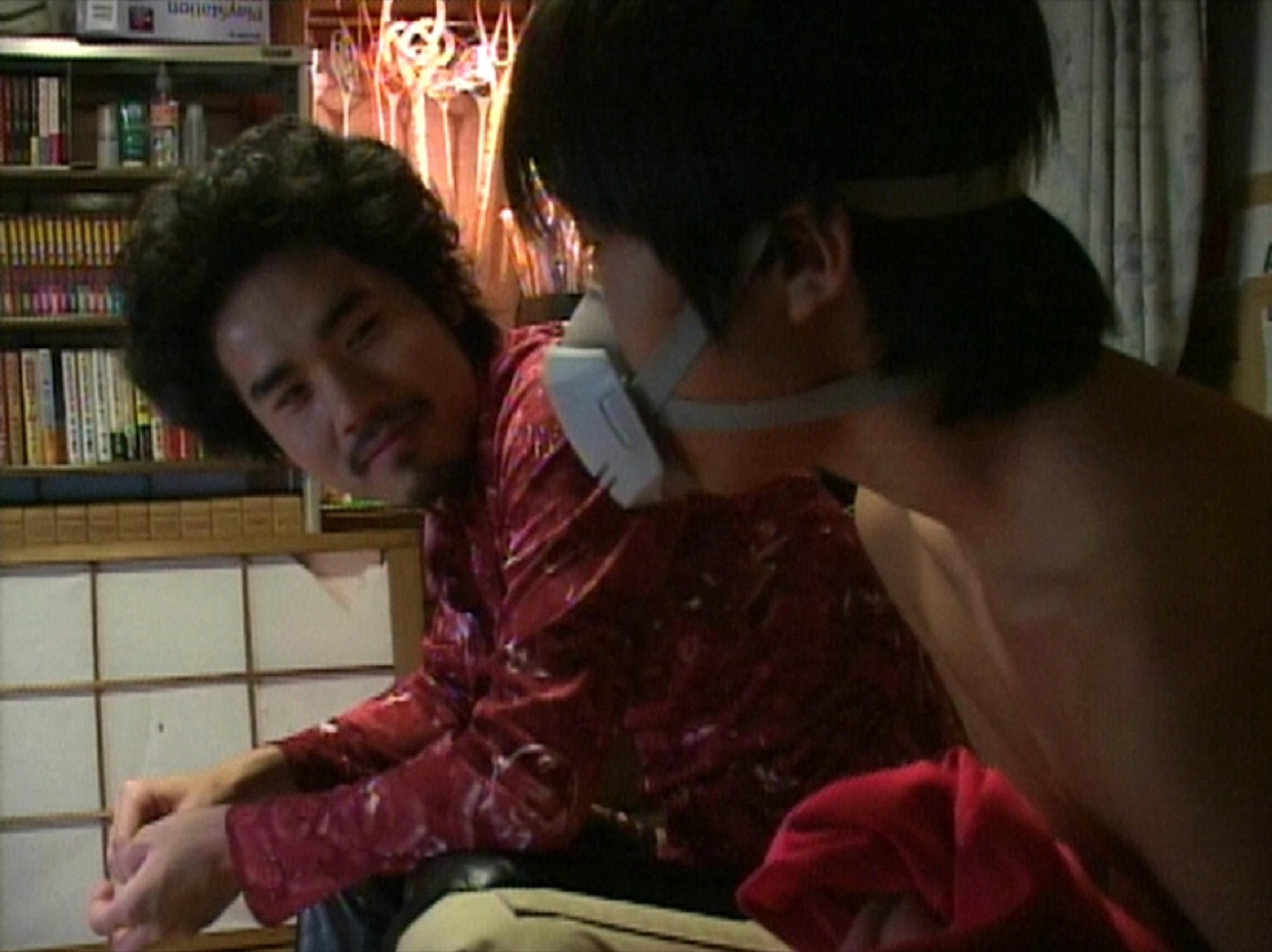
Visitor Q remains a cutting satire that will horrify some, while others will find it genuinely funny. It’s also an uncompromising dissection of the human condition and not what the producers at Cine Rocket would’ve expected when they commissioned it as the sixth and final entry for their Love Cinema series. The brief was to make a low-budget romantic thriller about unconventional love winning through against the odds. The love expressed in Visitor Q is so unconventional as to be unrecognisable within normal parameters. However, Miike has explained that Itaru Era’s script was never meant to be didactic, but rather explores something that’s hard to grasp. The audience will be unable to avoid passing judgment, but there is no indication of how they ‘should’ respond. That must come from each individual’s moral code and an understanding that what they’re actually watching are actors giving their all to express difficult social stereotypes.
Without demystifying how the film works, Miike hints that the love it expresses is the love of filmmaking and the joy of performance, embodied by the collaborative process of the cast and crew coming together to make something vital to cinema. He couldn’t afford to meet their usual fees, so everyone involved wanted to be there and was eager to contribute. As far as the narrative goes, he suggests that love grows from forgiveness. Thus, the atrocities committed by the characters demand great forgiveness from the audience, meaning watching to the end can be an act of love… Unless you hate the film!
JAPAN | 2001 | 84 MINUTES | 1.33:1 | COLOUR | JAPANESE

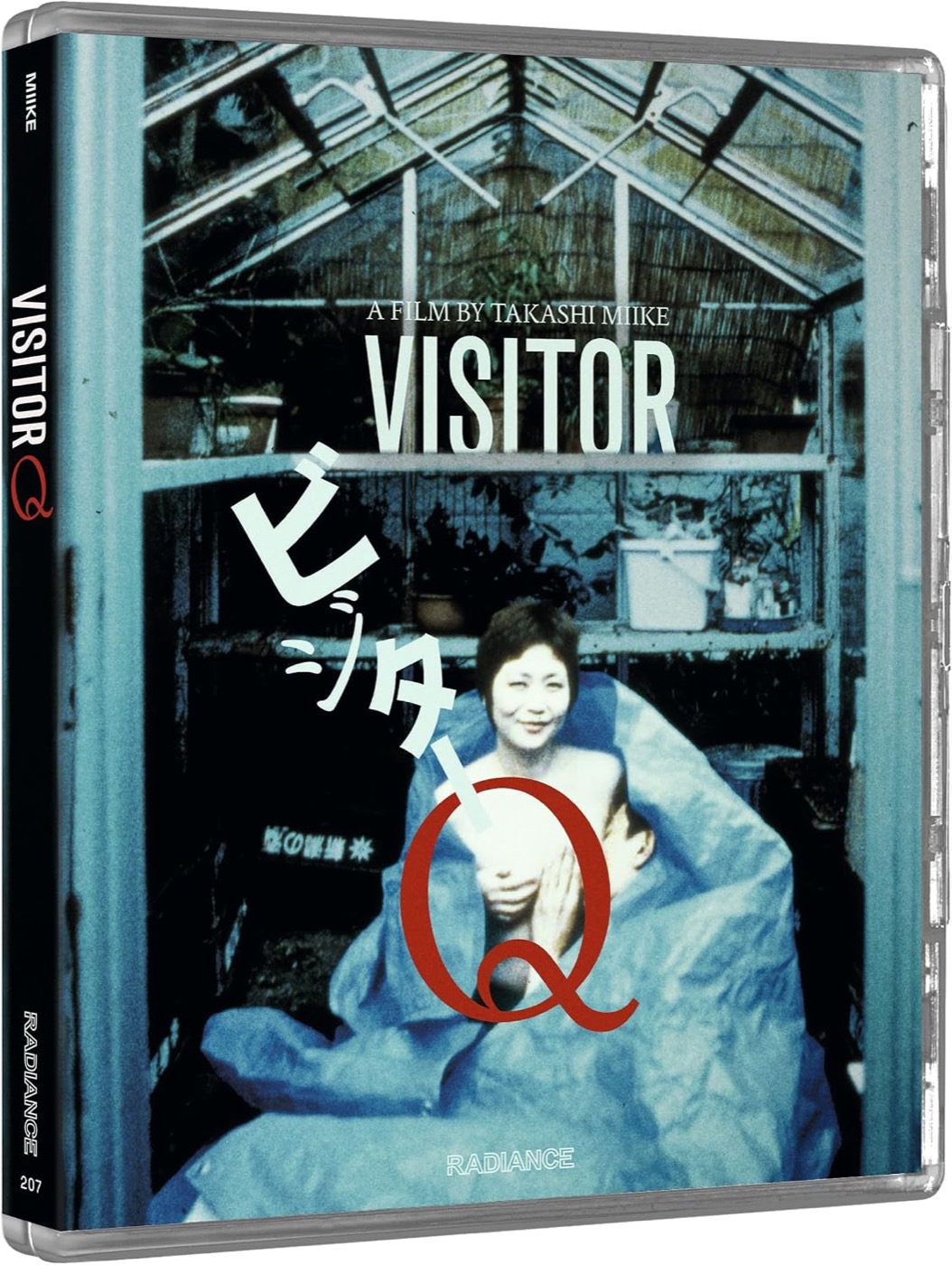
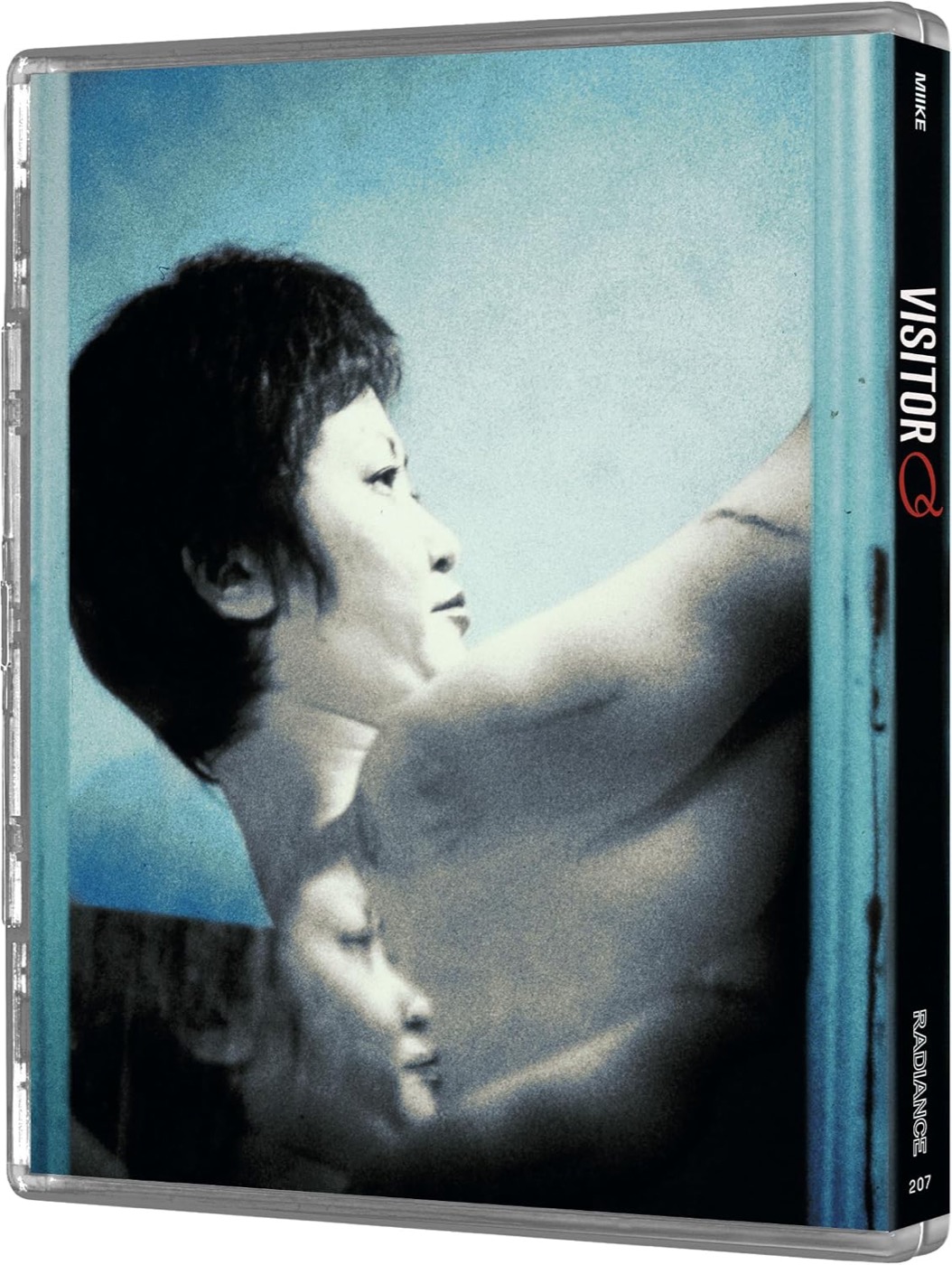
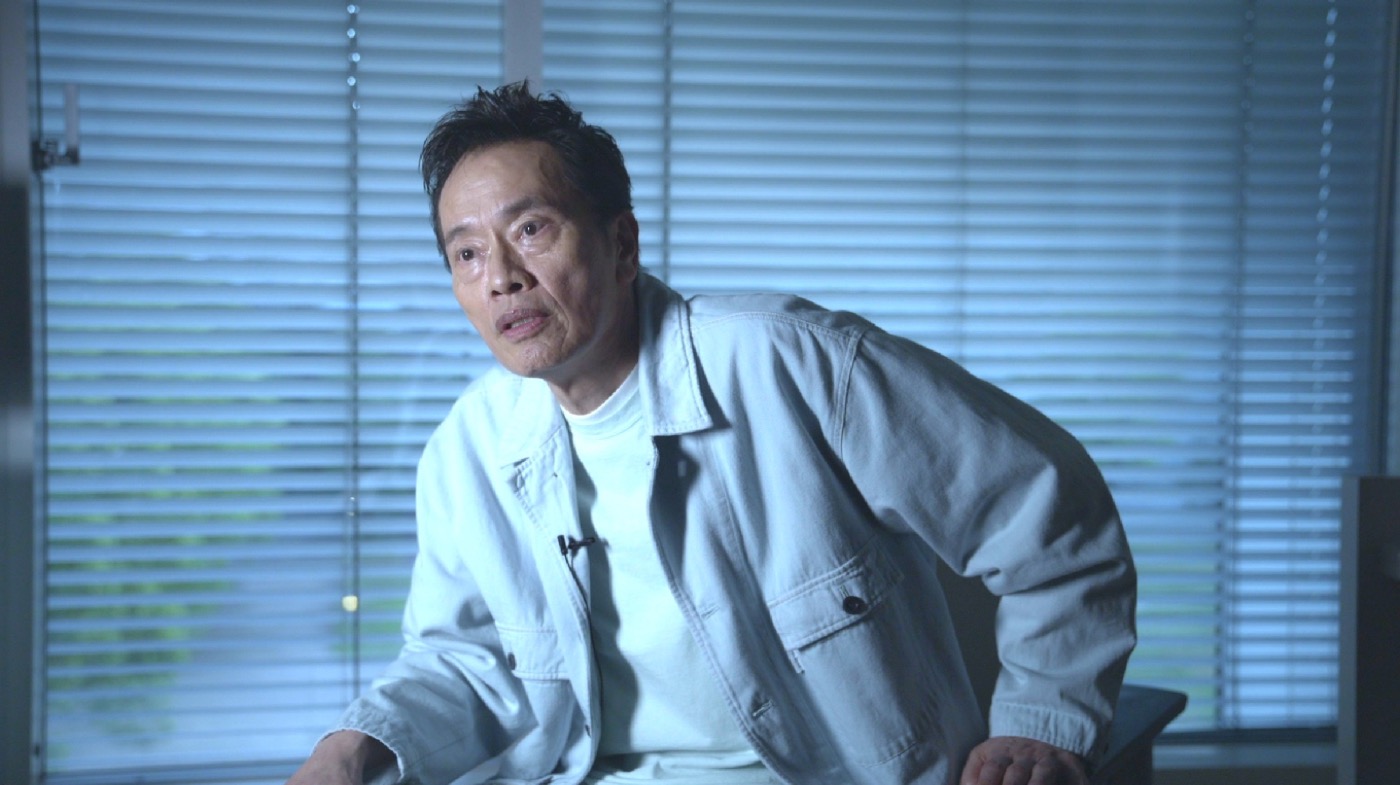
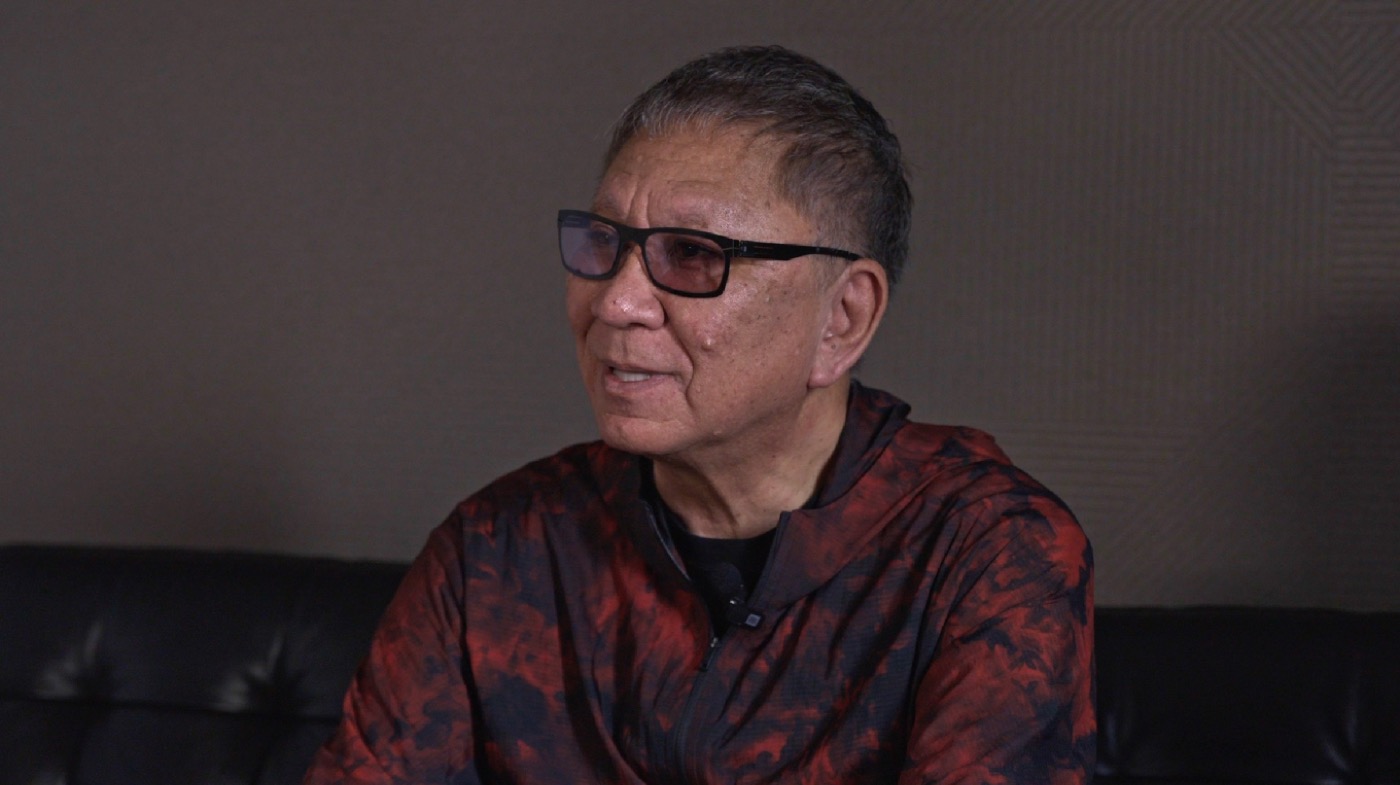

director: Takashi Miike.
writer: Itaru Era.
starring: Kenichi Endō, Shungicu Uchida, Fujiko, Jun Mutō, Showko Nakahara & Kazushi Watanabe.