SAW III (2006)
Jigsaw abducts a doctor in order to keep himself alive while he watches his new apprentice put an unlucky citizen named Jeff through a brutal test.

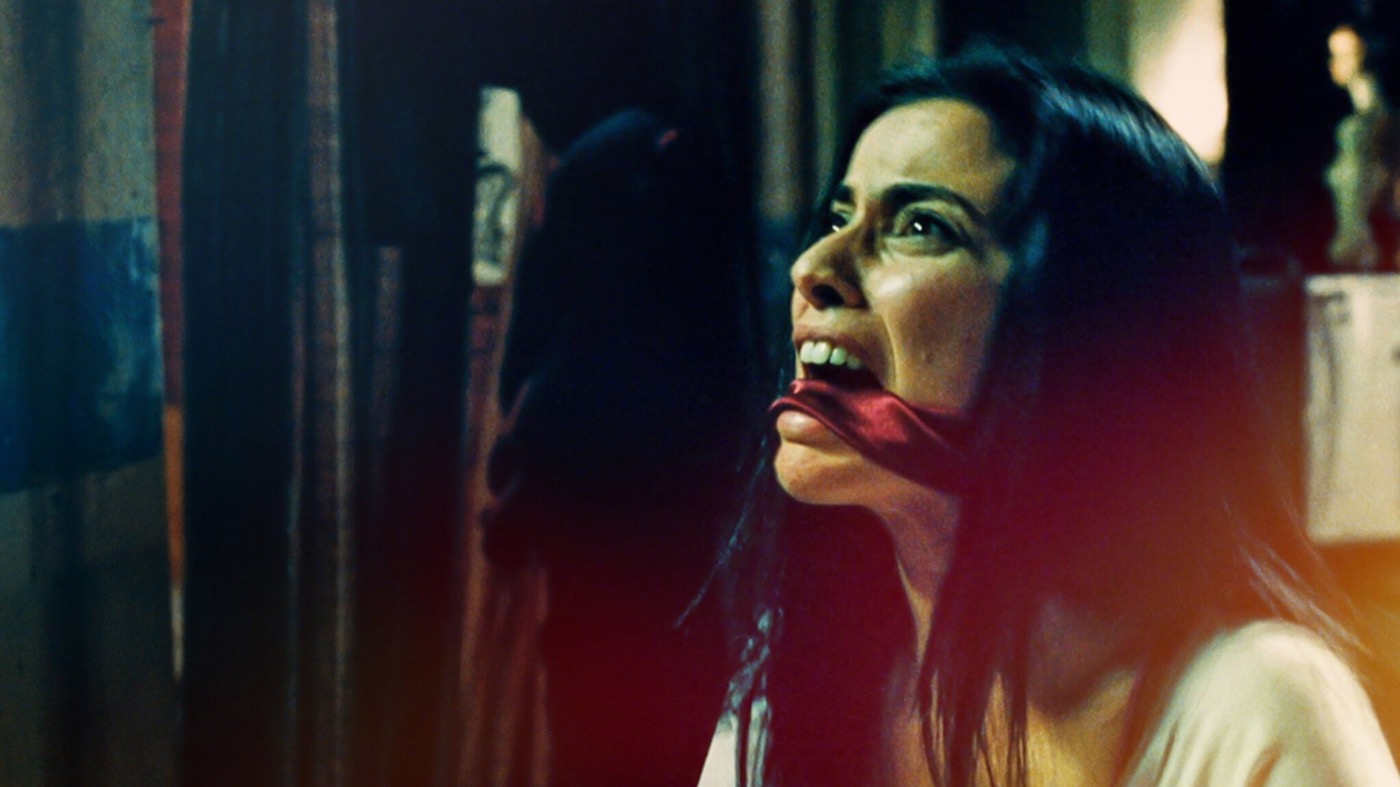

Jigsaw abducts a doctor in order to keep himself alive while he watches his new apprentice put an unlucky citizen named Jeff through a brutal test.
For Saw II (2005), director Darren Lynn Bousman suggested capturing the Jigsaw killer. For the next film, they should kill him. Spoiler. The question is whether Saw III delivers a “hardcore tragedy” on a par with Titus that still resonates two decades later, after eight more sequels. Yes, there would be more blood. Yes, Tobin Bell would return for all but one of them. And yes, Bousman compared Saw III to Shakespeare, the film opening with “I’ll fucking kill you, you fucking bitch”.
An original script by Bousman, Saw II made for a great sequel. Bousman stayed on, as did writer and actor Leigh Whannell, for two reasons. Producer Greg Hoffman had unexpectedly died between the films, so Saw III was dedicated to him and a character named after him. Whannell also credited Peter Jackson with making trilogies “respectable these days” and decided to try his hand at one.
He was right: Saw III is regarded by its enduring fanbase as an incredible, if premature, swansong. One that mines the emotional depths of two otherwise deplorable murderers. Before the unforgettable finale, the film also generously develops the “gratuitous sequel territory” that both Whannell and James Wan had hoped to leave behind.
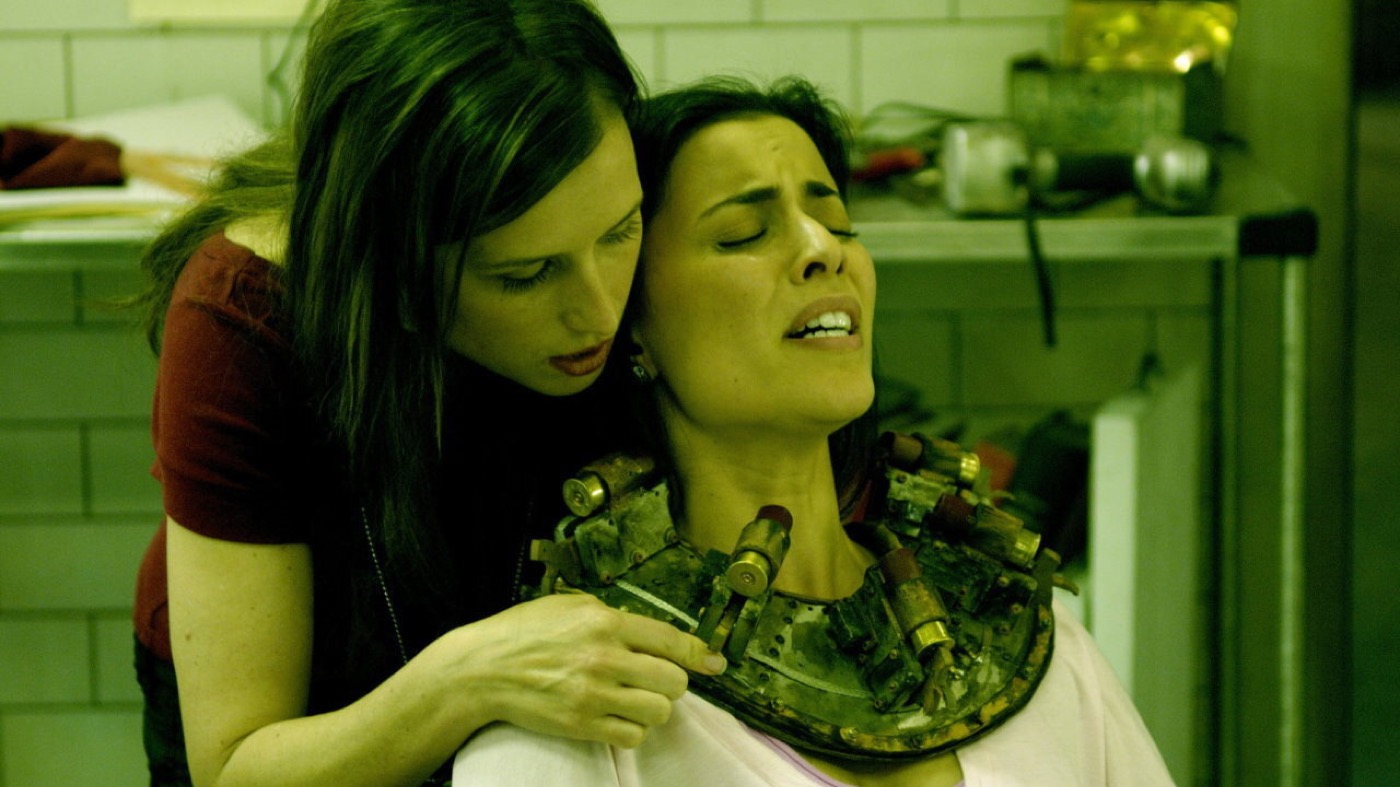
Saw III builds on the melodramatic serialisation by starting exactly where the previous film ended. Detective Matthews, the lead in Saw II, is still alive and still played by Donnie Wahlberg. That was a shock at the time, when rumours circulated that Wahlberg was desperate for a new gig to avoid the sequel, bolstered by his own press release denying his return. Lionsgate knew Saw was a big deal and orchestrated the whole thing to set up twists from the very start.
Matthews continues the unexpected by immediately solving the bathroom trap. Who needs a saw when the cistern lid can crush an ankle through the chains? None of this pays off: Matthews reappears only briefly and has no real bearing on the plot.
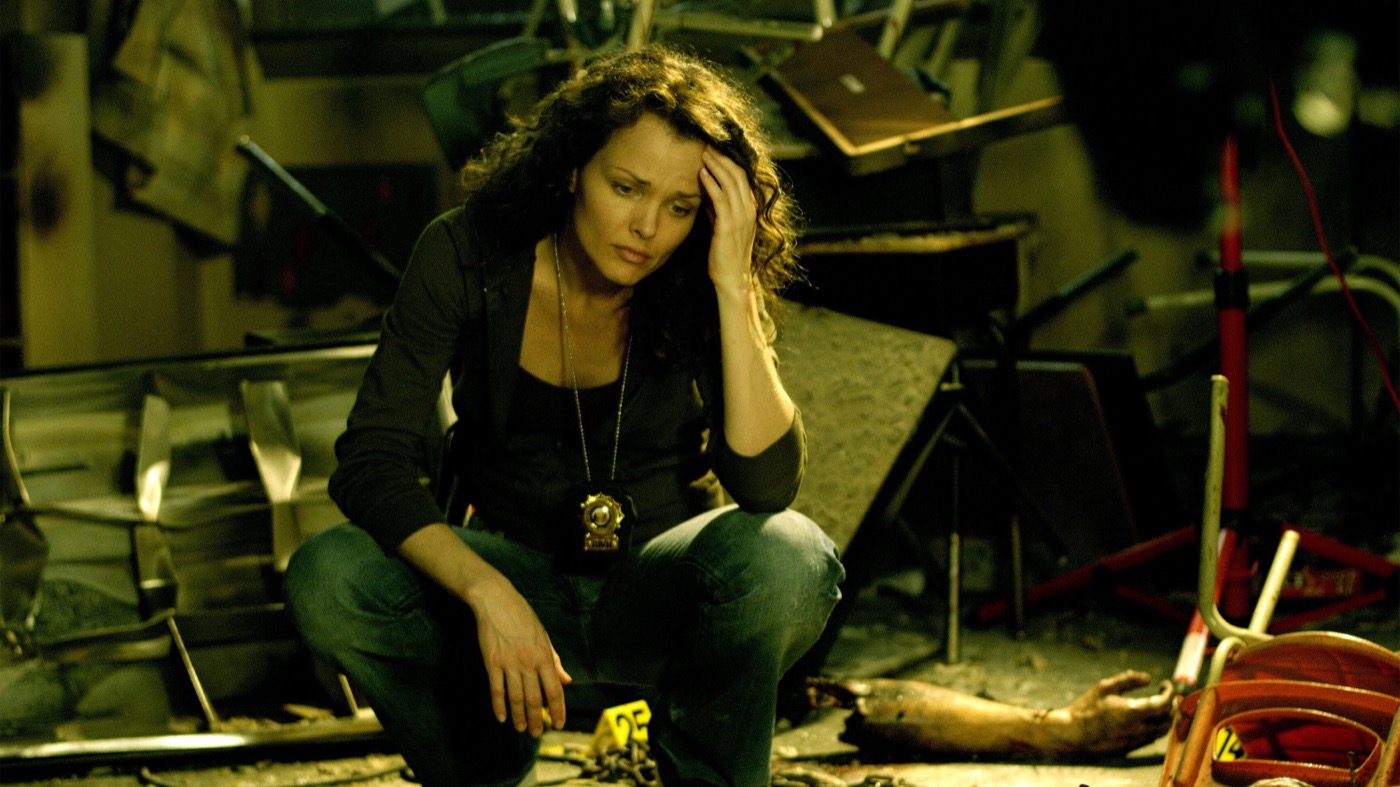
His absence continues the ever-expanding police procedural involving Kerry (Dina Meyer), Rigg (Lyriq Bent) and Hoffman (Costas Mandylor). None of these characters matter to Saw III, either. The first real “game” arrives quickly: a random man (J. Larose) with no good reason to be blown apart. But wait—the clues lead Kerry to realise it was impossible to escape. It still isn’t the first “real” game.
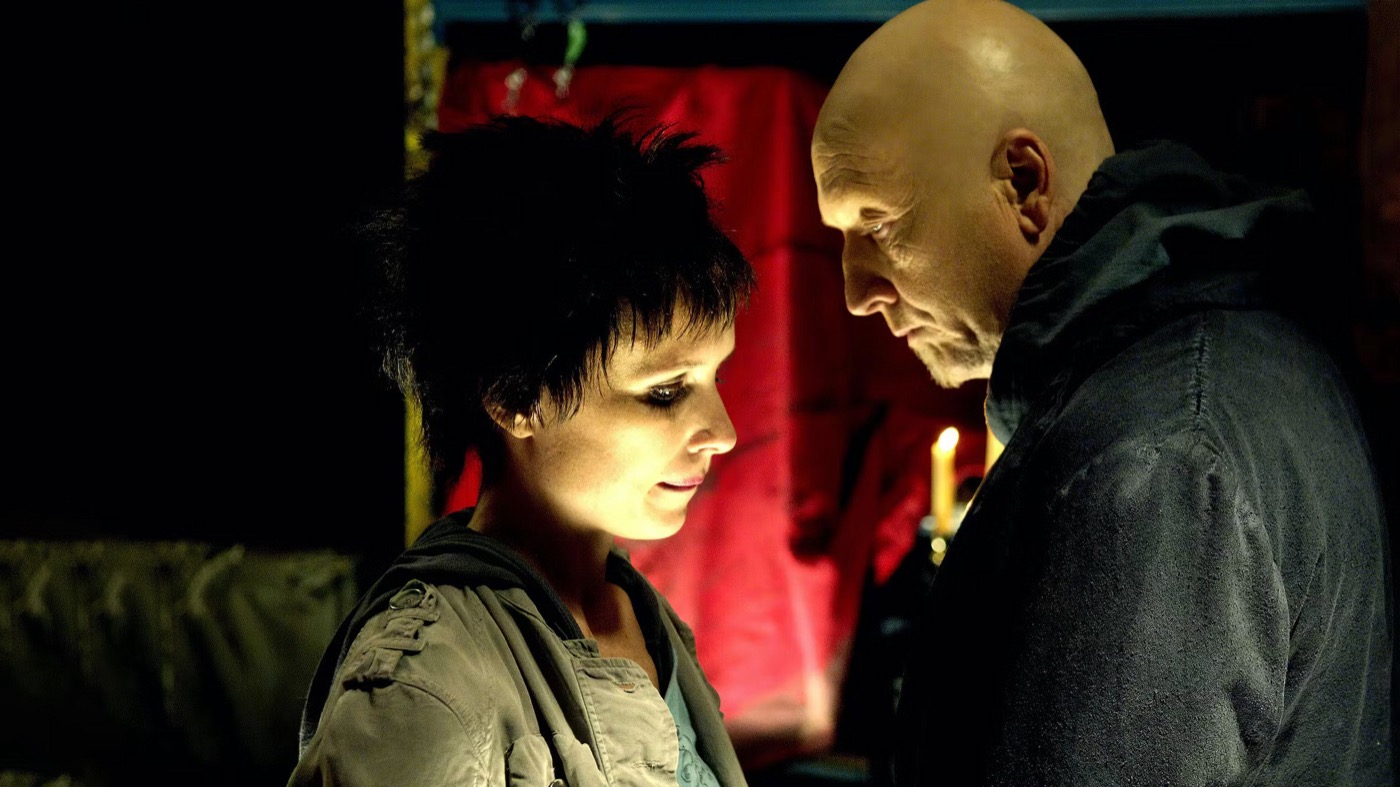
It’s odd to reach an age—or a maturity?—when you find yourself waiting for the horror scenes to end. It’s like watching pornography for the plot. Saw is still exciting, and there are tremendous sequences later on, so the problem isn’t too much blood. Rather, the pacing is arbitrary. As with the Friday the 13th (1980) sequels, the producers seem to assume—and inadvertently judge—their target audience to be impatient gorehounds. Quantity over quality means the violence is rushed, with diminishing morbid curiosity. Audiences aren’t given time to wonder how they’d cope, and neither is the victim. Watching a man tear metal from flesh when there’s no clever alternative is boring.
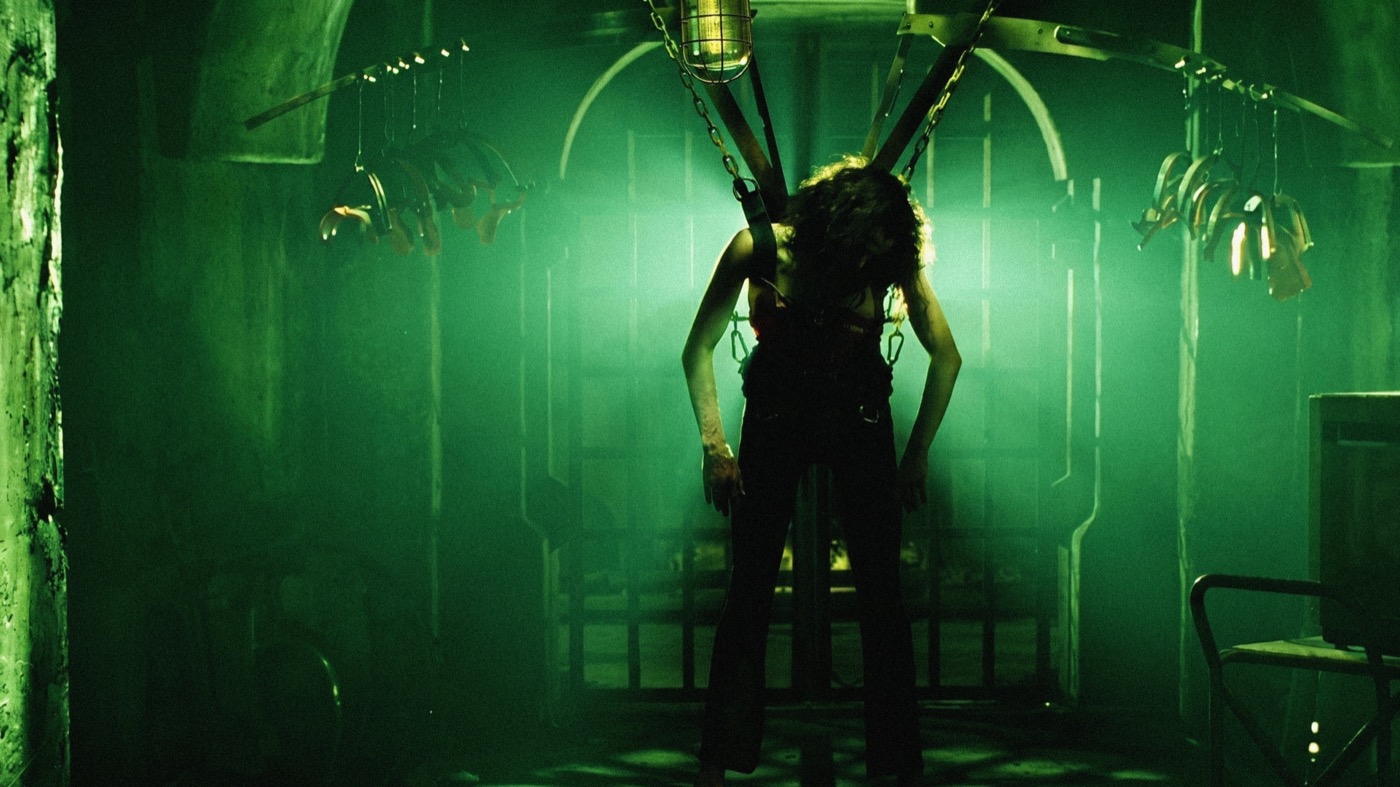
Kerry’s death has long sat wrong with fans, and not because she was cheated. It simply makes no sense that she was tested in the first place. She’s a dedicated cop, smart, and naturally emotional about Matthews’s kidnapping. She still spots vital evidence at a crime scene through her tears. We wouldn’t learn until Saw IV (2007) that the goody-two-shoes was informing the FBI while ignoring corruption in her own precinct. But no: armchair psychologist John “Jigsaw” Kramer (Bell) blathers about her wanting to join the dead, despite there being zero indication of suicidal ideation. They could have suggested she was close to catching them as to why Amanda (Shawnee Smith) rigged her trap—but no. She died because ACAB. Even then, “the acid will dissolve the key in a matter of seconds”, and said key has been sitting there while Jigsaw yaps on his tape.
It takes 17 minutes to introduce one of the two main subjects, nearly 30 for the other to wake up, and more than 40 for him to start the “main” game. I miss the days when Saw (2004) opened in the bathroom.
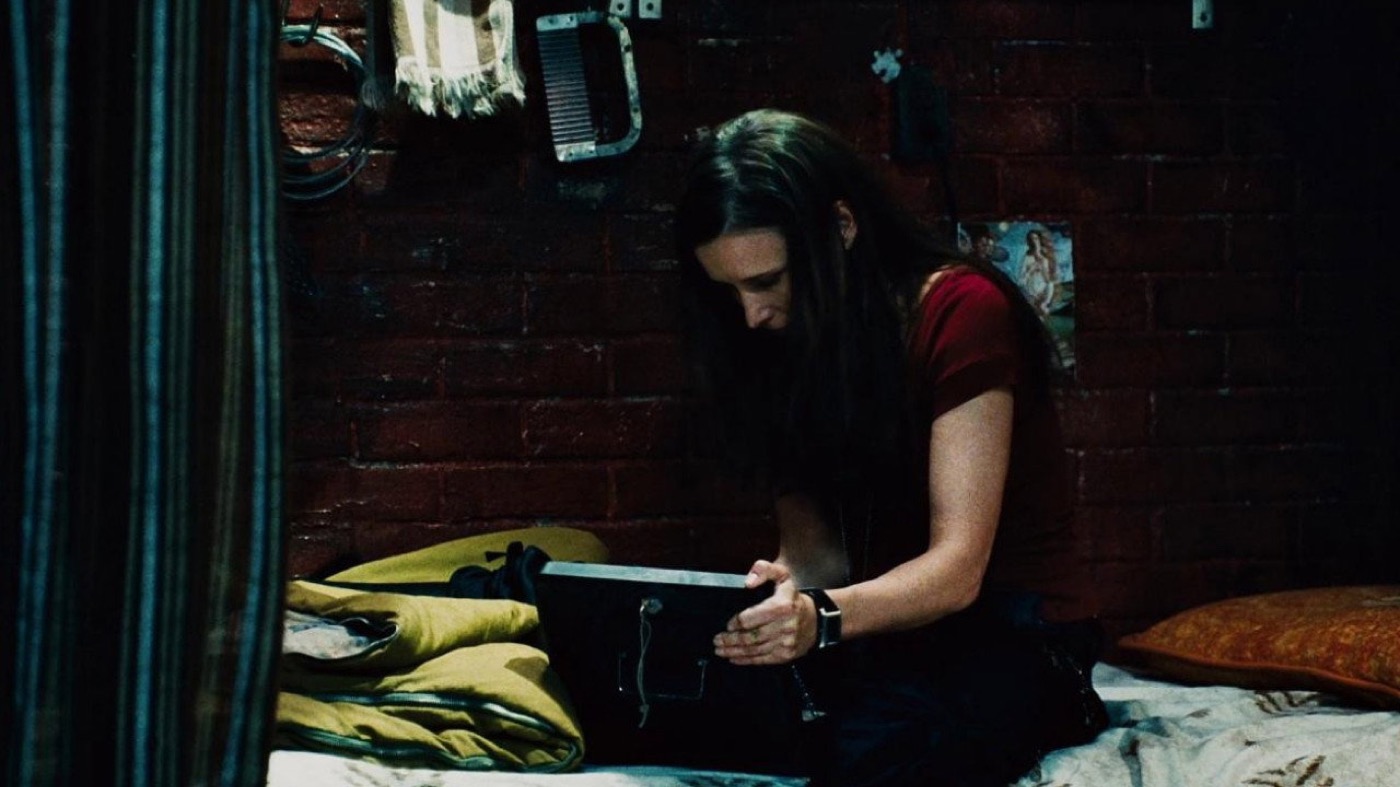
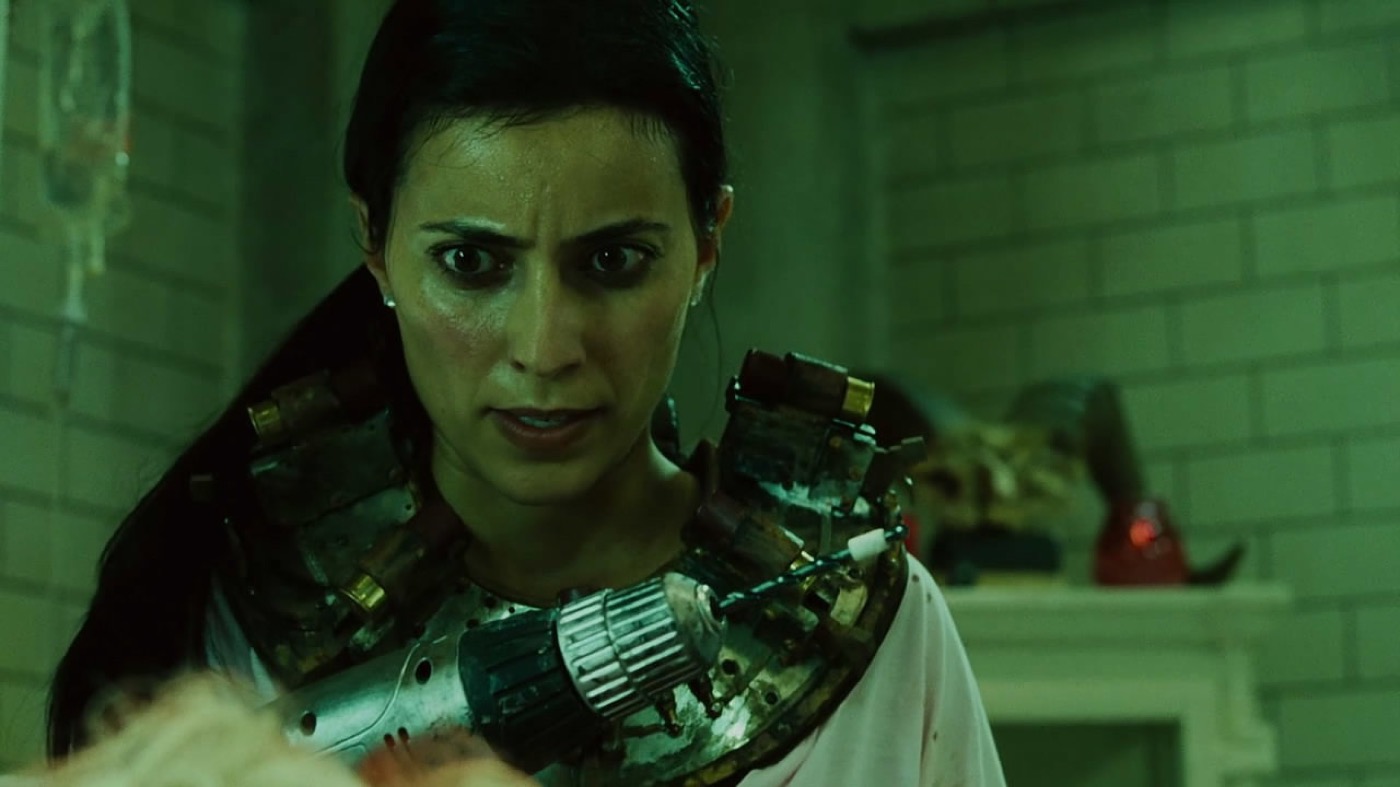
Dr Lynn Denlon (Bahar Soomekh) takes pills, then performs a risky but correct emergency operation on a child. Whether she was right to make the call while impaired is an example of debatable ethics. Between malpractice, infidelity and problems with her own child, this seems like Whannell’s mulligan for how unfairly Gordon (Cary Elwes) was treated in Saw.
“Lionsgate, who distributed Crash, they wanted me to get involved with one of their next films. I was one of those dorks that couldn’t even look at the poster without having a heart attack. they sent me the script and I was hysterically crying, 2 o’clock in the morning.”—Bahar Soomekh, actor (Lynn Denlon) in Saw III.
Saw III came out 20 years ago; 9/11 was 25 years ago. Bahar Soomekh is Iranian-American and put her acting career on hold from 2014 until this year because, “I can’t tell you how many terrorist parts I got. The wife of a terrorist, the suicide bomber.” If Jigsaw wipes out half the police department, he’s hardly apolitical. Forcing a Middle Eastern woman to wear explosives in a suicide pact makes for scorching-hot-button optics. One has to wonder whether Bousman and Whannell intended to tackle such weighty issues, and whether critics and audiences were too distracted by the rending of body parts to notice.
Either that, or John Kramer is an unbelievably selfish egotist. Saw VI (2009) is often celebrated for punishing insurance policymakers. You could argue that there’s no room for subtlety in Saw, or that its contradictory messages dilute the righteous retribution. He saves an innocent child from unrepentant evildoers in Saw X (2023), despite the first three films all showing him kidnapping children.
Critic Marcus Gorman skewers the hypocrisy of Jigsaw making an “all lives matter” move by tying his life to Lynn’s when his ‘equality’ means “Lynn only gets to live if Jigsaw lives. That’s absolutely Jigsaw’s ‘privilege’ speaking”.
That privilege is a quote from the ever-rocky “sins” Jigsaw judges people for. With its matryoshka-doll narrative, the film invites audiences to scrutinise first impressions. Lynn ignores talk of divorce while taking antidepressants before work. Saw III examines her response to losing a child in a hit-and-run and, metaphorically, losing a husband to alcoholic rage. Her privilege is then revealed to be neglecting her living child while grieving the dead one. Jigsaw has no sympathy for people who can’t move on.
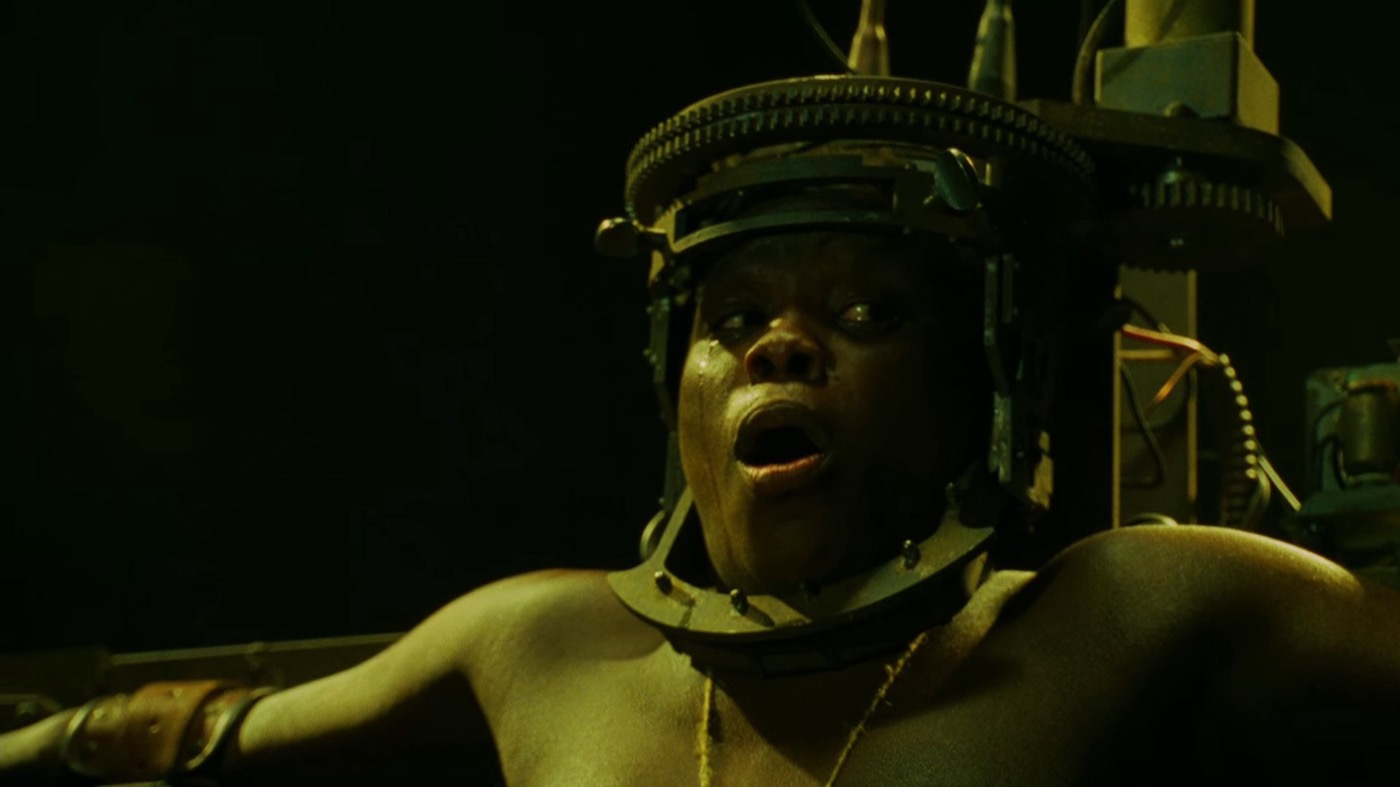
Saw aggressively crushes all nuance into the question of whether these poor people deserve to live. Lynn is admonished for sleepwalking through cutting into a child—a literal life-or-death decision. In Saw II, John removes the pig’s head to open communication with a cop who doesn’t see criminals as people. Saw III quite literally opens his mind to remind a doctor that her patients have a stronger will to live than she does.
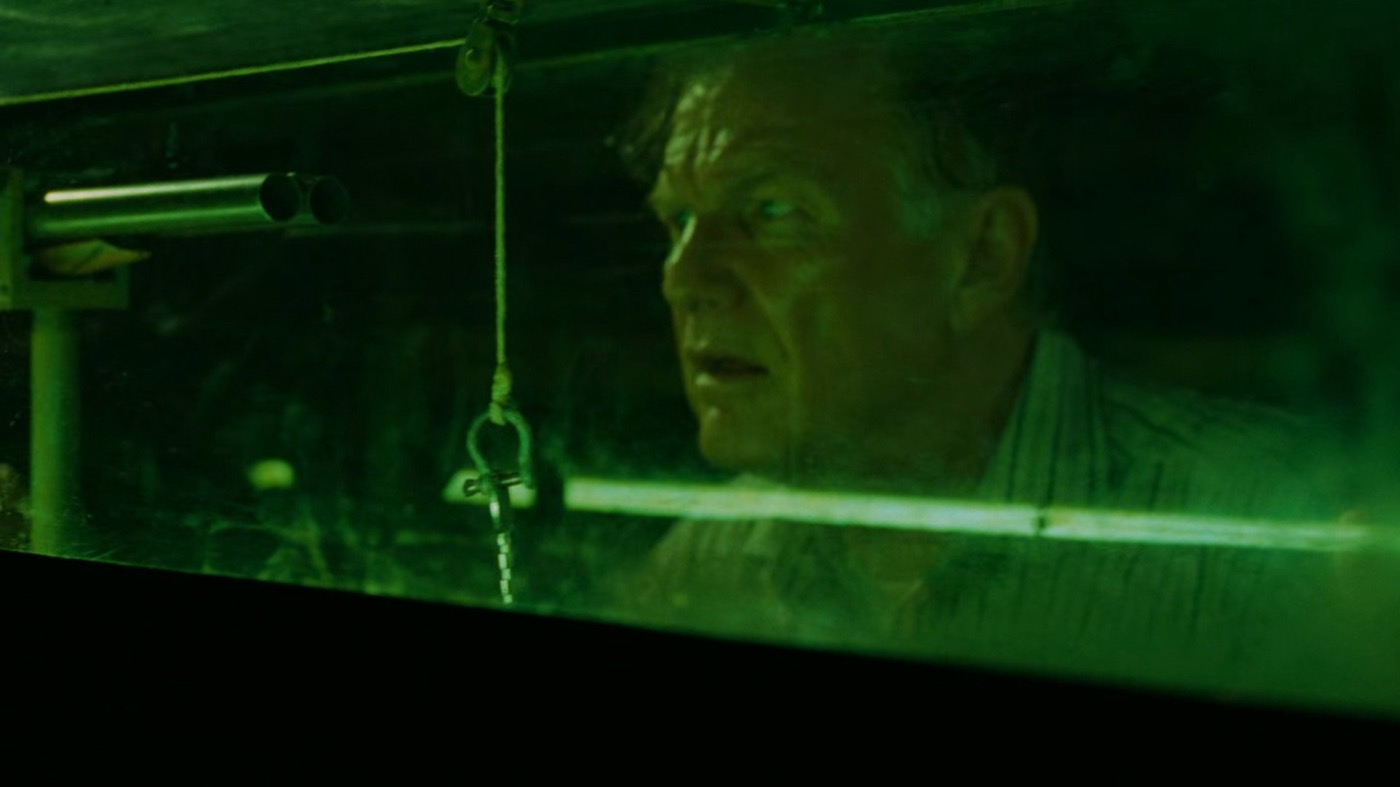
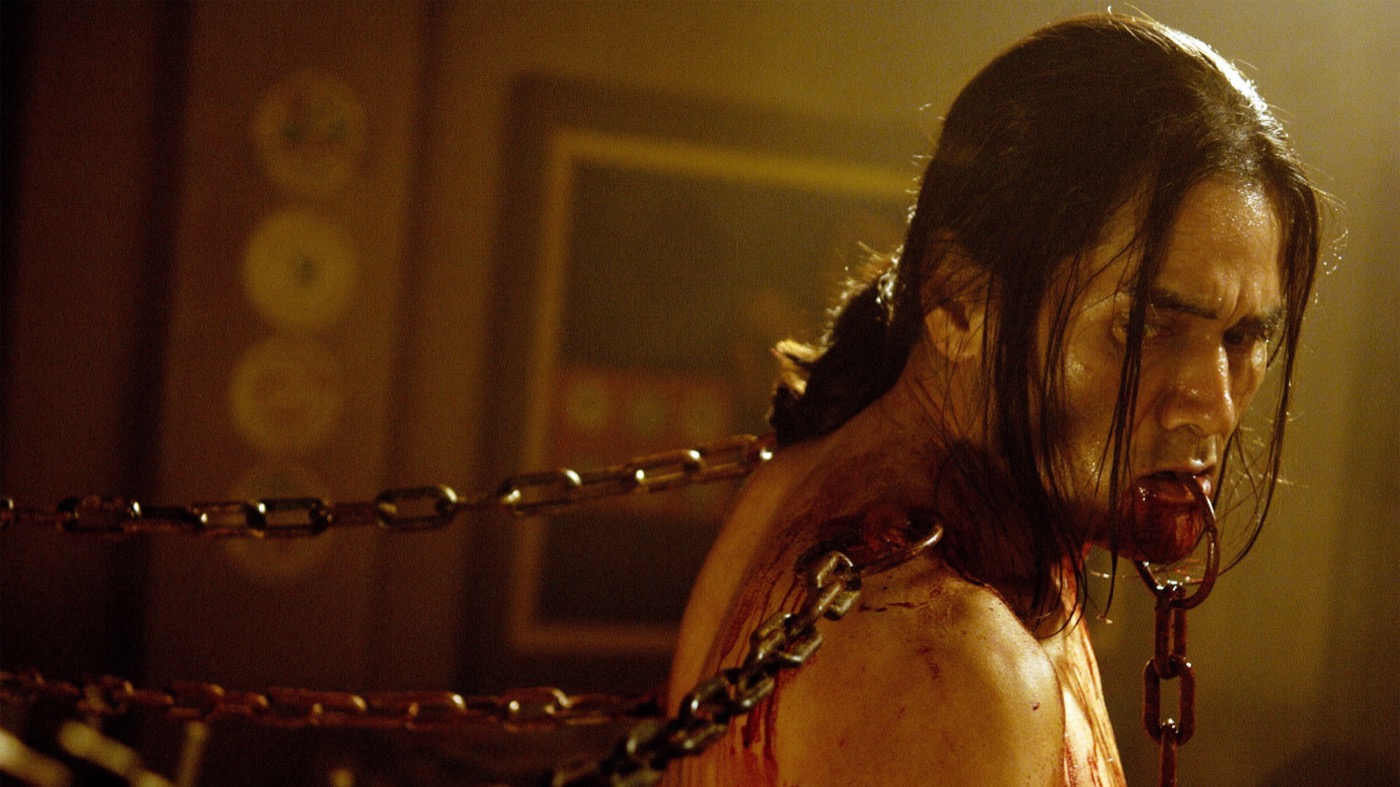
Another strong candidate for a Jigsaw trial is Jeff (Angus Macfadyen), the grieving father who puts a gun in his mouth in his dead child’s bedroom. Ignore how Jigsaw would know that. Jeff’s ordeal mirrors his wife’s—their marriage is one of several twists—and he must forgive those involved in his child’s death by saving them from their traps. The word “child” gets used a lot, but their son’s name is uttered exactly once: Dylan.
A line from John becomes the tagline: ‘Suffering, You Haven’t Seen Anything Yet.’ This is where I tune out. There isn’t much of a trick to these games: get the key or don’t. It’s clear why Jeff might not, with each victim having turned a blind eye to the tragic hit-and-run. Can the gun-coddling Jeff stomach the chance to get revenge?
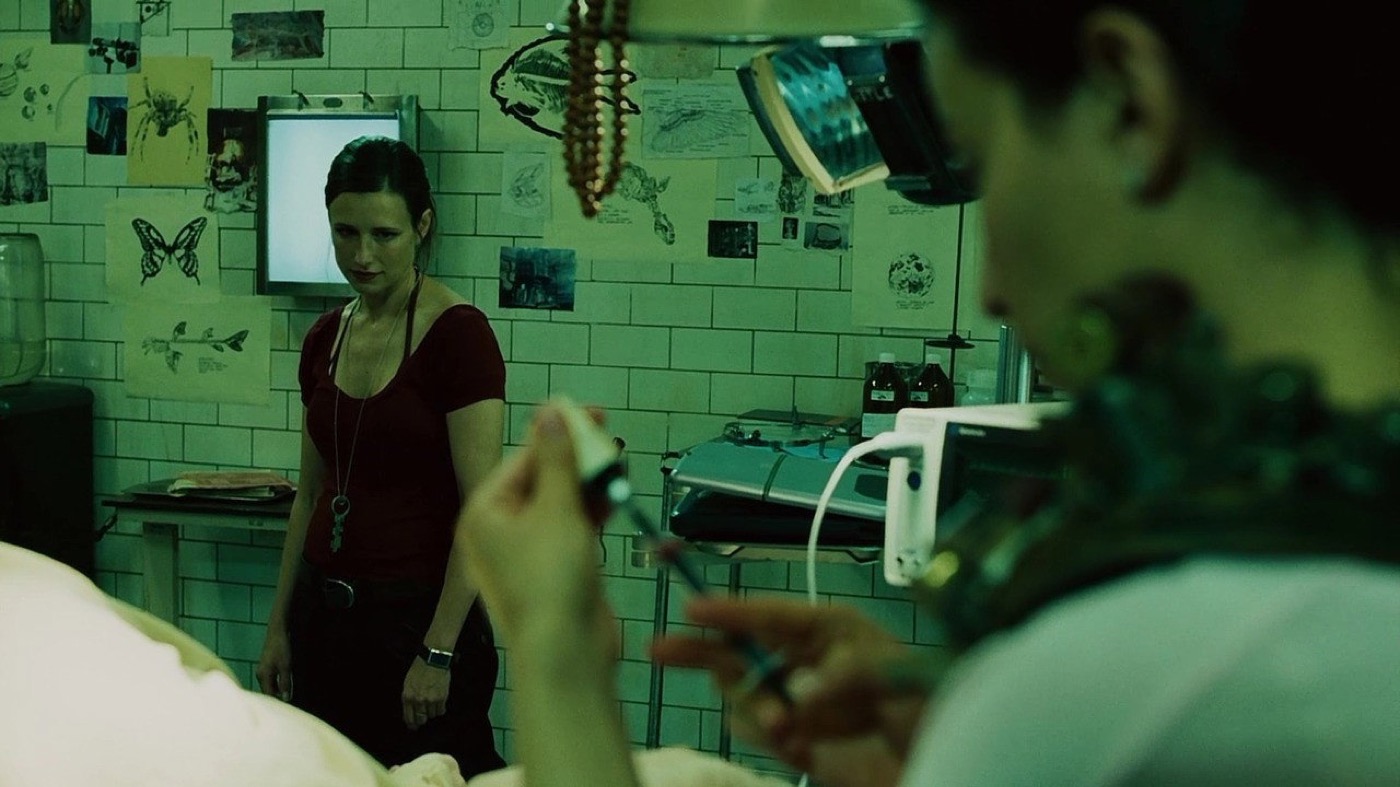
In the last two films, inaction was tantamount to suicide. Saw III turns the franchise into a game in which a lead subject navigates stages of physical torment to save lives. Is it hypocritical to quote Jigsaw—”live or die, make your choice”—when he takes the choices out of his victims’ hands? John could argue that this is no different from the choices they made about the life of a little boy.
Still, I sit patiently while editor Kevin Greutert can inject only so much implied action through frenetic montages of Jeff looking away and grimacing. Only once is Jeff offered a meaningful sacrifice: burning his son’s belongings. It’s clear the filmmakers added a scene of him bullying his other child over them; otherwise, the moment is downright cruel. John does pose Billy the Puppet and his tricycle to evoke the hit-and-run, so we know he’s an asshole. With the first victim, Jeff waits until she’s frozen solid before damaging his face as he reaches for the key. Immediate penance? He still hesitates with the next two. This monotony inspired the much-contested fandom nickname “slow ass motherfuckin’ Jeff”.
Bousman and Whannell can’t spend too much time on the games because the clear focus is John Kramer on his deathbed. As if that weren’t enough of a character study, Saw III is also The Amanda Show. Shawnee Smith gives a career-best performance, ludicrous flashback wigs notwithstanding. An actor who’s four months pregnant and being thrown into a needle pit is going to commit when given centre stage.
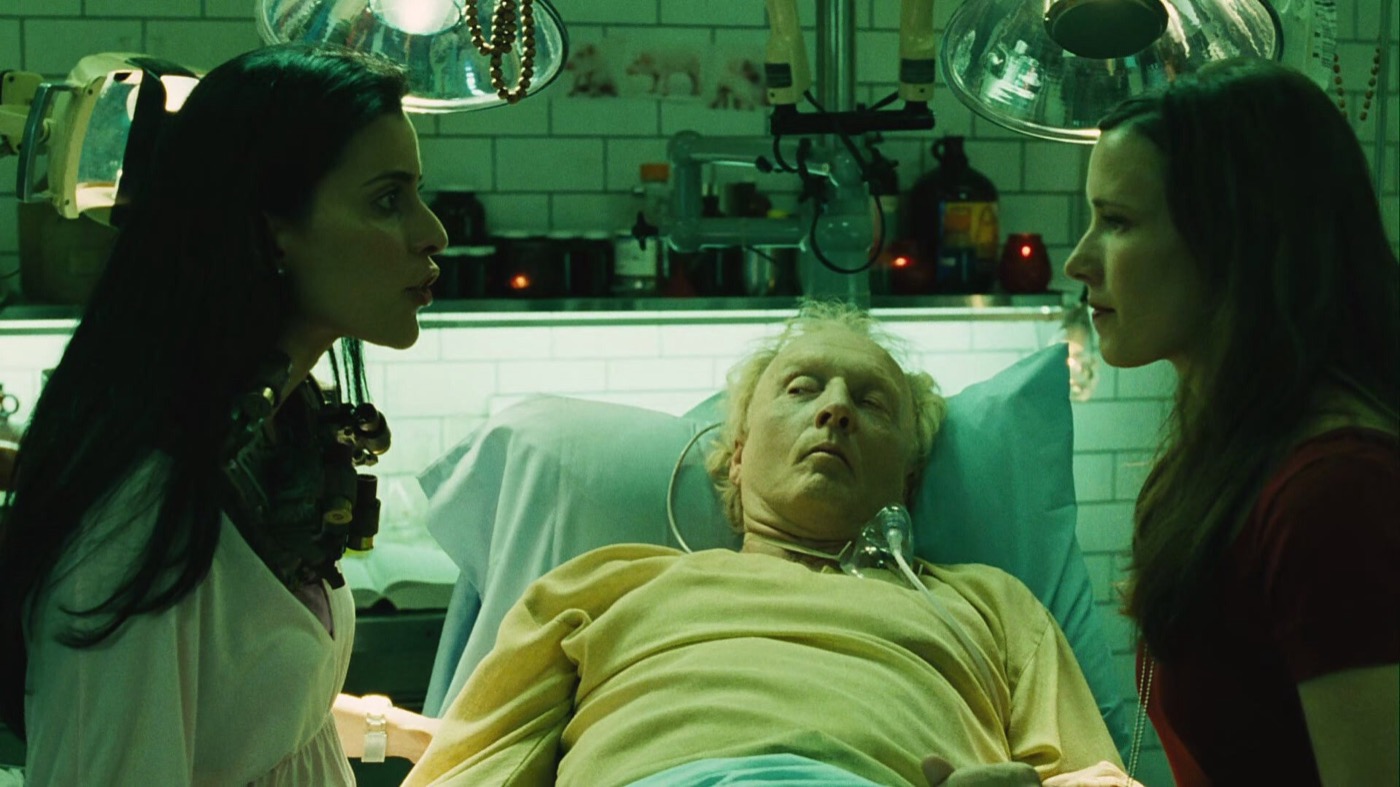
“There was talk when we were doing press for 2. Leigh Whannell and I sat down and threw around different concepts, a few that included me and a couple that didn’t. We had like 3 weeks to write part 3. It was clear that a lot was going to hinge on buying the relationship between Jigsaw and Amanda in a substantial way, not just the cliché of master/apprentice.”—Shawnee Smith, actress (Amanda Young) in Saw III.
Amanda spits “stupid cunt” at Lynn while John side-eyes her for the umpteenth time. The question of who’s in control of the game is constantly tested. At other times, Amanda dutifully holds a cup of water steady while her mentor drinks through a straw. He isn’t demanding menial labour; she understands her role as a servant in the religious sense. Smith herself recognised Amanda’s “strength to serve and sacrifice for another human being. Now that’s rare and it takes strength, courage, practice, diligence, and a fearlessness to build that”.
Bell and Smith spent weeks together so their relationship would feel genuine. They elevate the material, holding entire conversations through eye contact. Their connection is “a love story and a tragedy”, as Shawnee puts it: a yearning not just for life or death, but for the alternate lives that might have been. One of the alternative taglines is ‘Like Father, Like Daughter’, and the actors approach that idea with complete sincerity.
The flashbacks never feel quite as pointless as they do in later entries, where they fill in the gaps. John setting up Amanda’s test may bloat the film’s nearly two-hour runtime, but John preparing for the bathroom test reveals nuances in Smith’s performance. She plays a person devoted to the idea of Jigsaw but struggling with the burden of letting the test play out, especially when it means allowing John to put himself in danger.
As with all Jigsaw games, things fall apart because the participants can’t work together under pressure. Amanda makes her feelings clear but leaves the problems muddled: is Lynn trying to escape by avoiding the operation, or is Amanda? When John starts seizing and Lynn rushes in while Amanda regresses into a wide-eyed child, the helplessness of watching a loved one suffer evokes the same sympathy that Saw X so effectively did. Amanda values lives unequally and cares only for John, yet cries when Jeff fails to save someone. John promises, “you’re stronger now,” but is she?
In one of the toughest scenes to watch, Amanda carves into her inner thigh as a momentary distraction. A franchise built on self-harm shouldn’t feel so real. Audiences weren’t alone in finding it hard to watch: “people had to leave the set that never left a set in all the traps.” Smith “had an intuition that she’s a cutter”, and Bousman fought for her scene, which wasn’t “connected to the plot in any way”, even though it revealed an uneasy vulnerability beneath the judgemental games. Amanda’s bloodletting as penance is overwhelming in its meaning. It speaks to her insecurity about living up to expectations—Matthews yelling “you’re not Jigsaw!” is a wonderfully random insult—and to her mercy-killing subjects to spare them the agonising failures of a second chance at life.
This leads down an ethical rabbit hole that could leave attentive audiences cross-eyed. Bousman corrects people who say that “Jigsaw didn’t do that”, while Jeff’s games also involved people with no way to free themselves. But that’s the whole elaborate point: they have to spare others to save themselves. Except if John set up this game for someone who rigs games, hasn’t he stacked the deck against everyone in danger, himself included? Hindsight also complicates matters: he would have been too frail to undo Amanda’s meddling, but he had another apprentice, Hoffman, who could have intervened. We’ll learn that he made this whole situation worse because of John’s god-awful employment record. That’s a different sequel—and a different headache.
All of which is to say, Jeff and Lynn had no chance of reconciling their marriage because John struggled to control his own “child”. If he truly does “despise murderers”, he seems to “condone murder” by letting Amanda off the hook if she passes the test.
This is the first Saw film to give Bell top billing, and he deserves it for carrying the franchise on his back. Even when he spends this entire runtime lying on it—as he laid on his front for the whole first film. Bousman believes that John “begins to question because he’s near the very end”, which leads to a tearful confession. Bell, whose authority over the character had grown, vetoed the scene. It was an incisive choice, preserving the pleasure of critical engagement for the audience.
“We got inklings of stuff, and you’re still getting inklings. You’re not ever going to get the whole thing right there, because (1) I don’t think they know, and (2) it’s not fun that way. What’s fun is what captures the imagination of Saw fans. They want to know more, it’s nice for them that it keeps moving along.”—Tobin Bell, actor (John Kramer) in Saw III.
He’s evil, conniving and entirely untrustworthy. So how is his brain surgery one of the most suspenseful scenes in the franchise? He couldn’t possibly die halfway through the film and take one of the protagonists with him! David A. Armstrong’s cinematography leaves no room to look away: the scalp is pulled back to expose the skull, and the membrane over the brain is peeled away. Closing your eyes won’t shield you from the drilling into bone, the whining saws or the knife-like punctuation of the heart-rate monitor.
The MPAA required no cuts because of the medical nature of the scene, but it would have been another fight for Bousman, since “the operation meant everything”. As with the previous two games, the potential price of failure could be John’s life. He strongly suggests that his death is inevitable, even if Amanda refuses to accept it. John demonstrates that “he was willing to put himself through an excruciating amount of torture to still teach Amanda a lesson”.
It’s a slippery slope towards advocating his philosophy, but what he fails to reconcile reveals the two-sided nature of Jigsaw. Seen in retrospect, this film laid the groundwork for the domestic drama of Saw VI. Some of its distasteful themes begin here. In the film that introduces Jill Tuck (Betsy Russell), John chastises a bereaved mother for being someone who “turns their back on their husband”. Is he taking out his resentment towards his wife, who miscarried, on another woman?
John wants Lynn to live, but he also ties his life and her husband’s choices to hers, just as he would with his own wife. Saw III leaves this ambiguous, but Occam’s razor suggests that he lost his wife—not that she divorced him, kept his serial killing secret, begged him to stop, and was still ignored while he passed up the chance of a normal life to build death traps.
He also delivers one final fuck-you by dying with the location of the daughter he kidnapped. Gorman describes the move as “the need to be crystal clear that Saw IV was on the horizon”. But, given only the context of this ending, with everyone dead, nobody is left to save the little girl trapped in a dark prison cell. That’s pretty brutal, Jigsaw!
Thanks to the evergreen excuse that it’s fiction, Jigsaw is always right about his clairvoyant coincidences. But wait: can John really be right if he bets on every outcome? The man argues, “If you fail, we all fail”, when everyone is there because of the game he orchestrated. He pleads with his accomplice not to murder someone and refuses to offer an easy answer based on self-preservation. The test must be about giving people the chance to live. But he takes no responsibility for failing to recognise the obvious outcome, even as he smirks when Jeff picks up a circular saw, knowing that his own imminent death will cause Lynn’s. Petty revenge for Jeff shooting Amanda.
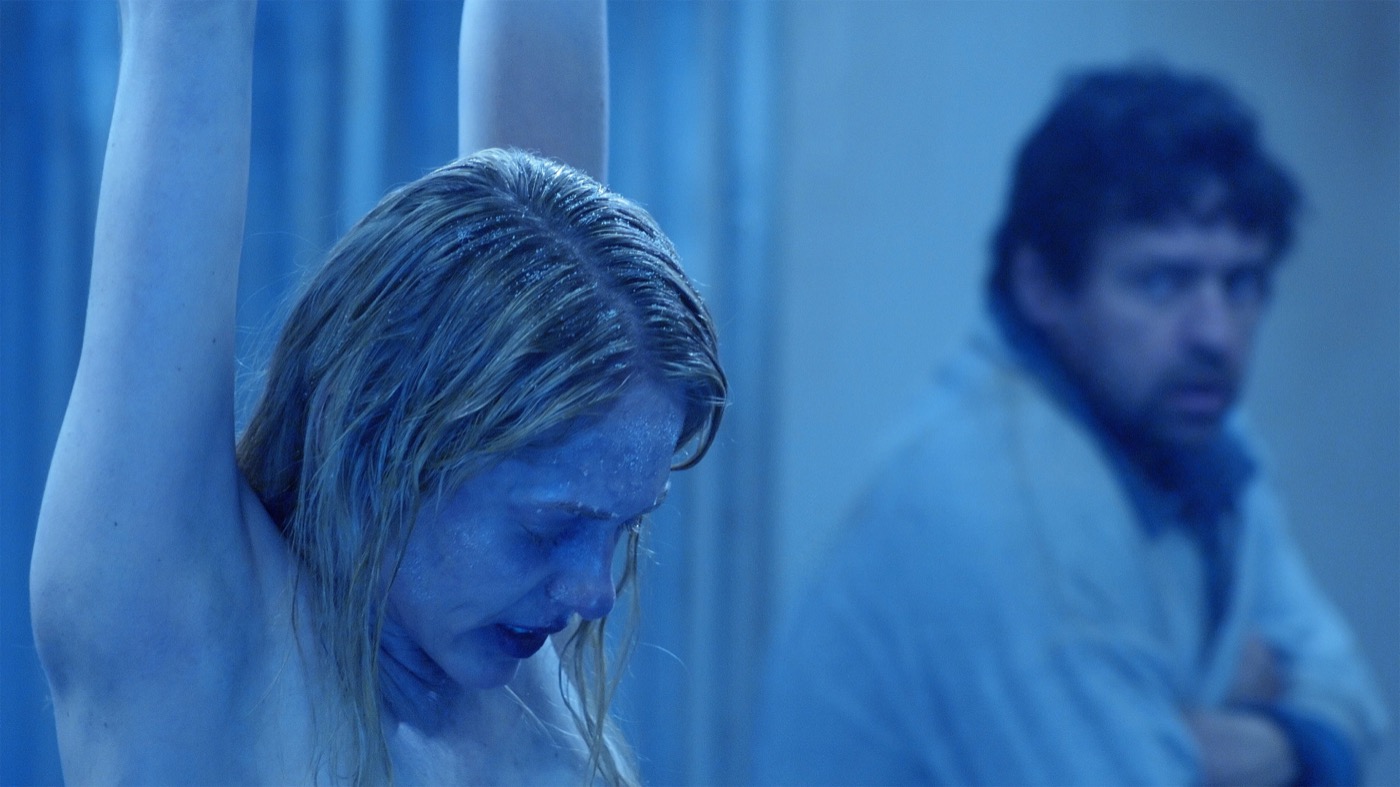
Saw III can feel petty, bleak and vindictive. But that’s Saw. Moments later, in the film’s chronology, Jeff is unceremoniously shot. He’s never mentioned again, despite holding the record for killing two Jigsaws. Shakespeare tended to kill off the casts of his tragedies. He didn’t usually write sequels. Greutert admitted in 2023 that “it would just be a lot easier to make these films if that hadn’t happened”.
With Saw XI recently announced, not one sequel in two decades has topped this film’s box office gross of $164.9M. That was enough for Lionsgate to give the franchise an almost perpetual blank cheque, even if the critical reception was poor. Saw X surprised everyone with an 81% score on Rotten Tomatoes, but that film capitalised on the relationship established here. Saw III sits in seventh place, with 28%.
One interview at the time concluded, “the actress is now happy to promote what is likely to be her final Saw“. Both actors would appear in almost every sequel. This was Whannell’s last direct contribution, as he and James Wan were “determined not to be the Saw guys” and went on to make Dead Silence (2007) and Insidious (2010). Whannell later relented: “I would be fine with that being my epitaph, the Saw guy”. And no discussion of Saw III is complete without his incredible tweet from 2017:
“To be honest, I think they should have ended it at 3. I’ll admit it, I haven’t even seen Saw 5 or 6. People ask me questions about “Detective Hoffman” and I don’t know what the fuck they’re talking about.”
CANADA • USA | 2006 | 108 MINUTES • 114 MINUTES (UNRATED CUT) • 121 MINUTES (DIRECTOR’S CUT) | 1.85 : 1 | COLOUR | ENGLISH

director: Darren Lynn Bousman.
writer: Leigh Whannell (story by Leigh Whannell & James Wan).
starring: Tobin Bell, Shawnee Smith, Bahar Soomekh, Angus Macfadyen, Donnie Wahlberg, Dina Meyer, Lyriq Bent, Costas Mandylor, Mpho Koaho, Barry Flatman, Debra Lynne McCabe, J. Larose, Betsy Russell, Stefan Georgiou, Niamh Wilson & Leigh Whannell.


