HALF NELSON (2006)
An inner-city junior high school teacher with a drug habit forms an unlikely friendship with one of his students after she discovers his secret.

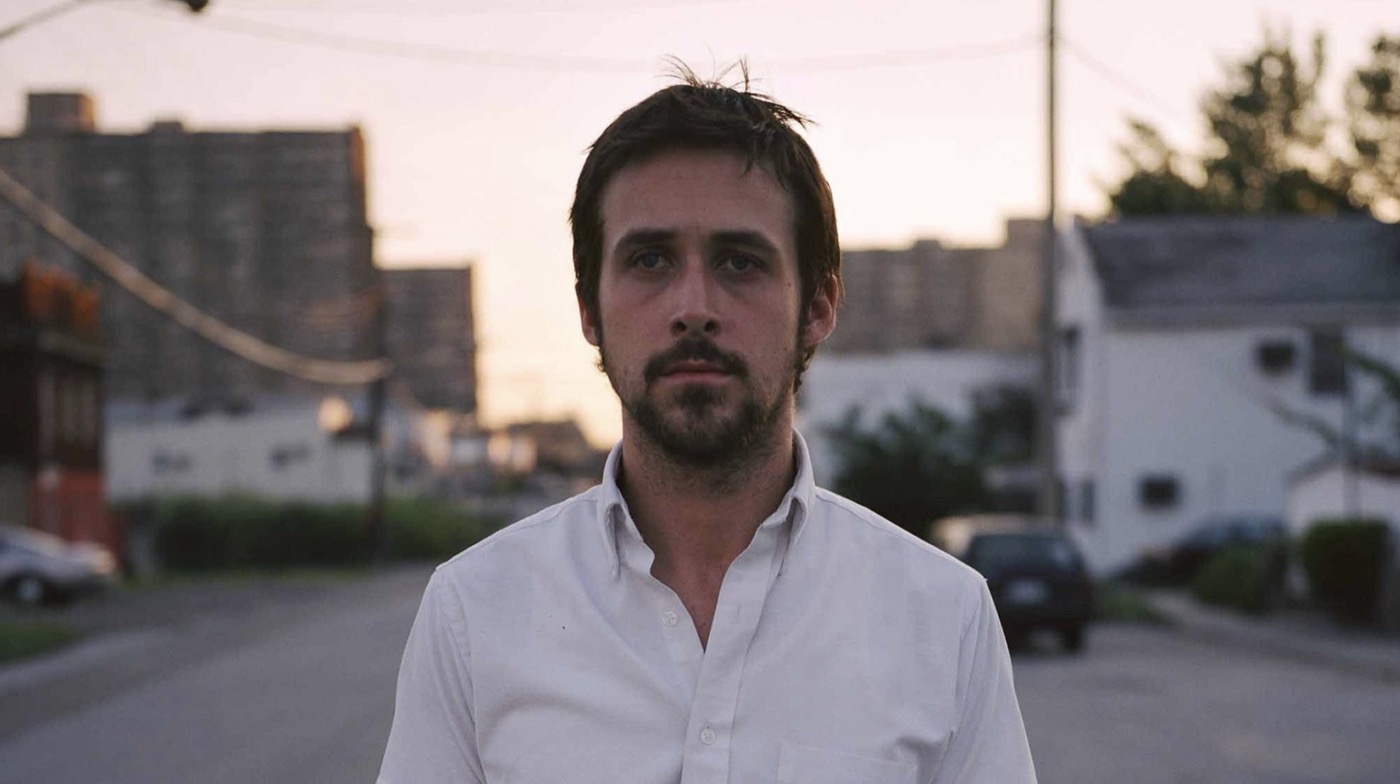

An inner-city junior high school teacher with a drug habit forms an unlikely friendship with one of his students after she discovers his secret.
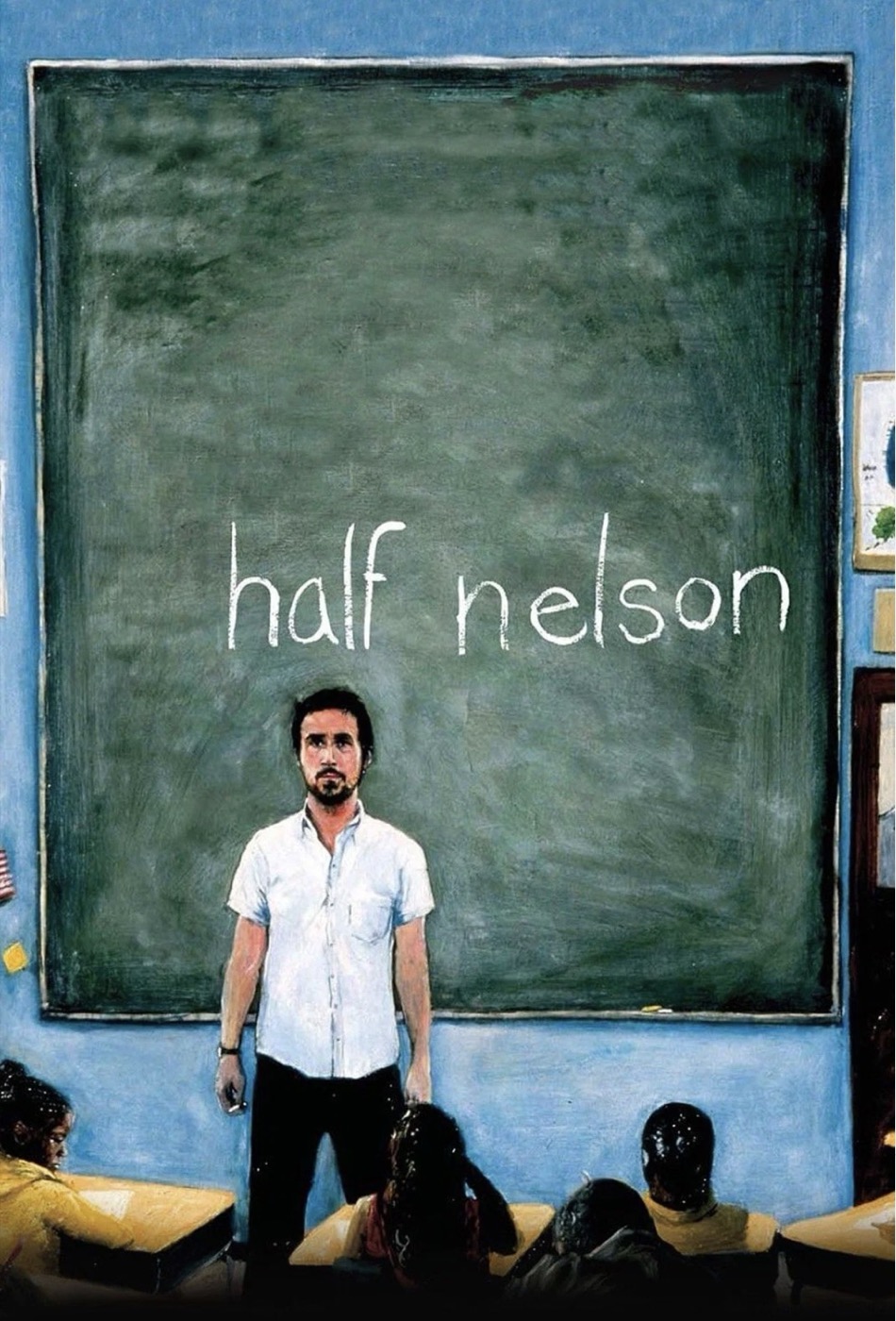
A half nelson, a wrestling hold in which you pass your arm under your opponent’s from behind so your hand rests at the back of their neck, is a form of control often used to transition between positions. It’s also rather dominant, but not nearly as difficult to overcome as a full nelson. In the film of the same name—the first of many feature collaborations between Ryan Fleck and Anna Boden—protagonists Dan Dunne (Ryan Gosling), a history teacher, and Drey (Shareeka Epps), his 13-year-old student, are in a similar bind. Both are caught in difficult circumstances, but the possibility of a better future glimmers faintly in the distance. It’s up to them to grasp this opportunity at what is quite possibly the most crucial moment of their lives, as they find themselves guided towards a turning point.
One would think such a lofty premise might make Half Nelson feel both didactic and intense, but Boden and Fleck demonstrate a commitment to depicting the day-to-day lives of their characters. Dan’s existence was once a fiery shout in favour of social causes (particularly the Iraq War, which he tends to rant about, drug-fuelled, to indifferent strangers), but now his activism is a hoarse whisper. He has given up on himself and the world at large.
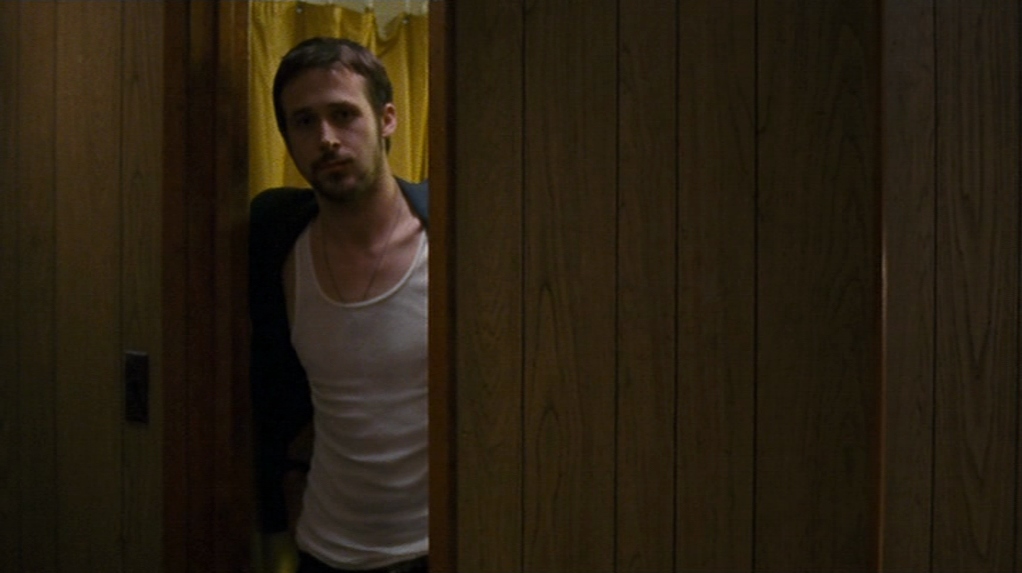
Lofty goals no longer feature in Dan’s vision of the future; instead, he hopes only to change the course of a single life. His fatalistic attitude lacks any plan for tomorrow. His self-imposed martyrdom masks the self-knowledge needed to realise that his life requires saving, and that he could be the one to salvage it. His days are a hazy mix of teaching—which he believes anchors him when nothing else can—and drug abuse. But keeping up a facade of normalcy can only last so long, especially when his addictions spill into his professional life.
This is where Drey comes in, an unassuming student who is being courted by local drug dealer Frank (Anthony Mackie)—not for a relationship, but to work for him. One night after a basketball game Dan coaches, Drey stumbles upon her teacher freebasing cocaine in a school locker room bathroom. The delicate tapestry of his tortured existence is torn apart as his two worlds painfully collide. While neither wants to acknowledge this moment of pained understanding, an unspoken bond forms between them.
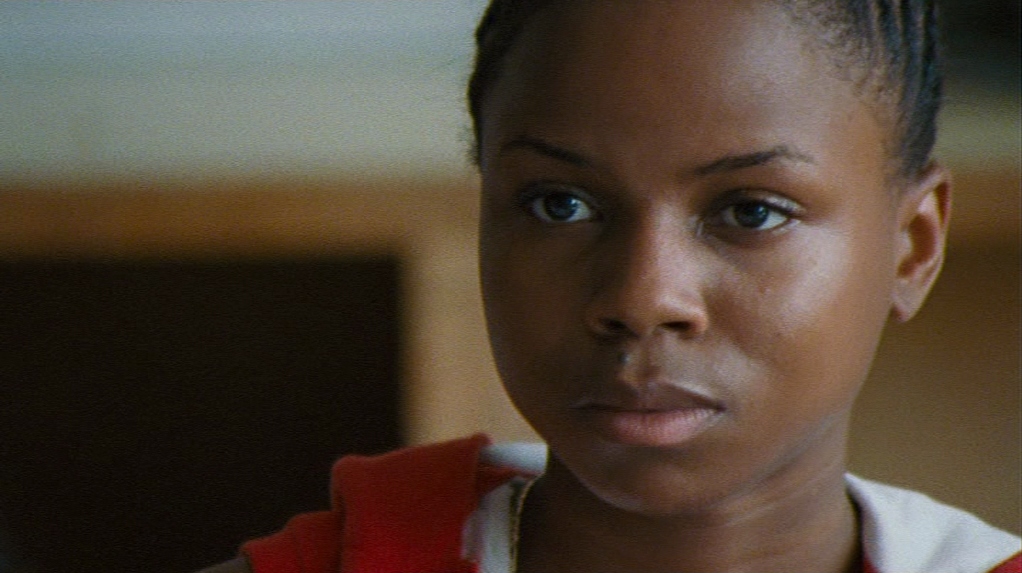
What stands out most about Half Nelson is how adamantly it resists the white saviour trope. In any other movie, Dan would take Drey under his wing and guide her to success, vaulting this precocious child to a better life. The setup contains every trope associated with that style of storytelling: Drey’s absent father, overworked mother, imprisoned brother, and a local drug dealer looking to recruit her. All the ingredients are present for a blandly sentimental tale, but Fleck and Boden haven’t the slightest interest in employing that formula. Between Dan and Drey, the latter is more emotionally mature, even if that comes at a cost; no child should have to reach such an understanding of adult behaviour at so young an age.
Half Nelson doesn’t look down on either character’s reality, nor does it shy away from portraying Drey’s home life without the anxious trepidation that it might reduce her existence to a stereotype. Neither Drey nor Dan knows what to do with their lives, but the filmmakers always maintain a clear grasp on how to navigate their depiction. If anything, Half Nelson’s approach is often too consciously against type for its own good; the film is so eager to avoid a standard redemption narrative that it renders characters like Frank semi-sympathetic.
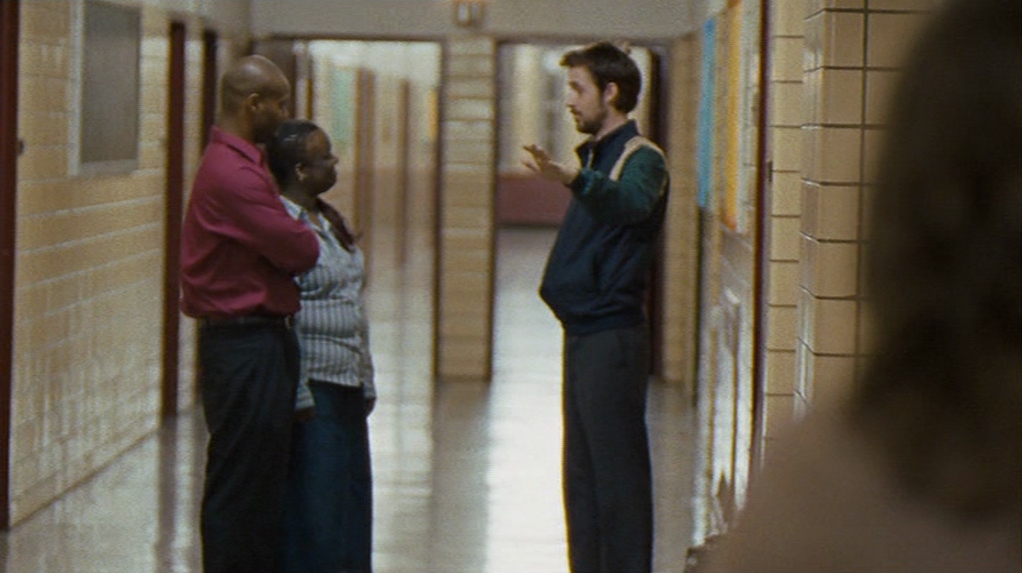
In an interview around the time of the film’s release, Boden stated there was no desire to present Frank as a violent individual or highlight conflicts with rival dealers. Instead, he is portrayed akin to a small businessman, eking out a living the only way he knows how. It’s an admirable goal, but an unconvincing one, especially with an actor as charming as Mackie in the role. Despite his shady occupation, you want to like Frank as he attempts to act as a father figure to Drey. He feels a sense of responsibility for the youngster and genuinely looks out for her amidst his wisecracking. Yet he needs a darker edge to create the dramatic tension required for the film to soar.
If Drey were to witness Frank hassling or beating up a customer who tried to steal from him, it would force her to confront the reality of a man whose uglier side has finally reared its head. She has already seen Dan’s darker side—a scene that feels like the moment the movie truly comes into focus—so it seems only right to demand the same clarity for Frank. However, a hesitation to lean into stereotypes prevents the filmmaking duo from broaching this territory.
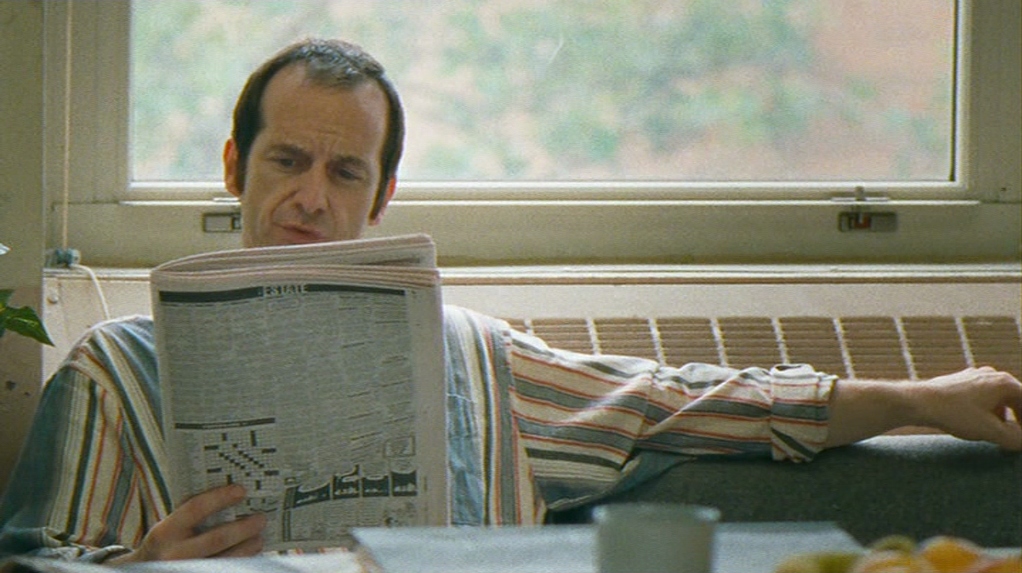
What Half Nelson lacks in narrative development, it more than makes up for through its lead performance. Gosling wears his sorrow and self-loathing openly, dressed up in natural charisma and a propensity for cynicism. He is both an enthusiastic teacher and a bitter pragmatist who earnestly tries to open his students’ eyes to the fact that while humans have existed for millennia, they continually succumb to the same mistakes. In its own way, his teaching is a cry for help masquerading as a lesson.
It’s a testament to Gosling’s performance that he appears progressively more exhausted as the film unfolds, a detail bolstered by how easy it is to empathise with Dan throughout (despite two blind spots of inappropriate behaviour that add little value). Yet, while it’s easy to feel your connection to the character deepening, the film itself never quite manages to shift into second gear, coasting on an aimlessness that mirrors its protagonists’ lives. Dan and Drey want to save one another and be saved, but they don’t know where to start. It’s a complex stir of emotions handled with extreme care, but perhaps too much caution; the broader arcs of the characters’ lives are practically fully traced within the first 30 minutes. Everything that follows merely stencils them in a darker shade, reinforcing the same dynamics, identity struggles, and personal setbacks.
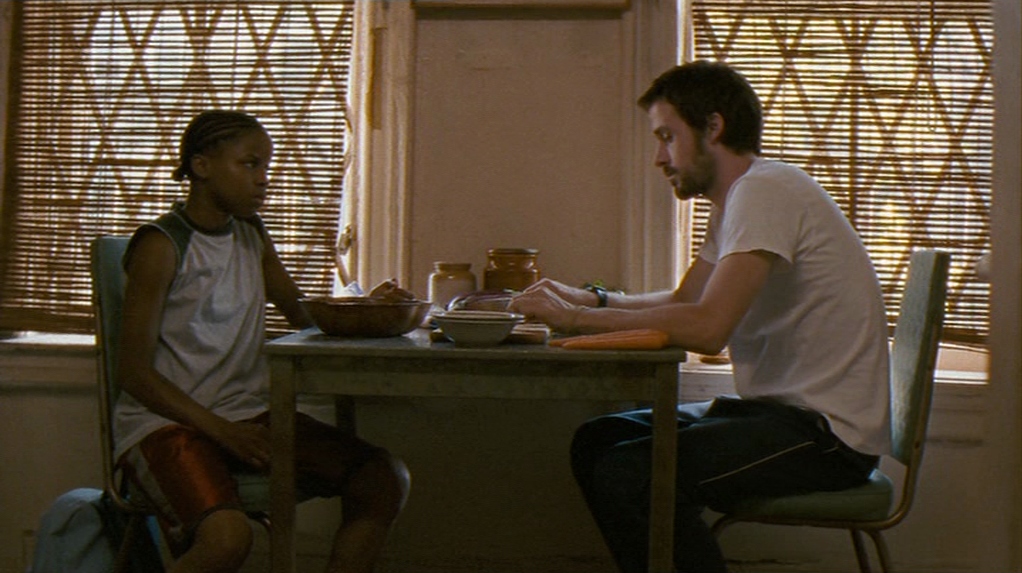
That said, even if it covers familiar ground across its runtime, the film contains plenty of heartfelt moments conveyed through intimate close-ups and fluid camera work. This is an indie film through and through, embodying a free-spirited visual style that creates an immediate intimacy with the viewer. These narrative arcs may follow familiar patterns, but they remain compelling to behold. Half Nelson’s beauty stems as much from joy as from pain, refusing to lean too heavily in either direction.
Shareeka Epps, though not as experienced as Gosling—an impossible expectation for a young actor making her feature debut—possesses a natural warmth without ever appearing like a stage school child performing a role. She convincingly portrays a conflicted youngster unsure of her next step. Watching the leads strive for something better, even without the tools to achieve it, is deeply moving—especially when paired with the career-best score by Broken Social Scene. Their music is painful, joyous, and immersive, feeling as though it borders on pure improvisation, much like Half Nelson itself.
USA | 2006 | 106 MINUTES | 1.85:1 | COLOUR | ENGLISH

director: Ryan Fleck.
writers: Anna Boden & Ryan Fleck.
starring: Ryan Gosling, Shareeka Epps, Anthony Mackie, Monique Gabriela Curnen, Denis O’Hare, Starla Benford, Nathan Corbett & Tyra Kwao-Vovo.