WIDOW’S BAY – Season One (2026)
A skeptical mayor leads the superstitious residents of a cursed New England island.


A skeptical mayor leads the superstitious residents of a cursed New England island.
There is no shortage of small-town America stories where eccentric communities hide deep secrets beneath picturesque surfaces. Widow’s Bay arrives with many of the ingredients the genre offers, including an island setting, rumours of an ancient curse, and a storyline promising equal parts mystery, horror, and satire. Yet despite its considerable strengths, this series ultimately struggles to transform its intriguing setup into a consistently compelling drama.
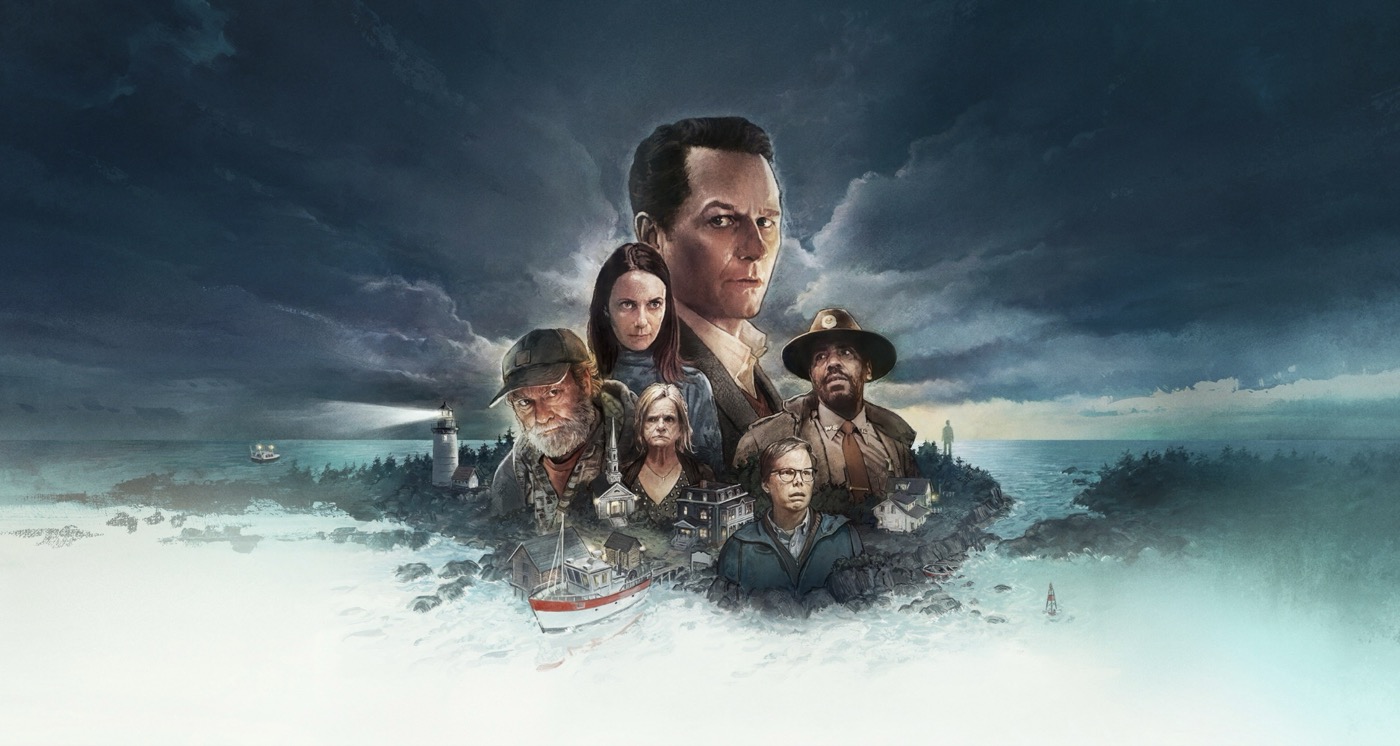
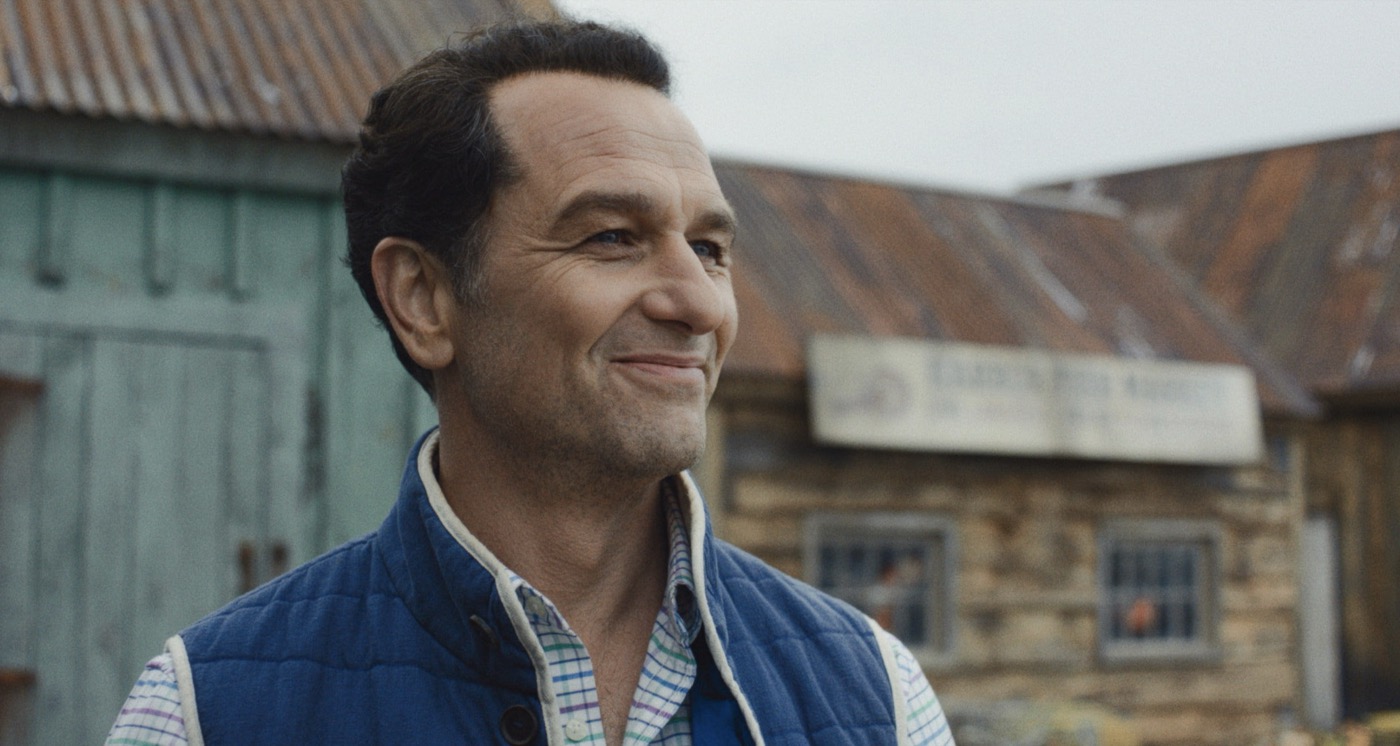
The series follows Mayor Tom Loftis (Matthew Rhys) and his frantic attempts to turn Widow’s Bay into a tourist attraction. However, his efforts clash with a community heavily invested in local folklore and superstition. The townspeople are convinced that a curse has been placed on the town. Each episode sets out to peel back another layer of this mythology, and there’s plenty of fun to be had in this structure.
Forced to confront the possibility that the tales he has long dismissed as superstition may actually be true, Tom becomes the vehicle for Matthew Rhys’s standout performance. Rhys is highly effective at conveying both scepticism and vulnerability, making Tom the ideal guide through the town’s mysteries. The actor doesn’t rely solely on comic timing; instead, he lends a sense of credibility to the material, preventing the series from slipping into self-parody.
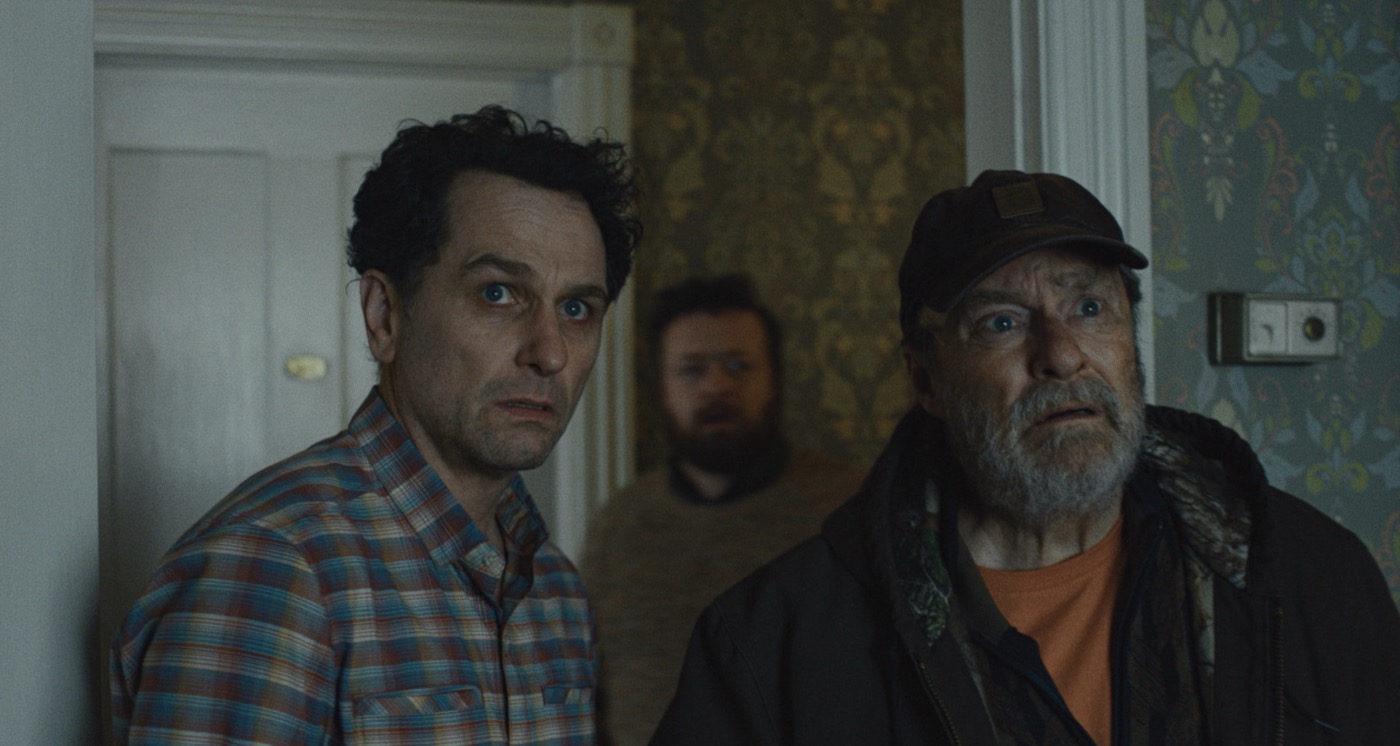
In contrast, many of the supporting characters struggle to meet the demands of the series’ shifting tones. Blending mystery, horror, and comedy is a difficult balancing act, particularly when moments of parody feel forced rather than organic. As a result, several of the town’s residents fail to leave a lasting impression; in fact, some viewers may find them drifting into caricature. Their interactions should help establish Widow’s Bay as a living community rather than merely a backdrop for supernatural events. While the series is often at its strongest when focused on interpersonal relationships—such as those between Tom, Patricia, and the unofficial town loon, Wyck—it becomes less consistent when attention detours to the broader mythology surrounding the curse.
Even so, a handful of characters are more fully developed, helping to drive the plot while maintaining the series’ hybrid tone. We’re unlikely to forget the quirks of Patricia Moyer (Kate O’Flynn), Rosemary (Dale Dickey), Wyck (Stephen Root), Sarah Wescott Warren (Betty Gilpin), and Richard Warren (Hamish Linklater). Their actors seem to know exactly how to balance the horror-comedy the series demands. A line delivered in a sincere voice that speaks of menace and fear can be followed immediately by a joke that alleviates tension without undermining the stakes.
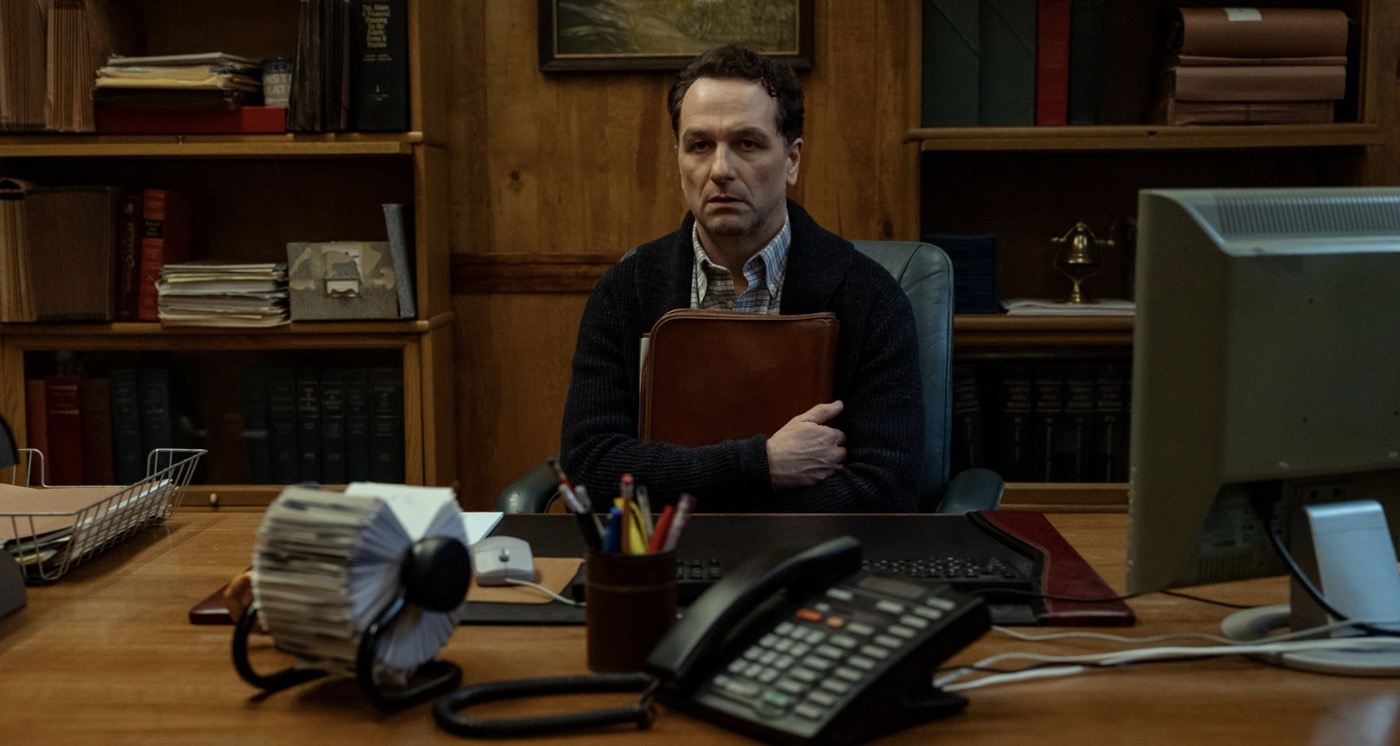
At first glance, Widow’s Bay seems like an intriguing mix of Twin Peaks (1990–91) and Castle Rock (2018–2020). However, it insists on reaching for a joke too frequently instead of relying on honest suspense and emotional investment in the characters. Don’t get it wrong: the supernatural elements and near-anthology style mix well with the offbeat humour aimed at nodding to the horror genre. But when the series moves beyond one-liners and commits to the main mystery, the results are surprisingly effective. This is especially true of episodes four (“Beach Reads”) and six (“Our History”), which fully display the series’ strengths.
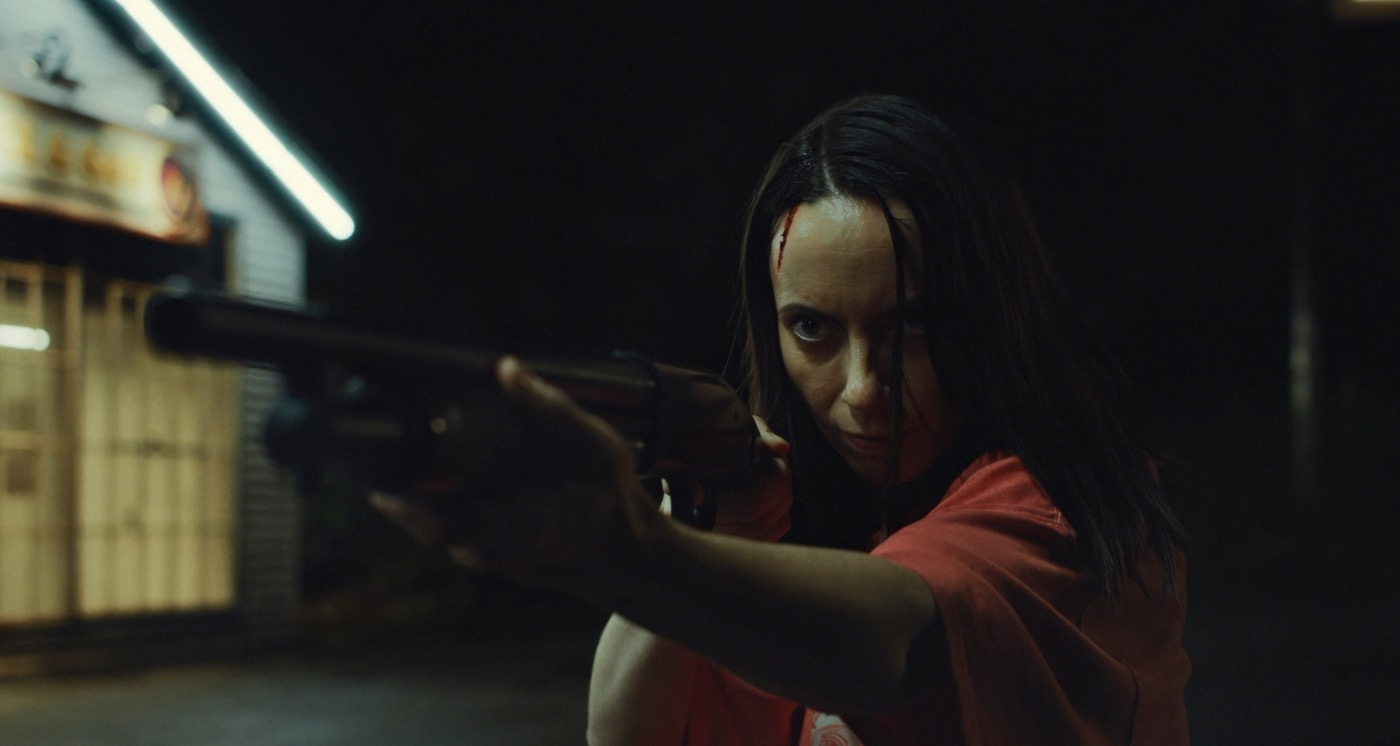
In “Beach Reads”, Patricia Moyer (Kate O’Flynn)—Tom’s eccentric assistant and town outcast—discovers a self-help book in a mobile library’s donation bin. The book encourages her to throw the perfect birthday party, which she sees as an opportunity to finally validate her social standing among her neighbours and peers. When its advice begins to work, helping her become more accepted—particularly by a group of women who bullied her in high school—the episode takes several unexpected turns. This shows what the series does best: mass hallucinations, a serial killer from Patricia’s past, and bloody antlers that frighten you in one scene while making you laugh the next. Like “Beach Reads”, the best episodes are those centred on Patricia, Tom, and the origins of the curse.
The episode “Our History” is also notable. We return, through flashbacks, to 1702 to investigate the origin of the town’s mysterious curse. Sarah Warren Westcott (Betty Gilpin) arrives on the island to marry the founder, Richard Warren (Hamish Linklater). What begins as a period drama—looking and feeling like something out of Nathaniel Hawthorne’s The Scarlet Letter or Washington Irving’s The Legend of Sleepy Hollow—descends into something far darker and more intriguing than almost anything that came before.
Sarah discovers a town plagued by sickness, disappearances, and a fear of her new husband that runs deep through the Puritan community. As she uncovers the answers to the strange occurrences in Widow’s Bay, we’re treated to excellent performances from Gilpin and Linklater that complement everything we already know about the town and its characters. Here, there are shades of sinister figures and events that feel both authentic and entertaining. The felt costumes, the dark colour palettes, and the shots of fog curling off the lake at dawn all contribute to creating a tangible Puritan world haunted by an everlasting curse.
Perhaps Widow’s Bay’s greatest weakness, however, is not a lack of ideas, but an overabundance of them. If you’re watching an episode a week, one week the town is gripped by a biblical storm; the next, a self-help book might be the product of witchcraft. Serial killers, sea hags, religious paranoia, bloody antlers, and biblical storms soon follow, each vying for attention while trying to cram in characterisation. Even the notion that anyone born on the island is doomed if they ever leave becomes lost amid the ever-expanding mythology. Of course, this narrative structure works best as an interconnected anthology or procedural. The legendary supernatural drama Supernatural (2005–2020) ran for 327 episodes over 15 seasons. The formula for success is already there, and Widow’s Bay may have found it, even if it remains a bit unbalanced.
Created by Katie Dippold, the series is built on the notion that horror and comedy are separated by the thinnest of lines. At its best, Widow’s Bay understands this perfectly, finding humour in moments that should be terrifying and unease in situations that initially appear absurd (see “Beach Reads” and “Our History”). However, this balance isn’t always maintained. When the comedy feels forced or certain storylines fail to justify the attention they receive, the momentum falters.
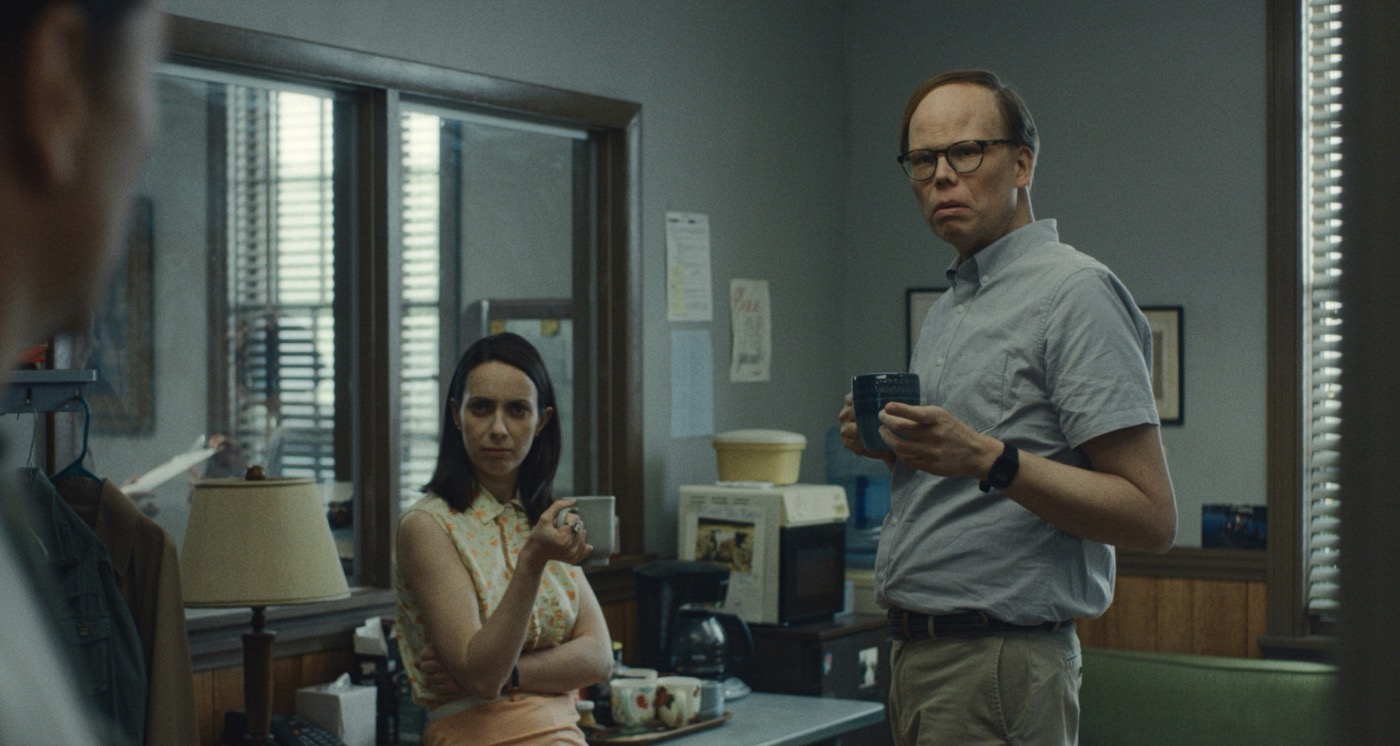
Evan (Kingston Rumi Southwick), Tom’s son, is perhaps the clearest example. For much of the season, he is defined by familiar teenage rebellion, and his storyline rarely proves as compelling as the mysteries unfolding elsewhere. Although he ultimately serves an important function in the finale, the series takes too long to demonstrate why audiences should invest in him early on, especially over Tom and Patricia. As a result, much of his screen time feels less like narrative development and more like a detour.
Even so, Widow’s Bay remains an intriguing and often compelling addition to the growing catalogue of genre television. Its blend of horror, comedy, and small-town mystery doesn’t always hold together, but it succeeds best when focusing on Patricia, Tom, and the curse itself. It becomes less compelling whenever it gets distracted by secondary storylines or tries to juggle too many ideas at once. Nevertheless, a return visit to Widow’s Bay is well worthwhile.
USA | 2026 | 10 EPISODES | 1.85:1 | COLOUR | ENGLISH

writers: Kate Dippold, Kelly Galuska, Neil Casey, Mackenzie Dohr, Colton Dunn, Alberto Roldán, Dave Harris, Emma Ketchum & Bobak Esfarjani.
directors: Hiro Murai, Kate Dippold, Sam Donovan, Andrew DeYoung & Ti West.
starring: Matthew Rhys, Kate O’Flynn, Kevin Carroll, Dale Dickey, Kingston Rumi Southwick & Stephen Root.