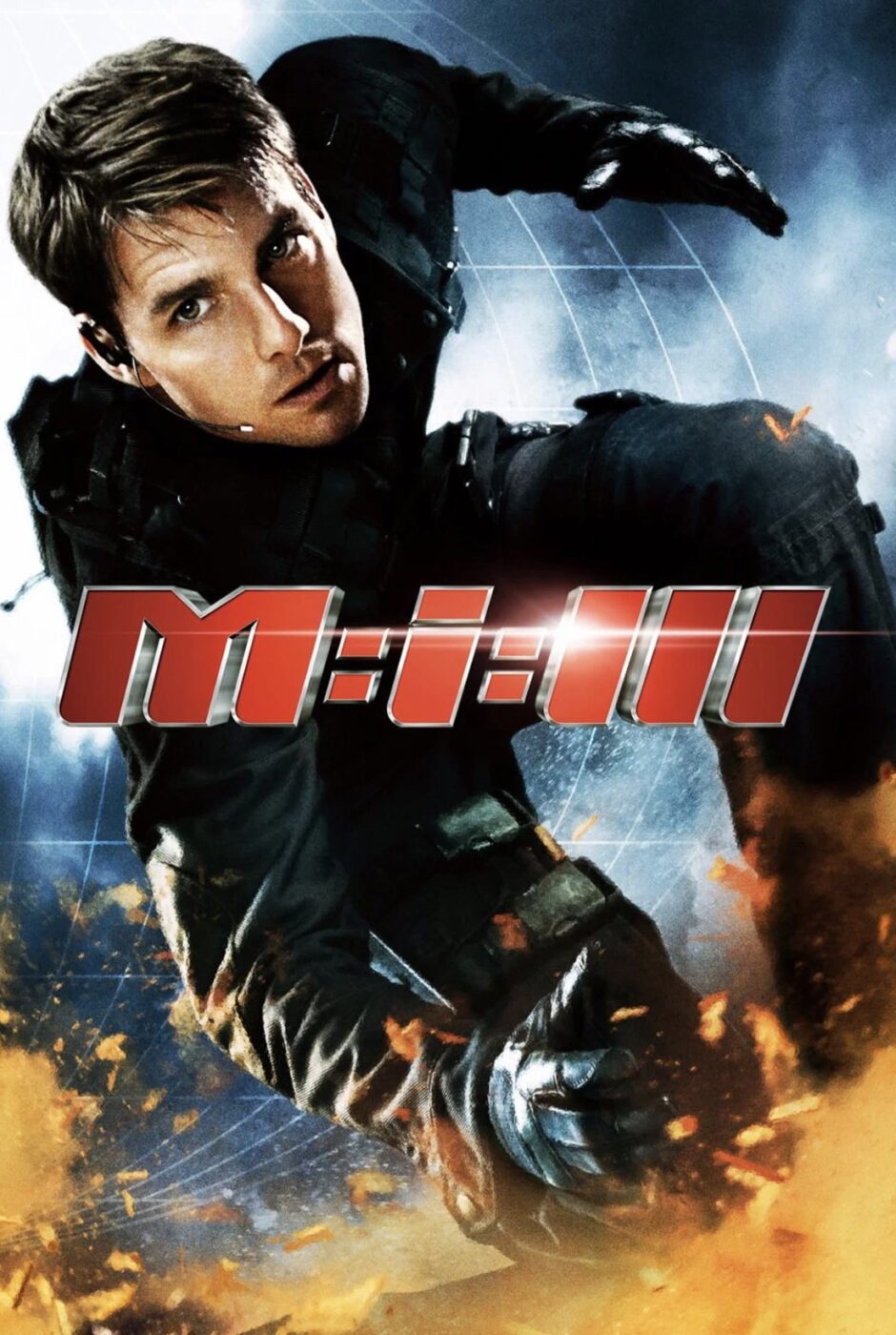
MISSION: IMPOSSIBLE III (2006)
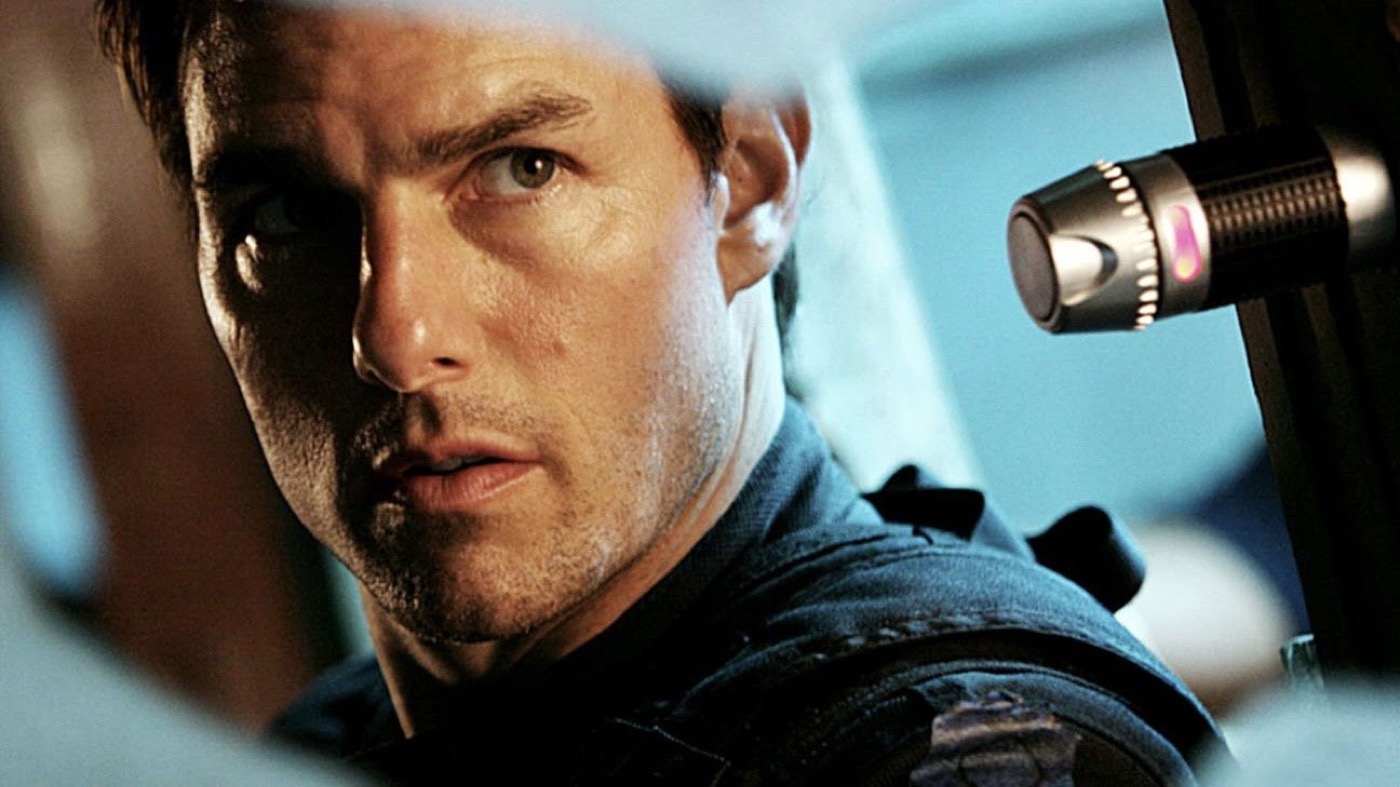
IMF agent Ethan Hunt comes into conflict with a dangerous and sadistic arms dealer who threatens his life and his fiancée in response.


IMF agent Ethan Hunt comes into conflict with a dangerous and sadistic arms dealer who threatens his life and his fiancée in response.
Brian De Palma may be the most talented director to helm a Mission: Impossible movie, but J.J Abrams seems as though he was born to direct one. Taking the reins of the third film exactly 10 years after De Palma’s original, Mission: Impossible III finds protagonist Ethan Hunt (Tom Cruise) in the most precarious of circumstances: he’s madly in love. Normally, the delirious headrush of romance would lead to joyous celebrations, but these could be snuffed out in an instant if Ethan’s many nemeses were to learn of his fiancée Julia Meade’s (Michelle Monaghan) existence.
The juxtaposition of unadulterated joy and the terror provoked by Ethan’s impending marriage is used to great effect in the franchise’s most gripping scene. New villain and arms dealer Owen Davian (Philip Seymour Hoffman) threatens to kill a kidnapped Julia if Ethan doesn’t reveal the identity of the ‘Rabbit’s Foot’, a mysterious biological hazard. As Davian slowly counts to ten, the tension mounts steadily before closing with a thunderous gunshot and the series’ iconic theme music.
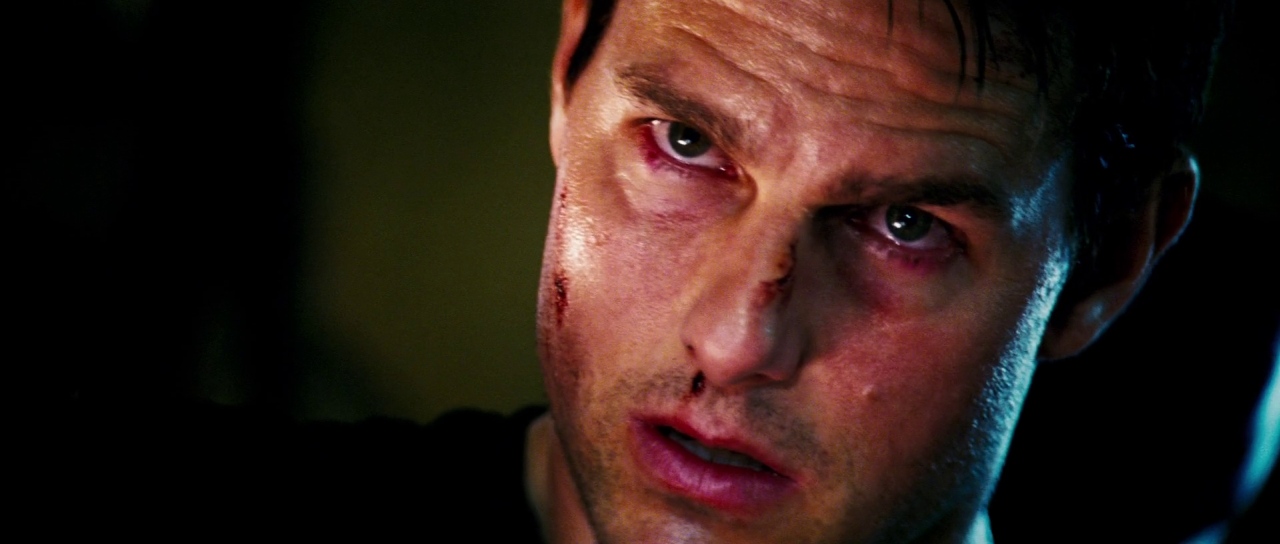
If brilliance can be encumbered by a fatal flaw, the opening sequence’s misstep is that it confirms Davian’s gunshot, dulling its impact by couching it in the aural equivalent of a smash cut to the franchise’s adrenaline-pumping, cheesy theme. Keeping viewers in suspense by cutting the scene midway—where Ethan’s desperate pleas and Davian’s threats segue into the opening credits—would’ve prolonged the panicked unease that sweeps over both the protagonist and the audience.
It doesn’t take long to be introduced formally to Julia. By this point, she and Ethan have already decided to marry, hosting a large house party where they spend the evening displaying their love amidst banal conversation. What’s most impressive about this entry is how adeptly it wields its brisk pace. Abrams appears as a restless director here: a young, hungry artist eager for his shot at a major motion picture, keen to cram it with his flair and unconcerned by overcrowding.
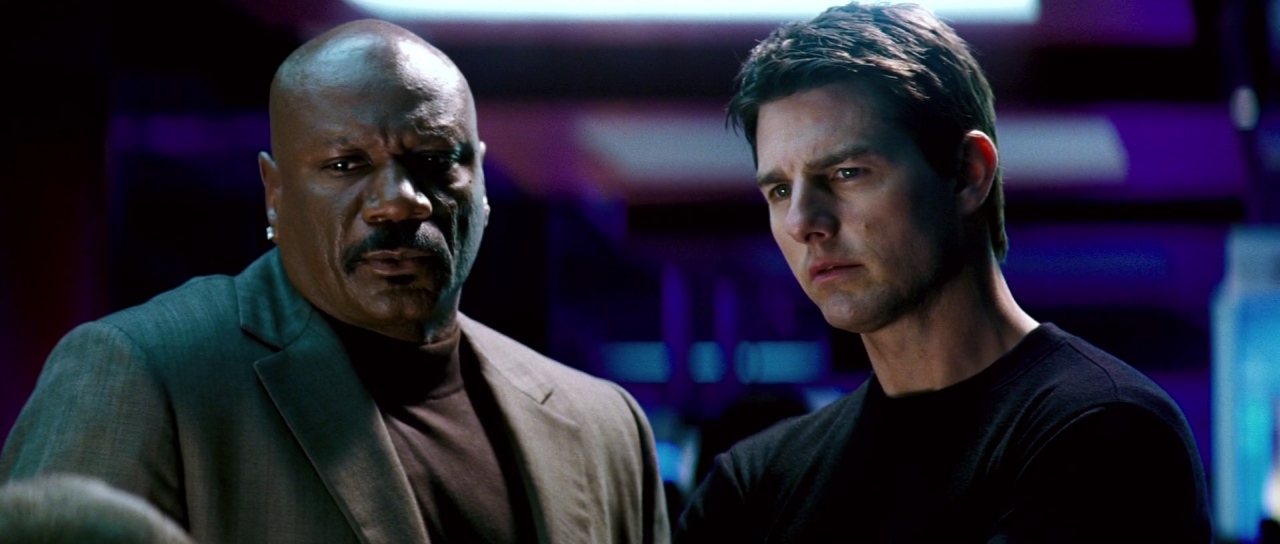
Seen through this lens, the fact that this was his feature directorial debut is unsurprising, though no less impressive; Abrams rises to the challenge of a $150M movie remarkably well. It takes no time at all to learn of Ethan’s new relationship or his dynamic with protégé Lindsey Farris (Keri Russell), who’s been kidnapped while investigating Davian. Even perfunctory scenes, such as meeting Julia’s brother, Rick (Aaron Paul), or witnessing sentimental moments between the doe-eyed couple, are directed so nimbly that the story never feels as if it must stop and start to deploy sentimentality. It glides through its expositional passages and ample emotion so fluidly that you hardly notice the residue of cheap storytelling.
Amidst genre spectacle, large-scale set pieces, and death-defying stunts, it’s easy to forget that Mission: Impossible is as strong a vehicle for Cruise’s acting as it is for his stunt work. The third entry leaves little doubt. His and Monaghan’s chemistry patches up even the most blatantly sentimental scenes, while his fiery showdown with Hoffman shocks with its intensity—a cold dousing of water compared to the sillier antics of the previous film. Mission: Impossible III is the series’ grimmest entry, and for good reason, framing its narrative around that all-important gunshot, heard but not witnessed, in its electrifying opening.
It’s difficult to gauge the consensus among Mission: Impossible fans regarding their favourite entries. Each film is competent at the very least, and their variety in tone means their appeal often depends on what a viewer expects from the franchise. The outright ridiculousness of the second film generally leaves it in last place, as a sleeker, more self-serious approach typically appeals more to fans. Contemporaneous reviews of the third entry were divided on whether a darker tone complemented the franchise; some bemoaned the significant departure from its predecessor, others praised the tonal whiplash, and an even larger group decried anything that didn’t embody the slick charm of the original.
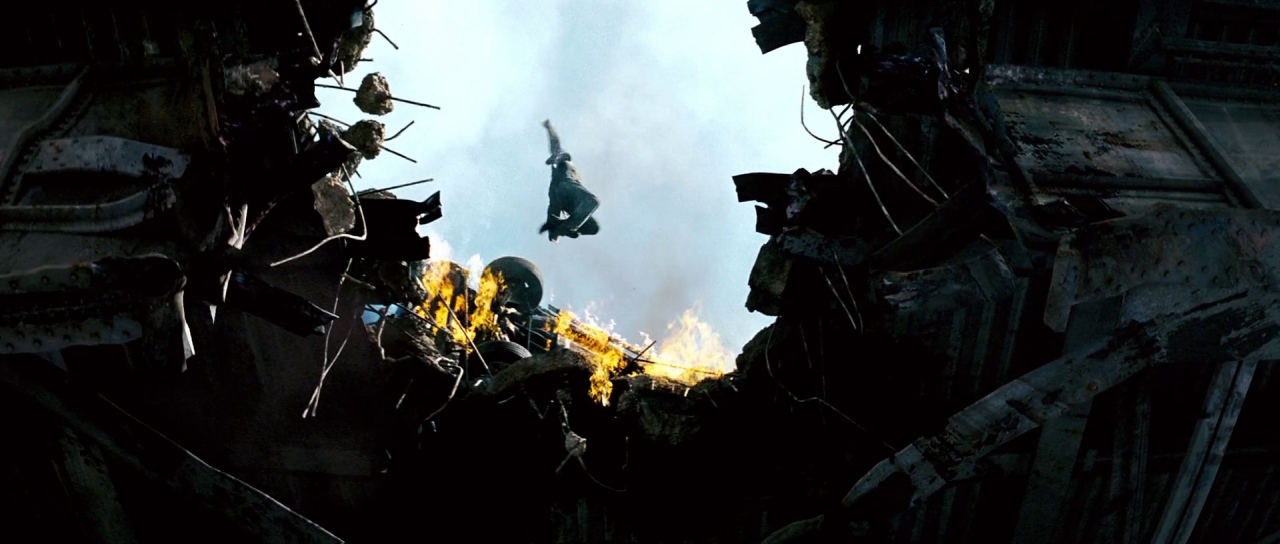
This dark, gritty third entry never dips into maudlin territory, remaining light on its feet through fast-paced action that—aside from some aggressive zooms—is remarkably well-edited. There’s an enjoyable rhythm to the chaos: helicopters are blown up, gunfire lights up entire buildings, and there’s hardly a second of breathing room. It’s also the first time the franchise managed a cohesive story worthy of emotional investment, rather than relying solely on filmmaking chops to liven up action scenes. De Palma’s entry was sleek and cool; Woo’s offered full-throttle chaos. But this is the first truly urgent movie in the franchise.
Unfortunately, Mission: Impossible III is plagued by narrative retreads. You can only make so many spy films before finding yourself caught in a trap regarding new stories. The face-mask technology is interesting at first, but it soon became a gimmicky plot contrivance that allowed the creatives to slither out of committing to meaningful beats. In the same way Ethan escapes every deathly scenario, the film finds a similar way out of its own decision-making.
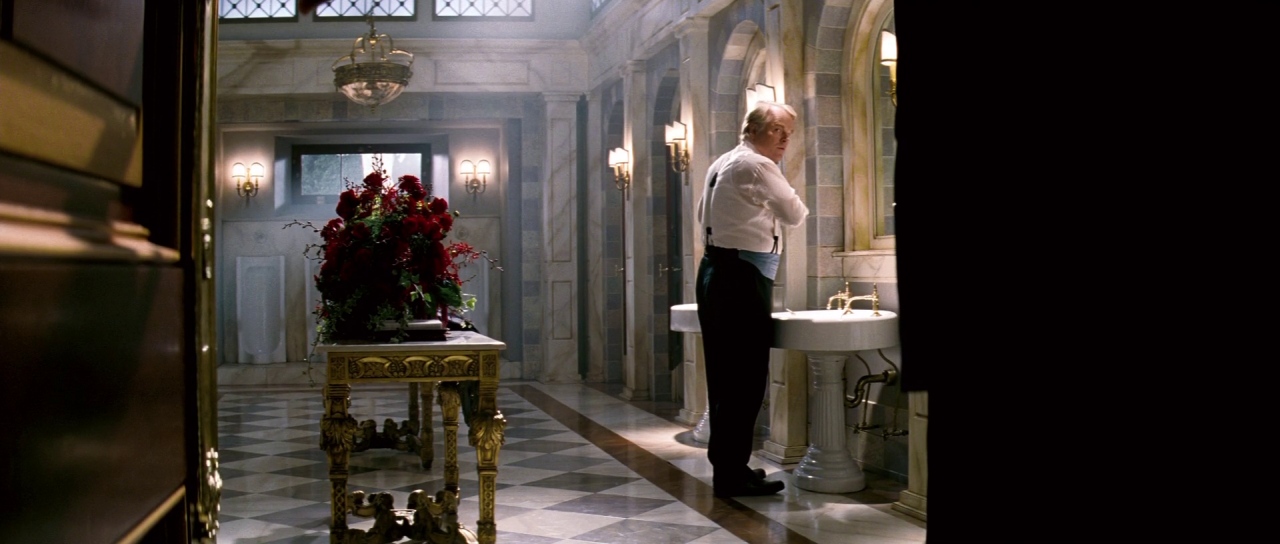
The saving grace is Philip Seymour Hoffman’s performance. While not one of the ten best of his career, he’s totally engrossing nonetheless. Hoffman rarely underwent physical changes for his roles, but that never seemed to matter. Looking back, he’s barely present and lacks a proper introduction as the main villain—aside from the memorable opening sequence. Yet he’s so spellbinding in his scenes that he carries an unmistakable presence.
Whether it’s the chance to witness a masterwork from one of the finest actors to ever live, or simply basking in the gritty spectacle, Mission: Impossible III is a claustrophobic thriller that set the stage for Abrams’ introduction to cinema. It’s a movie whose highs the director has never quite replicated. While I wouldn’t say it’s better executed than De Palma’s original, this entry is the only one to successfully balance sentimentality, emotional investment, cohesion, and action spectacle. For any director, that’s a tall order. For a debut, it’s an impossible mission, and Abrams passes with (mostly) flying colours.
ITALY • USA • GERMANY • CHINA | 2006 | 126 MINUTES | 2.35:1 | COLOUR | ENGLISH • ITALIAN • MANDARIN • CANTONESE • GERMAN • CZECH

director: J.J Abrams.
writers: Alex Kurtzman, Roberto Orci & J.J Abrams (based on the TV series created by Bruce Geller).
starring: Tom Cruise, Ving Rhames, Philip Seymour Hoffman, Michelle Monaghan, Maggie Q, Jonathan Rhys Meyers, Billy Crudup, Keri Russell & Simon Pegg.