AMELIE (2001)
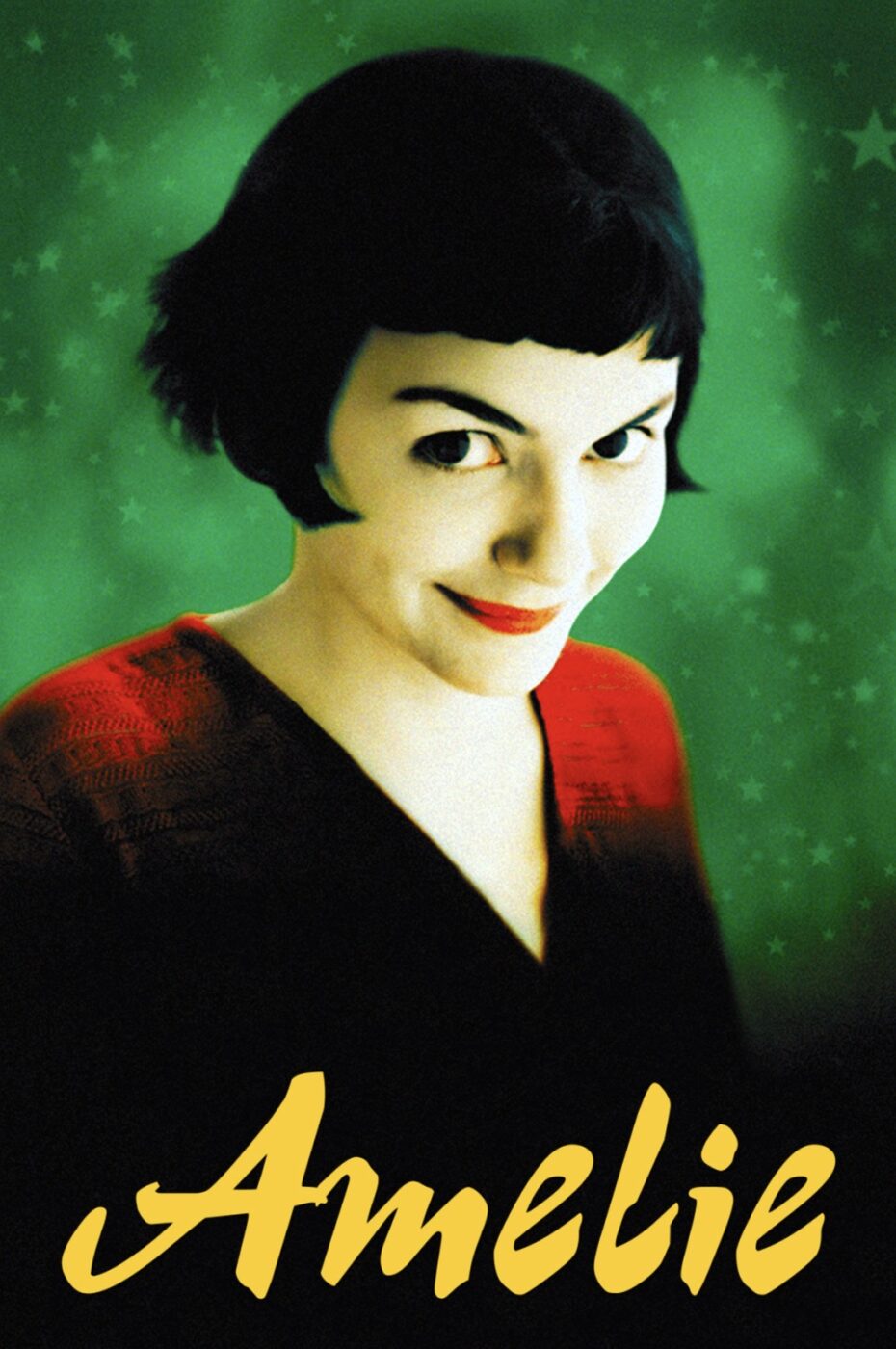
At a tiny Parisian café, the adorable yet painfully shy Amélie accidentally discovers a gift for helping others.

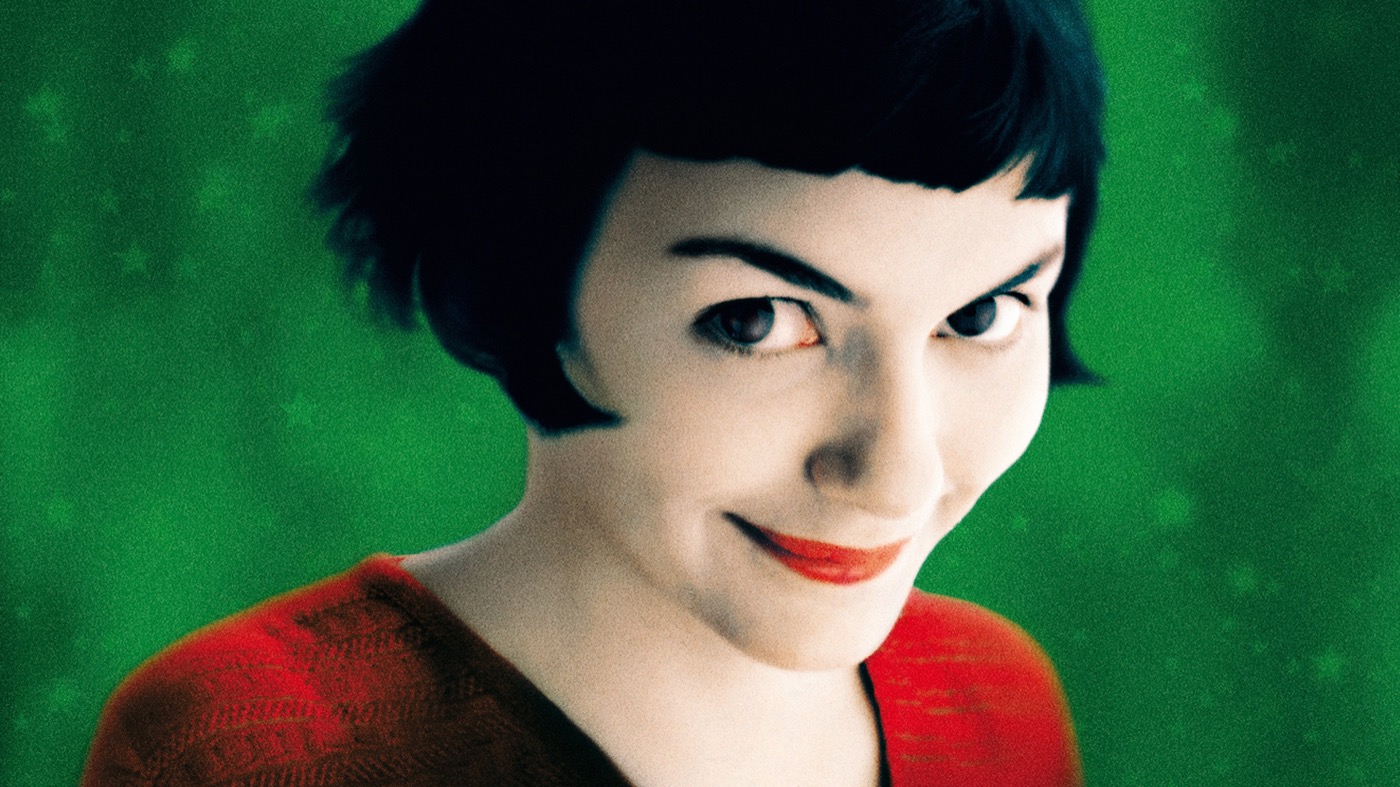

At a tiny Parisian café, the adorable yet painfully shy Amélie accidentally discovers a gift for helping others.
In co-writing and co-directing Delicatessen (1991) and The City of Lost Children (1995), Jean-Pierre Jeunet and Marc Caro developed an aesthetic that was both immediately recognisable and unique to them. Their steampunk-inspired worlds were oddly beautiful, replete with surrealist imagery, wacky comedy, and dark humour that bordered on bitterness. As collaborators, they excelled in anarchic, vibrant storytelling, where their visuals conveyed far more about this world than dialogue ever could. They would typically place the camera at a strange angle, offering a skewed portrait of cinematic playgrounds which delight in being askew from the norm.
There was plenty of beauty to revel in, but just as prevalent was a gleeful garishness—a willingness to rub audience’s faces in the grime and desolation. The innocence of a blossoming relationship, for instance, would be contrasted by a vicious world full of schemers and ne’er-do-wells, all of whom would sell out their family if it put food on the table. After working together on just one more film, the creatively stifling Alien: Resurrection (1997), the directing duo disbanded, citing creative differences and the sheer weight of years spent as partners.
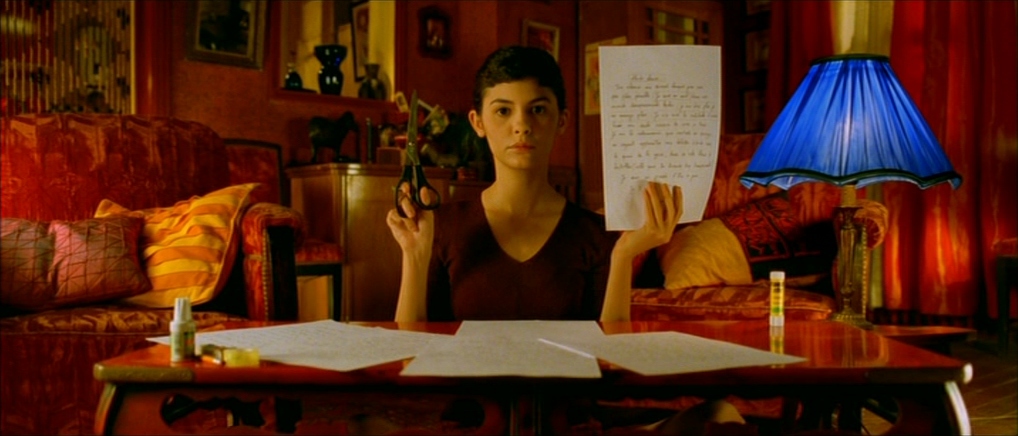
Looking for a change of pace from the madcap thrills and terrors of his previous films, Jeunet’s next feature, Amélie /Le Fabuleux Destin d’Amélie Poulain, presents a welcome dose of humanity to the bittersweet chaos that the French writer-director and his former collaborator made their trademark. Rather than using his characters as props or taking pleasure in their suffering, Jeunet offers protagonist Amélie Poulain (Flora Guiet and Audrey Tautou) the ultimate gift. In one sense, she is a caricature—a shimmering, half-real entity akin to a magician in the ways she changes the lives of those around her. At the same time, there’s an uncomfortably realistic tale at the heart of Amélie, revolving around an anxious young woman who finds it easy to help others but terrifying to afford the same charity to herself.
The first act of Amélie is masterful: a painful, heartfelt ode to a childhood bereft of affection. Because her father, Raphaël (Rufus), never offers her so much as a hug, little Amélie’s heart beats rapidly whenever he examines her breathing during routine check-ups. Believing she has a heart defect, her parents home-school her. It’s pitiful and heartbreaking in equal measure, though Jeunet, operating from a screenplay by Guillaume Laurant, is eager to afford some freedom to his protagonist. Even when confined by a lack of love, the director dives fully into Amélie’s world, finding her identity by committing to the smaller details of her life. She is a near-silent, unassuming café worker, but she finds a way to stir up trouble and romance in her orbit, whirling through her banal life with a joy and sense of justice that demand expression.
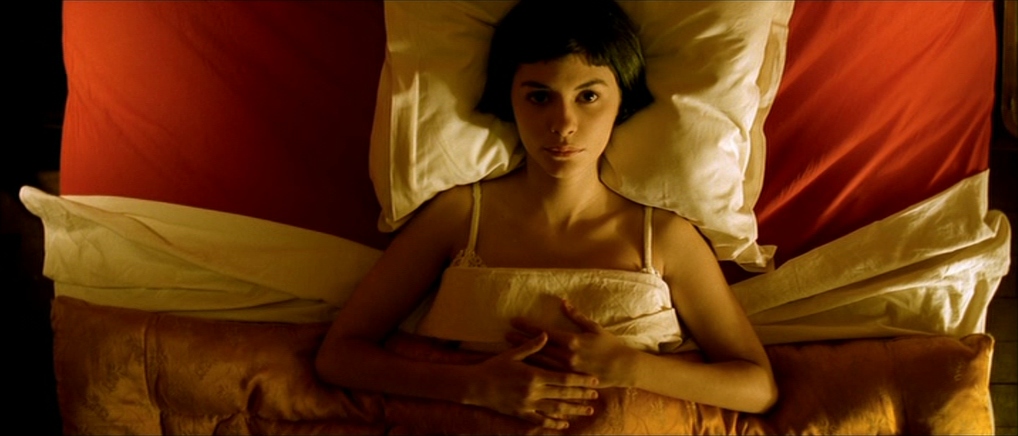
As might be expected, these sequences are chock-full of whimsy. Without having seen the film, one might assume that injecting beauty and grace into a story following a ‘manic pixie dream girl’ is a recipe for disaster. Jeunet and Caro resisted overt sentimentality in their collaborations, incorporating black humour so bleak it looked upon many of its characters with contempt; their lives were playthings to be tossed around or disposed of at will. Why should one be moved by two characters falling in love in hellish circumstances when the other survivors are pulverised into one-note jokes?
Amélie isn’t for everyone. As always, Jeunet operates at a hyper-specific wavelength, only now there’s a consistent lightness to the film. Even when sorrow springs forth, hope is never out of sight. It often arrives through inventive camera movements and placements that have become the director’s trademarks. ‘Expecting the unexpected’ could well be the motto of Jeunet’s career, but how can chaos be unexpected if it’s constant? The solution to this tonal balancing act is, oddly enough, to make the rhythm even more undulating than in his previous features, where sweet love stories clashed with leering ugliness.
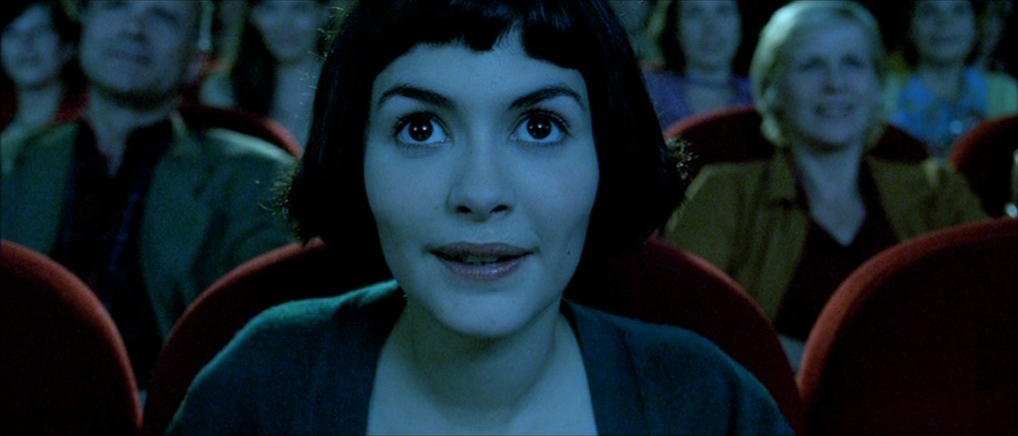
As a result, some viewers will be turned off by the cutesy plotting, where Amélie is the eager dispenser of change. She’s an agent of chaos, inspiring despair in bullies and hope in those running on empty. There’s a wistful romanticism baked into the film, not least because of Yann Tiersen’s gorgeous score. Its frequent use of the accordion signals an old-fashioned quality, even if the film is set in present-day France. The soundtrack’s major themes are oft-repeated, but they cleverly layer and prioritise different instrumentation so they never grow stale.
The same, sadly, isn’t true of the story, though oddly enough, that has little to do with the film’s style. What could have been an aggravating experience instead brims with such love for humanity that one can’t help but mourn how much greater Jeunet’s previous films might have been with a similar outlook. Amélie retains some late-stage conflict by exploring how easy it is to love people on an abstract level, and how much more difficult it is to actually forge a connection. It’s a concept that seemingly targets cinema lovers, where one can be a voyeur into a character’s life for two hours and feel as though they understand them completely.
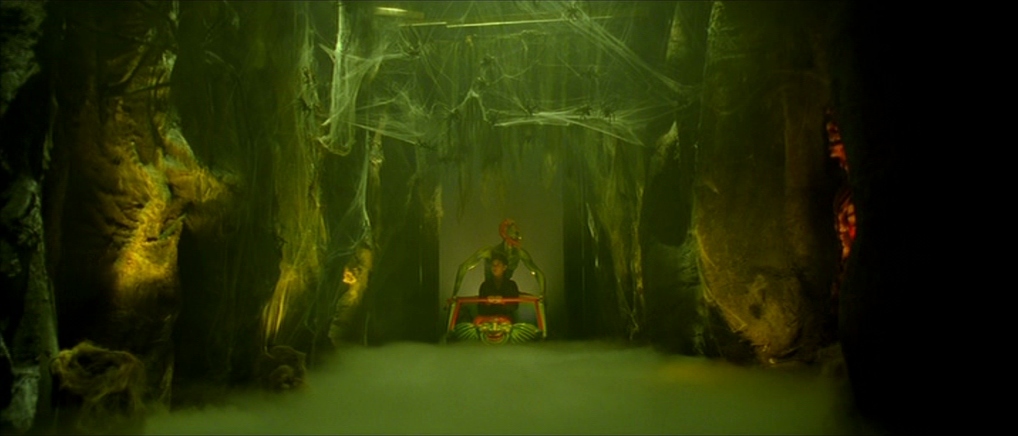
Movies are acts of magic—their own brand of anarchic chaos that disrupts the everyday. But cinema isn’t an adequate escape from the risks posed by change. While the film is wise in its understanding of its protagonist, the second half is still far too long for its own good. Watching Amélie change the lives of those around her is splendid, but her wayward attempts at romance with Nino Quincampoix (Amaury Babault and Mathieu Kassovitz) are protracted.
Even the heavy stylisation hits a creative standstill. One of my favourite moments is incredibly brief: a train tunnelling through a city, viewed from far below. The camera swivels to capture the onrush of motion, shaking rapidly as if the world is about to become unmoored. But two-thirds of the way in, the wheels are spinning while nothing is in motion. Terrified of risking her anonymity, Amélie shirks the chance to meet Nino so many times that it’s hard not to transpose one’s frustration onto the film itself.
Tautou redeems even the most overdone plotlines. As Amélie, she is a sly, sprightly creature—a human reimagining of a woodland fairy. She is someone who diligently patches up the shabby framework of our broken dreams, a character destined to be underserved by those around her. She understands the things that run underneath our everyday discourse, yet she is more paralysed with fear than most when confronted with the demand to try something new.
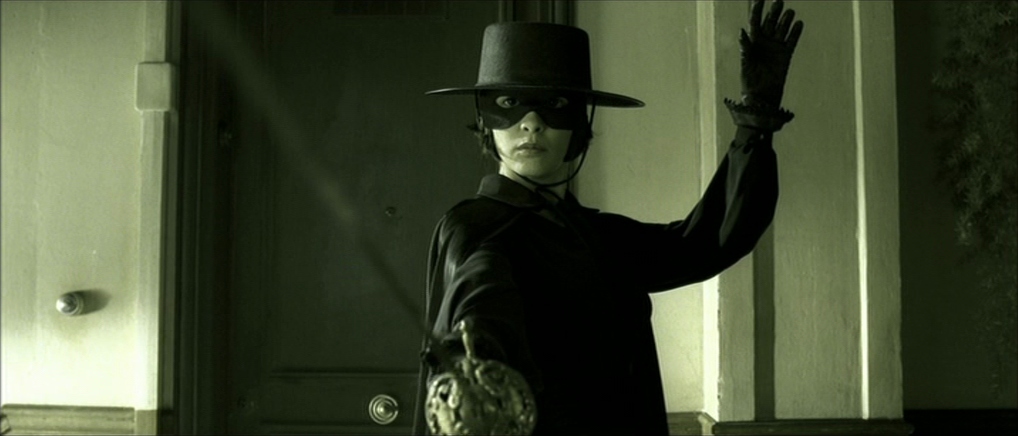
Praise should also be levelled at Kassovitz for making Nino a worthy partner, requiring a nuanced mix of theatricality and subtlety. He doesn’t outshine the lead, but then again, I don’t think any actor could. If there is such a thing as destiny, then Tautou was born for this. Many performers could do a fine job, but only she is so adept as to make it feel like her calling. Every performer rises to the occasion, knowing exactly what is expected in a Jeunet film, from bitter downtroddenness to hopeful zeal.
It’s a budgeting miracle that Amélie was produced for just $10M, just over half the cost of The City of Lost Children. Though it isn’t as expansive as the latter, it’s so impressively lived-in and relentless in its pacing that you feel a lifetime’s worth of emotions have been crammed into its 123-minute runtime. The film is a visual treat, compressing shattered dreams into a larger-than-life experience. While its critical reception was only generally positive upon release, Amélie’s stature as a 21st-century classic has only grown—a much-deserved reputation for an authentic crowd-pleaser.
FRANCE • GERMANY | 2001 | 123 MINUTES | 2.39:1 | COLOUR | FRENCH • RUSSIAN • ENGLISH

director: Jean-Pierre Jeunet.
writer: Guillaume Laurant (story by Guillaume Laurant & Jean-Pierre Jeunet).
starring: Audrey Tautou, Flora Guiet, Mathieu Kassovitz, Amaury Babault, Rufus, Serge Merlin, Jamel Debbouze & Clotilde Mollet.