JOSIE AND THE PUSSYCATS (2001)
A girl group find themselves in the middle of a conspiracy to deliver subliminal messages through popular music.


A girl group find themselves in the middle of a conspiracy to deliver subliminal messages through popular music.
Manufactured pop music had transformed into an unstoppable cultural force at the turn of the millennium. The nihilistic counterculture that defined the preceding decade was replaced by an entertainment industry governed by corporate partnerships and strategic branding. A conveyor belt of interchangeable teenagers with symmetrical facial hair and synchronised choreography began dominating the landscape with saccharine melodies and antiseptic ballads. Concurrently, large conglomerates including Pepsi and Skechers forged lucrative endorsement deals with artists such as Britney Spears and *NSYNC. Consumerism was surging to an unprecedented high, and pop music became inseparable from corporate influence. It was within this environment of accelerated commodification and consumer manipulation that Josie and the Pussycats emerged.
The property itself originated in 1963 when Dan DeCarlo created a lighthearted counterpart to the Archie Comics series. Several years later, Josie and the Pussycats gained wider popularity after being adapted by Hanna-Barbera Studios in an attempt to replicate the success of The Archie Show (1968-69). The animated series followed an all-female pop band whose episodic adventures combined musical performances with the conventions of Saturday morning cartoons. Despite lasting only a single season before being reimagined as Josie and the Pussycats in Outer Space (1972-73), it played a surprisingly influential role in shaping how entertainment properties intersect with consumer products. The fictional band released several singles and became a recognisable presence across licensed merchandise, foreshadowing cross-media branding and the commodification of pop-culture identities.
Unfortunately, Josie and the Pussycats had all but faded from public consciousness by the 1990s. When Universal Pictures commissioned Deborah Kaplan (Can’t Hardly Wait) and Harry Elfont (Made of Honour) to develop a screenplay, the pair initially approached the material as a straightforward adaptation. However, the project evolved once the writer-directors began to recognise how the franchise anticipated the dynamics of contemporary pop culture. Confronted with a media landscape defined by manufactured celebrity and aggressive branding, Kaplan and Elfont reframed the innocuous source material as a vehicle for satire. Disguised as a brightly stylised comedy, the film operates as a pointed reflection of the corporate mechanisms that shape and commodify mainstream culture.
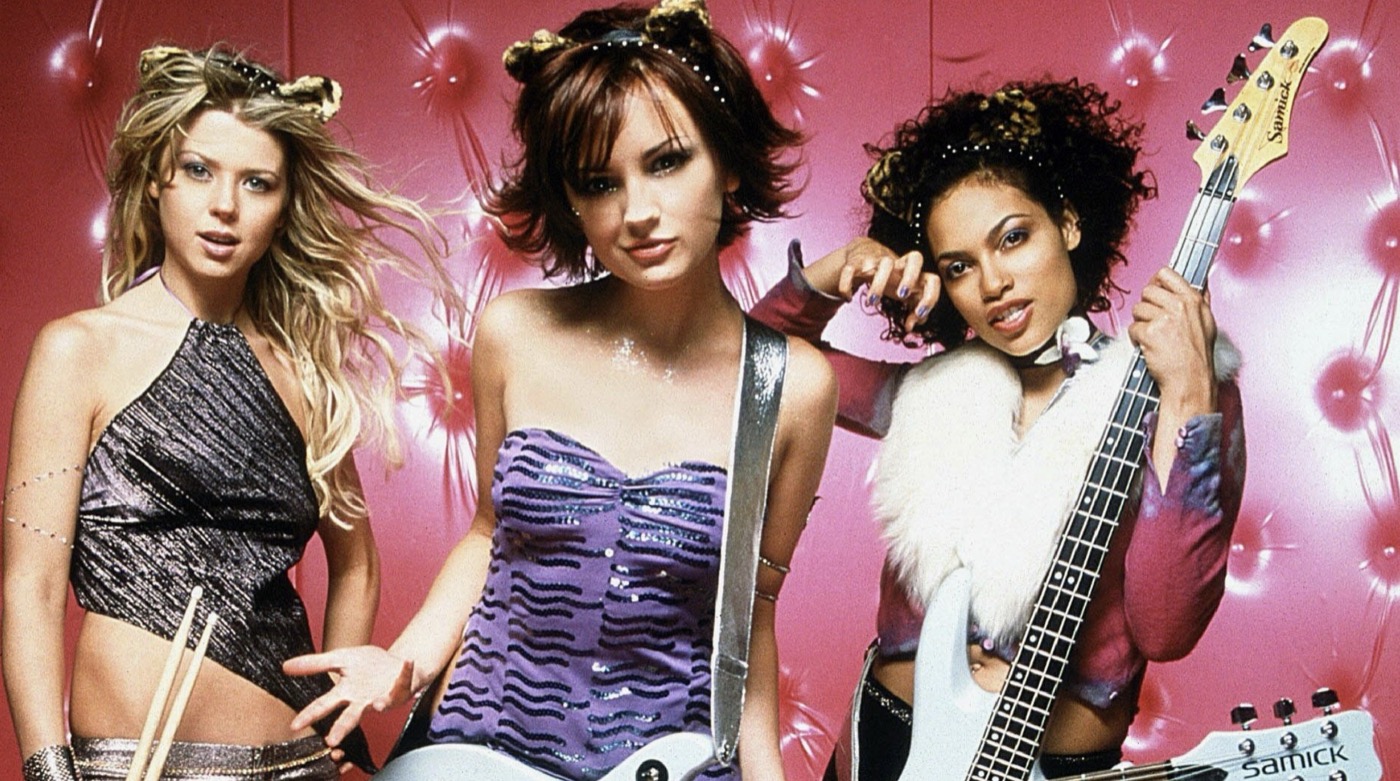
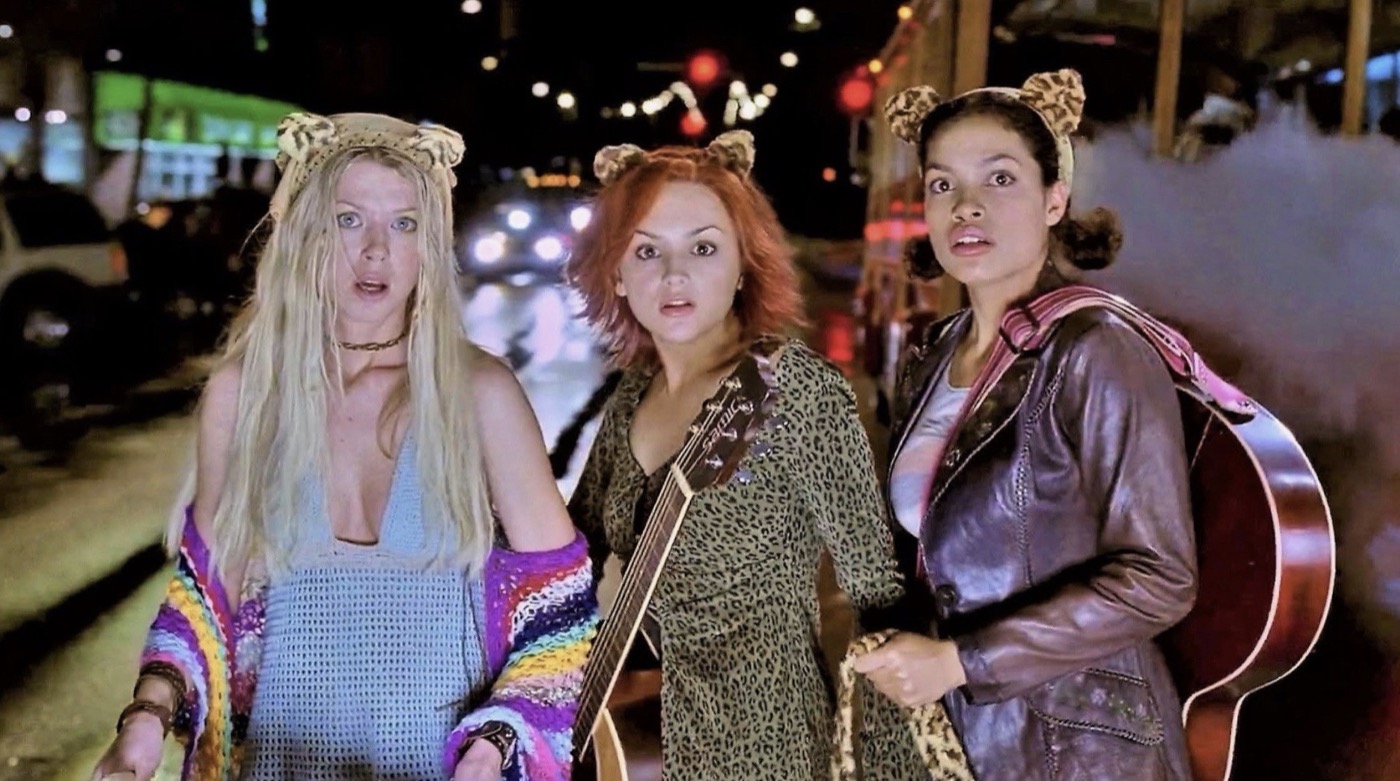
Set in the town of Riverdale, the film follows Josie McCoy (Rachael Leigh Cook), Valerie Brown (Rosario Dawson), and Melody Valentine (Tara Reid), members of the all-female garage band, “The Pussycats”. Josie is the earnest frontwoman, Valerie is the pragmatic bassist, and Melody is the group’s bohemian drummer. Despite their enthusiasm and modest local following, the trio find little success until Wyatt Frame (Alan Cumming) discovers them following the mysterious disappearance of a boy band he previously managed. The opportunistic talent agent immediately recognises the band’s marketing potential and begins orchestrating their transformation into a manufactured pop phenomenon.
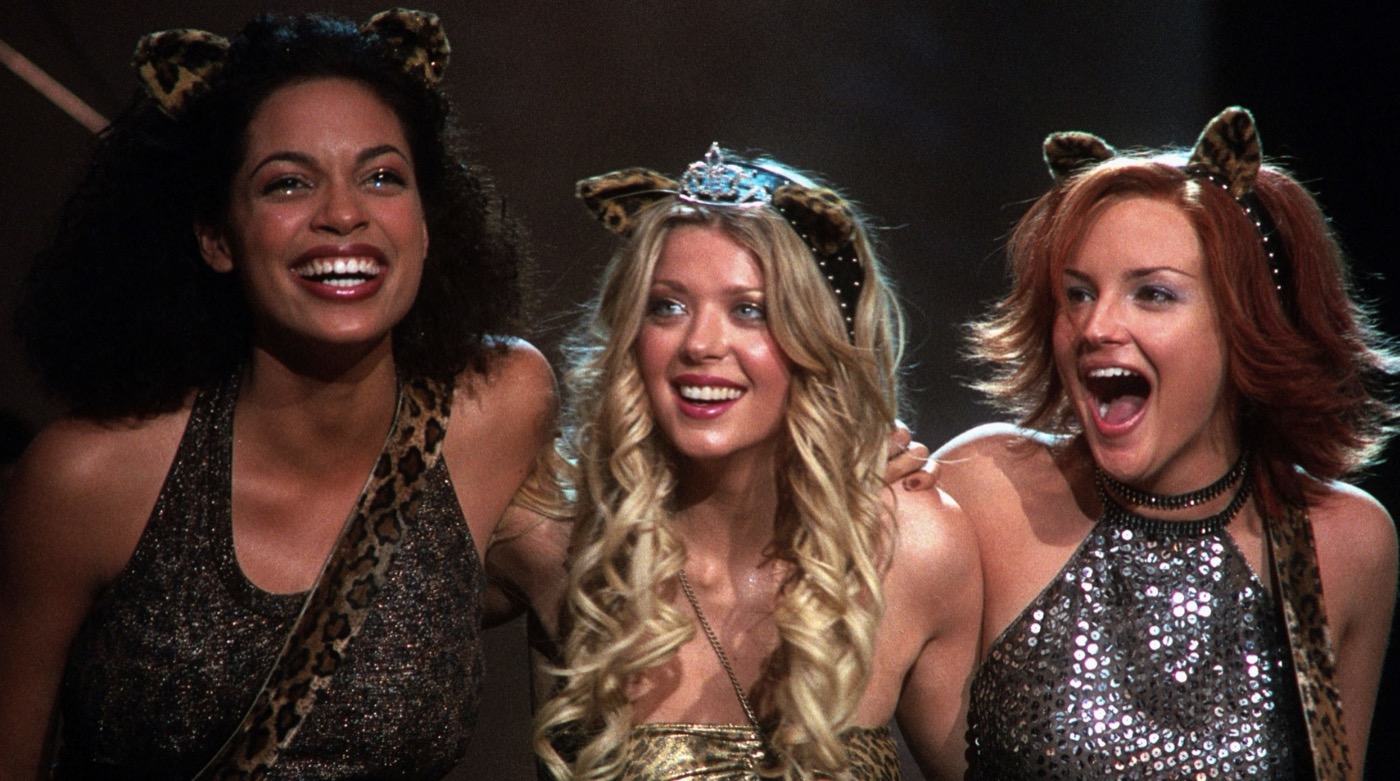
Rebranded as “Josie and the Pussycats”, the trio become an overnight success. However, unbeknownst to the band, Wyatt is involved in a clandestine operation with the executive of MegaRecords, Fiona (Parker Posey). Their nefarious scheme involves embedding subliminal messages within popular music to manipulate the behaviour of an impressionable audience. As Josie becomes consumed by the allure of celebrity, cracks emerge within the group’s internal dynamic. It falls to Valerie and Melody to expose the truth behind MegaRecords and reclaim both their music and their agency.
When Josie and the Pussycats debuted in the spring of 2001, it was both a commercial and critical failure. It collapsed at the box office, grossing a meagre $14.9M against its $39M production budget. Kaplan and Elfont’s satire of consumer culture was disastrously marketed to an adolescent audience who didn’t understand the irony. Meanwhile, mature viewers who might’ve appreciated its sardonic edge dismissed it based on its aggressive “MTV aesthetic”. It was stranded in a pop culture blind spot, overshadowed by more palatable cult satires like Donnie Darko (2001). The backlash was so severe that both filmmakers stopped directing for years. Despite being dismissed at the time as a noisy artefact of early-2000s excess, the film has since enjoyed a notable critical reappraisal as a sharp examination of media manipulation.
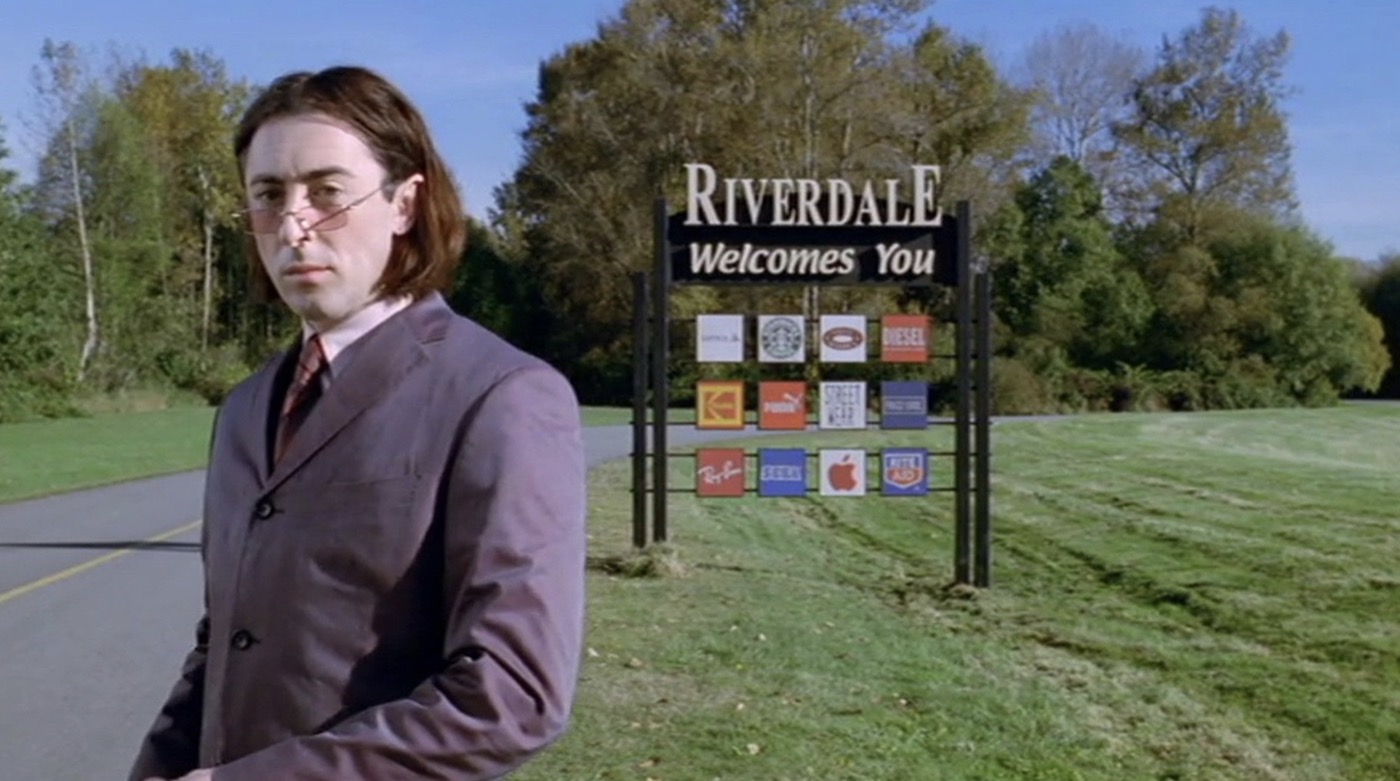
Perhaps the most misunderstood element of the film is its relentless use of product placement. Elfont and Kaplan adopt a similar jaundiced perspective of society’s susceptibility to corporate manipulation as John Carpenter demonstrated in They Live (1988). Yet, rather than inundating the audience with dystopian commands like “OBEY”, the filmmakers lean into the very excesses they’re mocking by saturating almost every frame with brand logos. It’s a delicate balancing act that weaponises commercialisation, becoming one of the film’s sharpest comedic devices. Whether it’s the Evian signage in an aquarium or a shower adorned with McDonald’s Golden Arches, the omnipresence of logos is deliciously absurd. Unfortunately, this was largely misconceived at the time; audiences and critics failed to recognise the irony, mistaking the approach for complicity rather than satire.
This misinterpretation further exposes the difficulty of recognising subliminal messaging when it’s embedded within the familiar. Viewed through a retrospective prism, the film’s critique of mindless consumption has only grown more relevant. Large corporations no longer need to depend on covert advertising when consumers cheerfully embrace influencer culture for social validation. In an era where we’re constantly exposed to social media dopamine loops and algorithmically tailored consumption, Josie and the Pussycats feels like an uncomfortably accurate prediction of contemporary society. What initially appeared to be a dystopian future no longer seems like satire; instead, it resembles a media landscape designed to commodify malleable minds.
What’s most striking today is how the film exposes the control the entertainment industry exerts over young female performers. The #MeToo movement and documentaries such as Framing Britney Spears (2021) have unveiled the veneer of pop stardom, revealing how artists were meticulously engineered. Two decades ago, however, the public remained complicit in consuming these manufactured personas. While the film adopts a comedic tone, there’s a sinister truth beneath its depiction of exploitation. MegaRecords has little interest in artistry; they prioritise rebranding Josie and her bandmates into a profitable commodity.
When the trio ultimately dismantle the machine and reclaim their identity, they choose their independent roots over superficiality. This climax carries added resonance today, bearing an unmistakable resemblance to Taylor Swift’s battle to regain ownership of her master recordings. Her decision to wrest control of her catalogue was celebrated as a landmark moment in artist empowerment, yet Josie and the Pussycats was exploring the importance of musical agency long before the public acknowledged how these figures were manipulated.
Despite its cynical portrait of consumerism, the film avoids absolute nihilism. The screenplay is brimming with jaded satire but enlivened with a mischievous comic energy and heightened camp sensibilities. Pointed disdain towards mainstream pop is established immediately: the opening sequence sees a mass of hysterical teenagers in Abercrombie & Fitch clothing shrieking as their idols, DuJour, descend from a private jet. A perfect parody of groups engineered by figures like Lou Pearlman, DuJour’s name is a wry acknowledgment of their ephemerality, while the inadvertent explicitness of their lyrics—”I’m your backdoor lover / Coming from behind with the lights down low”—underscores the joke.
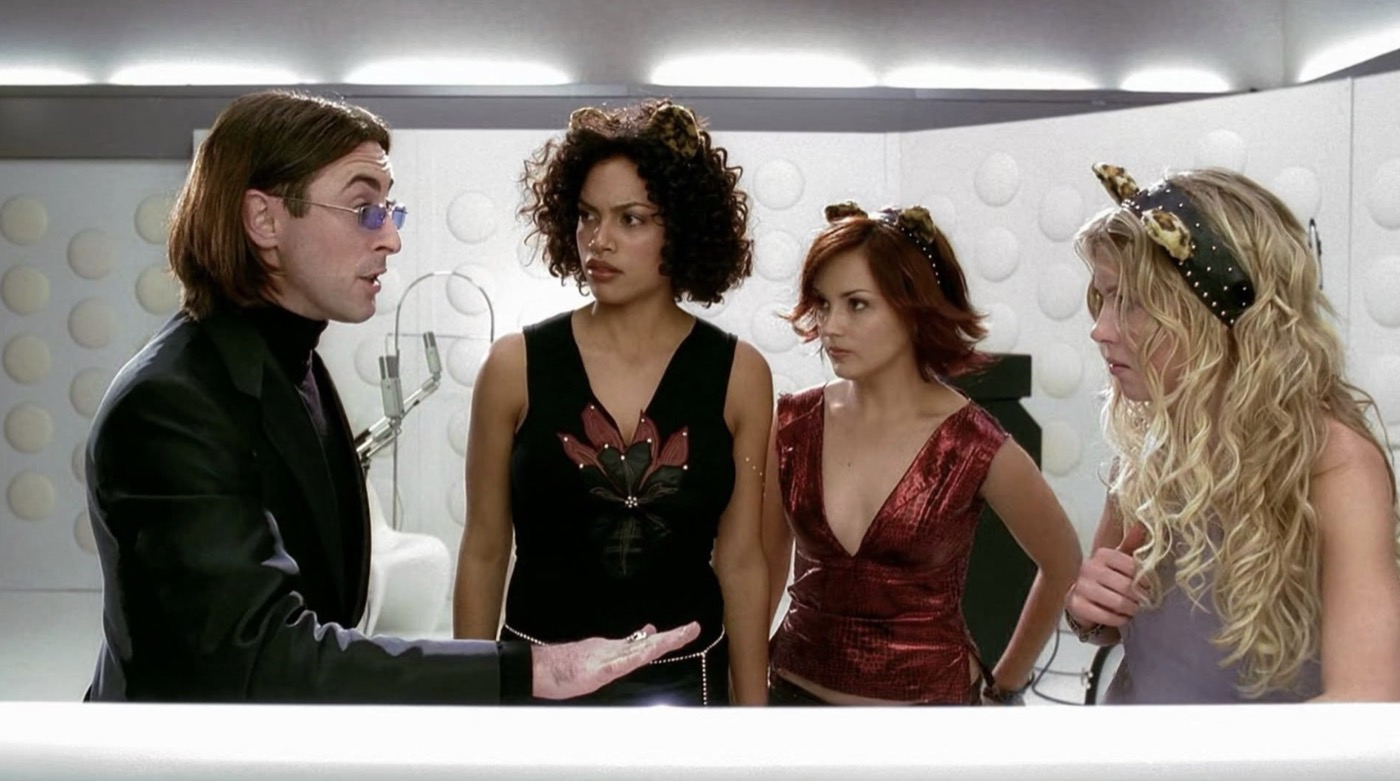
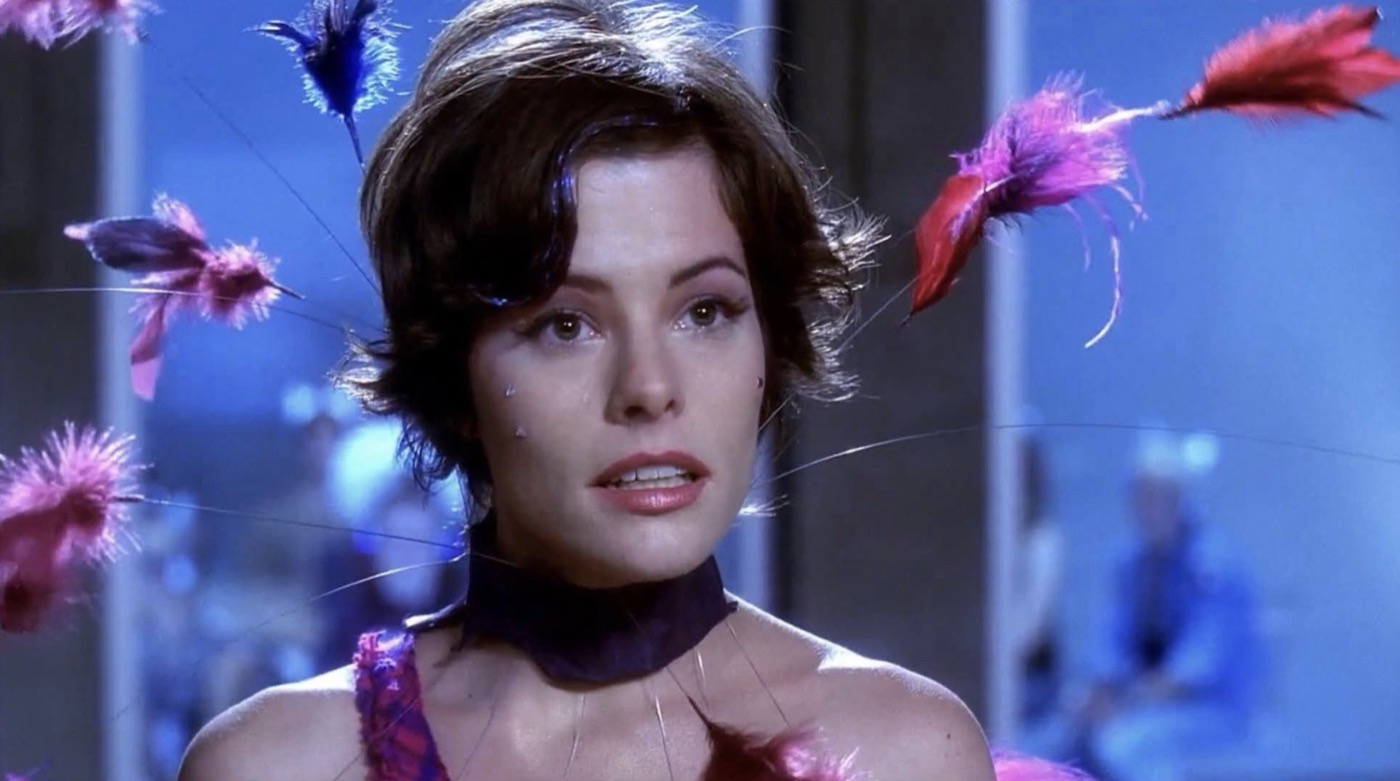
Many of the performances are pitched at precisely the right frequency of camp. Amplifying corporate villainy to the point of gleeful ridicule, Alan Cumming devours his role as the unscrupulous Wyatt. Pitched somewhere between the theatricality of Tim Curry and Richard E. Grant’s sardonic turn in Spice World (1997), Cumming relishes the performance. Parker Posey provides an equally heightened turn as Fiona. With her clipped speech and simmering mania, she crafts an antagonist who is simultaneously ludicrous and hilariously unhinged.
It would be remiss to overlook the quietly influential soundtrack. Collectively written by the late Adam Schlesinger (Fountains of Wayne), Adam Duritz (Counting Crows), and Kay Hanley (Letters to Cleo), it’s an infectious blend of alternative rock and bubblegum pop. “Three Small Words” immediately establishes that this version of the band is miles away from its animated counterparts; it’s an energetic ode to self-love layered with distorted guitars. While the lead actors didn’t play on the actual record, the music was exactly what rebellious teenage girls needed to hear. Pushing back against the “lad culture” of Blink-182 and Sum 41, the film empowered a new generation of women to use instruments as a vehicle for self-expression. Its influence on acts like Paramore and Avril Lavigne is difficult to dismiss, and artists such as Mitski have cited the film as a formative influence on their performance style.
USA • CANADA | 2001 | 98 MINUTES | 1.85:1 | COLOUR | ENGLISH


directors: Harry Elfont & Deborah Kaplan.
writers: Harry Elfont & Deborah Kaplan (based on the comic-book series by Dan DeCarlo & Archie Comics).
starring: Rachael Leigh Cook, Tara Reid, Rosario Dawson, Alan Cumming & Parker Posey.