ALPHA (2025)
Alpha, a troubled 13-year-old lives with her single mom. Their world collapses the day she returns from school with a tattoo on her arm.

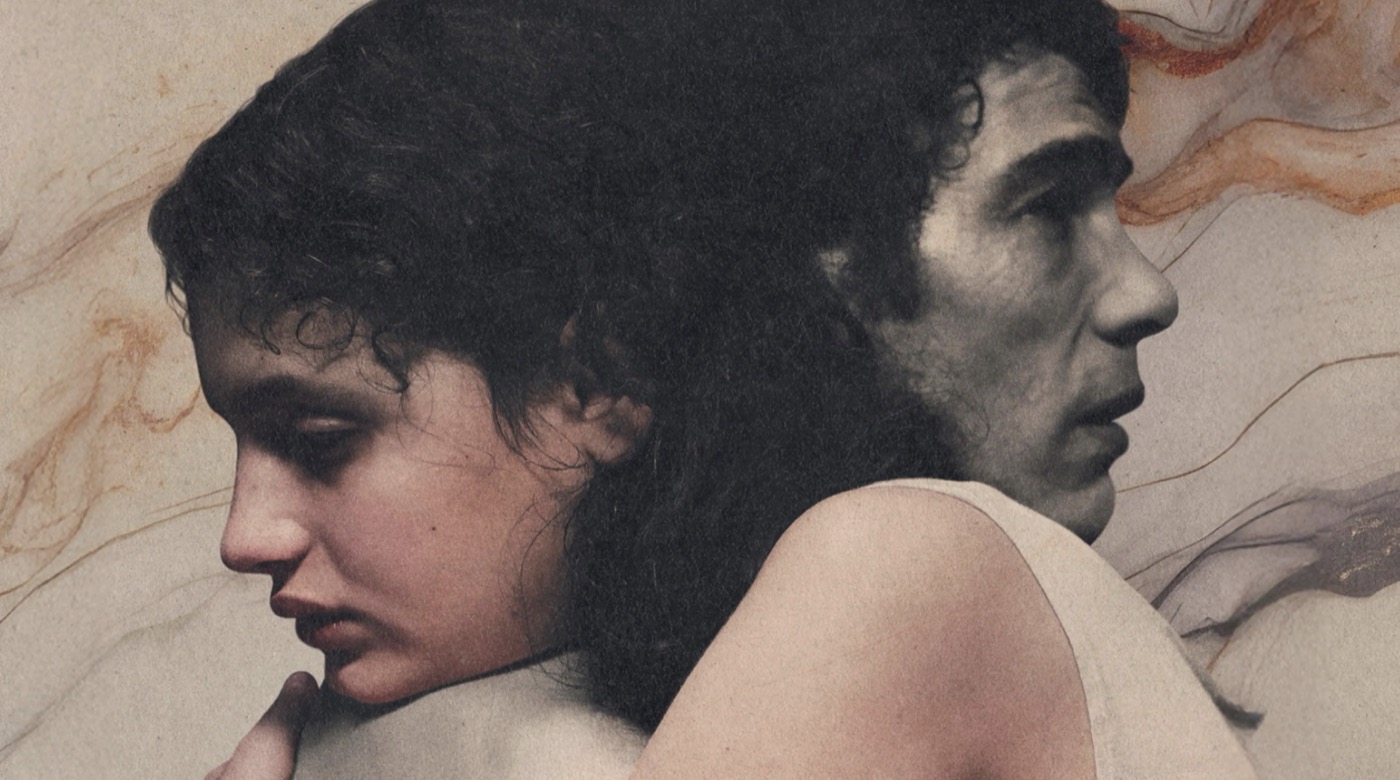

Alpha, a troubled 13-year-old lives with her single mom. Their world collapses the day she returns from school with a tattoo on her arm.
What a frustrating thing it is to watch a filmmaker refuse to play to their own strengths. For just under a decade, French director and body-horror extraordinaire Julia Ducournau seemed to stand at the forefront of David Cronenberg’s 21st-century successors. She’s perhaps found the most renown among them alongside Coralie Fargeat (The Substance), standing out even among contemporaries who contort the human body in service of revelatory emotional discovery.
Her debut feature, teenage-cannibal horror Raw (2017), was a testament to Ducournau’s willingness to employ the tools of the “French New Extremity” for a coming-of-age narrative. It resulted in a work more revelatory in its flesh-devouring construction than its straightforwardly realistic, Hughesian ilk. Then came Titane (2021), perhaps one of the most forward-thinking queer masterpieces of the century. It is a film so profoundly ahead of its time in its conception of parentage, gender, and the “New Flesh” that you’d be forgiven for forgetting its protagonist begins with a blood-soaked rampage, smashing a man’s jaw with the leg of a stool.
Titane, in particular, was a watershed moment. It firmly established Ducournau as an iconoclastic cinematic voice—a filmmaker dissatisfied with leaving physical contortions as mere spectacles. It won the Palme d’Or at Cannes, the first film since Jane Campion’s The Piano (1993) for which a female director received the coveted prize. Consequently, news of her return to Cannes with 2025’s Alpha—rumoured to be an allegory for the 1980s AIDS crisis—was met with great anticipation. This is why the film that eventually premiered is such a severe disappointment.
It isn’t an astonishment in the same sense as Raw or Titane; rather, it simply fails to reach their level. Watching Alpha, one wonders what exactly went wrong. It emerges as an uneven, “microwave-cooked” work, feeling more like an early, unrefined entry in Ducournau’s oeuvre than a successor to her increasingly complex previous features. The physical contortions in Alpha serve something so shallow and dour that the film never jolts itself out of its monotonous trail of misery. Furthermore, the fictional outbreak undergirding this narrative is so similar to the AIDS epidemic in all but name that one might wonder why they aren’t simply watching Larry Kramer’s The Normal Heart (2014) instead.
Where Raw thrived on morbid intrigue and Titane flourished on violent sincerity, Alpha flounders in oppressive bleakness. The titular character (Mélissa Boros) is a rebellious 13-year-old living through the spread of a bloodborne disease—an epidemic we learn about through intercut timelines. Our first sight of Alpha in the present is her receiving a crude tattoo with a homemade needle. Cinematographer Ruben Impens films this in such close proximity that the “A” becomes a literal scarlet letter, destined to haunt her.
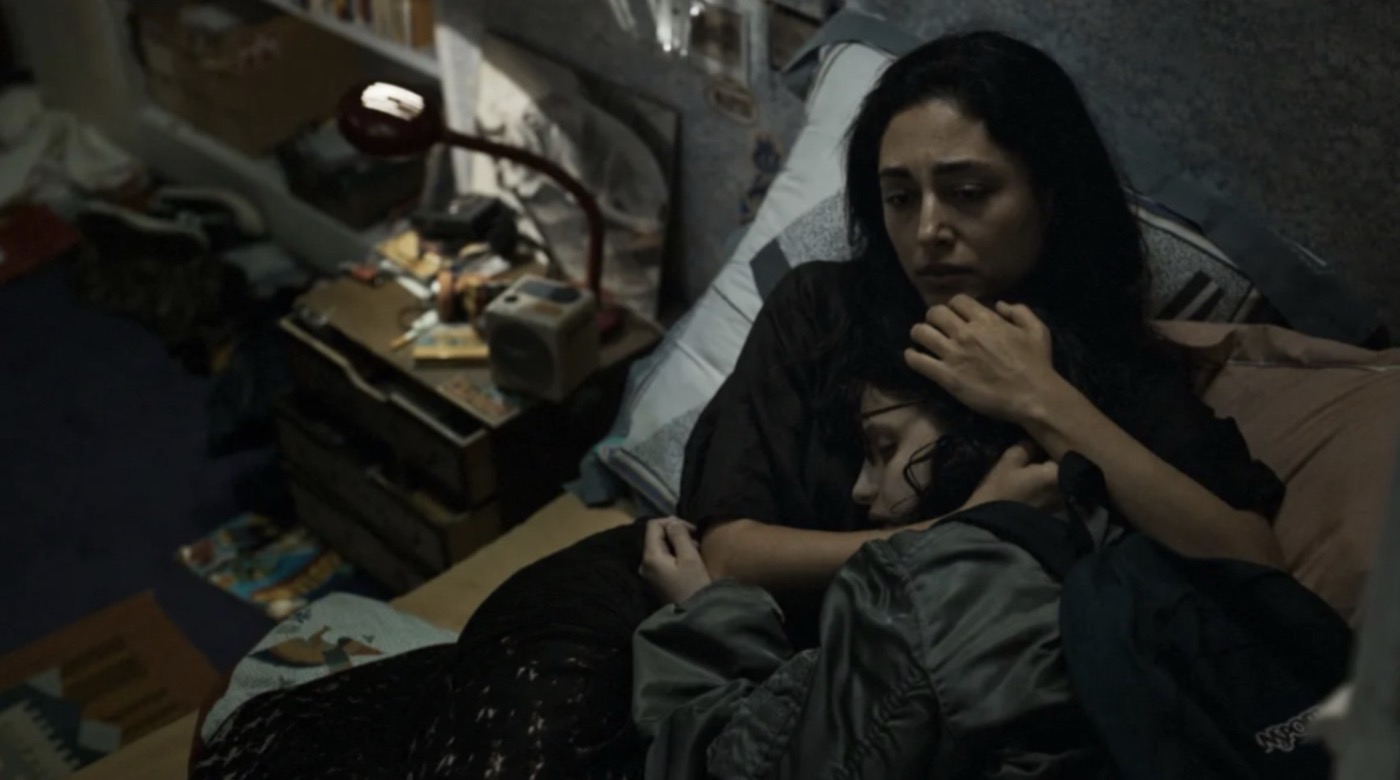
However, this particular epidemic does not bring lesions or neurological symptoms. Instead, it calcifies the infected until they are lethally encased in marble. This is the first of several questionable decisions; the allegorical aestheticising of such a disease feels inappropriate for Ducournau’s symbolic intentions. Alpha’s unnamed mother, played with diligent focus by Golshifteh Farahani, is a doctor struggling to contain the outbreak. She is assisted by a tenacious nurse played by Emma Mackey, whose French fluency may come as a genuine surprise. Upon discovering Alpha’s tattoo, she panics: if Alpha tests positive, the epidemic has finally breached her own walls. Combined with the arrival of Amin (Tahar Rahim), Alpha’s heroin-addicted uncle, the family finds itself at the centre of a traumatic storm that no one is equipped to escape.
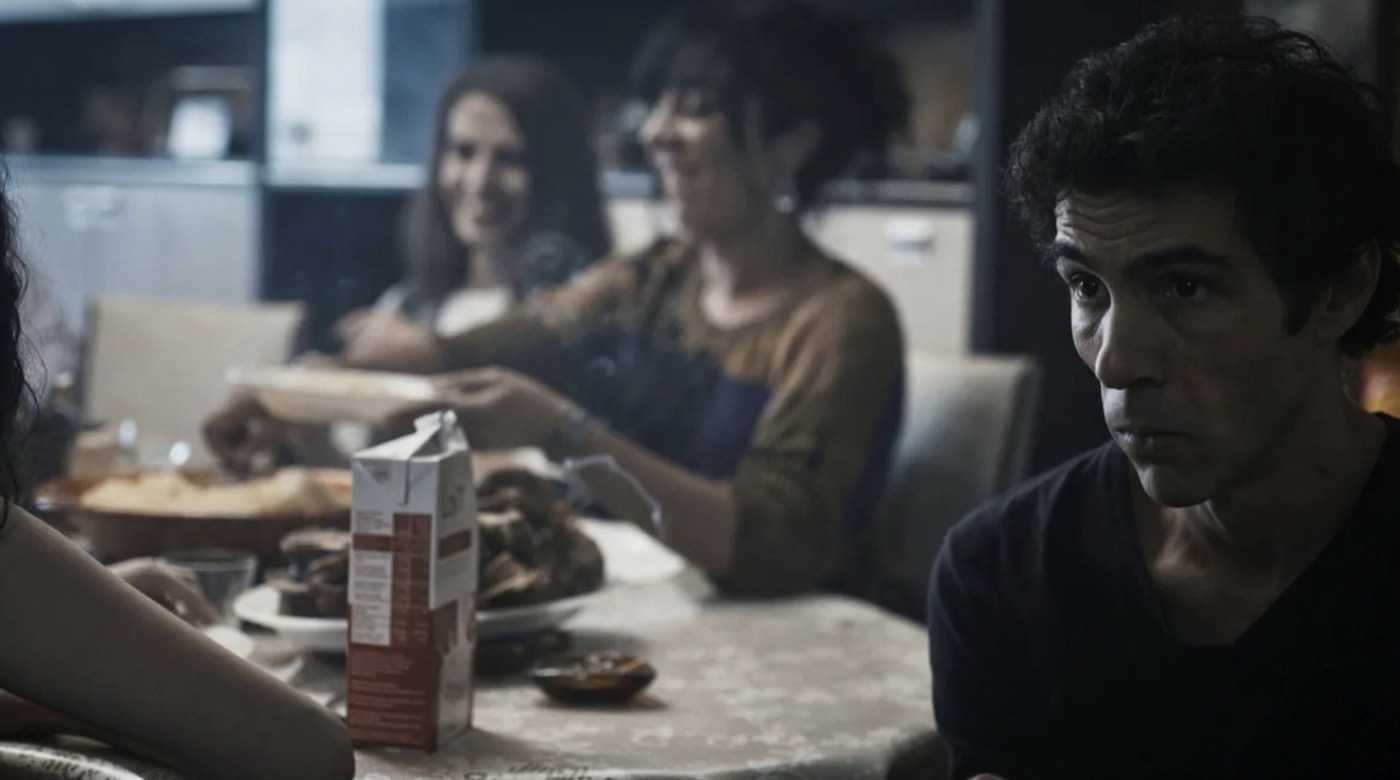
The film abounds with grief, spiralling outward as the triad’s circumstances worsen. Yet the expressions of that anguish are never surprising, nor particularly interesting to observe. Alpha undergoes a cruel level of social isolation,relentlessly bullied amid rumours that her tattoo hides the “marble disease”. A centrepiece scene in a swimming pool is Ducournau’s strongest formal display of this ostracisation, but it contributes to the same one-note frequency as every incident of bullying before it.
Try as she might, Alpha’s mother realises she is ill-equipped to support her daughter. However, Ducournau’s script commits a fatal error by conflating a diegetic lack of resources with a narrative lack of agency. And while Amin briefly seems like a gateway for Alpha to experience a more liberated life among the “isolated infected”, his underbaked struggle with addiction means the narrative focuses on his lack of control—to the point where his vice exclusively defines him.
Amin’s addiction and Alpha’s stigmatisation run on parallel tracks. The film lurches into the past to trace the history of how the mother tried treating Amin, with Alpha as a child (Ambrine Trigo Ouaked) witnessing the ensuing bedlam. Yet these threads don’t enhance the present; the merging of addiction with this epidemic feels too disparate. Even the editing and cinematography—which use brighter colour grading for the past in contrast to the washed-out present—cannot mask the fact that this family is too overwhelmed by adverse feeling for us to understand who they really are.
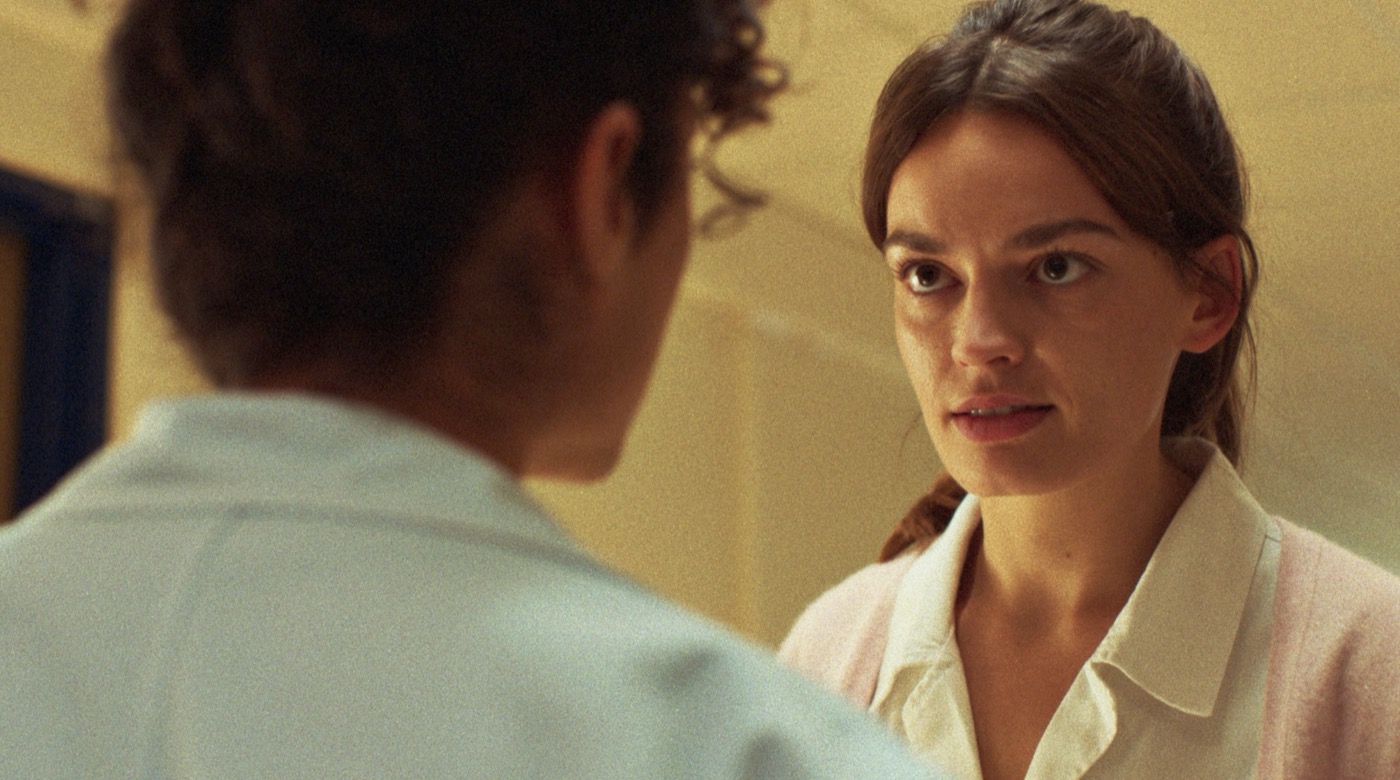
Alpha does not exist as a character beyond her status as a pariah; her mother is too consumed by desperation to have an identity; her uncle exists only to overdose. This is the primary tragedy of the film: compared to Raw and Titane, Alphais vastly less imaginative. Describe this film glibly to anyone who has seen her previous work, and they’d be astonished to hear the mind behind the “vegan-cannibal bildungsroman” and the “automobile-coitus evolutionary tale” produced this drably bleak allegory.
Even with the final sequence—a bravado display of catharsis that barely salvages the scraps of a confused plot twist—it is deeply frustrating to watch a filmmaker ignore her strengths. We once knew Ducournau’s contortions were in service of discovery. The offence of Alpha is not only that it lingers in bleakness without specificity, but that it reveals a misfire on the level of her lesser contemporaries, who fail to use body horror in service of higher emotion.
The story of a teenager contending with the fragility of her body could have been as meaningful as Ducournau’s earlier inquiries into the vulnerabilities of the flesh. Instead, the mutation of flesh into cold stone is an inadvertently apt metaphor for this unfortunate misfire from a sui generis voice in modern cinema.
FRANCE • BELGIUM | 2025 | 128 MINUTES | 2.39:1 | COLOUR | FRENCH • ENGLISH • BERBER LANGUAGES


writer & director: Julia Ducournau.
starring: Tahar Rahim, Golshifteh Faharani, Mélissa Boros, Emma Mackey, Finnegan Oldfield & Ambrine Trigo Ouaked.