SENSE & SENSIBILITY (2026)
The Dashwood sisters face sudden poverty and navigate romance and societal pressures in Georgian Britain.


The Dashwood sisters face sudden poverty and navigate romance and societal pressures in Georgian Britain.
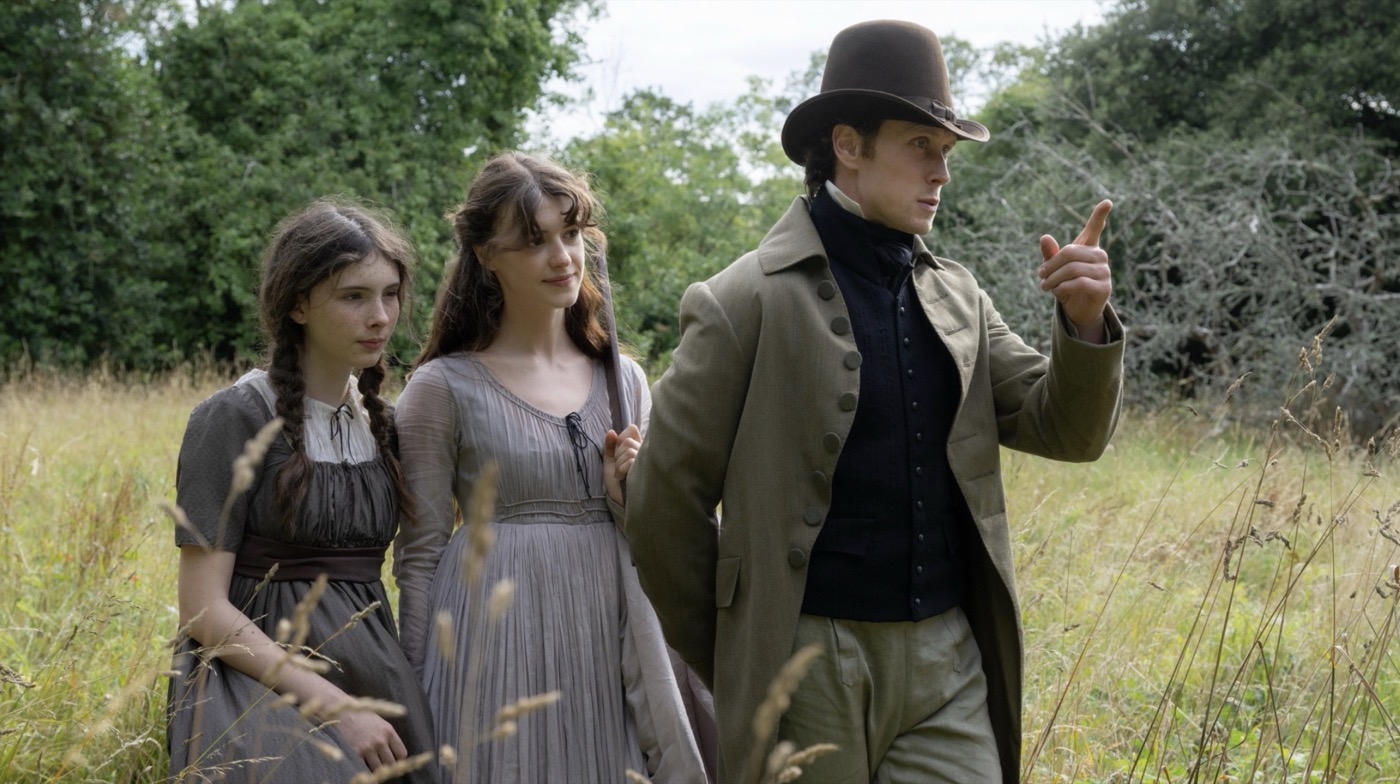
In the last decade of the 18th-century, the Dashwood women—mother Mrs Dashwood (Caitríona Balfe) and her daughters Elinor (Daisy Edgar-Jones), Marianne (Esmé Creed-Miles), and Margaret (Bodhi Rae Breathnach)—are thrown into turmoil when their patriarch dies. The son from his first marriage, John (Tom Brooke), arrives to claim his country seat, Norland House. John’s money- and status-minded wife, Fanny (Stacy Martin), would see her sister- and nieces-in-law cast out nearly penniless, drily observing that people always live when there’s an annuity to be paid.
Soon enough, the women find themselves living at the mercy of Mrs Jennings (Fiona Shaw), a garrulous Irish relative who offers them a cottage by the sea. Suitors for the older daughters then emerge, including Fanny’s brother Edward Ferrars (George MacKay), whose kindness and sense attract Elinor; Colonel Brandon (Herbert Nordrum), a reluctant veteran intrigued by Marianne; and John Willoughby (Dominic Cooper, who somehow seems younger than MacKay and Nordrum despite being 9 to 14 years older), whose passionate sensibility appeals to Marianne’s own.
Jane Austen adaptations are rarely much cop—and that includes biopics of the author herself. I still remember the embarrassing trailer for Becoming Jane (2007), in which that voiceover actor typical of the era narrates: “When everyone else was trying to fit in… Jane was the only one… who stood out.” This plays over footage of Anne Hathaway playing (gasp!) cricket with the lads, much to Julie Walters’ horror—because, you know, she’s not like other girls.
Many have written more cleverly than I about Jane Austen’s genius. What I get from the novels, though, is a surprising flair for the dramatic. I recall a late reveal in Sense and Sensibility that surprised me as much as twists in many detective novels. P.D James described the books as being like Mills & Boon written by a genius, and there’s some truth to that. I get similar satisfaction from Austen as I do from Agatha Christie, another giant of plotting and structure.
Where with Christie a reader may yearn to know who murdered Roger Ackroyd, with Austen the question is which of the men will turn out to be cads, and which the romantic ideal. These may sound like frivolous questions, but for women of Austen’s time, they were matters of life and death. An ill-advised match could ruin the rest of their lives. Is the handsome, charming man the one who will make a young woman happy, or will she find herself chained to someone deeply unpleasant? Or abandoned, rejected by family and friends, should he leave her, say, pregnant out of wedlock?
Sense & Sensibility (2026) captures some of this far better than many an Austen film that reduces her urgency and wit to standard rom-com fare. The film allows the plot to breathe, evoking the Regency world with some of the same economy as Austen’s prose, which prioritised dialogue and character over lengthy descriptions (a quality that helps make her work feel so modern and adaptable).

The director’s chair is filled by Georgia Oakley, whose debut work Blue Jean (2022) was an LGBT-themed drama about a lesbian schoolteacher during the era of Section 28—the British legislation of the 1980s that forbade the “promotion” of homosexuality in schools. That film was also written by Oakley, whereas screenwriting duties here fall to Diana Reid.
An Austen adaptation feels like an odd pivot, then, and handing writing duties to someone else suggests a director-for-hire approach rather than a passion project for Oakley. Sense over sensibility, if you like. Her direction has a brisk straightforwardness, as though she were constantly conscious of helming an English heritage production—which this essentially is.
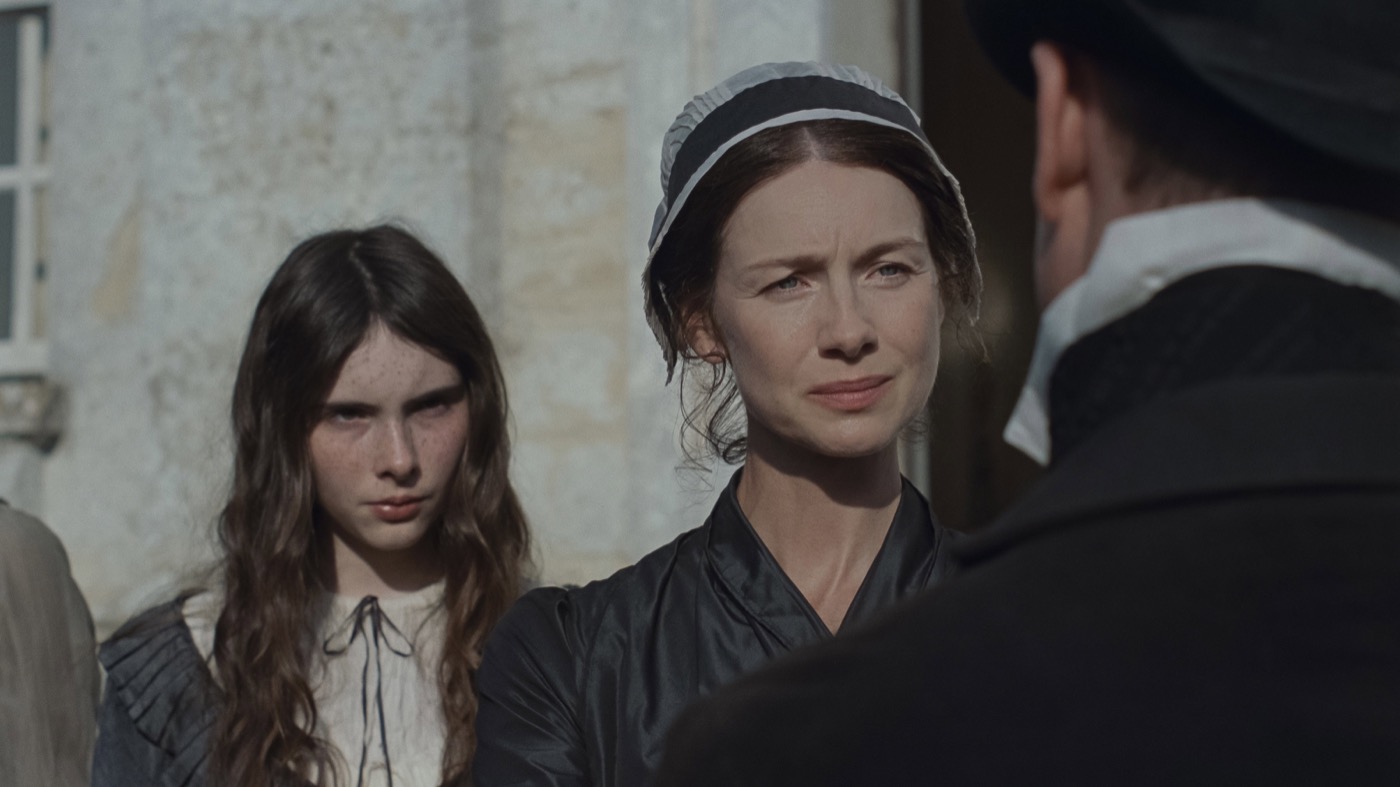
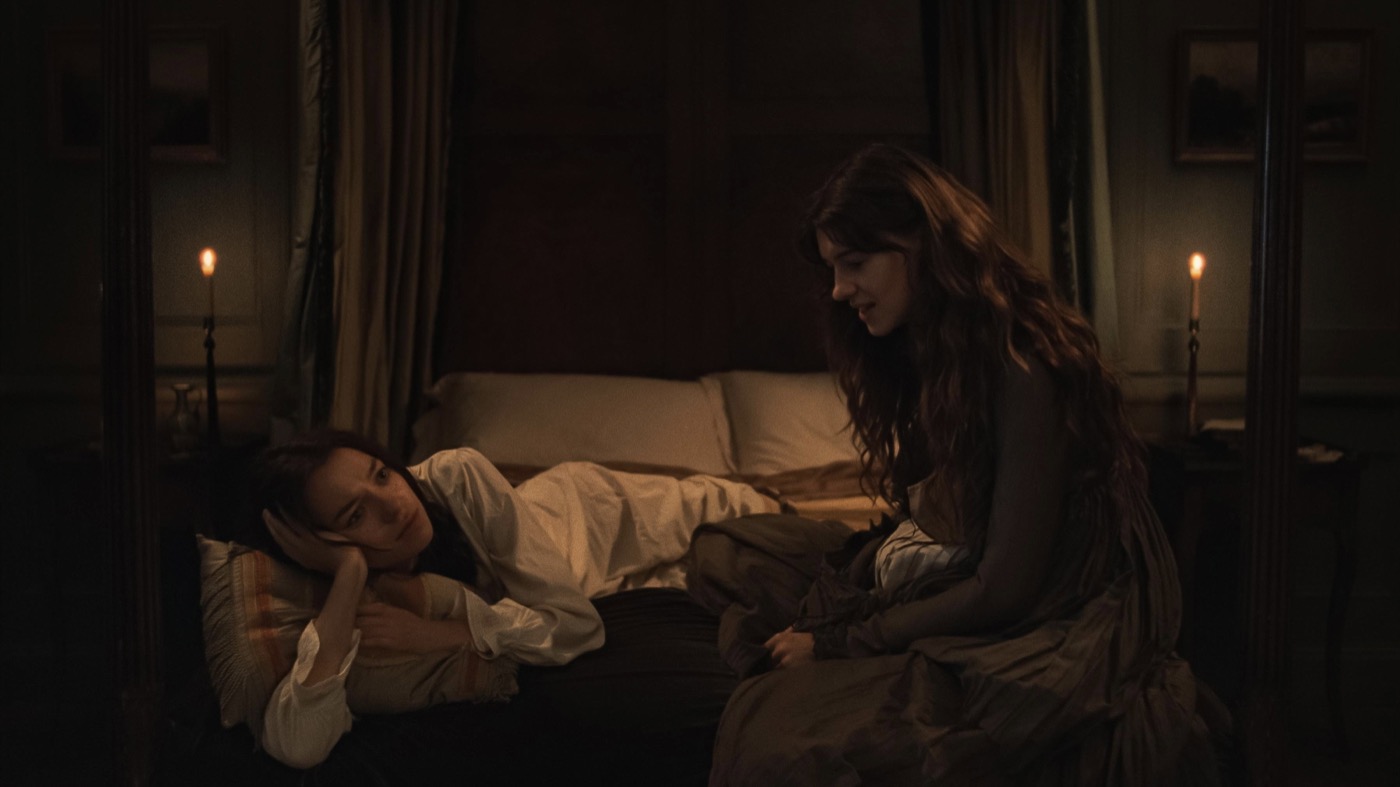
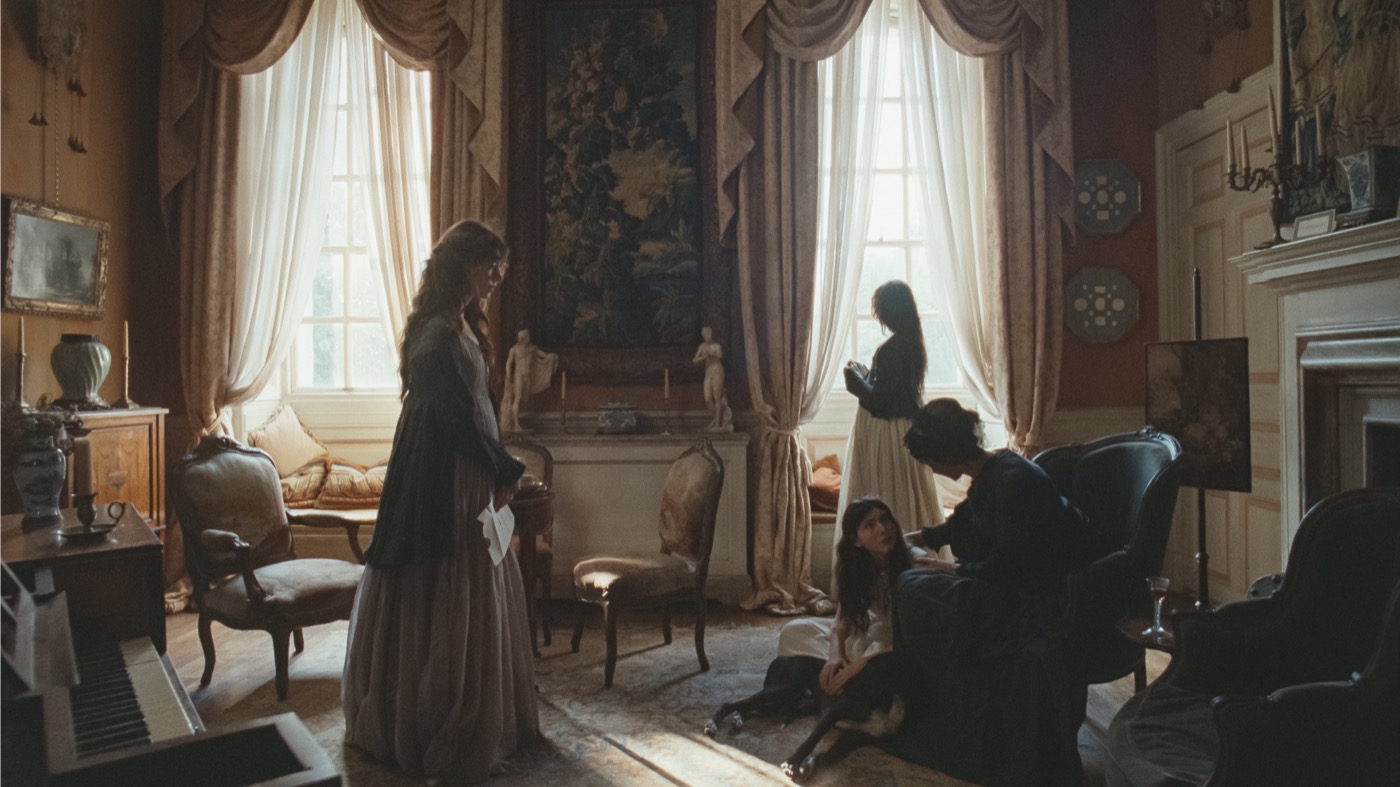
It calls to mind that famous Goodreads review of Pride and Prejudice—a masterclass in getting the facts right while missing the point entirely—in which the critic refers to its plot as simply “people going to each other’s houses”.Oakley’s cinematic style does feel somewhat like a tour of stately homes. She frames them well, using the colours of late summer, autumn, and winter to evoke the beauty of this world while mirroring the characters’ emotional journeys.
For example, when Marianne, our symbol of sensibility, feels lost in the wilderness of a failed first love, she gets literally lost amidst the hoarfrost and winds surrounding the estate. And as the film opens, autumn’s golden hues infuse Norland with a tender wistfulness, just as our symbol of sense, Elinor, finds comfort in Edward’s gentle ways after her father dies.
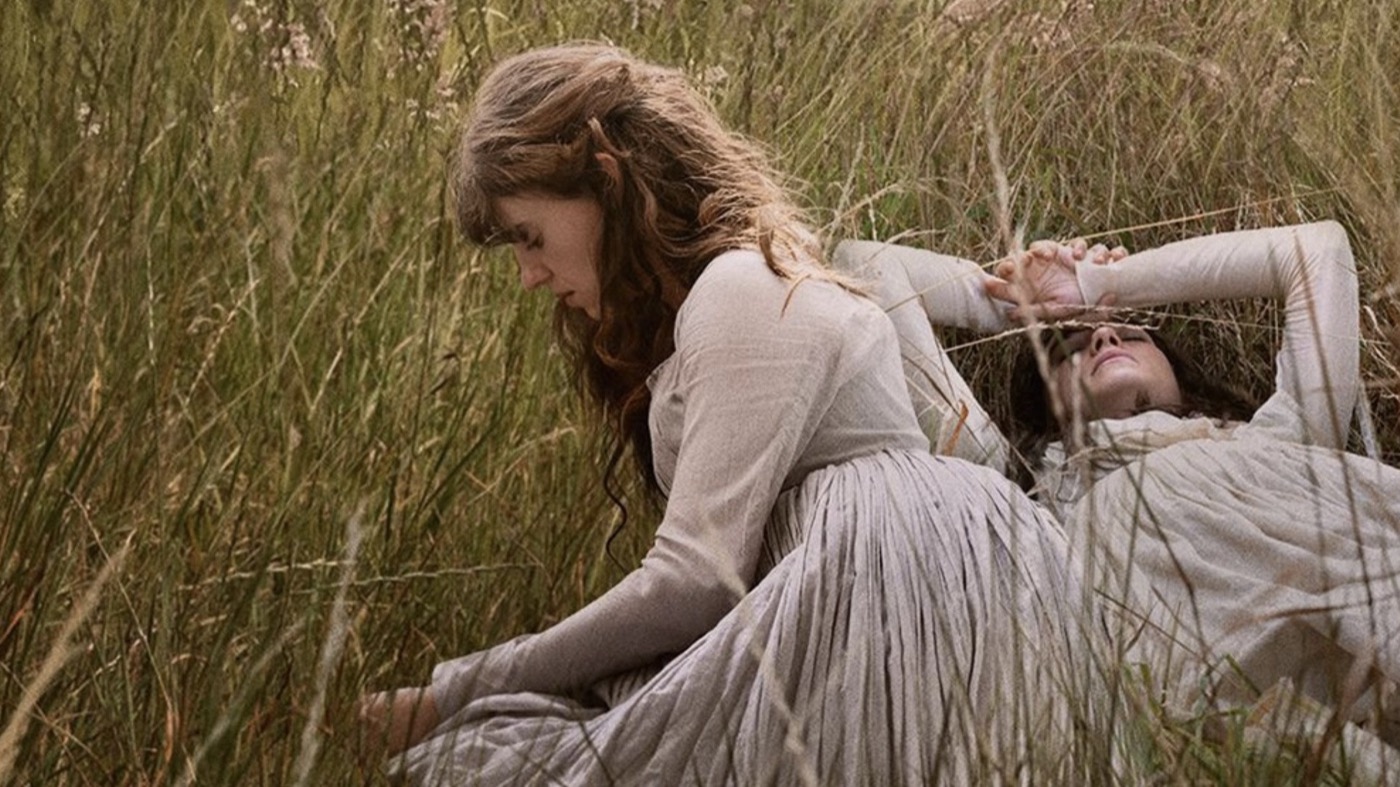
This is workmanlike stuff: competent and well thought out, if uninspired. I missed the more delicate interplay of dialogue, character, and theme in Austen’s original work—such as a scene completely omitted from the film where we meet Fanny and Edward’s mother, Mrs Ferrars, as she disparages Elinor’s match with Edward by praising her own choice for him, Lord Morton’s daughter. Scenes like this in the novel offer subtle characterization that sadly doesn’t gel with the safe bet Oakley and Reid have been tasked to produce.
Sense & Sensibility must work first and foremost as a B-tier romantic comedy, and as such, it rises to the top of that pool. I’d have liked it to be closer to Barry Lyndon (1975) than Bridget Jones in bustle and tulle, but that’s probably asking too much. In the meantime, if you want a rom-com that makes you feel classy for choosing a heritage adaptation over Love Island, you’ve got it.
UK • USA | 2026 | 131 MINUTES | COLOUR | ENGLISH

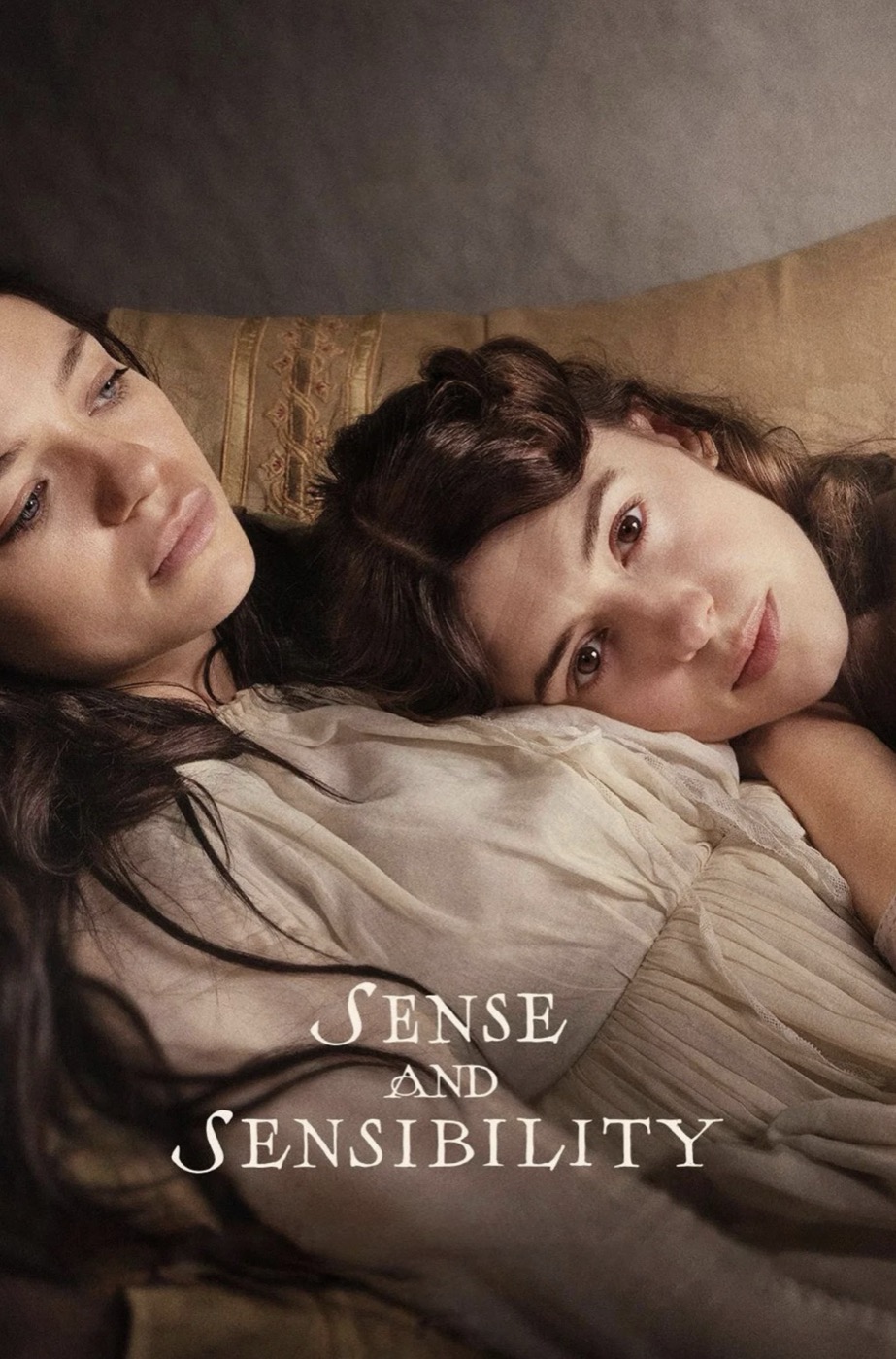
director: Georgia Oakley.
writer: Diana Reid (based on the novel by Jane Austen).
starring: Daisy Edgar-Jones, Esmé Creed-Miles, Caitriona Balfe, Frank Dillane, Herbert, Nordrum, George MacKay & Fiona Shaw.