AT CLOSE RANGE (1986)
Reunited with his career criminal father, tough teen Brad thinks he's found his ticket to an exciting life of crime, only to find out he's wrong.

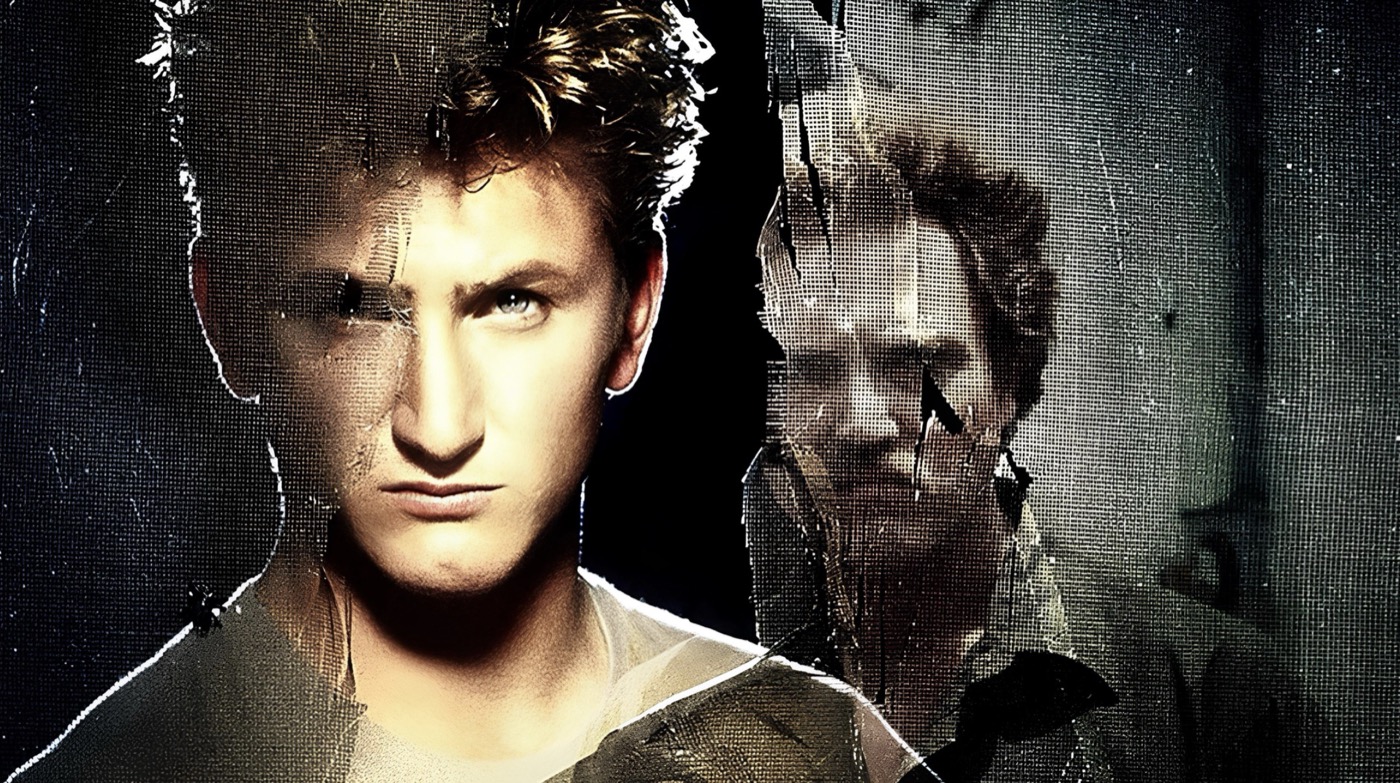

Reunited with his career criminal father, tough teen Brad thinks he's found his ticket to an exciting life of crime, only to find out he's wrong.
Revisiting a film decades after a single viewing can be—for me, at least—like trying to recall a dream from the night before. As the opening credits roll, you might find a few fragments floating in your mind—perhaps a scene or two—but the experience remains largely surreal. More often than not, you’re left thinking, “That isn’t how I remembered it,” which perfectly summarises my return to the 1986 thriller At Close Range.
For some reason, I was convinced the film was more violent and set in an urban environment; perhaps I was confusing it with the New York-based State of Grace (1990), which also stars Sean Penn. What I do remember—and I’ve just fact-checked this—is first catching this unusual, well-crafted feature during the fourth season of Moviedrome (heaven for cinephiles) on BBC Two. That was in July 1991, so I suppose 35 years is ample time for the brain to become hazy regarding specific details.
I digress; let’s return to the film. At Close Range takes its lead from the real-life Johnston crime family, led by Bruce Johnston Sr. The infamous gang was active throughout the 1960s and ’70s, primarily stealing jewellery and cash from safes, farm equipment, and cars.
This group operated across several counties in and around Pennsylvania and was well-known to the police. Their illegal activities finally caught up with them in 1978. As the authorities closed in, gang members—including Johnston Sr’s youngest son—were murdered to eliminate potential witnesses. Eventually, after five killings, Bruce was convicted in 1981 and received six life sentences.
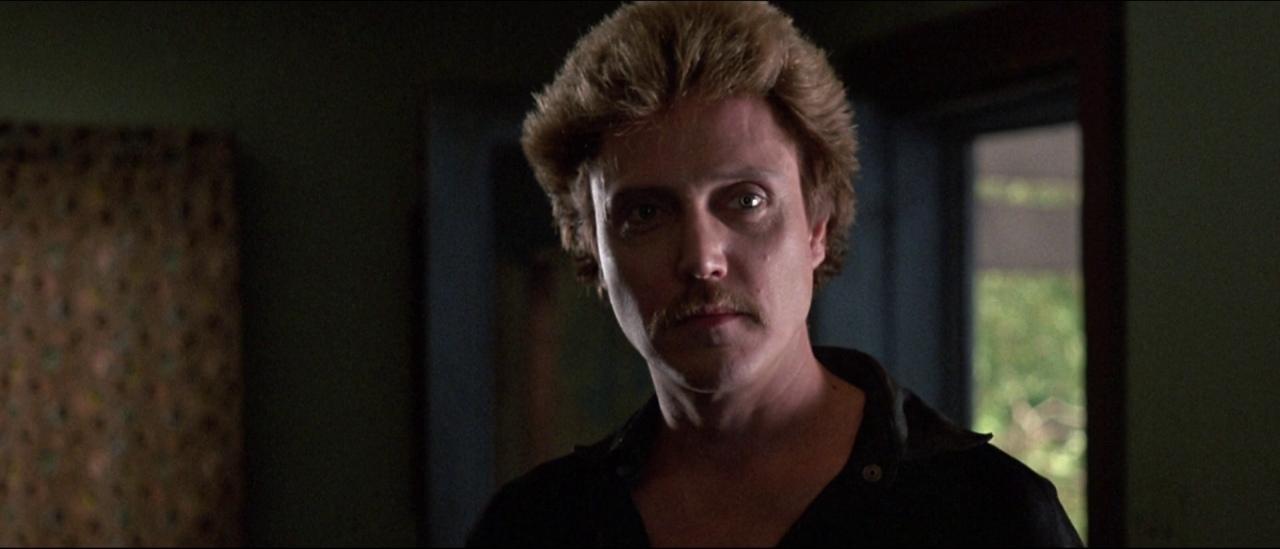
The script changes the family name to Whitewood and, interestingly, shifts the focus from the father to the eldest son, “Little Brad” Whitewood Jr, played by a 25-year-old Sean Penn in one of his earliest roles. The plot functions as a quasi-coming-of-age drama and a descent into criminality. Brad, unemployed and living in poverty with his mother, stepfather, and younger brother Tommy (Chris Penn), finally reconnects with his crime-boss father, Bradford Whitewood Sr (Christopher Walken), and is immediately seduced by his father’s lifestyle of flash cars and relative wealth.
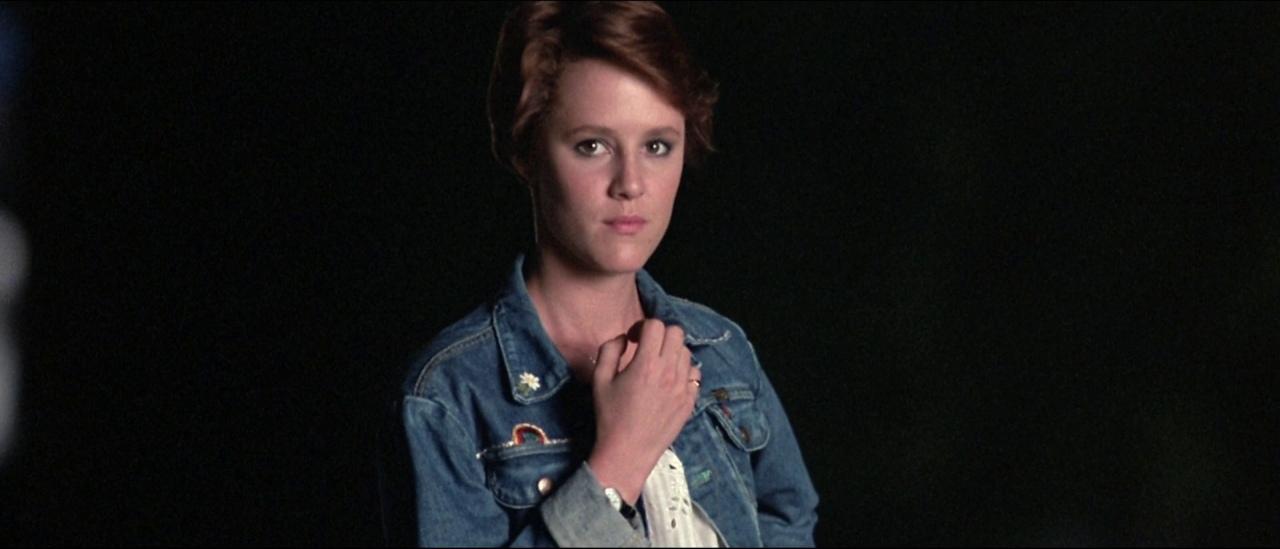
We first meet Brad as he’s drifting aimlessly with friends, drinking, smoking cannabis, and living a rootless existence. He meets Terry (Mary Stuart Masterson), and the pair begin a relationship, much to the chagrin of Terry’s family, who are well aware of his father’s reputation. Brad begins to engage with the gang, and Terry, also attracted to the prospect of easy money, encourages Brad to seek full entry into the family business.
After a brief period of prosperity, Brad witnesses a murder and decides he wants out. This does not sit well with his father who, in an attempt to sever Brad’s ties to Terry, gets her intoxicated and rapes her. Matters spiral further when younger members of the group are subpoenaed, leading Brad Sr to murder them. I’ll avoid further spoilers for those who haven’t seen it, but the script sticks remarkably close to the grim facts of the real case.
What stood out most on this rewatch was the storytelling. Director James Foley takes a calm, controlled approach. There’s nothing flashy or overly dramatic about the filmmaking; instead, it feels grounded and realistic, which ensures the darker moments hit harder. Foley isn’t interested in making a fast-paced heist movie; he’s concerned with the emotional toll of such a life.
This was only Foley’s second film in what would become a chequered career spanning films, music videos, and television. Looking at his filmography, there are more misses than hits, but he was clearly most adept when exploring the darker side of human nature. Sadly, he died in 2024, aged 71. Alongside this film, I can strongly recommend his neo-noir After Dark, My Sweet (1990) and the black comedy-drama Glengarry Glen Ross (1992), which features a peerless cast including Al Pacino, Jack Lemmon, and Alec Baldwin.
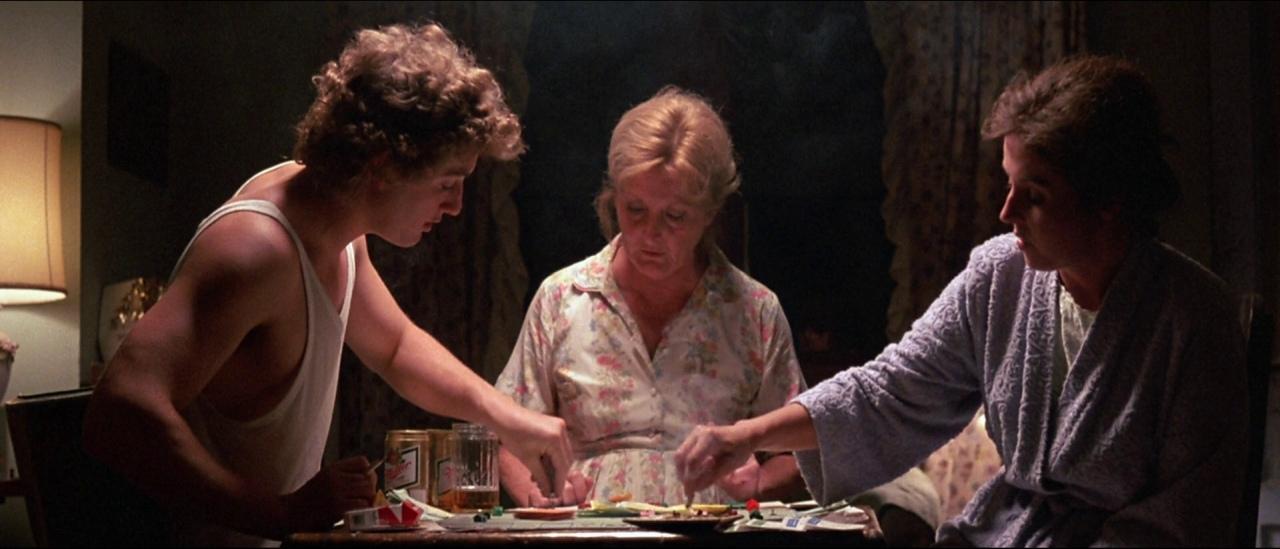
The film moves at a steady, occasionally slow pace, but this works in its favour. It allows the viewer to absorb the setting: the dusty roads, worn-down homes, and the general sense of stagnation in small-town America. You understand why Brad is drawn to his father’s world; it doesn’t feel like a sudden whim, but an inevitability.
Sean Penn is excellent, displaying the intensity that would later define his career. Despite his immaturity, Brad possesses a shred of integrity and emotional intelligence. Penn’s performance is subtle; he says little, but his internal conflict—torn between a desire for paternal approval and the horrifying realisation of his father’s true nature—is etched on his face.
Christopher Walken, meanwhile, gives a controlled and menacing performance. By avoiding the “over-the-top” villain tropes, he becomes far more frightening. The scenes between Walken and Penn are the film’s strongest, precisely because they are so understated. Chris Penn also adds a layer of vulnerability as the younger brother, showing how toxic influences pass through generations.
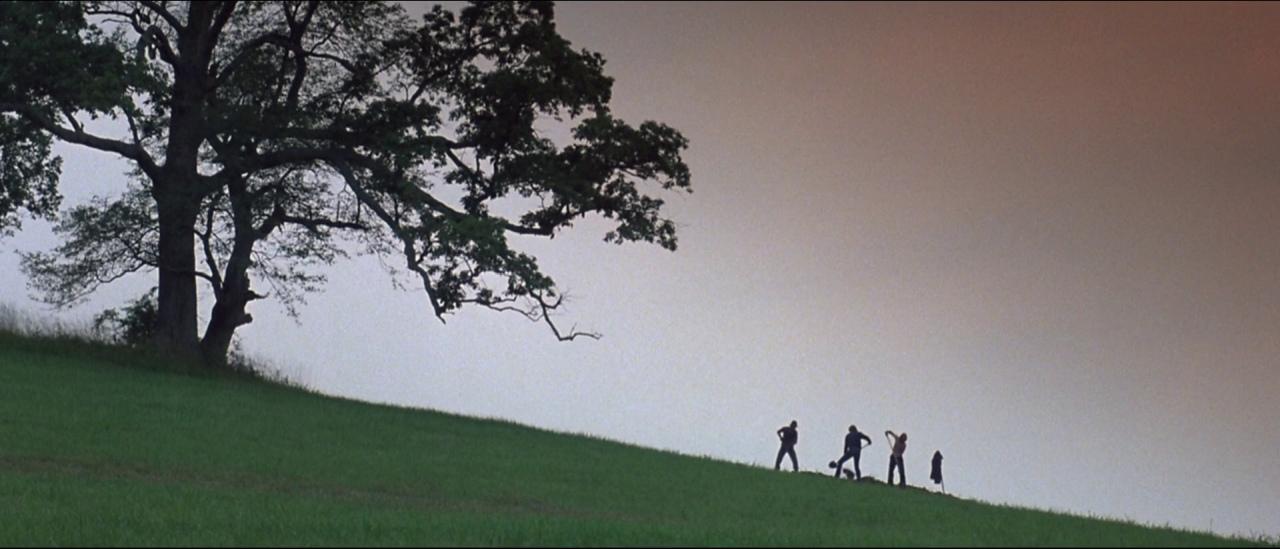
Finally, Mary Stuart Masterson is remarkably natural as Terry. Despite being only 19 during filming, she shares a genuine chemistry with Penn, which lends the later tragedies real dramatic weight.
Visually, the film is effective without being showy. Spanish cinematographer Juan Ruiz Anchía captures the countryside with a natural, soft lighting that suggests a faded world. One scene—the younger gang members playing in a lake—is particularly haunting. The use of skewed angles and close-ups during a seemingly lighthearted moment creates a sense of foreboding, given what follows.
Patrick Leonard’s score is simple and effective, blending into the atmosphere. Interestingly, an instrumental version of Madonna’s “Live to Tell” is used throughout, with the full vocal track playing over the credits. Given that Leonard co-produced Madonna’s True Blue album and Penn was married to her at the time, one could dismiss this as vanity-driven promotion. However, the track genuinely fits the film’s melancholic tone.
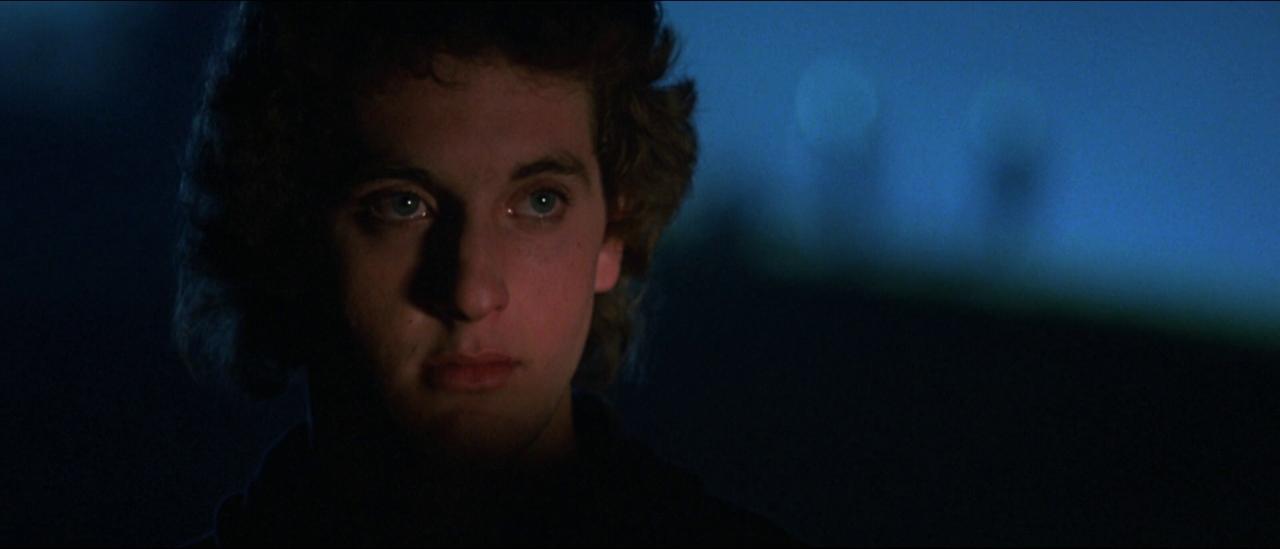
Though At Close Range is a crime drama, and has violent scenes throughout, its most harrowing moment is the rape of Terry. Presented in a matter-of-fact style rather than a sensationalised one, it serves as the pivotal moment where any remaining bond between father and son is irrevocably shattered.
The finale eschews Hollywood tropes; there is no grand shootout. Instead, the confrontation is tragic and believable. When it was released, Roger Ebert praised the film, noting that “few recent films have painted such a bleak picture of human nature.” Despite critical acclaim, it recouped only $2.3M against a $6.5M budget. This is unsurprising; it isn’t “entertainment” in the traditional sense. It is a sombre mood piece on how poverty and broken homes can lead to ruin.
Ultimately, At Close Range is a superior piece of filmmaking. Foley’s direction keeps the story grounded, and the powerhouse performances from Penn and Walken carry immense weight. It may not have been a commercial success, but it’s undoubtedly deserving of your time.
USA | 1986 |115 MINUTES | 2.39:1 | COLOUR | ENGLISH

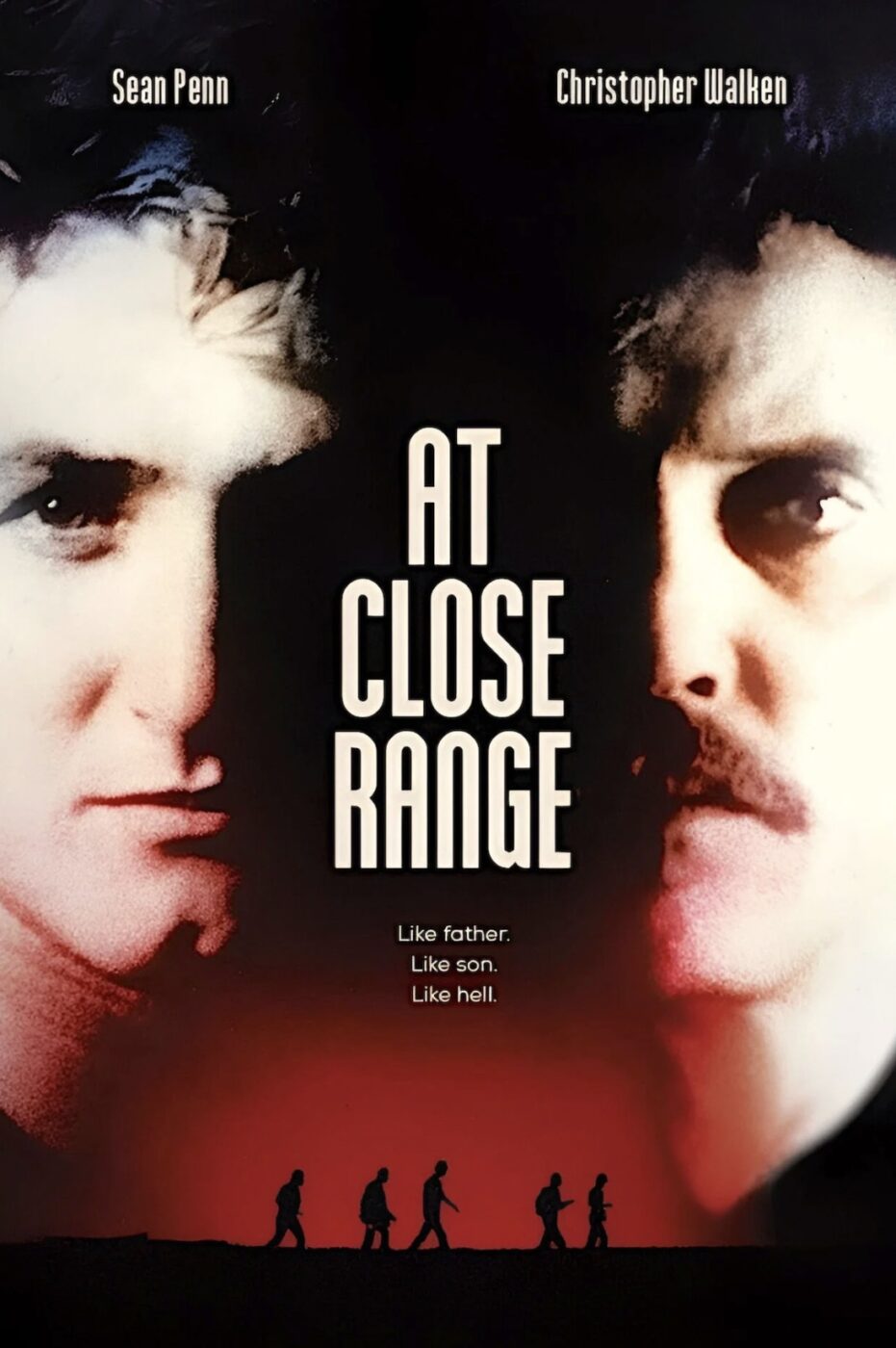
director: James Foley.
writer: Nicholas Kazan.
starring: Sean Penn, Christopher Walken, Mary Stuart Masterson, Crispin Glover, Tracey Walter & Chris Penn.