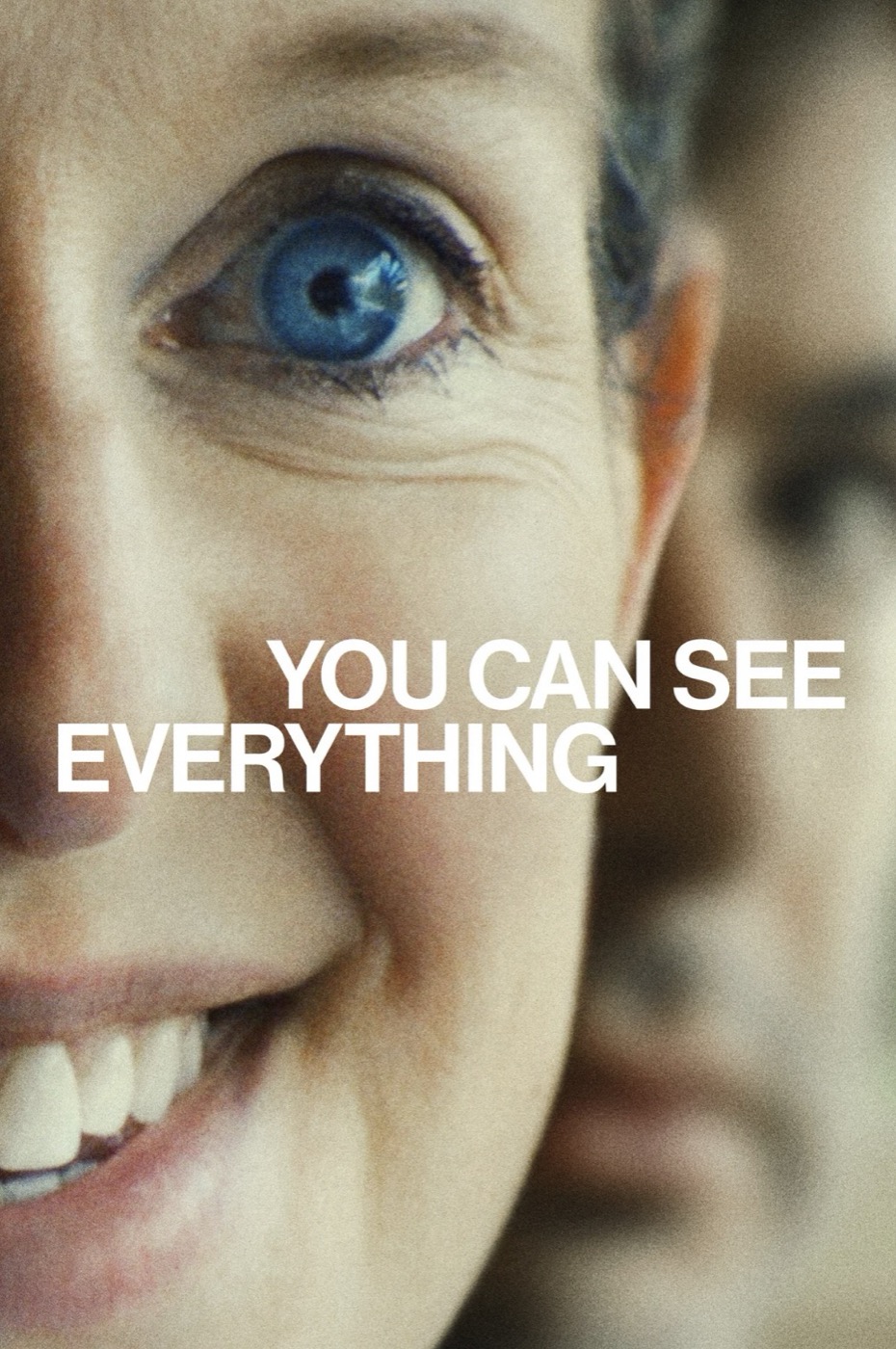
YOU CAN SEE EVERYTHING (2026)
34 days before she's sent to prison, notorious Theranos founder Elizabeth Holmes invites a skeptical film crew to document her every move.


34 days before she's sent to prison, notorious Theranos founder Elizabeth Holmes invites a skeptical film crew to document her every move.
When you’ve seen as many films as I have, it’s rare to come across one that hooks you from the first minute and holds your attention throughout its nearly three-hour runtime. It’s even more unusual when the film is a documentary and lives up to its stellar reviews. Casual filmgoers may not have heard of You Can See Everything yet, but trust me: it’s a special, one-of-a-kind piece of cinema that pushes the boundaries of docudrama so far that I’m confident it will be scrutinised, discussed and written about for years to come.
The subject is Elizabeth Holmes, the convicted fraudster behind the biotech firm Theranos. Founded in 2003, the company claimed to have invented a small device capable of diagnosing hundreds of illnesses from a single drop of blood. Sounds incredible, right? The only problem was that it didn’t work. To make matters worse, the company was found to have secretly run numerous patient blood samples through conventional third-party commercial analysers while falsifying validation and demonstration data.
As she built the company, Holmes and her associates duped investors out of more than $700M. In 2015, investigative journalists at The Wall Street Journal exposed the deception. Several years later, the US Securities and Exchange Commission brought civil fraud charges against Holmes, Theranos and former chief operating officer Ramesh “Sunny” Balwani. The resulting legal proceedings led to settlements, a ten-year ban on Holmes serving as an officer or director of a public company, and the eventual dissolution of Theranos.
If this all sounds familiar, it’s because the story was previously adapted into the miniseries The Dropout (2022), starring Amanda Seyfried as Holmes. What’s particularly interesting here, and makes for one of the documentary’s most audacious creative decisions, is that Seyfried herself joins the film around halfway through to reenact scenes that couldn’t be captured during its largely fly-on-the-wall production. The result adds an intriguing layer of quasi-theatricality to an already meta-infused approach, in which truth and fiction become increasingly difficult to distinguish.
When the film begins, Holmes is just 34 days away from starting her 11-year prison sentence. She and her partner, Billy Evans, invite filmmakers Lance Oppenheim and Nathan Fielder into their rented beachside home to document their lives and, in doing so, make the case to the world that Holmes is a decent person who was wrongly accused of lying. Amazingly, she also wants to show that she’s still pursuing her blood-testing business.
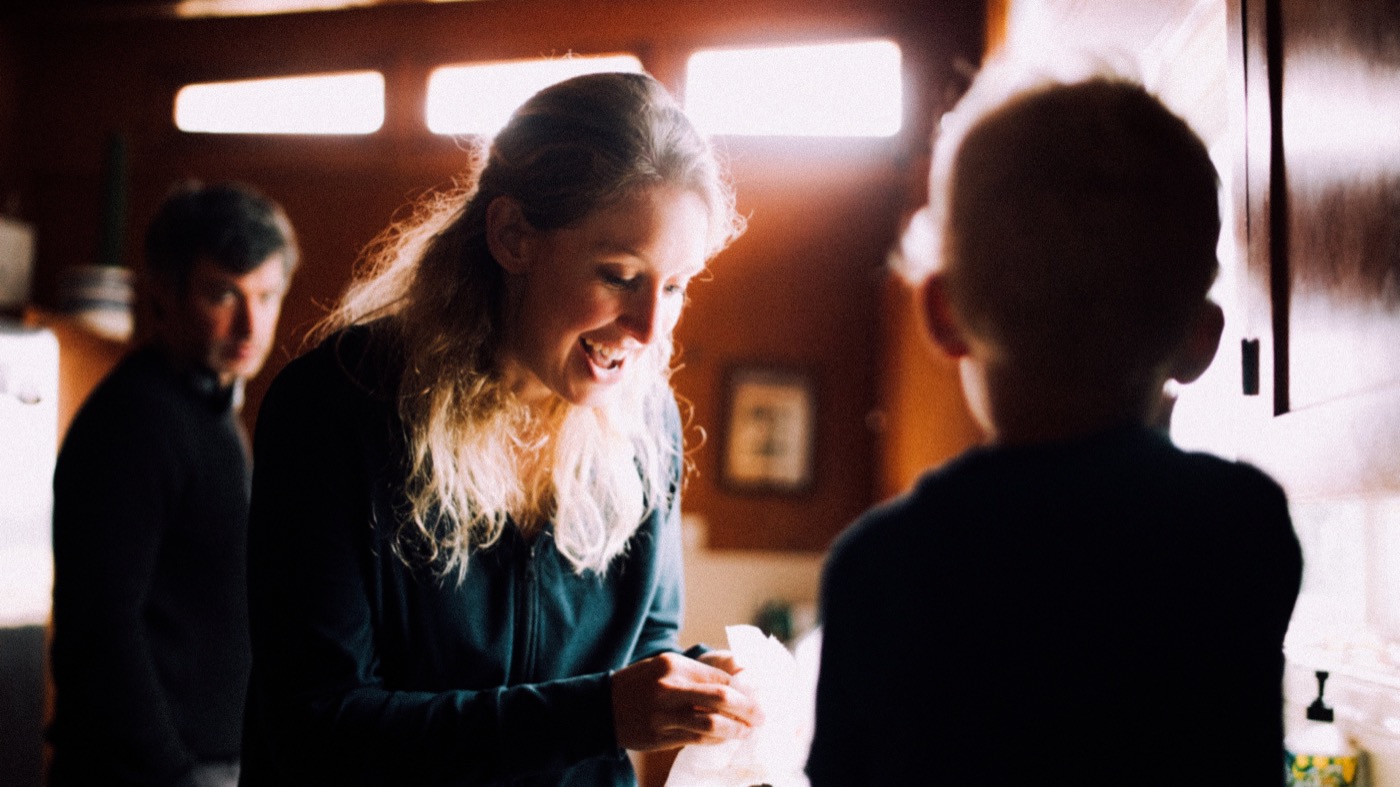
From the outset, the proceedings feel intimate. In an early scene, a close-up shows Billy Evans talking on the phone about Holmes’s desire to tell her story and achieve “radical transparency”. The camera quickly cuts to Holmes in the next room, listening as she holds her baby. Like much of the film, the scene is shot in deep shadow, with sparse shafts of sunlight filtering through the windows.
David Bolen’s superb cinematography is complemented by a pulsating, haunting score from composer Ari Balouzian. Together, these elements drench the film in a kind of daylight-horror aesthetic, making it feel more like a psychological thriller than a straightforward work of non-fiction.
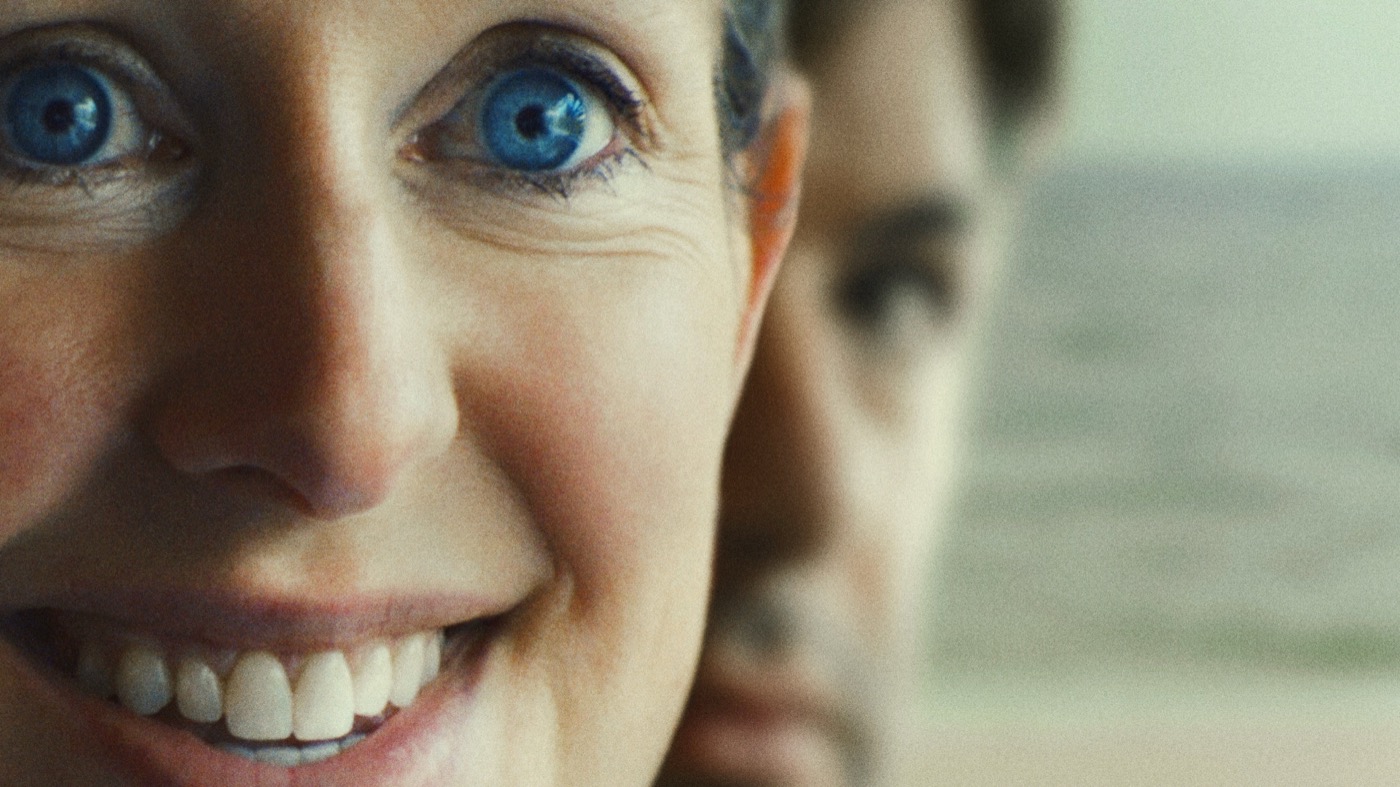
That’s precisely the point: nothing you see is quite what it seems. The film’s brilliance lies in its masterful combination of sharp interviews, hypnotic camerawork that often lingers on Holmes’s enormous eyes, and intelligent editing. Initially presenting itself as a conventional documentary, it gradually twists into something far more ambitious, exploring broader questions about objective truth, media representation and the ways narratives can be shaped, manipulated or distorted by both the people involved and the filmmakers themselves.
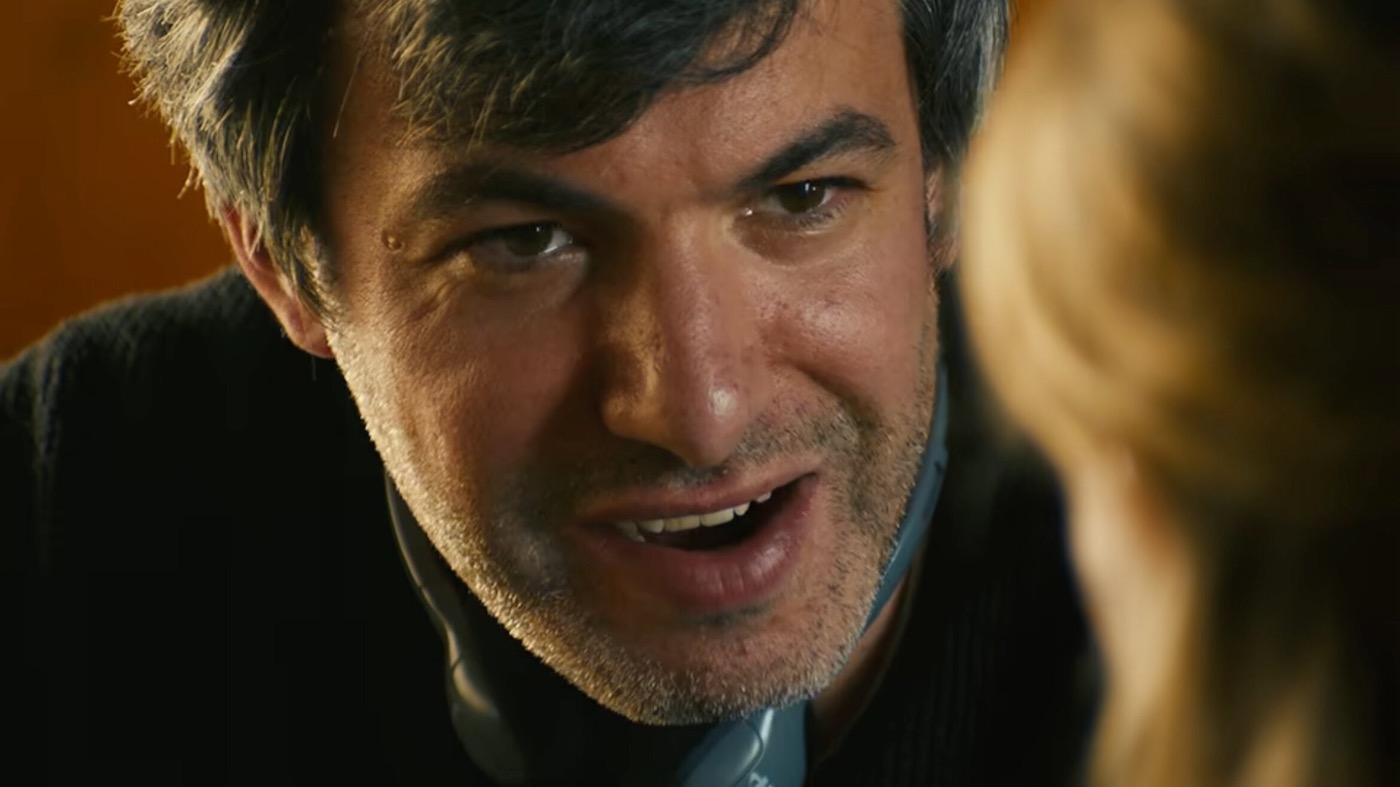
Holmes and her partner are fascinating subjects who provide plenty of material, but it’s Fielder and Oppenheim who deserve the greatest credit for constructing this multilayered cinematic box of tricks.
Oppenheim comes from a background in documentaries and short films. More recently, he made his first feature, Primetime (2026). His most notable work before this was the acclaimed Some Kind of Heaven (2021), which focused on a large retirement community in Florida.
Knowing that Fielder’s career combines acting and satirical television comedy — as in Nathan for You (2013-17) — helps explain why You Can See Everything works so well. He’s accustomed to being in front of the camera, and much of his television work revolves around heightened versions of reality. Perhaps that’s why manipulation is such a key underlying theme throughout the film.
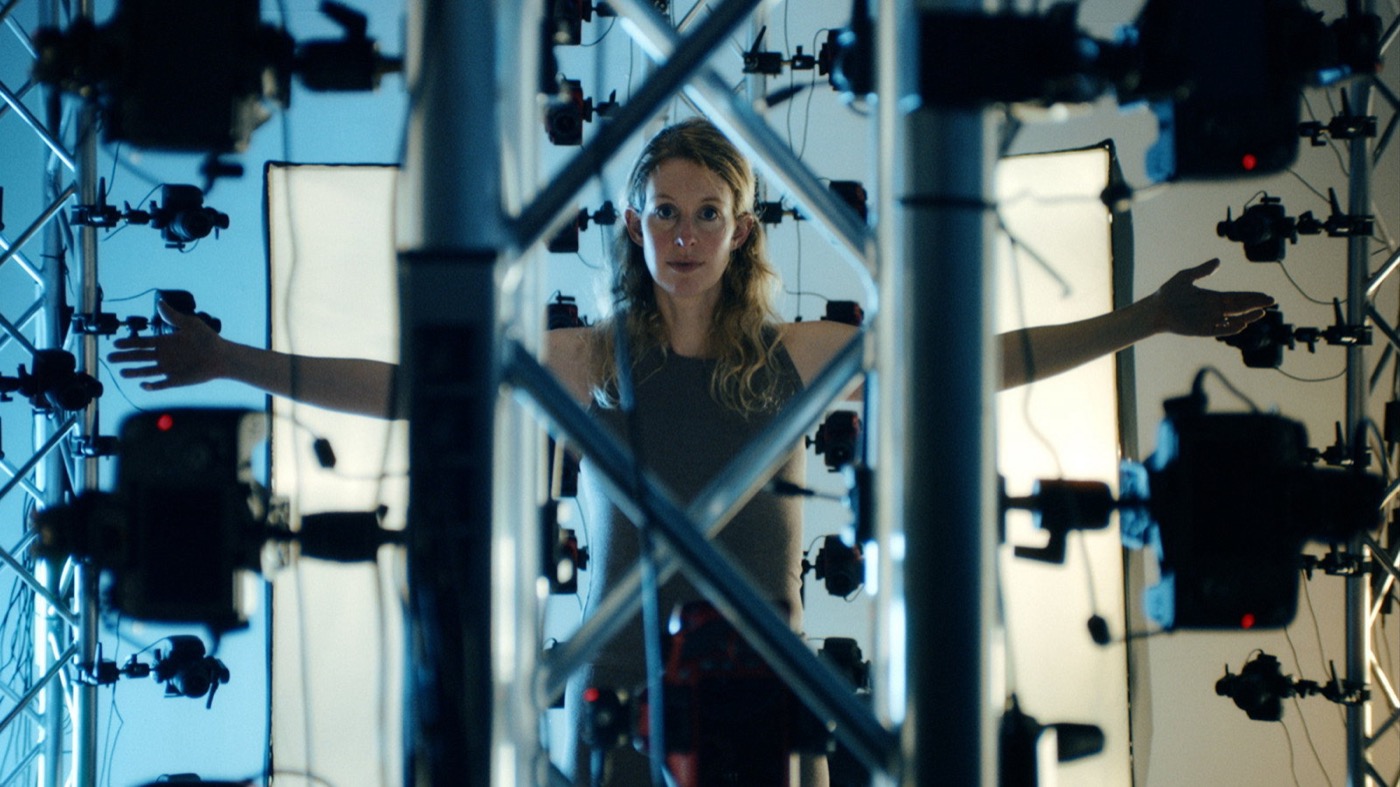
But who’s manipulating whom? Are Holmes and Evans shaping their own story in front of the camera, perhaps for each other’s benefit, or are the filmmakers using their considerable talents to construct the ultimate celluloid mystery of deception and intrigue? Fact and fiction are blended so skilfully that it becomes almost impossible to tell where one ends and the other begins.
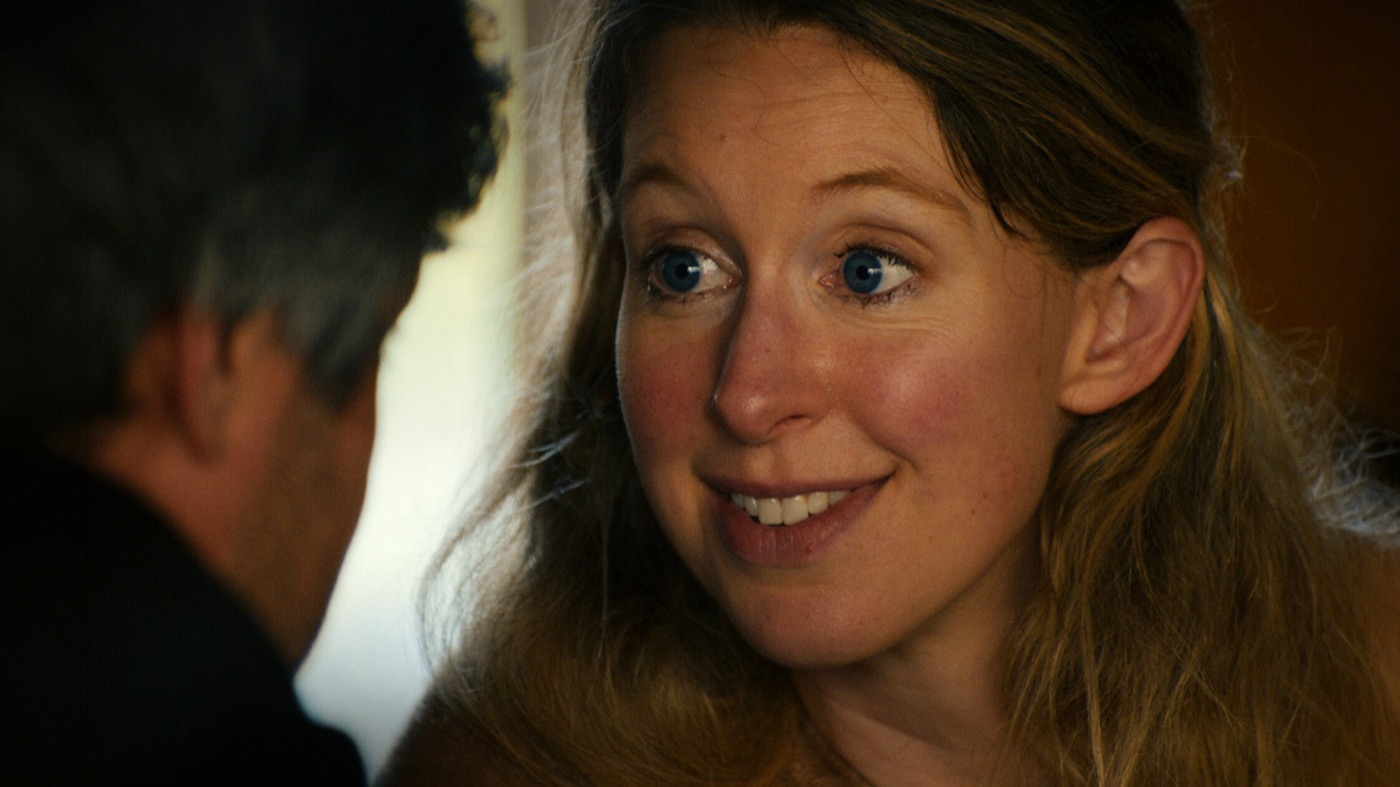
Being the sceptical interviewer, Fielder finds himself confronted by Holmes’s slippery persona. Her often unflinching expressions and wide-eyed stare project an image of honesty and vulnerability to both him and the viewer. At times, it’s frankly unsettling, but it makes for compelling viewing. In one sequence, as she discusses how she never lets people see her cry, tears begin streaming down her face. Is it intentional? If so, she’s an incredible actor in her own right. Or is she genuinely delusional, fully convinced of her innocence?
Another standout scene that might offer insight into Holmes’s state of mind comes when Fielder shows her Abbott and Costello’s famous “Who’s on First?” sketch, following an earlier conversation that hints at a possible cognitive issue. Holmes argues that when she told investors Theranos had a device that “can” perform hundreds of blood tests, she meant it in a theoretical sense: the device had the potential to do so once the chemistry was perfected. Fielder points out that investors would naturally interpret “can” to mean the device was already operational. Holmes appears genuinely baffled by the distinction.
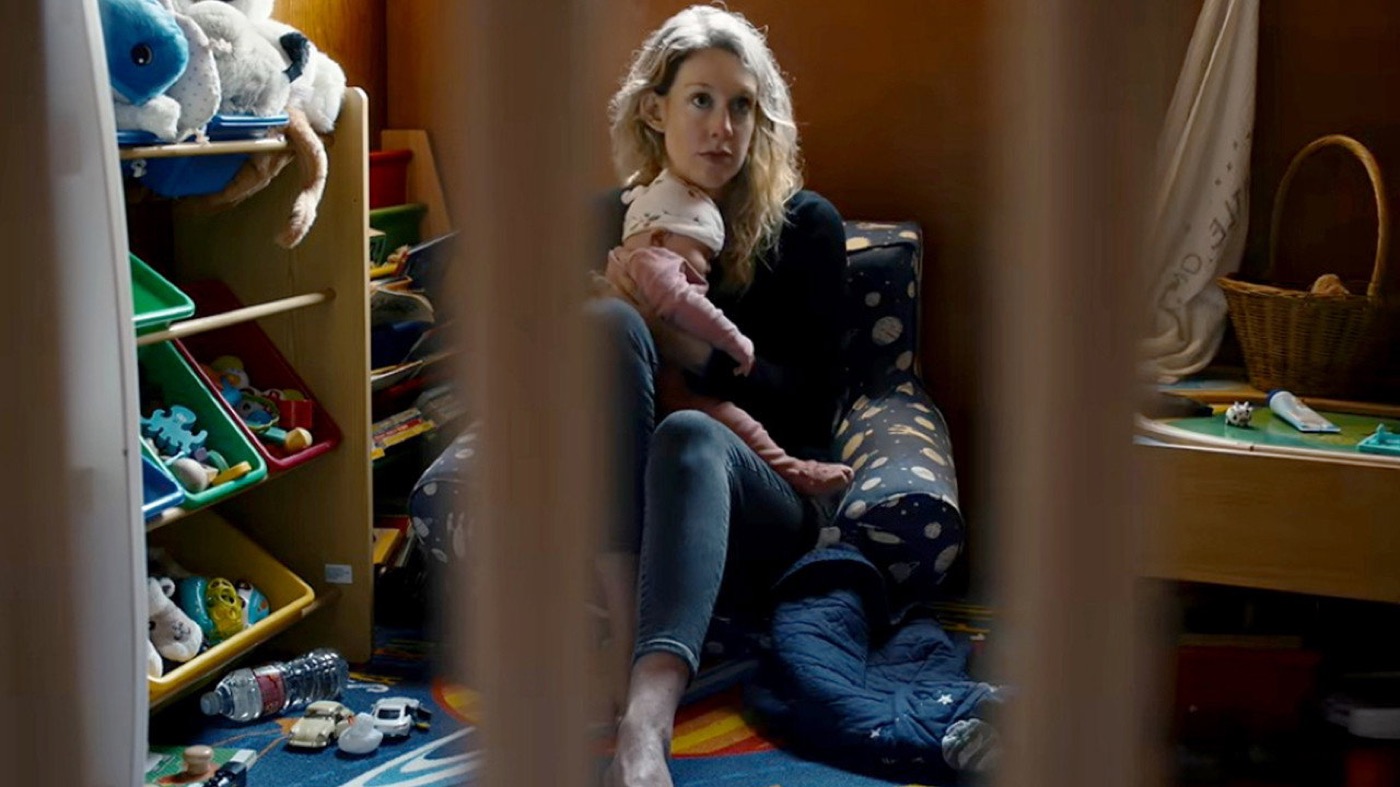
While the clip plays, she laughs politely but struggles to explain the joke, failing to recognise its central pun: “Who” is both a question and the first baseman’s name. Instead, she vaguely suggests that the humour comes from the men talking over one another and repeatedly misunderstanding each other, without ever establishing who’s playing first base. Once again, is this an act, or does she genuinely fail to understand?
As the film progresses, we see Fielder becoming increasingly frustrated by Holmes’s insistence that she’s being completely honest — a position she maintains until the moment she finally heads off to prison. What follows, including the Seyfried reenactments mentioned earlier and some revealing revelations about her somewhat problematic partner, Billy Evans, is every bit as engaging, disturbing and perplexing as what came before.
Ultimately, one thing remains clear: You Can See Everything is an extraordinarily bold, brilliantly constructed piece of filmmaking that refuses to provide easy answers. That’s precisely what makes it so memorable. It’s a masterpiece, and I can’t recommend it enough.
USA | 2026 | 174 MINUTES | 1.33:1 | COLOUR | ENGLISH

directors: Nathan Fielder & Lance Oppenheim.
starring: Elizabeth Holmes, Billey Evans, Nathan Fielder & Amanda Seyfried.