THE DEEP BLUE SEA (2011)
The wife of a British Judge is caught in a self-destructive love affair with a Royal Air Force pilot.


The wife of a British Judge is caught in a self-destructive love affair with a Royal Air Force pilot.
Passion and placidness are at war in Terrence Davies’s The Deep Blue Sea, an adaptation of Terence Rattigan’s 1952 play of the same name. Our instincts as film viewers, honed by cinema’s informal education, lead us to seek out passion in art, while life has a way of pushing us towards placidness. Davies, evidently, isn’t too keen on either option. Passion inspires fury and irrational behaviour, leaving characters quick to anger and unable to reconcile their pasts with their present circumstances. But remaining stuck in one place in life is a slow death, built on a similarly deranged structure.
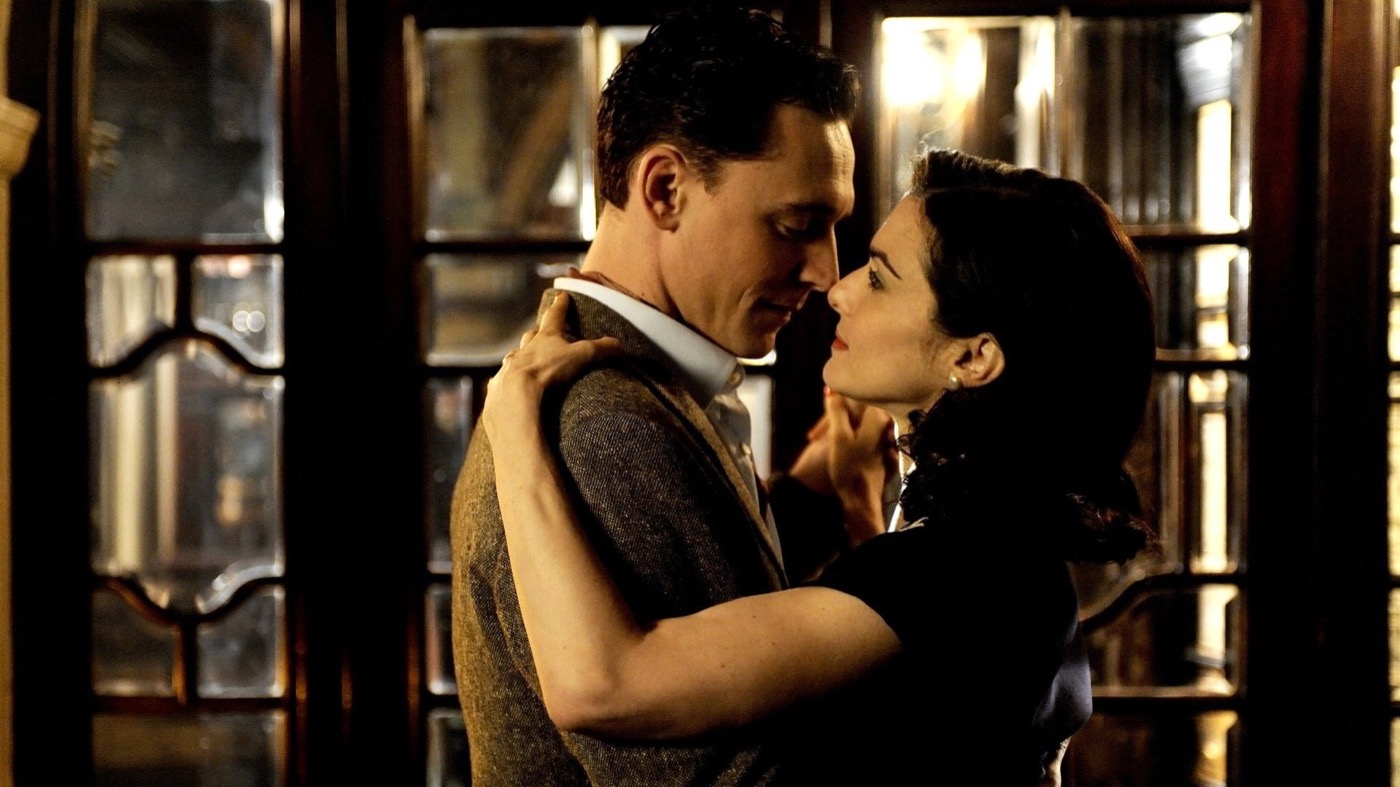
Hester Collyer (Rachel Weisz) must confront this dilemma. The wife of a High Court judge, Sir William Collyer (Simon Russell Beale), she’s drawn into an extramarital affair with former RAF pilot Freddie Page (Tom Hiddleston), threatening to upend her life and identity. Hester’s marriage is comfortable but devoid of passion, while her fiery relationship with Freddie is tumultuous in all the right and wrong ways. Caught between these different ways of living, Hester is trapped by her own choices, unwilling to give up either man, even though this state of limbo can’t last. As a result, The Deep Blue Sea surges with passion in select moments, but aches for most of its runtime with the tragic notes of a wistful, melancholic drama.

It’s easy to imagine anguished inner monologues from each character, suggesting a drama better suited to the stage. At the same time, Davies creates imagery so gorgeously and subtly textured that The Deep Blue Sea seems made for the cinema. It moves erratically through time and space, spanning a listless marriage and an impassioned affair while hinging on one particularly important day in Hester’s life. You never quite know what to expect. Davies is well practised in this technique, having honed it in his first film, Distant Voices, Still Lives (1988), more deftly than most directors ever could. In that film, the English filmmaker revisits his childhood in a semi-autobiographical tale of three siblings forced to reckon with their father’s brutality and the conflicting images they hold of him.
Distant Voices, Still Lives is both an extraordinary critique of nostalgia and a tribute to it. Somehow, it finds its identity not in a weak-willed compromise between the two, but by fully embodying their distinctive qualities in almost every scene. None of this would be possible without the film’s unpredictable rhythm: you can never be sure which point in time it will shift to next. Though The Deep Blue Sea has a more traditional narrative on the surface, it similarly lends an air of unpredictability to Hester’s life, which seemed desperately ordinary before Freddie arrived. He’s the powder keg and the match that lights it, upending all her previous notions of who she is and who she was destined to be. While most films use such sparks of new thought as beacons of hope and irrepressible light, Davies understands that this isn’t always welcome. It might even bring about Hester’s ruin. But it’s a slow, melancholy ruin, realistic enough to feel almost routine at times.
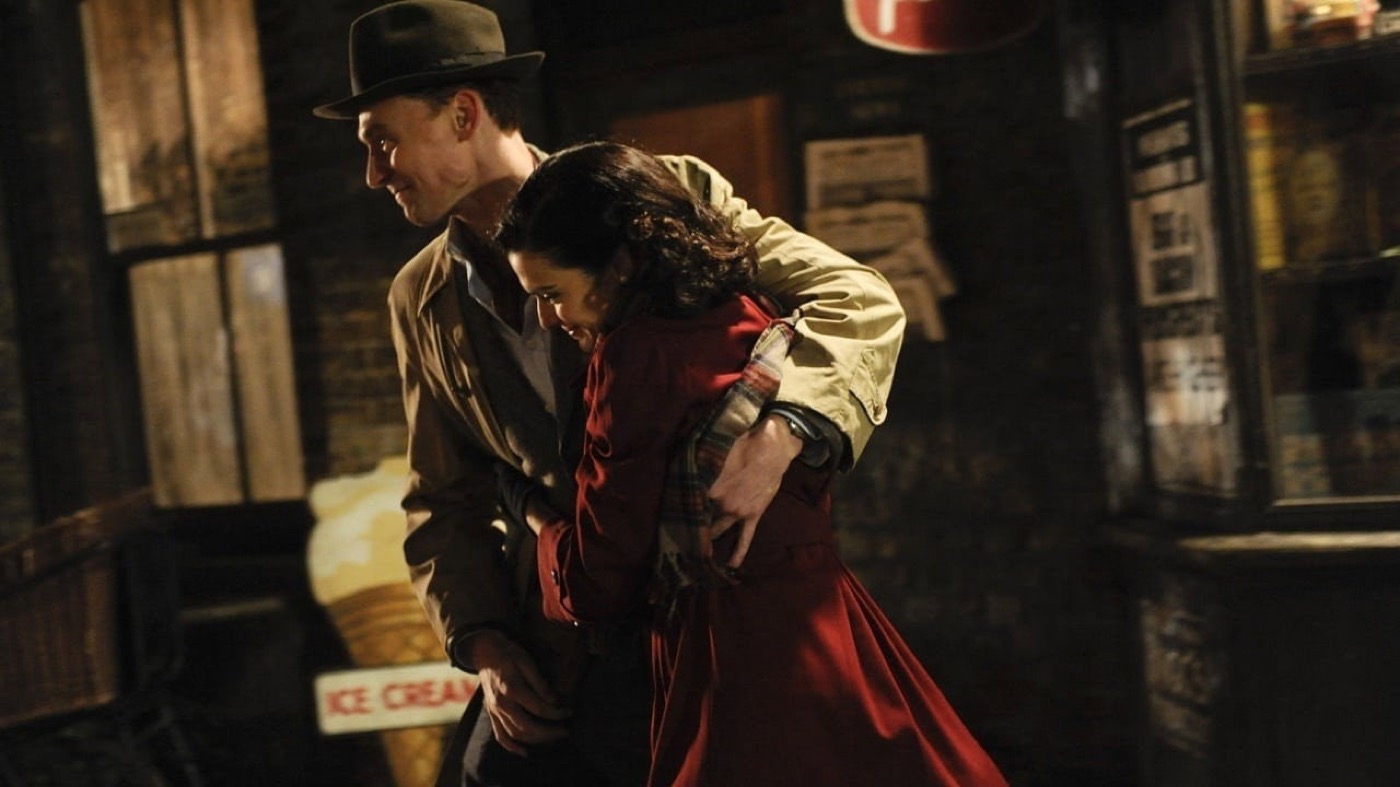
As a result, The Deep Blue Sea is both placid and emotionally charged. But unlike Distant Voices, Still Lives, it doesn’t balance these contrasting tones and perspectives as easily. Instead, some scenes fall into one category, others into the other, while a third group oscillates between both. As in Davies’s debut, there’s no way to know which timeline you’ll enter next. The film’s loose structure also makes it impossible to guess whether a scene will last 60 seconds or more than ten minutes. Told straightforwardly, this story would be desperately dull. Davies is so adept at playing with time that watching the film becomes an act of reverence for a master director working in his element.
The film also feels deeply personal, though it isn’t literally autobiographical. Davies’s life — or at least what’s publicly known about it — seems marked by repression and fear, and he was both open and guarded about his personal life. This made him an ideal director for period pieces about loveless marriages and famous poets, as in A Quiet Passion (2016) and Benediction (2021), as well as New York socialites, as in his adaptation of Edith Wharton’s The House of Mirth (2000). Heritage films and period pieces are often staid, but Davies subverts those expectations without injecting punk-rock energy. These remain quiet, nuanced cinematic experiences, yet passion, fury and sorrow well up beneath the surface, creating ripples of conflict that time can erase cruelly easily, yet that remain just as cruelly potent in the present.
Still, The Deep Blue Sea never quite creates the full portrait of desire and heartache it seeks through its non-linear storyline, especially when Hester and William’s marriage is barely explored before she meets Freddie. Too much of the film is devoted to tragedy; its powerful notes of darkness sink their teeth into viewers, leaving little room for happier moments to contrast with what lurks beneath the surface of these lives. The film unravels too quickly, then drifts into a slow freefall until the closing credits, depicting a singular kind of slow death.
By consistently prioritising melodrama, The Deep Blue Sea becomes placid in its own right, rather than simply conveying this quality in its characters’ lives. Its misshapen structure is always interesting, but it softens its brutal pangs into a mild-mannered dourness.
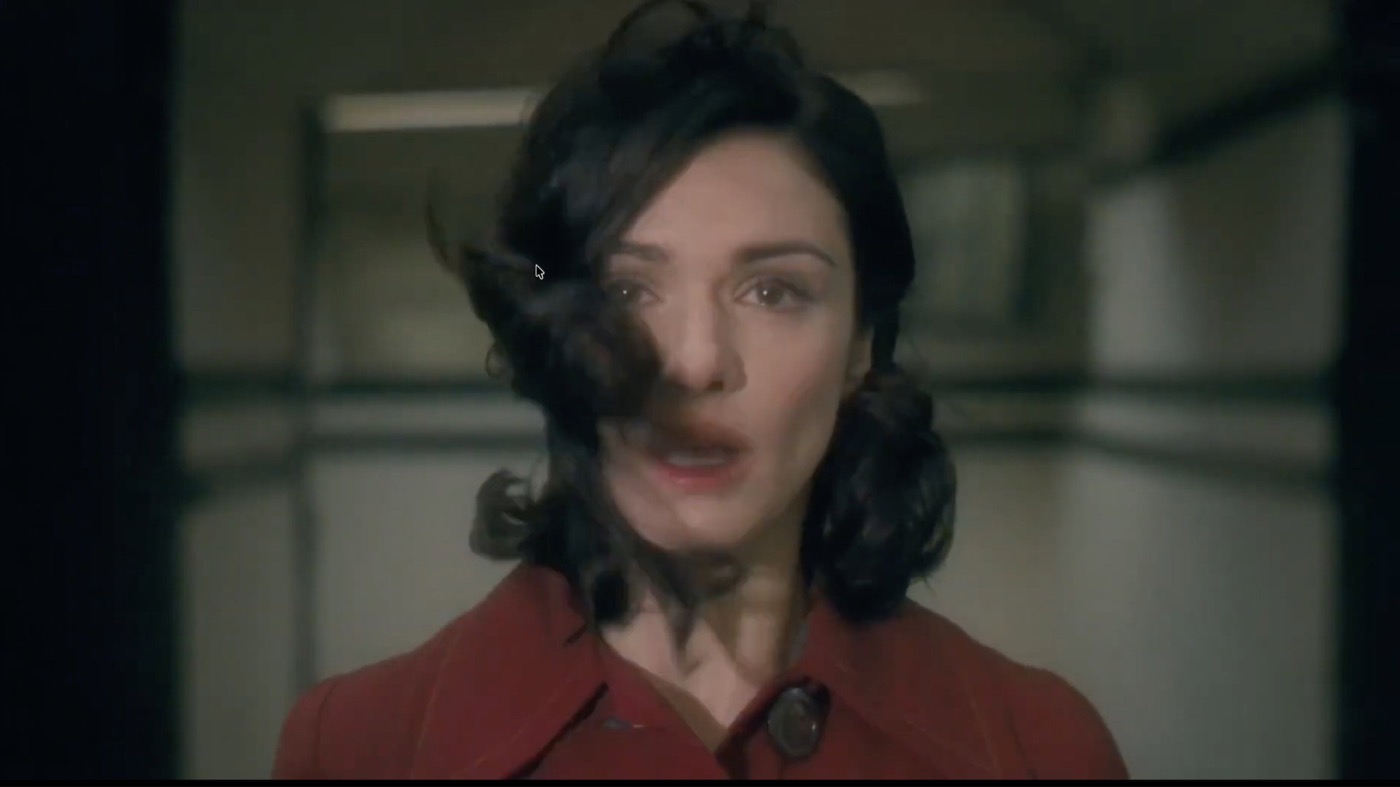
In the film’s finest moments, Hester is adrift from other people and unmoored even from herself. There are no answers, only endless wandering between two polar-opposite lovers and lifestyles, neither of which offers lasting relief from despair. Wading through this territory is uncomfortable, all the more so when we’re confronted with Rachel Weisz’s haunted expressions. The actress carries much of the film’s lasting power. Even when the plot gradually fades from memory, the image of Weisz’s shell-shocked eyes and silent sorrow lingers. It’s almost as if Hester is fading before our eyes. Weisz turns her into the imprint of a half-forgotten memory, tinged with melancholy and wistfulness — qualities Davies portrayed so keenly throughout his decades-long career.
UK • AUSTRALIA | 2011 | 98 MINUTES | 1.85:1 | COLOUR | ENGLISH

director: Terence Davies.
writer: Terence Davies (based on the 1952 play by Terence Rattigan).
starring: Rachel Weisz, Tom Hiddleston, Simon Russell Beale, Harry Hadden-Paton, Ann Mitchell, Sarah Kants, Karl Johnson, Barbara Jefford & Oliver Ford Davies.