THE SCREAMING SKULL (1958)
A newly-wed woman believes the ghost of her husband's deceased first wife is haunting her at an eerie Southern mansion.


A newly-wed woman believes the ghost of her husband's deceased first wife is haunting her at an eerie Southern mansion.
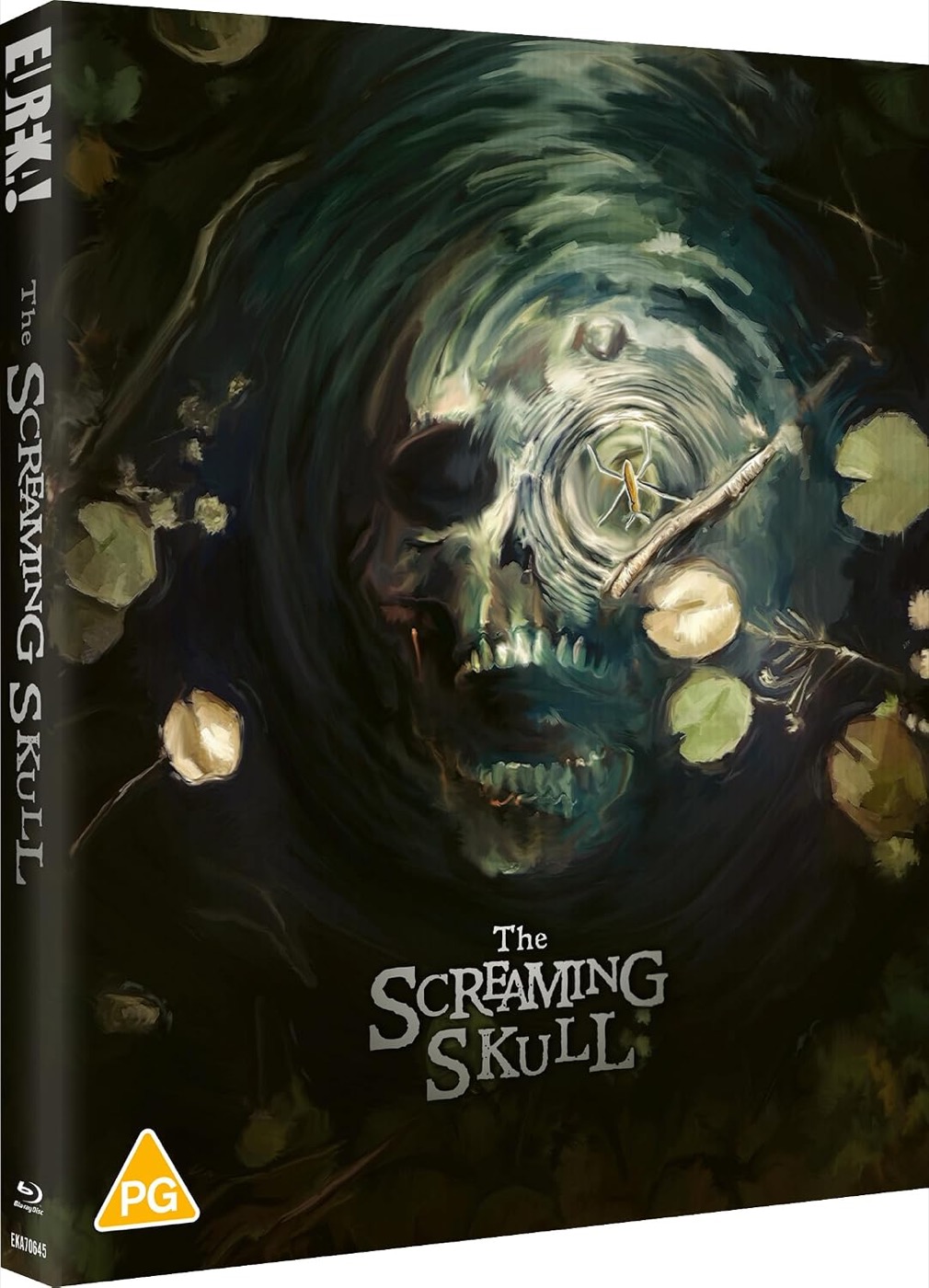
As an example of classic Gothic horror, The Screaming Skull may not be the finest, especially when compared with films that followed soon after, such as The Mask of Satan (1960), The Innocents (1961), Night of the Eagle (1962), and The Haunting (1963). However, this pristine print, presented on a limited-edition Blu-ray from Eureka Classics, will be welcomed by B-movie fans, especially those who first encountered it in their formative years and still view it with nostalgic affection.
From the mid-1950s to the 1980s, American International Pictures was synonymous with B-movies, making some of the best and worst the genre has to offer. Its initial mission was to dominate the drive-in and exploitation markets by turning out films quickly and getting them on as many screens as possible. The studio was known for captivating young audiences with double bills of cheap thrills that television couldn’t provide. Alex Nicol’s The Screaming Skull is an above-par example of that strategy, deploying all the right tropes at all the right moments. Still, the studio felt the need for an extra promotional push: a novelty gimmick.
Before the titles, the camera tracks slowly towards a coffin. It opens to reveal an invitation card that reads, ‘Reserved for You’. The narrator warns us that the film is so frightening it could kill us. But there’s no need to worry: the producers will cover the funeral expenses of anyone who dies of fright. Thus, we’re primed to expect little more than cheesy B-movie fare. For modern audiences, the story’s beats can feel terribly predictable, but a surprise in the final act rescues it from outright cliché. The twist would have been genuinely refreshing in 1958 and may still delight viewers unfamiliar with the story.
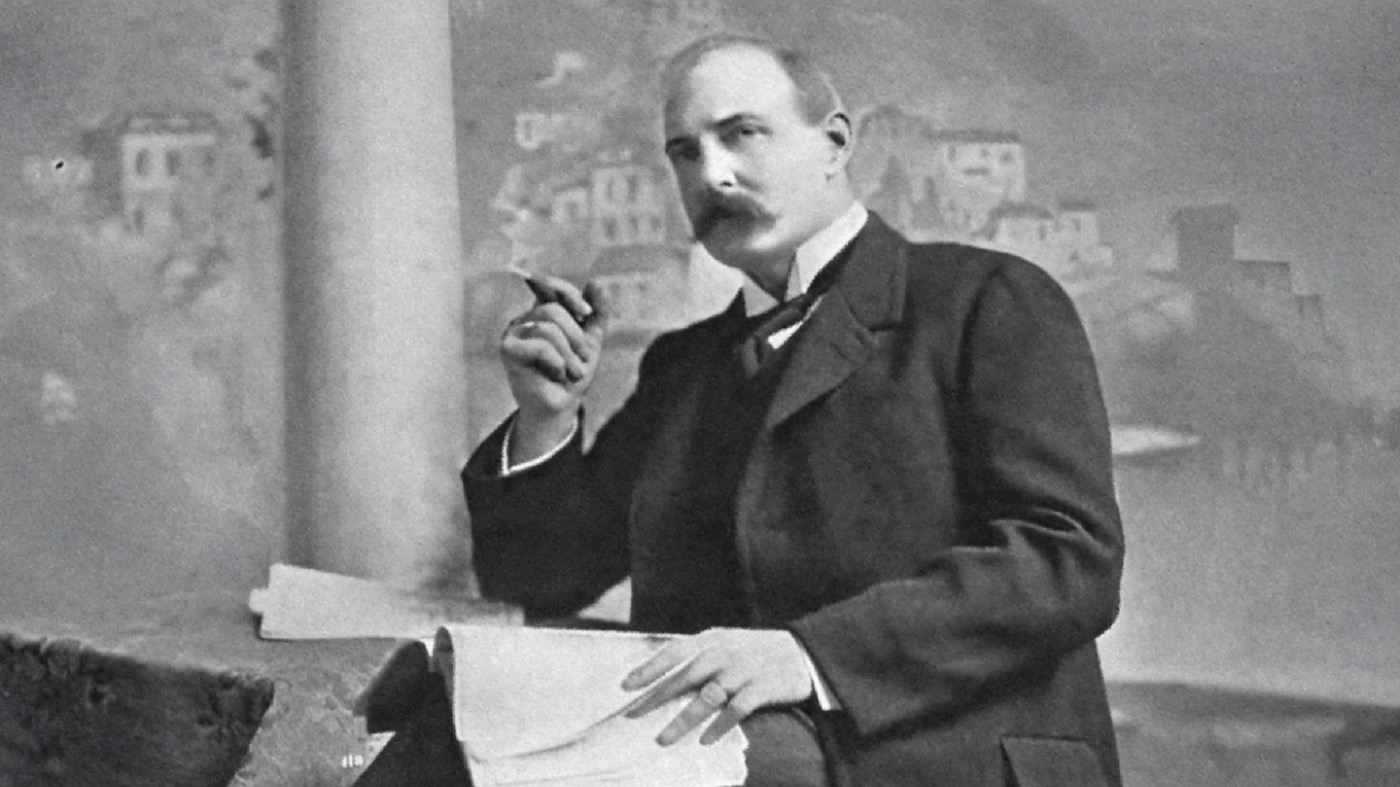
Apparently, director Alex Nicol pitched the film as a remake of Alfred Hitchcock’s Rebecca (1940), but with a twist. The pitch was persuasive enough to secure the financing and bring the initially reluctant Peggy Webber on board in the lead role. The story combines elements of Hitchcock’s film with those of the short story from which it takes its title. John Kneubuhl, an experienced television writer, was tasked with adapting F. Marion Crawford’s macabre murder mystery, first published in Collier’s magazine in 1908. Kneubuhl retains the central mystery of a possibly possessed skull belonging to a murdered woman, but weaves it into a contemporary setting. In the opening scenes, Eric Whitlock (John Hudson) and his new wife, Jenni (Peggy Webber), arrive at their country house in a beautiful Mercedes-Benz 300 SL ‘Gullwing’ coupé.
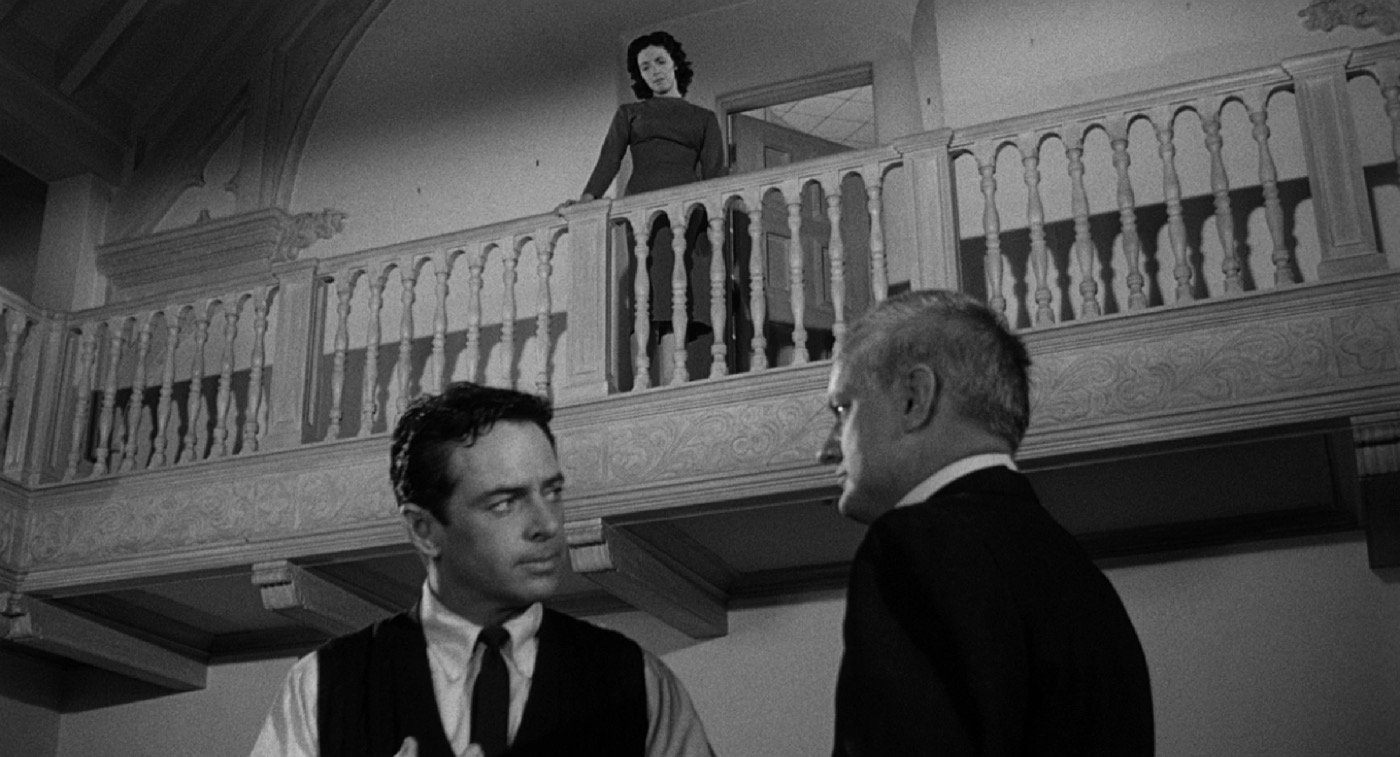
So we know straight away that they’re wealthy, right? We never get the full story of Eric’s first marriage, but soon realise that the estate and its extensive grounds were built with money from his late wife’s family. When Eric carries Jenni over the threshold, she’s surprised by the sparse décor. He explains that he had all the furnishings removed so she could make the house her own, without constant reminders of his beloved late wife, Marion.
Filmed over about six weeks at the disused Huntington Hartford Estate in the Hollywood Hills, which was undergoing refurbishment, the film makes good use of the main house and the more ramshackle parts of its overgrown grounds. The estate had been the grand Californian home of George Huntington Hartford II, who dabbled in the film industry and produced a handful of films, including Abbott and Costello’s Africa Screams (1949) and James Whale’s final film, Hello Out There (1950).
Hartford was a generous patron of the arts. He also had a collection of outbuildings designed or renovated by Lloyd Wright, son of Frank Lloyd Wright. Hartford later established a thriving artists’ colony, whose members included painter Edward Hopper and radical writer Max Eastman. The grounds may have featured in other AIP productions, but the main house was demolished in the mid-1960s, leaving The Screaming Skull as a unique record of the estate. Apparently, the Lloyd Wright pool house, once known as ‘Errol Flynn’s Pool’, and the main gates can be seen in the remake of Breathless (1983).
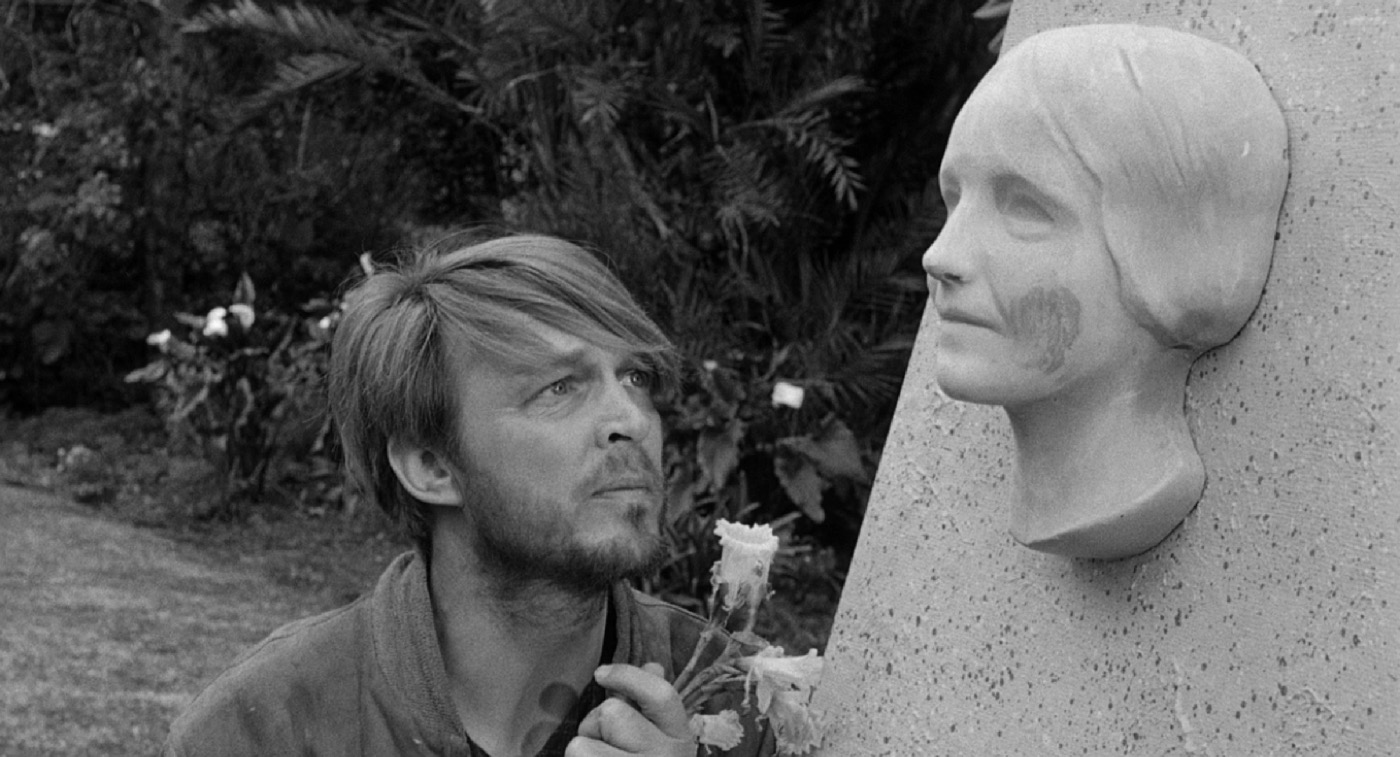
The groundsman, Mickey (Alex Nicol), has let things slide since Marion died, and Eric presents him as a well-meaning simpleton. Yet Mickey is often seen lurking in the foliage and watching what’s going on, giving the impression that he knows more than he lets on. He tends Marion’s memorial, keeping the flowers in the urns fresh, and claims to hear her crying. He also keeps one of her dresses and sunhats in the potting shed.
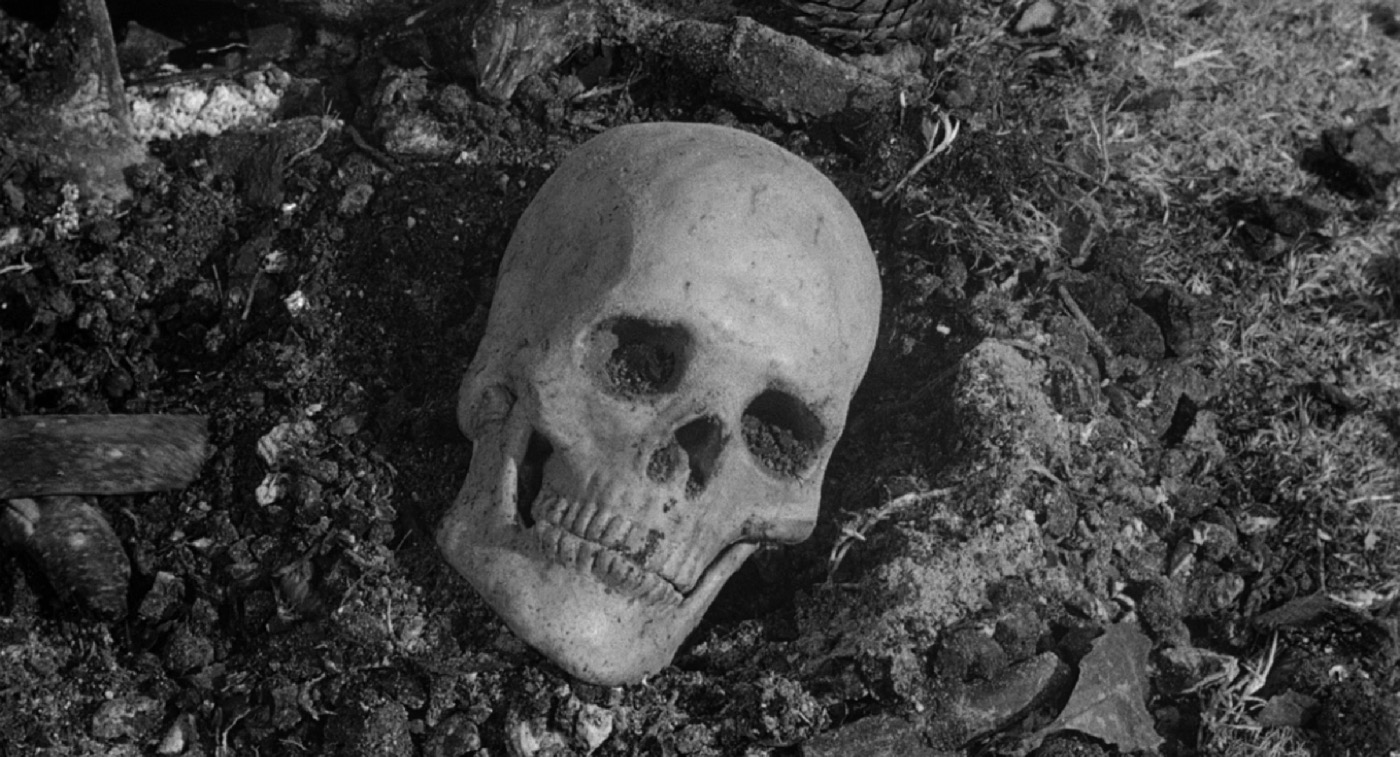
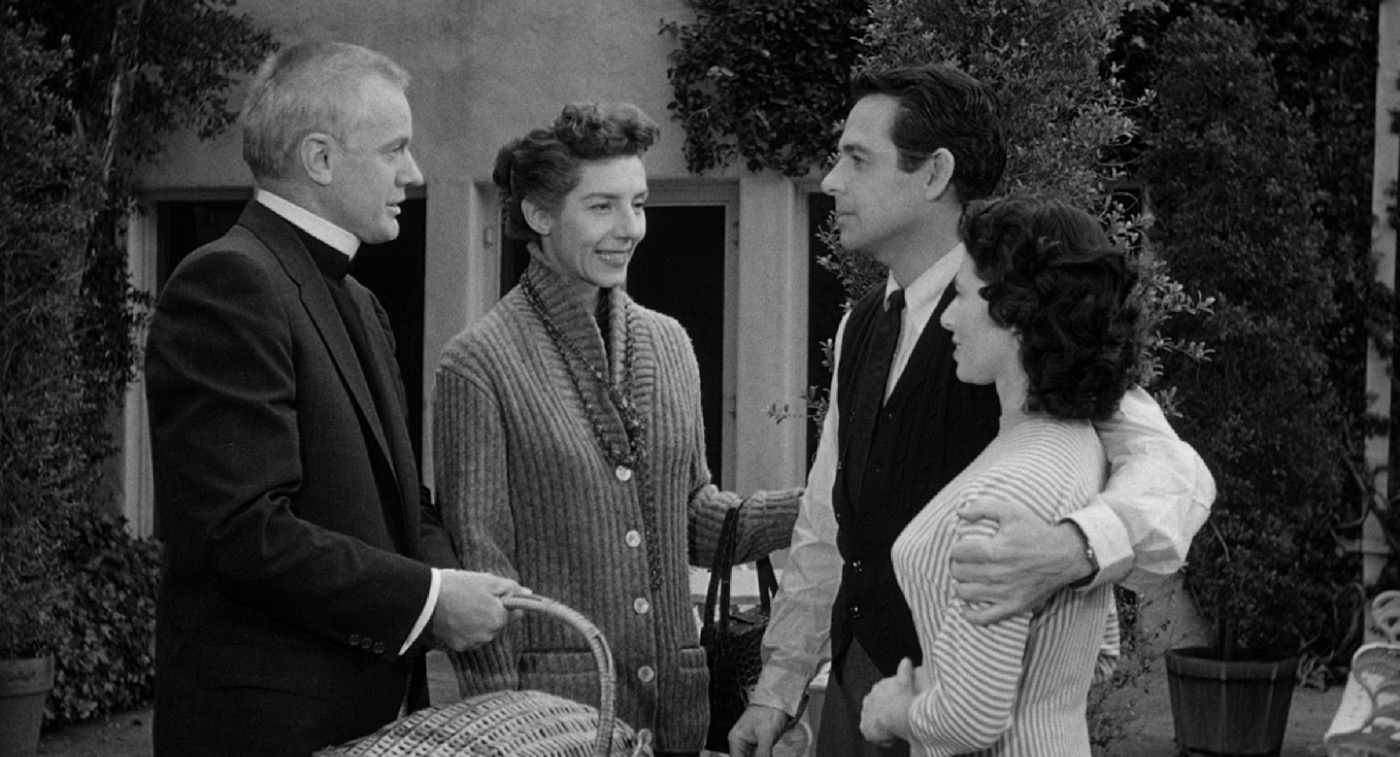
It isn’t long before inexplicable things begin to happen, mainly at night, when Jenni is alone. First, unlatched windows bang in the breeze, and eerie screams echo through the grounds. Eric dismisses them as the cries of peacocks. But when Jenni finds a skull in an old wardrobe and it has vanished by morning, he can only explain it away as her imagination or a bad dream. He tells the Reverend Edward Snow (Russ Conway) and Mrs Snow (Tony Johnson) that Jenni is recovering from a nervous breakdown after helplessly watching her parents drown in a boating accident. He asks them not to remind her of the incident or talk about death.
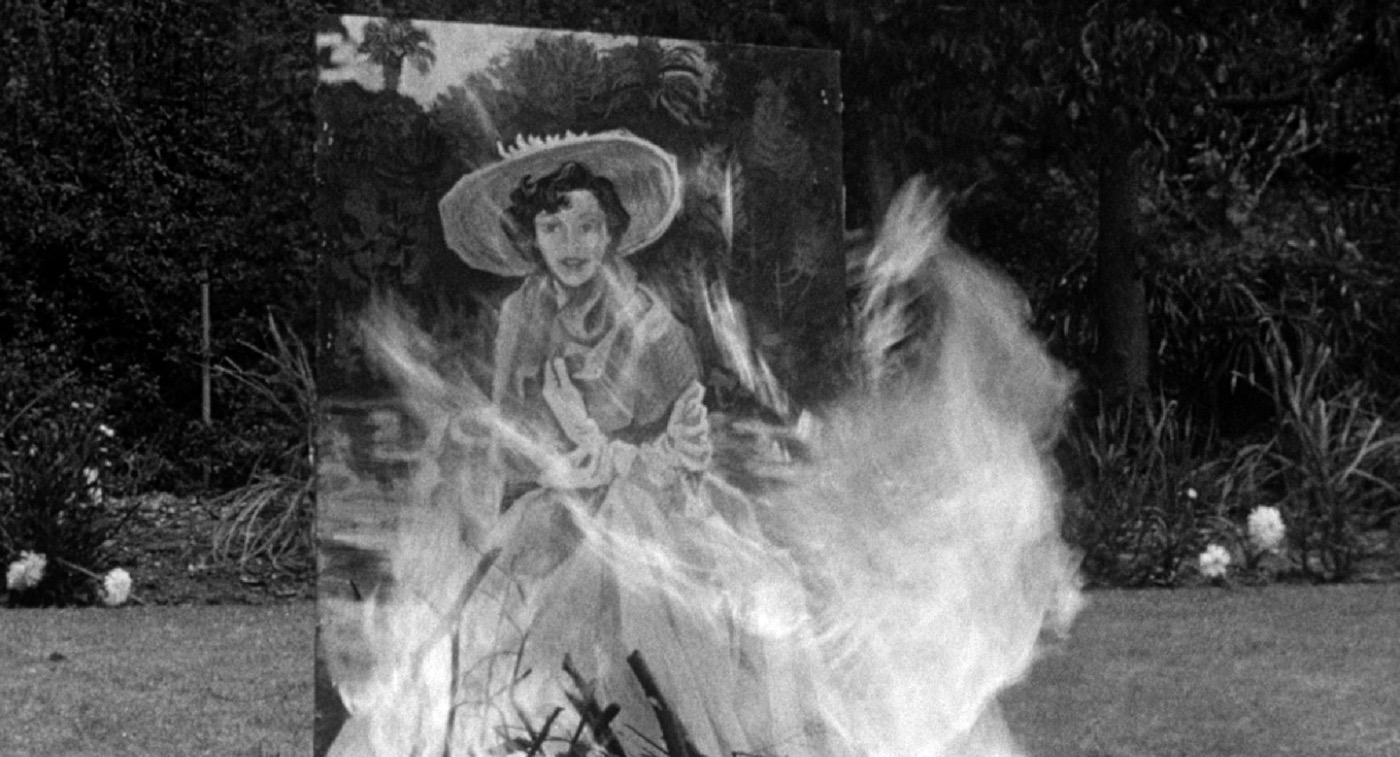
Unusually for a woman in a 1950s film, Jenni refuses to be stigmatised and speaks openly to Edward about her past. She notes that a painting of Marion bears a disturbing resemblance to her mother. The Reverend satisfies her curiosity by recounting how Marion slipped during a storm and drowned in the lily pond.
The film was made on a shoestring, and Nicol cut costs further by taking the key role of Mickey himself. That left just four other cast members and, if you’ll forgive the pun, a skeleton crew. Despite the limitations of budget, schedule and personnel, the filmmakers fashioned a pleasing little mystery thriller, with overt Gothic stylings that work to varying degrees.
The film was shot by Floyd Crosby, who won an Academy Award for his first film, Tabu: A Story of the South Seas (1931), and later received a Golden Globe for High Noon (1952). Crosby makes attractive use of flickering shadows and shoots a few moody tracking shots around the mansion’s exterior at night. The backlit, translucent gowns anticipate the visual style of classic Hammer Horror. Some unnecessary top lighting, however, tends to flatten the image. This was common in quick, cheap productions, but here it feels more like studio-bound television than cinema shot on location.
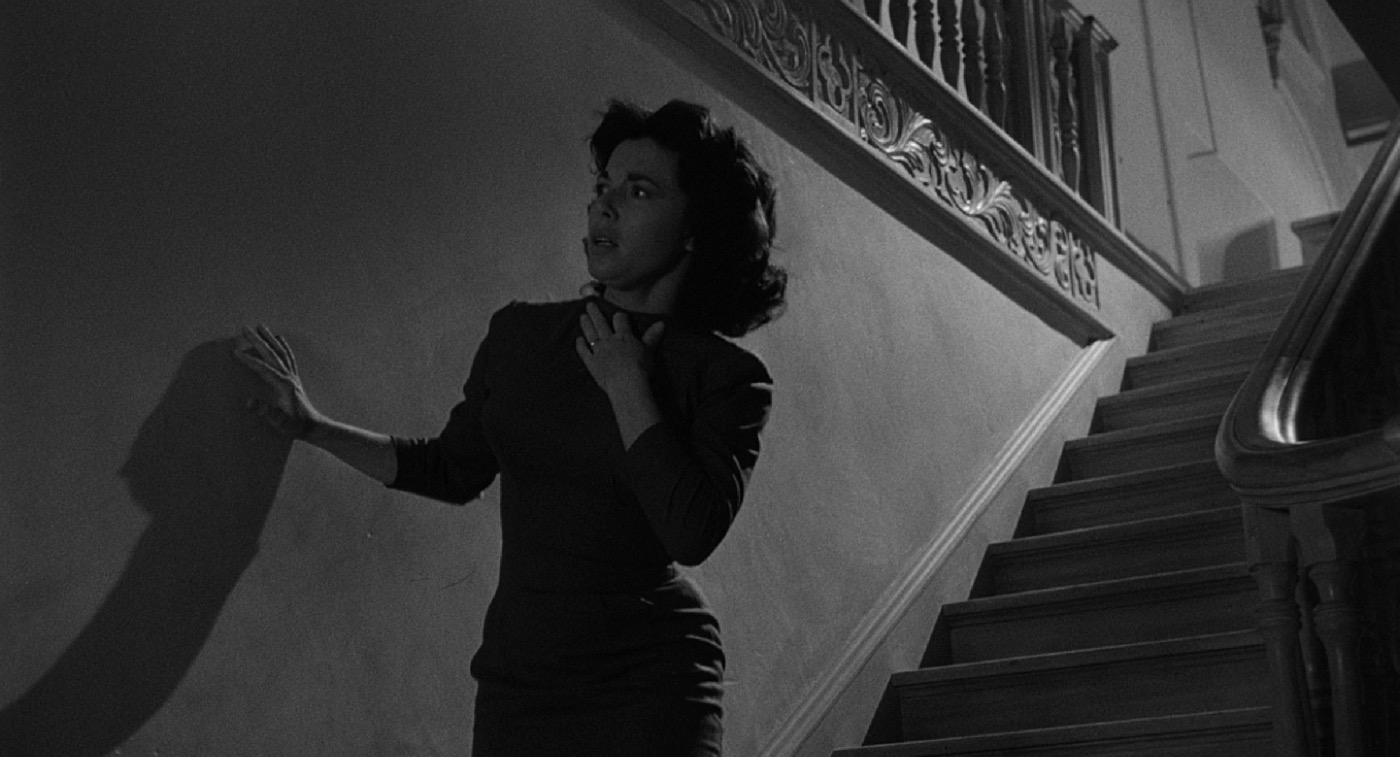
Crosby was no stranger to shoestring filmmaking. He had already shot 11 Roger Corman films, from Five Guns West (1955) to Machine-Gun Kelly (1958), and the pair would make 21 films together in total. His skills really blossomed with Corman’s lurid colour classics, beginning with The Fall of the House of Usher (1960) and continuing through to The Tomb of Ligeia (1964), a far superior Gothic film that echoes aspects of The Screaming Skull.
Unfortunately, the visual effects are decidedly ropey, relying on a few poorly executed mechanical tricks and basic superimpositions. Nicol handles their timing well, working alongside editor Betty J. Lane, while Ernest Gold’s grandiose score does much to sell their impact. After a slow set-up and a somewhat dreary first act, the pace eventually quickens considerably, even if many of the scares now land closer to comedy than horror.
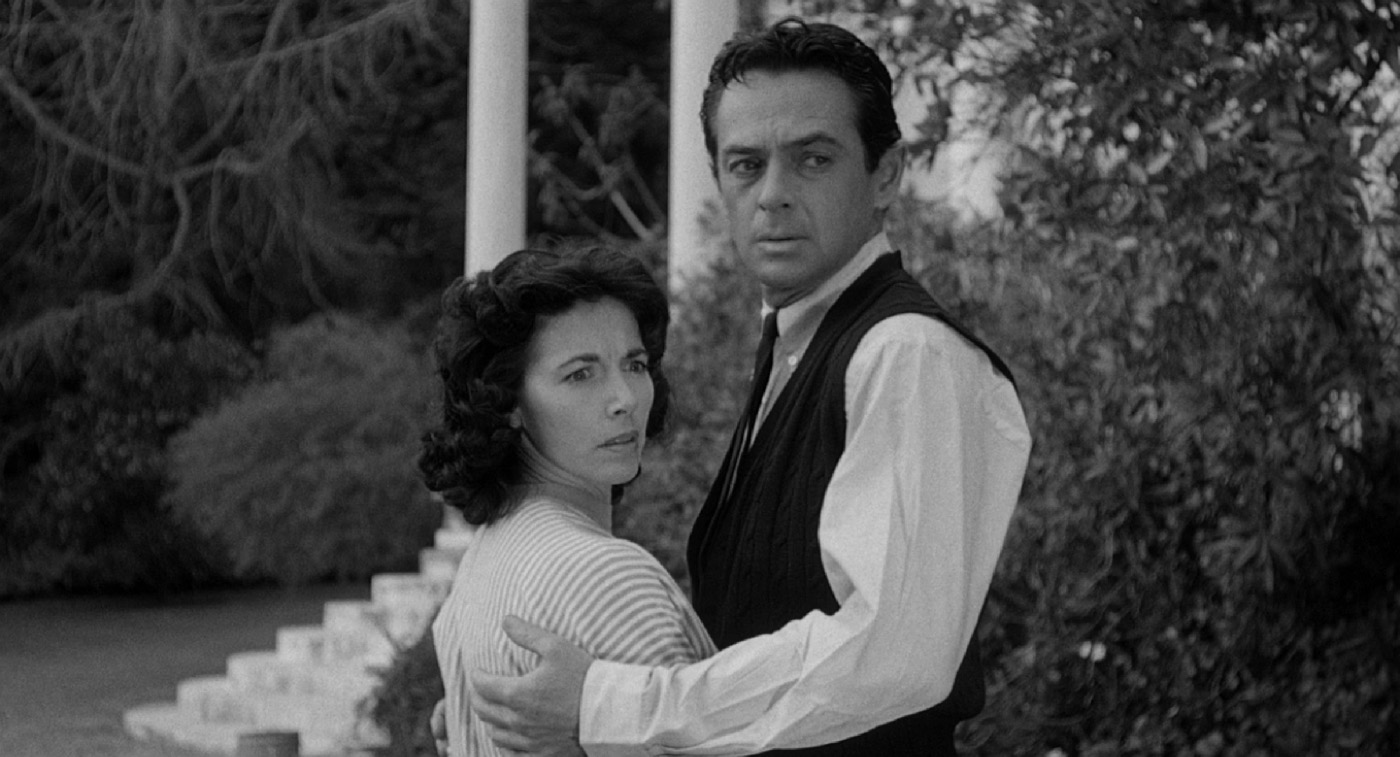
With a more inspired director and a more committed cast, this might easily have become a genre classic. Alas, Nicol approaches the material as though it were an extended episode of Alfred Hitchcock Presents (1955-1965), where he had previously worked on spooky suspense as an actor. The dialogue is often delivered as if dinner is going cold and everyone is distracted and in a rush. This actually helps the villain’s performance, because it emphasises that they’re ‘acting’ a role. Don’t worry: I won’t spoil who it is, even if the answer becomes fairly obvious long before the reveal. If we’re being generous, perhaps the rest of the cast were directed to be equally unconvincing, so that audiences would suspect more than one character.
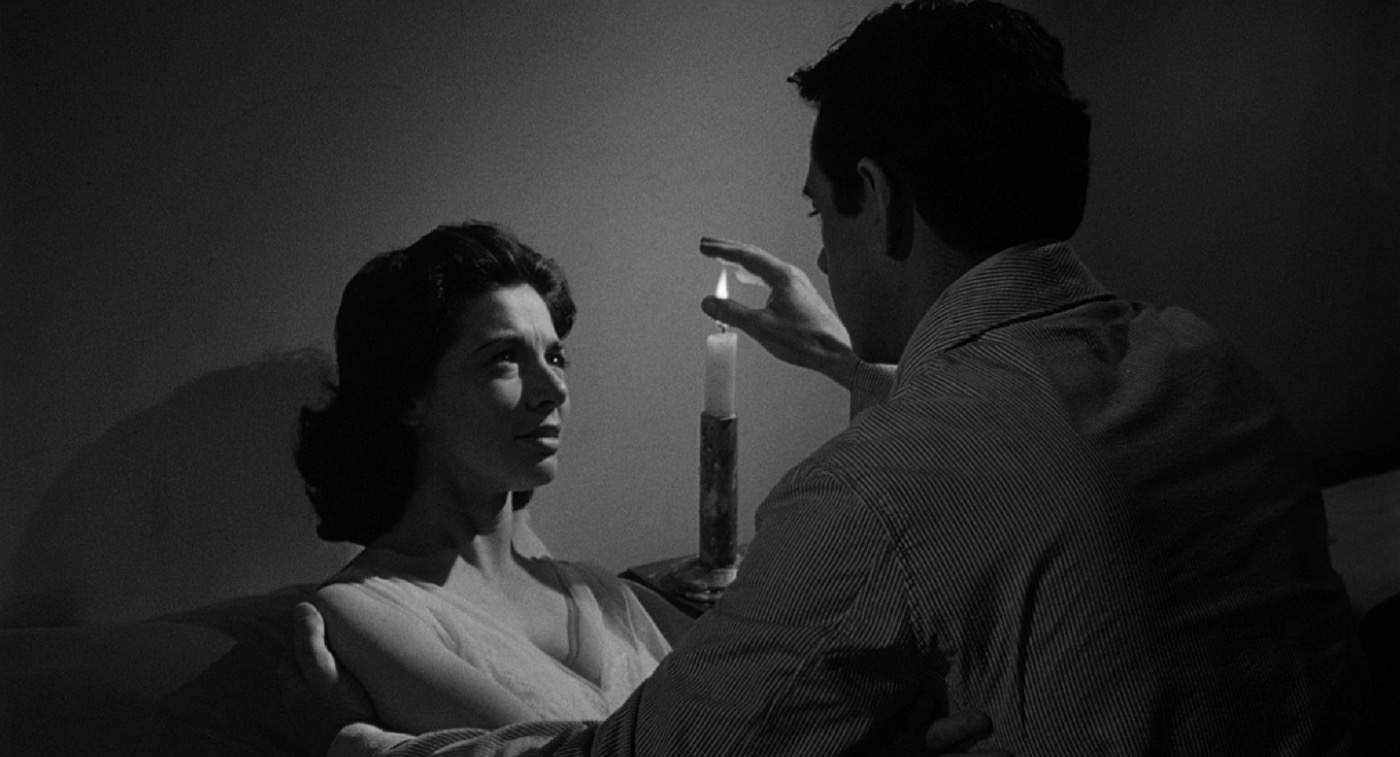
One gets the impression that Peggy Webber’s casting wasn’t based on acting talent alone. When she unashamedly strips down to her wonderfully 1950s underwear, contemporary audiences may have been more than a little startled. After all, this was two years before Psycho (1960), when even showing Janet Leigh in a bra was considered dangerously close to sleaze. That said, Webber does her best with the material, even though the story leans rather heavily on Jenni conveniently fainting on cue more than once.
It isn’t a great film, but there’s still fun to be had. With its PG rating and now quaint scares, it makes for nostalgic, silly Halloween entertainment for the whole family: spooky enough to unsettle younger viewers without traumatising them, daft enough to raise a smile and plotted well enough to satisfy devotees of Gothic mysteries. Those most likely to appreciate it today are fans revisiting it out of nostalgia, along with anyone with a healthy appetite for old-school B-movie hokum.
USA | 1958 | 68 MINUTES | 1.85:1 | BLACK & WHITE | ENGLISH

director: Alex Nicol.
writer: John Kneubuhl (based on the short story by F. Marion Crawford).
starring: Peggy Webber, John Hudson, Russ Conway, Tony Johnson & Alex Nicol.