THE MONSTER SQUAD (1987)
A group of 12-year-olds form a Universal Monsters fan club called Monster Squad and attempt to save their hometown from Count Dracula and his fellow monsters when they show up for real.

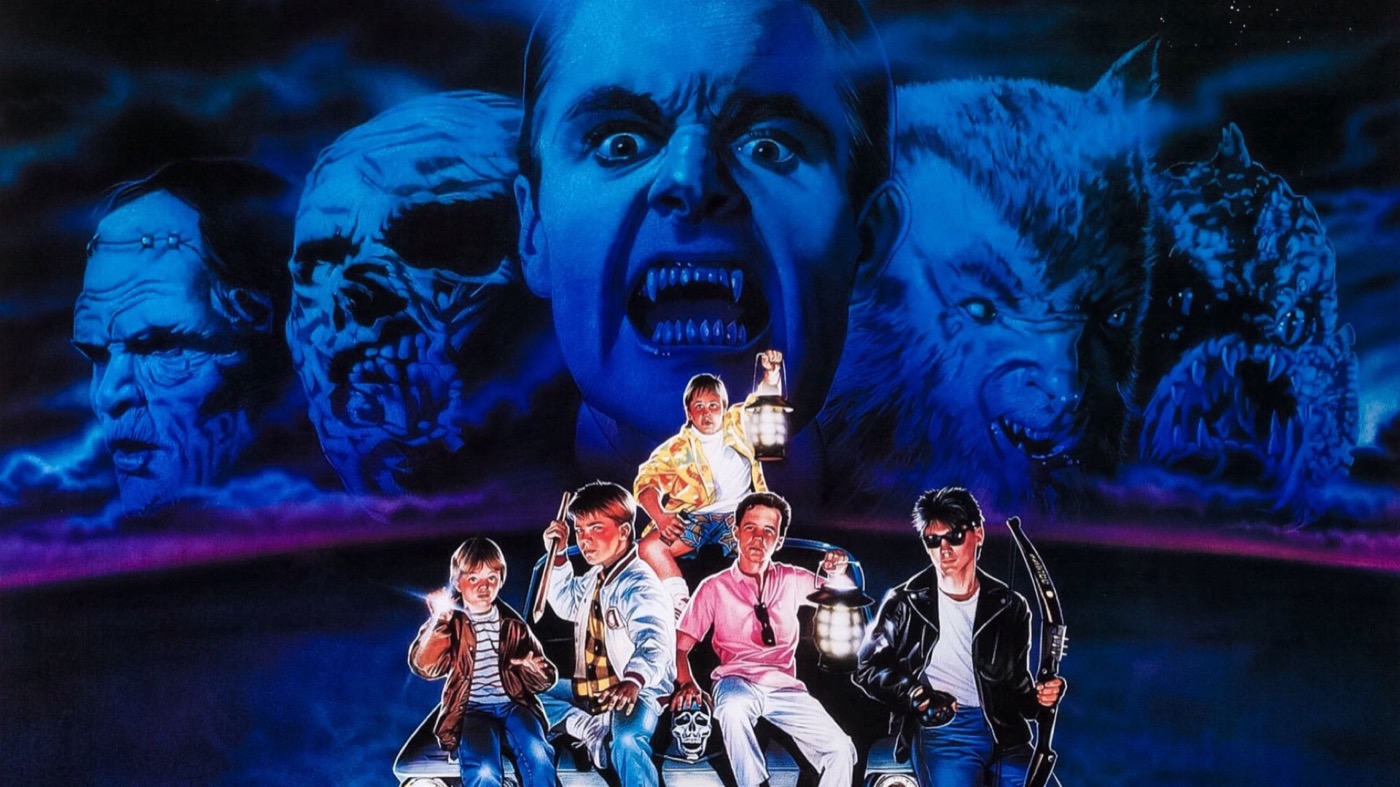

A group of 12-year-olds form a Universal Monsters fan club called Monster Squad and attempt to save their hometown from Count Dracula and his fellow monsters when they show up for real.
There’s something almost romantic about the children’s adventures that emerged during the 1980s. It was a decade in which ordinary suburban streets concealed extraterrestrial visitors, unremarkable neighbourhoods became hunting grounds for pirate treasure, and a seemingly uneventful summer could quickly turn into an adventure of interstellar proportions. Hollywood understood the appeal of seeing the world through a child’s eyes and was willing to invest large production budgets in the rapidly advancing possibilities of the special effects industry. The result was a remarkable cycle of films, such as Steven Spielberg’s E.T. the Extra-Terrestrial (1982), Nick Castle’s The Last Starfighter (1984), and Richard Donner’s The Goonies (1985), which transformed adolescent malaise into something exciting. Their particular vision of the adventure genre helped define the cinematic memories of an entire generation.
Yet, while those behemoths became both cinematic and cultural touchstones, one particular entry from this lineage largely remains absent from the conversation. The Monster Squad may lack the stature of its more celebrated contemporaries, but it contains all the ingredients that made family adventures so irresistible. Co-writers Fred Dekker (Night of the Creeps) and Shane Black (The Long Kiss Goodnight) take the innocence and camaraderie of the decade’s quintessential adventures and combine them with the iconography of classic horror. Together, they crafted a wonderfully strange love letter to Universal’s legendary monsters, filtered through the mischievous energy of the 1980s. Though The Monster Squad continues to be overlooked, it remains one of the decade’s most distinct variations on the adventure genre and deserves to be rediscovered.
Set in an unassuming American town, the story follows young Sean (Andre Gower), who’s obsessed with classic Hollywood’s Universal monsters and serves as the founding member of ‘The Monster Club’. Alongside Patrick (Robby Kiger), Horace (Brent Chalem), Rudy (Ryan Lambert), and Eugene (Michael Faustino), the group spends afternoons in their makeshift treehouse discussing increasingly elaborate methods of dispatching vampires and werewolves. When Sean acquires an ancient diary belonging to legendary monster hunter Dr Abraham Van Helsing (Jack Gwillim), it reveals that a powerful amulet is hidden somewhere in town. According to Van Helsing’s diary, once every century there’s a brief moment when the forces of good and evil reach a precarious equilibrium. If combined with an incantation from the diary, the amulet can open a wormhole between dimensions and banish evil into purgatory.
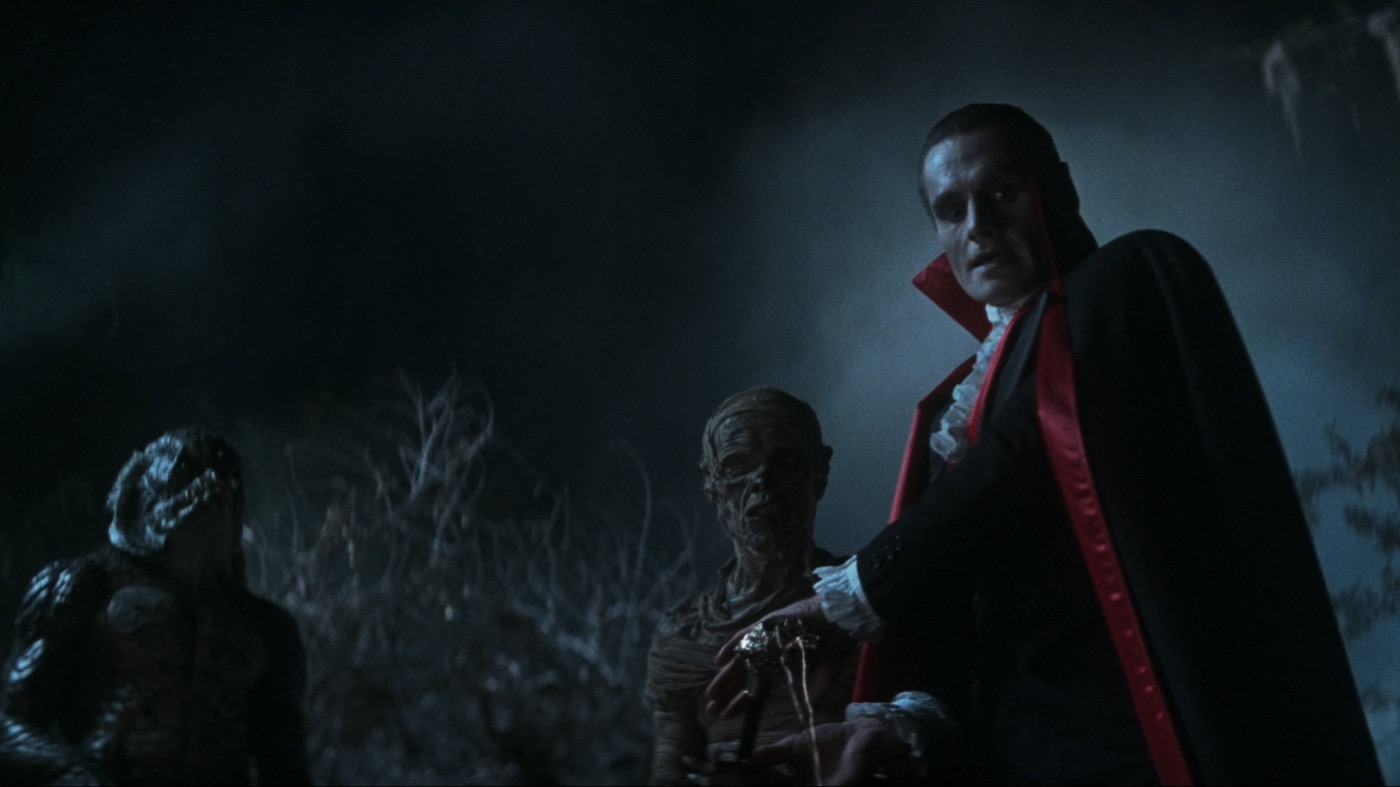
Meanwhile, Count Dracula (Duncan Regehr) has returned to exploit this brief convergence, intending to seize the amulet and plunge the world into eternal darkness. He’s already begun assembling a small army of legendary monsters,including the Wolf Man (Carl Thibault), the Mummy (Michael Reid Mackay), and the Gill-Man (Tom Woodruff Jr.).When Dracula steals a crate recovered from an old World War II bomber containing Frankenstein’s monster (Tom Noonan), his supernatural forces are complete. Discovering that the monsters they once regarded as legends have descended on their town, Sean and his friends rebrand themselves as ‘The Monster Squad’ and prepare to confront Dracula and his grotesque collection of villains. Armed with Van Helsing’s diary and an encyclopaedic knowledge of classic horror cinema, they must prevent the Prince of Darkness from tearing open the gateway to evil.
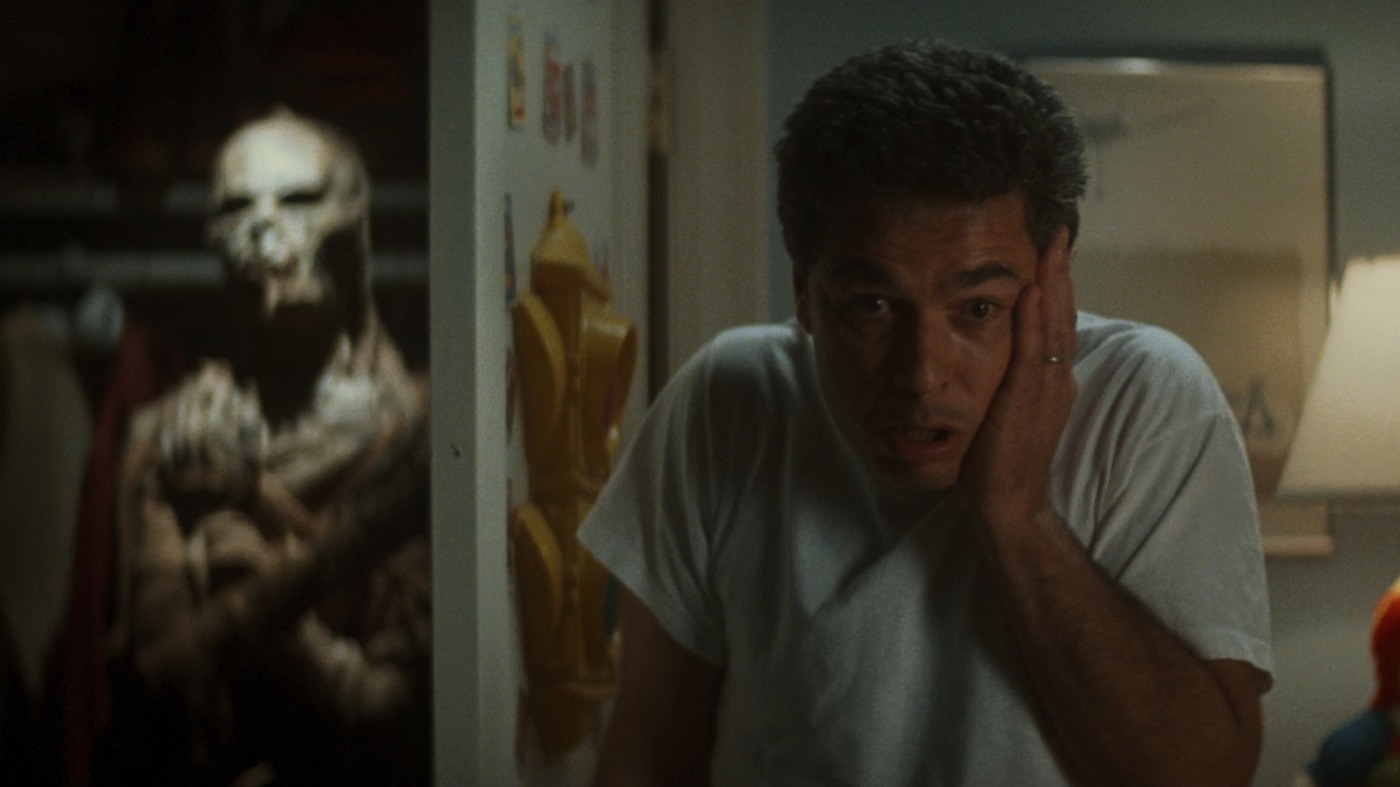
Co-writer and director Fred Dekker first announced his arrival with the science-fiction horror film Night of the Creeps (1986). Although his directorial debut wasn’t a commercial success, it gave him the opportunity to develop a project he’d been writing alongside Shane Black. Their inspiration for The Monster Squad was reportedly to blend the juvenile delinquency of The Little Rascals (1955) with the Universal classic Abbott and Costello Meet Frankenstein (1948). Indeed, the premise is deceptively straightforward and adheres to the template found in other children’s adventures like The Goonies and Explorers (1985). Yet it’s so steeped in an infectious reverence for the monsters descending on Sean’s neighbourhood that it’s hard not to be charmed.
Revisiting The Monster Squad as an adult reveals a surprising amount of emotional weight at the centre of the narrative. Beneath the monstrous thrills and gleeful mayhem lies a tender story about how children confront the real-life monstrosities lurking on the periphery. Sean’s fascination with monsters initially appears to be little more than adolescent escapism. However, his imagination also functions as a familiar refuge from his increasingly fractured home life. His parents are separated, and their imminent divorce is beyond his control, but the supernatural crisis in his neighbourhood is a mystery he can resolve. Sean’s preoccupation with defeating Dracula is an attempt to impose order on an increasingly uncertain world. There’s something heartbreaking about how the film offers a fantasy where children are granted the power to destroy the malevolent forces that terrify them, while quietly reminding us that heroism can’t solve everything.
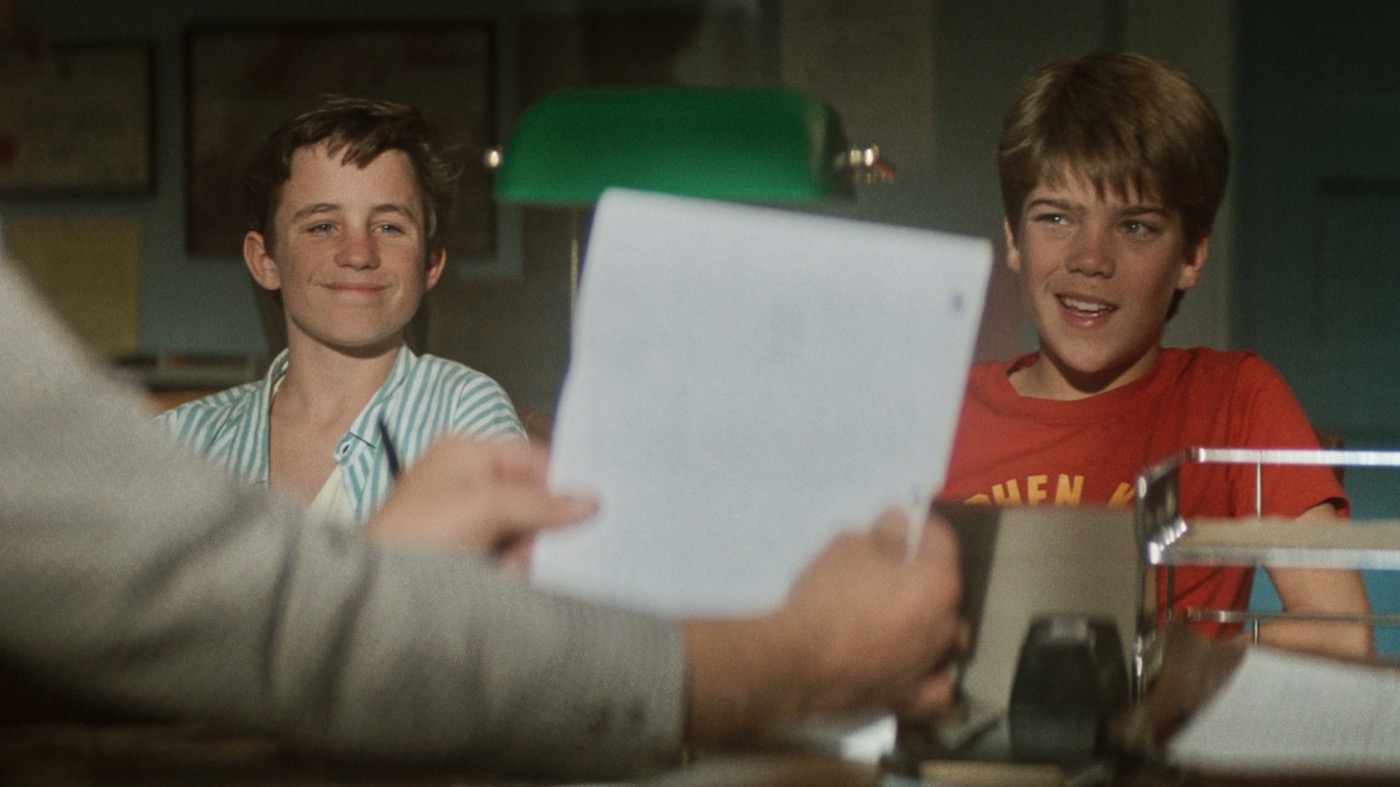
The introduction of the German neighbour also imbues the proceedings with an unexpected poignancy. In a film populated by supernatural creatures, he provides a chilling bridge between the fantastical horrors of the screen and the tangible traumas of human history. The group has spent years mythologising Rudolph (Leonardo Cimino) as the neighbourhood boogeyman, ominously nicknaming him ‘Scary German Guy’. Yet, when they approach him for help translating Van Helsing’s diary, they discover he’s actually a Holocaust survivor who was imprisoned in Auschwitz. The character doesn’t offer the children a history lesson; instead, his presence becomes a living counterpoint to their romanticised conception of monsters as fantasy. Sean and his friends only understand horror through fictional conventions, but Rudolph has experienced a form of evil that requires no supernatural explanation. As he becomes a mentor to the children, he offers a silver bullet of wisdom: monsters are real, and they’re often human. Dekker and Black have too much affection for classic horror and adolescent irreverence to allow The Monster Squad to collapse beneath these darker themes, but introducing such weighty ideas into what’s ostensibly a children’s adventure is remarkably mature.
Despite its suitably exuberant atmosphere and emotional sophistication, The Monster Squad isn’t without its shortcomings. Both Dekker and Black’s dialogue has aged less gracefully than their affection for classic monster mythology. Much of the crude language and irreverent humour that once helped establish its youthful energy now feels firmly rooted in the past. Both co-writers began developing the premise while studying at university, living in a fraternity house alongside fellow writers such as Ed Solomon (Bill & Ted’s Excellent Adventure), Jim Herzfeld (Meet the Parents), and Robert Reneau (Demolition Man). It’s difficult not to sense that distinct collegiate attitude seeping into the characterisation of Sean and his friends. The titular group frequently refer to each other with derogatory nicknames and routinely deploy homophobic slurs as casual insults.
Perhaps the most troubling sequence involves Rudy watching Lisa (Lisa Fuller) undress through binoculars from the group’s treehouse. The moment is framed as adolescent mischief, but viewed retrospectively, it’s hard to treat the incident as anything other than sexual harassment and a disgusting violation of privacy. There’s a genuine sense that Dekker and Black were attempting to capture authentic childhood attitudes and language of the period rather than simply inserting offensive material for shock value. However, the derogatory insults, homophobic language, and misogynistic humour have inevitably lost their appeal over time. What was presumably intended to convey the irreverence and immaturity of 1980s youth now serves as a reminder of just how much social attitudes have changed.
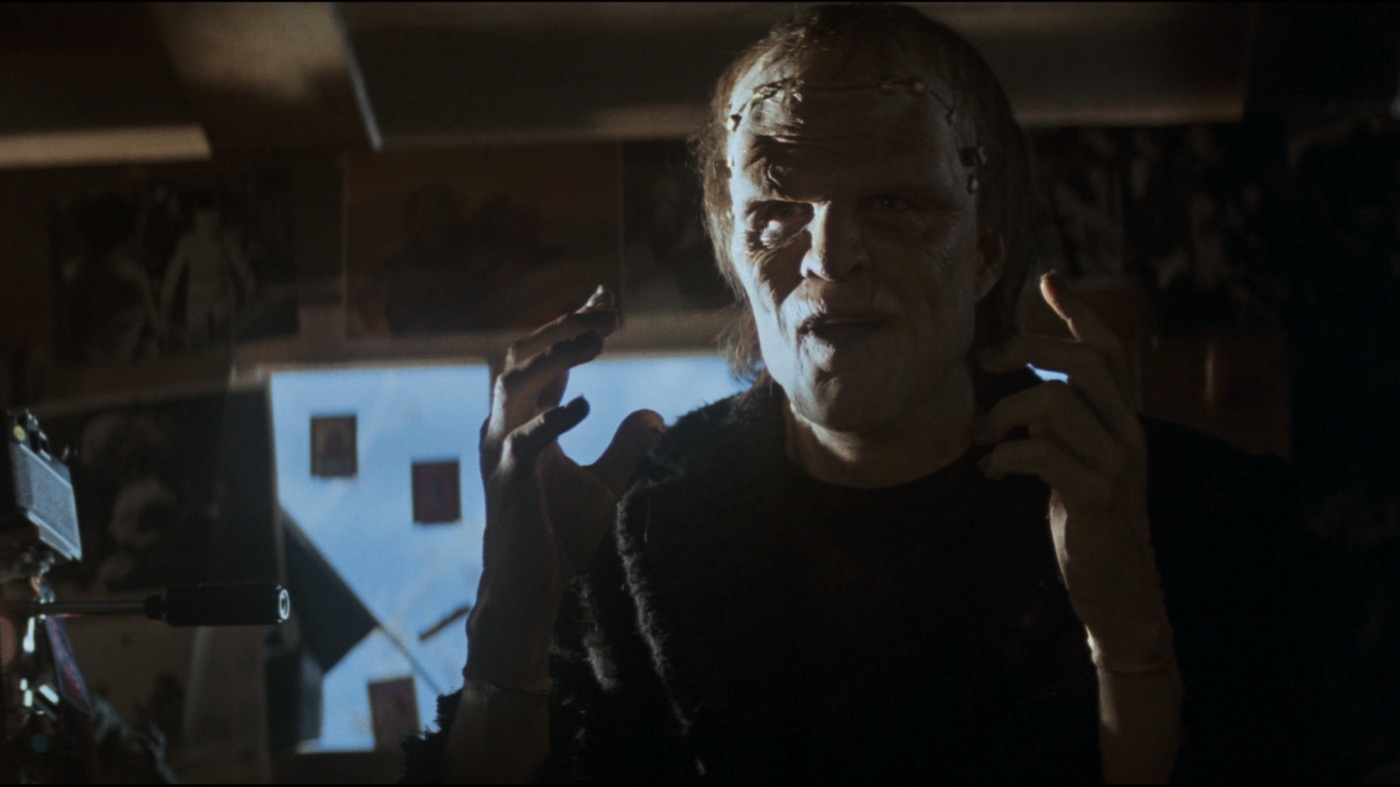
What has withstand the test of time, however, is the extraordinary creature design. The late Stan Winston (The Terminator) was charged with recreating the monsters, remaining faithful to Universal’s originals without breaching studio copyright. His Frankenstein’s monster is particularly wonderful, and his Gill-Man design rivals the original from Creature from the Black Lagoon (1954). Yet Winston’s rendition of the Mummy may be the most impressive of all. Its decayed appearance is wonderfully tactile, and there’s something genuinely unsettling about watching the creature contort its way through an otherwise ordinary suburban neighbourhood.
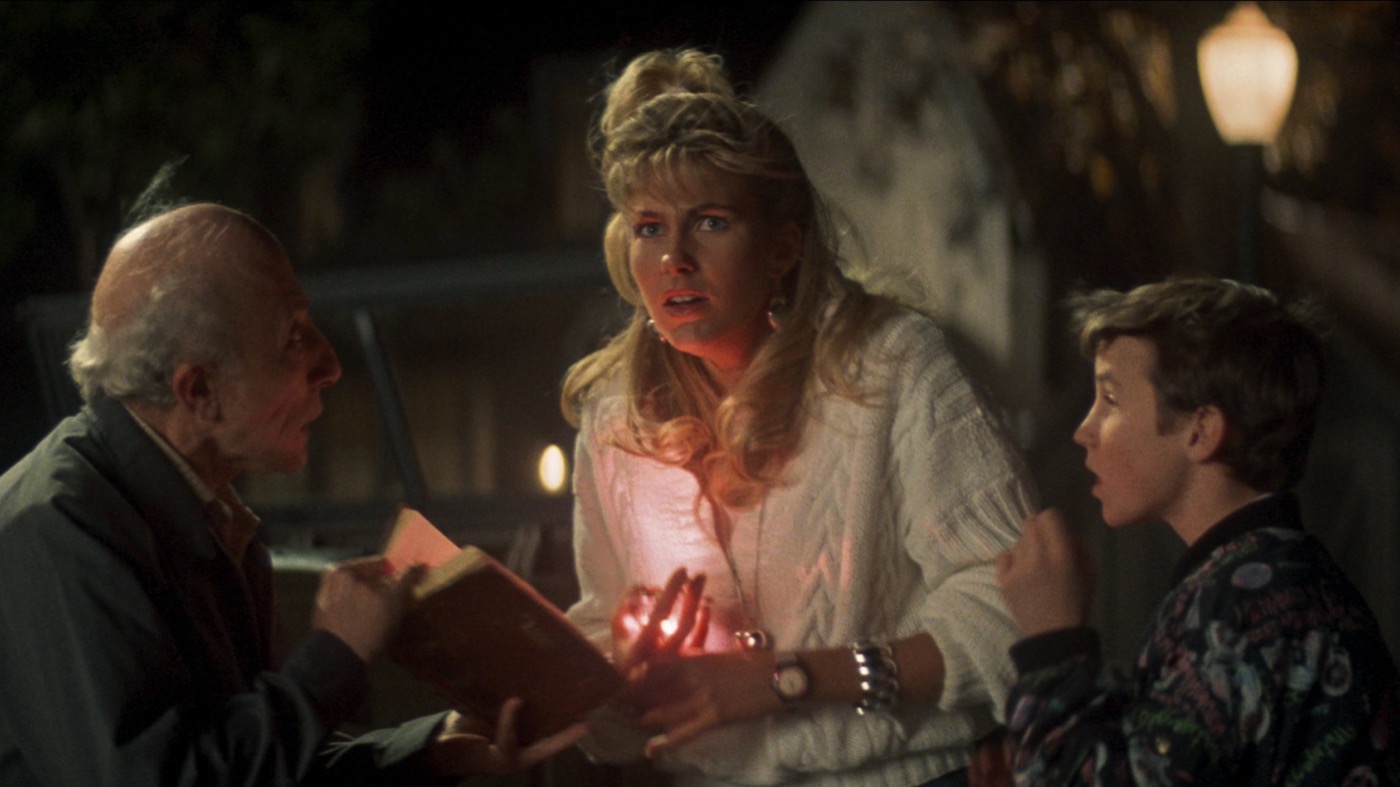
One memorable moment sees the creature’s bandages get caught in a tree before unravelling into a cloud of dust. It’s a wonderful piece of effects work that still impresses four decades later. It should hardly come as a surprise that creature design remains one of the film’s strengths: Winston was among the most accomplished effects artists of his generation, ultimately receiving nine Academy Award nominations and winning four. In the year The Monster Squad was released, he won his first Oscar for his work on Aliens (1986).
Despite arriving in cinemas during the height of the summer season, The Monster Squad generated very little interest on release. With an estimated production budget of $14M, the film grossed a paltry $3.8M during its theatrical run. While its lacklustre performance could certainly be attributed to competing against The Lost Boys (1987), Masters of the Universe (1987), and Dirty Dancing (1987), its failure was primarily due to Tri-Star Pictures’ misguided advertising campaign. The marketing department seemed unsure who the target demographic was, and the tagline “You know who to call when you have ghosts. But who do you call when you have monsters?” positioned the film as an adolescent counterpart to Ghostbusters (1984). Although Dekker and Black’s screenplay combines horror and comedy, it bears very little resemblance to Ivan Reitman’s classic.
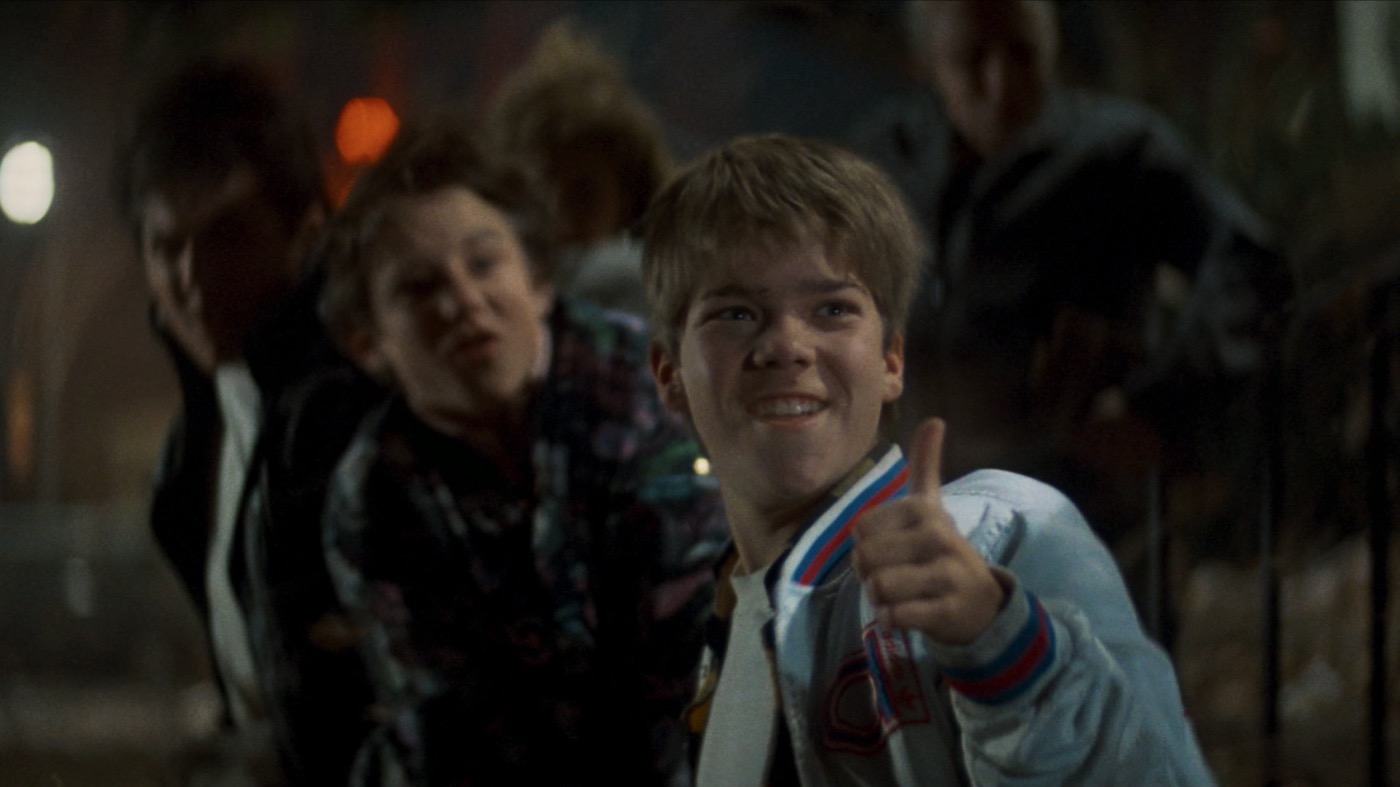
Regardless, much like Dracula himself, The Monster Squad refused to remain buried. Throughout the 1990s and into the early-2000s, the film gradually cultivated a devoted cult following. Its release on home video allowed a new generation of viewers to imagine themselves standing alongside Sean and his friends against the menacing creatures of the night. Yet it wasn’t until the Alamo Drafthouse organised a cast reunion and fan screening in 2006 that it began to receive the recognition its admirers had long insisted it deserved. The overwhelming success of the anniversary event prompted further screenings and helped fuel a campaign for the 20th Anniversary Edition DVD release. That renewed appreciation, along with the enduring appeal of filtering horror through childhood sensibilities, inevitably attracted Hollywood’s interest in resurrecting The Monster Squad for a contemporary audience. However, the proposed remake has remained trapped in development purgatory for several years, hindered by complicated rights surrounding Universal’s iconic monsters.
The Monster Squad may not be a masterpiece, but its enduring appeal lies in its ability to evoke nostalgia for those who grew up with the likes of E.T. the Extra-Terrestrial or The Goonies and admired Universal’s legendary monsters. Both Fred Dekker and Shane Black strike an assured balance between childhood adventure and gothic horror, blending the macabre with the mischievous without allowing either to overwhelm the other. Although it hardly reinvents classic horror or children’s adventures, The Monster Squad remains a lovingly crafted tribute to the monsters of cinema’s past.Its unabashed enthusiasm is as infectious now as it was four decades ago.
USA | 1987 | 82 MINUTES | 2:39:1 | COLOUR | ENGLISH • GERMAN

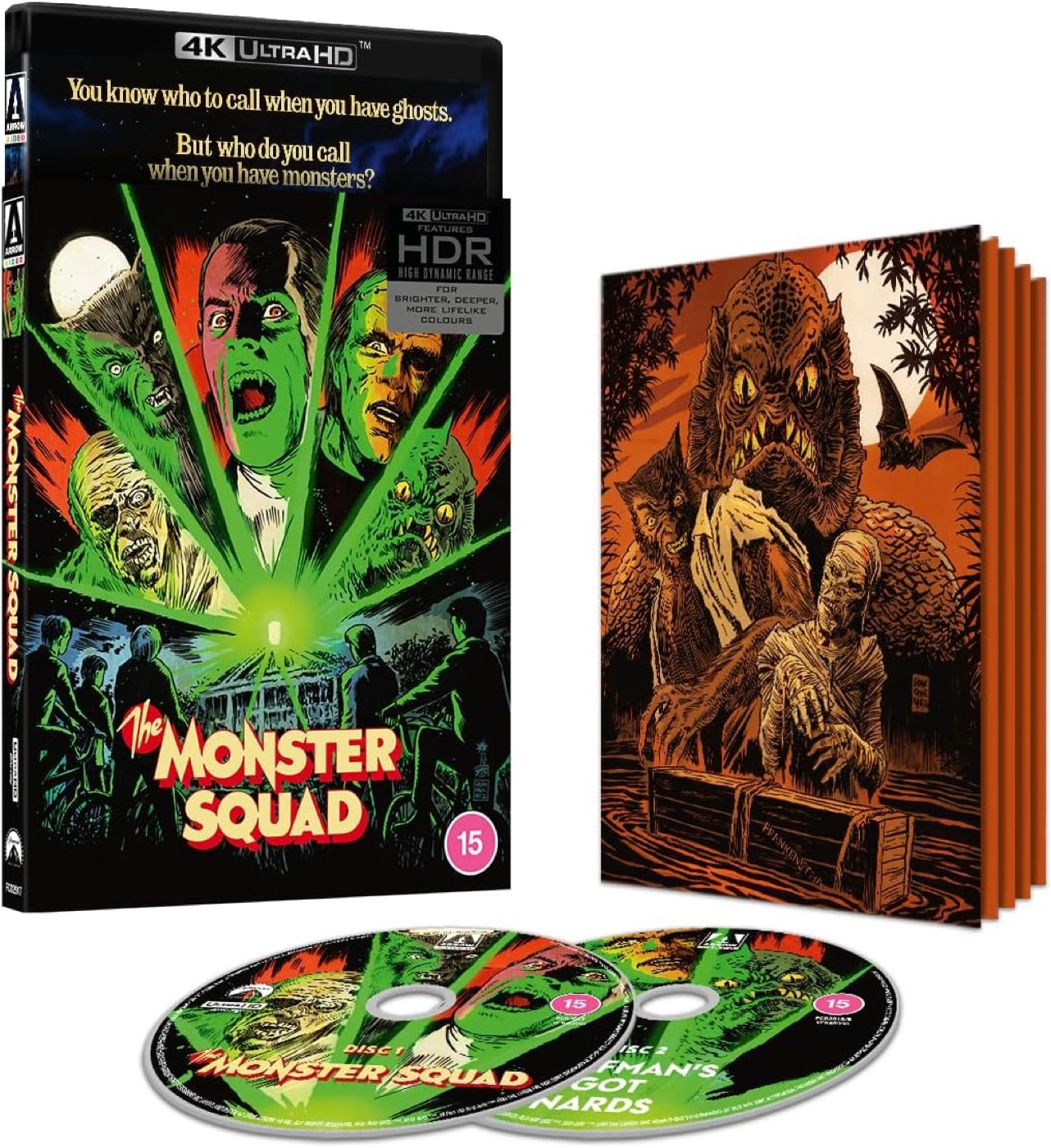
Having previously only been available as a region-free Blu-ray, Arrow Video brings The Monster Squad to the UK on 4K Ultra HD for the very first time. Showcasing a wonderful 2160p Ultra HD transfer, the image was sourced from the original 35mm camera negative and is presented in its original 2.39:1 aspect ratio.
When compared with Lionsgate’s aforementioned 2009 release, the improvement in picture quality is immediately apparent. The Dolby Vision HDR grading adds a pleasing visual depth to the presentation without compromising the original cinematic aesthetic. The colour palette is beautifully reproduced, lending the image a renewed vibrancy that complements the film’s distinct blend of horror and adventure. From the emerald glow emanating from the hallowed amulet to the conspicuous red of Sean’s ‘Stephen King Rules’ shirt, individual hues are rendered with striking intensity. The final third makes incredible use of these richer tones, expertly contrasting them with deep blacks and brilliant whites.
The increased detail levels and visual clarity on Arrow’s transfer are quite staggering. The image contains wonderful depth, with a impressive amount of rendering that draws out striking delineation. Background details inside Sean’s bedroom and the children’s treehouse remain crisply defined without ever appearing artificially sharpened or digitally processed. Tight compositions reveal a wealth of detail, showcasing everything from individual hairs on the Wolf Man’s face to the intricate textures of the Gill-Man’s scaly skin. Granted, there are occasional moments where the image inherits a slight softness and appears somewhat diffused around the edge of the frame. This is primarily due to the anamorphic lenses used during principal photography. However, Arrow resists the temptation to sharpen the image artificially with Digital Noise Reduction (DNR), allowing the film’s natural grain and characteristics to remain intact.
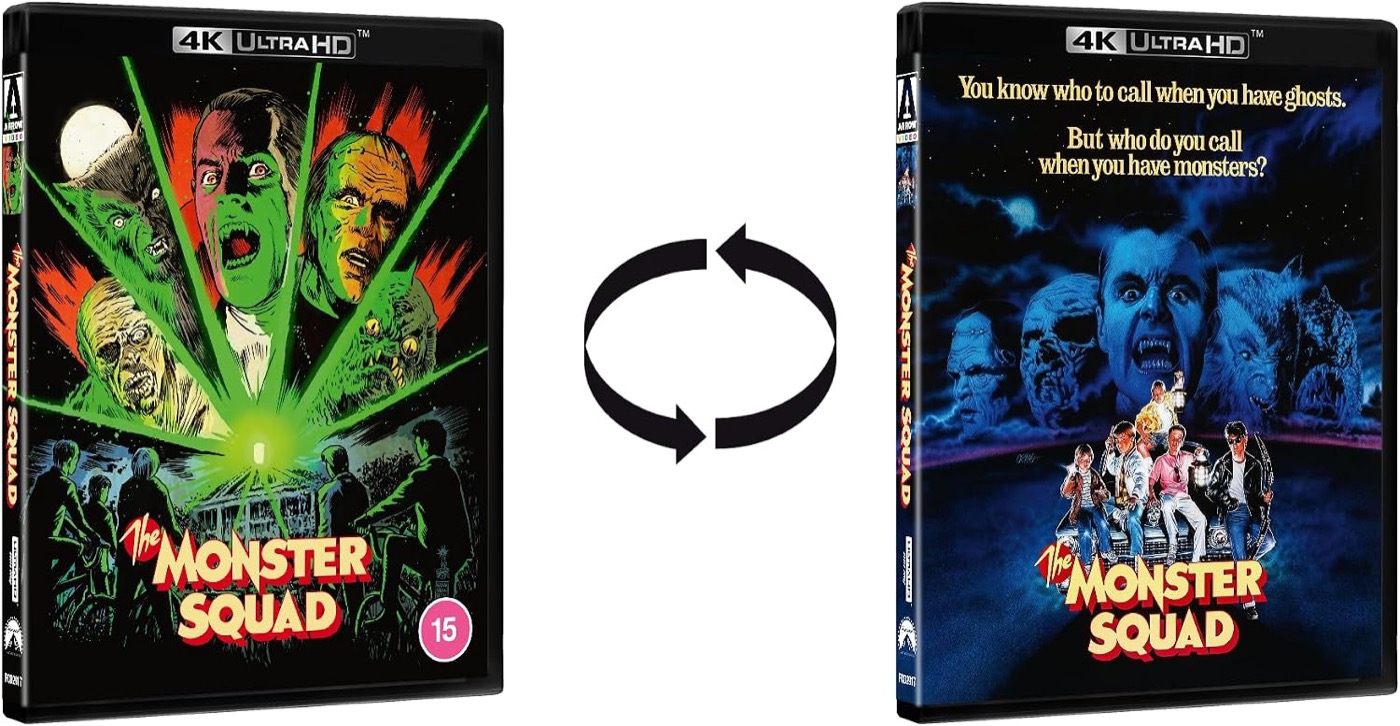
This brand new 4K release of The Monster Squad features two audio options and optional English subtitles. Unfortunately, the disc doesn’t receive a Dolby Atmos upgrade, but Arrow provides immersive English DTS-HD 5.1 Master Audio and LPCM 2.0 stereo tracks that boast excellent fidelity.
Both tracks feature a strong dynamic range, prioritising dialogue through the centre channel while using surround channels for atmospheric effects. Bruce Broughton’s (Lost in Space) suitably ’80s soundtrack is perhaps the biggest beneficiary of this presentation. Instrumentals reverberate across the soundstage with precision, while the high end is graced with a soaring female choir. Supporting sound effects, such as thunderclaps and the occasional gunshot, are spread evenly through the rear channels, heightening the atmosphere during key moments. While the absence of Dolby Atmos is a missed opportunity, this audio presentation represents a significant upgrade over Lionsgate’s previous release.

director: Fred Dekker.
writers: Fred Dekker & Shane Black.
starring: Andre Gower, Robby Kiger, Brent Chalem, Ryan Lambert, Ashley Bank, Duncan Regehr, Stephen Macht, Stan Shaw & Tom Noonan.