LEGALLY BLONDE (2001)
A fashionable sorority queen follows her ex-boyfriend to law school, where she discovers that there's more to her than just looks.



A fashionable sorority queen follows her ex-boyfriend to law school, where she discovers that there's more to her than just looks.
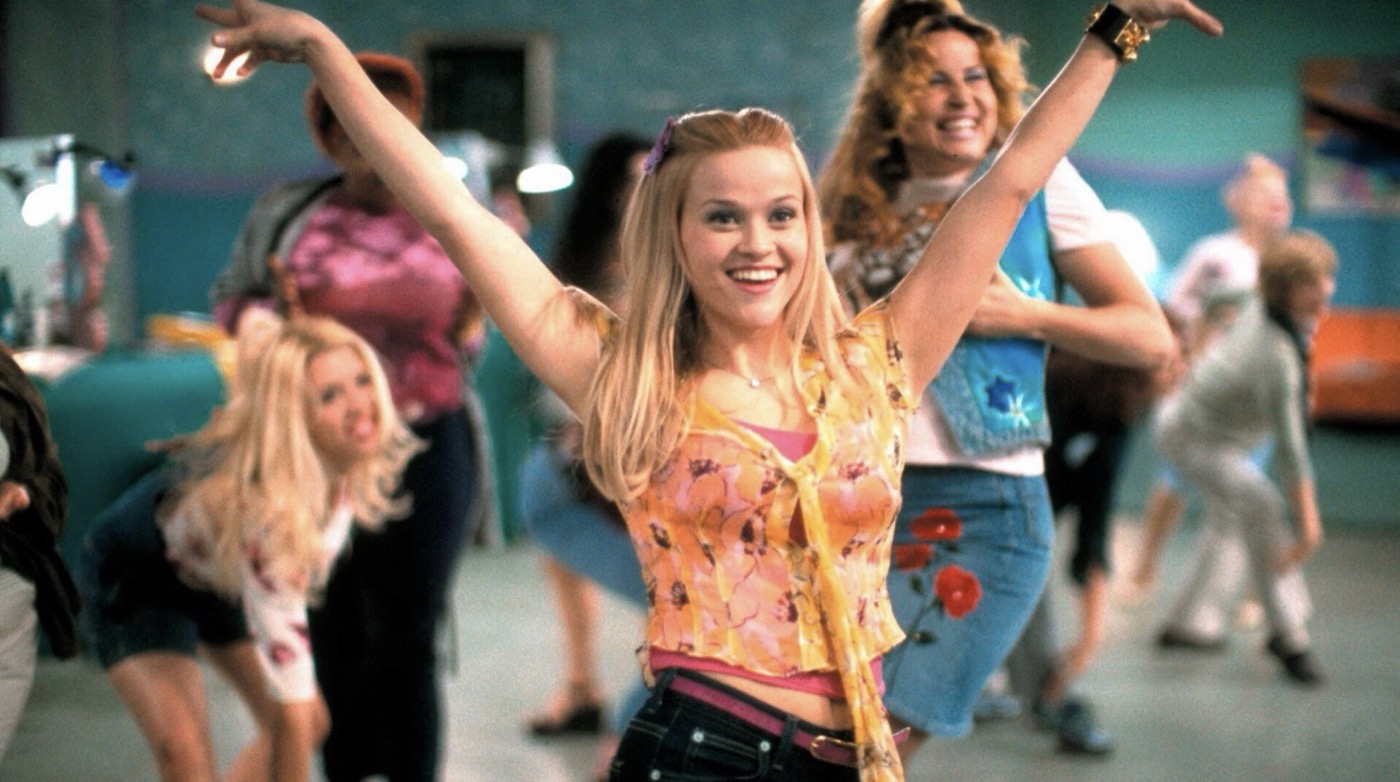
If not for Legally Blonde, the rampant persecution of vapid, golden-haired sorority presidents would go unsung. Without it, how could one learn how to swap fashion school for heroism at none other than Harvard? Charting the rise to glory—and the trials and tribulations preceding it—of the outlandish, tenacious Elle Woods (Reese Witherspoon), the film is frequently ridiculous without letting its frills stifle its comedic potential.
Two years before the iconic Elle Woods, there was Tracy Flick: the irrepressible go-getter and goody-two-shoes student at George Washington Carver High School who would stop at nothing to achieve her fleeting dream of becoming student government president. On the surface, the only similarity between the two young protagonists from Legally Blonde and Election (1999), respectively, is Witherspoon’s note-perfect portrayal. Elle is a vapid, fashion-obsessed sorority girl who ticks every Hollywood cliché imaginable, while Tracy is a prim, proper sharpshooter whose relentless need for leadership makes her a formidable enemy.
Beneath the surface, the pair are linked by a remarkable drive, couched in films that at first appear to mock their ways but grow more appreciative the more time you spend witnessing their journeys towards success. When you get down to it, Tracy is just as vapid as Elle; she wields politics as a weapon for personal gain and treats pressing issues as accessories to complement her never-ending thirst for power. It is difficult to come away from Election without feeling jaded about politics and the role of the world’s Tracy Flicks in the system, but there is no doubting her zeal. She rises above her station time and time again, carving out the trailblazing path she has always dreamt of.
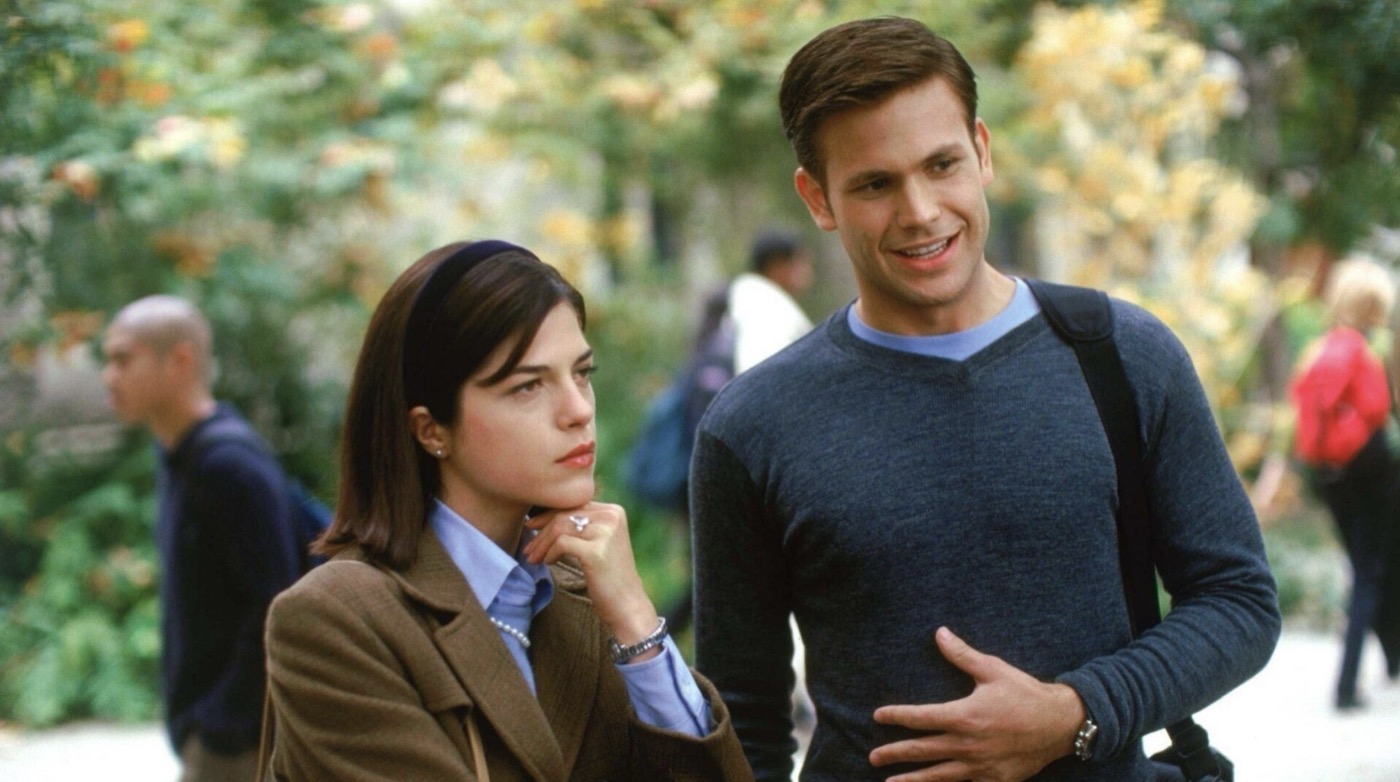
Legally Blonde is the mainstream antidote to Election’s bitter dark humour, in which the Tracy Flicks of the world are sanctified through the lens of an improbable, virtuous success story. After Elle Woods is dumped by her douchebag boyfriend, Warner Huntington III (Matthew Davis), she vows to win him back by doing the impossible: getting into Harvard Law School with him, and thriving. It doesn’t take long for her to see that nothing she does will ever be good enough for him, so she becomes possessed by an even stronger drive: to succeed for her own validation. In one pivotal scene, Elle delivers a rousing speech that is not all that dissimilar to what Tracy would have told her student body, or what you could imagine her one day articulating to the entirety of the United States—but there is no irony, duplicity, or self-interest at play. Here, she simply wants to strive for the betterment of all, with no hidden agenda. Of course, this tone suits the movie, which is frequently ridiculous, charting the arduous but fulfilling journey of a fashion student who thrives in the most alien of environments.
The joke-per-minute ratio is noticeably lower here than in most other comedies, but that often works in the film’s favour. One could easily imagine a lesser movie employing inane side characters to hinder Elle’s goals, or using them as stepping stones for the protagonist to demonstrate her growth. There is one wayward scene that falls into the latter category, with Elle pretending to chide a socially stunted male classmate, David Kidney (Oz Perkins), to boost his popularity. These Clueless (1995)-inspired moments are not always unwelcome, especially when they feature the wonderful Jennifer Coolidge, portraying Paulette Bonafonté, a shy hairdresser in need of a confidence makeover.
But the greatest moments in Legally Blonde are those where you feel like scrubbing your eyes at Elle Woods’ obliviousness to the social mores of her new backdrop—a studious environment where the Tracy Flicks of the world would have ingratiated themselves with ease. You expect devastation at every turn, whether she is accidentally revealing her academic ignorance to a professor or showing up in a bunny outfit to a house party replete with cashmere jumpers in lieu of costumes. Viewers are spared this misery; Elle is ridiculous, but rarely worthy of contempt. If it does appear, it is of the most superficial kind, easily won over by her replenishing supply of optimism and verve. One runs the risk of making this outlandish comedy come across as a timely feminist masterwork with comments like these, but there is an earnestness to Elle’s characterisation, carefully half-concealed beneath Legally Blonde’s frills and sass, that is as delightful as its light mockery.

It’s the film’s other syrupy-sweet elements that disappoint, recalling the pitch-black bitterness endemic to Election that’s lacking here. Elle’s a triumphant hero and totally ridiculous all at once, with obliviousness acting as her superpower. It gives her the right to storm through the wave of judgement and condescension levelled at her, whether because she doesn’t notice it or simply knows better than to acquiesce. The rivalry forged between herself and fellow student Vivian Kensington (Selma Blair) is easily the highlight of Legally Blonde, with both Witherspoon and Blair turning a feud largely comprised of insulting or outraged expressions into a fine art. Instead of overcrowding the film with constant gags, Karen McCullah Lutz and Kirsten Smith’s surprisingly, satisfyingly restrained script gives each of these glorious moments its chance to shine.
Why, then, must bitter rivalries give way to treacly sentiment about female bonds overcoming all odds? The desire to inspire young girls is an admirable goal, but the essence of this wonderful protagonist already fulfils this role amply. Everything else is an insincere abandonment of conflict. It’s the kind of late-stage softening of deliciously mean, catty characters that the otherwise excellent Mean Girls (2004) fell prey to. Both films miss out on being comedic masterclasses because of this, though Legally Blonde has other detractions. The blossoming romance between Elle and the vaguely mysterious, undefined Emmett Richmond (Luke Wilson) leaves much to be desired. An endearing introduction bottoms out into a small handful of scenes lacking the spiritedness and drive that make Elle a star in the making, and this film a worthy champion of her essential characteristics.
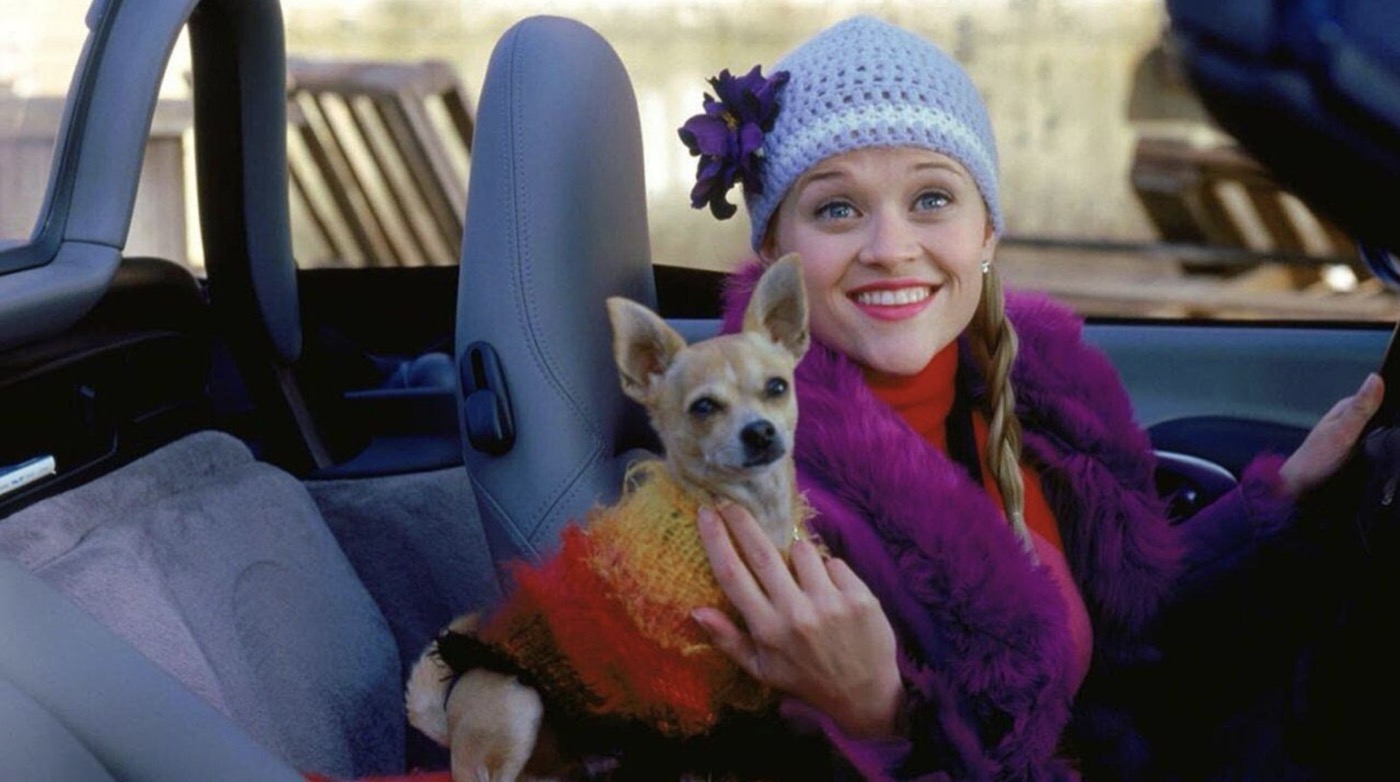
It’s easy to spot this lack of developed chemistry, or personality, in the film, given that some of these interactions feature such extensive dubbing that entire lines of dialogue are uttered while Elle and Emmett are plainly in sight, their mouths clearly closed. One can’t help but wonder what misplaced words these performers were given to work with during shooting, since the amended dialogue neither humours nor charms. Emmett undergoes no development throughout Legally Blonde, persisting in his role as a supportive background figure in Elle’s life, entirely sincere in his belief in her abilities. It’s gratifying for someone, anyone, to be in her corner after her fellow students kick her down in frequently amusing ways throughout the film. But Elle, and viewers, still deserve better.
Thankfully, Witherspoon is an absolute powerhouse here, committing so fully to the bit that you always buy into this protagonist’s ridiculousness, her chipper attitude towards life, and her burning hunger for success. Elle is absurd, smart, sexy, oblivious, relatable, charming, kind-hearted, ruthless, and fallible. Just because she is not the heroine that the rest of these characters, or the world, asked for, doesn’t mean she’s undeserving of the role. In fact, the world is lucky to have her grace its presence. There is a parallel between those who refuse to relate to Elle and people who dismiss the likes of Legally Blonde and Mean Girls in an instant, refusing to acknowledge the incisive screenwriting and note-perfect comedic acting at play in either film. Light mockery is almost always at play in this film, but it is sincere at its core.
It is the rest of the film’s moralising which betrays this protagonist. The real lesson here is not that determination or optimism transform the world into sunshine and rainbows, but that they can overpower the callousness and condescension of others. Whether that is its own form of fantasy is another debate entirely. What is incontestable is that this message is far more relevant than the overladen sentimentality abounding in Legally Blonde, or the hasty, unconvincing way in which the film incorporates it.
USA | 2001 | 96 MINUTES | 2.39:1 | COLOUR | ENGLISH • VIETNAMESE

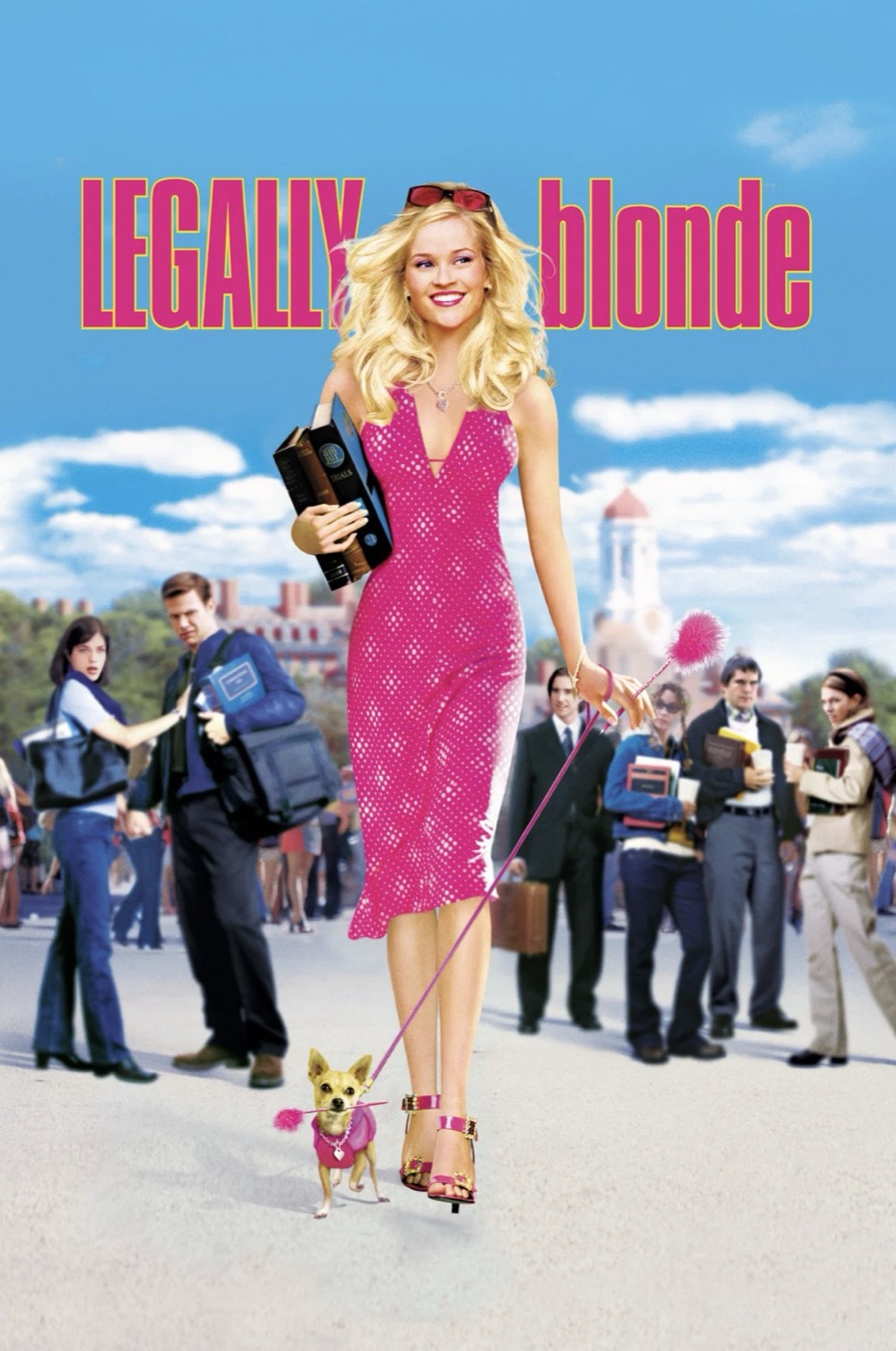
director: Robert Luketic.
writers: Karen McCullah Lutz & Kirsten Smith (based on the 2001 comic novel by Amanda Brown).
starring: Reese Witherspoon, Luke Wilson, Selma Blair, Matthew Davis, Victor Garber, Jennifer Coolidge, Holland Taylor & Ali Larter.