TOY STORY 5 (2026)
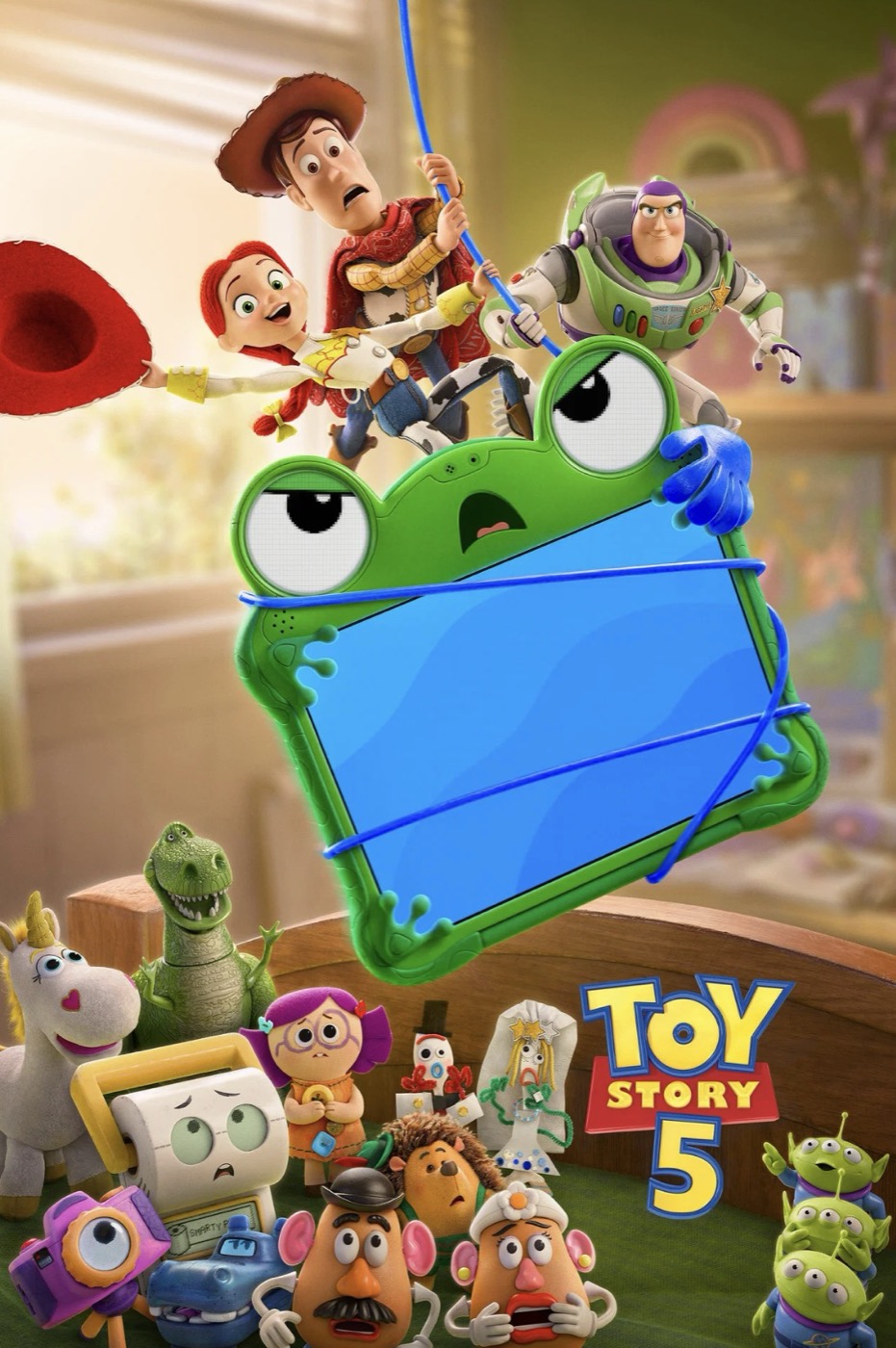
Woody, Buzz, Jessie and the rest of the gang's jobs are challenged when they're introduced to electronics, a new threat to playtime.

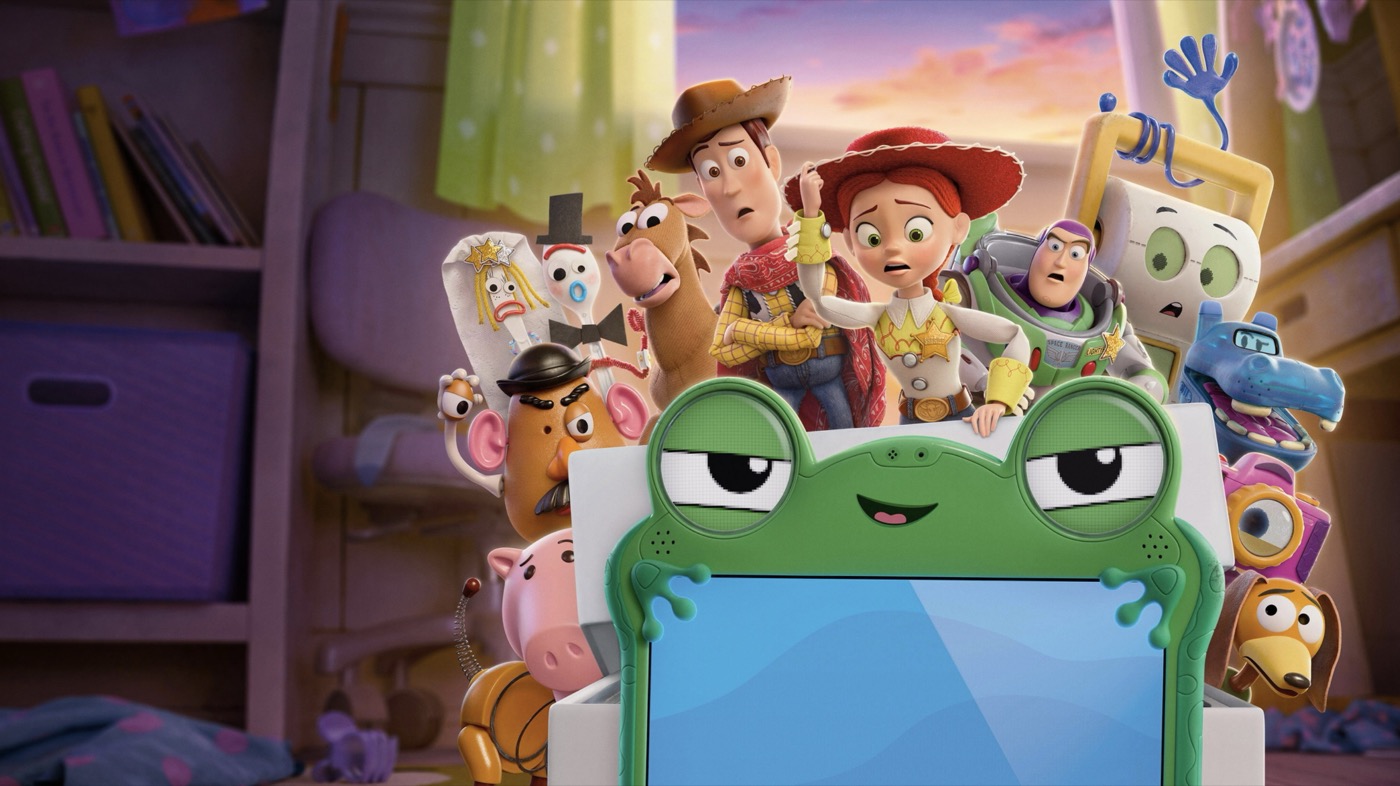

Woody, Buzz, Jessie and the rest of the gang's jobs are challenged when they're introduced to electronics, a new threat to playtime.
I was eight years old when the first Toy Story (1995) came out in cinemas. I was in middle school when Toy Story 2 (1999) hit. I had just graduated from university when Toy Story 3 (2010) was released—the grand finale of the “Andy Saga”. Way back in 2019, after the disappointment I felt at Toy Story 4’s lacklustre addition to the franchise, I fervently wished the third had remained the series finale. That’s why I had some major reservations walking into the cinema for Toy Story 5. I might not have gone at all if the toys-versus-tech angle hadn’t been emphasised in the marketing. I’m always up for a dig at our modern reliance on technology and was interested to see how Disney—very much a tech-loving company—would handle the topic. I’m happy to say that, thanks to a focused story and jokes that still land, this fifth entry proves much more entertaining than the fourth, making a good case for keeping some franchises around decades after their inception.
Rather than focusing on Buzz Lightyear (Tim Allen) or Woody (Tom Hanks) as previous instalments have, Toy Story 5 focuses almost entirely on Jessie (Joan Cusack). The toys’ new child, Bonnie (Scarlett Spears), has designated Jessie as the sheriff of the toy room and de facto leader. At the opening, we learn that Jessie has made several desperate attempts to get Bonnie to play with the children across the street. All her efforts seem to be in vain when Bonnie is introduced to a new tablet, Lilypad (Greta Lee), which demands Bonnie’s attention day and night.
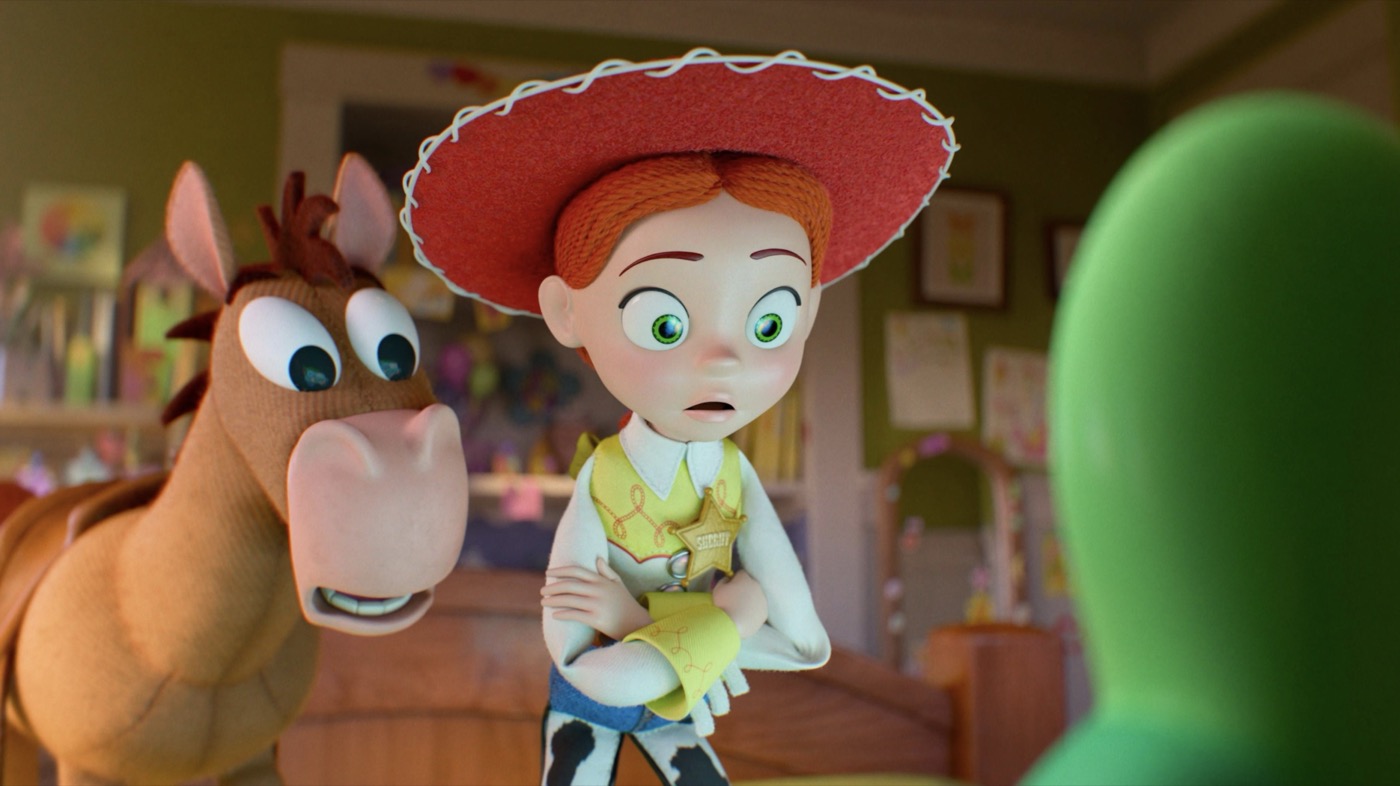
The conflict between a new toy and an old one may cause some to assume that the first Toy Story will simply be replayed here, with a tablet in the role of Buzz Lightyear. This is a track that would’ve been easy for Pixar to take while still turning a profit. Luckily, the Pixar creative team, unlike many in post-COVID Hollywood, still has some creativity left, as well as pride in their work. They fully understand that tech is a different kind of animal to the “space toys” of 1995. The team has built a new story that, whilst occasionally more complex than the original, manages to retain the humour and charm the series is known for.
The voice performances are on a par with films one to three, with Joan Cusack giving a surprisingly nuanced and touching turn as Jessie. Most of the laughs come from a high-tech toilet trainer, Smarty Pants (Conan O’Brien), who’s been left in the storage shed a little too long. O’Brien’s comedic styling is on full display, including several surprisingly clever toilet jokes. As someone who isn’t usually fond of poop gags, I can unashamedly tell you that I laughed out loud. Again, rather than taking the easy route, Pixar—no doubt working alongside O’Brien—took a much more clever, creative tack that all fans will appreciate.
The heart of the film lies in a single question: can imaginative play thrive alongside technology? The answer the Pixar team gives us is surprisingly nuanced, adding a fresh element that previous films lacked.
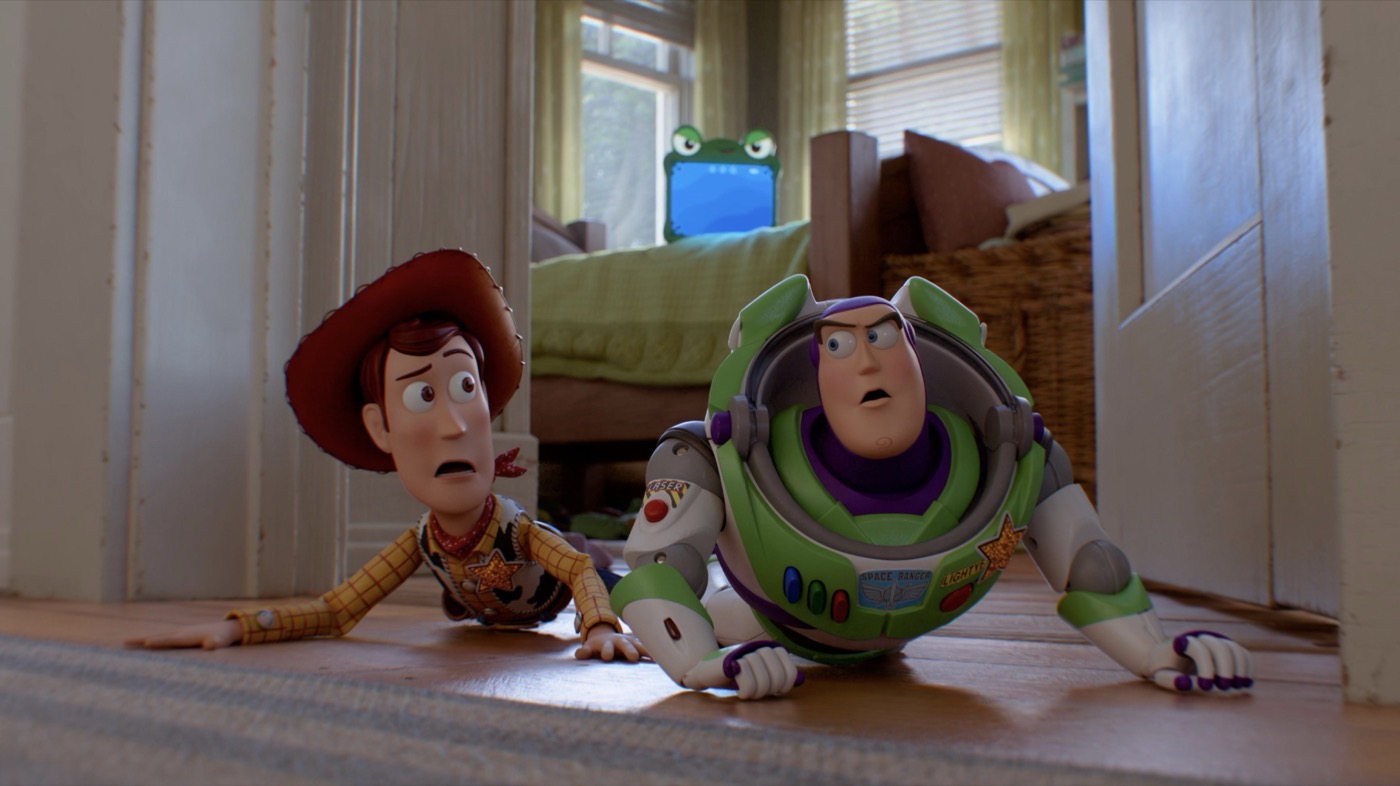
What is particularly impressive is that the team seems to understand that Bonnie and Andy are not interchangeable.While Andy was portrayed as an average kid with lots of friends who shared mainstream interests, Bonnie is different—and we see that in how she plays.
The now-famous opening of the first Toy Story involved Andy coming up with a story and doing all the toy voices himself with no environmental changes. Bonnie’s play is much more immersive. In three “make-believe” scenes, we’re treated to lovely hand-drawn animation and dramatic vocal performances from the cast, including some new additions.(Look out for a very funny cameo from Alan Cumming playing an infamous, Bond-style villain).
Pixar also seems to have a surprisingly accurate understanding of female friendships. The social dynamics within groups of girls are on display with almost painful accuracy. Most people who grew up as a girl will understand the pressure we often felt to conform, especially in group settings.
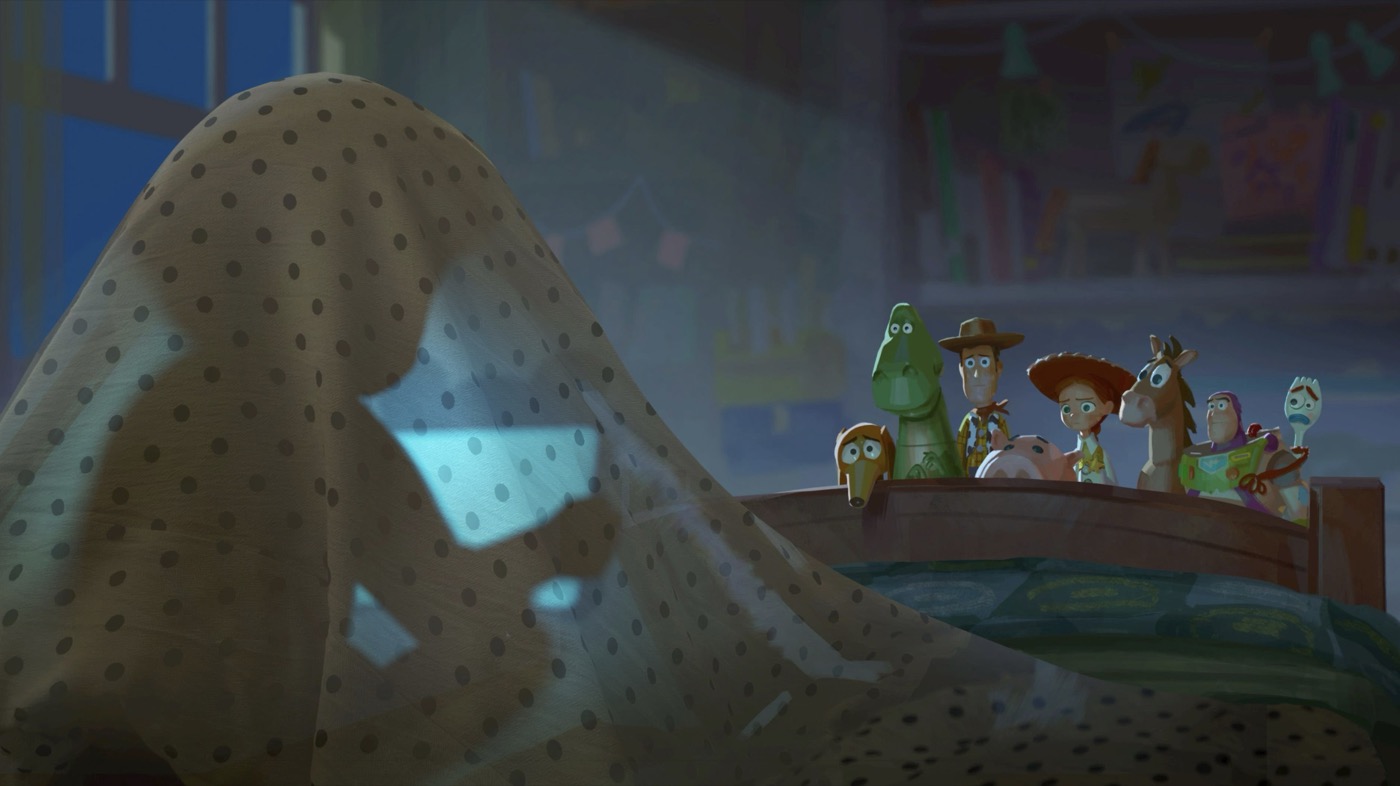
There’s a lesson in this film, but don’t worry: it’s shown, not told. Without giving too much away, Pixar doesn’t go full “tech is bad”—which would’ve been fairly hypocritical—but nor does it fully embrace technology to the exclusion of what’s come before. What emerges is a beautiful middle path that feels like an excellent option for parents and children. Tech is neither inherently good nor bad; it can be either, depending on how it’s used.
While the story remains well-focused throughout—something Toy Story 4 struggled with—there are a couple of side-plots which are mostly entertaining and well-integrated into the main narrative. My favourite involves a shipment of high-tech Buzz Lightyears who are stranded on an island and, following their programming, make their way to the US for their “rendezvous with Star Command”. These Buzzes offer an entertaining nod to Toy Story’s beginnings while having fun with the questions Buzz Lightyear’s behavior in the first film raised with some fans—such as Buzz automatically freezing when humans passed, even though he didn’t yet know he was a toy. Our Buzz Lightyear’s fun speech to his newfound comrades is well-written and perfectly in character. Also, thankfully, they’ve stuck to the Zurg (Andrew Stanton) and Buzz lore found in Toy Story 2 rather than reverting to the much less interesting suggestions set up in the awful Lightyear spin-off. Zurg is still Buzz’s father in this scenario. Yes, the Star Wars references are still there, and they’re still funny.
Another cute side-plot involves the romance between Buzz and Jessie that’s been hinted at since the second film. It’s sweet, charming, and age-appropriate without detracting from the main storyline.
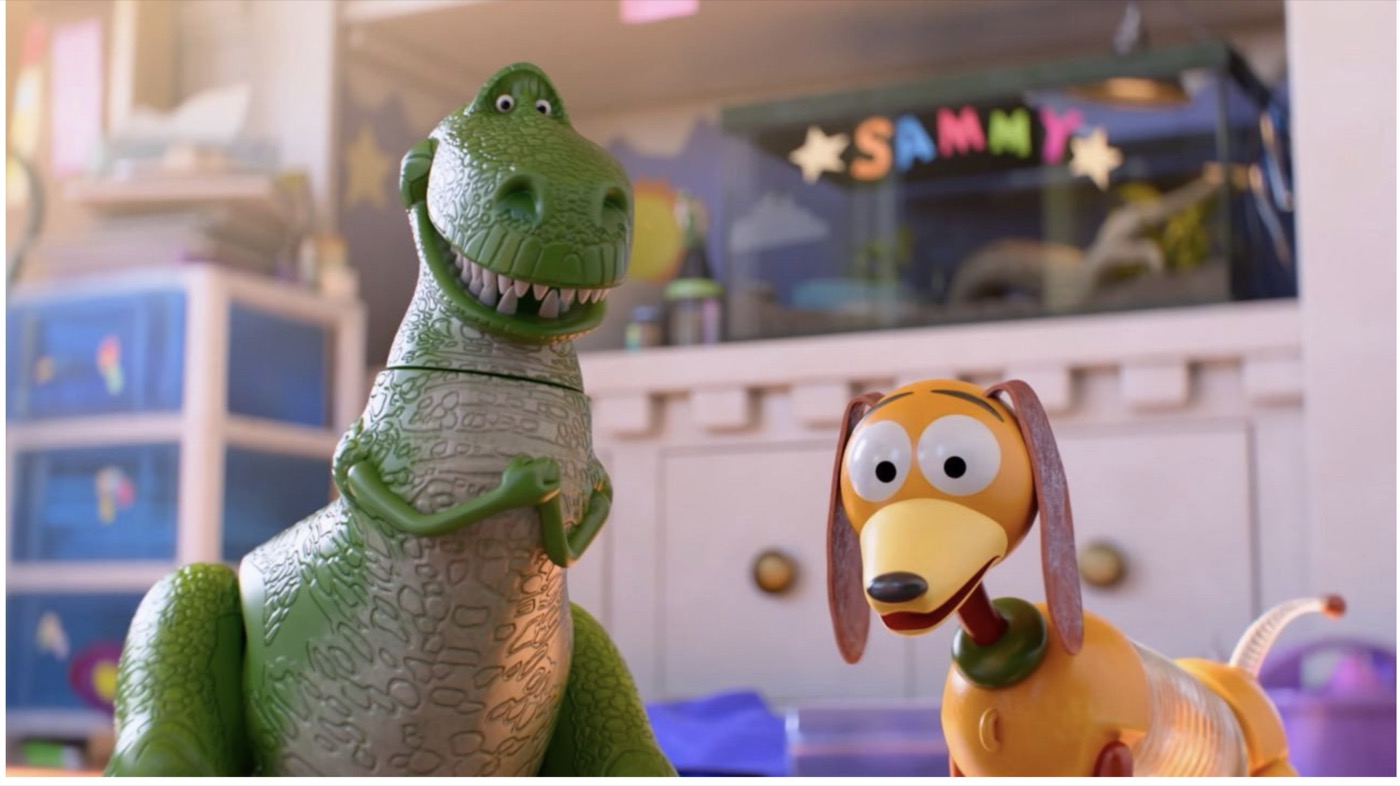
While all these wonderful elements of a true Pixar classic shine, I do have a few qualms. The first is what I consider a redundant third side-plot involving Woody. The start of this plot is clever enough, with Jessie calling Woody via two-way radio to ask whether tech has truly taken over everywhere. This leads to one of the funnier scenes, involving a daredevil stunt-nut toy that Woody and Bo (Annie Potts) are attempting to rescue from a tree. The toy was discarded in favour of tech and now has a pathological terror of anything remotely related to tablets or screens.
However, after this strong beginning, the reasoning behind Woody’s return to the toy room seems stretched thin. Aside from one mildly entertaining interrogation scene with Lilypad and Buzz, his presence is mostly superfluous. He’s only there because this is Toy Story, and you can’t have Toy Story without Tom Hanks as Woody. That said, I think the bolder and better move for Pixar would’ve been to give Woody that single-scene cameo and then return the focus entirely to the toys in Bonnie’s room.
The insertion of Woody is more of a slight annoyance than an obvious flaw. The only other critique is a lack of original, Randy Newman-style music. While familiar themes appear, including “You’ve Got a Friend in Me” and “When She Loved Me”, the rest of the score is overly cinematic and forgettable compared to the jazzy tunes we got in the first four films. Indeed, songs like “I Can’t Let You Throw Yourself Away” were the only saving grace of Toy Story 4. The lack of them is noted here. While Taylor Swift’s end-credits song, “I Knew It. I Knew You”, is perfectly serviceable, it lands in basic pop territory without the whimsy and fun provided by Newman.
However, these are minor annoyances in an otherwise redeeming entry in the Toy Story saga. Movies like this, where it’s clear the creators truly care about the material and its fans, give the rest of us some hope for continuing franchises in a post-COVID cinema landscape. Given my usual stance on unnecessary sequels and remakes, I never thought I’d be writing this, but if Toy Story 5 is the measure of the series, I look forward to Toy Story 6.
USA | 2026 | 102 MINUTES | 1.85:1 | COLOUR | ENGLISH

director: Andrew Stanton.
writers: Andrew Stanton & Kenna Harris (story by Andrew Stanton).
voices: Tom Hanks, Tim Allen, Joan Cusack, Conan O’Brien, Scarlett Spears, Greta Lee, Shelby Rabara, Mykal-Michelle Harris & Craig Robinson.