THE KILLER (1989)
A disillusioned assassin accepts one last hit in hopes of using his earnings to restore the vision of a singer he accidentally blinded.

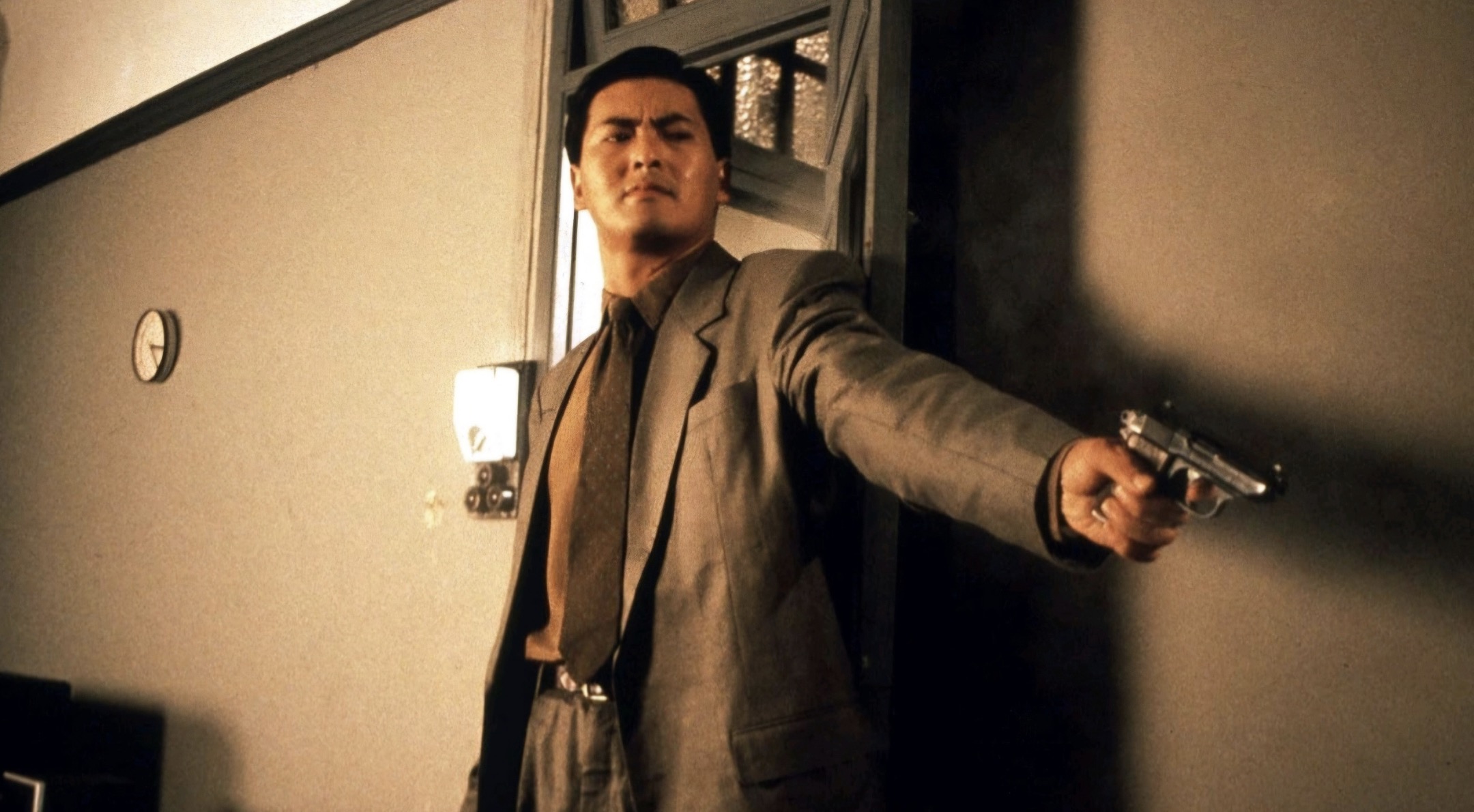

A disillusioned assassin accepts one last hit in hopes of using his earnings to restore the vision of a singer he accidentally blinded.
Long before Wong Kar-wai’s melancholic romance In the Mood for Love (2000) and Bi Gan’s metaphysical epic Resurrection (2025) competed for reverence at the Cannes Film Festival, Hong Kong cinema possessed a decidedly different identity. The 1970s marked a crucial turning point, transforming the industry from a modest regional producer into a dominant global force. While the preceding decade had been steeped in the ornamental traditions of wuxia fantasies and Confucian dramas, this new era pivoted towards the physical dynamism of martial arts spectacles.
Directors such as King Hu (A Touch of Zen) and Chang Cheh (The One-Armed Swordsman) laid the groundwork by fusing the disciplined choreography of Japanese samurai films with the stark iconography of spaghetti Westerns. Meanwhile, performers including Bruce Lee (Enter the Dragon) and Jackie Chan (Drunken Master) helped carry the genre beyond Hong Kong’s borders by showcasing their extraordinary physicality and intricate choreography. Yet, Lee’s untimely passing in 1973 left an irreplaceable void, and martial arts cinema began to languish under the weight of its own repetition. By the end of the decade, a palpable sense of exhaustion necessitated a reinvention.
A generation of young filmmakers sought to subvert industry standards and inject their own creative sensibilities into Hong Kong’s cinematic output. Renegade creatives such as Ann Hui (Summer Snow) and Allen Fong (Father and Son) were acutely aware of the changing social and political dynamics, yearning to reflect these shifts through compelling narratives and experimental techniques. John Woo emerged as one of the most prominent figures of the Hong Kong New Wave. After spending two decades in the studio system producing everything from Cantonese operas to commercial comedies, he revitalised the crime genre with A Better Tomorrow (1986). His innovative combination of slow-motion gunplay and stylised violence detonated industry expectations in one glorious eruption, laying the foundation for the ‘Heroic Bloodshed’ subgenre. Yet, for all its influence, his seminal breakthrough feels like a filmmaker still refining his visual and thematic vocabulary. It wasn’t until The Killer / 喋血雙雄 that Woo truly cemented himself as a director of operatic grandeur.
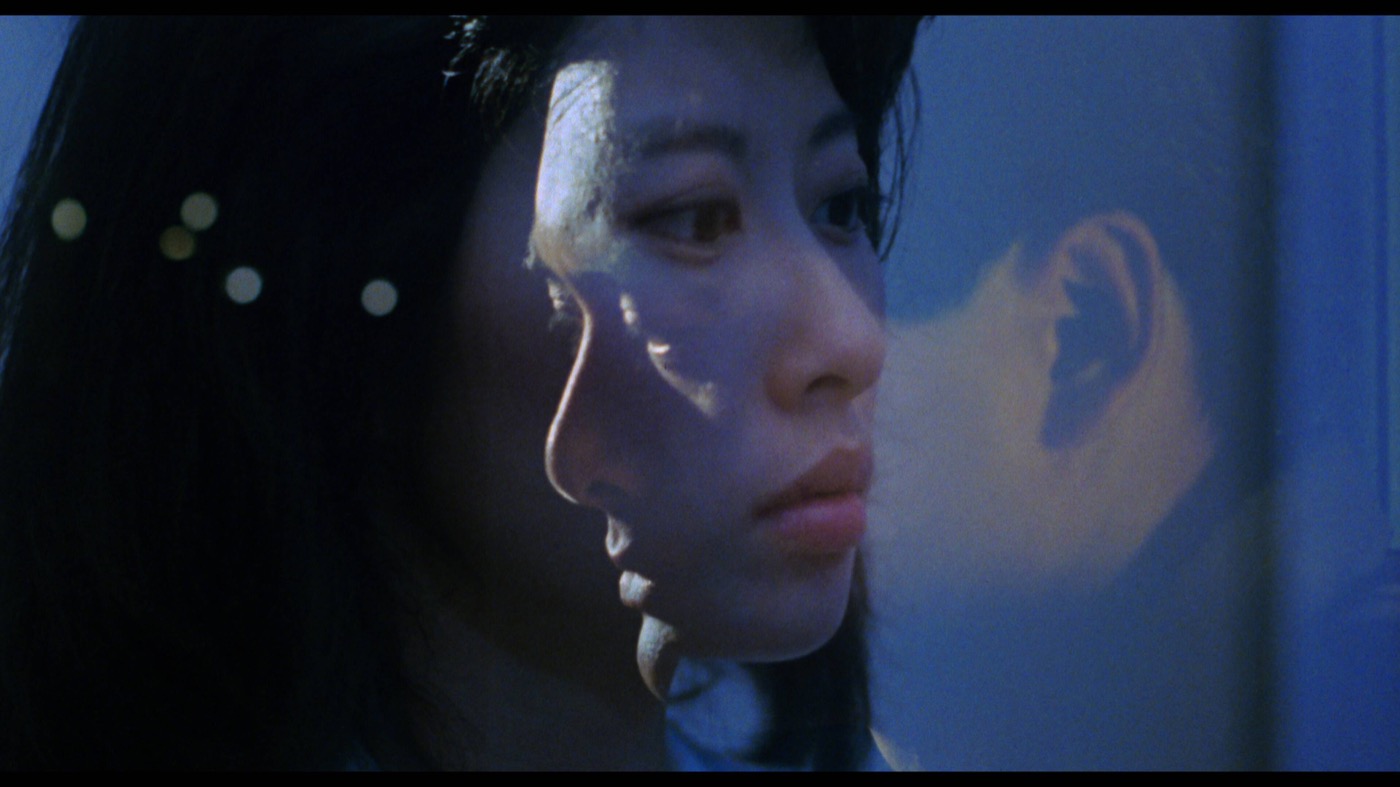
Set on the streets of Hong Kong, the film follows Ah Jong (Chow Yun-fat), one of the criminal underworld’s most skilled professional assassins. Renowned for his precision and strict personal code, he avoids unnecessary violence and refuses to harm innocents. However, during a chaotic shootout in a crowded nightclub, Jennie (Sally Yeh) is caught in the crossfire and inadvertently blinded by the muzzle flash of his gun. Unable to reconcile his actions with his moral code, Jong seeks redemption by secretly befriending her under a false identity. As their relationship deepens, he learns she risks losing her remaining vision without an expensive operation. Determined to make amends, he agrees to one final assassination to fund her surgery.
After completing the assignment, Jong’s employers betray him and attempt to have him eliminated. His situation draws the attention of Li Ying (Danny Lee), a resourceful and unorthodox police inspector intrigued by Jong’s unusual restraint and sense of honour. As the officer uncovers the truth behind Jong’s motives, his pursuit evolves into a reluctant understanding. United by a shared sense of justice, the two men form an uneasy alliance. Together, they must confront the corrupt crime syndicate before it silences anyone connected to the hitman.
Alongside contemporaries Ringo Lam (City on Fire) and Ronny Yu (Legacy of Rage), it’s generally accepted that John Woo was a leading proponent of the ‘Heroic Bloodshed’ movement. He’d already broken new ground with A Better Tomorrow by marrying operatic violence with a disarmingly emotional centre. However, following uncomfortable creative tensions with Tsui Hark (Once Upon a Time in China) during the production of A Better Tomorrow 2 (1987), he sought to create something more overtly stylised. Drawing inspiration from the slick spectacle of Jean-Pierre Melville’s Le Samouraï (1967), the existential fatalism of Martin Scorsese’s Mean Streets (1973), and the aggressive rhythms of Sam Peckinpah’s The Wild Bunch (1969), The Killer stands as the purest crystallisation of Woo’s cinematic language.
From its startling opening moments, Woo immediately announces he’s operating on a different wavelength than his peers. Every action sequence is meticulously composed, orchestrated with the rhythm of a choreographed dance. Though his visual iconography remains in a somewhat nascent phase, his idiosyncrasies are unmistakable. The now-iconic dual-wielding gunplay unfolds with balletic precision as Jong marches headlong through a Hong Kong restaurant. Dozens of bodies are perforated by a cacophony of gunfire, collapsing in slow motion while sheets of glass shatter into fragments. There’s an undeniable artistry to the bloodshed; Peter Pau and Wing-Hang Wong’s cinematography moves with a lyrical fluidity that transforms chaos into poetry. Admittedly, there are moments where Woo’s reverence for violence balances precariously between tragedy and absurdity. However, The Killer is indisputably more compelling than the monotonous actioners Hollywood produced during the same period.
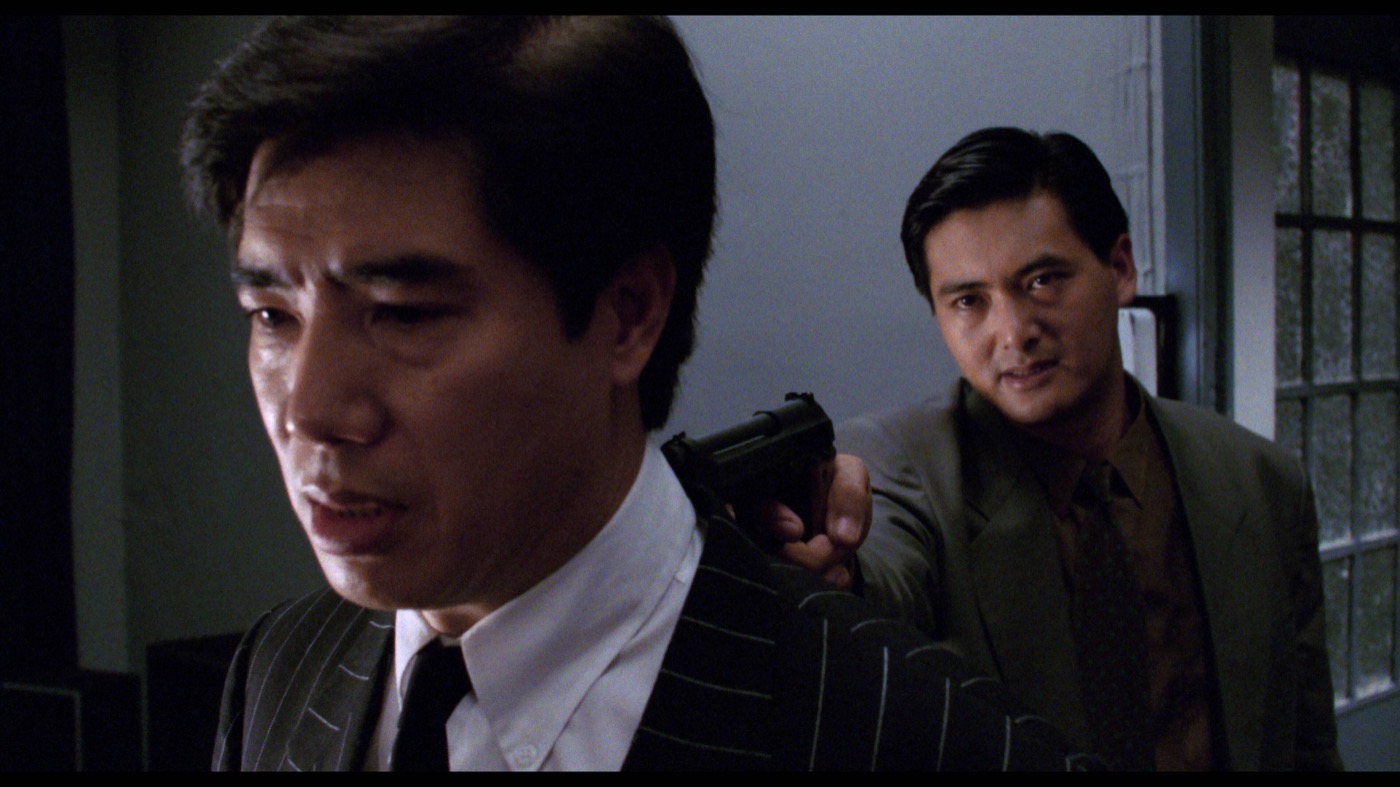
While the balletic spectacle of ‘gun fu’ contributes to the film’s appeal, what truly distinguishes The Killer within Woo’s oeuvre is its unexpected moral weight. The filmmaker has acknowledged that Butch Cassidy and the Sundance Kid (1969) impacted his formative years—particularly its portrayal of two morally ambiguous men bound by an unspoken camaraderie. Much like George Roy Hill’s Western, The Killer is a meditation on morality. Despite his notoriety as a contract killer, Jong is governed by a code that contradicts the underworld he inhabits. Conversely, Inspector Li operates within the law but will readily abandon procedure in pursuit of justice. As emphasised during a tense yet playful confrontation in Jennie’s apartment, where the pair exchange the nicknames “Mickey Mouse” and “Dumbo”, each man is a reflection of the other.
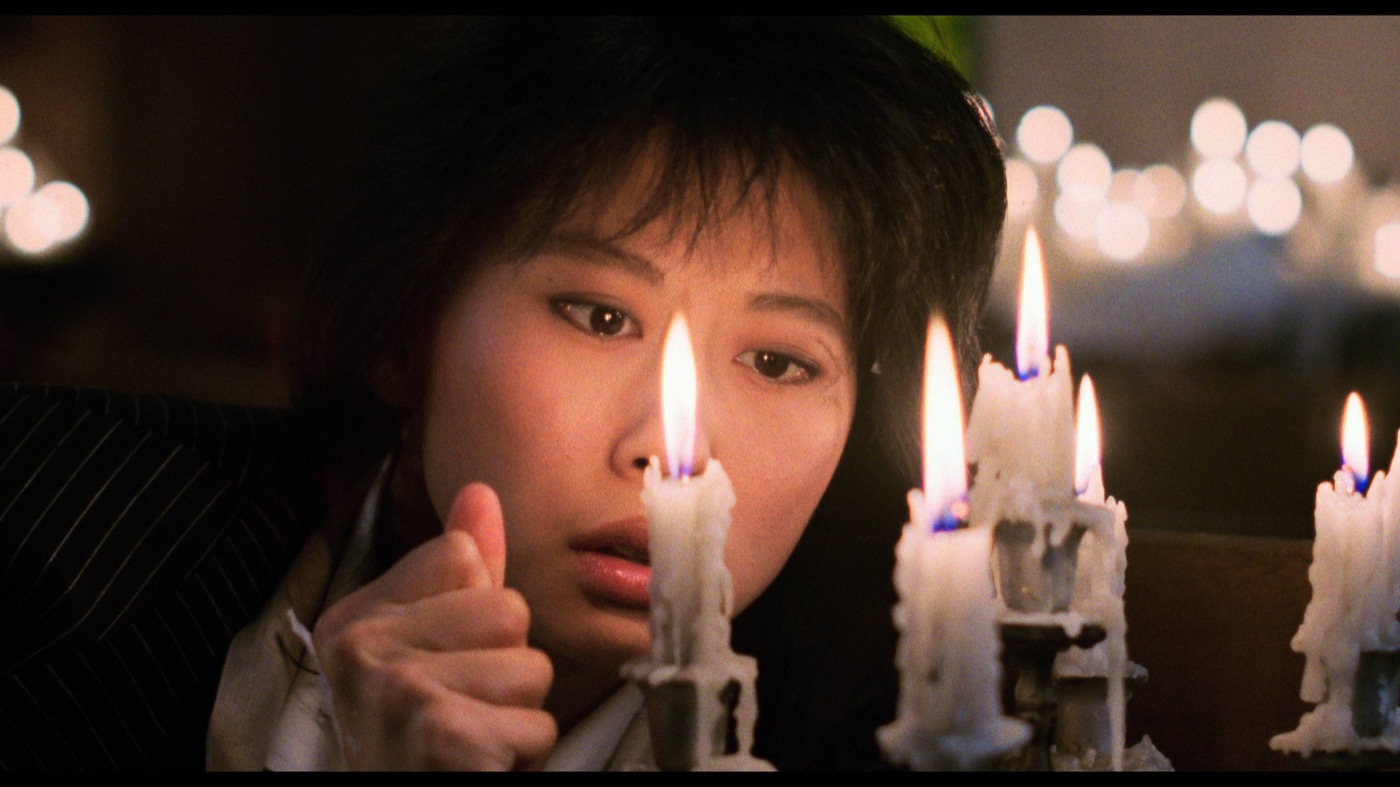
Despite remaining on opposite sides of the law, the parallels between Jong and Li deepen as the narrative unfolds. Both are fiercely devoted to their professions and haunted by the trail of suffering left in their wake. Jong is tormented by guilt over Jennie’s sight; similarly, Li is responsible for the death of a fellow officer. As they navigate this ethically unstable landscape, their rivalry evolves into mutual respect. This culminates in a climactic showdown inside a church, where Woo’s fascination with redemption and sacrifice is brought into sharp focus. The result is a sequence that feels almost sacrilegious in its intensity and stands as one of the more pessimistic conclusions in Woo’s filmography. It unfolds like a Greek tragedy in which a connection arrives late, an embrace remains unrealised, and redemption takes the form of a bullet.
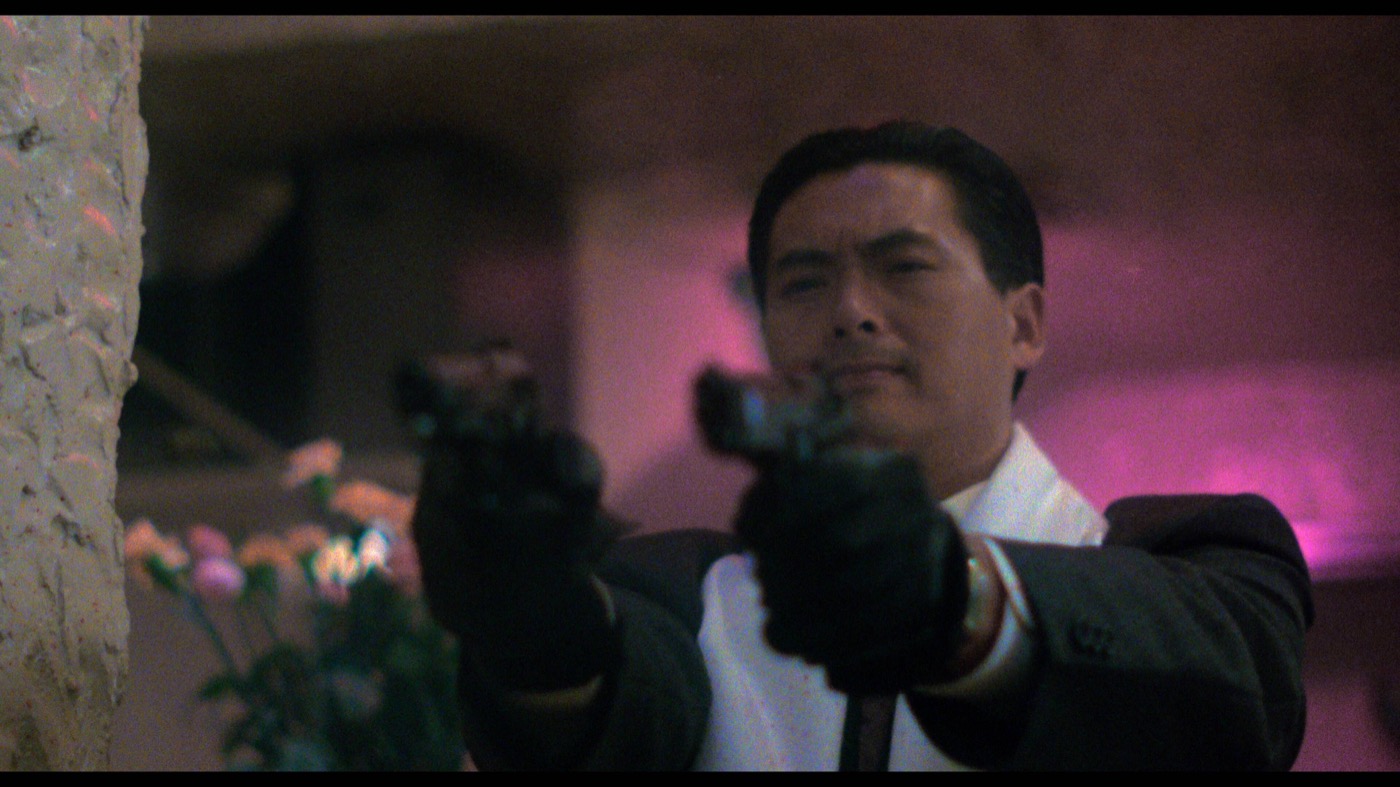
This duality is rendered with remarkable clarity by two convincing performances. Reuniting after their collaboration in City on Fire (1987), Chow Yun-fat and Danny Lee bring incredible depth to their roles. Chow delivers a nuanced turn as the hitman with a conscience; lesser performers would have telegraphed the conflict with exhausting obviousness, but Chow lets it simmer beneath a composed demeanour. Lee provides a compelling counterpoint, capturing a man’s moral certainty eroding under the weight of his reluctant admiration for the assassin. Together, the pair imbue the film with an unexpected emotional resonance.
Arriving in cinemas during a moment of regional unease, The Killer wasn’t an immediate domestic success. The aftershocks of the Tiananmen Square massacre were reverberating through the country, and audiences were preoccupied with the political climate. Once things stabilised, the film eventually garnered a respectable HK$18.3M. While it wasn’t immediately embraced at home, it quickly became a cult favourite internationally. Woo practically reshaped action cinema for Western audiences, and his visual language proved inspirational for filmmakers such as Quentin Tarantino, Robert Rodriguez, and Luc Besson. This admiration was instrumental in securing Woo’s transition to Hollywood in the 1990s, allowing him to helm blockbusters like Face/Off (1997) and Mission: Impossible 2 (2000).
While The Killer may not ascend to the heights of Woo’s subsequent triumph Hard Boiled (1992), it stands as an exhilarating foray into the distinctive world that defined his career. Unsurprisingly, Hollywood’s fascination with the film led to repeated attempts to reimagine it. After three decades of false starts, a remake finally materialised in 2024. Though it failed to capture the spirit of the original, its existence only reinforces Woo’s enduring appeal.
HONG KONG | 1989 | 111 MINUTES | 1:85:1 | COLOUR | CANTONESE • MANDARIN • JAPANESE • ENGLISH

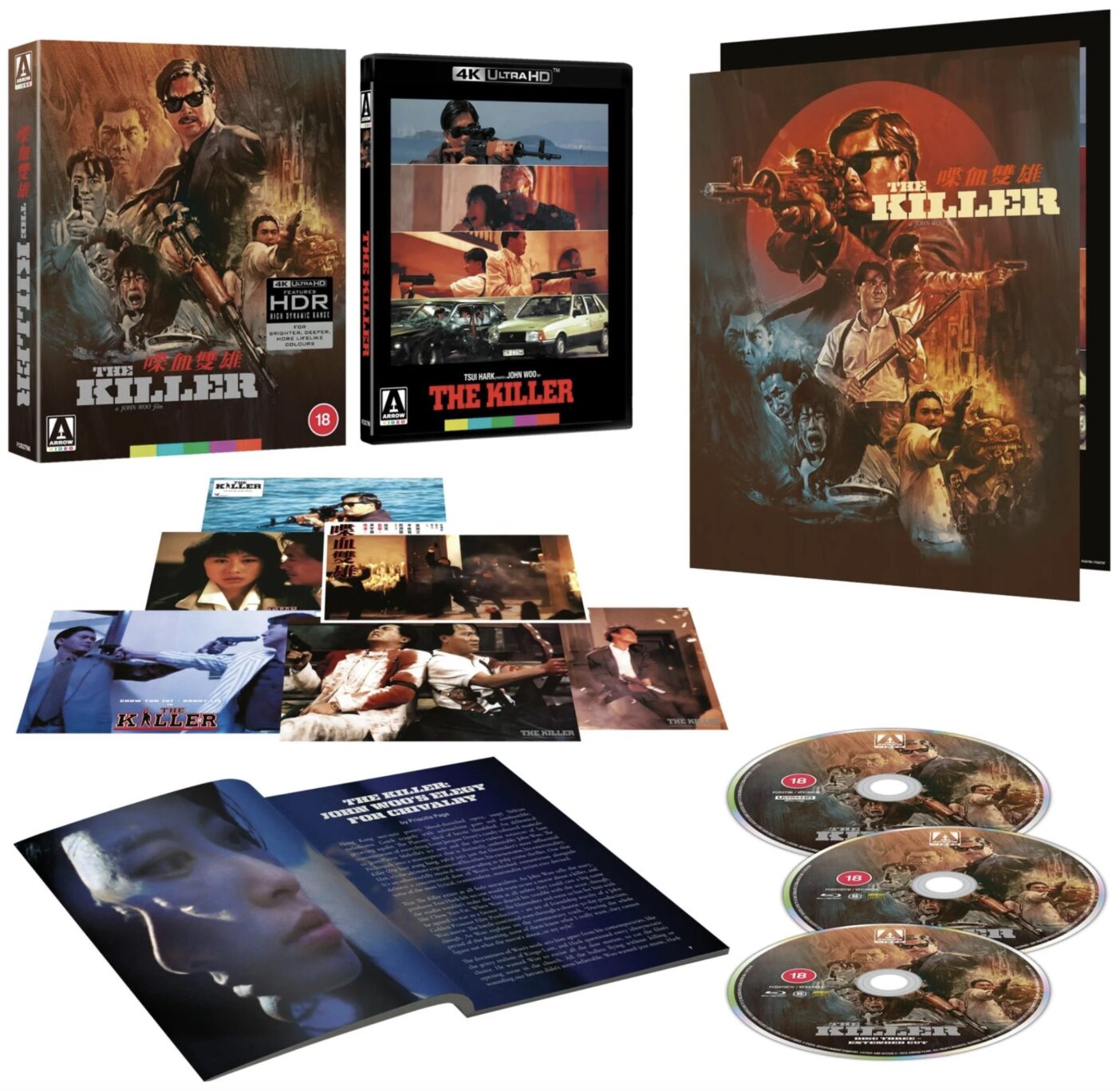
Continuing their commitment to restoring Hong Kong classics, Arrow Video delivers a wonderful 4K restoration of The Killer to complement its recent edition of Hard Boiled. Showcasing an impressive 2160p Ultra HD transfer, the image was sourced from the original 35mm camera negative and is presented in its original 1.85:1 aspect ratio.
After years of neglect, this highly anticipated release looks remarkable compared to previous iterations. Granted, the occasional sequence inherits a slight softness and appears somewhat diffused; however, this is primarily due to the limitations of the original photography. Arrow resists the temptation to sharpen the image artificially with Digital Noise Reduction (DNR), allowing the film’s natural grain and characteristics to remain intact.
As a result, viewers will appreciate the transfer’s ability to extract a surprising level of detail from the original negative. Tight compositions expose individual clothing textures and facial blemishes with newfound precision. The addition of Dolby Vision adds a pleasing depth to the presentation, lending the palette a gentle vibrancy. Colours appear more stable and nuanced, while blacks remain satisfyingly deep and whites are brilliant. Overall, the transfer represents a substantial improvement, and those who’ve been patiently waiting for this upgrade will be delighted with the result.
The Ultra HD release of The Killer features three audio options with newly translated English subtitles. Arrow provides a DTS-HD Master Audio 2.0 Mono track in Cantonese and an English dub, alongside a robust Dolby Atmos presentation in the native language. Given the limitations of the original recording, the source is understandably restricted. However, both the DTS-HD and Atmos soundtracks deliver a marked increase in clarity over previous home releases, with no anomalies to report.
The midrange becomes noticeably engaging during action sequences. Sound effects, including blistering gunshots and shattering glass, are distributed across the soundstage to create a stronger sense of space and directionality. The Atmos track, in particular, has been amplified for maximum impact. Low frequencies add a welcome sense of weight, reinforcing the kinetic visuals. Dialogue is also noticeably more discernible and less distorted than on older releases; voices remain clean and are well prioritised at the front. Despite the natural constraints of the source material, it’s a significant step up that should please the fans.

writer & director: John Woo.
starring: Chow Yun-Fat, Danny Lee, Sally Yeh, Chu Kong, Kenneth Tsang & Shing Fui-On.