CHRISTIANE F. (1981)
A teenage girl in 1970s Berlin becomes addicted to heroin, befriending a group of junkies and falling in love with a drug-abusing male prostitute.


A teenage girl in 1970s Berlin becomes addicted to heroin, befriending a group of junkies and falling in love with a drug-abusing male prostitute.
Despite the decades-long gap between them, anyone who’s watched Lukas Moodysson’s Lilya-4-Ever (2002) and Uli Edel’s Christiane F. / Christiane F.: Wir Kinder vom Bahnhof Zoo will find it impossible not to compare the two. Both are centred on a teenage girl living in a neglected apartment complex, surrounded by grime, with absent fathers and mothers who are rarely present. Both protagonists slip into dire circumstances that mirror, then exceed, the degradation around them. These are tragic, gut-wrenching works designed to form a pit in your stomach and expand it bit by bit until they subsume you. They aim to destroy.
Moodysson’s film is a masterpiece, made all the more impressive because his previous effort was one of the most heart-warming films of the century: Together (2000), whose optimism never clouded its unorthodox filmmaking. Edel, who took over directing duties on Christiane F. just two weeks before filming began, didn’t have nearly so impressive a filmography prior to this breakout. Initially, the project was to be directed by Roland Klick, but a disagreement with producer Bernd Eichinger dissolved that collaboration.
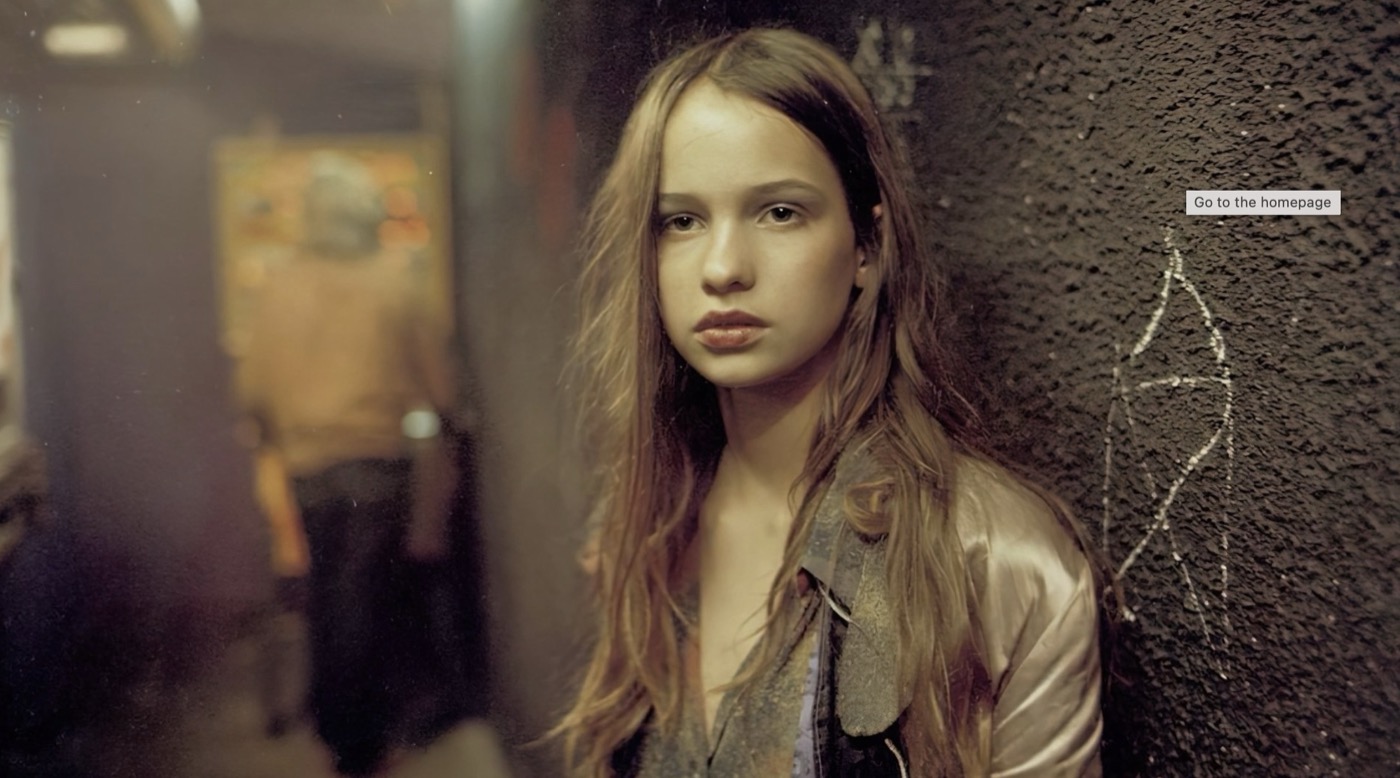
Following the nightly exploits of 13-year-old Christiane Felscherinow (Natja Brunckhorst), the film is a slow descent into ruin as the young teen becomes hooked on drugs and destroys her life. It was a shocking wake-up call regarding the devastation hard drugs can wreak, especially as most contemporary films on the subject focused on older characters. That a mere child could be wrapped up in a world of heroin and prostitution seemed unthinkable.
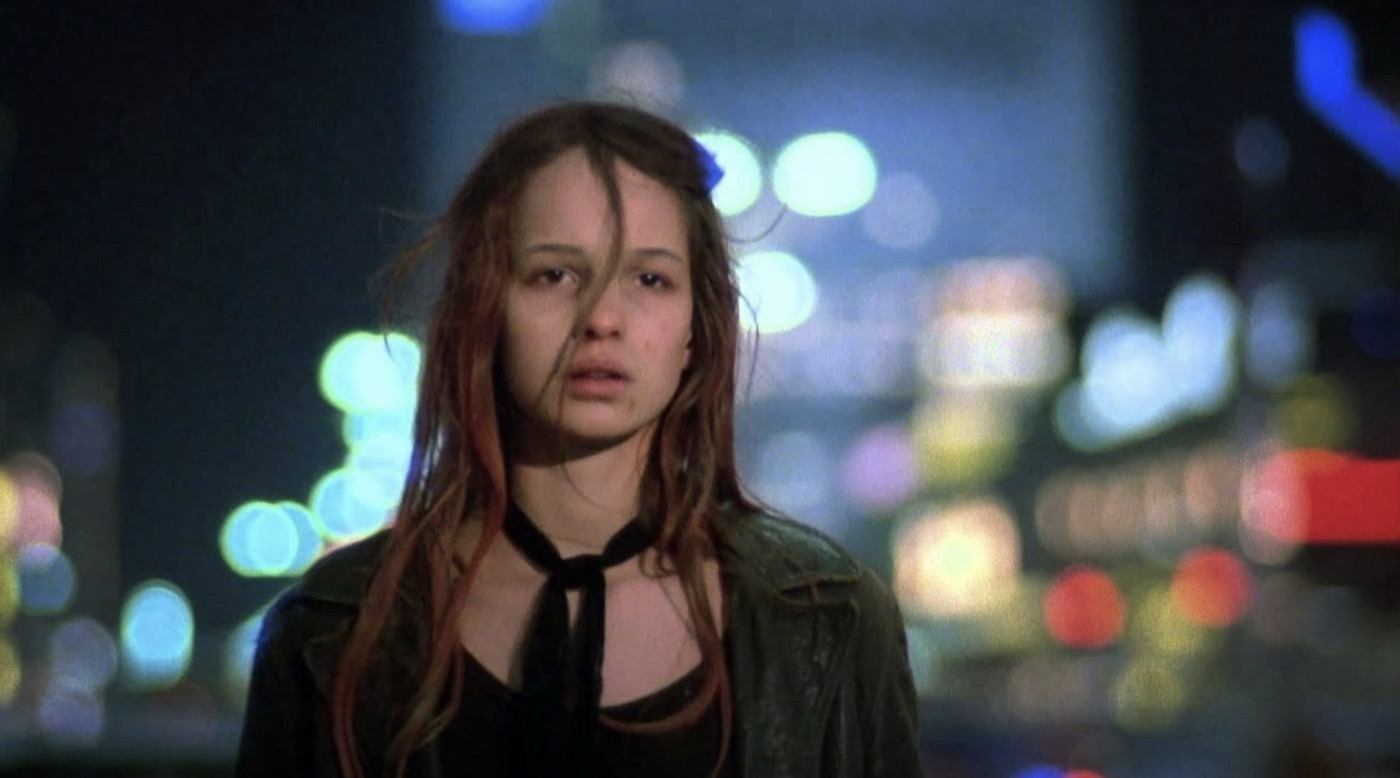
Despite its cult status as a harrowing “feel-bad” movie, Christiane F. is far from compelling. Almost the entire emotional weight rests on the fact that the victims are youngsters. To better enmesh viewers in its gritty realism, the performers actually resembled their characters in age—a welcome change from the litany of teen movies featuring adults in their mid-twenties. Furthering this realism, non-professional actors were cast in most roles. According to the film’s Wikipedia page, most did not pursue acting careers. Despite what this film’s bleak storyline would have you believe, perhaps there is some justice in this world, as the vast majority of these young performers are painful to watch.
When it comes to much-derided actors, emphasis is often placed on their delivery of heightened emotions. But the better test of these performers’ ability is usually non-verbal communication. On this front, most of Christiane F.‘s cast members fail miserably. The film is a reminder of how vital eyes are in communicating emotion; here, most of the cast adopt the dead-eyed, placid look of fish. It isn’t just that you can’t see a character lurking within them that rankles, but that even the barest emotion is inaccessible.
In one amusing instance, a middle-aged mother recognises her daughter on a subway platform and strides towards her without the slightest hint of emotion. Christiane, the girl’s friend, nudges her awake just in time for the mother to slap her three times across the face, delivering the blows so mechanically it would make a robot beam with pride. Only the ridiculous sound effects are forgivable as products of their time.
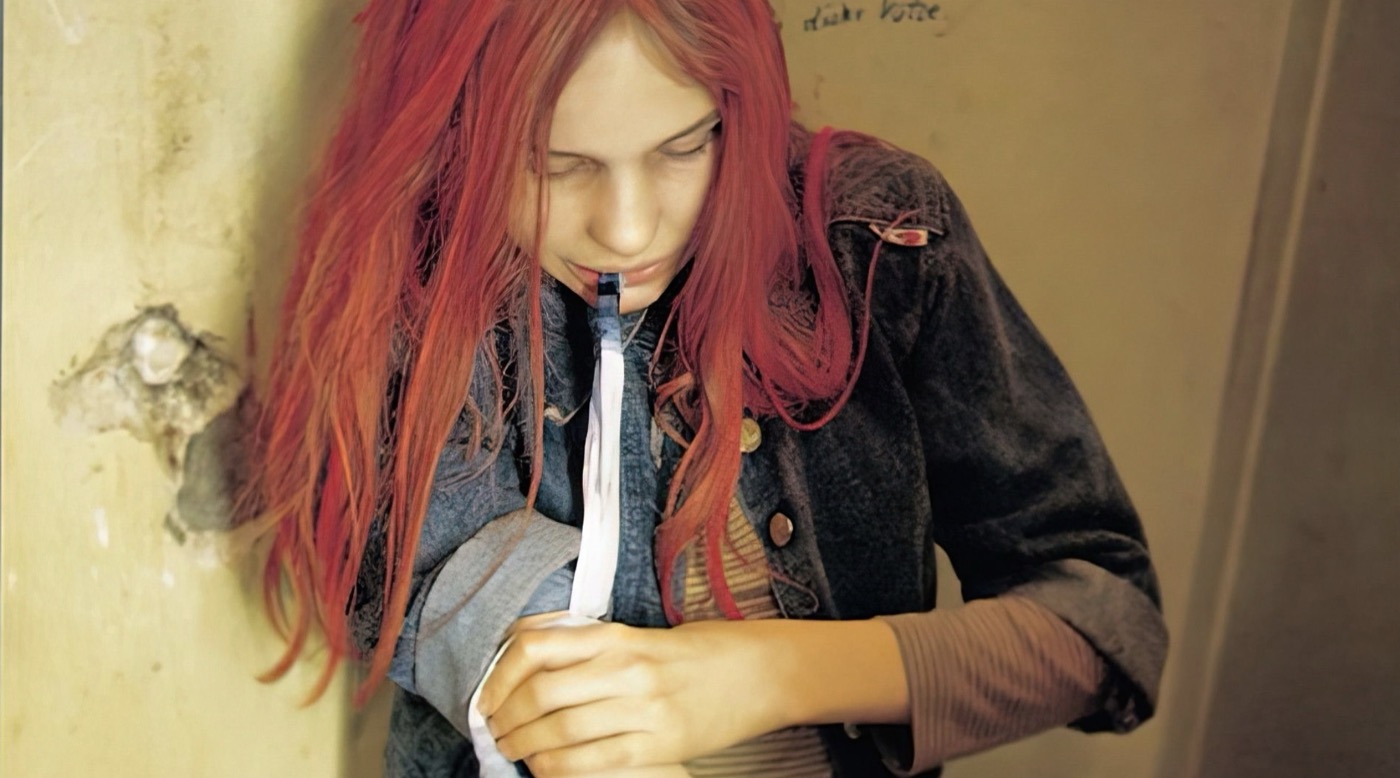
These disappointments aren’t limited to bit parts; even the central figures deserve reproach. Thomas Haustein is serviceable, and occasionally talented, as Christiane’s lover, Detlev. When shouting or storming off, he’s in control. But in moments of silence, he has the same placid look as the rest of the cast, offering no insight. Brunckhorst, it must be noted, is faultless. When Christiane is lost for words, she’s the most compelling part of the film. Her facial expressions are tragic because we quickly come to learn that any joy she feels is brutally short-lived. Her dead-eyed expression actually bears meaning, feeling more harrowing than the poorly delivered melodrama that ensues.
The best moments in Christiane F. occur when the camera glides or drifts languidly, removed from the grimy horror of drug abuse. Usually, these movements are reserved for establishing shots—travelling through tunnels, tracking apartment complexes, or drifting through late-night haunts. They’re the only moments of true beauty, though the depiction of squalor is well-executed in its own right.
But what purpose does beauty serve here? Christiane F. is relentless in its misery and dullness precisely because of its unwillingness to reckon with beauty. A film like Lilya-4-Ever is teeming with this quality; it just knows how to pulverise it over time, twisting the knife into the viewer. Christiane F. can’t even insert the blade, as there’s no contrast between joy and horror.
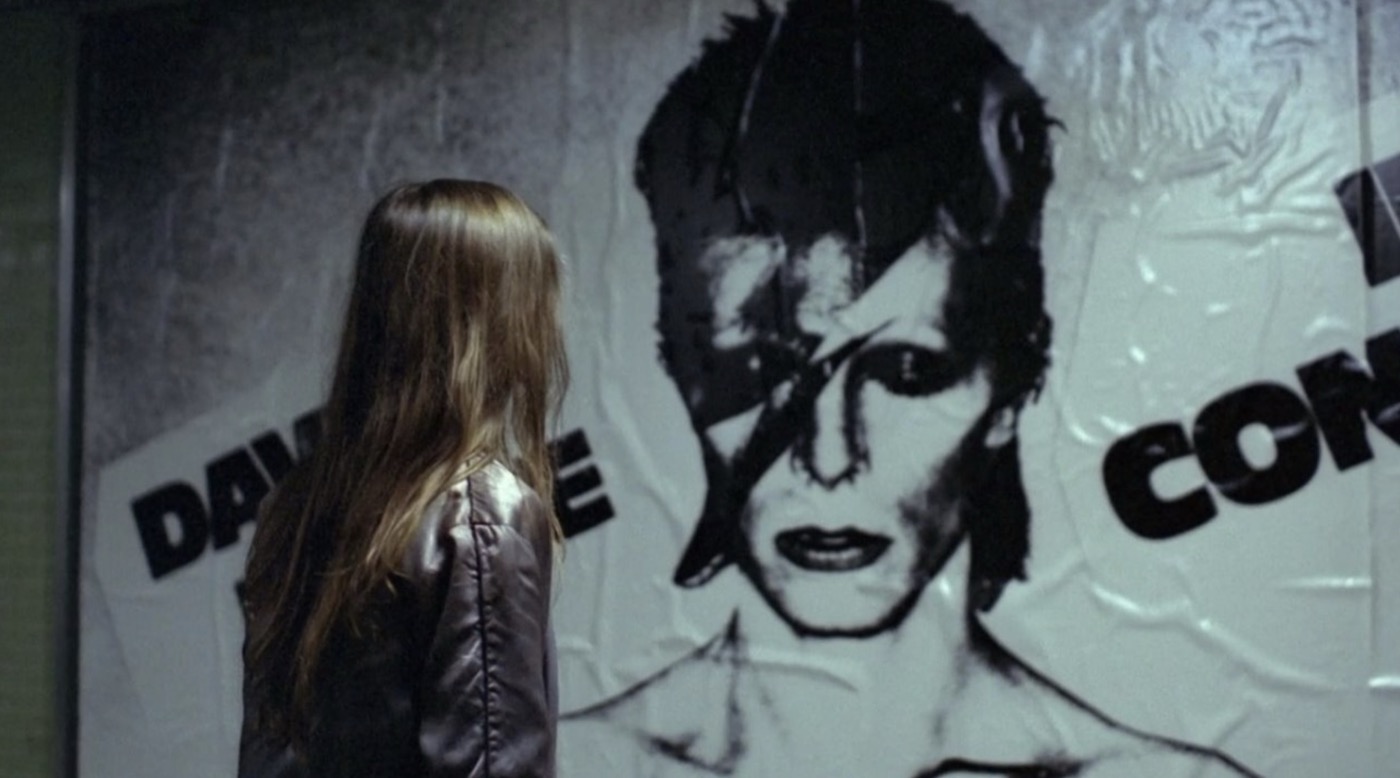
The characters talk dully about procuring drugs with no insight into what makes them tick as humans. We know nothing about them, so their suffering feels like mere drudgery. You could argue this is the point, but that would only work if we were initially given some insight into who they were, allowing us to watch their personalities dim as drug addiction takes hold of them. There’s no room for interiority here. Even the visual style leaves something to be desired; the cinematography is well-crafted, but aside from depicting squalor, it reveals nothing about the emotions this world evokes. It has endless dourness to depict and absolutely nothing to say about it.
Replete with poor acting, awkward editing, and an uninspired approach to this cautionary tale, Christiane F.’s legacy as an under-appreciated cult film is entirely undeserved. If the young characters are enough to make you care, the film is bound to move you. How could it not, regardless of its artlessness? But for audiences who want some justification for frank depictions of misery, there are far more compelling cinematic forays into the darker side of life. Most importantly, those films possess a true beginning and end, unlike Christiane F.’s toneless, expository voice-over, which feels even more hastily executed than the mid-production change of directors.
WEST GERMANY | 1981 | 131 MINUTES | 1.66:1 | COLOUR | GERMAN

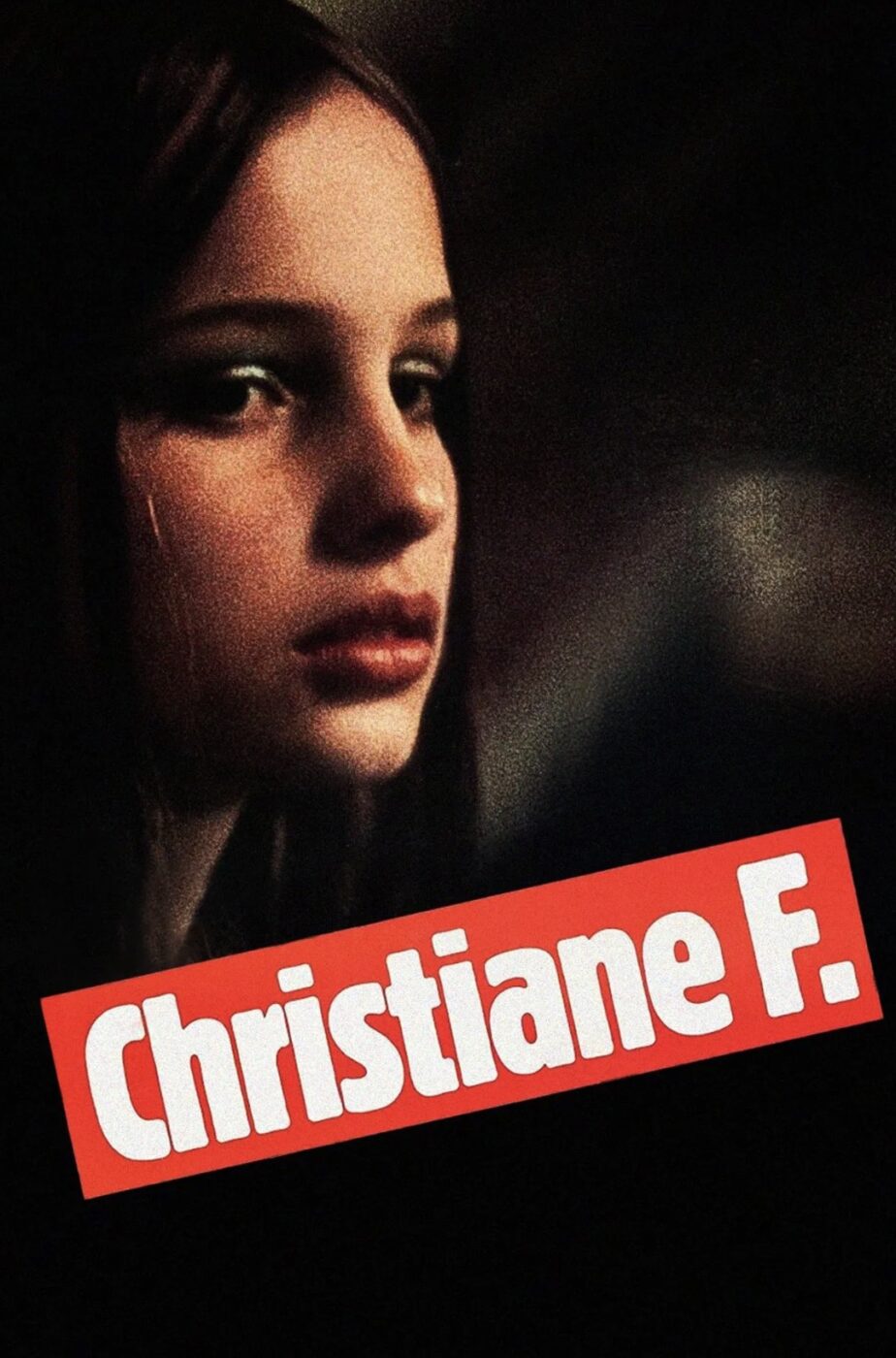
director: Uli Edel.
writer: Herman Weigel (based on the book ‘Zoo Station: The Story of Christiane F.’ by Kai Hermann & Horst Rieck).
starring: Natja Brunckhorst, Thomas Haustein, Jens Kuphal, Rainer Wölk, Jan Georg Effler, Christiane Reichelt, Daniela Jaeger, Kerstin Richter, David Bowie & Christiane Lechle.