SCREAM 7 (2026)
When a new Ghostface killer emerges in the quiet town where Sidney Prescott has built a new life, her darkest fears are realised as her teenage daughter becomes the next target.


When a new Ghostface killer emerges in the quiet town where Sidney Prescott has built a new life, her darkest fears are realised as her teenage daughter becomes the next target.
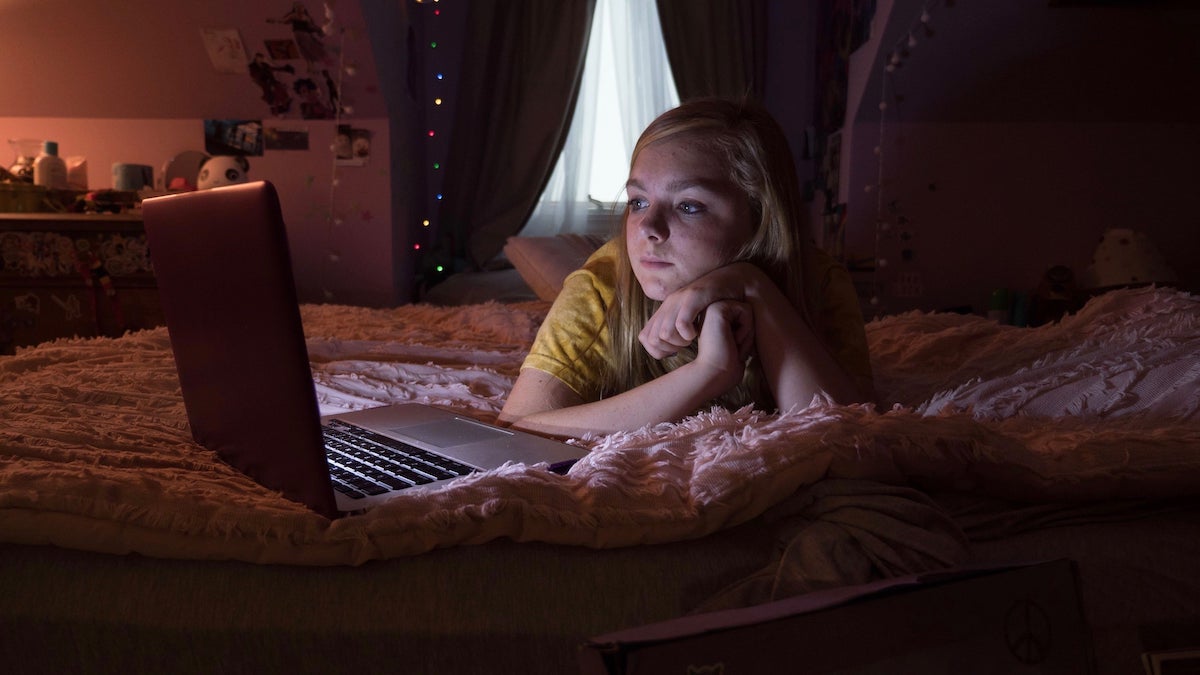
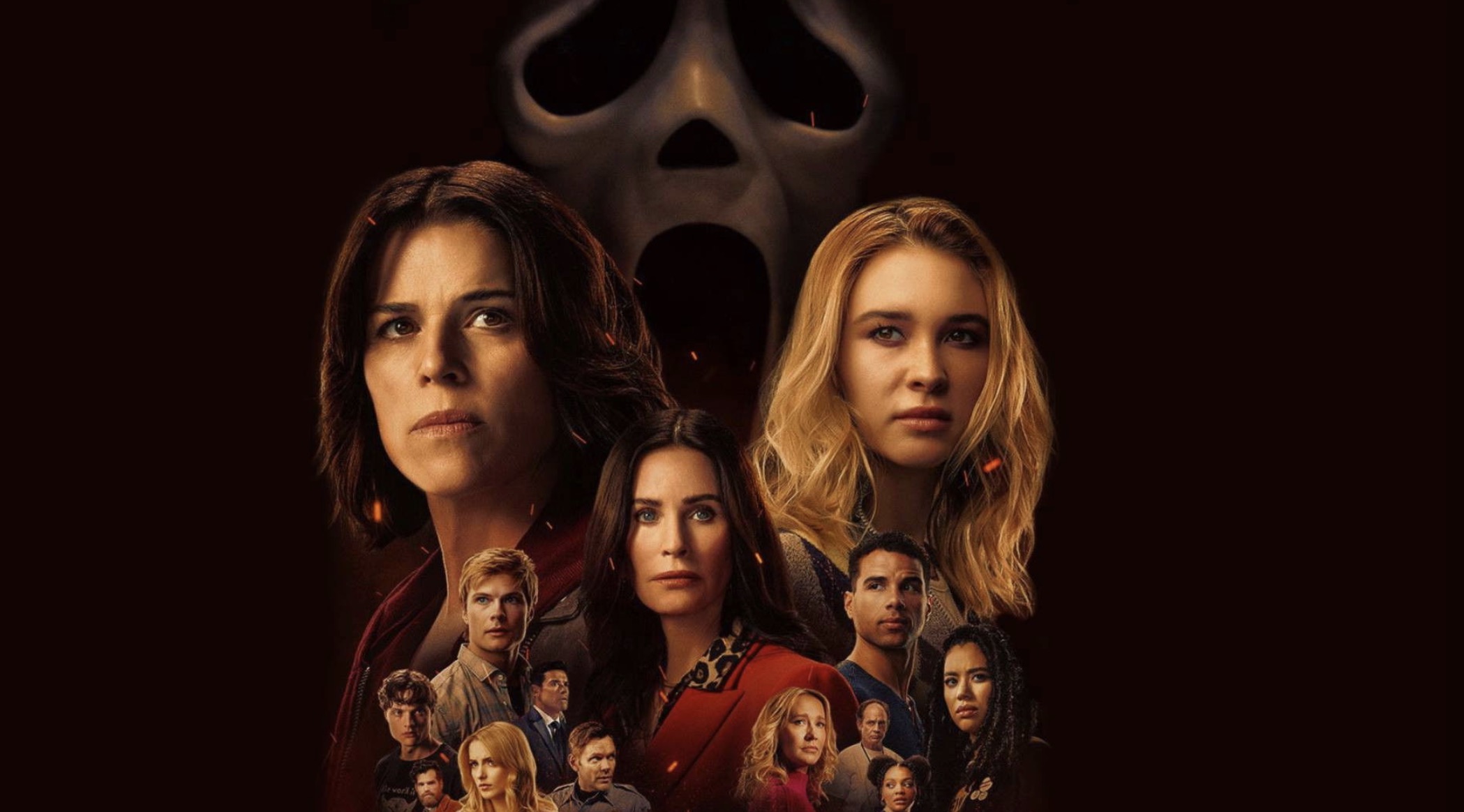
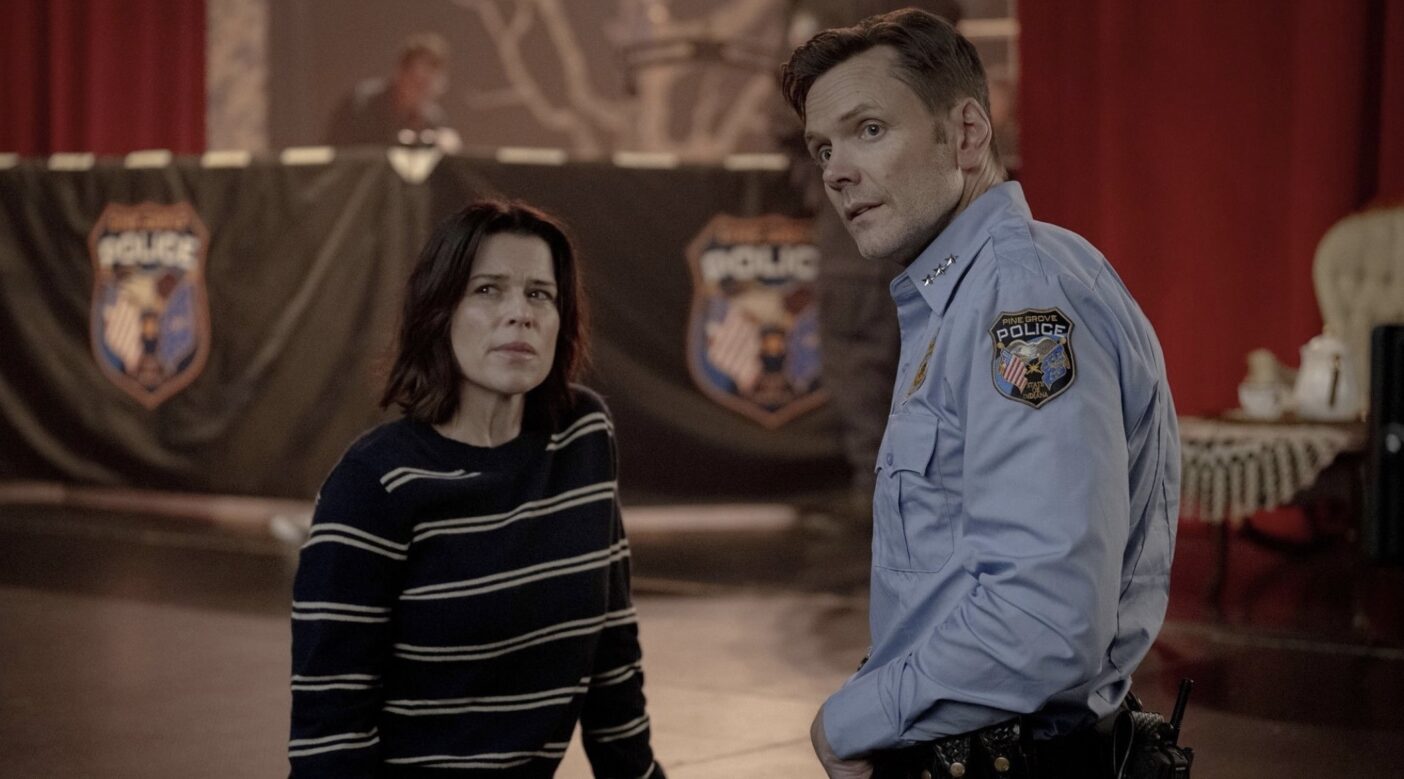
30 years after the original Ghostface massacre, Sidney Prescott (Neve Campbell) has retired to the suburbs. She’s now raising a family with the local sheriff (Joel McHale) and navigating tensions with her daughter, Tatum (Isabel May)—named after the best friend she lost three decades ago. Sidney’s right to be worried. An incident at the ‘Macher House’ where those murders concluded in 1996 serves as the precursor to a new killing spree, and a nemesis who should be long dead appears to be sending Sidney FaceTimes. Is it A.I., or are fans of the Stab franchise—the films-within-the-films based on the Ghostface killings—correct in claiming this person somehow survived? She’ll need her old friend Gale Weathers (Courteney Cox) to find out.
I’m surprised by how much I enjoyed Scream 7. Perhaps that’s because, for me, the core story of the Scream films ended with the third instalment. Everything since has just been a long, weird, silly, yet frequently fun epilogue; consequently, I don’t mind all the questionable narrative choices. I boycotted Scream 4 (2011), annoyed that Sidney’s story was continuing after it had concluded so perfectly in Scream 3 (2000). Despite that film’s many flaws, it ended on a shot of Sidney looking at an open door, silently realising she no longer has to be afraid. It brought closure to the tragedy of Sidney’s mother, Maureen, and the many murders it spawned.
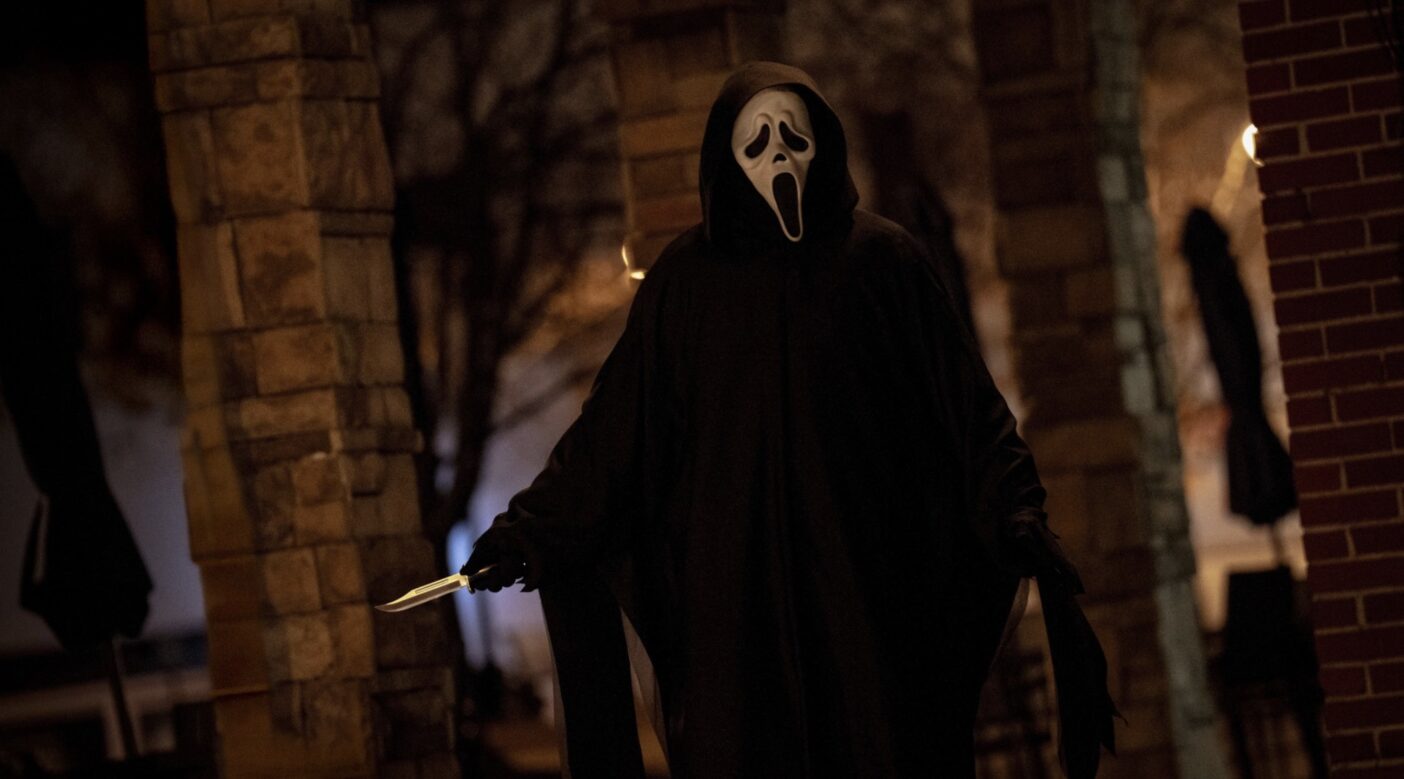
Although I found myself settling comfortably into Scream 7, it’s definitely the worst in the series. The mystery’s resolution is beyond ridiculous, and the motivation for the murders makes almost no sense. The motivation in Scream VI (2023) was on the daffy side, yet still vastly superior to this. I’m not even sure I understood it. You’d be hard-pressed to find a more forgettable pair of killers outside of a long-forgotten, no-budget Z-movie from 1982.
More than any other entry in the franchise, Scream 7 seems to have suffered from serious screenplay issues. Its troubled production followed the sudden departure of Melissa Barrera (new lead of the fifth and sixth entries) for the “crime” of stating that genocide is bad. Co-star and screen sister Jenna Ortega left with her. The directing duo of Matt Bettinelli-Olpin and Tyler Gillett had already left the franchise after two instalments, but then so did their replacement Christopher Landon (Happy Death Day), leading writer/creator Kevin Williamson to step in to direct and co-write with Guy Busick.
The result is a mess. Williamson does his best and pulls off one or two good set-pieces, a couple of entertaining kills, and some Nancy Drew-style plot twists. Ultimately, however, it fails to coalesce into either an effective meta-commentary on slashers or a cohesive horror mystery. Thematically, Scream 7 also features the weakest killers in the franchise. I almost burst out laughing when, during the unmasking, Sidney says, “You?” in a voice that suggested she was as confused as I was! To be fair, Scream 2 (1997) had a barely foreshadowed killer too, but that worked because it suited the satire of early slasher plotting, and the character was intimately connected to the Sidney arc and brilliantly performed.
The “knife fodder” in Scream 7 is also the franchise’s worst. One reason everything post-Scream 3 feels arbitrary is that the story’s become divorced from even the heightened reality of pulp fiction. At one point, a teenager is disembowelled in a school (leading to the film’s best line: “We don’t even have an understudy”), but I can’t overstate how monumental such an event would be in reality—the trauma to the community and the sheer scale of the police response.
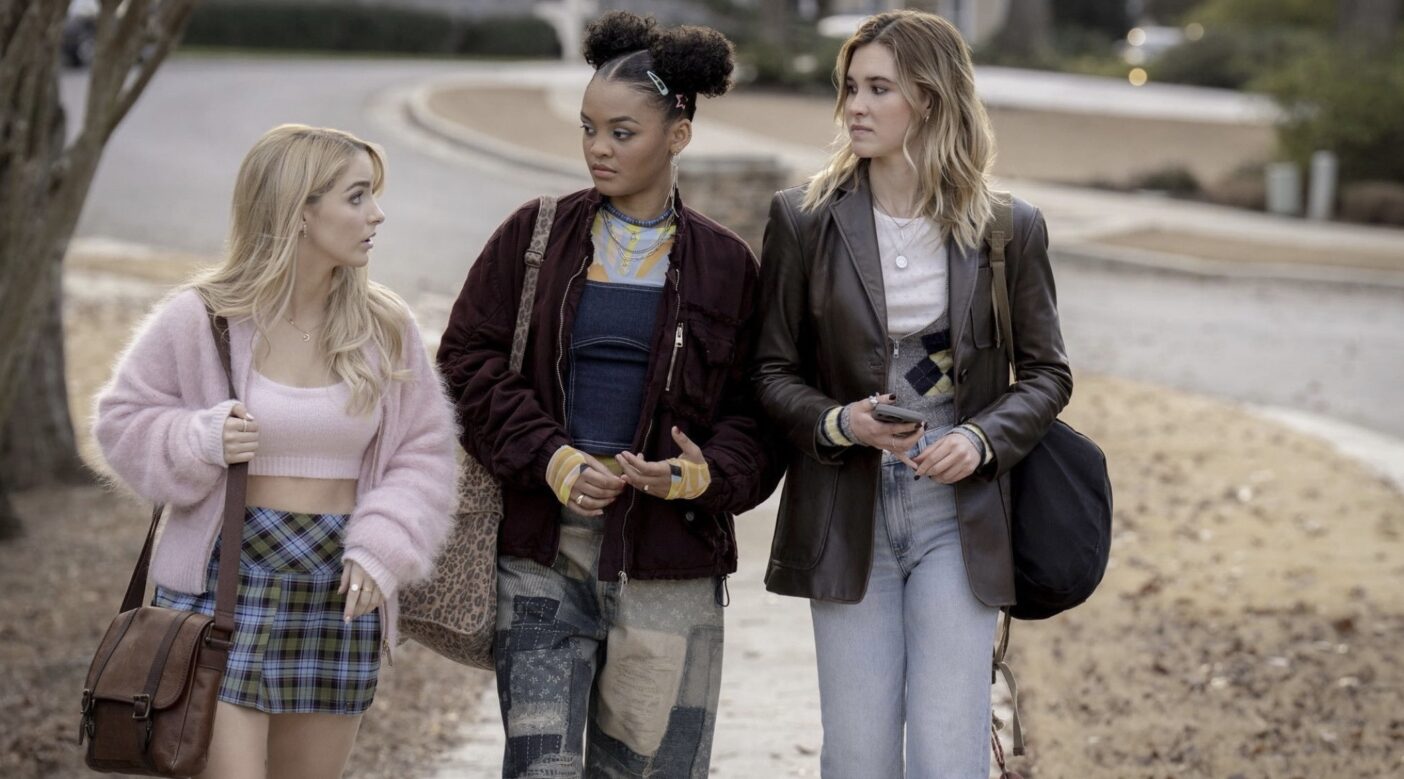
Williamson repeats a motif from the original where Nick Cave’s “Red Right Hand” plays as the town enters a curfew, yet nothing truly changes. In a baffling choice, the murdered boy’s friends promptly break said curfew to gather in a pizza parlour. These characters have almost no personality: one boy is a vague Randy Meeks clone; another is simply “the girl”; a third, who dates Sidney’s daughter, appears to be wearing a hairpiece for reasons unknown. One could argue this lack of detail satirises 1980s character archetypes, but you’d qualify for a United Nations award for such generosity.
While previous sequels were hardly realistic, they compensated with atmosphere and characterisation. Here, Ghostface and a victim demolish a coffee shop, yet no one in this strangely empty town notices. Yes, it happens after dark, but try smashing up a Starbucks in a Halloween mask and see if no one arrives.
Funnily enough, Sidney Prescott should be the one living the life Jamie Lee Curtis’s Laurie Strode was leading in the Halloween (2018) reboot. Strode experienced one night of terror 40 years ago; traumatising, certainly, but survivors often go on to lead normal lives. It would make more sense for Strode to be the suburban wife and mother, while Sidney—who’s witnessed upwards of 60 deaths—should be living in a fortified compound. One wonders if she remembers people solely by their demise: “Your brother? Of course! My college boyfriend. Lovely guy. Crucified in front of me—a real mess. Are your parents well?”
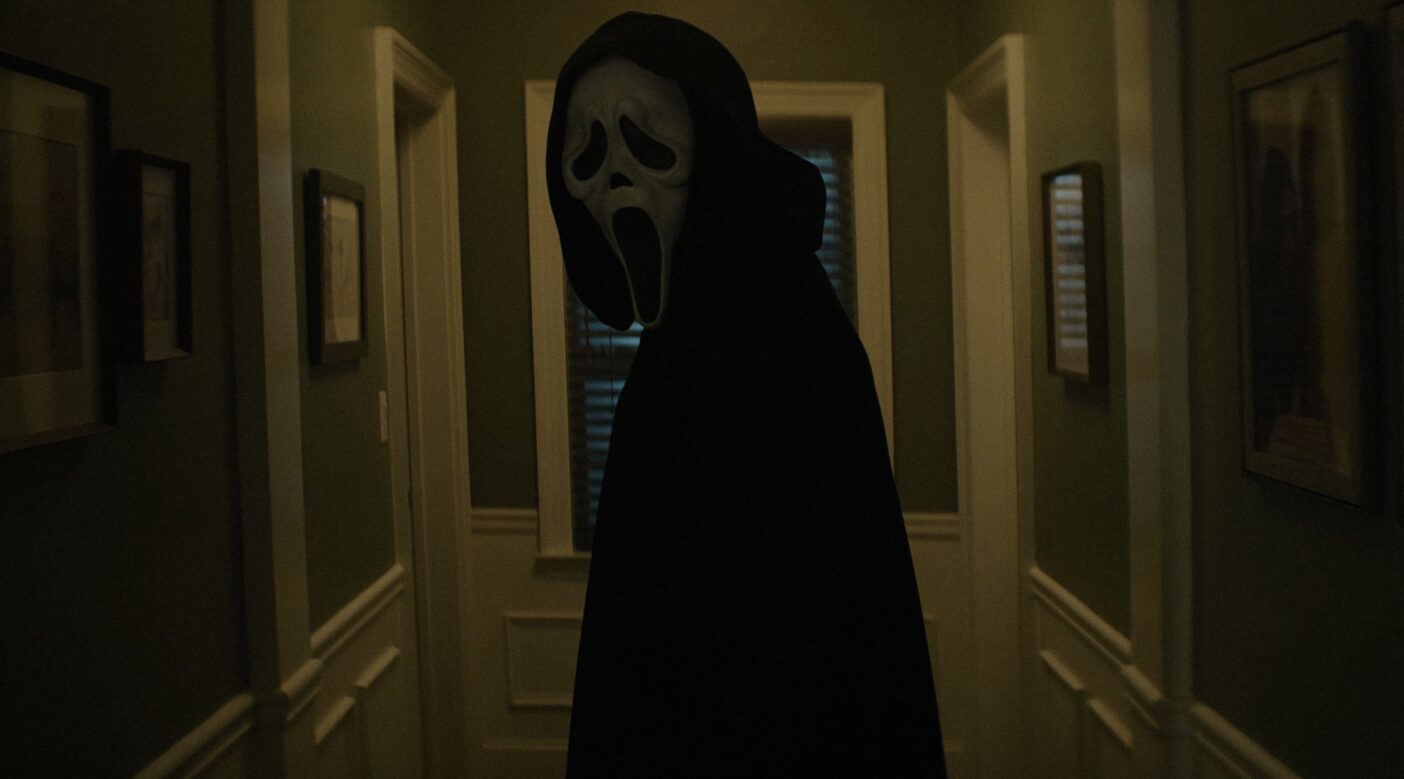
If it sounds as though I hate Scream 7, my above-average star rating requires explanation. I found it oddly “cosy” and enjoyed settling into the bonkers plot and trashy thrills. Moreover, the kills—the primary purpose of a slasher—are genuinely good. The sequence involving a beer tap was a highlight, and the opening murders are nastier than those in the last few outings.
The “cold open” is a Scream staple and my personal ranking of them now is 1, 4, 2, 3, 6, 7, then 5. Scream 7‘s beats Scream [5]’s (2020) only because the conceit of an Airbnb in the 1996 house is highly amusing. However, reflecting the messy script, this opening is entirely detached; you could cut it from the film without this changing a thing.
Finally, a frustrating trend continued from the recent sequels is that being stabbed repeatedly is no longer lethal. It’s happened at least five or six times now. Forgive the soapbox, but it feels irresponsible to suggest one can survive repeated deep stab wounds, even in a popcorn flick. A recent cinema advert featured children pointing to “safe” places to be stabbed on a mannequin, only to find there are none. That advert didn’t play before Scream 7. Perhaps it should have.
USA • CANADA | 2026 | 114 MINUTES | 2.39:1 | COLOUR | ENGLISH

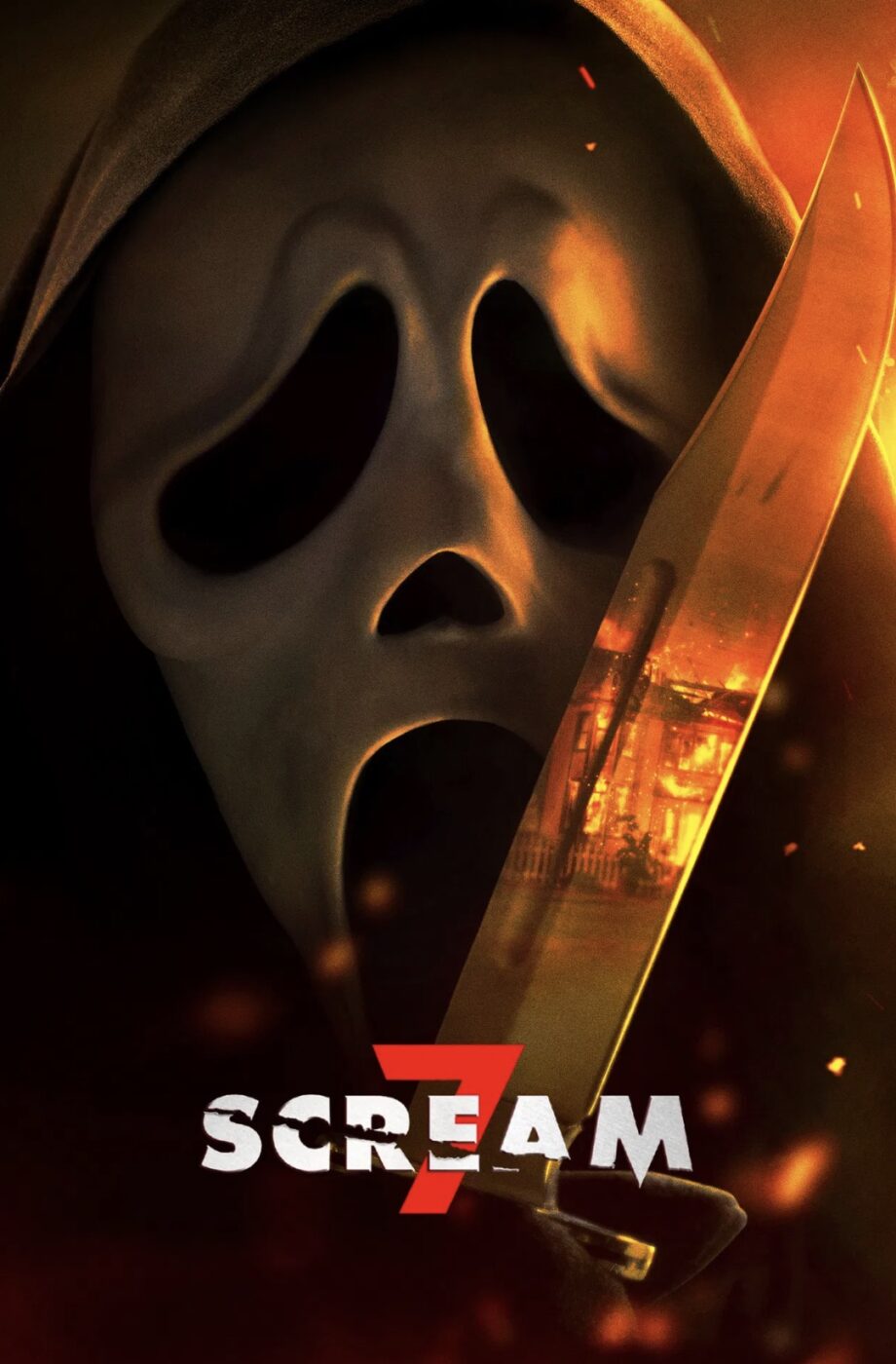
director: Kevin Williamson.
writers: Kevin Williamson & Guy Busick (story by James Vanderbilt & Guy Busick; based on characters created by Kevin Williamson).
starring: Neve Campbell, Courteney Cox, Joel McHale, Isabel May, Jasmin Savoy Brown, Mason Gooding, Anna Camp, David Arquette, Michelle Randolph, Jimmy Tatro, Mckenna Grace, Asa Germann, Celeste O’Connor, Sam Rechner, Mark Consuelos, Tim Simons & Matthew Lillard.