THE INUGAMI FAMILY (1976)
The patriarch of the Inugami dynasty dies, leaving his fortune to a young woman from outside the family and grisly murders ensue.

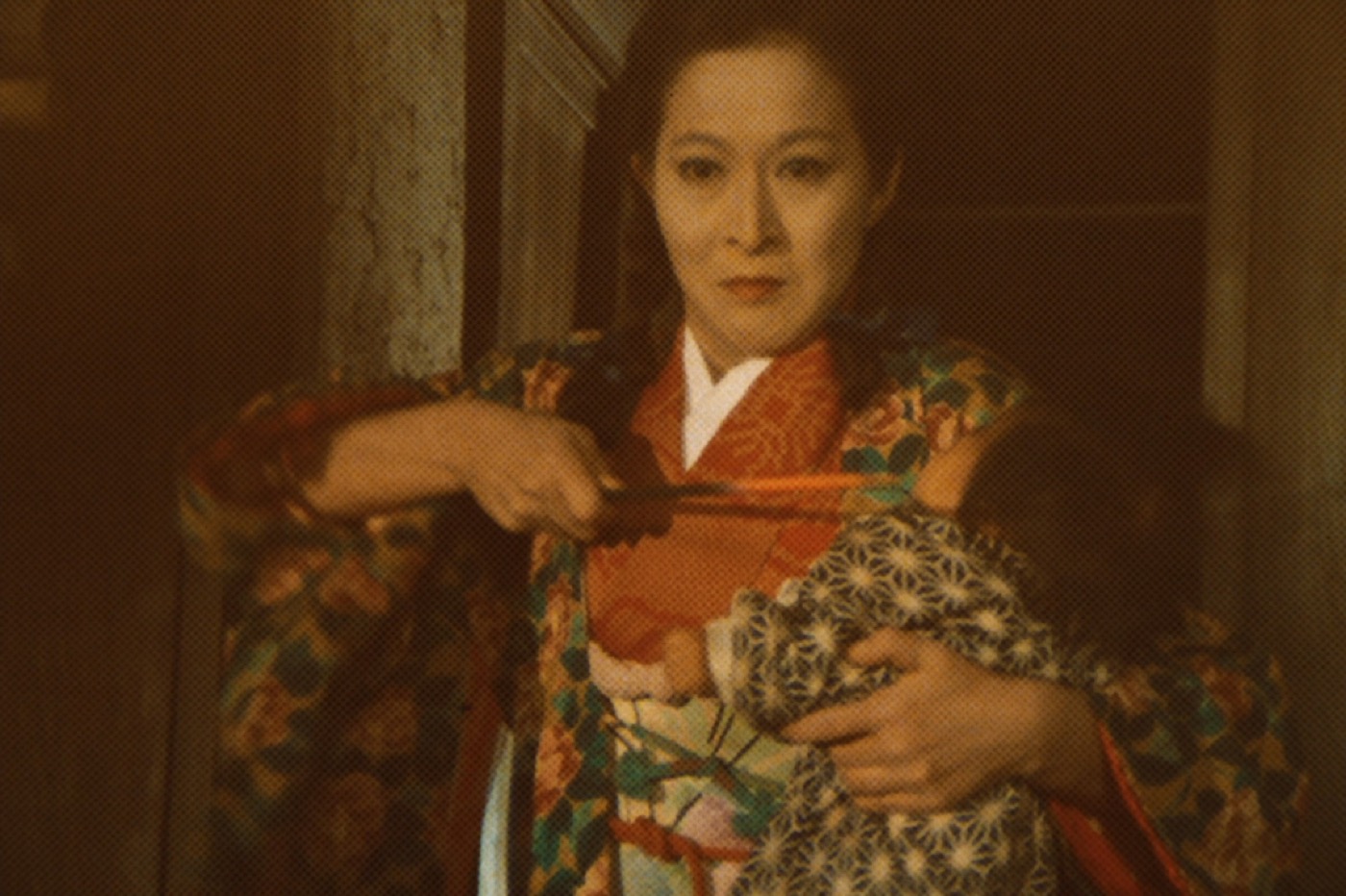

The patriarch of the Inugami dynasty dies, leaving his fortune to a young woman from outside the family and grisly murders ensue.
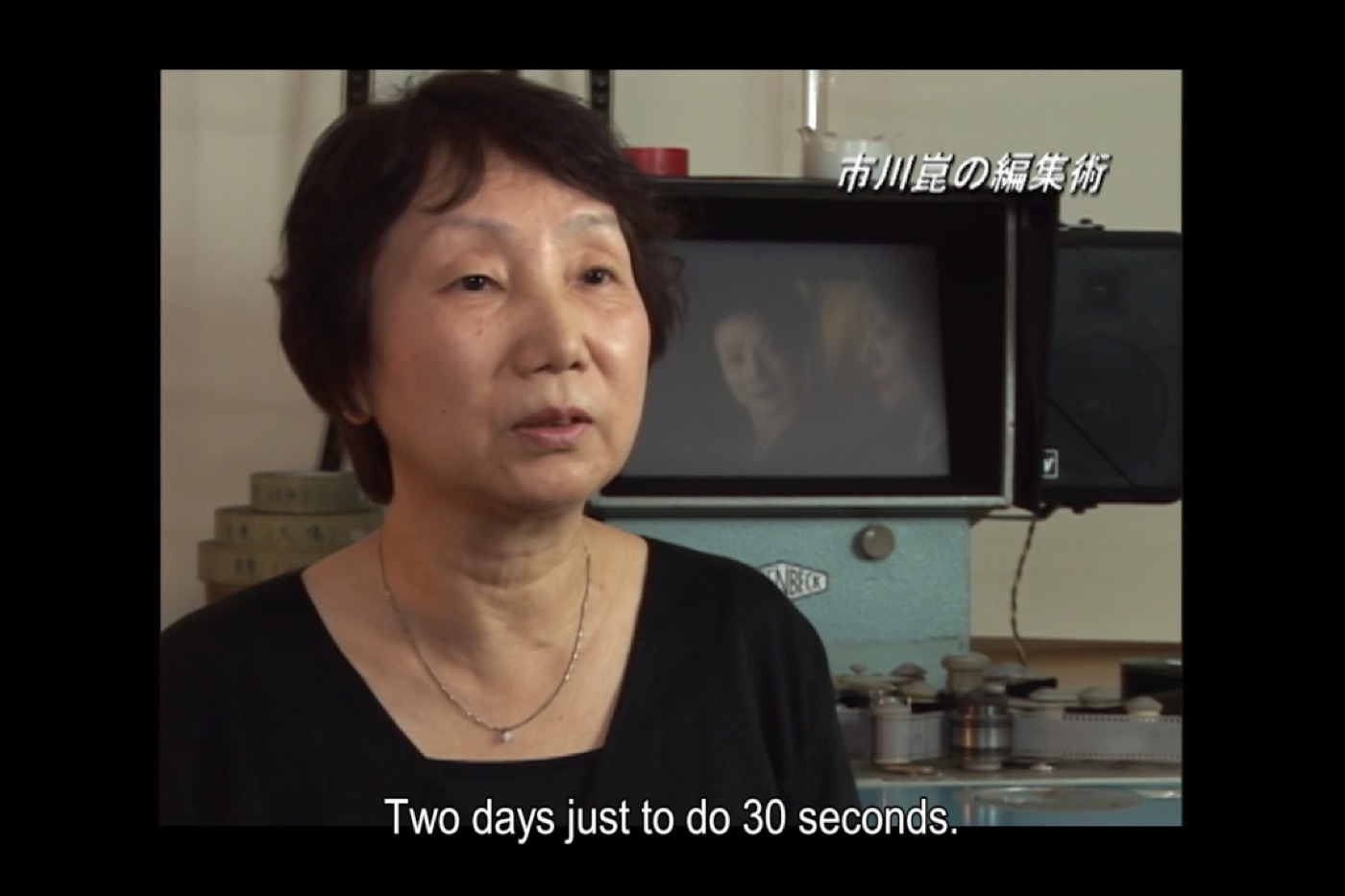
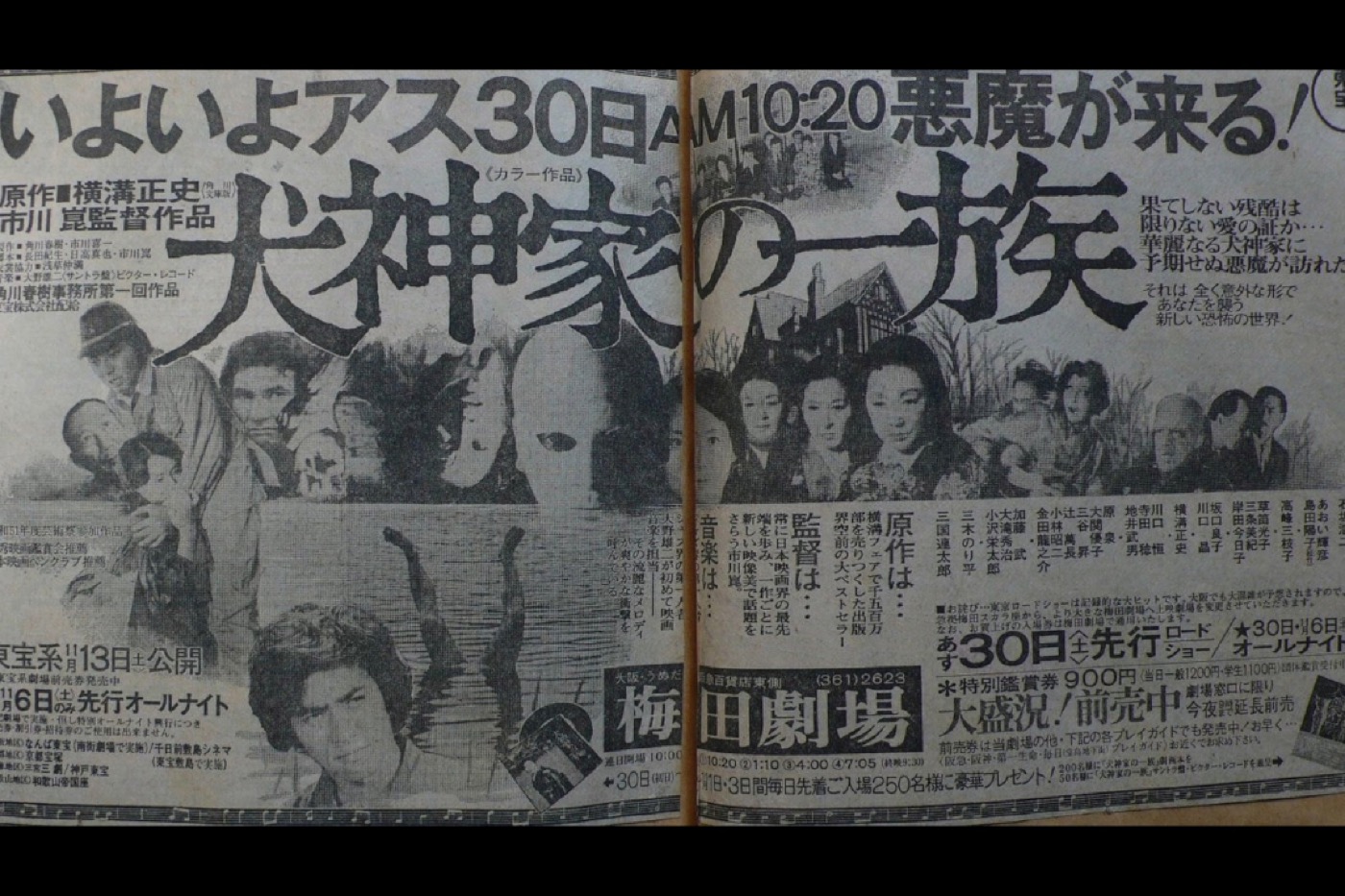
Not only is Kon Ichikawa’s The Inugami Family / 犬神家の一族 a classic murder mystery that should satisfy the most ardent armchair sleuths, it also marks a pivotal moment in Japanese cinema. As the first feature produced by media giant the Kadokawa Corporation, it introduced a new production-distribution model that effectively broke the studio system. Although it’s the best-known of the 11 screen adaptations of Seishi Yokomizo’s bestselling novel, and was a box office hit in Japan, it never achieved significant international distribution. It’s great, then, to see Radiance give this hugely important and influential film the respect it deserves with a landmark Blu-ray release. Scanned from the original camera negatives, Kadokawa’s gorgeous 4K restoration is meticulously colour-graded according to the studio’s master notes and approved by original editor Chizuko Osada.
To a Japanese audience, the appearance of Kosuke Kindaichi (Kōji Ishizaka) in his rumpled gown and floppy hat is as recognisable as Sherlock Holmes in his deerstalker and Inverness cape, or Columbo in his shabby raincoat. The detective is summoned to a town on the shores of Lake Nasu by Mr Wakabayashi (Hajime Nishio), lawyer to the Inugami family, who is concerned about the unusual will left by the recently deceased patriarch and pharmaceuticals magnate, Sahei Inugami (Rentarō Mikuni).
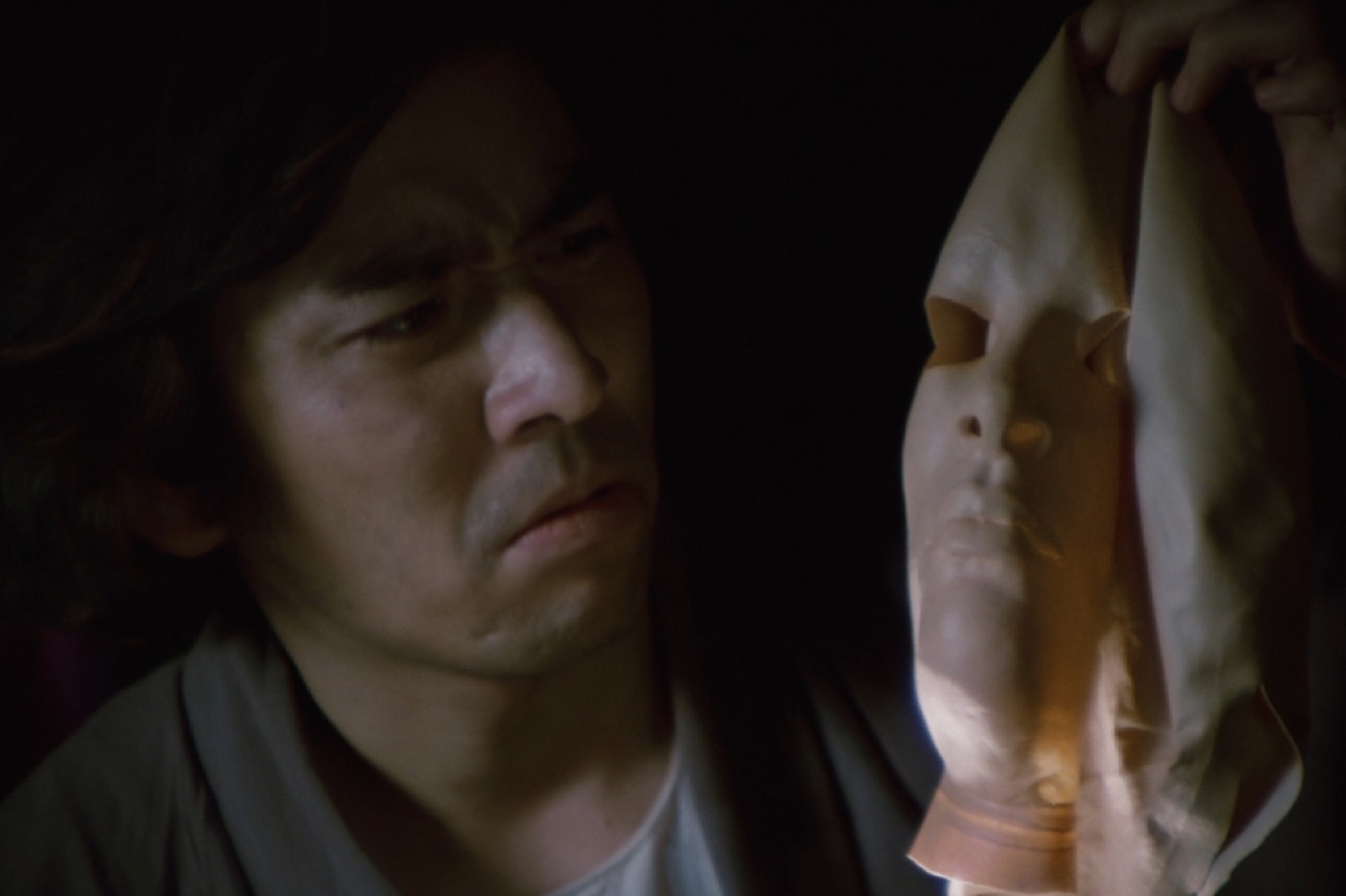
By the time Kindaichi arrives, Wakabayashi is missing. Matters are instead being handled by his partner at the small firm, Mr Furudate (Eitarō Ozawa), who needs a neutral witness for the formal reading. The late Sahei stipulated that the reading could not take place until several individuals, including all family members, were assembled. However, Sukekiyo (Teruhiko Aoi) is still awaiting his delayed repatriation following military service in the Burma Campaign — establishing the setting as 1947. Sukekiyo is the son of Matsuko (Mieko Takamine), the eldest of Sahei’s three daughters, each born to a different mother, none of whom he married.
This legal labyrinth of inheritance grows even more complex when Sukekiyo finally arrives wearing a mask, his face disfigured beyond recognition. Naturally, the other two grandsons — Suketake (Takeo Chii), son of Takeko (Miki Sanjō), and Suketomo (Hisashi Kawaguchi), son of Umeko (Mitsuko Kusabue) — demand proof that he is not an impostor. Imagine their collective dismay when the will is read and the entire estate is bequeathed to young Tamayo Nonomiya (Yôko Shimada), granddaughter of Sahei’s former business partner — provided she marries one of the three grandsons.
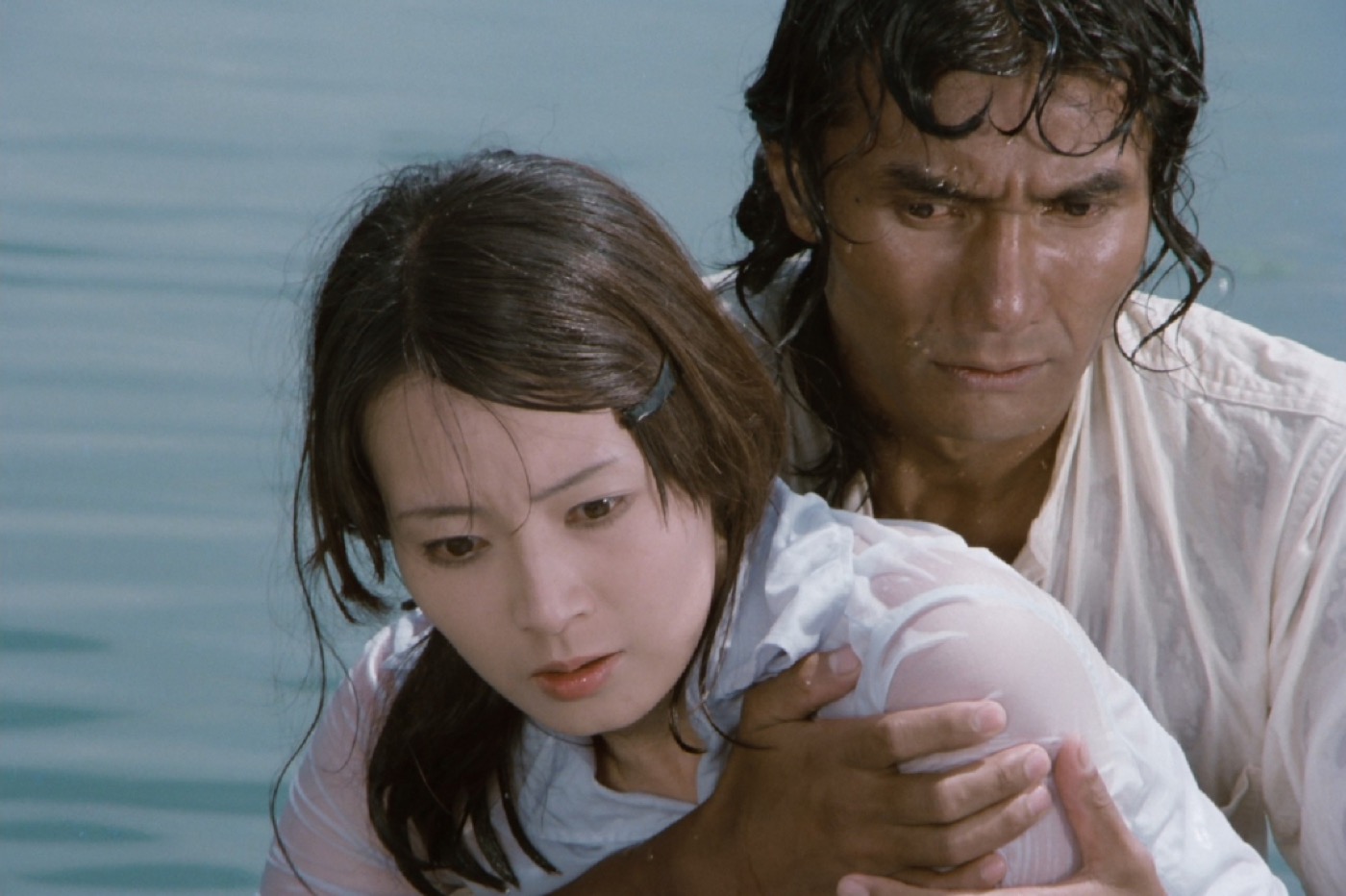
The reading of the will acts as an efficient device to introduce the characters and showcase the stellar cast in a single room. It also lays out a series of complex stipulations that seem explicitly designed to incite the murder of potential beneficiaries. The scene calls to mind the climax of a classic whodunnit, when Hercule Poirot gathers every suspect together for the grand reveal. Indeed, managing a cast of roughly 20 key characters mirrors the logistics of Agatha Christie’s classic mysteries set aboard cruise ships or on secluded island resorts.
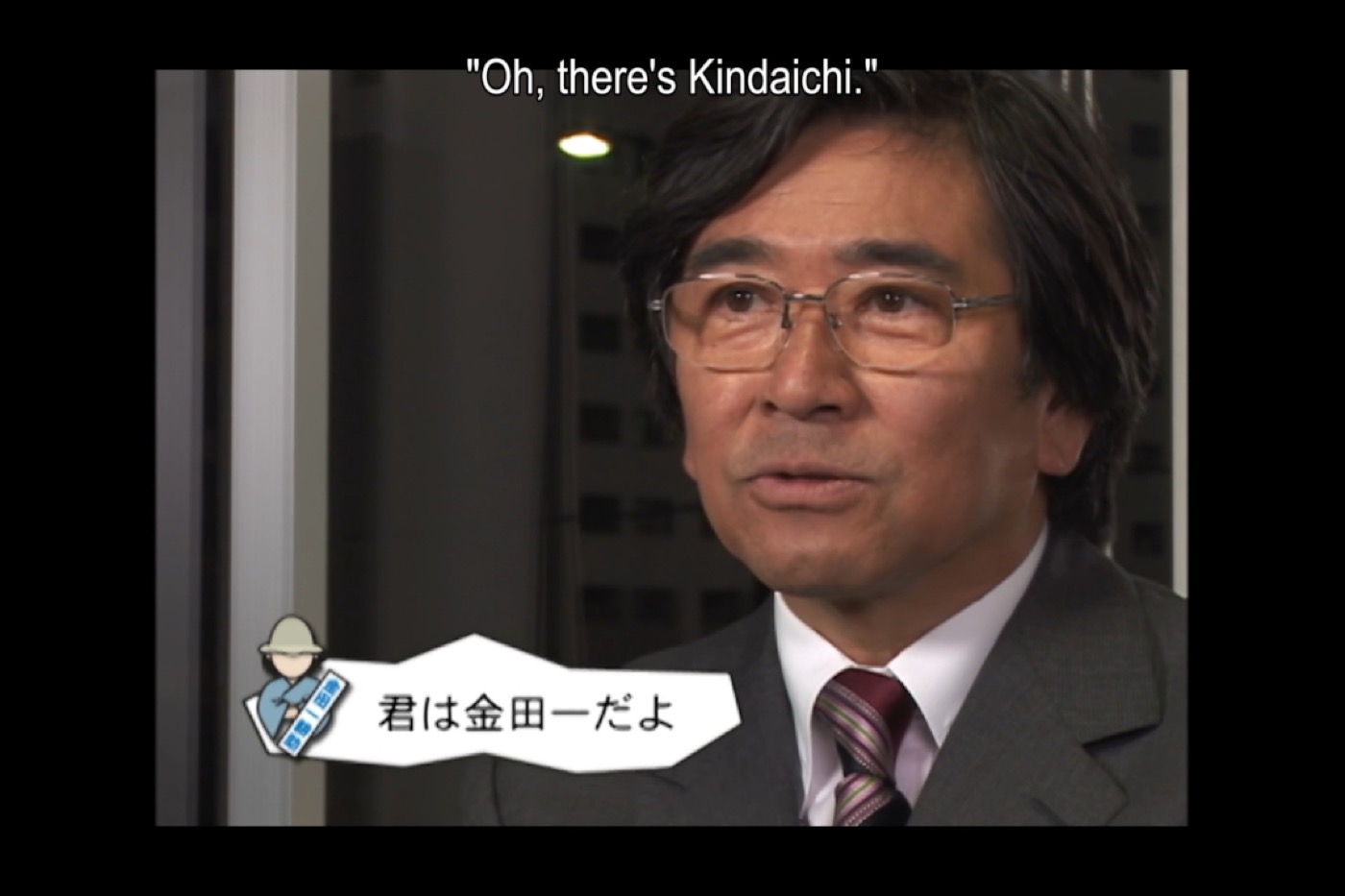
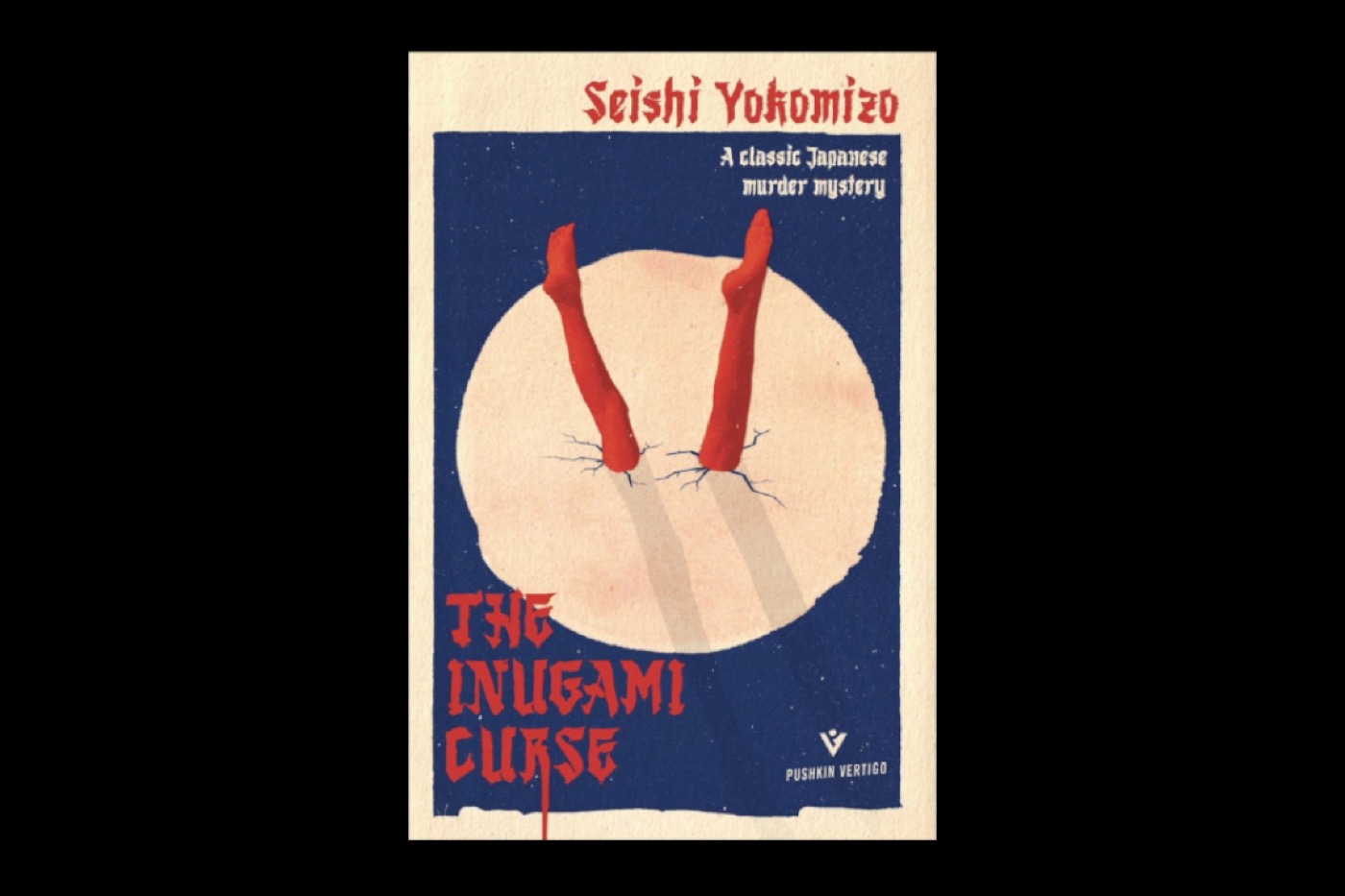
Although director Kon Ichikawa had built a reputation as a serious filmmaker through his mastery of subtext and visual innovation, he was a massive fan of whodunnits and leapt at the chance to adapt a story by Japan’s premier mystery writer. This was not the first screen adaptation featuring Yokomizo’s scruffy sleuth, but previous versions had smartened Kindaichi up to resemble the sharp-suited, hard-boiled detectives of French noir. Ichikawa returned to the source material, creating a Kindaichi much closer to the books: a shambolic yet likeable fellow whose intellect is routinely underestimated. Although The Inugami Family— first translated into English in 1951 as The Inugami Curse— was the 10th of roughly 77 Kindaichi stories, Ichikawa treated it as an introduction to a young, unknown detective. It became the first of six features he would direct starring Kōji Ishizaka in the role, including his own remake 30 years later in 2006.
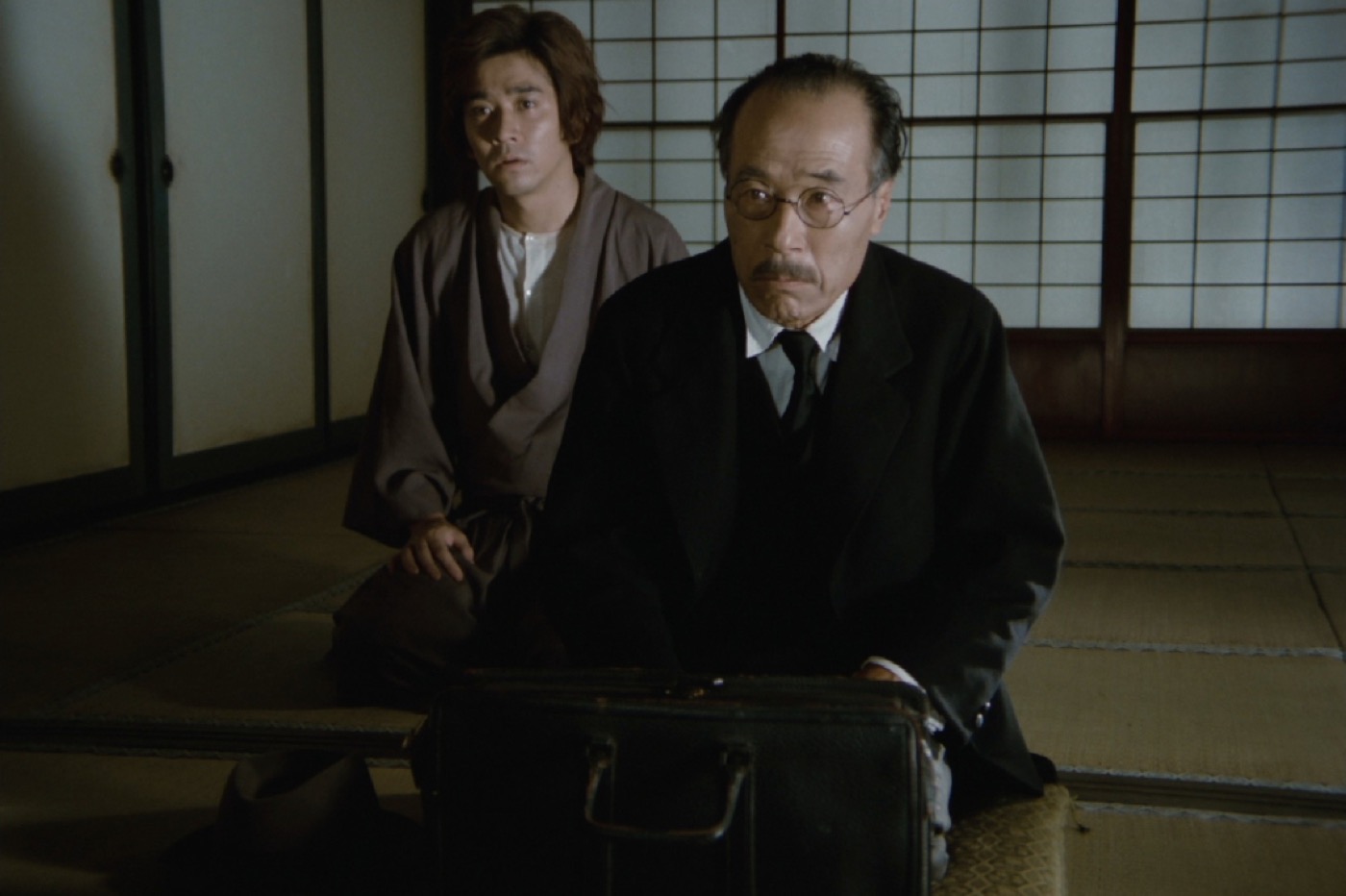
Ishizaka brings charm and a light touch to his portrayal. Kindaichi does not so much interrogate suspects as interpret events and construct plausible scenarios. Content to observe quietly, he leaves the heavy-handed questioning to Chief of Police Tachibana (Takeshi Katō) — the Inspector Lestrade to his Holmes. Fleeting glances and furtive responses carry just as much weight as dialogue. Everyone, it seems, has something to hide, and the central mystery of Sukekiyo’s true identity is further compounded by the arrival of another masked man in town. Most authors would be content with one well-crafted mystery, but as Kindaichi investigates the grisly series of murders following the reading of the will, the case reveals even darker secrets from the family’s past — including how their fortunes have been tied to a succession of conflicts, from the Sino-Japanese War at the end of the 19th century through to both World Wars.
Written in the immediate aftermath of war and serialised through 1950, the original novel inevitably touches on the socio-political tensions between pre- and post-war Japan. Ichikawa neither shies away from these themes nor overtly foregrounds them, allowing the mystery plot to drive the narrative. Nevertheless, several subtexts remain clear, notably the passing of a patriarch who represented the old Japan, leaving behind a toxic legacy that complicates the lives of those who survive him. Sukekiyo’s disfigurement leaves him unrecognizable, echoing the post-war crisis of national identity during the US occupation. His horrific injuries also evoke the severely burned survivors of the atomic blasts in Hiroshima and Nagasaki that scarred the Japanese collective consciousness.
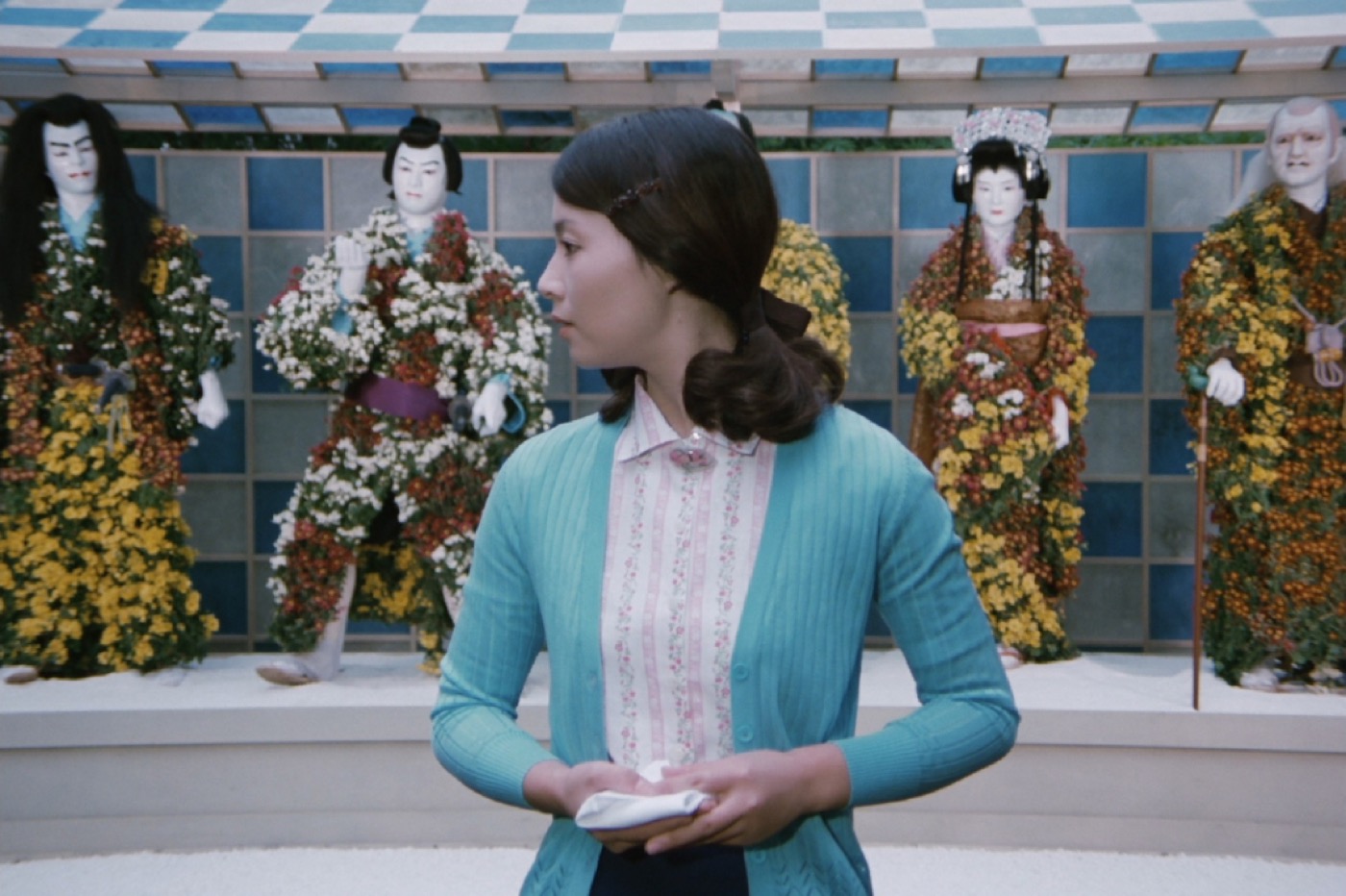
“Inugami” is an unusual surname, more commonly associated with the yōkai dog spirits of regional folklore. These creatures were said to act as helpful familiars or household guardians, but could also possess the weak-willed and bring about their downfall. The concept of an evil, vengeful dog spirit stems from a curse that required the torture and sacrifice of a dog to create the inugami. Though an obscure ritual, it was widespread enough to be outlawed during the 8th-century Nara period. These eerie connotations would have been instantly clear to a Japanese audience before the opening moves of the story, priming them to expect a family curse or supernatural intervention.
While the resolution ultimately proves more pragmatic, Ichikawa relishes these gothic elements in the manner of The Hound of the Baskervilles, bolstered by Yuji Ohno’s outstanding score. A scene in which a framed portrait falls from the wall at a key moment explicitly nods to Paul Leni’s The Cat and the Canary (1927) — the progenitor of the “Old Dark House” genre.
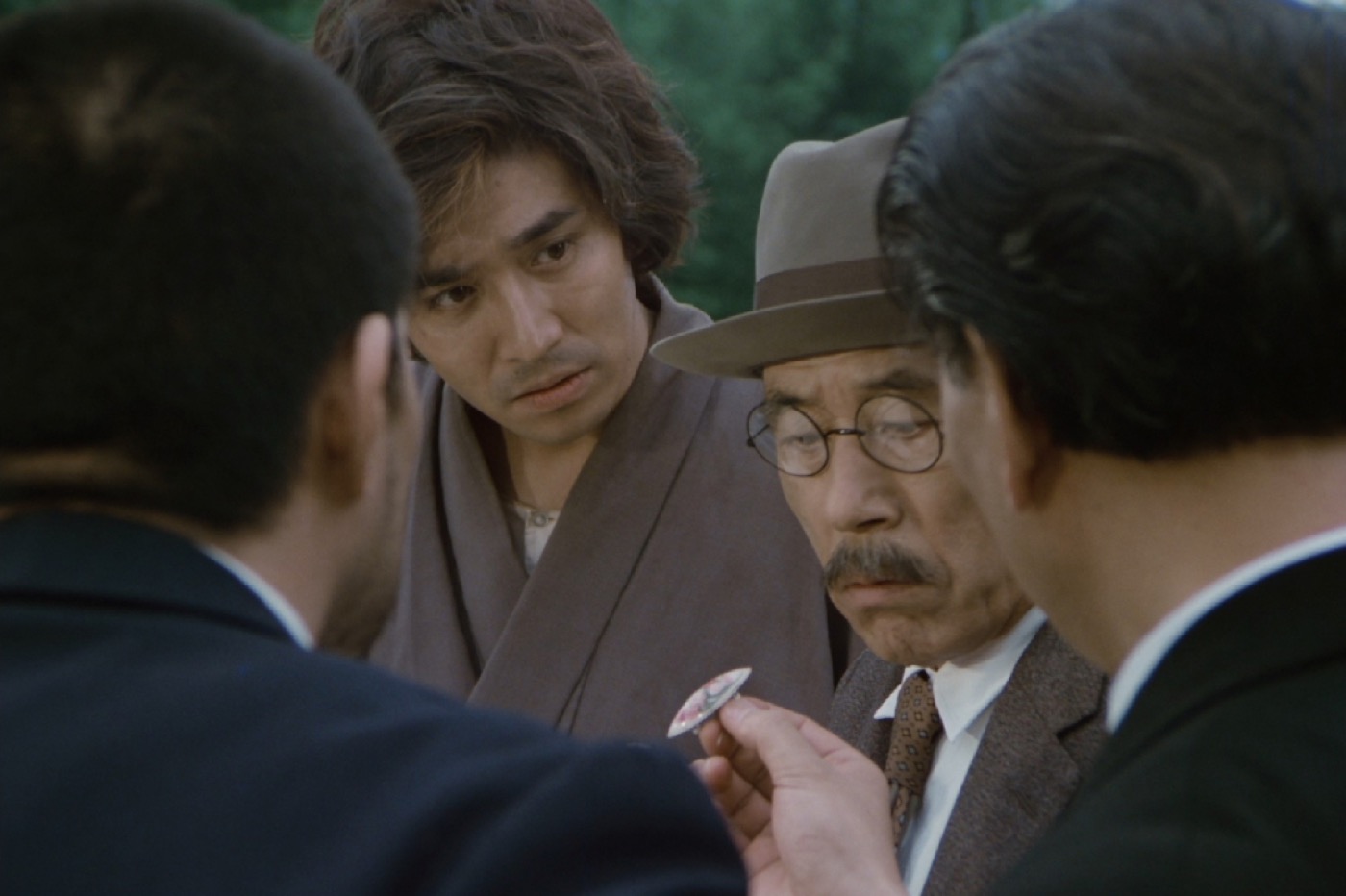
For the most part, Ichikawa advances the story methodically, but interrupts the linear narrative with flashbacks and scenarios reconstructed from witness accounts and confessions. These offered the director an irresistible opportunity for the audio-visual experimentation for which he was renowned. Disconcerting step-framing — rapid bursts of still images interrupting live action — gives key events heightened emphasis. Subjective accounts are presented in stark, high-contrast black and white, presenting events without nuance, while harrowing flashbacks blur into dreamlike, expressionistic compositions shot through gauze in a distinctive palette. Throughout, cinematographer Kiyoshi Hasegawa uses light with painterly aplomb: one quiet, memorable sequence features an expository conversation between Kindaichi and Furudate as night falls and the room slowly sinks into darkness, before interior lamps are switched on to cast light on a revealing discussion.
With a distinctive visual language that shifts effortlessly between classical elegance and experimental flair, Ichikawa fuses an intellectual mystery with a character-driven melodrama about a fractured family confronting its war-tainted legacy. That such a complex web of intrigue, involving a vast cast, is conveyed so clearly is a remarkable achievement. Half a century on, Radiance’s superb restoration finally gives international audiences the chance to appreciate the film’s craft on its own terms, and to enjoy the definitive screen adaptation of Kosuke Kindaichi’s most famous case. Yokomizo himself gave the film his seal of approval with a cameo appearance as an innkeeper — a gesture Ichikawa deeply appreciated.
JAPAN | 1976 | 146 MINUTES | 1.5:1 | COLOUR | JAPANESE

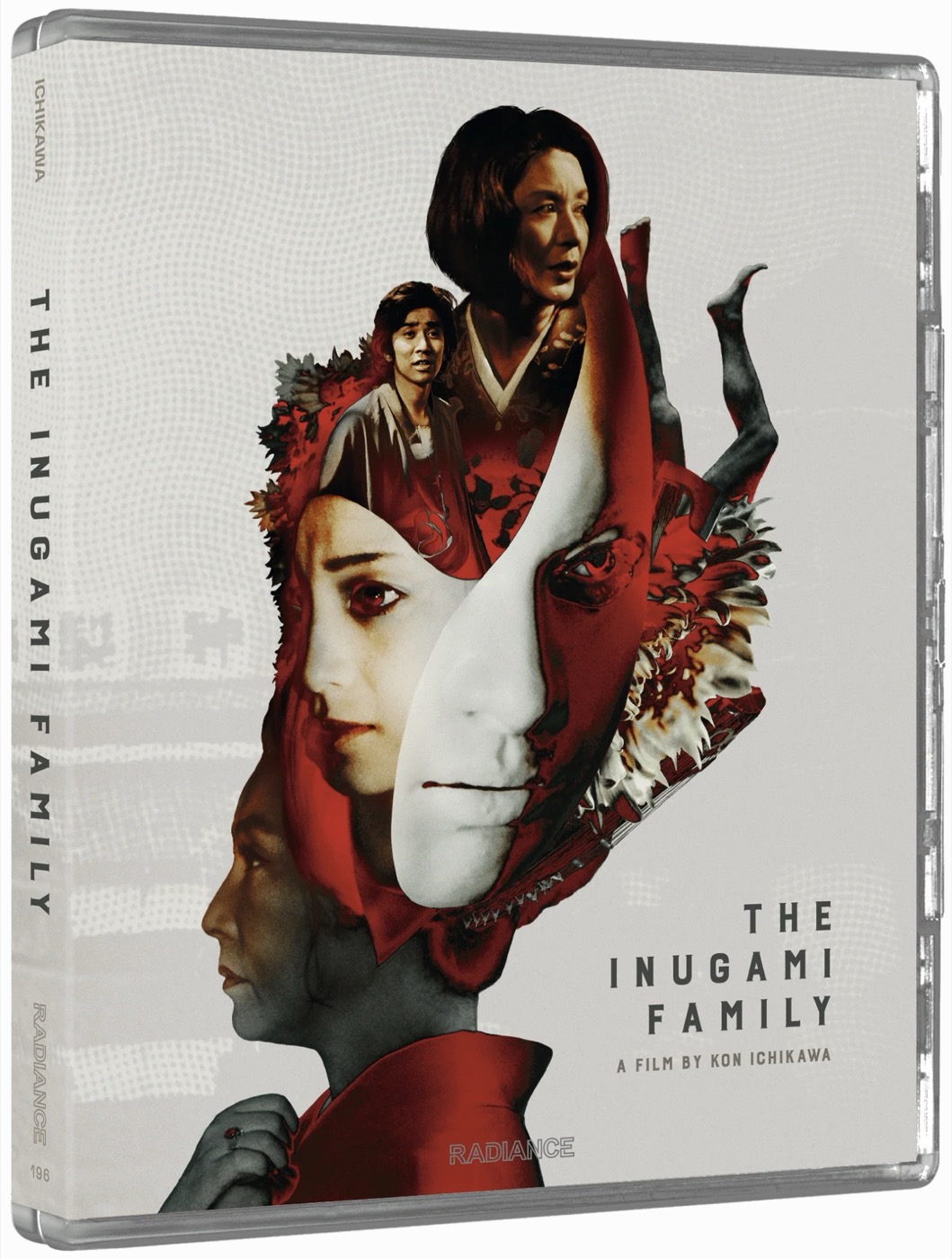

director: Kon Ichikawa.
writers: Norio Nagata, Shinya Hidaka & Kon Ichikawa (based on the 1951 novel ‘The Inugami Curse’ by Seishi Yokomizo).
starring: Kōji Ishizaka, Yoko Shimada, Teruhiko Aoi, Mieko Takamine, Mitsuko Kusabue, Ryoko Sakaguchi, Takeo Chii, Akiji Kobayashi, Kyōko Kishida, Hideji Ōtaki, Eitaro Ozawa, Takeshi Katō, Rentarō Mikuni.