THE HAPPIEST DAY IN THE LIFE OF OLLI MÄKI (2016)
The true story of Olli Mäki, the famous Finnish boxer who had a shot at the 1962 World Featherweight title.

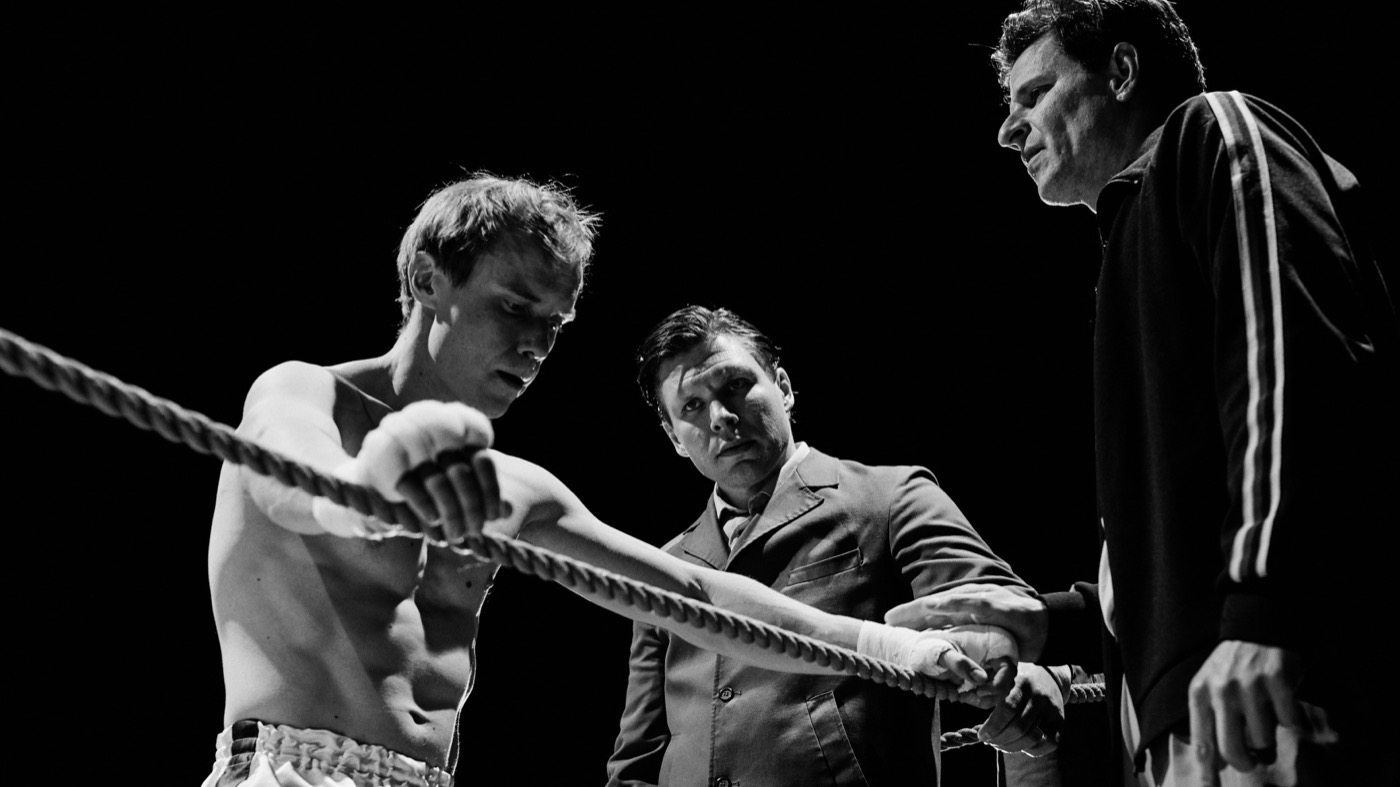

The true story of Olli Mäki, the famous Finnish boxer who had a shot at the 1962 World Featherweight title.
Mere days before the biggest bout of his career, Finnish boxer Olli Mäki (Jarkko Lahti) finds himself overcome by doubt in Juho Kuosmanen’s The Happiest Day in the Life of Olli Mäki / Hymyilevä mies. Olli’s spent his whole life training for this moment—a fight for a world title, facing off against American boxer Davey Moore (John Bosco Jr.) in his home country—but something’s changed. Even when standing in a room with his overzealous manager and former boxer, Elis Ask (Eero Milonoff), it’s as if he isn’t there. He’s become disillusioned with press obligations, skips his training regimen to spend time with his new girlfriend Raija (Oona Airola), and finds himself questioning whether this vocation is all it’s cracked up to be.
Based on a true story, this sweet and sensitive film is imbued with so much warmth, richness, and nuance that it hardly feels appropriate to call it a biopic. It resists the lazy sway of cheap sentimental ploys, where loved ones are akin to furniture for the heroic protagonist, padding out their existence without any semblance of identity—a snag in the otherwise enjoyable boxing biopic Cinderella Man (2005).
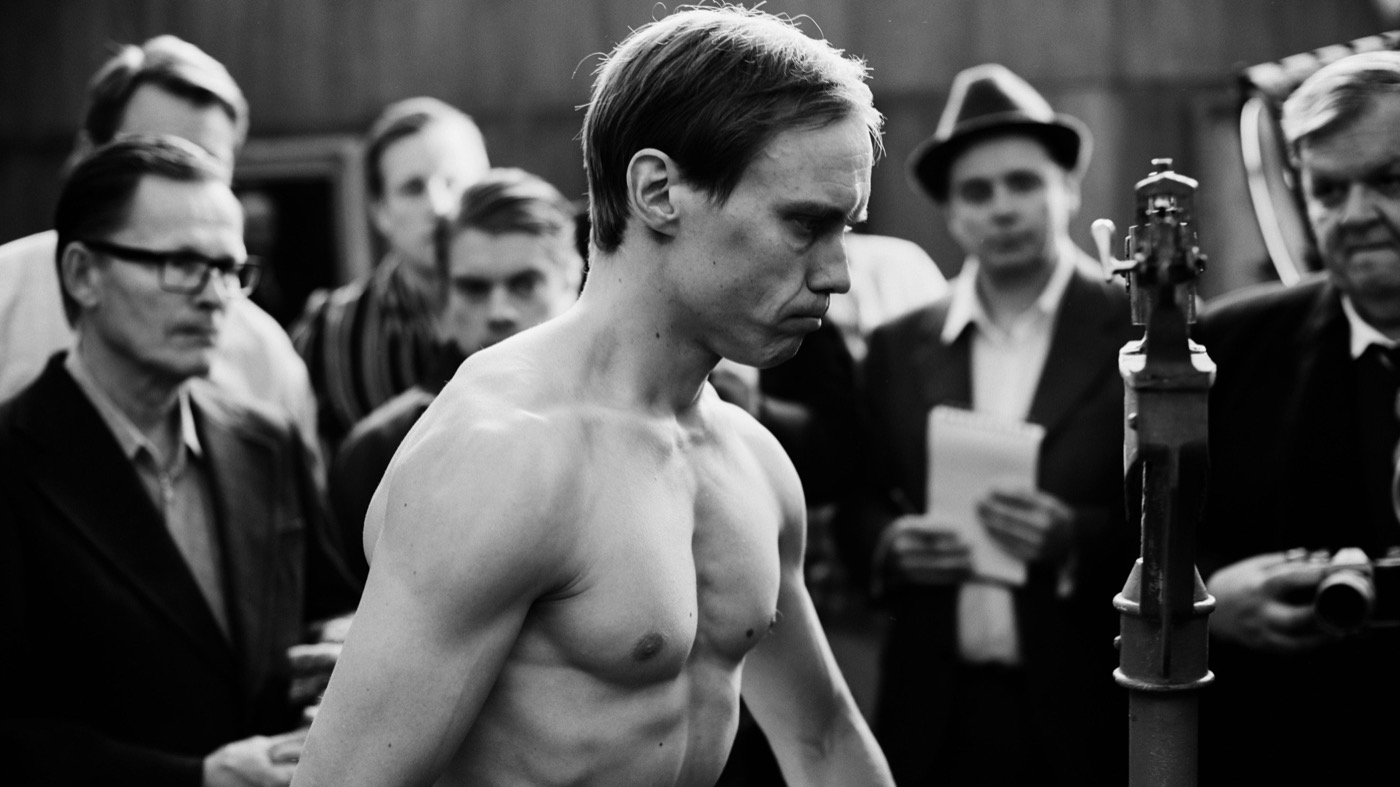
It isn’t fear of being hurt or killed that motivates Olli’s reticence, but the sense that he’s heading down a path in life that isn’t for him. It’s an internal conflict through which Raija and Elis provide two invaluable perspectives. The former’s a source of radiant beauty and warmth, trusting and loyal to the core. The latter has all the superficial qualities of loyalty, but no interest in who Olli really is. Elis is living vicariously through his fighter, reliving the glory days of his own boxing career.
Olli’s found his own form of glory in a loving relationship; you get the sense he’d follow Raija to the ends of the Earth if necessary. Yet there are no sharp edges to this film; Elis isn’t a two-bit villain, but another struggling figure who can relive his career heights through his client. Nor are there ever any abrupt moments where the script must clunkily announce characters’ intentions or revealing behaviour. It all flows effortlessly, making for just as seductively charming a story as its black-and-white visuals and beautiful cinematography lend to the experience.
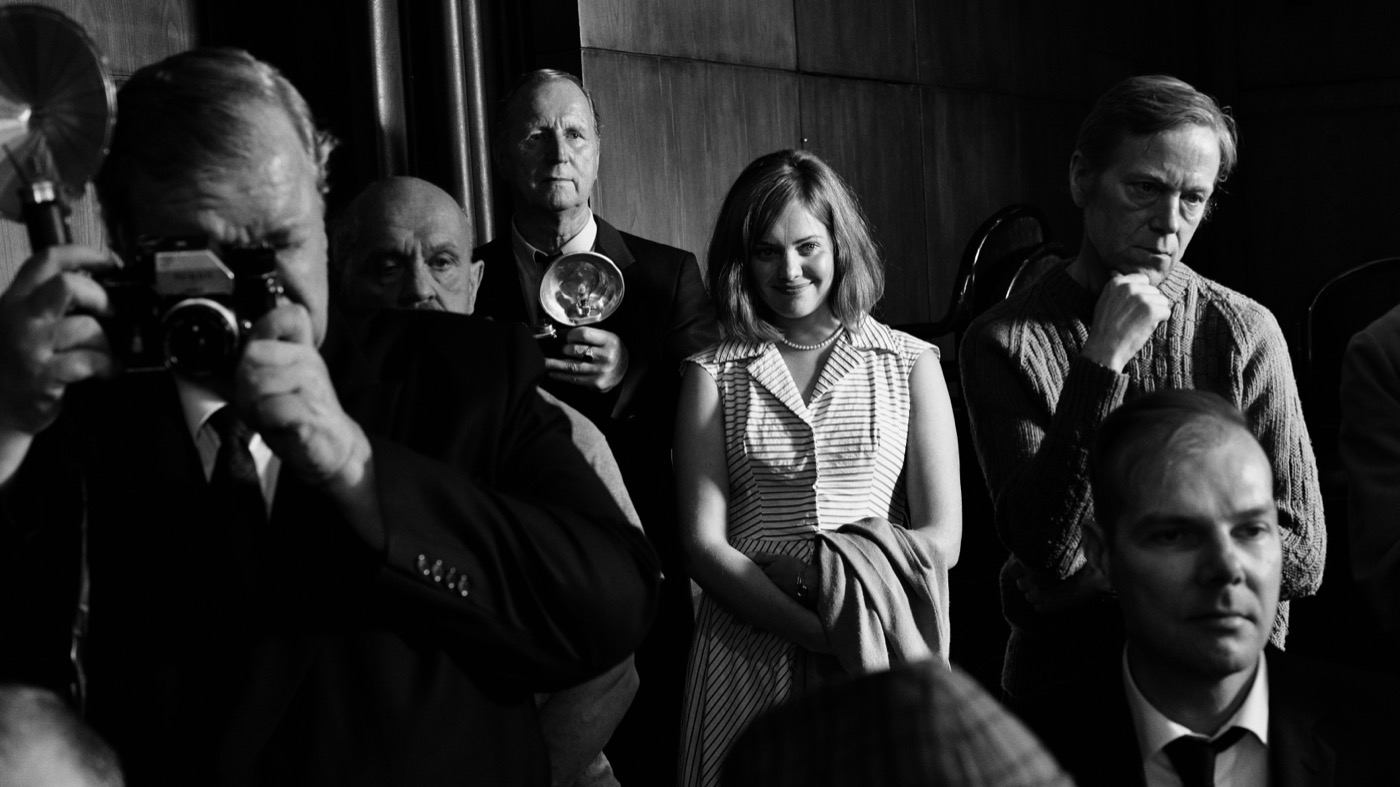
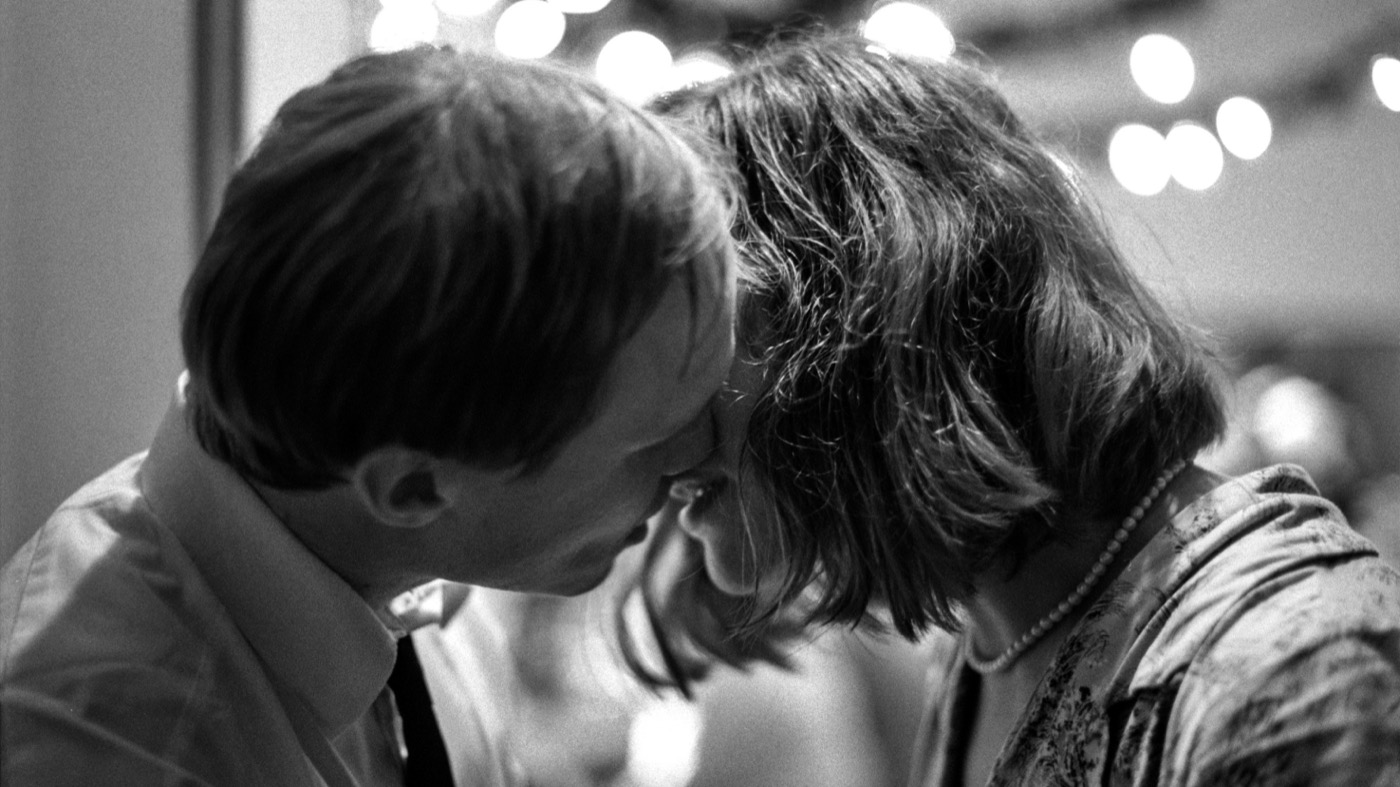
The Happiest Day in the Life of Olli Mäki prides itself on illuminating the everyday acts of love that give meaning to Olli’s life. There are no showy moments or big declarations of adoration, but love is suffused through this film in the form of charmed and charming smiles in the company of a lover. It’s everything else about this world that demands more of this protagonist than he can offer. Lahti’s lead performance is an extraordinary portrayal of a quietly unsettled man who longs to be ordinary, but finds himself contorted into roles he never sought out.
He’s pushed into boxes and hemmed in by reporters and cameras, with constant press attention and inane questions levelled at him. A documentary crew films him performing his daily tasks, where he appears as stiff as a board, whilst in interviews he looks like he’s planning what he’ll do for the day when he’s free from this figurative jail cell. As Elis is quick to note, even his unaffected modesty does him no favours, instead appearing as ingratitude.
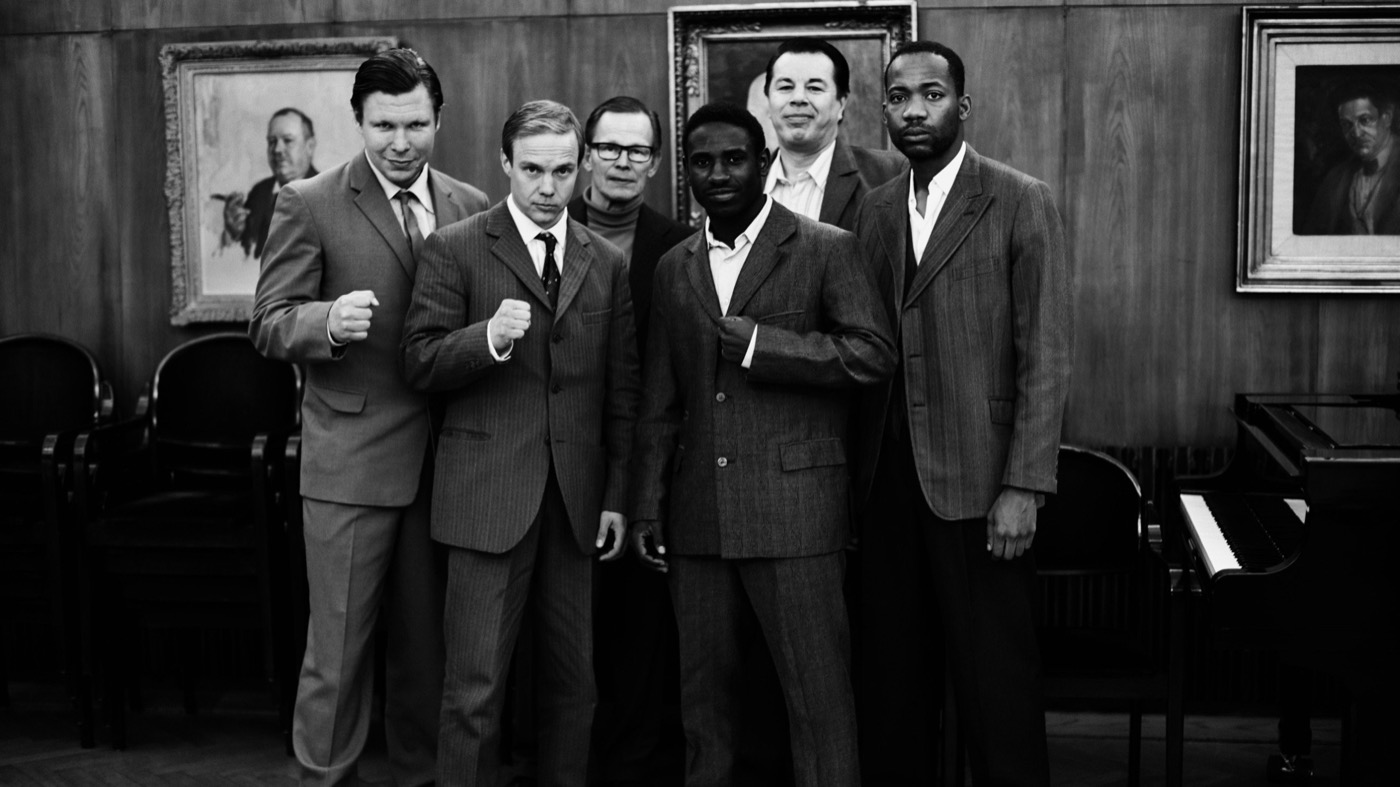
Kuosmanen resists the urge to paint Olli as a wounded or heroic figure. He’s simply a man who wants to be ordinary, but that’s the trick: it’s in this ordinary life that he can envisage a future with Raija that’s more glorious and heroic than any boxing trophy could provide. These developments unfold so naturally as to be the antithesis of didactic, yet, as opposed to the likes of Benny Safdie’s The Smashing Machine (2025), this film isn’t necessarily interested in subverting expectations. Both films are similar in that they take an unconventional route in exploring a combat sports figure, eschewing uber-simplistic depictions of rugged masculinity or what it means to be victorious in this limited context.
Safdie and Kuosmanen are both quick to fill this gap and remedy the lack of naturalism in a rigid genre about rigid lives. But The Happiest Day in the Life of Olli Mäki diverges from Safdie’s latest project in that it’s content with simply mapping onto the low-key nature of its protagonist, rather than looking to make a reverent piece of art out of coming up short. For Mark Kerr in The Smashing Machine, he had to lose to learn that winning isn’t everything. But Olli knows this is true for him from the outset, making the all-important bout an act of resignation rather than passion. It’s a tale told with extreme confidence in the deceptively evocative tapestry of its emotional palette. If it seems low-key or humble, that’s only because it knows better than to look beyond the importance of a wry smile or scolding expression.
What sticks out most from The Happiest Day in the Life of Olli Mäki is a brief scene where the protagonist wanders through a circus act, still ruminating on his upcoming fight and his lackadaisical attitude towards it. He’s holding a rubber ball, and if he throws and strikes it against a button, it’ll release a platform on which a circus performer lies, plunging her into a shallow body of water. An alarm is rung, a slew of balls are thrown in the space of a second, the woman falls, and Olli hardly has time to gather his thoughts, his ball hanging limply at his side. As the rest of the onlookers leave, Olli stays behind, silently observing the woman sit down, tired and soaked through, before taking off her wig.
Much of this film’s spirit is contained within this scene: the split second of action, deepening that seemingly eternal anticipation before the act; the immediate lack of interest when the act is completed; the mask of its performer being shorn and the flood of authentic emotions replacing the performance. Olli doesn’t want to perform, whether in the ring or in press obligations for the all-important fight. He isn’t interested in living up to the glorious dreams of fickle fans around him. He knows how lonely it is to step into that ring with only himself to count on.
FINLAND • SWEDEN • GERMANY | 2016 | 92 MINUTES | 1.85:1 | BLACK & WHITE | FINNISH

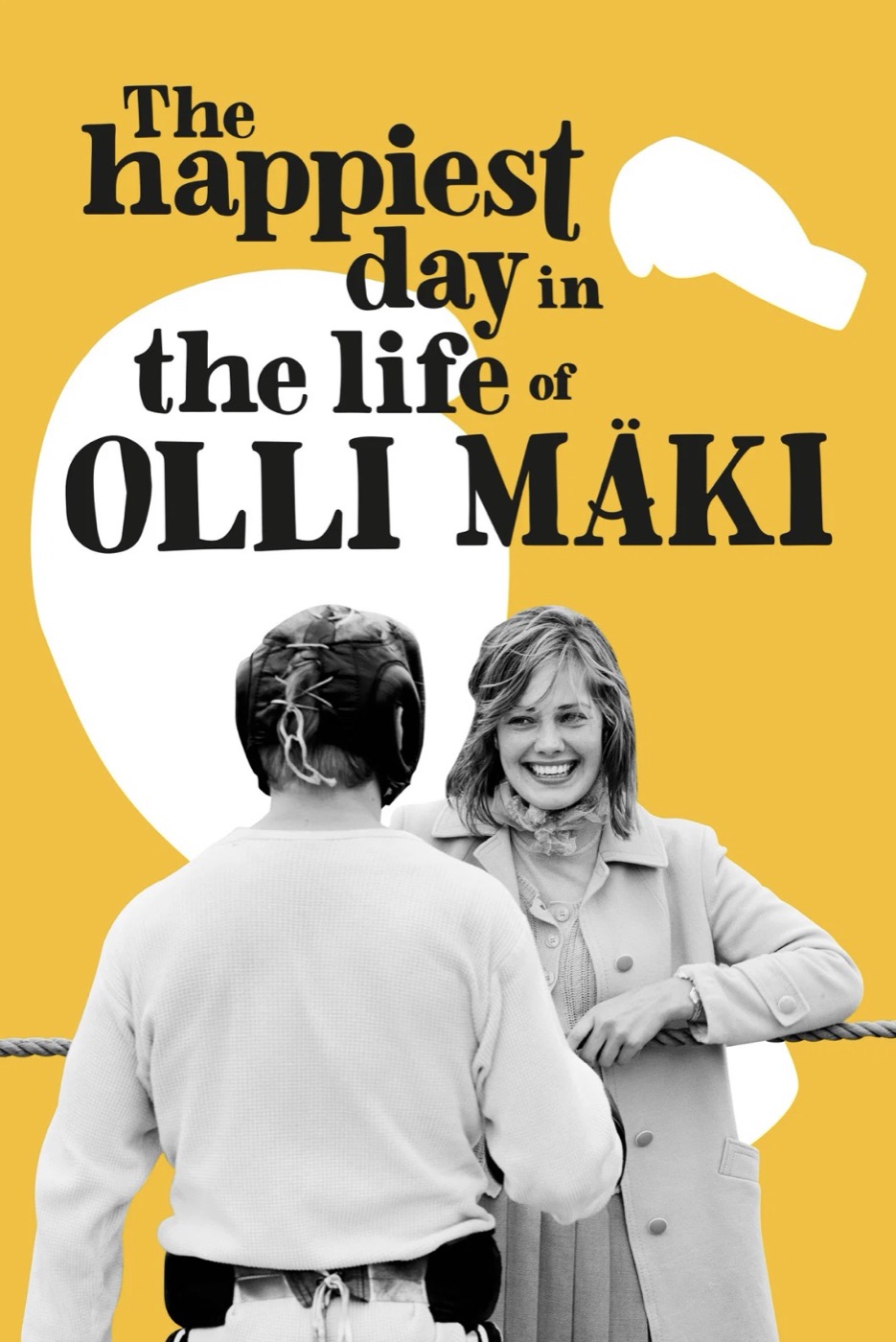
director: Juho Kuosmanen.
writers: Mikko Myllylahti & Juho Kuosmanen.
starring: Jarkko Lahti, Oona Airola, Eero Milonoff & John Bosco Jr.