CARRIE – Season One (2026)
After her father's death, sheltered teenager Carrie White enters high school, where she faces bullying and discovers telekinetic powers.

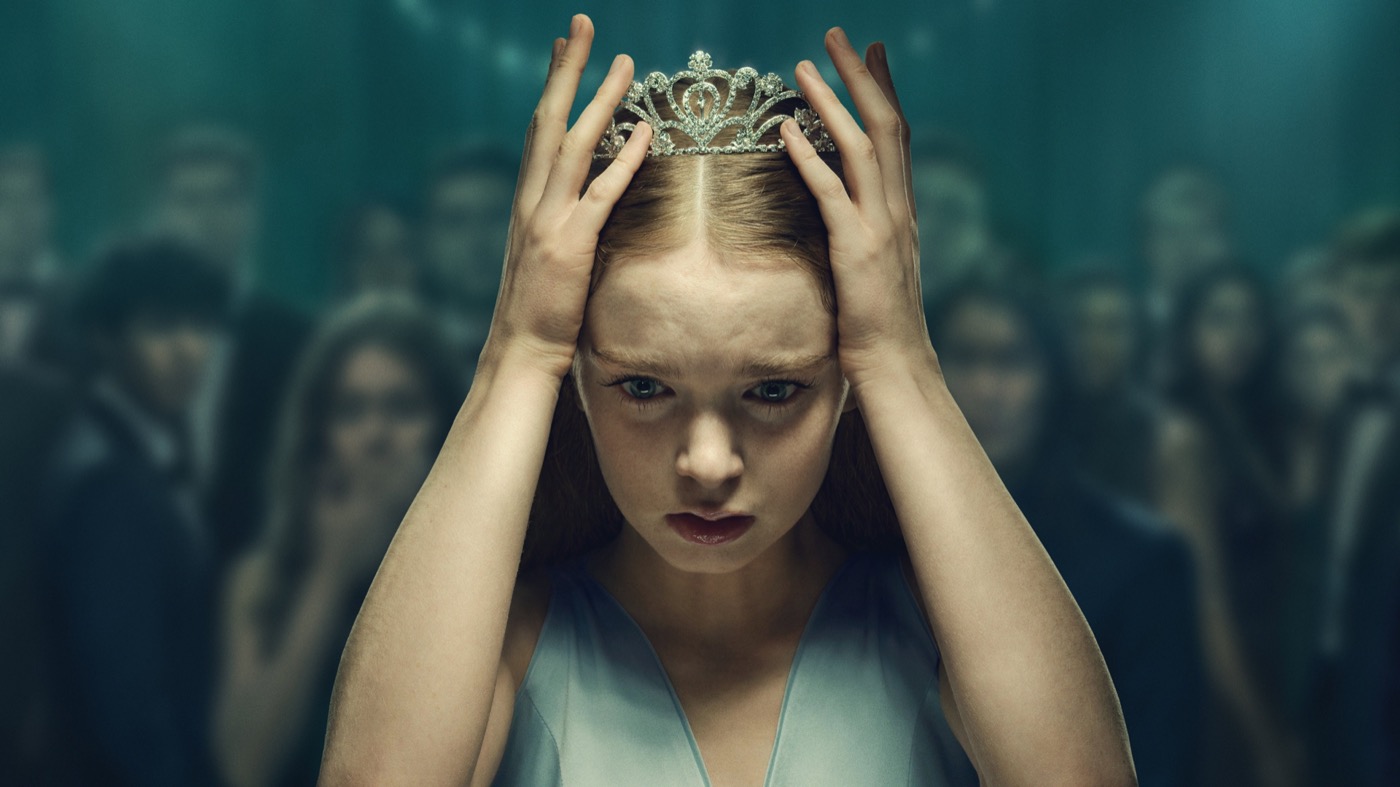

After her father's death, sheltered teenager Carrie White enters high school, where she faces bullying and discovers telekinetic powers.
Mike Flanagan’s The Haunting of Hill House (2018) for Netflix departed about as far as a work can from its literary source while still just about qualifying as an adaptation. In The Fall of the House of Usher (2023)—also for Netflix—he went further still, offering a freewheeling riff on Poe’s greatest hits that bore little resemblance to any one story.
Now, though, with a superb eight-part adaptation of Carrie—remarkably, the first screen serialisation—Flanagan reins in his narrative creativity a little and hews more closely to Stephen King’s original novel. He has also adapted three of King’s other works for the big screen. Of course, King purists will find plenty to object to (though in some respects this version is actually closer to the novel than Brian De Palma’s 1976 film). But King himself likes it, and it’s easy to see why. ‘Reimagining’ is an overused word, but it’s exactly what we have here: a comprehensive, almost entirely convincing expansion of the novel, making full use of the greater scope a series offers over a film. It also takes in contemporary concerns without losing the story’s core: a Carrie for the age of cyberbullying, school shootings and anti-vaxxing.
Comparisons with De Palma’s version—by far the best remembered of the four Carrie films—are inevitable. Flanagan’s take may not have the same long-term cultural impact, but only because it’s more naturalistic, less mannered and less intense. It aims to engage, provoke and even move, rather than shock. De Palma renamed King’s Ewen High School after Norman Bates from Psycho (1960), signalling the film’s lurid intentions; Flanagan returns to King’s original name.
He also takes a much broader view of the novel’s events. De Palma’s Carrie focuses closely on the title character; the other characters matter only in terms of how they affect her. Flanagan’s version, by contrast, is really the story of three women: Carrie White, her mother and her high school nemesis, Chris Hargensen. An outstanding cast and first-rate writing for the smaller roles ensure that many other characters are fully rounded and memorable, too.
I described this version as “almost entirely convincing” because there’s one misstep: an added subplot that takes up little screen time but has major implications. It adds nothing to the powerful main story and is rather obviously designed to set up a second season. That reservation is the only thing keeping Carrie from a five-star rating, because so much else is pure gold.
After her father (Tahmoh Penikett) dies at the construction site where he works, previously home-schooled teenager Carrie White (Summer H. Howell) is forced to attend the local high school so that her mother, Margaret (Samantha Sloyan), can go to work. Here, almost as soon as the story begins, Flanagan departs from King’s novel for good reason. In the book, Ralph White has been dead for many years and Margaret already works at a laundrette. In the series, Carrie and her mother encounter the world beyond their home in parallel.
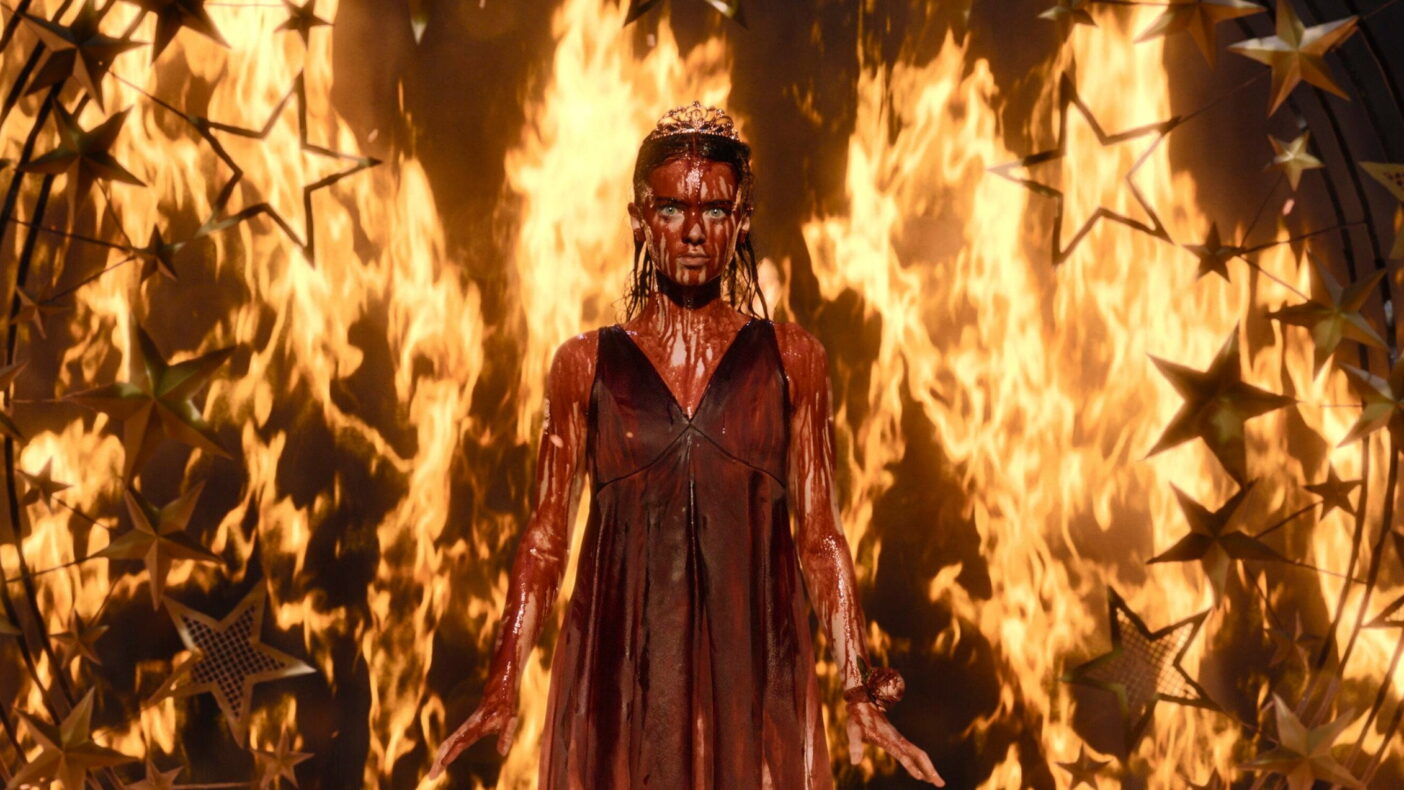
For Carrie, Ewen High School is a mixed blessing. She enjoys learning and marvels at the range of books in the school library, having been allowed only the Bible at home. ‘We’re allowed to read all of them?’ she asks incredulously. But she’s different in so many ways—she wears homemade clothes and has no phone—that she soon becomes a target for bullies, particularly the insecure Chris Hargensen (Alison Thornton). The bullying escalates when Carrie, completely unaware of menstruation, gets her first period in the school changing room. The second most famous scene in De Palma’s film is far more realistic and nasty here.
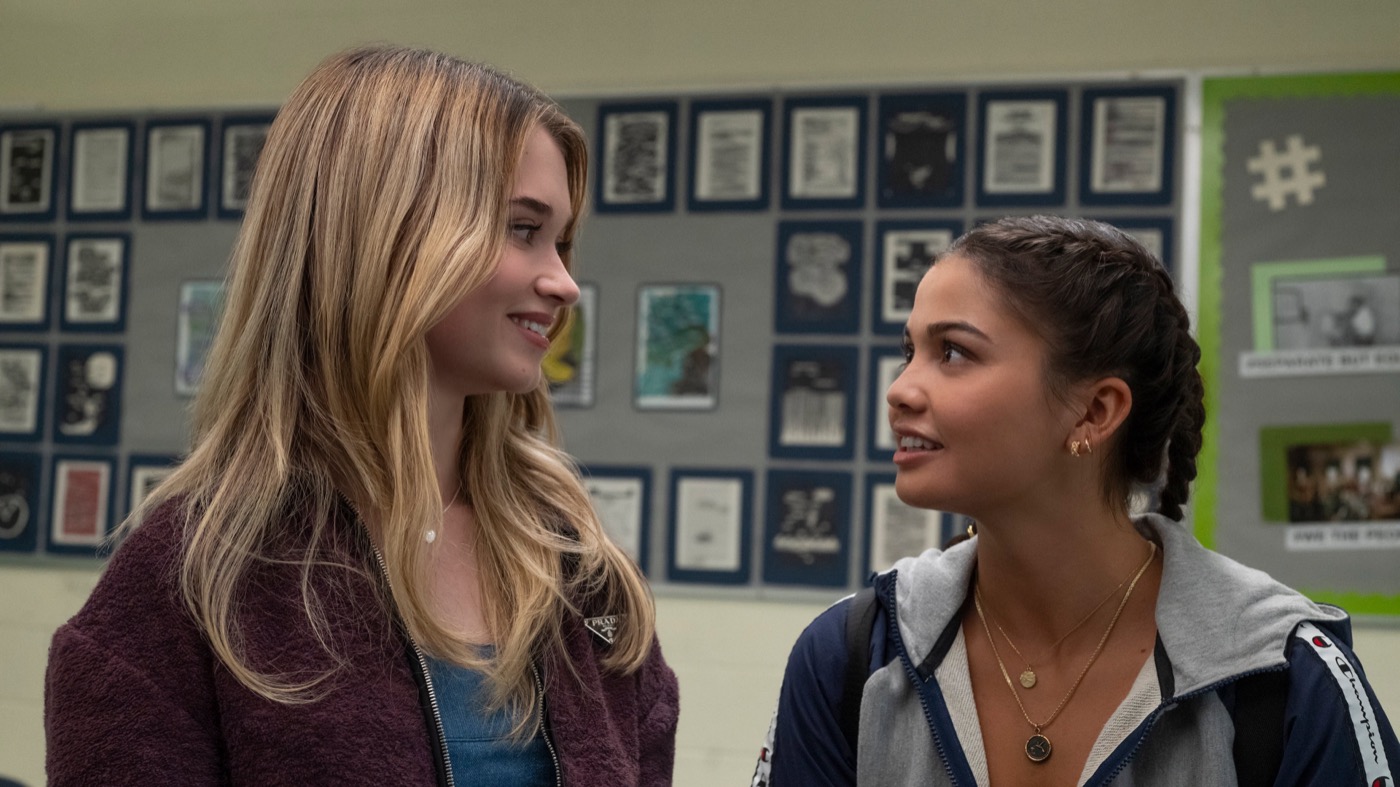
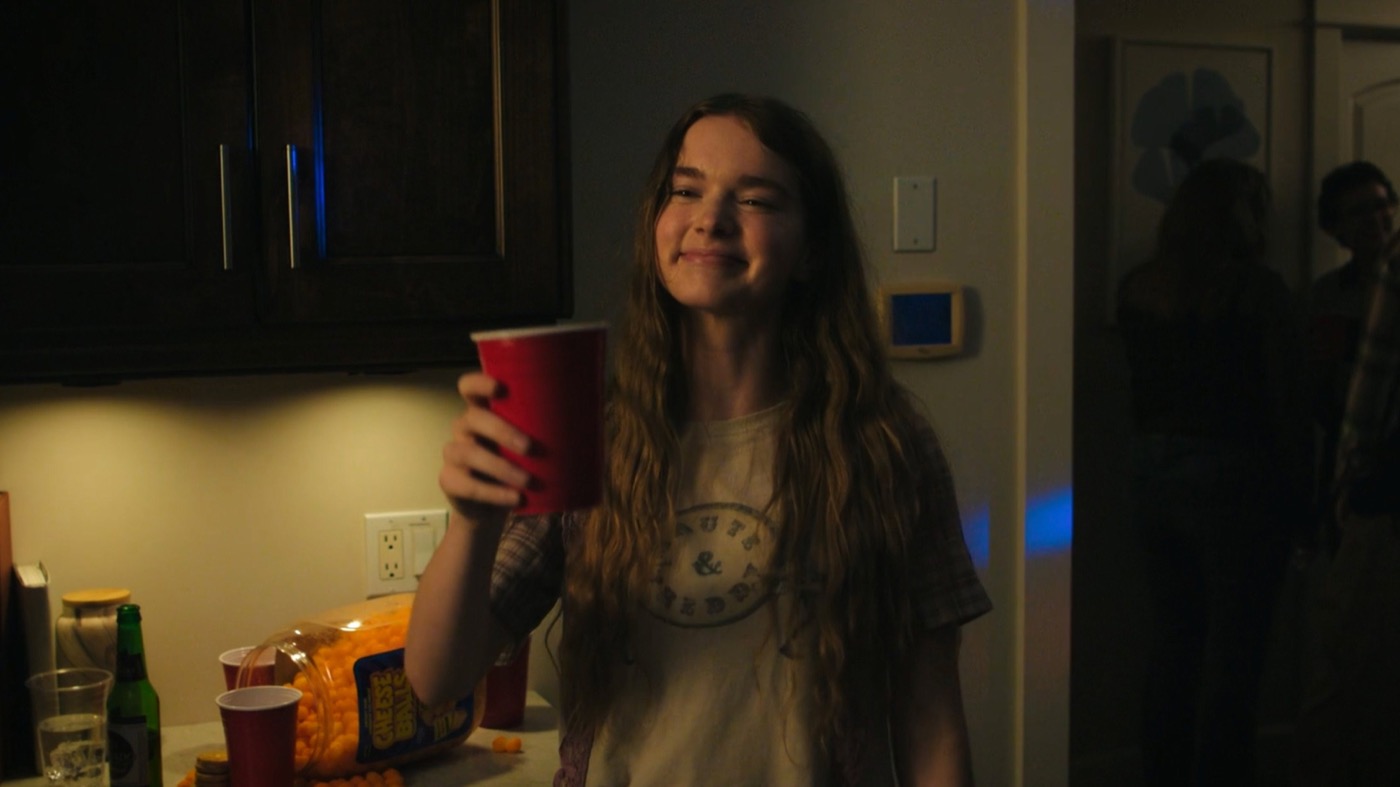
Another classmate, Sue Snell (Siena Agudong), feels guilty about her own complicity in the bullying and tries to befriend Carrie. Her teachers are generally sympathetic, too, especially Ms Desjardin (Amber Midthunder). But as Chris’s home life collapses, she seems to redirect all her anger at the world towards tormenting Carrie, largely through social media. Carrie is determined to make the best of high school, but Chris’s campaign continues, culminating in a plan to humiliate her more physically at the prom, with help from her amoral new boyfriend, Billy (Arthur Conti).
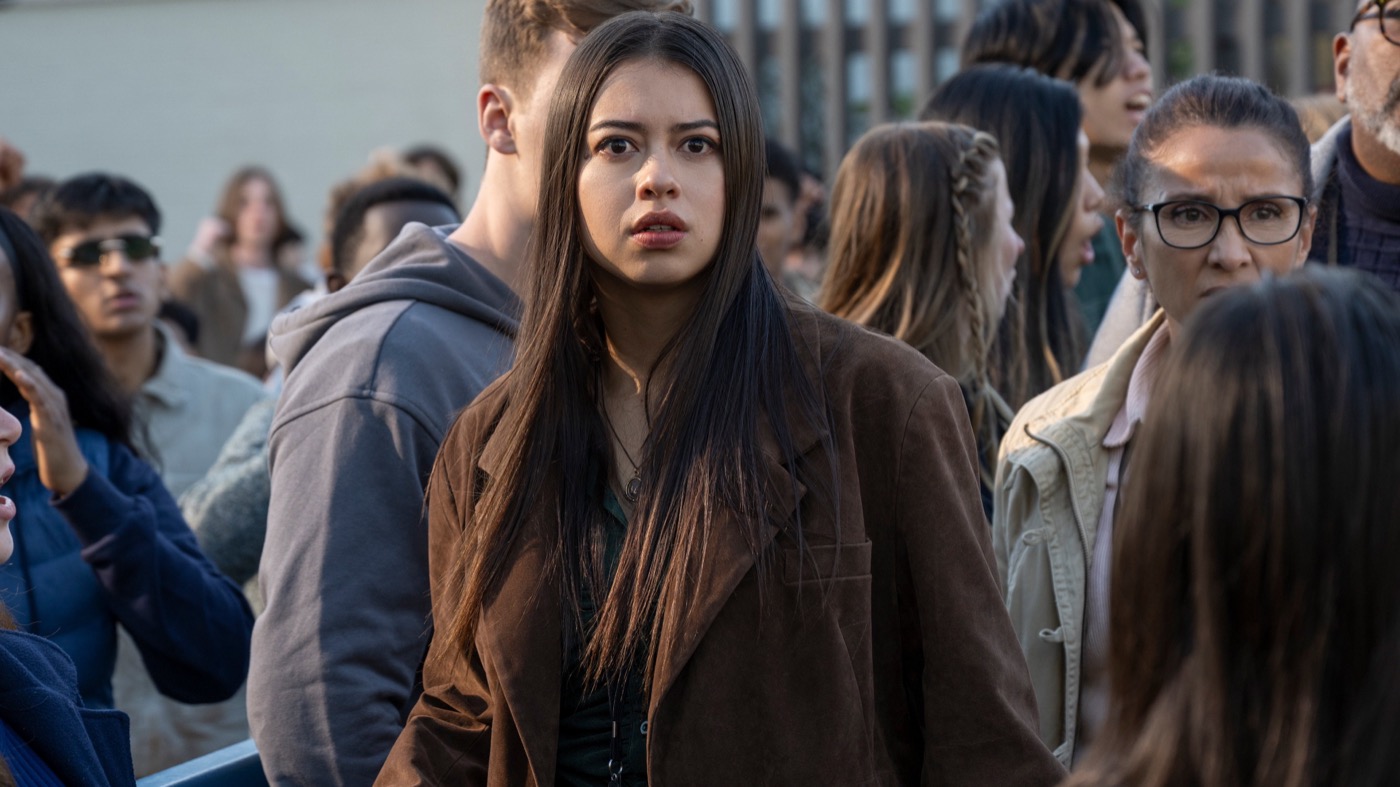
The basic outline will be familiar to anyone who’s read or watched another version of Carrie. It’s enriched, rather than weakened, by secondary storylines that intersect in complex ways. Some focus on the teenagers, others on Carrie’s mother or the high school staff. These aren’t minor diversions: they add interest, depth and relatability to a story whose general direction is already so well known. Flanagan sensibly avoids presenting the climactic prom scene and ensuing carnage as surprises. Indeed, for the first few episodes, the series repeatedly cuts to them. Similarly, Carrie’s telekinetic powers are given little emphasis until the prom is near. They appear sporadically from the first episode, but so casually that you could easily miss them. Even when they begin to play a greater role around the middle of the series, they’re never treated overdramatically.
After all, everyone expects them in a Carrie adaptation. What’s much less expected—though there’s arguably an equivalent in the quasi-documentary sections of King’s book—is the way episodes are introduced by accounts of other women with extraordinary powers, from Joan of Arc to Angela Cavallo, who lifted a 3,000-pound car to rescue her son in 1982. These segments feature a narrator whom we eventually learn is Adelaide (Kate Siegel), though her connection to the rest of the story remains unclear for much of the series. At the end of episode one, another character says, “it wasn’t just Carrie”, but what this means remains a mystery until much later.
These sections, along with a briefly developed subplot connected to them and what seem to be interviews with survivors of Carrie’s prom rampage, are the weakest part of Flanagan’s Carrie. They serve an obvious structural purpose: ensuring that the wide-open ending doesn’t come entirely out of the blue. They also lead to one magnificently unexpected surprise. But on their own, they’re more baffling than suspenseful or interesting. Unlike the other subplots, they feel imposed on King’s story rather than growing organically from it.
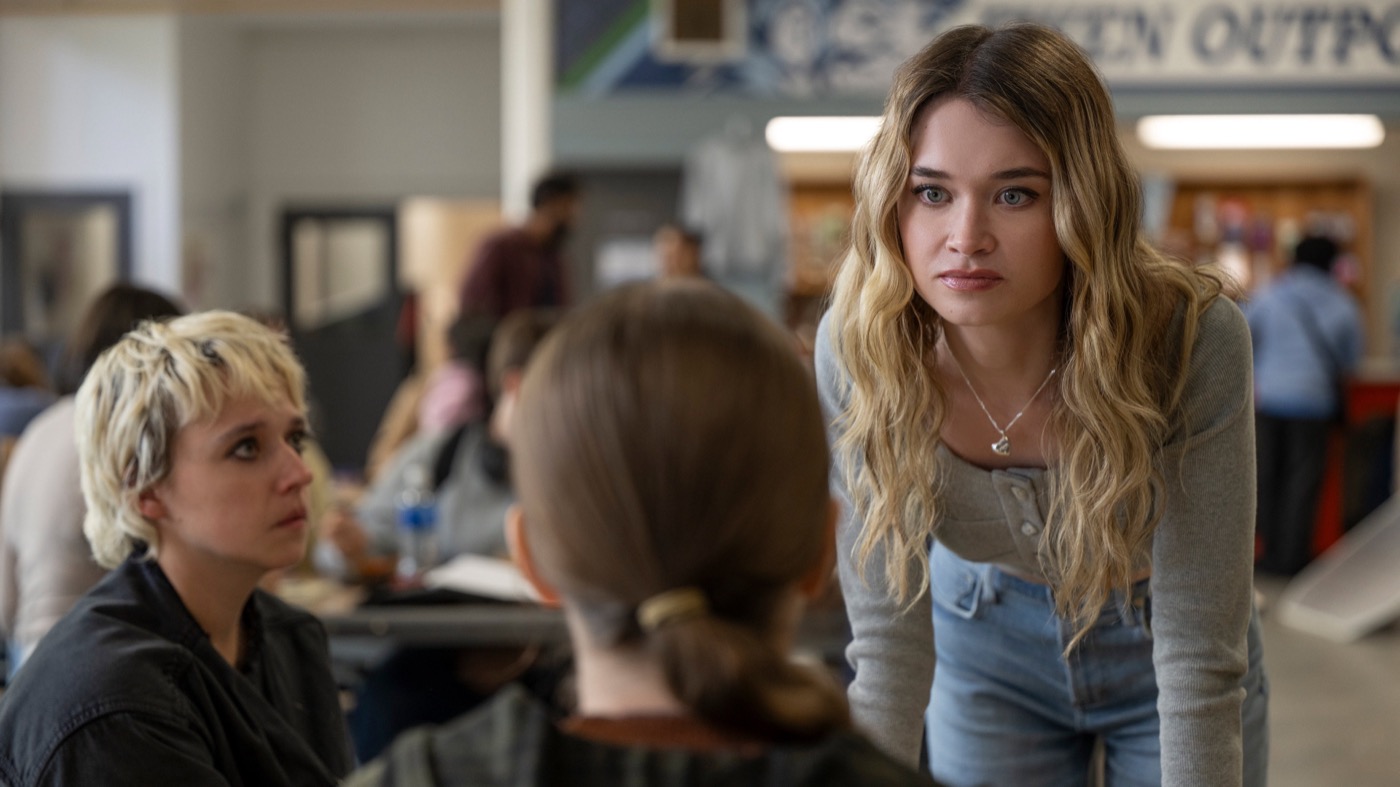
Much more successful is Flanagan’s update of King’s story for the present day. There’s an active-shooter drill at Ewen High on Carrie’s first day. Chris’s devious use of Instagram propels much of the plot. The students film Carrie’s humiliation in the changing room—and an even greater humiliation at the prom—on their phones. Carrie’s mother is not only the fiercely devout Christian of the novel but also what’s been described as a ‘theological paranoid’: suspicious of contrails and telling her daughter that her classmates ‘aren’t awake’. She dislikes having to sell condoms at the supermarket where she works, and dislikes selling ultra-processed food, too.
Expanding Margaret’s character in this way allows Flanagan’s Carrie to move beyond the high school and show how polarisation and tribalism divide society as a whole, magnified by social media. ‘Everyone in this building has someone they hate,’ says Chris. There’s open conflict among the parents, too, of a kind less familiar in the 1970s. At times, the series risks exaggerating that conflict, but the fact that it remains just about credible shows how normalised hatred has become.
The largely female cast is superb. The only distracting flaw is Rahul Kohli’s English accent as a teacher, which prompts us to wonder about the character’s backstory. Most of the main characters appear in some form in King’s novel, but none feels included out of obligation. They all come across as real people of the 2020s.
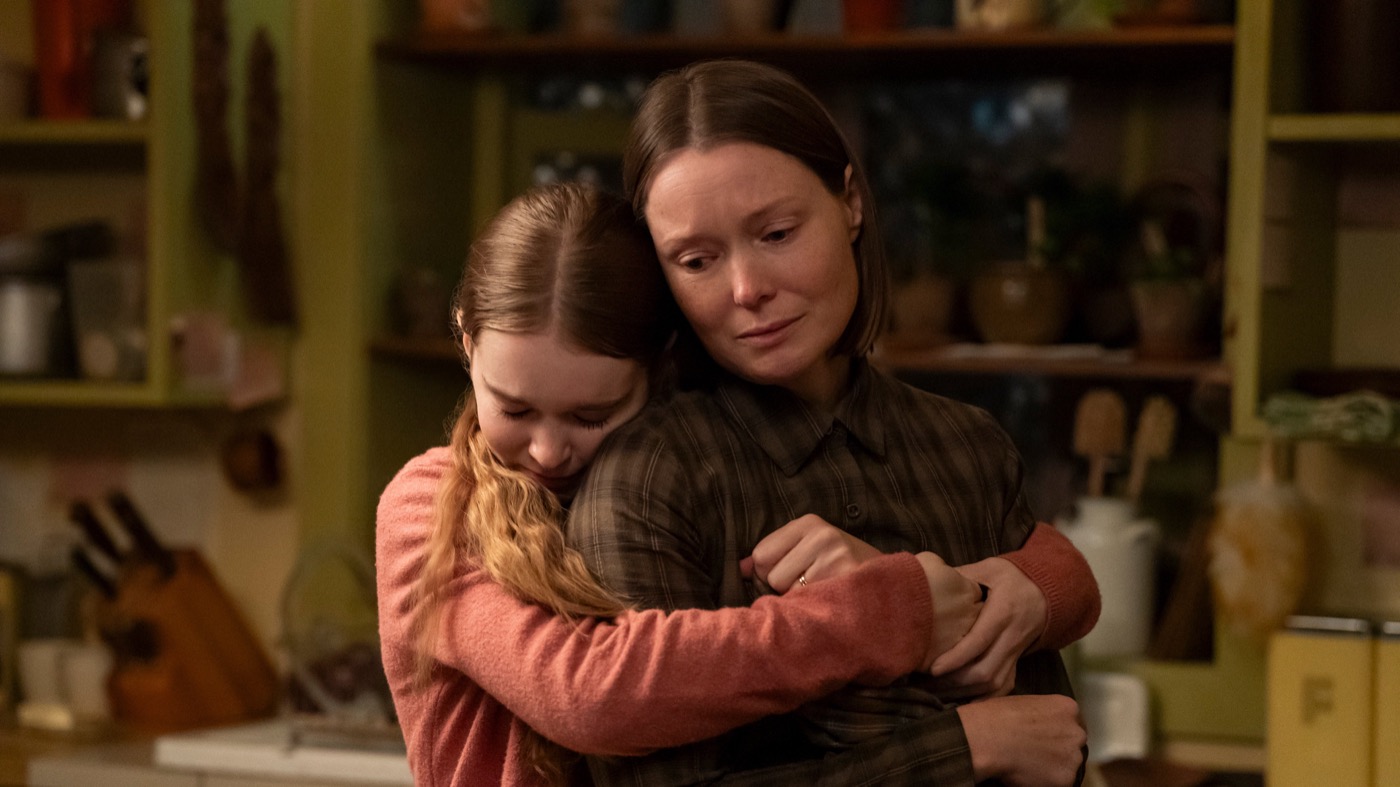
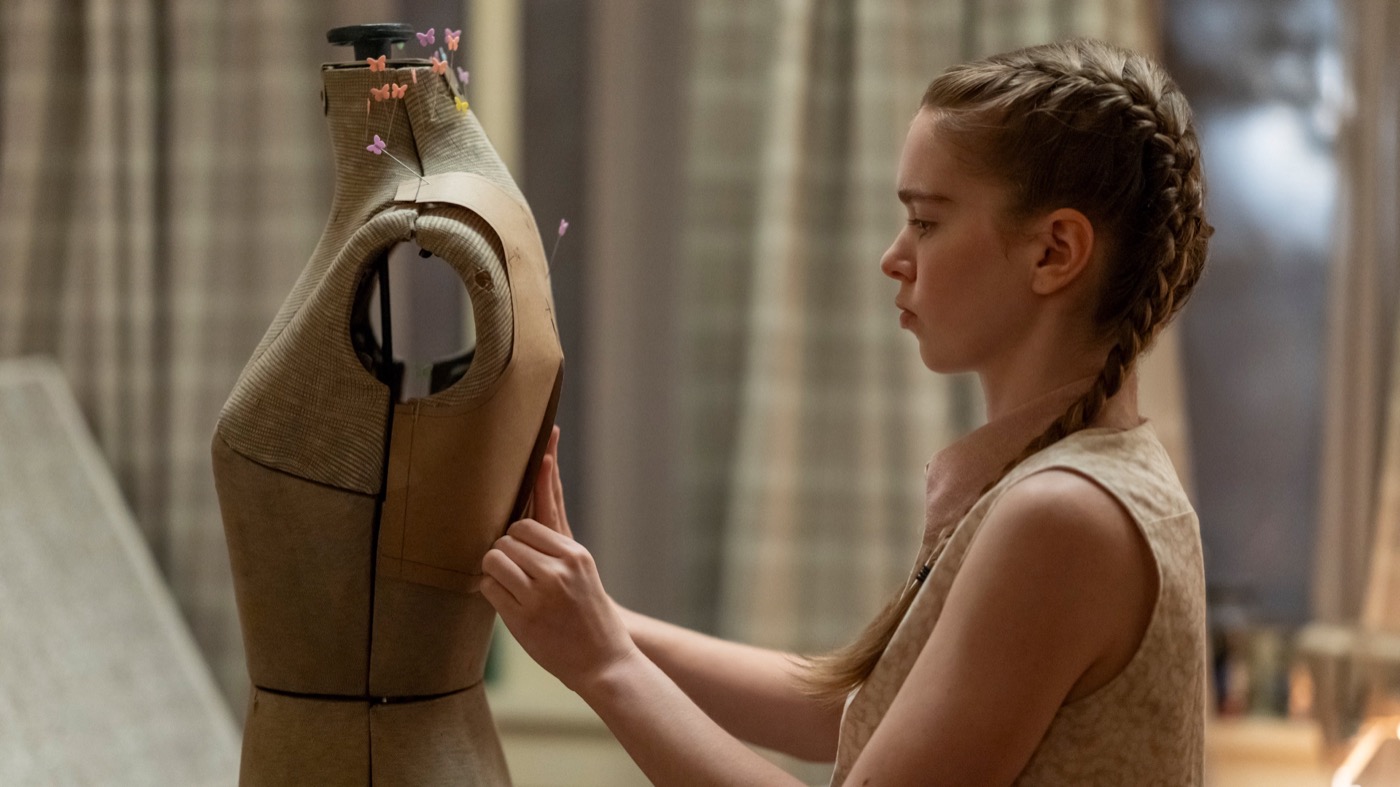
As Carrie, Howell is quite different from Sissy Spacek in De Palma’s film: less passive, miserable, strange or frightening. She wants to project happiness in a world full of anger, she tells Sue, and takes relatively innocent pleasure in exercising her telekinetic powers. One of the series’ few humorous moments shows her using them to get ready for the prom. Some of the differences between the performances may be down to the longer running time. We simply see much more of the character, giving Howell greater scope to show Carrie in relatively ordinary moments as she experiences teenage life for the first time. The longer format also makes her relationship with her mother more layered: there’s fear and frustration, but also real closeness.
The opportunities for deeper characterisation are even more obvious in Chris’s case. Thornton portrays her very convincingly. It must be a difficult role to pull off, balancing wickedness with pathos: Chris has to be genuinely unlikeable yet still capable of inspiring some empathy. She pretends to be superficial—she won’t spend time with anyone who doesn’t have enough online likes—but she’s intelligent, too; her plans for college matter to her character arc. Frustrated that she isn’t as powerful as she thinks she should be, she lacks self-control and lashes out at others because she’s emotionally wounded herself. The contrast with Carrie is obvious.
Giving Chris this depth brings a long-standing question in every version of Carrie into focus: who’s culpable, and who’s a victim? Carrie kills hundreds of people (the references at the beginning and end of the series to school shooters are clearly no coincidence), while Chris’s reprehensible behaviour is something thousands of teenagers engage in every day. So why do we tend to see Carrie as ‘good’ and Chris as ‘bad’? If Chris is responsible for her actions, why isn’t Carrie?
This version makes it clearer that both characters are destructive when angry. Carrie’s anger manifests in a way she might not consciously choose, but the same could be said of Chris. It’s unfortunate that, to address this question, Flanagan partly relies on a major change to the implications of the prom sequence, conveyed in a few easily missed lines. Even so, the series approaches the subject with the thoughtfulness it deserves.
Agudong gives a performance every bit as strong as Thornton’s. Sue is a slightly less complex character, but an interesting one: perhaps an example of how Chris might have turned out in different circumstances. After all, Sue comes up with the unpleasant nickname the students give Carrie, though Chris is the one who uses it relentlessly. Yet Sue feels guilty about the bullying, while Chris buries her guilt—and may be all the more vicious for whatever pangs she does feel.
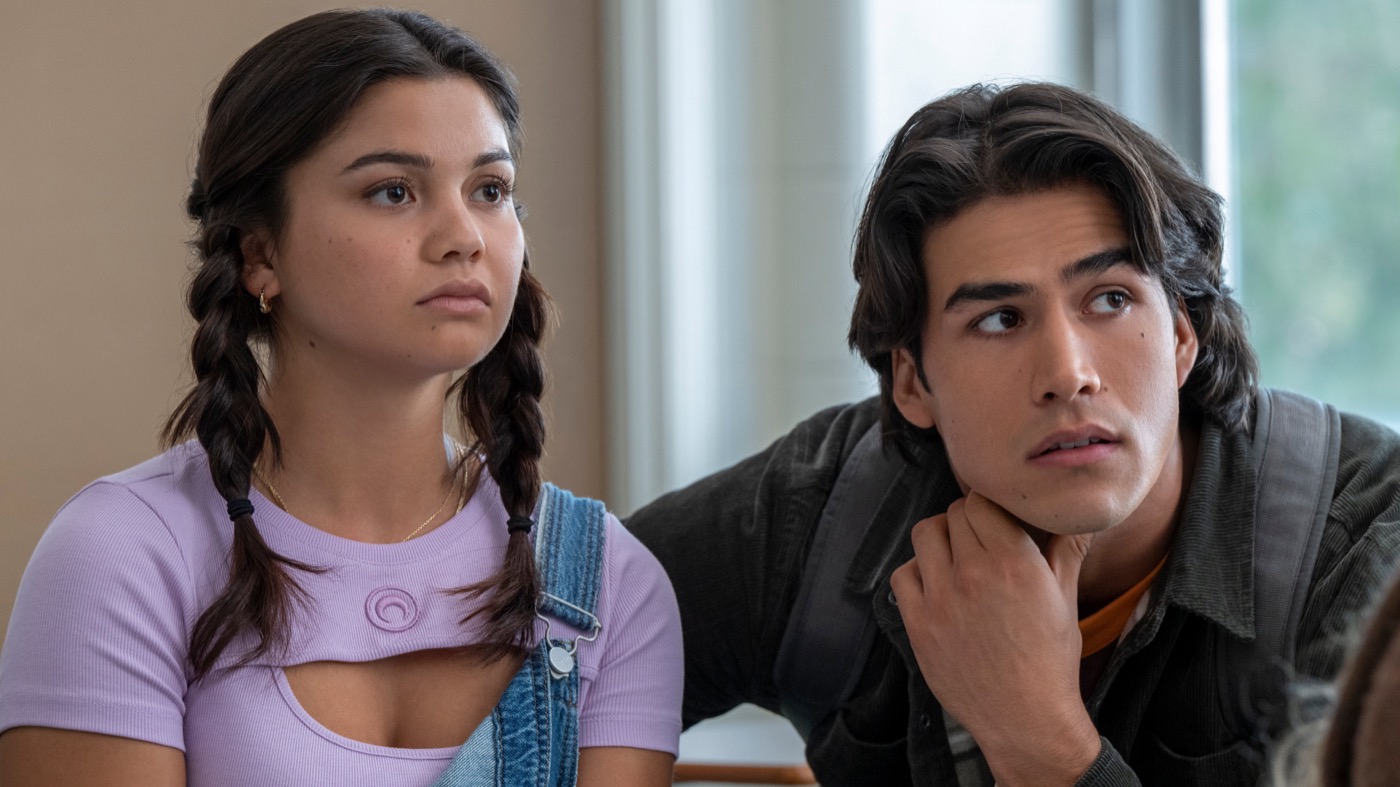
Among the smaller roles, highlights include Joel Oulette as Carrie’s prom date, Tommy, who’s much more fully characterised than in De Palma’s film; Rowan Danielle as Brooklyn, another teenager; and Conti (recently seen in Teenage Sex and Death at Lake Miasma) as Chris’s new boyfriend, Billy. Conti’s character is more rounded and less like a convenient plot device than John Travolta’s was in the 1970s film. A scene on a bridge, where he pushes a half-reluctant, half-excited Chris towards a dangerous act, is among the series’ most affecting moments. Thalia Dudek is also memorable as Emaline, an older girl—seemingly too old for high school?—who befriends Carrie, recognises her powers, encourages her to use them and urges her to declare, ‘I exist’. She may become more prominent if there’s a second season.
Among the adults, who are more significant here than in De Palma’s film and get plenty of screen time of their own, standouts include Midthunder as the PE teacher, Ms Desjardin (returning to King’s name for the character); Tim Bagley as an older gay guidance counsellor at the high school; Matthew Lillard as the principal; Naika Toussaint as a neighbour who sneaks forbidden books to young Carrie; and Gil Bellows as the new partner of Chris’s mother, a man of few words who comes into his own in one speech.
Outshining them all—really a co-star of the series alongside Carrie herself—is the superb Sloyan (also in The Fall of the House of Usher and The Haunting of Hill House) as Margaret. She’s less monstrous than in the first film, more genuinely loving towards Carrie and not entirely unreasonable. The series also implies that her more extreme beliefs largely come from Carrie’s father. Margaret is very intelligent, holding her own in meetings with the school staff, and devious: there’s a nice subplot in which she undermines her new manager at work. Yet you might not dislike her if you met her casually. It’s a long way from Piper Laurie’s Academy Award-nominated performance in De Palma’s Carrie and may be a difficult approach for some viewers to accept, but it adds considerable depth.
The strong writing helps the actors shine. While some viewers will dislike Flanagan’s additions to the story, they almost always work. The Stand (2020), based on a novel seven times as long, still became tedious over nine episodes despite having so much more source material to draw on. Carrie never drags over eight. As Flanagan has said, ‘it’s about the surprises you can weave into how you get there’. It also helps that, although Carrie is set in yet another Maine community, it’s almost entirely free of the sentimental meandering through small-town life that pervades much of Stephen King’s work.
The final episode is the least satisfying, partly because the story is familiar and partly because the tacked-on subplot is so intrusive and perplexing. But the series as a whole isn’t hampered by our knowing roughly what’s coming; at times, it takes advantage of that knowledge, for example by moving quickly through the scene in which Chris and Billy obtain the pig’s blood. The series also makes the relationships clear—for instance, the social pecking order at the high school—without oversimplifying or resorting to stereotypes. It helps that this is the 21st-century, so people talk about these things.
Occasionally, the series is a little obvious. It contrasts an ecstatic Carrie and a miserable Chris returning home from a party, for example, and includes a scene in which Carrie and the guidance counsellor trade favourite lines from books. Carrie says, “you don’t have to understand things for them to be”, quoting Madeleine L’Engle’s A Wrinkle in Time.
Even these moments are so nicely done that they’re forgivable. Such overt thematic reminders are more acceptable in a series than in a film, anyway.
The same goes for the visuals. There are a few knowing shots—a knife in Margaret’s hand as early as episode two, and Carrie covered in mud to foreshadow blood—as well as a few nods to De Palma, including at the prom. Generally, though, the story is allowed to speak for itself. Flanagan directed half the episodes, but there are none of the obsessive match cuts of Hill House, for example. The music choices can be blatantly on the nose, as with The Arbor Doves’ ‘I Know Anger’ or Filip Woja and Phenix Brossard’s ‘I Won’t Obey’. But the soundtrack as a whole is well deployed, emphasising particular moments without getting in the way.
Ultimately, there’s only one significant flaw in this Carrie: it sacrifices some coherence to make way for a second season. Without giving too much away, the ending seems to set up either a superhero—or supervillain—origin story, or a move towards the stories of other characters. An unexpected use of the word ‘shine’ also suggests that characters from other King works could appear. A follow-up series to the 2002 made-for-TV film was envisaged but never produced. This is deeply disappointing in an otherwise near-perfect series, though at least the added material is relatively small-scale and largely separate from the main story.
Whether it’s ‘better’ than De Palma’s film is a rather pointless question, given how different the two are. It’s safer to say that this is probably the best King television adaptation to date: gripping, seamless in its shifts between naturalism and the supernatural, and thoroughly believable in its characterisation. It can even be surprisingly sweet at times, as in an inappropriate waltz at the prom.
Perhaps that’s the key to this Carrie’s success: most—nearly all—of its characters are fundamentally good. At different times, we can feel invested in each of them. What we’re watching becomes not just the story of one girl’s humiliation and revenge, but the tragedy of an entire community—and, by implication, a whole culture. As Sue says of Carrie: “She was just kind. Why was that so alien? What the fuck is wrong with us?”
USA | 2026 | 8 EPISODES | 1.78:1 | COLOUR | ENGLISH

writers: Mike Flanagan, Jamie Flanagan, Elan Gale, Justina Ireland, Rebecca Klingel, Alexandra Magistro, Elizabeth Padden & Dani Parker (based on the novel by Stephen King).
directors: Mike Flanagan, Axelle Carolyn, Hiromi Kamata, Kyra Sedgwick & Kate Siegel.
starring: Summer H. Howell, Samantha Sloyan, Siena Agudong, Alison Thornton & Joel Oulette.


