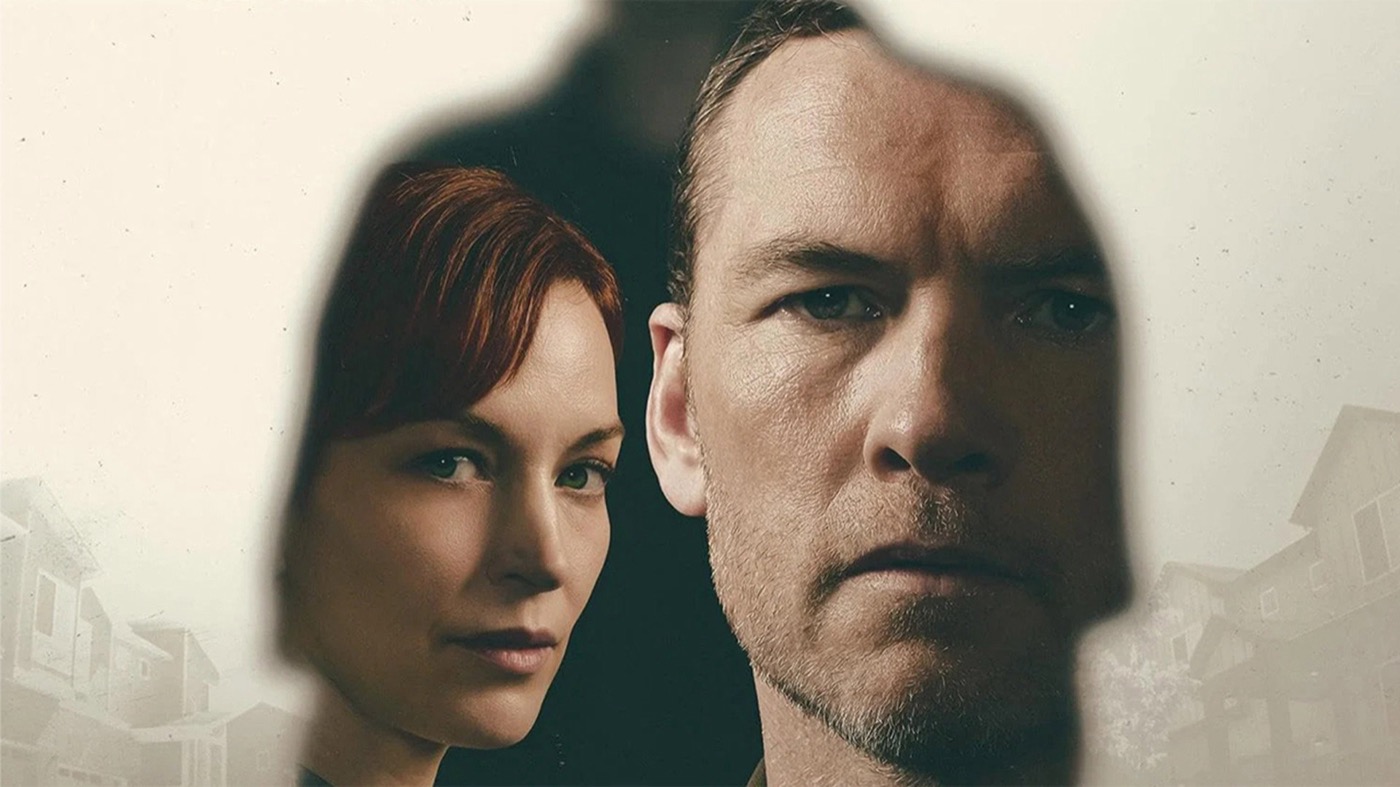
THE DOG STARS (2026)
In a post-apocalyptic world where a virus wiped out humanity, a pilot survived the flu but lost his wife...


In a post-apocalyptic world where a virus wiped out humanity, a pilot survived the flu but lost his wife...
When the world as you’ve known it comes to an end, how do you continue to live? When everyone you’ve loved is lost, and the mundane routines of daily life are long gone, how do you spend your days? When community vanishes and all that remains is the survival of the fittest, how far would you go to come out on top?
These fundamental questions define every post-apocalyptic story ever made, and they sit right at the heart of The Dog Stars. Yet, while these queries still carry a degree of intrigue, the broader question remains: when a story delves into the familiar territory of a world pushed to the brink by a pandemic, how do you make it stand out? Unfortunately,Ridley Scott’s latest film fails to offer a convincing answer.
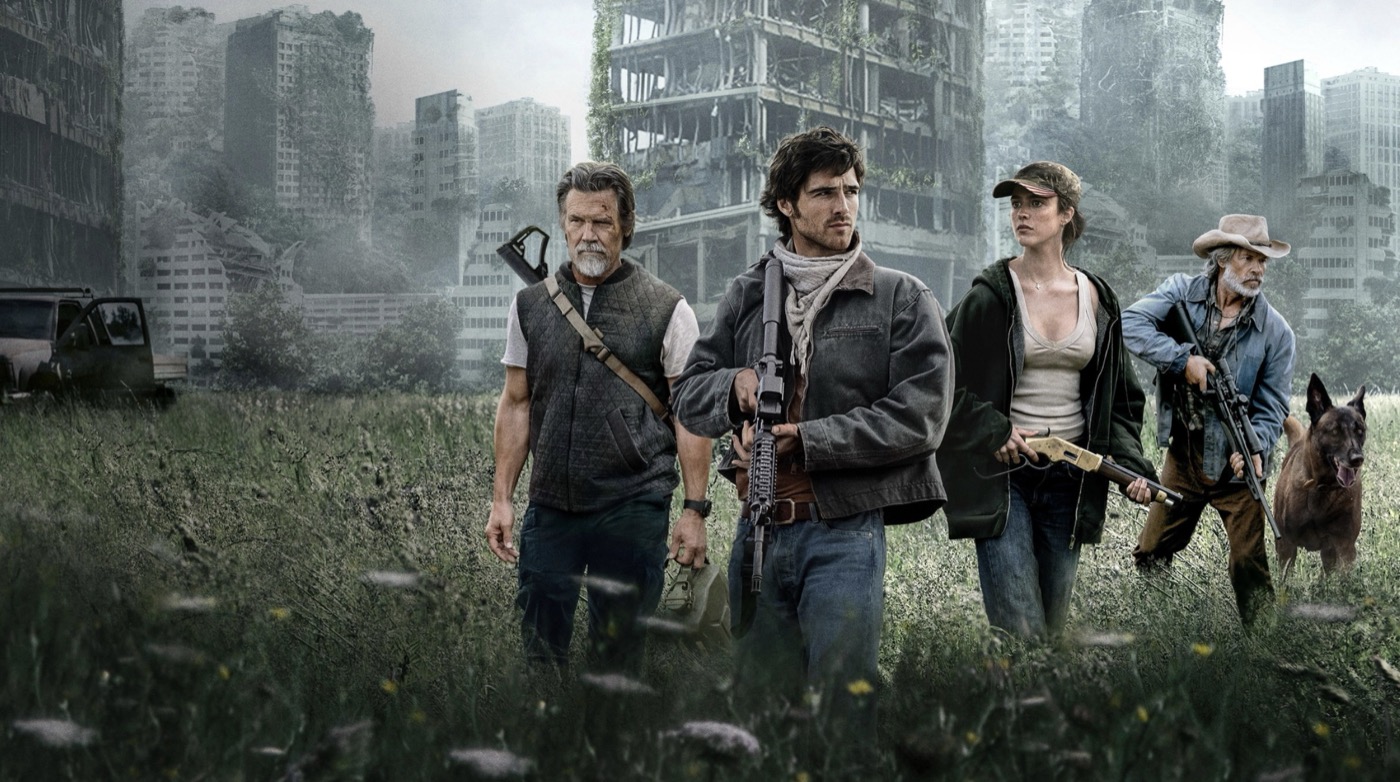
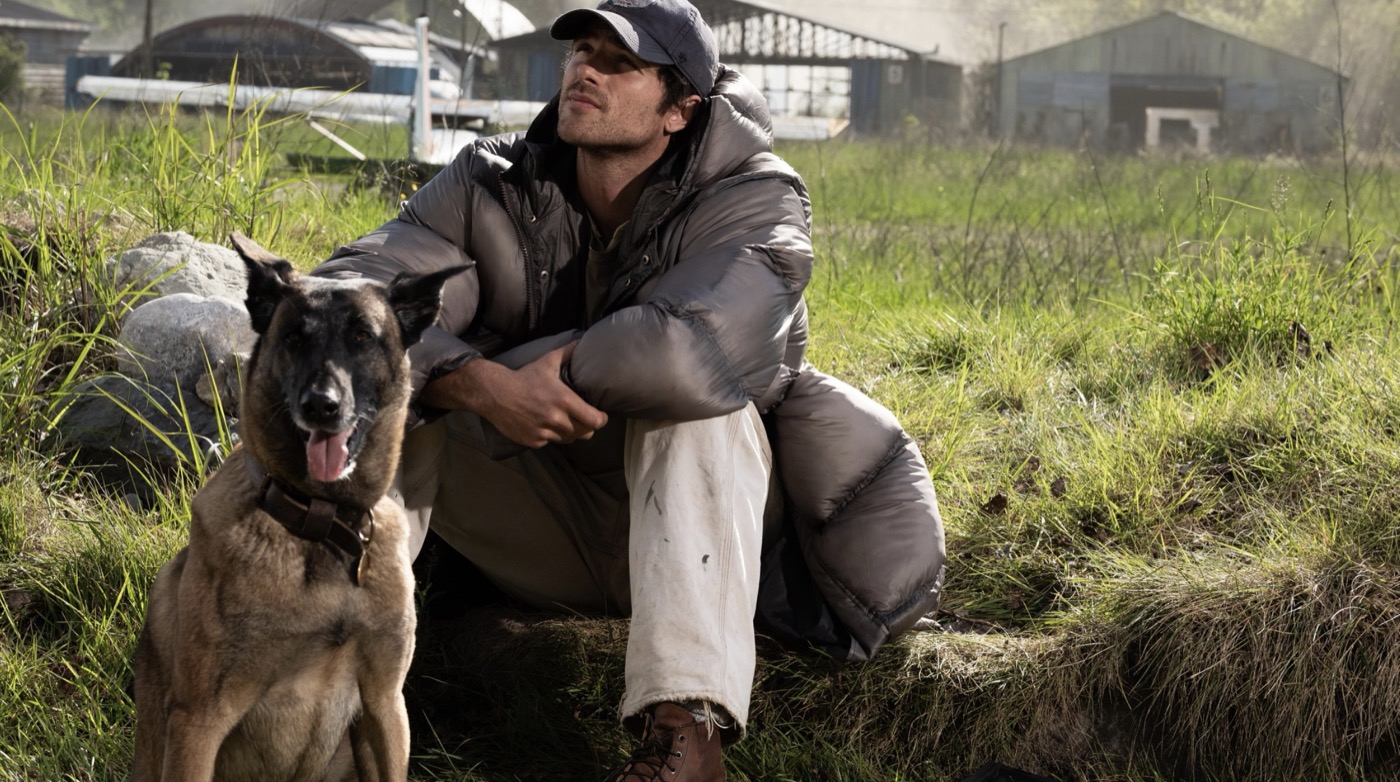
Based on Peter Heller’s novel of the same name, The Dog Stars follows Hig (Jacob Elordi), a former mechanic turned pilot in 2035—a few years after a deadly virus wiped out most of humanity. Having lost his pregnant wife to the disease, Hig now lives with his dog, Jasper, and Bangley (Josh Brolin), an ex-Marine. Together, they occupy an abandoned airfield, stocked with enough weapons and supplies to keep them alive.
The movie opens with Hig mowing the grass of an airstrip before flying his light aircraft into a desolate Denver. He visits a secret ration cache, bringing supplies back to a group of Mennonites led by Aaron (Benedict Wong), whose community is succumbing to endemic viruses for which vaccines no longer exist. Whilst in the city, he encounters a starving loner who warns him of a band of violent scavengers known as the Reapers.
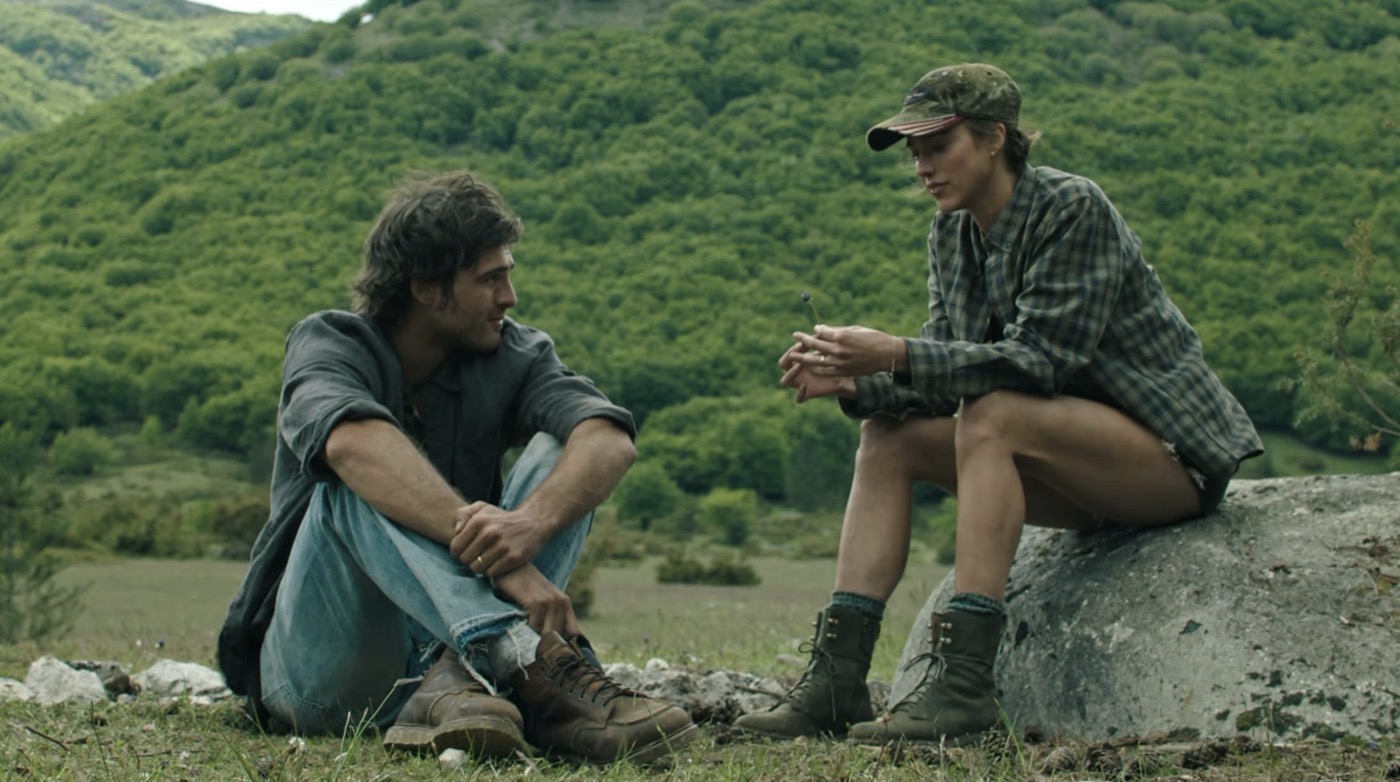
Yet, despite having enough food and supplies to survive in their compound, Hig wants more. Drawn to a mysterious broadcast from Grand Junction, he becomes filled with hope for a new future away from the ghosts of his past. This prompts a journey that brings him into contact with a father and daughter, Pops (Guy Pearce) and Cima (Margaret Qualley), who are living in the woods.
The Dog Stars is a fairly run-of-the-mill post-apocalyptic tale anchored by a strong core cast. Fresh off his award-winning turn as the Creature in Guillermo del Toro’s Frankenstein (2025), Jacob Elordi makes a compelling case for himself as a leading man. He carries the deep sorrow of a broken man who can’t move past his wife’s death, yet still retains his humanity in a world seemingly stripped of it. He is forgiving at every turn, even when it puts him in danger. Elordi’s calm demeanour genuinely sells Hig as a magnanimous, passionate survivor who hasn’t quite given up on a world worth fighting for.
Unfortunately, Hig is the only character with any semblance of depth. Margaret Qualley’s Cima is a kind, alluring presence on Hig’s journey, but we learn frustratingly little about her. She also lost her spouse, but unlike Hig, that loss doesn’t define her; consequently, we never quite understand what drives her or keeps her going. We learn even less about her father, Pops. Guy Pearce is well cast as the protective parent—a former Navy SEAL with the skill set to keep them both alive—but beyond that, all we learn is that he once enjoyed pancakes.
Josh Brolin is the true standout. He brings the same calm intensity that has defined his career, echoing his character in Denis Villeneuve’s Sicario (2015): an opportunistic, stoic fighter solely focused on self-preservation. His abrupt dismissal of everyone and everything provides welcome comic relief and helps round out a satisfying arc. However, as with the rest of the cast, we rarely glimpse what drives him day to day. In a post-pandemic world, those internal emotions are precisely what help people cling to their identity. The Dog Stars fails to showcase this, denying us the space to connect with the characters amidst the danger and fleeting moments of joy.
Visually, Scott’s film does soar. The cinematography by Erik Messerschmidt is one of its strongest attributes, conjuring a striking vision of an overgrown, abandoned American West filled with cult markings and the decaying remnants of civilization. I found the ubiquity of solar panels somewhat grating—as if they were the only visual shorthand the production team could think of to distinguish a future setting from the present—which revealed a slight lack of imagination in the set design. Yet Messerschmidt’s visual language more than compensates. The Dog Stars is a dark movie, and the camera work matches its tone.
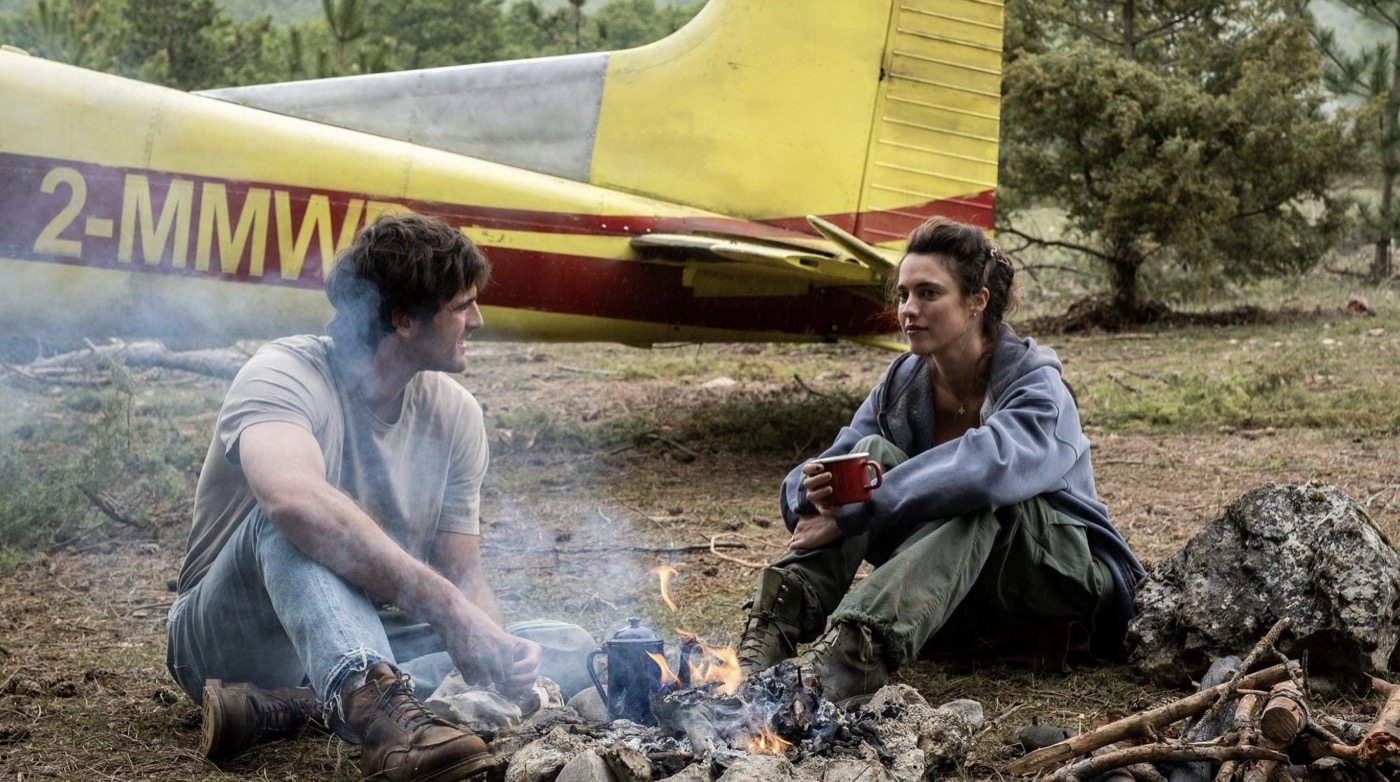
Audiences frequently complain that modern films and television shows are unwatchable during night scenes. The lost art of key and fill lighting in favour of natural light has made dark sequences in contemporary productions almost impossible to decipher. Seeing a movie that handles night scenes properly feels like a minor miracle—especially one set in a post-human world where electricity is a thing of the past. Messerschmidt’s blend of blue light and night-vision goggles makes those sequences stand out. During the production of The Lord of the Rings (2001-03), Sean Astin once asked cinematographer Andrew Lesnie where the light was coming from in a night shot, unsure how it was possible. Lesnie replied, “The same place as the music.” I commend the filmmakers for utilizing the visual capabilities of cinema rather than succumbing to frustrating modern trends.
The score is another asset. A frequent collaborator of Scott’s, Harry Gregson-Williams helps establish the mood, complemented by Hozier’s “Like Real People Do”. The music builds tension during thrilling sequences whilst allowing quiet pockets of warmth and intimacy to breathe.
Despite the fine score and cinematography, The Dog Stars is ultimately let down by its script and pacing. The slow build-up is effective, rendering the sudden bursts of action far more shocking and brutal. However, the second half feels disjointed. A wonderful detour into a thriving airport run by a former flight attendant, Darlene (Allison Janney), cleverly subverts expectations—only for the film to abandon the idea and return to its predictable formula. It feels like the scaffolding of a completely different story grafted onto the climax. This kills the narrative momentum heading into the final act, which feels cluttered and rushed, ultimately undermining the emotional resolution.
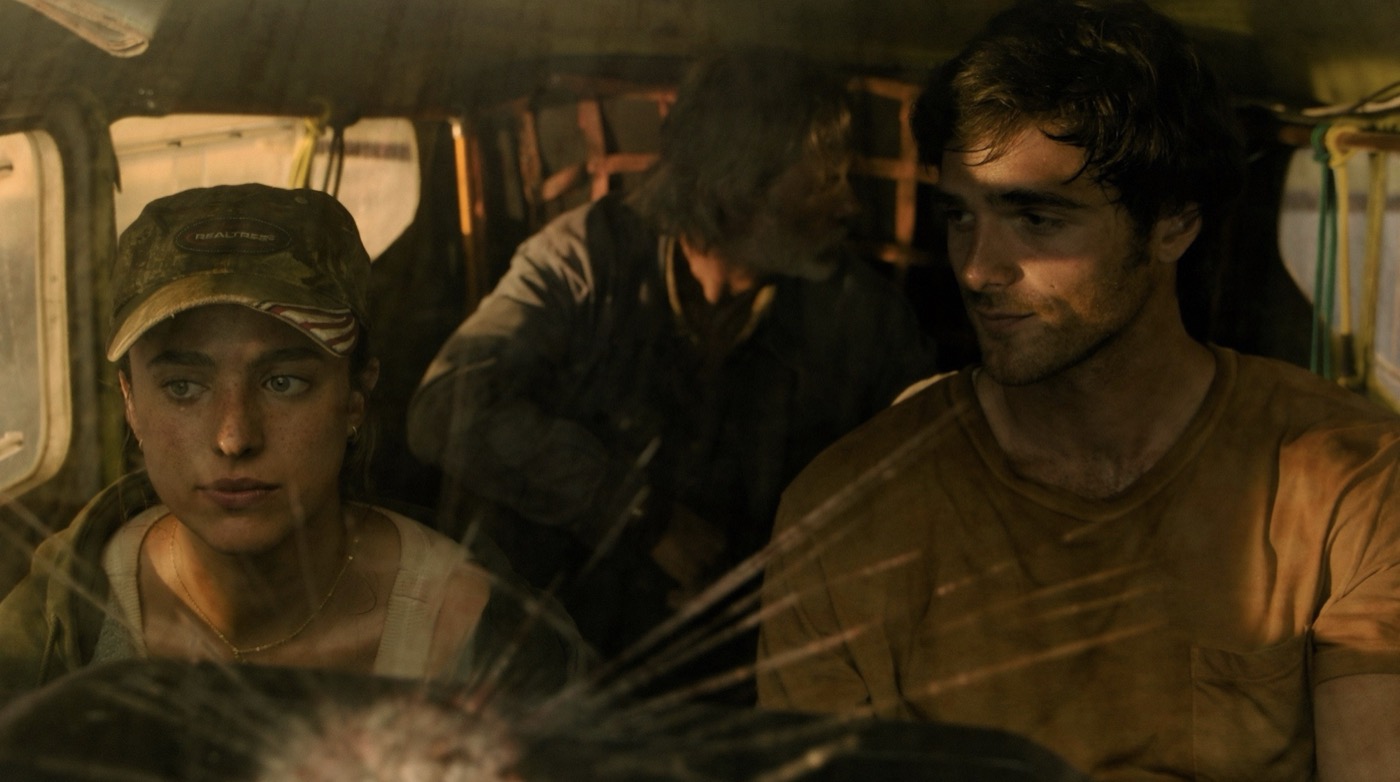
The Dog Stars is caught between being a full-blown thriller and a meditative exploration of the post-apocalyptic human psyche. Had it leaned into the former, it feels as though it would have been better served by Ridley’s late brother, Tony Scott. As it stands, it is neither convincing enough as a drama nor thrilling enough as an action film.
Given the saturation of dystopian fiction, comparisons are unavoidable. Video games like The Last of Us and Days Gone deliver more action-packed narratives set across abandoned American landscapes that easily overshadow Scott’s effort. Critically acclaimed dystopian benchmarks, such as Children of Men (2006) and Scott’s own Blade Runner (1982), achieve far more succinct world-building and character development, leaving The Dog Stars as a middle-of-the-road entry in the genre. It is a shame to see such talented cast and crew underutilised, though it remains impressive that Scott, now 88, continues to make films on his own terms. Like Hig, finding what drives us is what makes life worth living, and one has to respect Ridley Scott for continuing to do what he loves.
UK • USA | 2026 | 118 MINUTES | 2.39:1 | COLOUR | ENGLISH

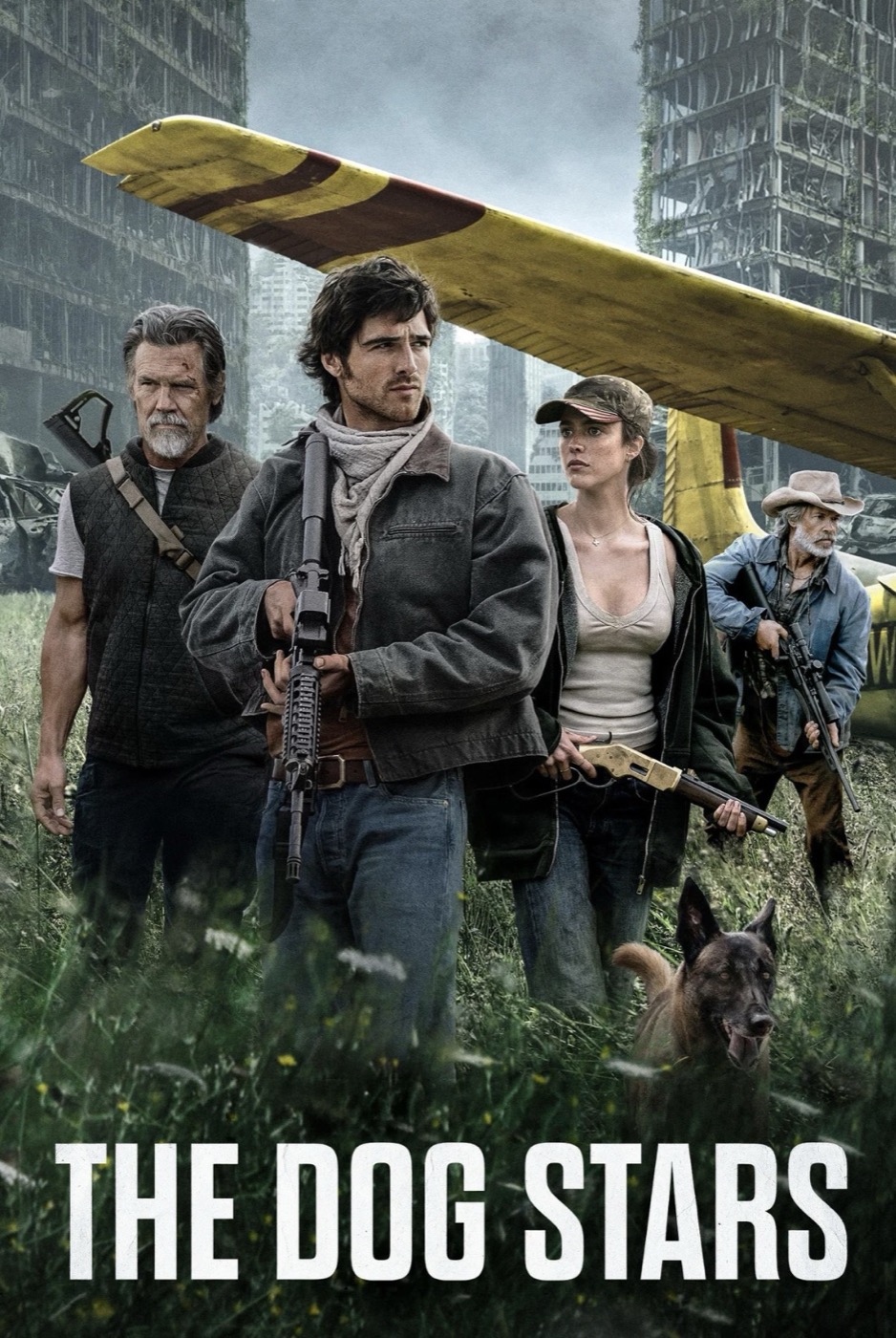
director: Ridley Scott
writer: Mark L. Smith (based on the 2012 novel by Peter Heller).
starring: Jacob Elordi, Josh Brolin, Margaret Qualley, Guy Pearce, Allison Janney, & Benedict Wong.