NIRVANNA THE BAND THE SHOW THE MOVIE (2025)
When their plan to book a show at the Rivoli goes horribly wrong, Matt and Jay accidentally travel back to the year 2008.

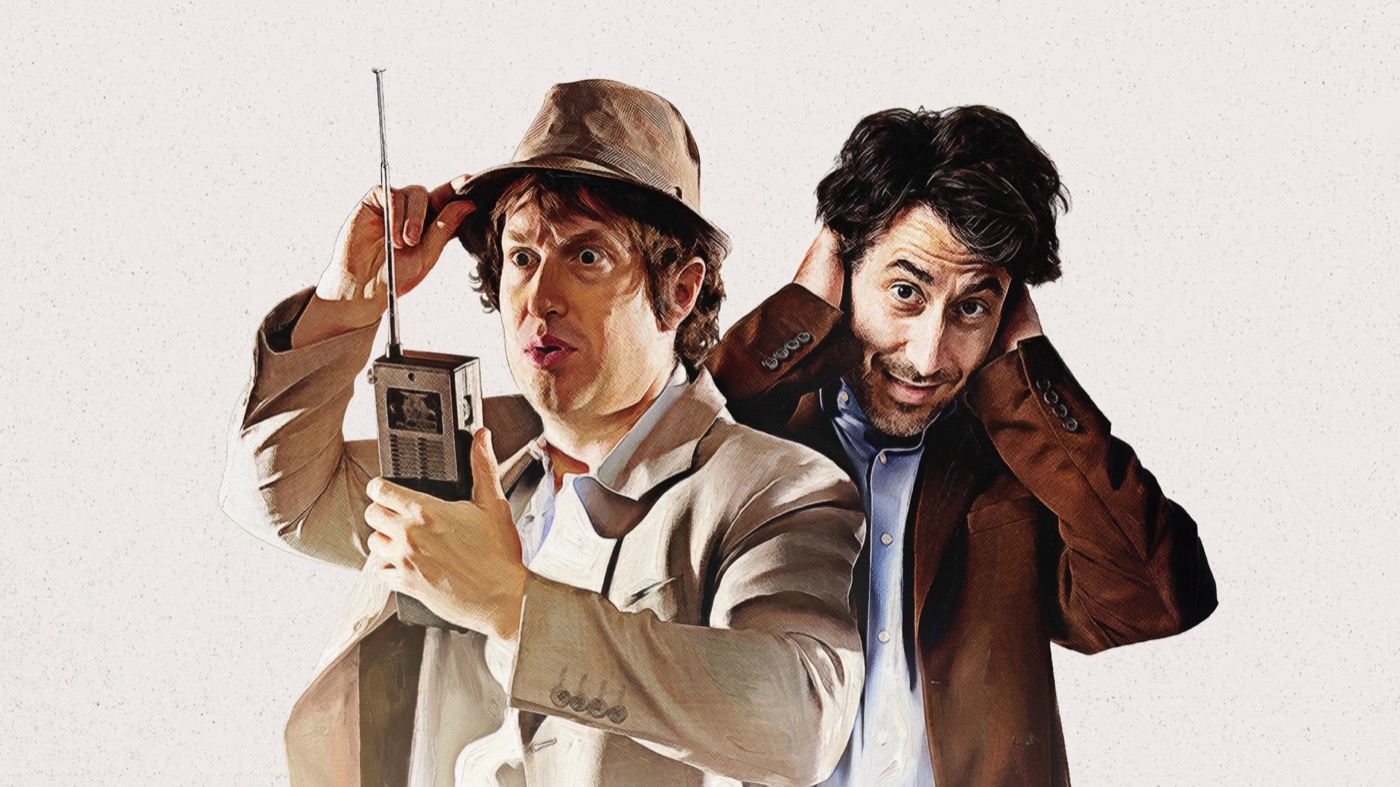

When their plan to book a show at the Rivoli goes horribly wrong, Matt and Jay accidentally travel back to the year 2008.
“You’re better off going in literally knowing nothing, The best way to see this movie is to have a very close friend tell you, ‘You must see this movie,’ and that’s all you want to know.”— Matt Johnson, writer-director-actor.
Nirvanna the Band the Show the Movie is a story much like its title: it gets funnier the longer it goes. Matt Johnson (Matt Johnson) and Jay McCarrol (Jay McCarrol) are two aspiring musicians who want, more than anything, to book a gig at the Rivoli, a venue just down the street from them in Toronto. The film opens with their web series, Nirvanna the Band the Show (2007–09), and the duo’s belief that things will work out for them…
The smash cut to “17 years later”, a new flat and no progress hits hard because the footage on either side of that cavernous gap is real. There’s no invented backstory or falsified flashback. Of course, the plot revolves around travelling back in time to undo their failures—and that’s exactly where these magician-filmmakers relish tricking the audience about what’s real and what isn’t.
Johnson and McCarrol made good use of the gap. The TV series Nirvanna the Band the Show (2017–18) would have had a third season if the cable network Viceland Canada hadn’t shut down. The series is now available on Disney+ in the US and Canada, a mere six months after the film’s premiere, but most fans have had to pirate the duo’s entire body of work to see it. (The web series, along with a wealth of extra material, is lovingly curated by fans.) The difficulty of actually watching the show mirrors the Sisyphean task of Matt and Jay trying to get into the Rivoli—as well as Johnson and McCarrol’s struggle to make anything in their gonzo, hidden-camera style. The overwhelming response from critics and audiences alike has simply been: how the hell did they even make this?
Matt and Jay don’t travel to the past alone. They’re accompanied and filmed by cameramen Jared Raab and Luca Tarantini, who also play themselves. Why? Take Werner Herzog’s famous quote to heart: ‘We must never be flies on the wall. As filmmakers we should be the hornets that go out and sting.’ Nirvanna grabs you by the collar and drags you into a dizzying intimacy, packed with laughs and thrills. Raab, the cinematographer since the very beginning, has mastered the Nirvanna brand of adventure: shooting on the streets of Toronto with as few as eight crew members and relying on real people to help with Matt and Jay’s bizarre quest.
“If the camera stops rolling, it kills the scene faster than anything else. I have nightmares about this.” — Jared Raab, cinematographer.
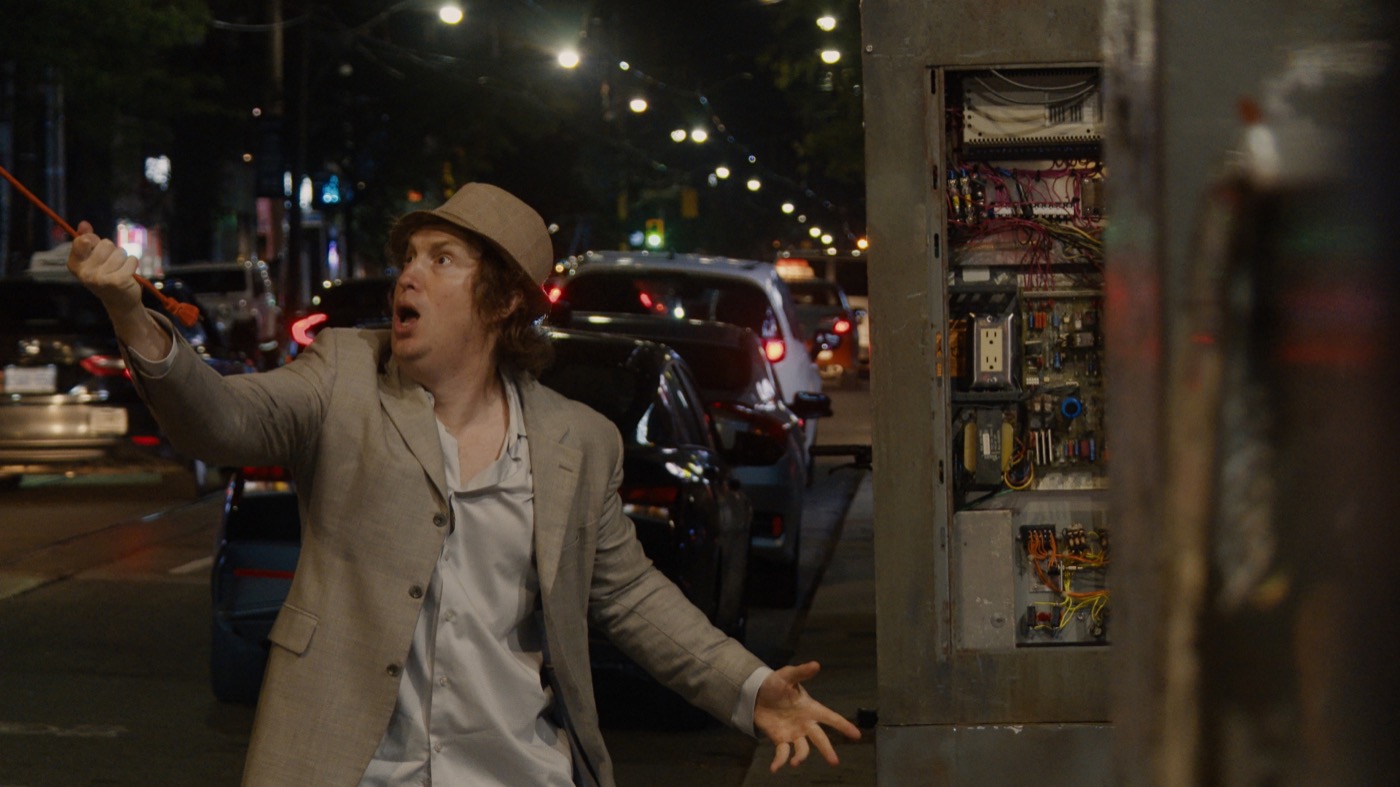
A concerned hardware shop assistant discourages Matt and Jay from using pliers to cut through wire in case they’re electrocuted. Matt assures him they’re only cutting the safety wires for their EdgeWalk tour on the exposed top of the 1,168-foot-high CN Tower. Critic Mark Kermode couldn’t believe how much of the dizzying spectacle was real, calling it a stunt to rival Mission: Impossible – The Final Reckoning (2024) for the most breathtaking sequence of 2025. The worker’s decision to sell them pliers because he’s a ‘Libertarian’ is one absurdity. But Kermode refused to believe security would let the pliers through—or ignore the pair, who looked like Ninja Turtles with parachutes bulging beneath their jackets. And this is only the first of several jaw-dropping sequences.
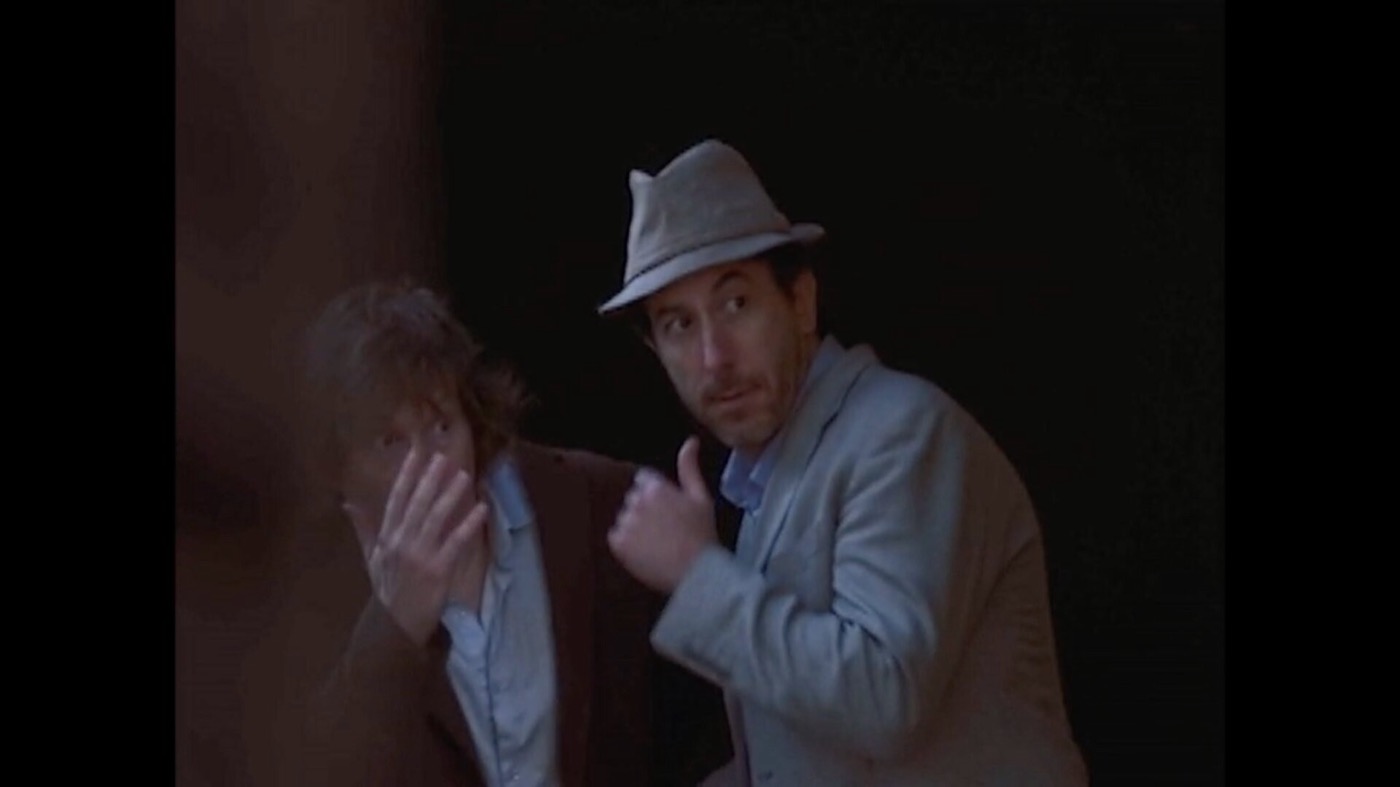
“You need to be doing something that they couldn’t do in Hollywood; they would rebuild the CN Tower. It would be a $5M stunt,” explains Johnson. With only $2M for the entire budget, Raab swears, “We only fake things if we absolutely have to, and we’ll put ourselves in dangerous and insane situations before we get to that point.”
The film offers a more vicarious experience of Toronto than Scott Pilgrim vs. the World (2010), an American production directed by a Brit. Johnson and McCarrol moved to the city to pursue filmmaking, seeing it as an ‘open playground’. Their excitement about playing is contagious: Matt dodges honking cars while wrestling with an extension cord suspended from the sky, asking a passer-by to look after it for ‘around 30 minutes’; or the pair commandeer a live concert—capacity 16,100, compared with the Rivoli’s 240—so Jay can perform a real song McCarrol wrote and released a decade earlier. In 2024, observant fans spotted the Nirvanna crew running around in the background of real news coverage of a shooting at Drake’s mansion. “I don’t think we had a high that was higher than that,” Johnson admits.
In recognition of their continuing tributes to the city, the Toronto Film Office even features them on its ‘Guidelines for Filming in Toronto’ webpage. Is it a winking nod to the need for permits, or an admission that nothing can stop these guys?
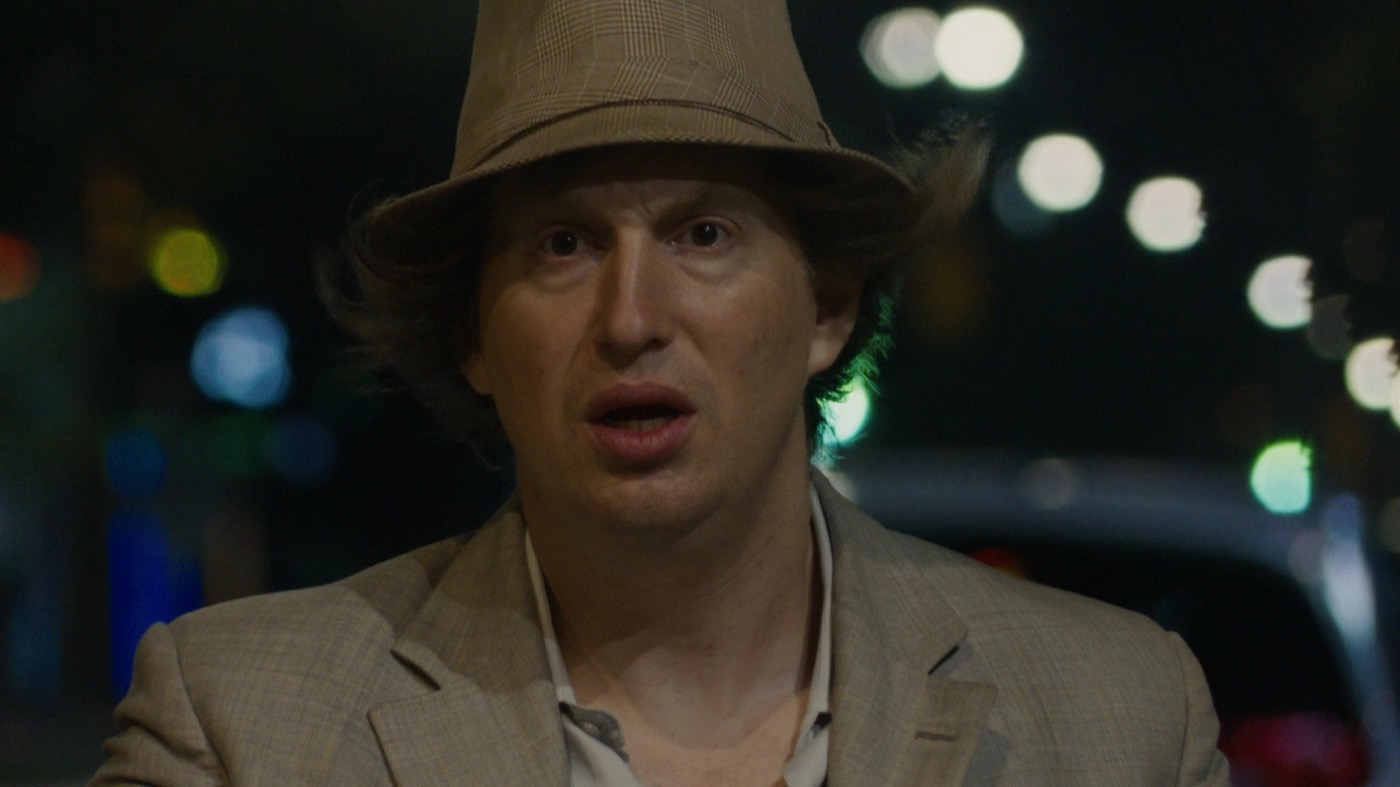
Alongside contemporaries Nathan Fielder and Tom Green, Canada has produced its fair share of cringe-comedy legends. Yet Johnson and McCarrol avoid making Torontonians the butt of the joke. Audiences everywhere will recognise the ‘perfect recipe’ of playing on traditional Canadian politeness, which compels people to help even two lunatic strangers. But is there a good reason for the pair’s mad quest? McCarrol explains the story’s universal appeal: ‘We could have been trying to do anything. It was about the constant trying and failing.’
The Rivoli isn’t the point. Nirvanna is like Waiting for Godot, or the gang in Friends (1994–2004) spending ten seasons trying to get those coveted seats on the Central Perk couch. We barely see the venue in the film: the duo walk past a band performing that night. The fact that they’re lugging their own instruments through the front entrance, past diners eating and drinking, is the ultimate reveal. Matt and Jay’s astronomical risks don’t match the reward in any way, shape or form.
“Matt is psychotic, and I mean that medically. Everybody could use a little bit more of that. I think it would give all of us the kind of confidence that we need to do great things.” — Matt Johnson.
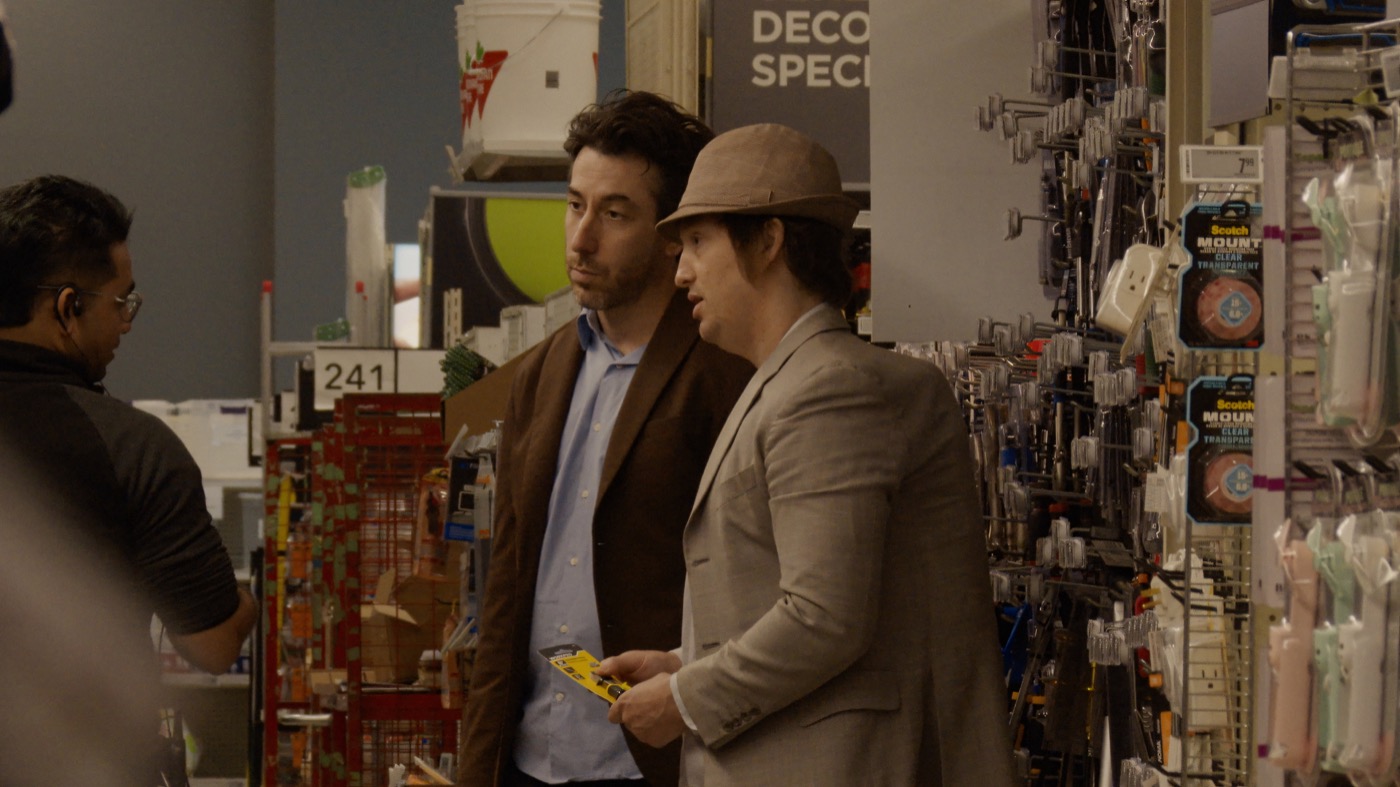
It’s okay to laugh at Matt. Johnson looks great in his signature headband, tracksuit and 24-inch pythons. Matt has worn the same blazer-and-jeans combination, topped with a fedora, since long after it went out of fashion in 2008. In an interview, stand-up comedian Stavros Halkias put it plainly: ‘At no point did you look better than Jay.’ Johnson readily admits that his own mother once said he wasn’t handsome, but ‘interesting-looking’. With a relentless, childlike glee written across his silly face, you can’t help but give in—and become his best friend, just as Jay does. It’s like having your own personal clown.
The film swings the audience’s sympathies like a pendulum. Jay’s nervous chuckles and confused attempts to decipher Matt’s Looney Tunes logic naturally position him as the straight man of the duo. As Johnson recognised early on: ‘Jay was so gifted naturally in an almost preternatural way [on piano]. Wait a minute, one of the guys in this band could become a famous musician.’ McCarrol’s affable charm conceals an underrated performance when an inevitable shift in the timeline sees Jay betray his best friend for fame and fortune—all with an infuriating, smug smirk.
“It is kind of divine comeuppance that I thought I was making a movie for young men exactly like myself, and the number-one fans of Nirvanna the Band seem to be 20-year-old girls who are getting a lot out of those characters.” — Matt Johnson.
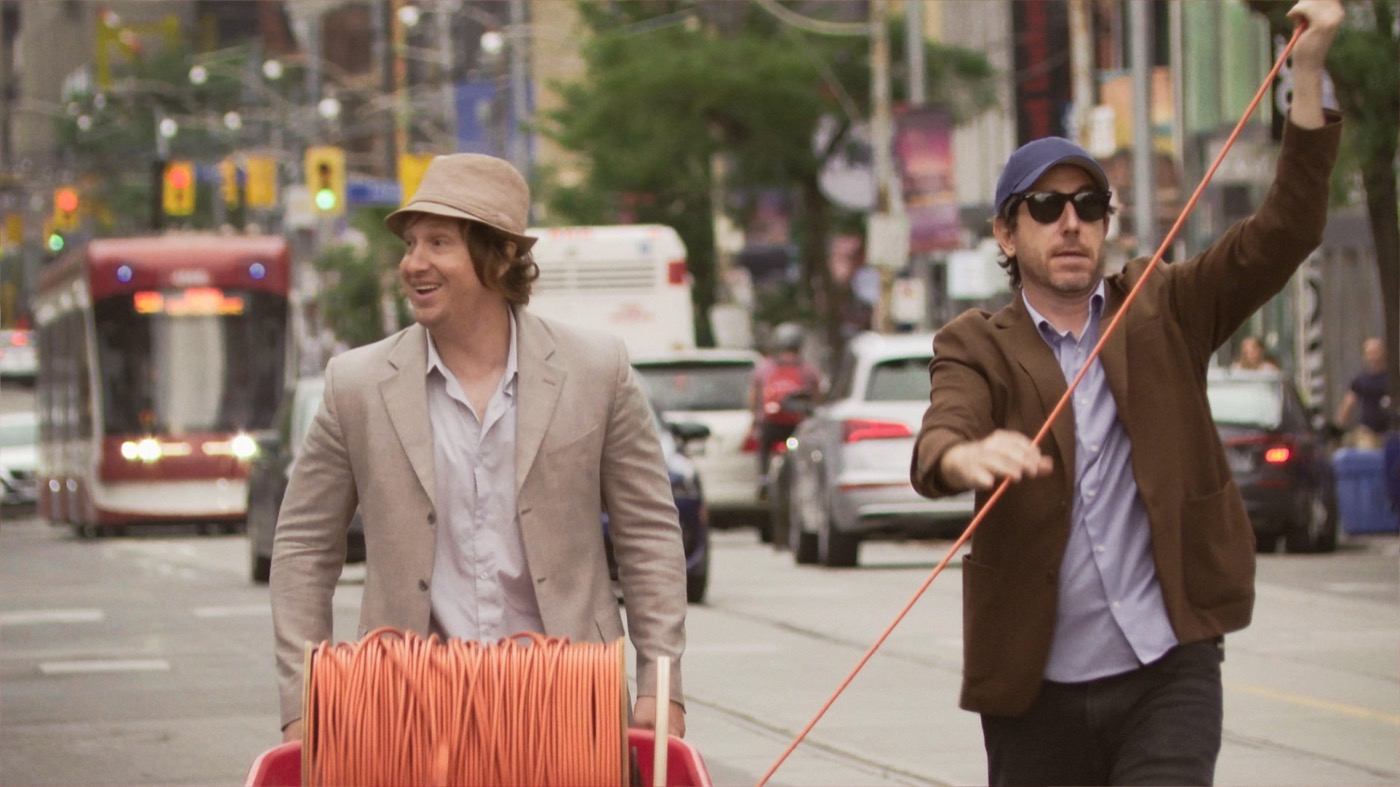
Younger women will likely appreciate how much Nirvanna indulges Johnson’s authorial preoccupation with ‘homosocial’ dynamics, a term the recently married director has used more often than ever in interviews. It’s telling that an early version of the film had the duo travelling across Europe in a faithful spoof of The Talented Mr Ripley (1999). Between Jackass: Best and Last and The Odyssey, 2026 has been a stellar year for ‘guys being dudes’ together. Homoaffectivity is a much better fit here, with all these outrageous stunts faintly masquerading as expressions of affection. Nirvanna never dwells on failure unless it severs the bond between the pair. Indeed, Johnson and McCarrol call themselves the ‘PG Heated Rivalry’.
This leads into an inspired use of an advance screening of The Hangover (2009) to represent time travel.
Johnson still uses a certain controversial word in Tony (2026), the second film he directed this year with a score by McCarrol. It isn’t so much an acknowledgement that offensive words were considered ‘acceptable’ a few years ago as a belief that they should be used only to shock audiences who aren’t comfortable with that language. For the joke to work, the word must remain taboo; once the mainstream decides it’s acceptable, the joke is no longer funny.
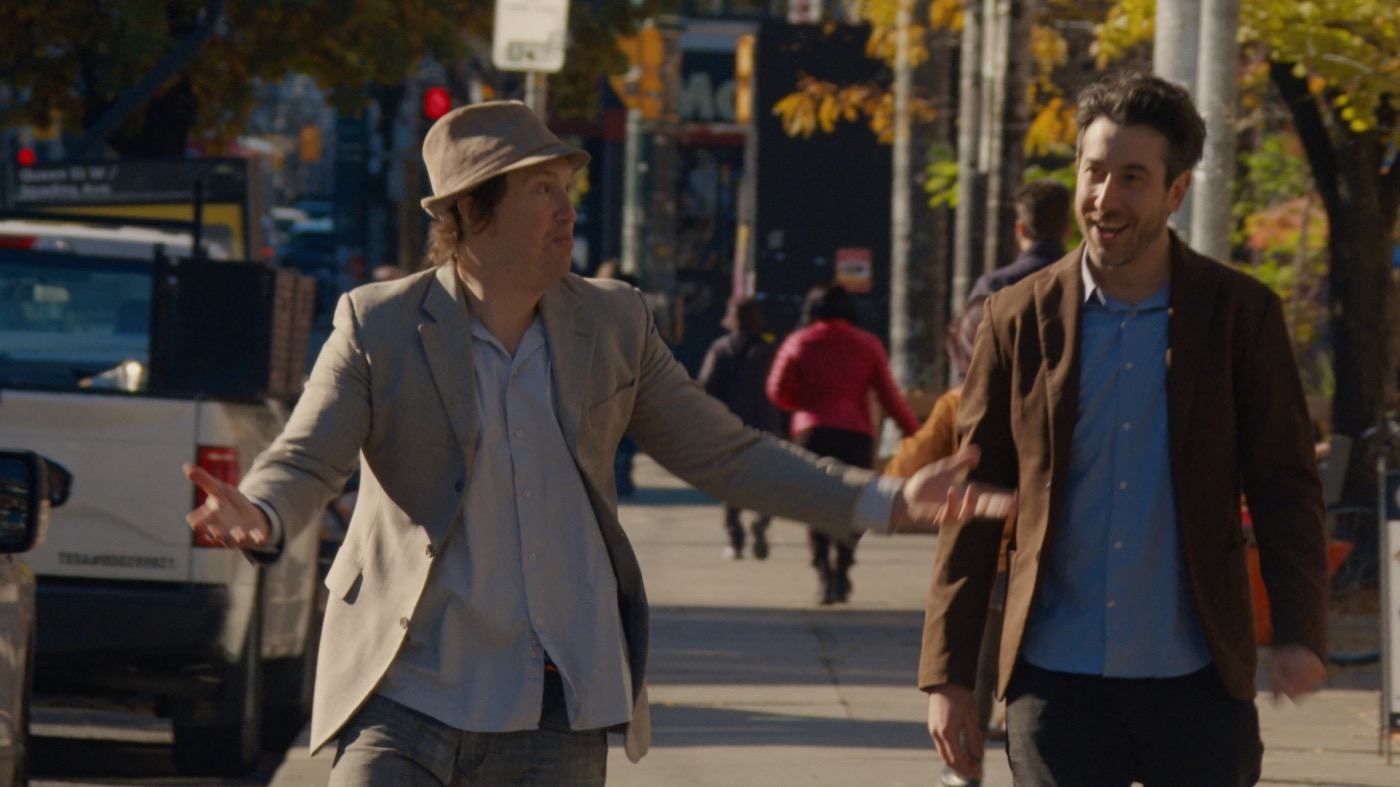
Just as fans of Spider-Man: Brand New Day (2026) watch Netflix’s The Punisher (2017–19) because Frank Castle is such a delight, newer viewers may be put off by Matt and Jay’s early, adolescent fascination with using slurs as satire. Reflecting on his exploration of young men like himself, Johnson admits that “our characters like to be naughty”. McCarrol would argue, “we did get it wrong”, while Johnson is “not willing to go that far”. Nevertheless, new audiences will readily recognise how times have changed through the film’s nods to controversial pop-culture figures, from Bill Cosby and Jared Fogle to James Corden and Ellen DeGeneres.
The filmmakers refer to their own past with admirable restraint, limiting the “Leo-pointing” Easter eggs. In part of the second act, the 2025 versions of Matt and Jay awkwardly tiptoe around their 2008 selves through yet more remarkable editing trickery. Editors Curt Lobb and Robert Upchurch trawled through hundreds of hours of unused footage to choreograph convincing conversations between past and future characters. Production designer Kerry Noonan recreated their 2008 flat so seamlessly that audiences might assume they still had access to the original.
“It’s just like in Back to the Future 1- No, or Back to the Future 2… It happens in Back to the Future 3, as well.” — Matt Johnson.
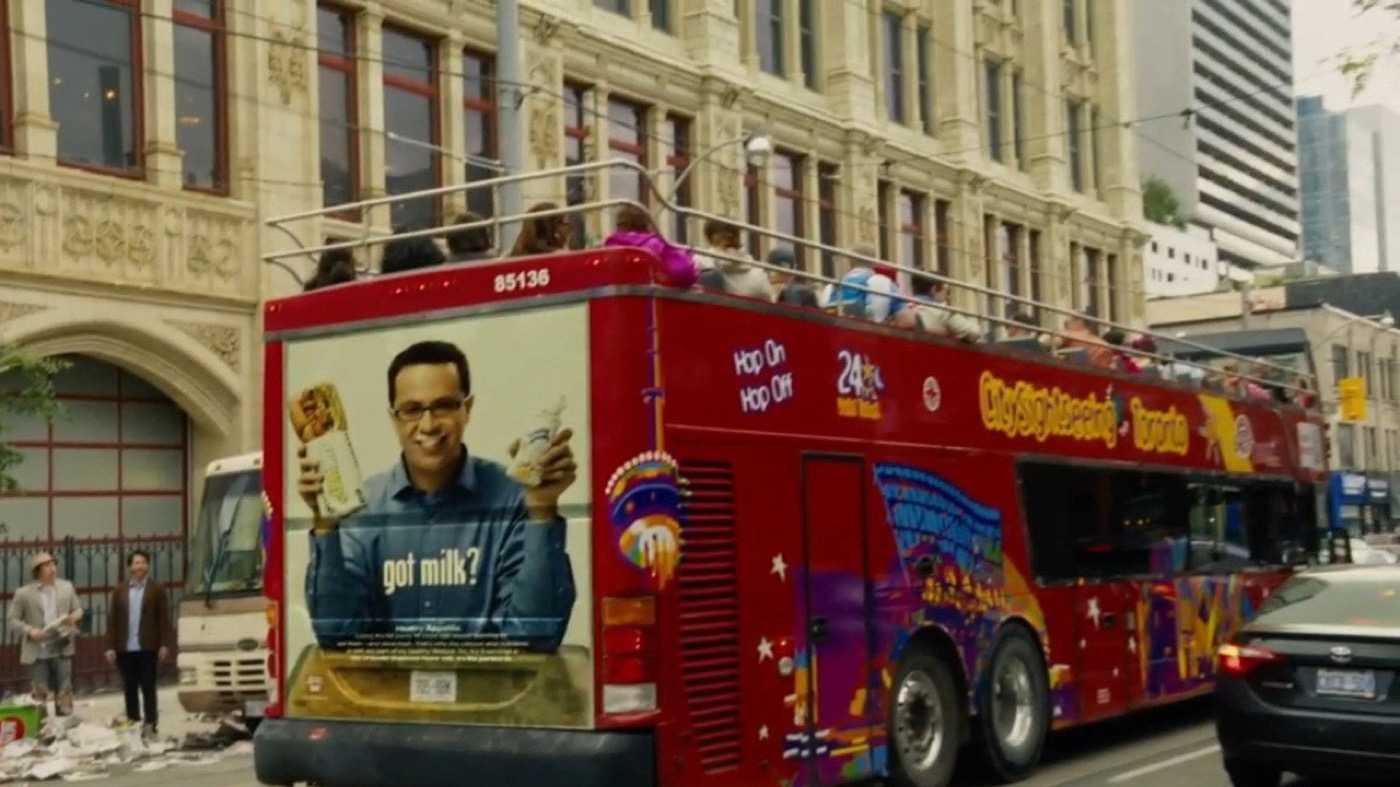
Another integral band member is lawyer Chris Perez. Ever since The Dirties (2013), he’s checked every Johnson project to ensure fair-use compliance for each “copyright nightmare”. If you’re wondering where the line falls when using as much Back to the Future (1985) material as possible without asking Universal, it’s playing “Johnny B. Good” because they couldn’t secure “The Power of Love”. It’s hilarious to watch the two leads resist the urge to perform Alan Silvestri’s score as they plot their scheme, given how precariously close McCarrol comes in his own score.
One final, full-circle pleasure is the sentimental needle drop of Susannah McCorkle’s “The Waters of March”. The song closed out The Comedian (2002), a documentary about stand-up comics that Johnson cites as an influence on the dominant style of his career. Having watched Nirvanna twice, I—and several friends—have cried at how fulfilling the ending feels, as it brings the themes, story and character arcs to a close. Nothing beats a good feeling.
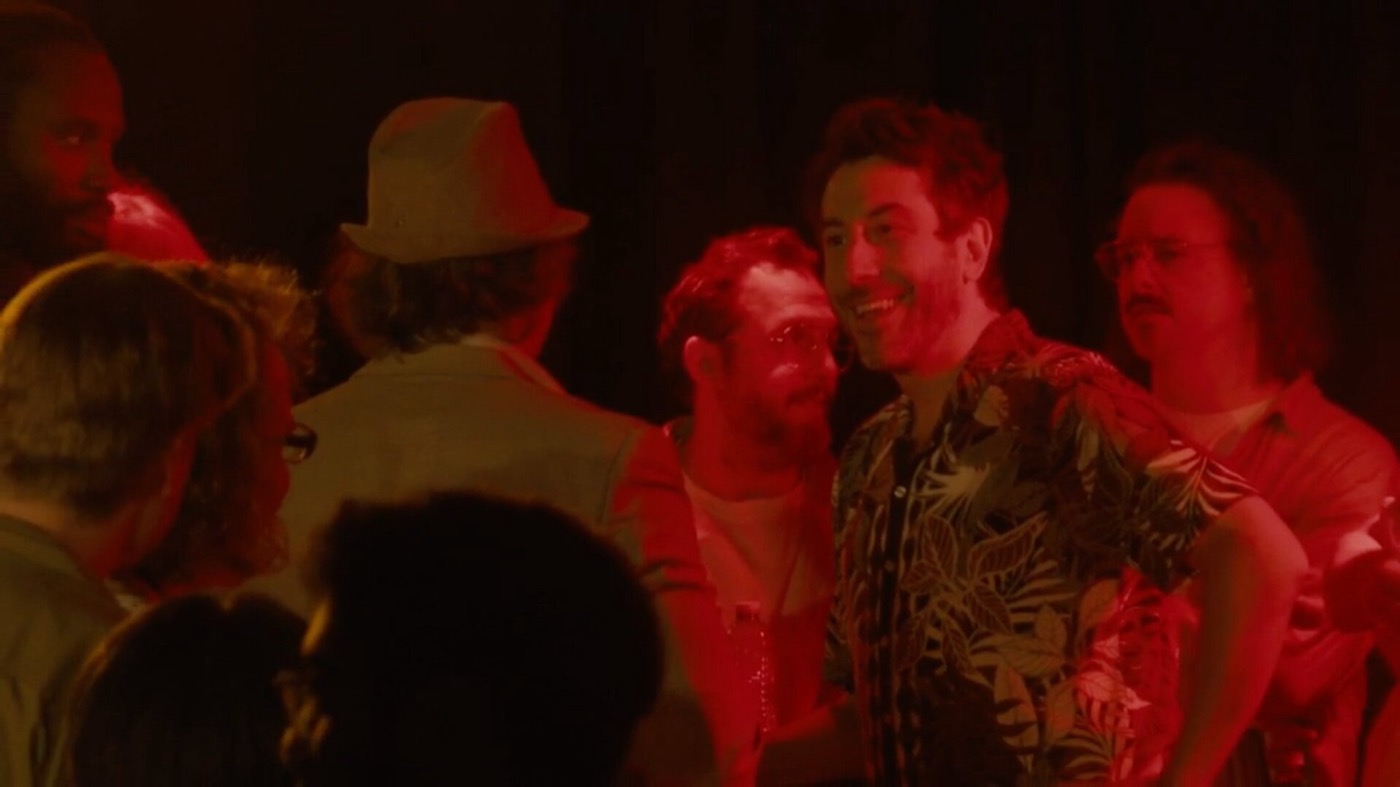
Matt jokes that it’s a miracle if anyone watches the film on the big screen. Slowly but surely, the duo’s real-life, hare-brained scheme is getting out into the world. After premiering at South by Southwest in March 2025, it was released theatrically in Canada and the US in February 2026, followed by a limited UK release in July. The reported $5M box office total can’t be trusted, since the film continues to find success. London’s Prince Charles Cinema kept adding sold-out screenings, culminating in an all-day marathon of Johnson’s filmography that ended with a surprise advance screening of Tony, courtesy of the director himself.
Nirvanna the Band the Show the Movie has earned widespread critical acclaim, winning five awards at the 14th Canadian Screen Awards, including ‘Best Motion Picture’. McCarrol and Johnson also won ‘Best Lead Performance’ and ‘Best Supporting Performance in a Comedy Film’. The cherry on top must be ‘Best Original Song’, proving the irony: if Matt and Jay had ever actually performed as a band, things might have worked out in the end.
CANADA | 2025 | 100 MINUTES | 1.33:1 • 1.78:1 | COLOUR | ENGLISH

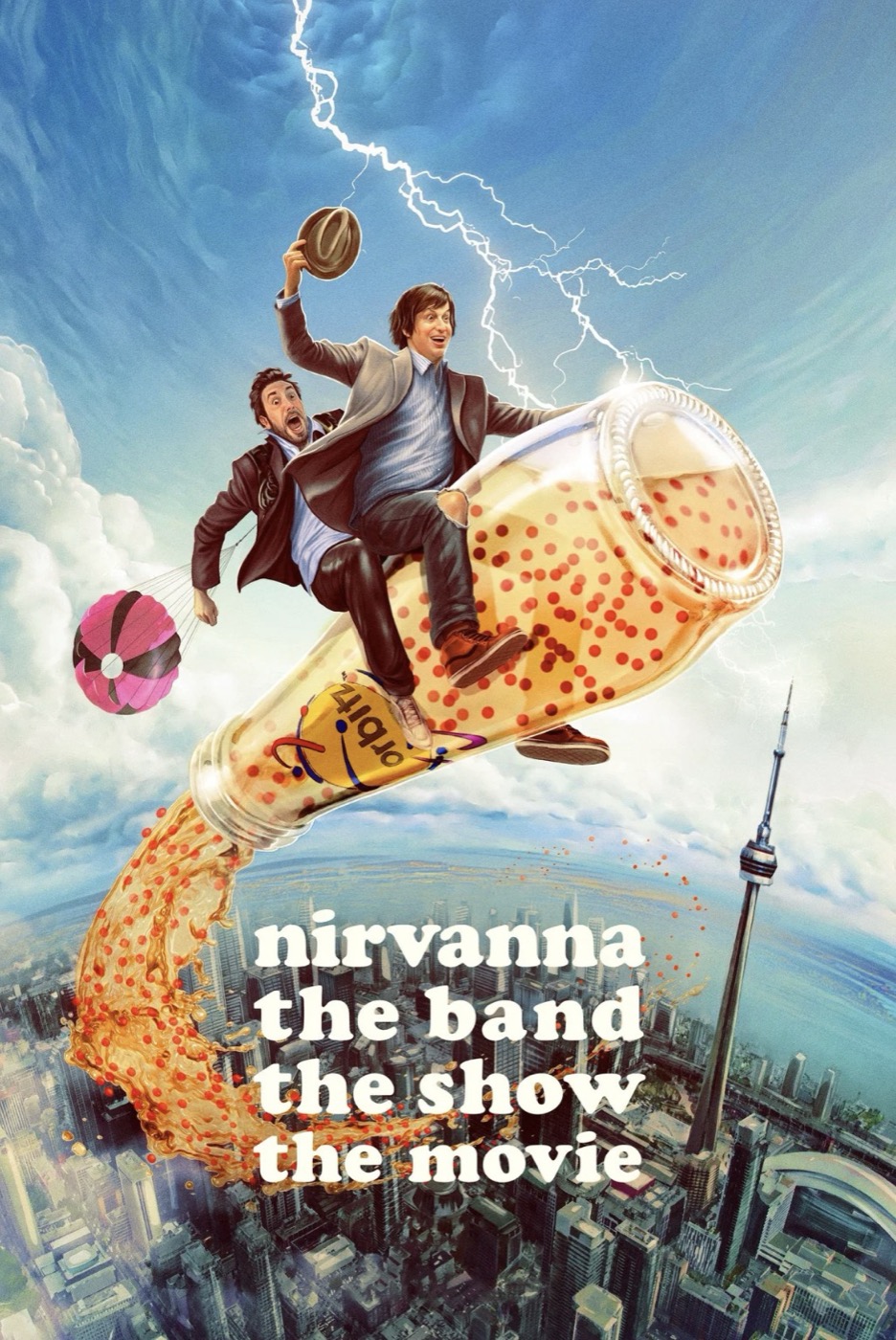
director: Matt Johnson.
writers: Matt Johnson & Jay McCarrol (story by Matt Johnson, Jay McCarrol, Jared Raab, Curt Lobb, Matthew Miller, Matt Greyson, Luca Tarantini & Evan Morgan; based on the 2007-09 web sitcom ‘Nirvana the Band the Show’ & the sitcom ‘Nirvana the Band the Show’ by Matt Johnson & Jay McCarrol).
starring: Matt Johnson, Jay McCarrol, Ben Petrie, Ethan Eng, Michael Scott, Reid Janisse, Steve Hamelin, Luke Lalonde, Maddy Wilde, Mitch Derosier, Ayush Joy, Isabella Scovariello, Ethan Keyes, Jack Wiktor, Marko Rantala, Raymond Ellis, Yekaterina Moiseeinko & Anastasiia Koval.