STÉPHANE (2023)
An untalented young film director accepts an offer of help from a peculiar man who claims to be an expert on filmmaking.


An untalented young film director accepts an offer of help from a peculiar man who claims to be an expert on filmmaking.
Timothée Hochet and Lucas Pastor’s Stéphane has been widely compared to the Creep franchise—particularly its first instalment—for its found-footage portrayal of a strange, increasingly sinister character. Yet it also shares plenty with conventional thriller-horror crossovers like both versions of Speak No Evil (2022/2024), where a seemingly friendly acquaintance reveals a nightmarish side. Crucially, it echoes Dominik Moll’s brilliant Harry, He’s Here to Help (2000) by leavening its dark themes with a generous dose of humour.
Simultaneously, Stéphane delivers a meta-commentary on filmmaking, highlighting the gulf between lofty ambition and mundane results, as well as the painful anachronisms of low-budget period cinema. Taking all this on in a 78-minute, self-funded project—improvised on a shoe-string budget using its own crew as actors—is an audacious task. While Stéphane doesn’t succeed in every detail, it works remarkably well as a whole, offering plenty of pure delight. Conveniently, its rough edges double as intentional meta-commentary.
Timothée (Bastien Garcia) is a young director shooting his fourth short film for an online festival. What little we see of his FBI thriller confirms that his ambitions far outweigh his abilities. He’s also somewhat grandiose: beyond trying to shoot a slick Hollywood narrative with negligible resources, he’s filming a “making-of” documentary about his own process.
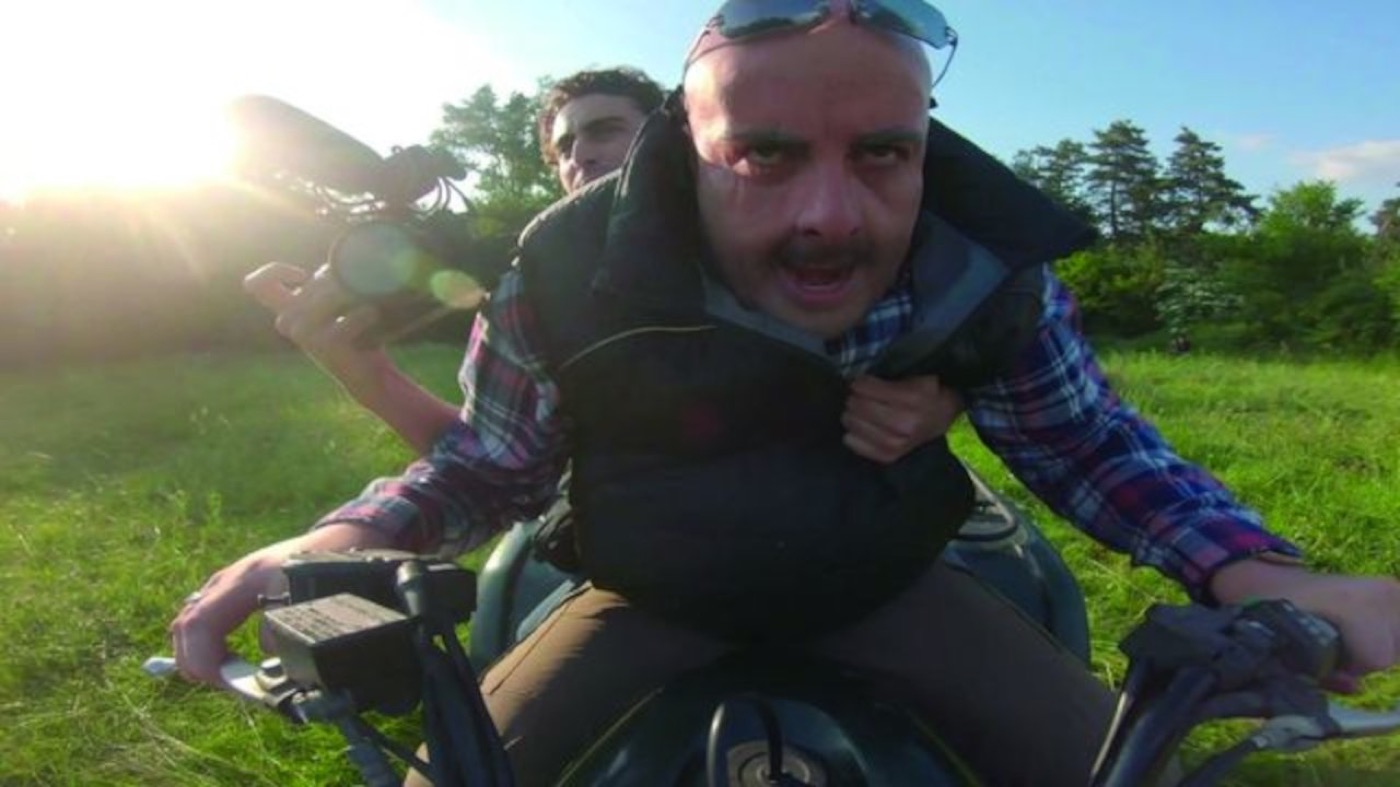
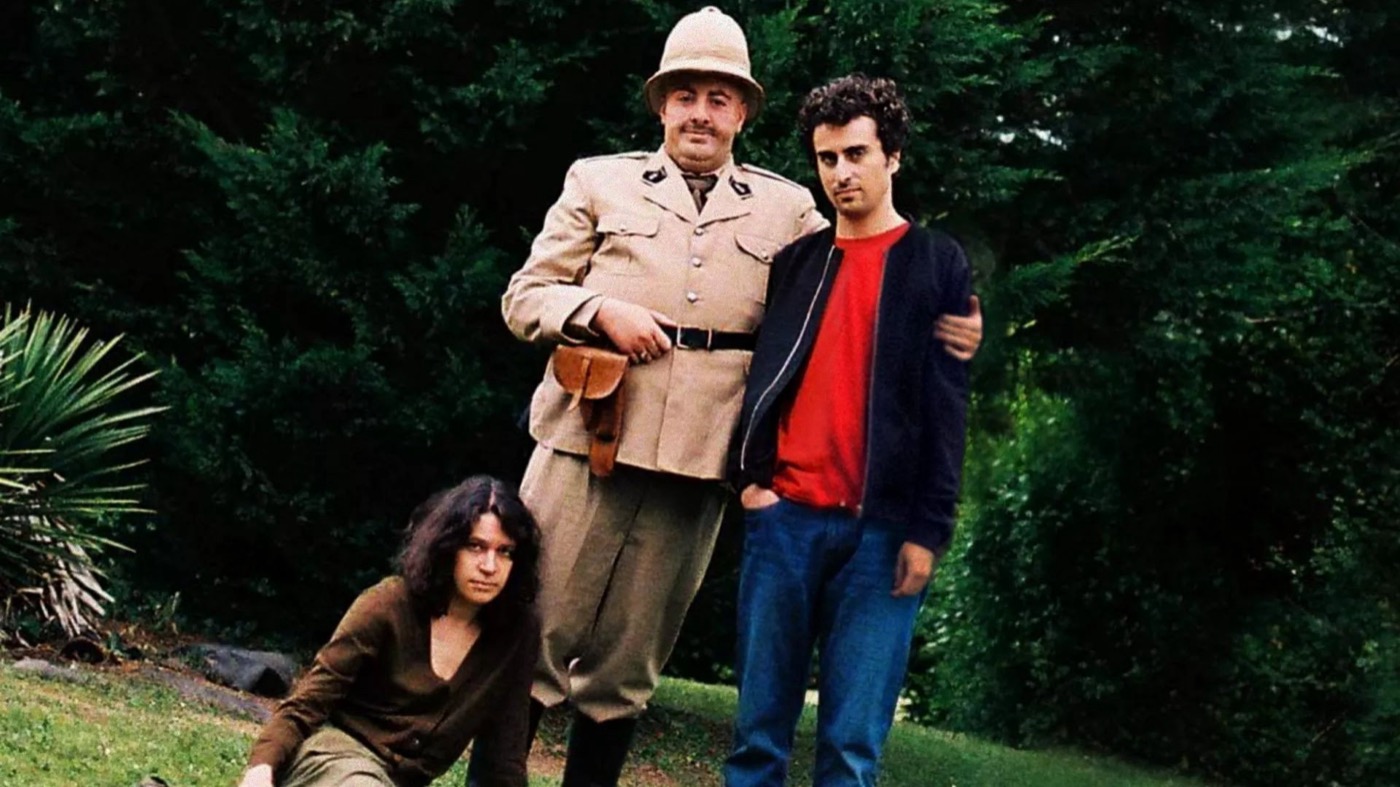
During an unconvincing take, an older stranger wanders into the frame: Stéphane (co-writer/director Pastor). He claims to be an experienced stuntman, though this seems as unlikely as Timothée becoming the next Christopher Nolan. A crude explosion Stéphane insists on staging takes place in a rusty metal barrel, and a subsequent trip to a camera shop reveals he knows nothing about equipment. The idea of cinema seemingly entered his head the moment he met Timothée.
Crucially, the shop visit causes Timothée to miss his train home, prompting Stéphane to offer him a place to stay. A trip to a bar, a night-time drive (where Stéphane shoots his own car engine), and a boat trip follow. Stéphane leads him to an impressive island home, claiming it’s his own. Yet a terrible portrait of him is the only personal item present, the house is eerily empty, and he seems utterly bewildered by a dog he claims to own. Suspicion deepens when he boasts about his friendships with figures like Alain Delon (“a lot of movie stars have eaten here”) and claims to be a “big, big chess fan” despite not knowing the rules.
Timothée remains oblivious to Stéphane’s fabrications and warning signs. When Stéphane notes that “you can scream all you want, no one will hear you,” Timothée takes it as a production perk rather than a threat. Seduced by name-dropping, flattery, and the bizarre gift of a Fabergé egg, Timothée falls under his spell. At Stéphane’s suggestion, he abandons the FBI script to make a war movie instead. Out of nowhere, Stéphane even produces a young woman (Eva Grégorieff) to act in it.
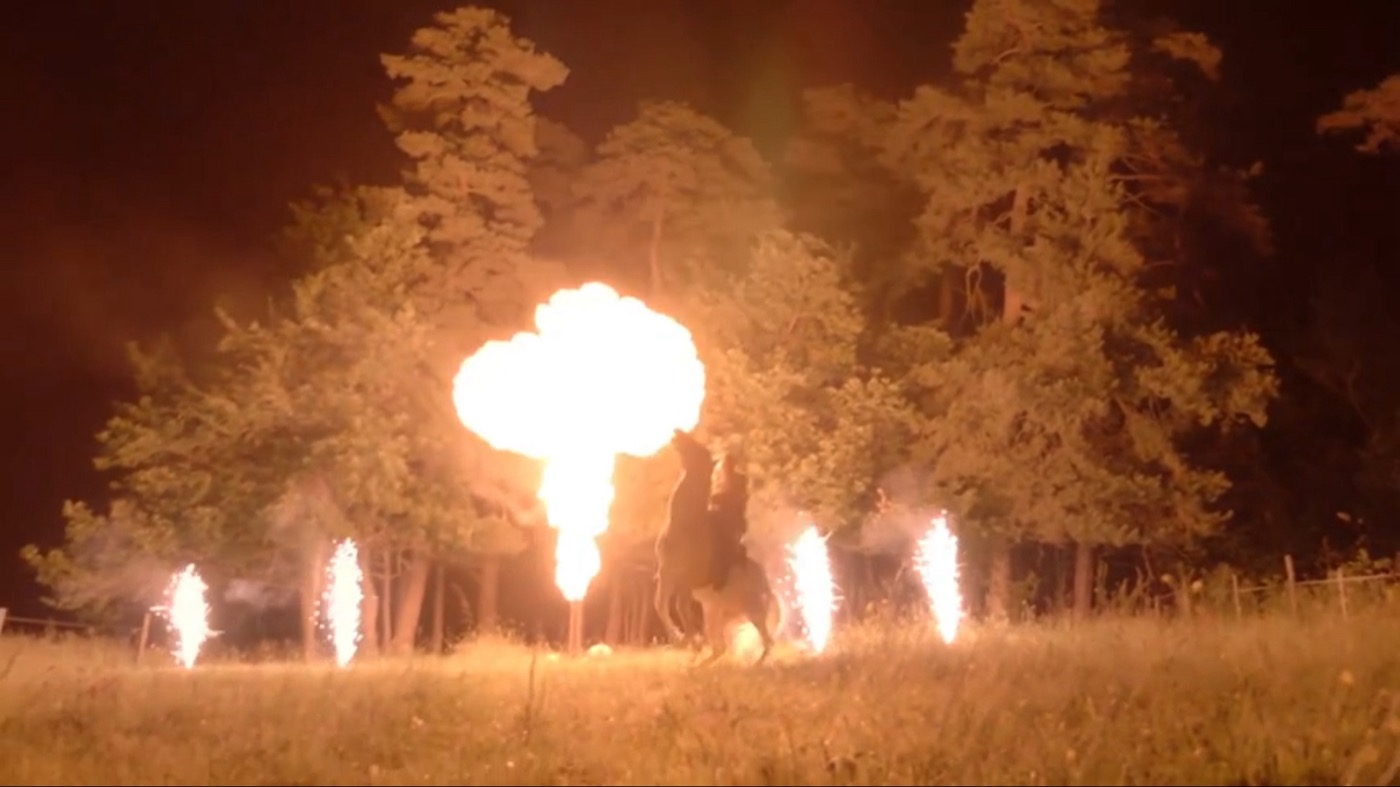
The rest of the film chronicles the absurd effort to produce this atrocious movie, alongside the shifting dynamics within the house—from a bizarre family-style dinner to the eventual breakdown between the two men. Incidents pile up as the tone gradually shifts into full-blown horror. A series of unexpected developments at the climax, followed by a post-credits scene, deliver final twists.
Stéphane drives the narrative, making Pastor’s performance pivotal. He executes it brilliantly, keeping us guessing whether Stéphane is desperately needy, calculatedly predatory, or both. He dominates nearly every scene, reflecting his character’s psychological hold over Timothée. The contrast between this dominance and his moments of vulnerability creates a disturbing pathos. His smooth head, painted-on eyebrows, and lumbering physicality heighten the unnerve.
Garcia makes an effective foil as Timothée; their relationship grows more compelling as it deteriorates. While he is the initial surrogate for the audience, Timothée is needy, pretentious, and slightly spoiled. Yet he remains a tragic figure as his cinematic dreams inevitably crash down.
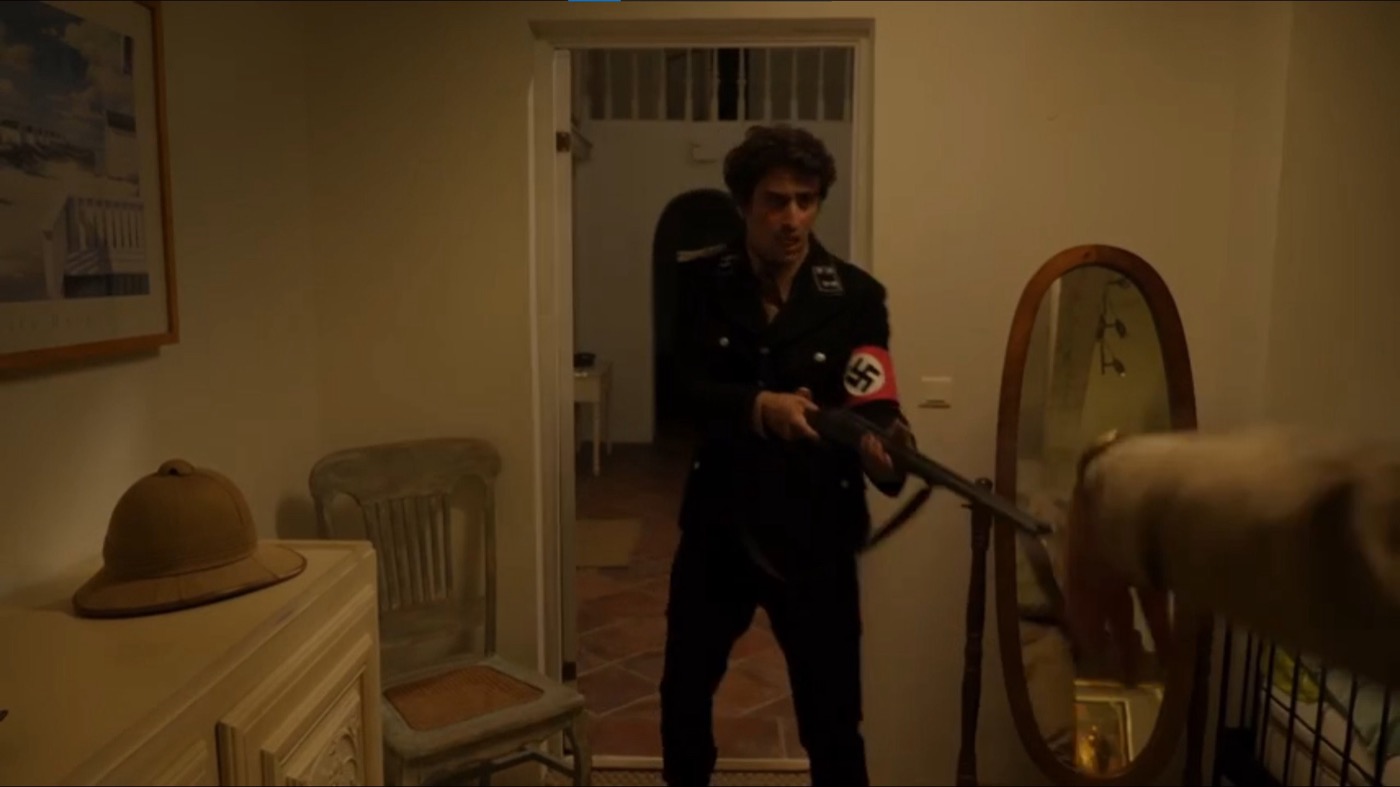
Grégorieff adds an essential layer of dread as the unnamed actor. Though virtually silent, her fearful expressions convey the true horror. Stéphane exerts clear control over her, and the way both men exploit her—Stéphane overtly, Timothée through passive complicity—is deeply unsettling.
Stéphane isn’t without flaws, mostly tied to its found-footage format. Clumsy edits serve as a great running joke, and fragmentary glimpses of off-camera moments hint at unseen horrors. However, certain narrative details get lost, though this may stem from imprecise subtitle translations.
More frustratingly, logical inconsistencies arise over who is holding the camera and why. Viewers expecting the tight rules of The Blair Witch Project (1999) may find this jarring. Then again, as Timothée airily remarks, “that’s filmmaking for you—continuity errors are commonplace.” The characters’ amateurism conveniently excuses the real directors’ oversights.
At under 80 minutes, Hochet and Pastor smartly skate over logical gaps to deliver a tight, engrossing picture. Backed by a strong core cast, Pastor is terrific in the title role. Though its true trajectory takes time to emerge, Stéphane ultimately delivers a genuinely unsettling character study alongside genuine laugh-out-loud comedy.
FRANCE | 2023 | 78 MINUTES | COLOUR | FRENCH

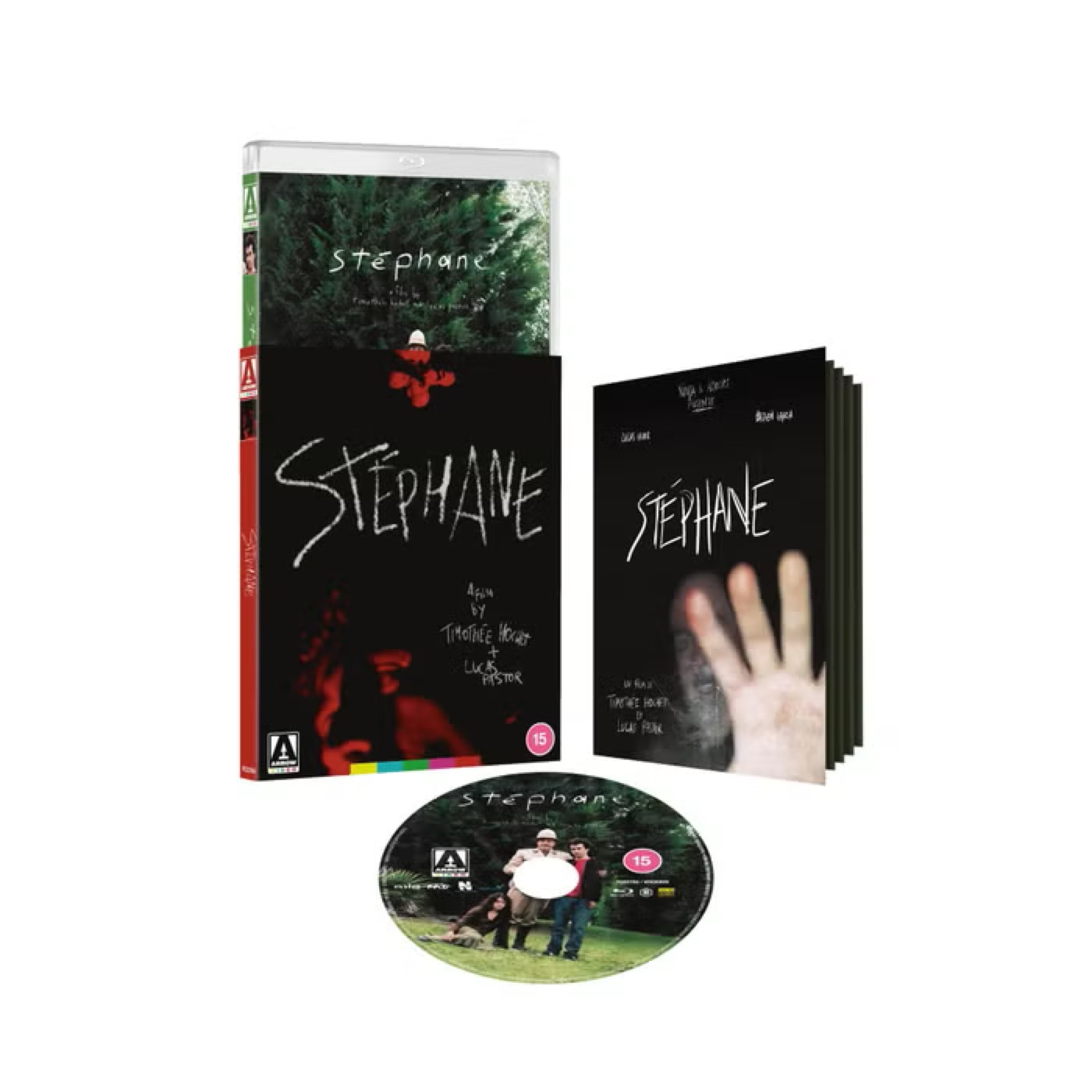

writers & directors: Timothée Hochet & Lucas Pastor.
starring: Lucas Pastor, Bastien Garcia & Eva Grégorieff.