THE DEATH OF ROBIN HOOD (2026)
Grappling with his past after a life of crime and murder, Robin Hood finds himself gravely injured after a battle he thought would be his last.

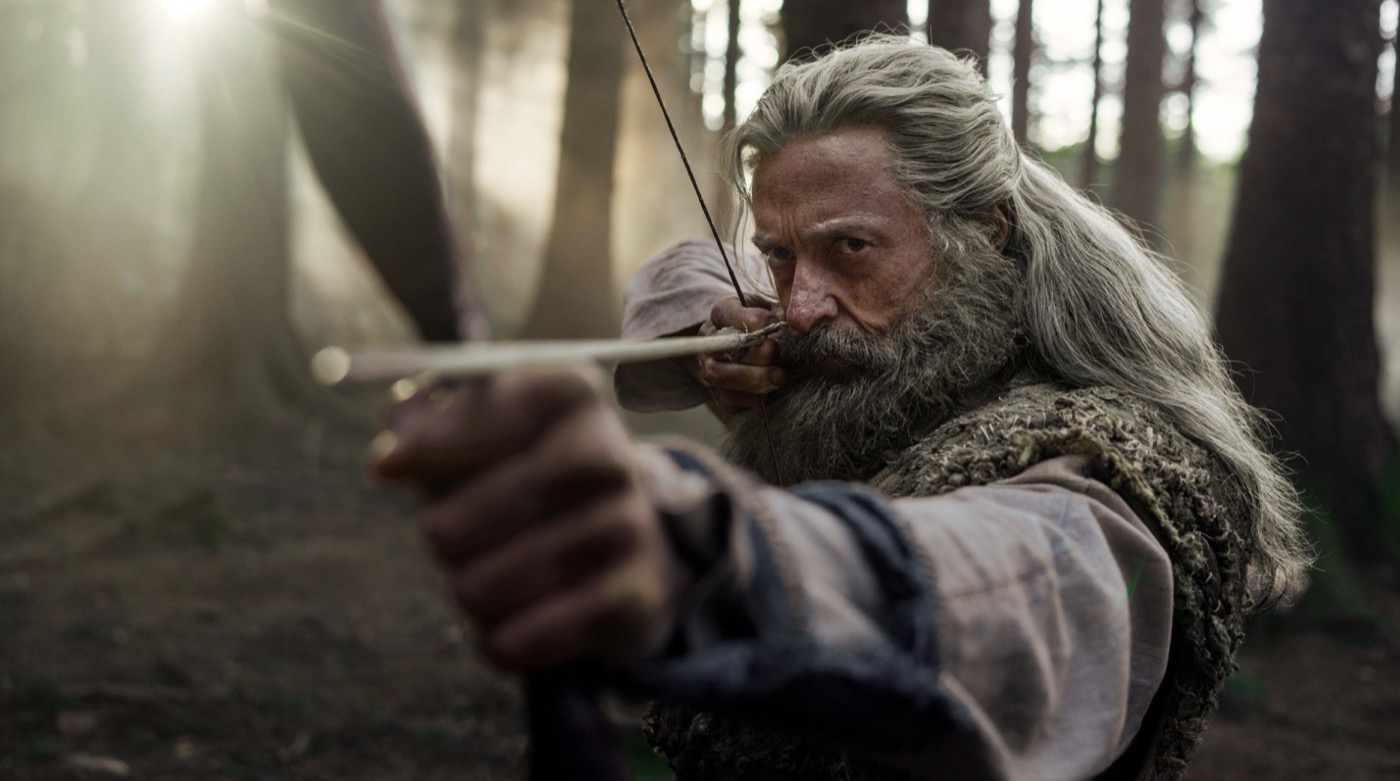

Grappling with his past after a life of crime and murder, Robin Hood finds himself gravely injured after a battle he thought would be his last.
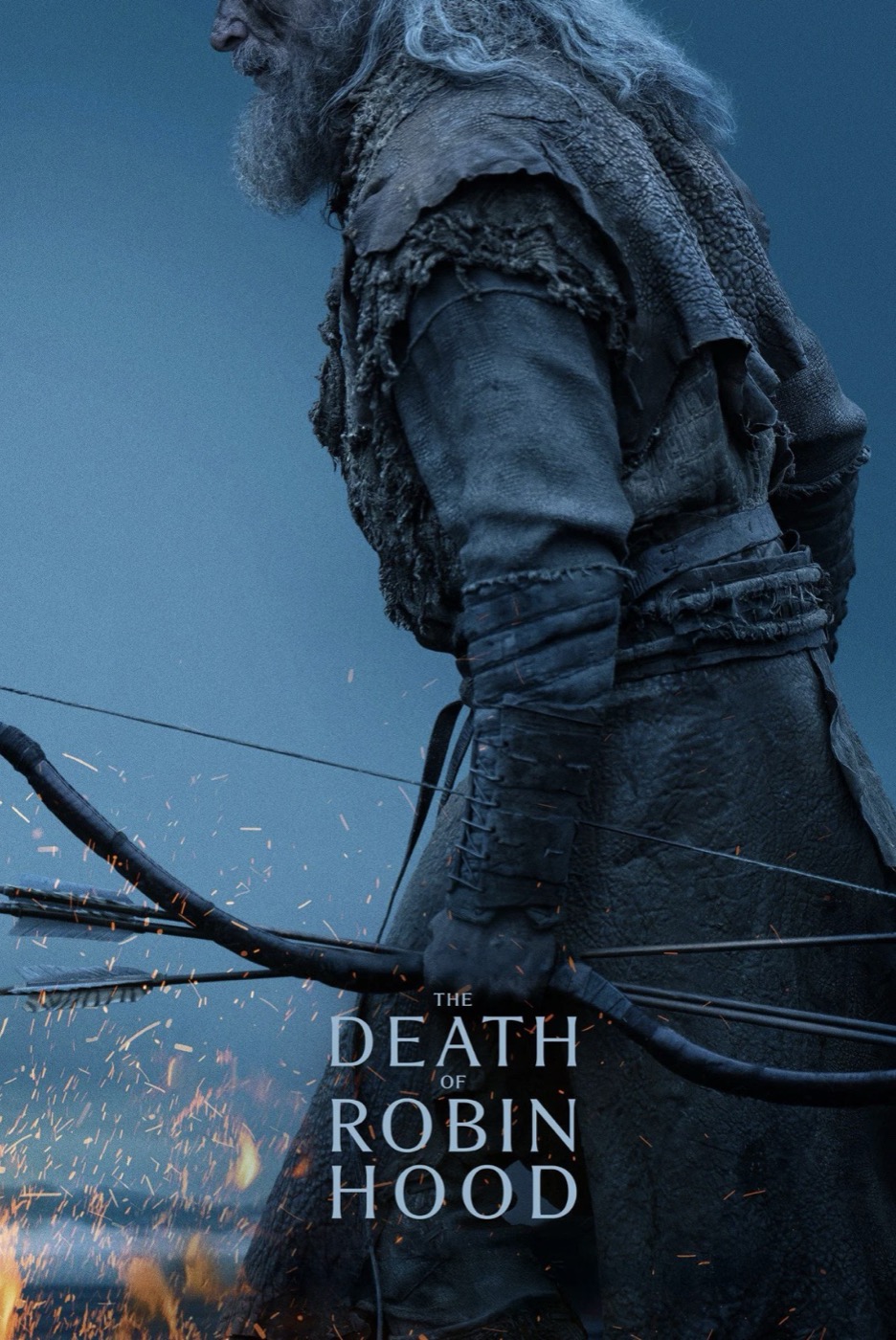
When you picture Robin Hood, you probably imagine the classic heroic tales: a brightly green-clad outlaw, donning a longbow and a feathered bycocket. Well, to paraphrase the old adage, this isn’t your grandmother’s Robin Hood. Here, Hugh Jackman embodies a blend of his finest roles: Jean Valjean in Les Misérables (2012) and the title character of Logan (2017). He’s ageing, broken, and rugged. His vibrant costume has been swapped for a more period-accurate depiction set against a brutal Scottish landscape. With a deep, whitish-grey beard and hair, he looks more like Santa Claus than Errol Flynn in The Adventures of Robin Hood (1938). In The Death of Robin Hood, we see the legendary outlaw as he’s never been shown on the big screen before.
Early in the film, Robin and his closest ally, Little John (Bill Skarsgård), scout out the farm belonging to John’s wife. With their outlaw past behind them but their crimes still catching up, John urges Robin to consider a new life—a chance to move on from the violence of their younger days.
“There are open lands past the mountains,” John says. “I don’t aim to begin again,” Robin replies. That line lands heavily, offering the sharpest insight into Robin Hood of Locksley. Robbing the rich to give to the poor? That’s not exactly what writer-director Michael Sarnoski is interested in exploring.
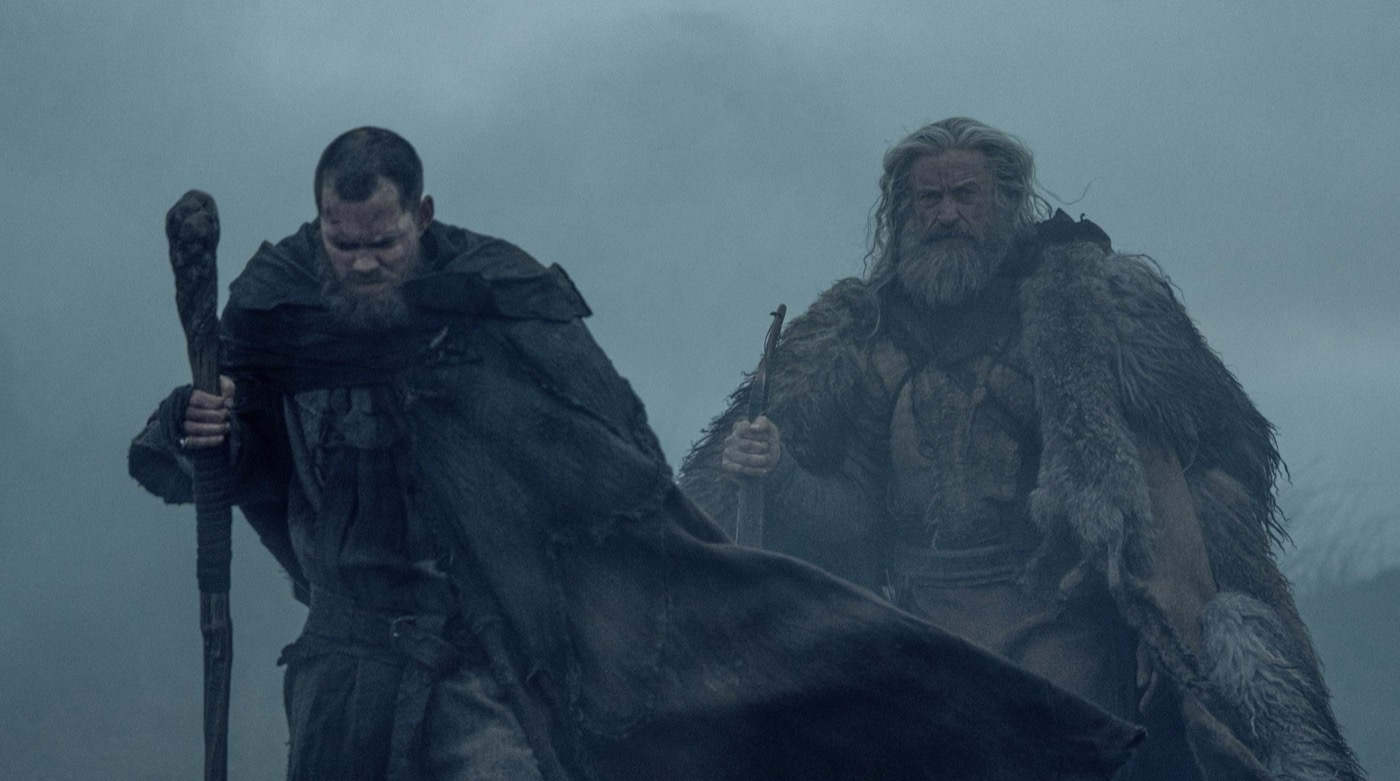
There have been plenty of darker takes on the legend recently, such as Ridley Scott’s Robin Hood (2010) starring Russell Crowe, and even the Guy Ritchie-esque Robin Hood (2018) featuring Taron Egerton. Yet, Sarnoski’s interpretation introduces us to Robin Hood at his absolute oldest. He could be in his 50s, like Jackman, or his 80s—it’s the Middle Ages, after all, so people aged differently. It offers a portrait of the marksman we haven’t seen before: old, jaded, and waiting for the end. No longer do we have the swashbuckling hero of Errol Flynn, the charismatic Disney fox, or even Jonas Armstrong’s short-lived tenure in the BBC’s Robin Hood (2006-09). Personally, I still view that three-season series as one of the most entertaining live-action adaptations we’ve had. Jackman and Sarnoski’s Robin Hood, however, is truly unique. Yet, as bold a swing as it is—and despite being performed with great sincerity by the cast—I’m not entirely convinced it was the right one.
After a gruesome encounter leaves Little John hunted by a local lord, the Elderfather (Clive Russell), Robin is left to defend John and his young daughter, Little Margaret (Faith Delaney). His youthful agility and skill are long gone, leaving Robin battered and hanging onto life by a thread.
“I’ve heard stories of a priory hidden away,” John tells Robin as the latter lies paralysed in the back of an ox cart, reminiscent of Sotnikov in Larisa Shepitko’s World War II film, The Ascent (1977). ‘I’ll take you to her, and she’ll make you well again.’ As we’ve already heard from Robin in the opening scenes, he might eventually be made physically whole again, but he’ll never be mentally or emotionally restored.
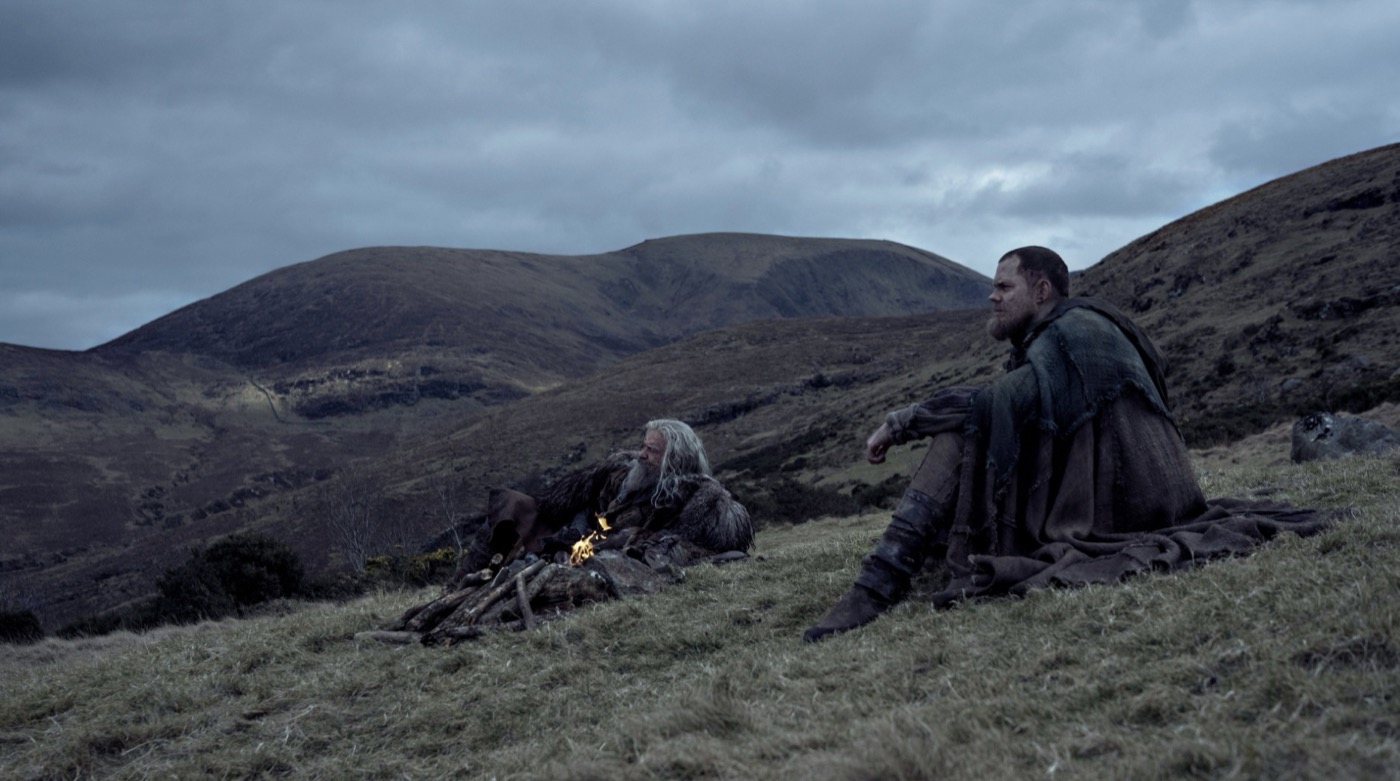
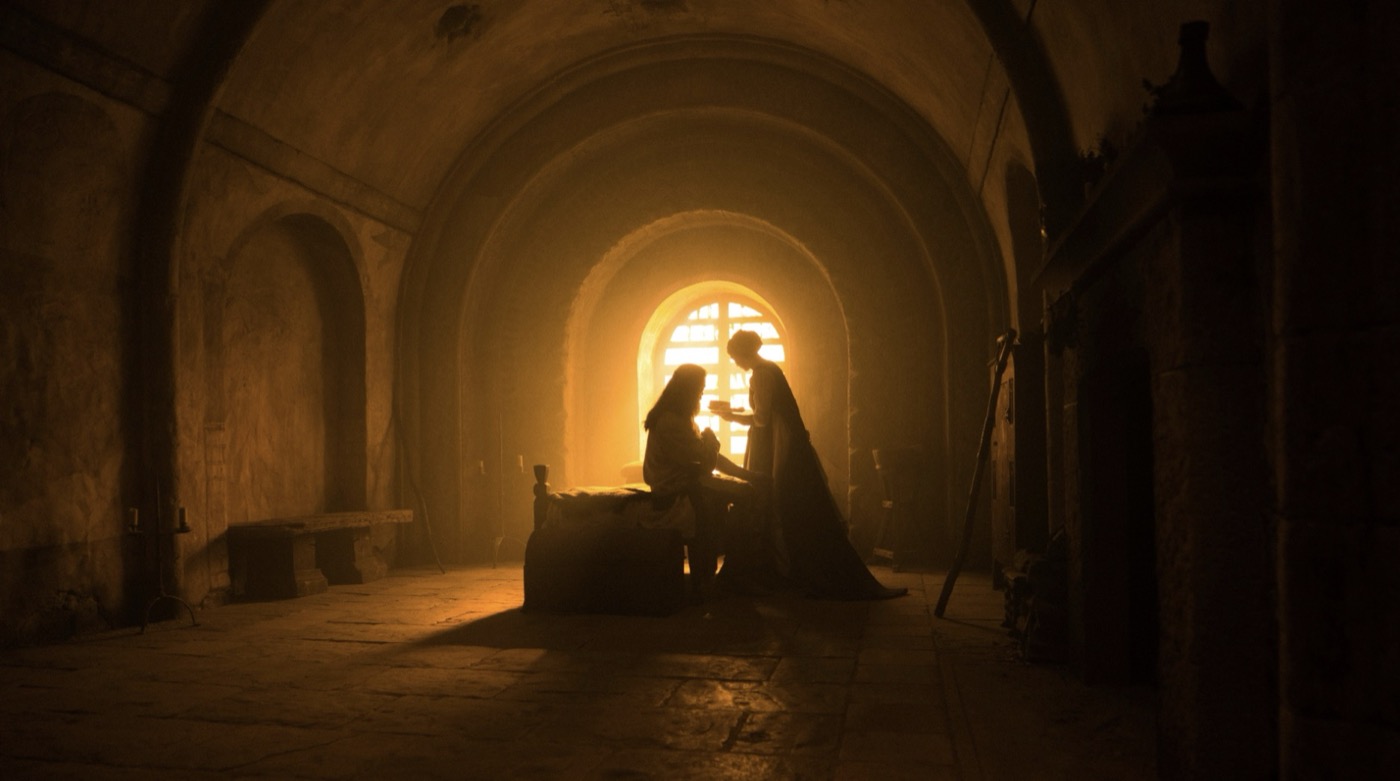
At the priory, Sister Brigid (Jodie Comer) nurses Robin until he’s able to stand and assist with daily tasks. Before long, Little Margaret is brought to the sanctuary by the local Leper (Murray Bartlett), and Robin begins to find new meaning in this secluded lifestyle.
Before reaching the sanctuary, however, The Death of Robin Hood is unflinchingly brutal. Arrows to the eyeball, crushing bones, and strangulations in the mud are all beautifully captured on 35mm film by cinematographer Pat Scola. The movie is unambiguously anti-violence, yet the sheer savagery of the first act makes it difficult to reconcile with its own themes.
The director François Truffaut once told The Chicago Tribune: “I find that violence is very ambiguous in movies. For example, some films claim to be anti-war, but I don’t think I’ve really seen an anti-war film. Every film about war ends up being pro-war.” While masterpieces like Come and See (1985) have since challenged this argument, Truffaut’s point about this inherent dichotomy remains valid. Sometimes, the over-the-top violence meant to repel us becomes so stylised that the filmmaker’s message gets lost in the artistry. The unfiltered brutality of those opening action scenes definitely teeters on the edge of that line. Perhaps that’s why the film’s meditative second act emerges as its greatest strength.
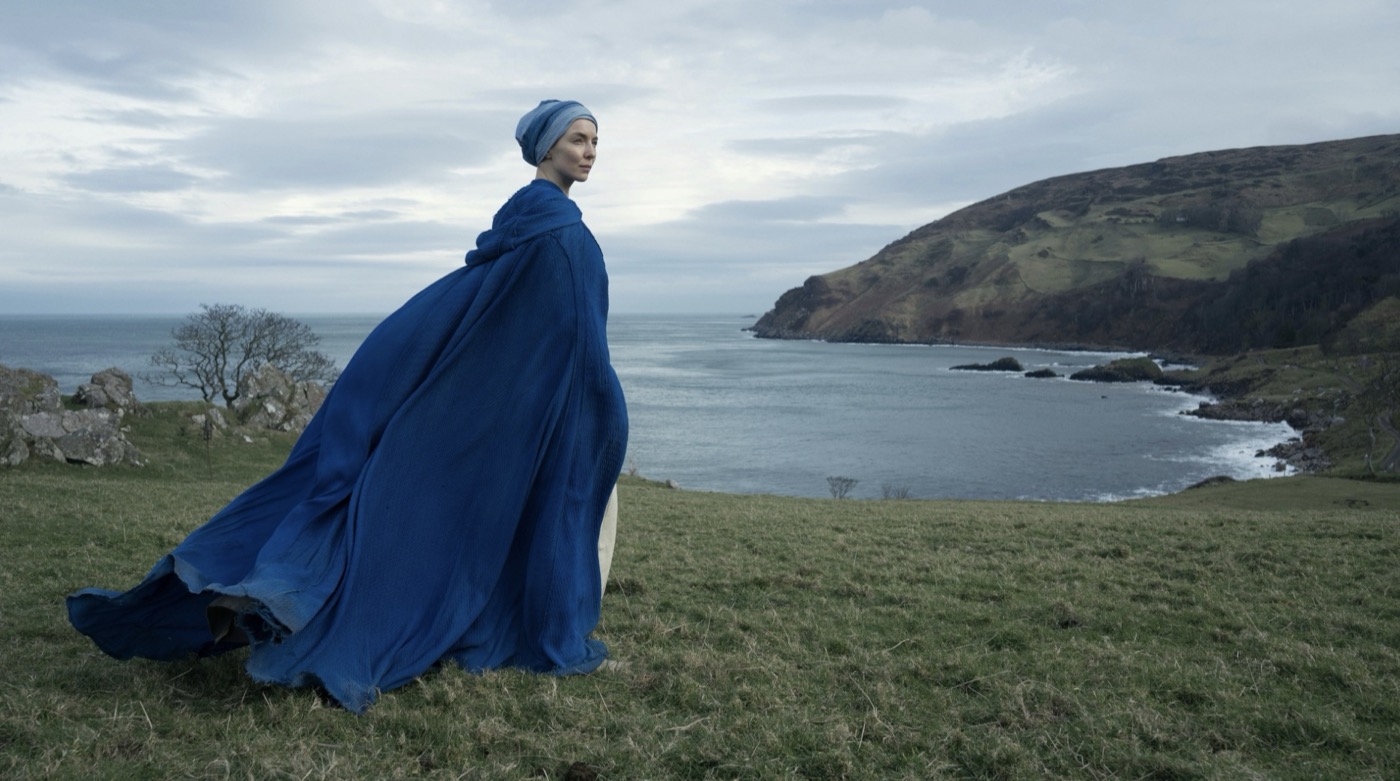
As Robin’s strength returns, he grows closer to Brigid and the Leper, who help him view a second chance at life as a genuine possibility. This shift allows the actors to truly explore the humanity at the core of the story.
Jodie Comer (28 Years Later) is exceptionally powerful as the prioress drawn to the mysterious outlaw. Comer, a known chameleon when it comes to dialects, drops her native Scouse for a seamless northern accent here. Beyond her vocal mastery, Comer has consistently tackled complex, multi-dimensional roles since her star-making turn in Killing Eve (2018-2022). Sarnoski’s finest screenwriting flourish is creating Brigid as the perfect companion for a broken Robin—a woman who is, in her own way, a pained and reborn nun. Comer beautifully unlocks the harsh tension between human desire and spiritual rebirth.
Equally surprising is Murray Bartlett’s supporting role as the Leper. In true medieval fashion, he’s covered head to toe in bandages to halt the spread of his incurable condition. With his features hidden away, Bartlett delivers an unbelievable, standout performance using only the cadence of his voice and his physical presence, moving through scenes like a spectre of Hood’s past.
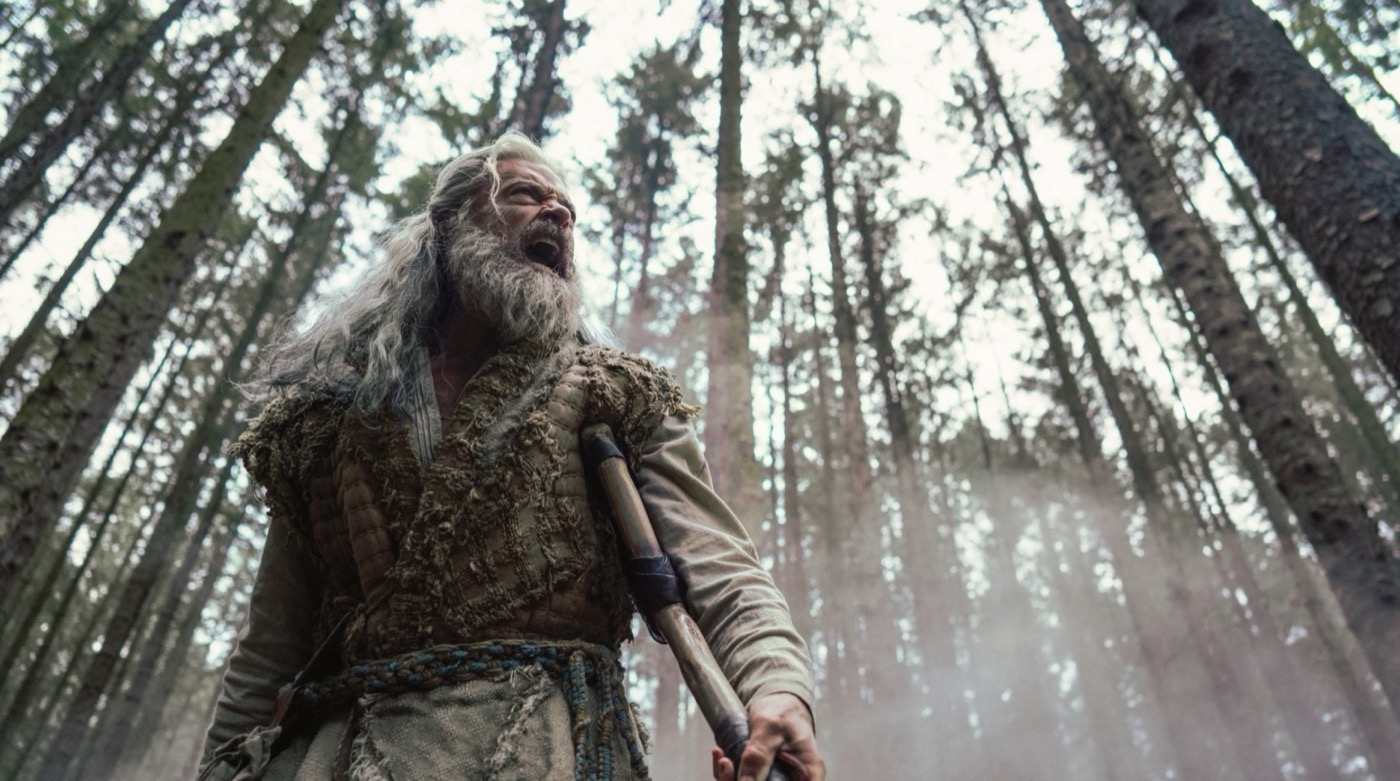
Jackman delivers his best performance since Logan, providing a powerful central anchor for the film. While it’s far from a classic interpretation of the character, he showcases an impressive emotional range: a man torn between a dark past and an unfamiliar glimmer of hope. He also taps into a primal nature that feels less like the legendary archer and more like an authentic reflection of a desperate, deprived era. In one striking scene, Robin walks into a dark cave during an impending storm, his face illuminated only by the flicker of his torch. In that moment, he looks terrifyingly demonic, an image beautifully undercut by the scene’s subsequent tender interaction. This showcases the film’s greatest charm: raw, authentic acting viewed through a genuinely artistic lens.
The narrative culminates beautifully in the second act when Hood confronts the Elderfather’s nephew, Godwyn (Noah Jupe), who is on his own destructive path. Jupe (Hamnet) is slightly underutilised, but it’s exciting to watch his growth as an actor as he commands the screen alongside a veteran like Jackman. Their conversation is the highlight of the movie. Unfortunately, The Death of Robin Hood begins to drag once this moment passes.
It’s the overarching arc of Jackman’s character that ultimately falls apart under close scrutiny. He’s violent, and past atrocities are frequently hinted at. Yet, according to legend, it’s Robin’s magnanimous spirit that elevates him to a folk hero. The film discards this entirely, framing his actions against the rich and the “bad” (as Robin calls them) as fundamentally unforgivable. Modern audiences are far more jaded than those of the 20th-century, particularly regarding class consciousness. Are Robin Hood’s actions so irrevocably evil that his altruistic end goals don’t matter? The filmmakers make that decision for the audience, leaving the final third of the movie to linger in a bleak darkness without properly dissecting what his legacy means. To them, the simple message that ‘violence is bad’ is deemed a sufficient theme.
Ultimately, The Death of Robin Hood is easily the finest ‘dark’ adaptation of the character we’ve seen. It features a sharp psychological dissection of its protagonist—a strength Sarnoski previously demonstrated in his directorial debut, Pig (2021). The score’s moody crescendos and quiet, thoughtful moments perfectly match the unfolding drama, and the colour grading is masterfully executed. While audiences may suffer from “greyscale fatigue” in modern cinema, this film uses its visual palette with immense skill, and the 35mm format looks spectacular. Elevated by a brilliant ensemble cast, The Death of Robin Hood is a worthy, visually stunning entry into the outlaw’s canon. It’s only the film’s narrow thematic outlook that prevents it from becoming something truly transcendent—a story that could deeply resonate in a modern world grappling with its own fractured societies.
USA | 2026 | 122 MINUTES | 2.39:1 | COLOUR | ENGLISH

director: Michael Sarnoski
writer: Michael Sarnoski (based on the ballad ‘Robin Hood’s Death’ by Anonymous).
starring: Hugh Jackman, Jodie Comer, Bill Skarsgård, Murray Bartlett, Faith Delaney, Clive Russell & Noah Jupe.
Jodie Comer does not use a Scottish accent, or anything remotely close to a Scottish accent in this film. It may well be a medieval northern England accent, but it certainly is not Scottish.
Yours sincerely,
A Scotsman