ELLE (2016)
When the female CEO of a gaming software company is attacked in her home, she refuses to let it alter her ordered life.

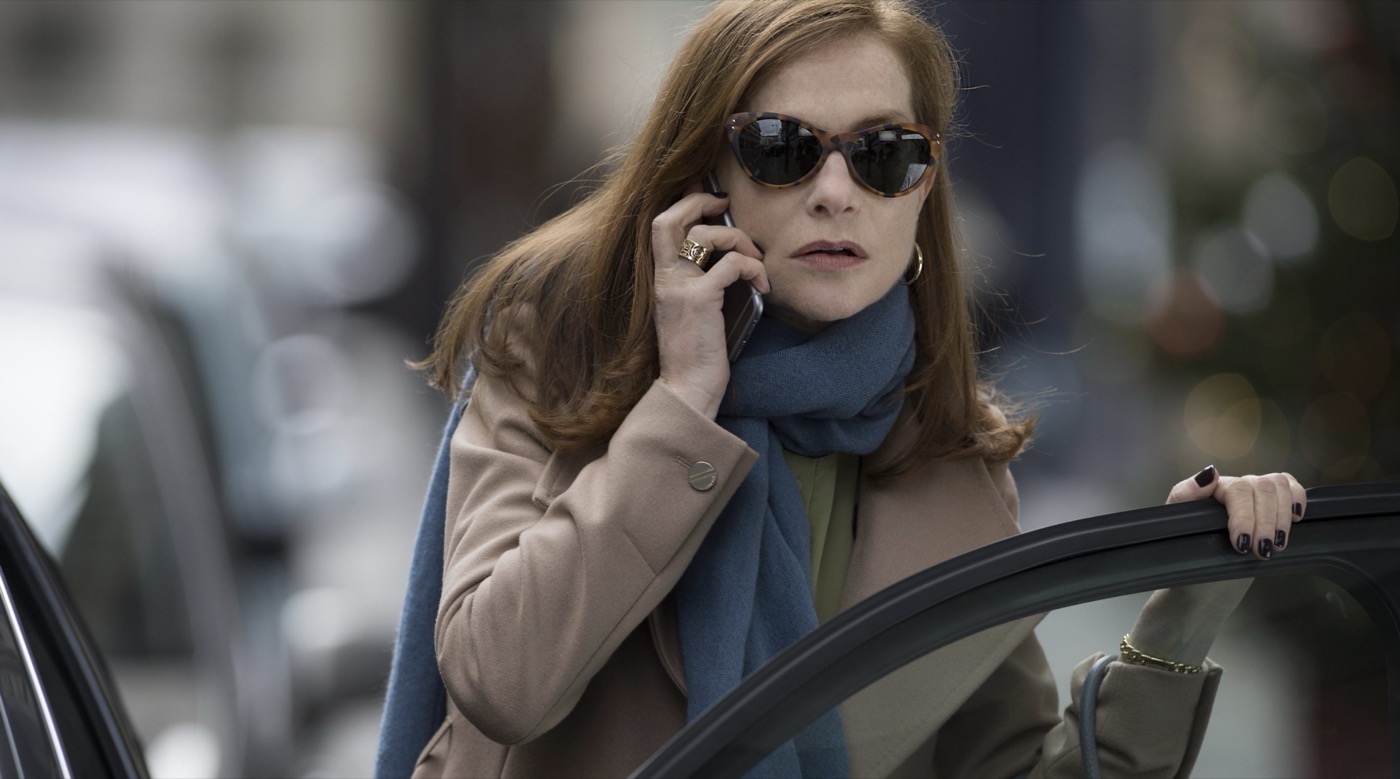

When the female CEO of a gaming software company is attacked in her home, she refuses to let it alter her ordered life.
Paul Verhoeven is not the filmmaker he used to be. The Dutch director began his career in his home country, but his American films have come to define his legacy. Specifically, he built his legendary career on the back of big-budget action spectacles like RoboCop (1987), Total Recall (1990) and Starship Troopers (1997)—all films containing surprisingly resonant themes and complex tonal approaches given their mainstream accessibility. He is a rare filmmaker who excelled within the rigid confines of the studio system, stamping what could have been anonymous studio products with his inimitable mark while providing top-notch entertainment that never condescended to its genre.
Verhoeven was never looking to posit himself as more intelligent or high-brow than his audience, gleefully squeezing every ounce of entertainment value from his wry stories. Yet there was a subversive element in each of these films that smoothly accompanied their high-octane action, continuously toying with both reality and morality. In the last decade, however, the director’s work has scaled down, likely due to funding difficulties. Elle, adapted from Philippe Djian’s 2012 novel Oh…, is a far cry from the large-scale films Verhoeven helmed in previous decades, operating on a modest budget of just under $10 million. One of the film’s few flaws is that Verhoeven fails to use this budget as effectively as he did on past projects, small as this one may be. Elle is hardly a visual stunner; its non-descript, unassuming aesthetic and over-bright lighting often sit awkwardly against such a stark, twisted tale.
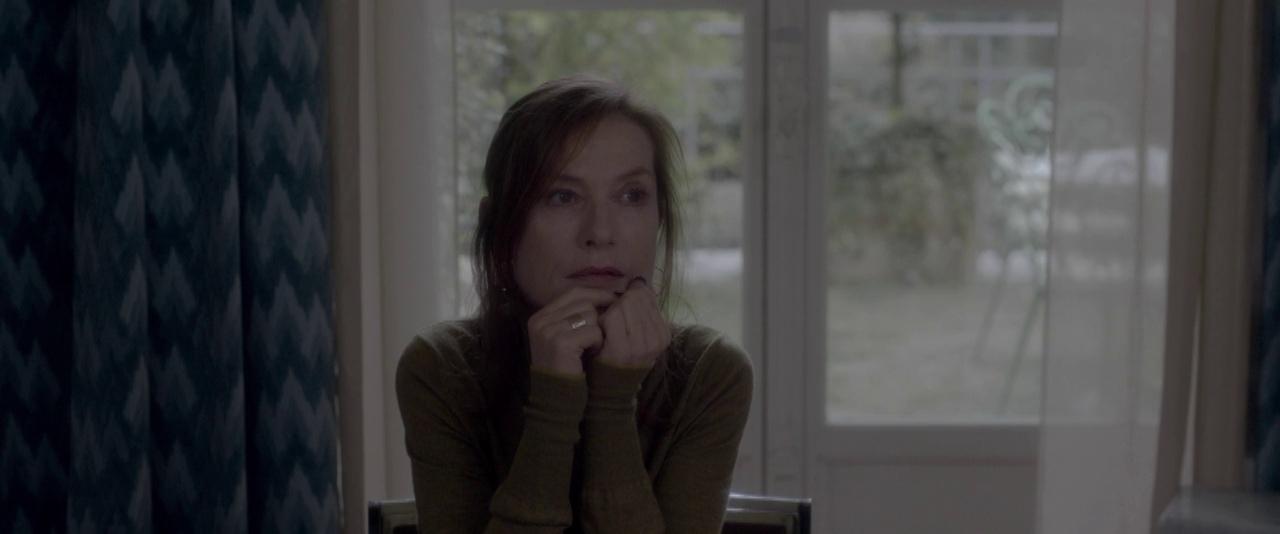
Where Verhoeven’s 2016 film excels, however, is in its rigorous character work. Some films live or die on the strength of their leading performance; Elle, with Isabelle Huppert leading the charge, is no different. Huppert portrays Michèle Leblanc, a woman who defies conventional understanding. She is past middle age, but not yet elderly. She is in the later stages of her career, but has no intention of slowing down. Having just been raped in her home, she carries on with her life as though nothing has happened. The more time you spend with Michèle, the more you realise it’s impossible to predict her next move.
It’s a simple narrative choice for a mystery film, but a transcendent one nevertheless. Most thrillers, especially those centred on sexual assault or depravity, only give secrets to their antagonists. We see Michèle constantly in her everyday life, yet she remains the story’s greatest mystery. Upon its release, many predicted the film was destined to aggrieve feminists because of its protagonist’s unconventional response to assault, but it’s by no means anti-feminist. It doesn’t just transform every man in Michèle’s life into a potential abuser, nor does it merely show how horrifying this scenario is for a woman whose home becomes the source of past and future violations. Instead, the film’s ultimate goal is granting her autonomy, even when it has been violently robbed from her.
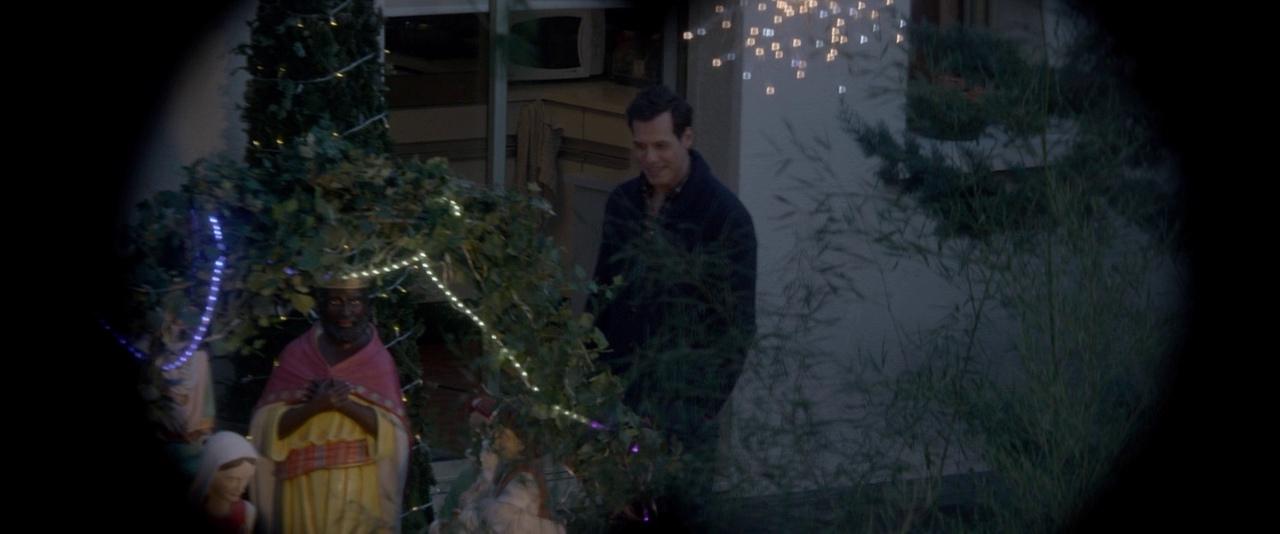
Michèle is simultaneously a portrait of independence and repression—a walking contradiction who, beyond setting up an excellent lead character and an intriguing mystery, remains fundamentally unknowable. It’s easy to compress the lived experiences of abuse survivors into a monolith, but Verhoeven and screenwriter David Birke don’t just stray from the beaten path; they refuse to explain her actions at all. They simply let Michèle live her life the only way she knows how, rigorously reserving judgement.
None of this nuance would be possible without Huppert. She has crafted one of the strongest bodies of work of any living actor, largely because of how adeptly—and with such seeming ease—she embodies cold, austere women. Her leading role in The Piano Teacher (2001) remains perhaps her finest: a transfixing portrait of repression hidden behind a chilly, unfeeling demeanour. That is the unspoken trick with Huppert’s characters; they feel things far more deeply than those around them, but are desperate to hide it. Some are even willing to risk their lives to keep up appearances. But to what end? Why must the mask always remain so firmly in place? If her characters could articulate why, they would be one step closer to happiness—and keeping that happiness at bay is key to their dramatic intrigue.
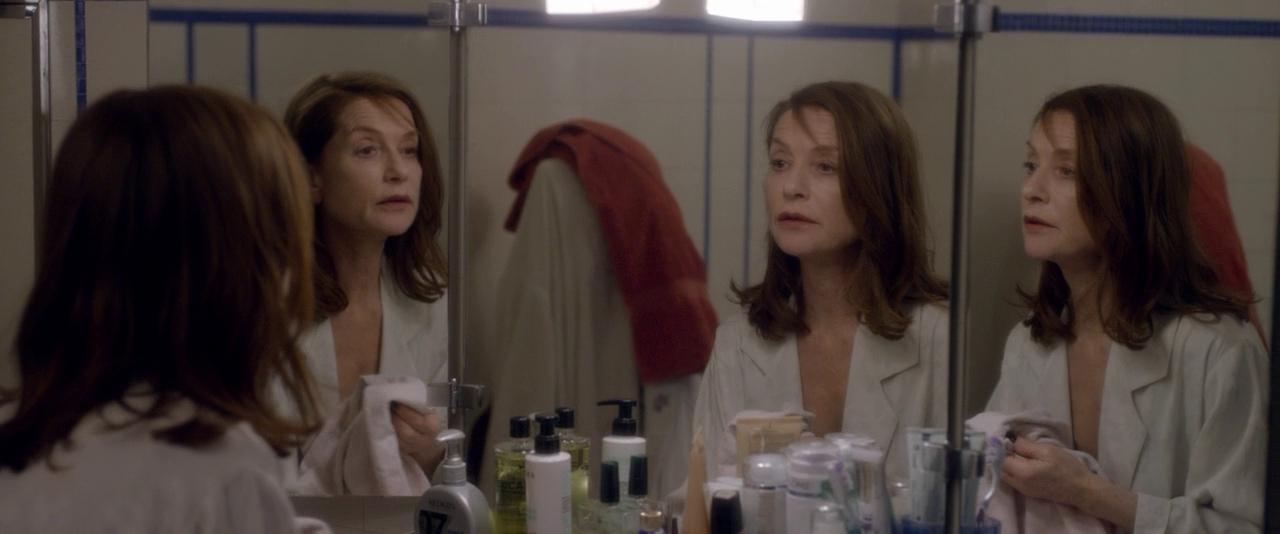
The Piano Teacher is a clear inspiration for Elle. Both films offer uncompromising depictions of how a person’s understanding of, or relationship with, sex can come to define them while resisting easy definition. Yet Elle does not simply rest on the laurels of its talented star. Instead, it uses her unique strengths to craft a mystery where every facet—from the identity of Michèle’s attacker to what she might say next—is totally unpredictable. It’s an unbelievably tricky tightrope to navigate: the script can’t offer too much psychological clarity without losing the central mystery, but it cannot allow the film to descend into total vagueness either. Elle is not necessarily ambiguous, but it’s incredibly careful, delicately plumbing its characters’ psychic depths while always leaving room for more.
One need only observe how Michèle reacts to her loved ones to gain insight into the film’s near-limitless potential for character development. Further enmeshing her in this awkward, transitional stage of life, she frequently shows contempt for both her mother, Irène (Judith Magre), and her son, Vincent (Jonas Bloquet). She has unique reasons to look down on them, but what unites these relationships is that you can never predict how she will navigate them. Will she accept her mother’s pursuit of far younger male escorts, insult her frivolous ways with a lone comment, or take her to task? Vincent is equally ridiculous: a childish slacker shackled to a domineering girlfriend, raising a “son” that is obviously not his. Vincent is blind to the basic facts of his reality, and Michèle does not bother to hide her disdain.
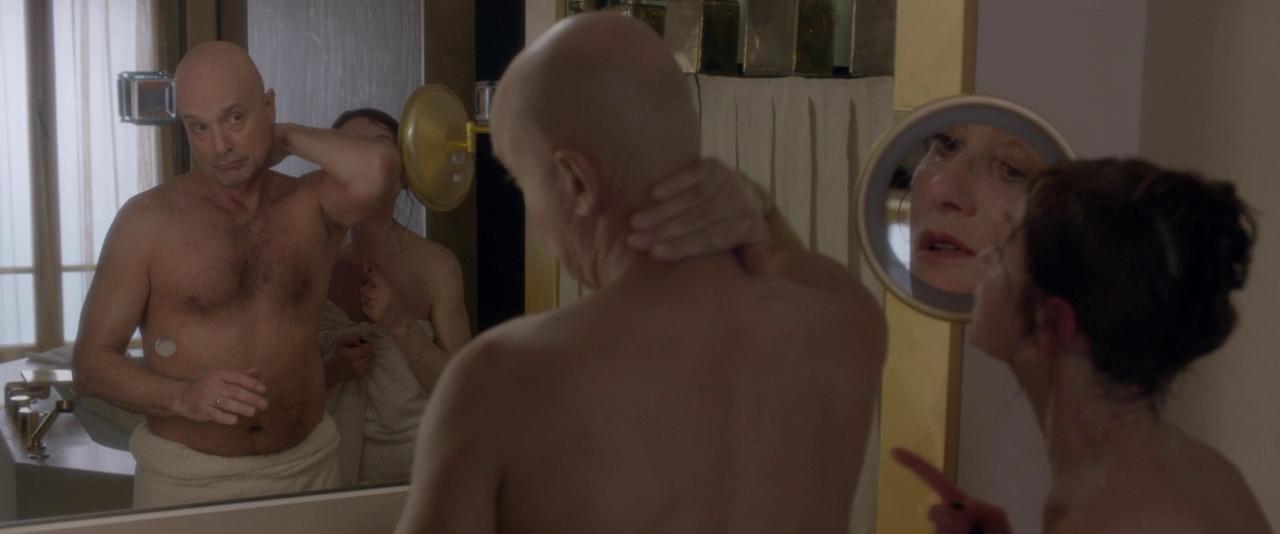
It’s clear that her inability to relate to her family stems from something far deeper than mere contempt, just as Michèle’s animosity towards her father—for reasons gradually unveiled—is clearly more toxic than a typical familial feud. This emotional opacity extends to her friends, colleagues, and employees. At no point do you know how she is going to react to a piece of information or respond to a confidant. In fact, it’s never entirely clear if she even considers her friends and family to be loved ones at all.
No one is safe in Verhoeven’s mystery, because Michèle is always masking her true capability behind an obstinate, chilly exterior. More often than not, she shirks away from life’s demands, finding herself victimised again and again in both horrific and minor ways. Yet we know she is capable of so much more—whether that means delivering cutting words to her family that could sever those bonds for good, or fighting back against the masked figure who continues to stalk her long after the initial assault. The source of her reticence and discontent, and the ways these flaws lay waste to her safety, are far more compelling than the actual identity of her attacker.
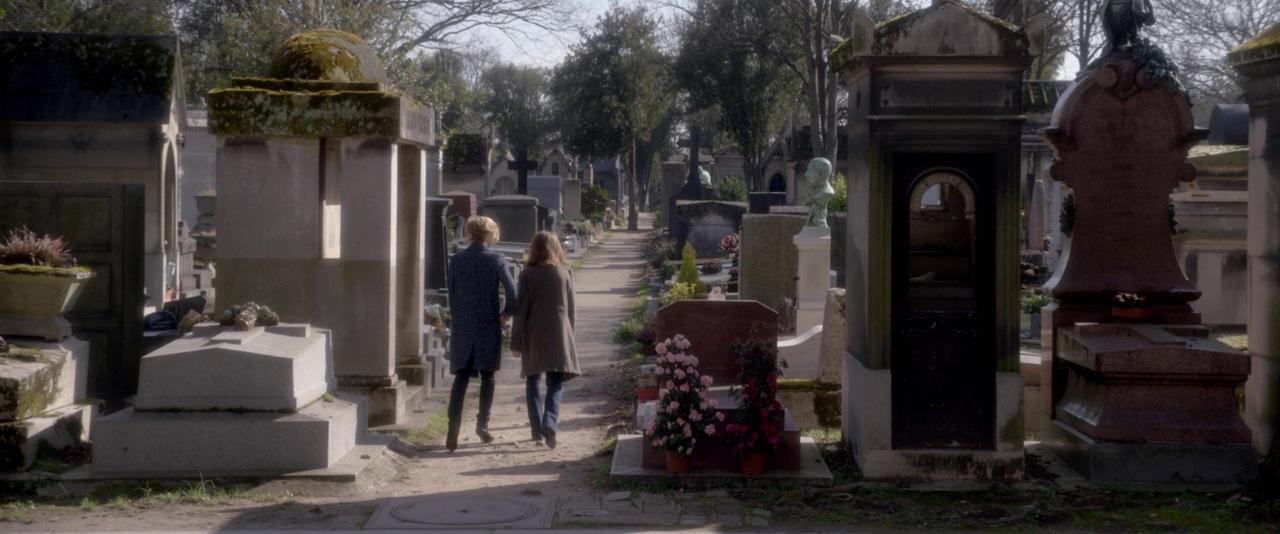
Because of Elle’s tantalising nature, the film is never less interesting than when its central mystery is explicitly spelled out, resulting in a denouement that feels somewhat destined to disappoint. But even if the ending does not fully satisfy, Verhoeven has plenty of tricks up his sleeve and knows exactly how to deliver them. The Dutch director doesn’t hide his glee in the messy, neurotic psychic territory engulfing this story, but he remains deeply respectful of his protagonist. No one in her world takes the time to understand Michèle, but we are allowed to see her clearly—even if she is so eager to obscure her true self that it takes almost the entirety of the runtime to map her out. Crucially, Verhoeven knows that the answers to our burning questions are never quite as fascinating, or as urgent, as the questions themselves.
Nothing can be taken for granted, and everything is fair game. But where love and war are so often treated as noble concepts, Verhoeven is interested in something far more sleazy and disturbed. Sex and violence dominate Elle, so tightly fused that they can never quite be separated. While it’s equal parts intriguing and horrifying to watch Michèle descend into this rabbit hole of trauma while navigating everyday life, it’s the underlying motivation of these characters—and the ways they completely defy easy interpretation—that remains truly transfixing.
FRANCE • GERMANY • BELGIUM | 2016 | 130 MINUTES | 2.39:1 | COLOUR | FRENCH

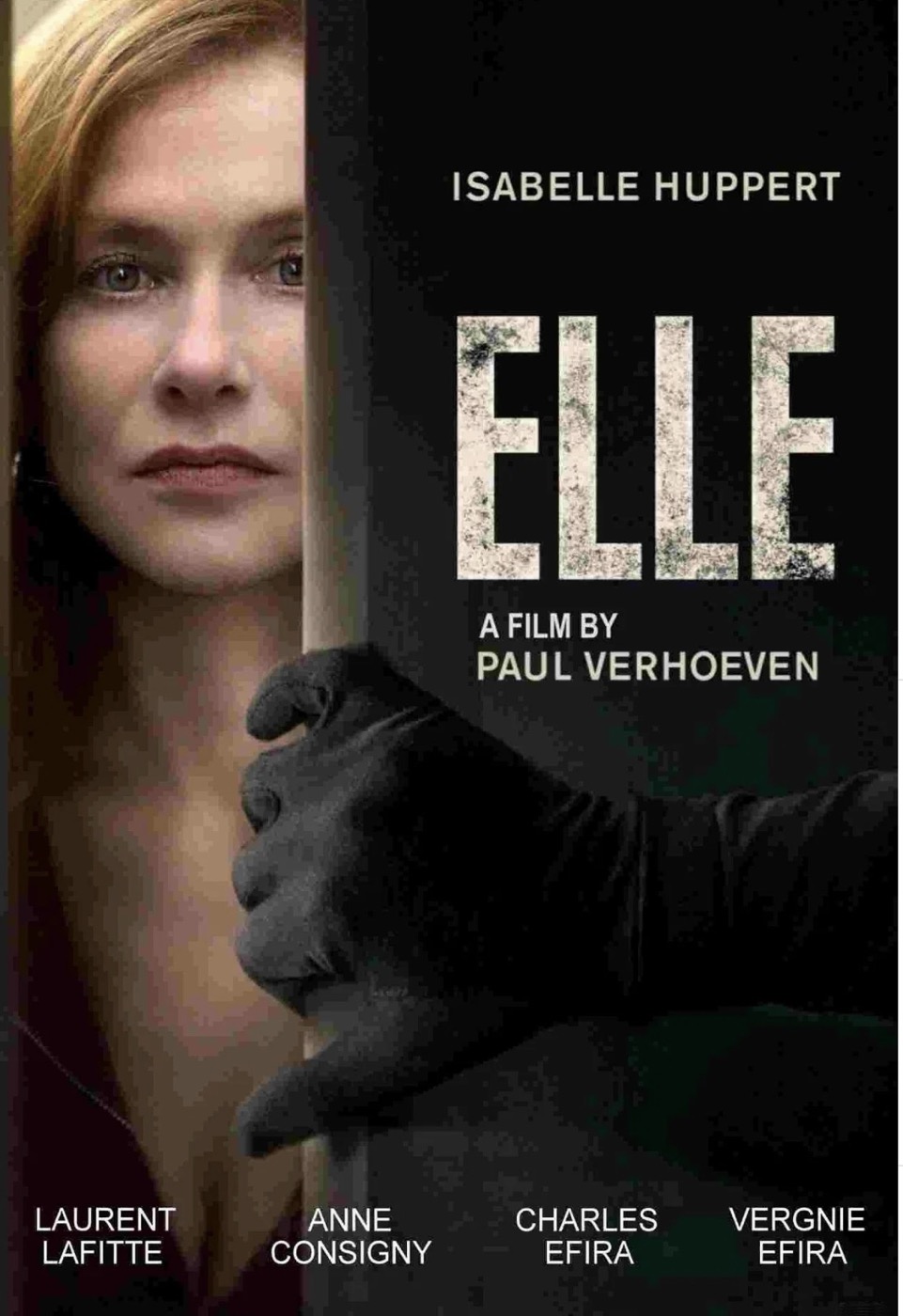
director: Paul Verhoeven.
writer: David Birke (based on the novel ‘Oh…’ by Philippe Djian).
starring: Isabelle Huppert, Laurent Lafitte, Anne Consigny, Charles Berling, Virginie Efira, Judith Magre, Christian Berkel & Jonas Bloquet.