MICHAEL (2026)
The early life of the famous musician Michael Jackson, known as the King of Pop.

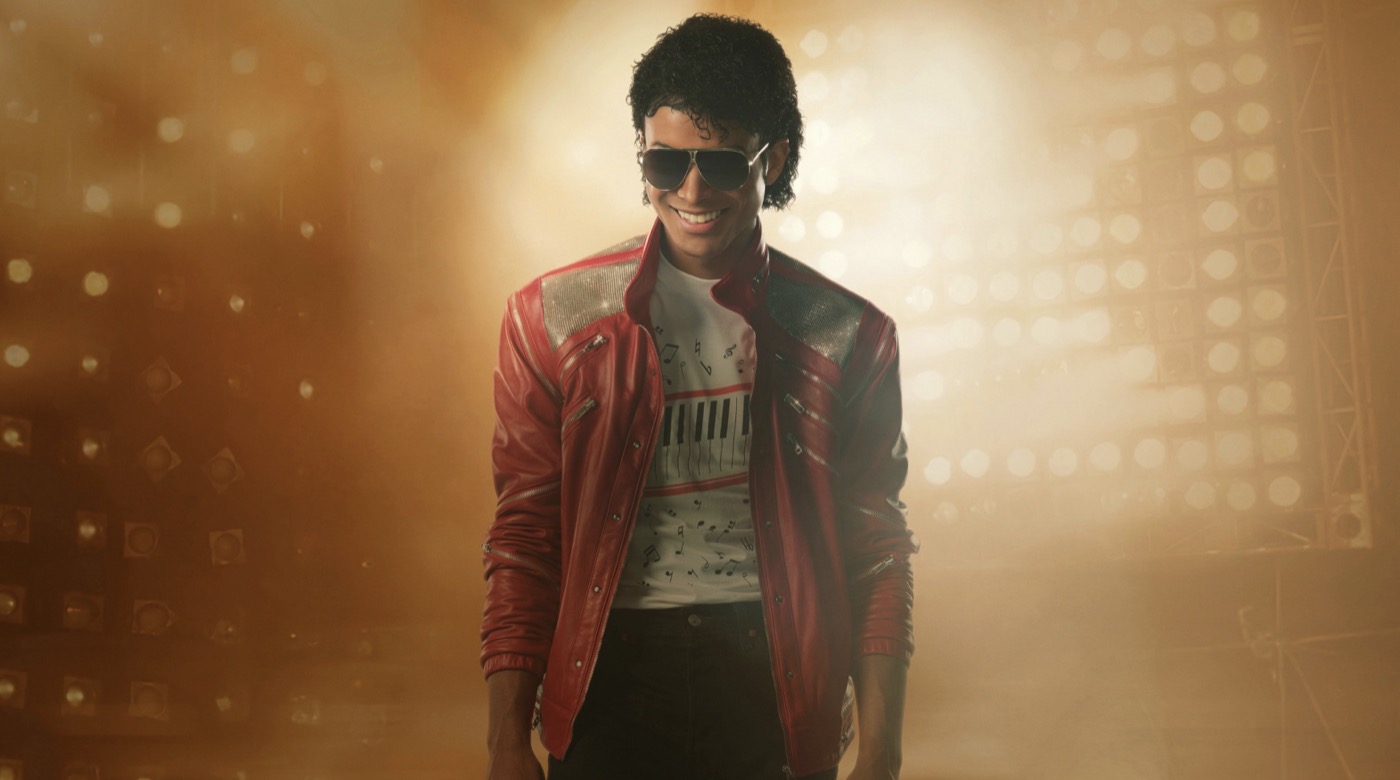

The early life of the famous musician Michael Jackson, known as the King of Pop.
I’ve always maintained that films “inspired by real events” in general, and biopics in particular, say more about the filmmakers than they do the subject. When a director chooses which portion of an individual’s life to focus on, they usually strike a theme that resonates personally.
The film Michael underwent so many rewrites and transitions that picking a throughline initially seemed difficult. Given the production history, you might enter the cinema expecting a tangled mess of competing themes, much like Ridley Scott’s disastrous Napoleon (2023). However, despite its flaws, Michael largely lands on a taut and fairly universal theme: family isn’t, and shouldn’t be, everything.
When the film opens, we spend a few moments with Michael Jackson (Jaafar Jackson) during his “spotlight” phase just before the Bad international tour. However, we quickly retreat to Gary, Indiana, in 1966. In this far less glamorous scene, Joe Jackson (Colman Domingo) pressures young Michael (Juliano Krue Valdi) and his brothers to rehearse a number until they “get it right”. It’s clear from the outset that nothing the brothers do is perfect enough to please their father. It’s also evident, from Michael’s inability to look Joe in the eye, that their relationship is tumultuous. This is shown more vividly a few scenes later, when young Michael is beaten with a belt for daring to suggest the group performed well that night.
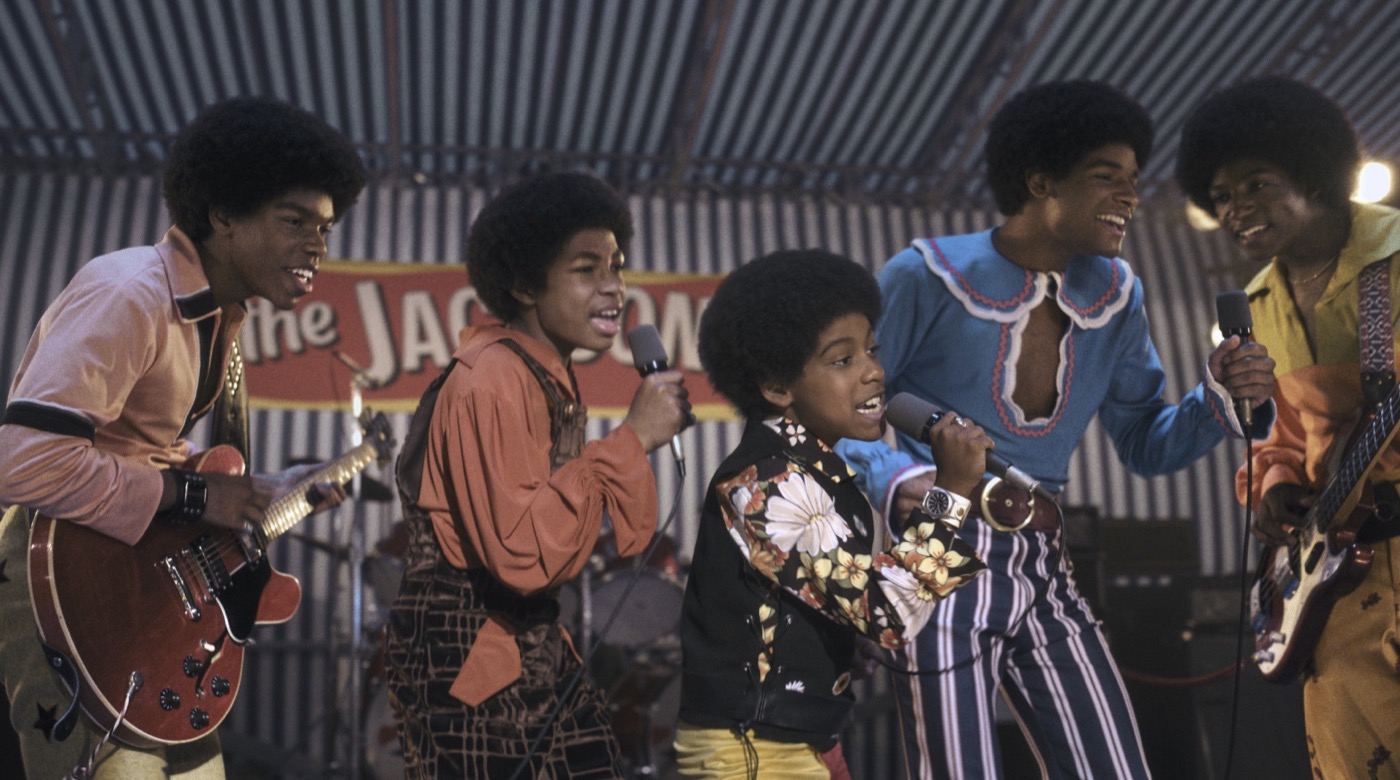
The good news is that the scenes between Michael and his father are well-executed, superbly acted, and filled with that terrifying mixture of fear and adoration one feels towards an abusive parent. On one hand, you desperately want to please them; on the other, you’re terrified of what they might do if you step even one toe out of line. Jaafar Jackson, in particular, reenacts these moments with a believable and sensitive angst that any child of a demanding parent will immediately recognise.
The bad news is that the father-son scenes, and one poignant mother-son moment with Katherine Jackson (Nia Long), are the only truly heartfelt sequences in the feature. Elsewhere, the film unfortunately feels like a Greatest Hits album. That said, the criticism that the film doesn’t go “far enough” or “deep enough” is slightly unfair.
If you look at the producers, you’ll find the name “Jackson” appearing frequently. Jermaine and Tito Jackson, specifically, were very hands-on during filming. In one sense, this represents the memories and feelings of Michael’s brothers rather than an entirely objective account of who he was. This is the story the Jacksons wanted to tell. In this narrative, Michael isn’t a flawed, complex human being so much as he is a symbol. You can see that in the movie’s choices of emphasis.
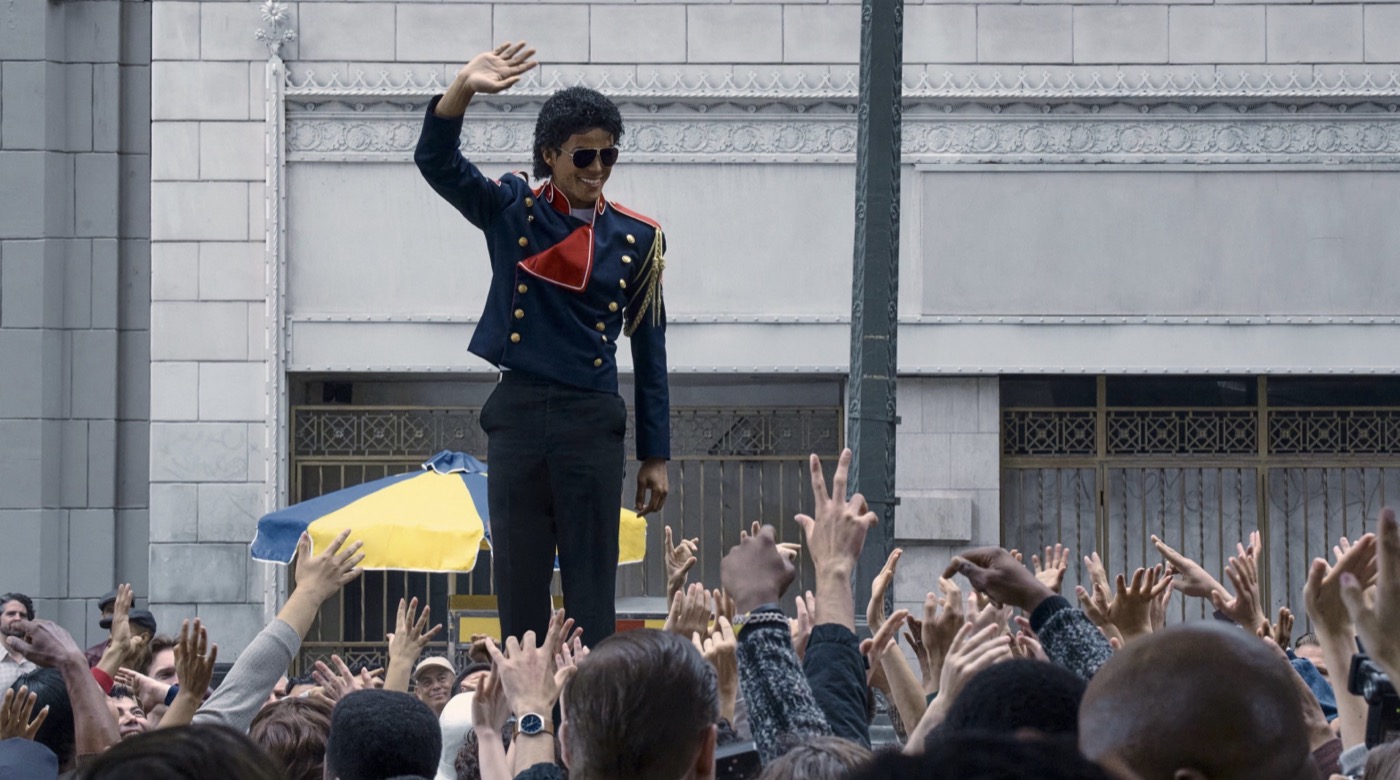
The majority of the drama stems from Michael trying to break free from the shadow of his demeaning father. He talks about freedom, expression, and finding his own path. While Jermaine Jackson left the group before Michael, it was Michael who proved to the rest of the family that they could not only leave their father behind but also become successful.
The most telling line comes towards the end of the film. Michael tells his mother he’s ready to stand up to Joe and refuse to perform with The Jacksons any longer. When Katherine asks, “What about your brothers?”, Michael smiles and answers: “They’ll find their own paths too.”
It’s a subtle callback to an early scene where Joe tells his sons they are no longer individuals but one group: The Jackson 5. Anyone who has been in a toxic family dynamic knows why it would take a full film for Michael to break that conditioning and finally confront his father.
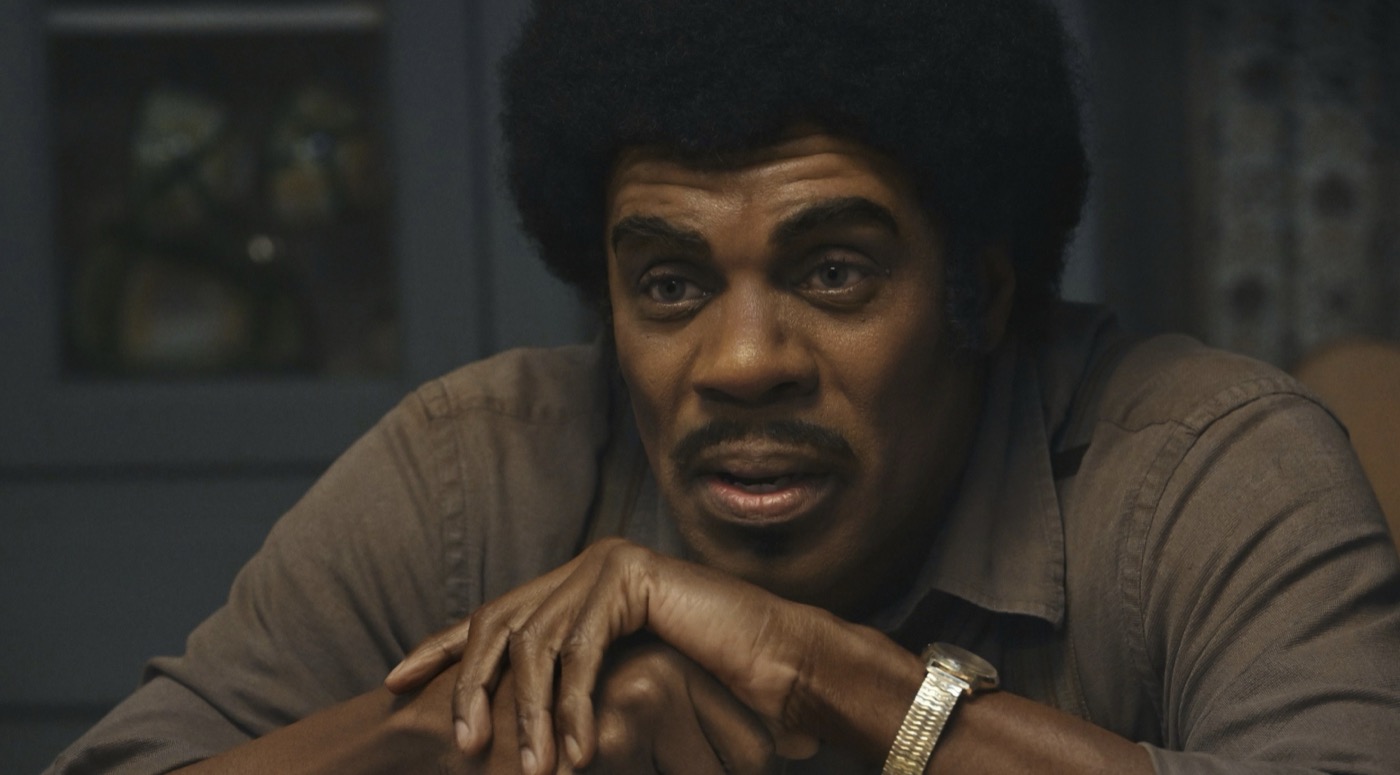
His first attempts at severance are small and hesitant. Jaafar Jackson plays this excellently. The first time Michael claims he’s “going to look Joseph in the eye and tell him man-to-man” that he wants a solo career, the scene immediately cuts to a nervous-looking Jackson sitting not in front of his father, but his producers, asking them to speak to Joe for him.
As a sensitive child from a complicated family, I understood the dynamic being portrayed all too well: the wringing hands, the tapping foot, the burning desire to avoid confrontation at all costs. In several scenes, the tension felt almost too real. As a warning, there may be very uncomfortable moments here for anyone with a history of abuse.
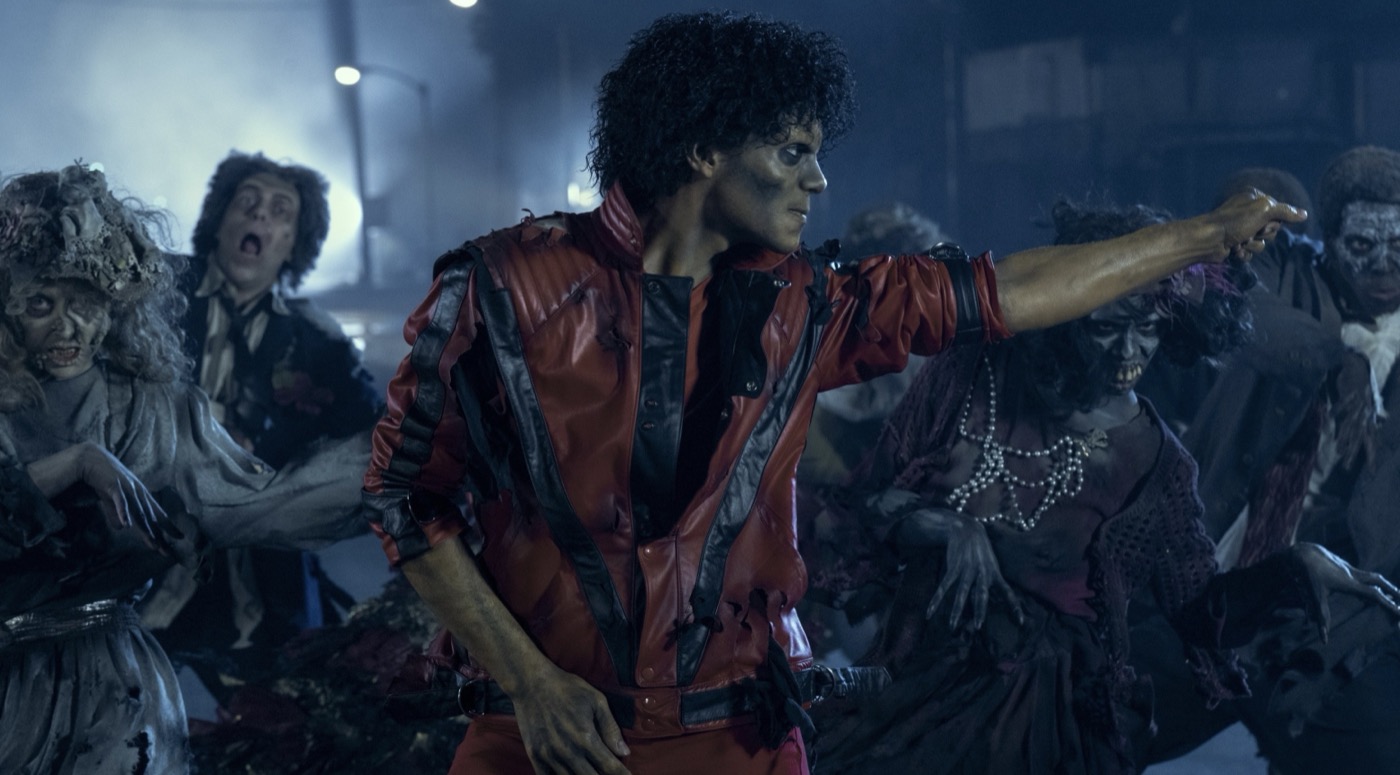
While I understand why the filmmakers scrapped the initial idea of opening with the police raiding Neverland—a decision that was largely legal and out of the producers’ hands—I can see why that framing might have made for a more layered story. My main criticism remains how easily professional success comes to Michael here. There’s only a brief discussion of the difficulties of fame and the loss of privacy that plagued him so deeply in later life. Addressing the controversial 1993 period might have added a cleaner layer of depth, showing more of the “man in the mirror”, so to speak.
That said, I found enough depth in the focus on the dynamic between Michael and Joe to make for a definitely entertaining and moderately compelling story. Plus, the music and dancing are certainly worth seeing on the big screen. Jaafar Jackson brings Michael’s moves to life with a style that is his own, but a soul that is definitely that of his paternal uncle.
Ultimately, the Jacksons didn’t want to create another documentary about a troubled star; we’ve had many of those. They wanted to show what Michael meant to them. To his brothers, his mother, and his sisters, all cowed by a tyrannical father, Michael was a symbol of bravery. He was living proof that they didn’t have to stay in an unhealthy dynamic. At its best, that is the message Michael might give to a new generation of sensitive creatives.
UK • USA | 2026 | 127 MINUTES | 1.85:1 | COLOUR | ENGLISH

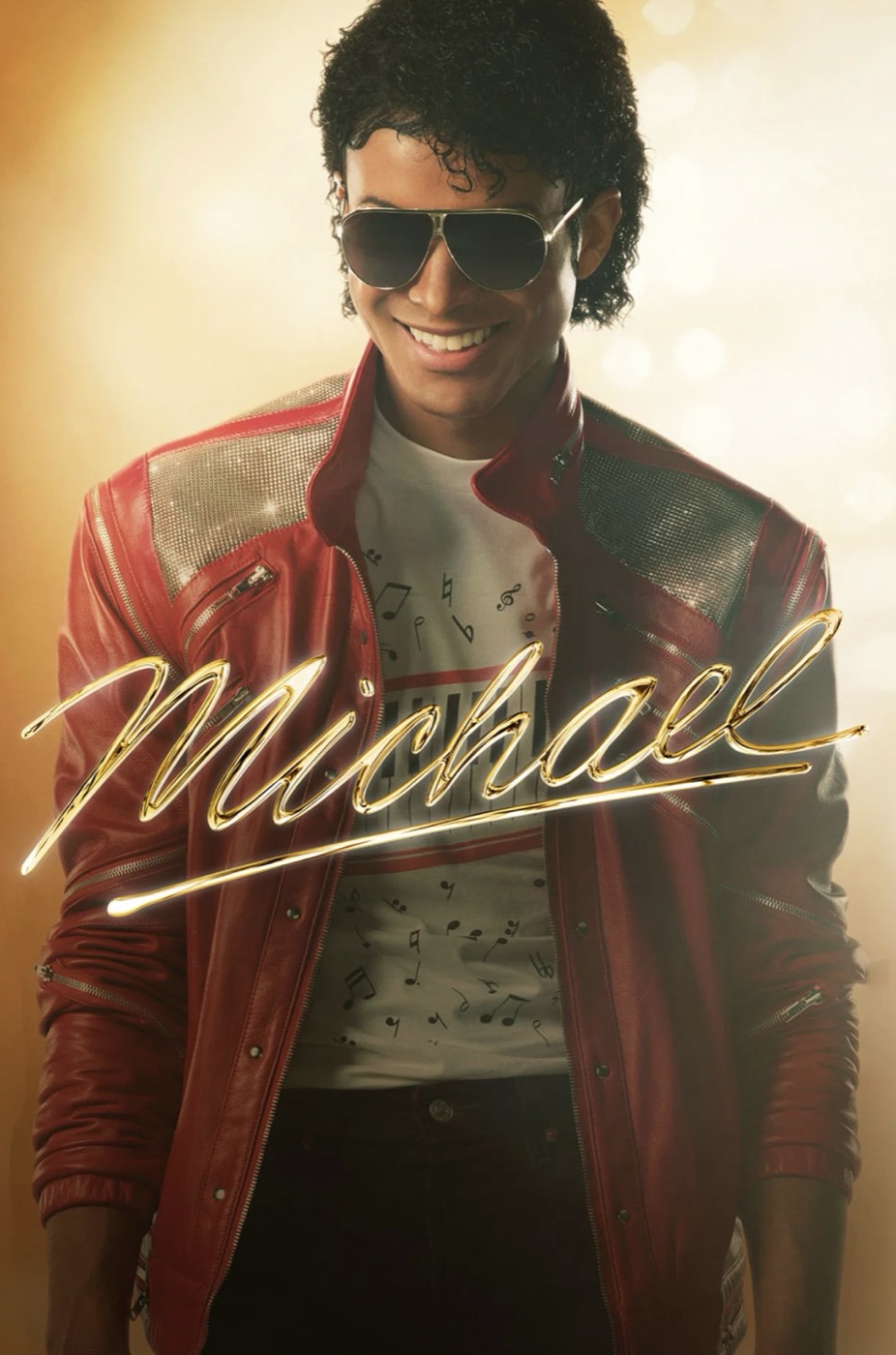
director: Antoine Fuqua.
writer: John Logan.
starring: Jaafar Jackson, Nia Long, Juliano Valdi, KeiLyn Durrel Jones, Laura Harrier, Jessica Sula, Mike Myers, Miles Teller & Colman Domingo.