THE SON’S ROOM (2001)
A psychoanalyst and his family go through profound emotional trauma when their son dies in a scuba-diving accident.

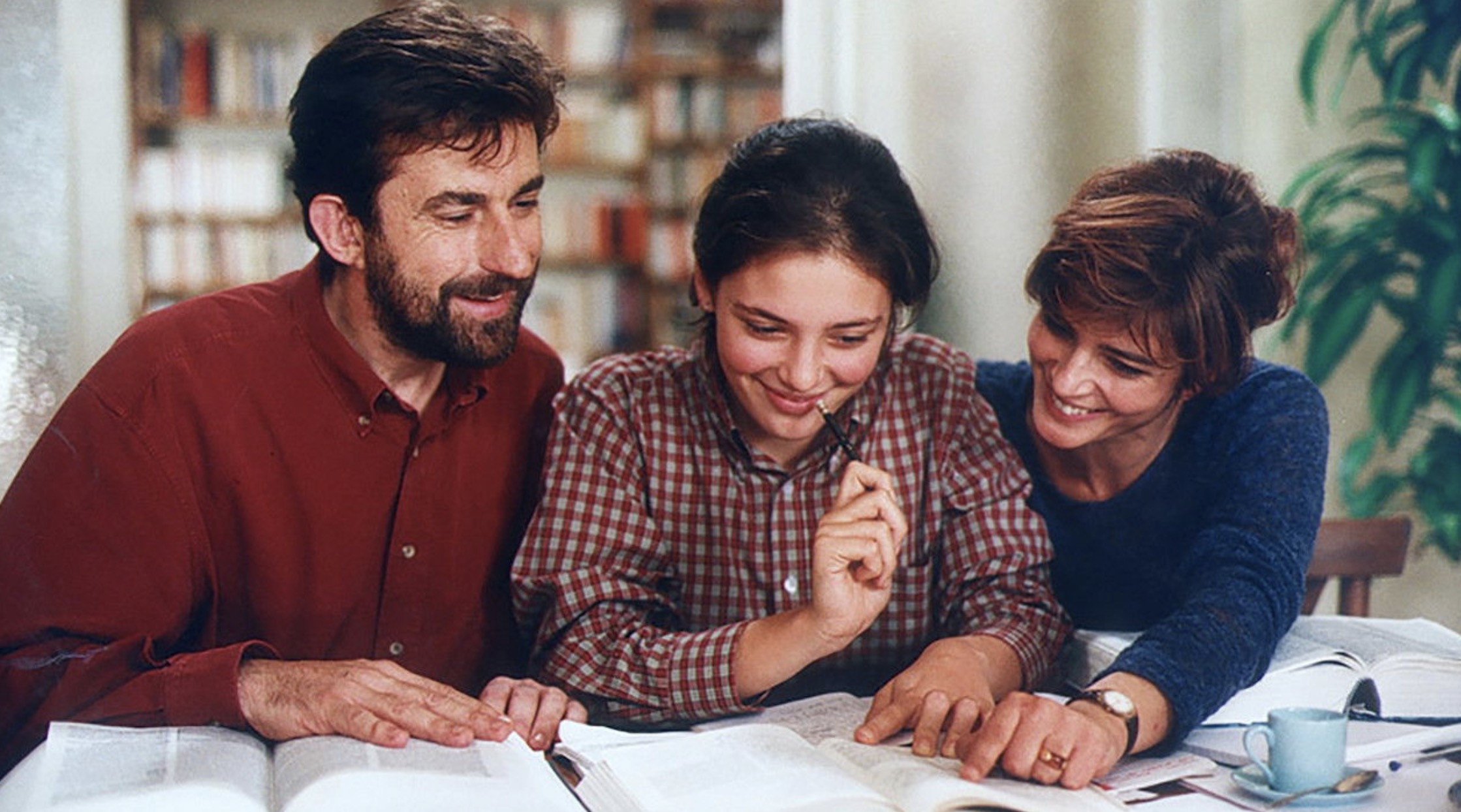

A psychoanalyst and his family go through profound emotional trauma when their son dies in a scuba-diving accident.
Though it has retained little by way of a legacy, Nanni Moretti’s The Son’s Room / La stanza del figlio did receive the most coveted prize of the 2001 Cannes Film Festival: the Palme d’Or. While it’s far from the most egregious win in awards history, it felt wholly undeserved given the stiff competition from 21st-century classics such as Mulholland Drive (2001) and The Piano Teacher (2001). Moretti’s film couldn’t be more different from the masterful dreamscapes or twisted, heart-wrenching character studies inherent to those masterpieces; instead, it prioritises sentimental simplicity in its depiction of a family grappling with the loss of a beloved son. After 17-year-old Andrea (Giuseppe Sanfelice) drowns during a scuba diving trip, his loved ones struggle to cope with the void his death has carved into their lives.
There’s a glaring lack of specificity to Moretti’s portrait of grief—so much so that it feels disingenuous to call this a story about a “family”. It is, in truth, about a father, Giovanni (Moretti), coming to terms with the loss of his son, while a woman and a teenage girl happen to be present. That they are the boy’s mother and sister—Paola (Laura Morante) and Irene (Jasmine Trinca)—should be essential to the film’s emotional core, but their presence feels like a fact bereft of feeling. The women aren’t always relegated to the background, yet Moretti is so keen to centre his own character’s mourning that neither the wife nor daughter ever feels like a fully formed person.
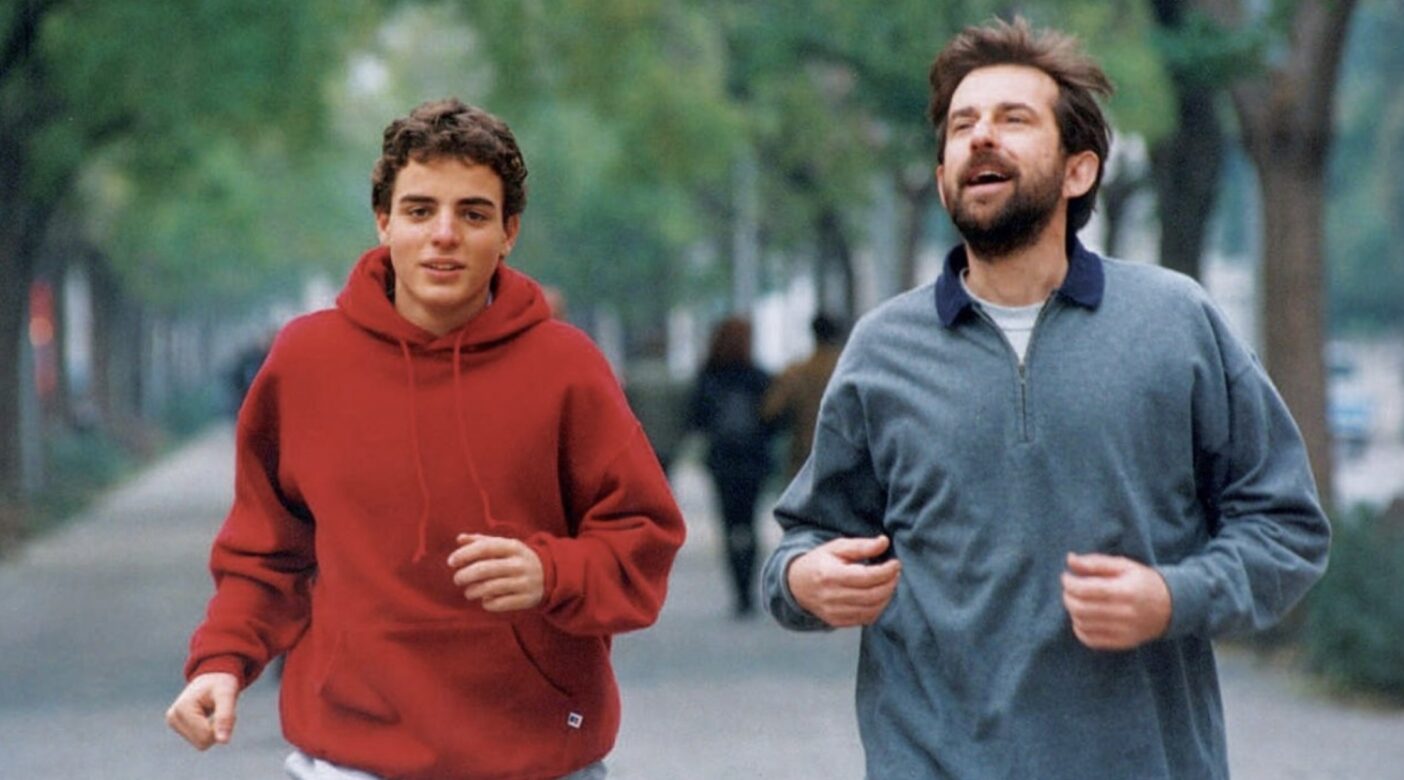
It’s easy to see why The Son’s Room connected with some, even if the film’s acclaim has never resonated as deeply as that of its tougher Cannes competitors. It ticks every box on the “grief narrative” checklist. The protagonist, lost in a private world that’s simultaneously tearing him apart and keeping him alive, briefly loses himself in a memory of his son. A smaller box on that figurative checklist insists these dissociations must return to a singular moment; accordingly, the film frequently reverts to its cover image of Giovanni and Andrea jogging together. A nondescript memory, it’s made poignant only by the fact it never actually happened.
Of all the times they could have run together, Giovanni cancelled this fateful session to attend an emergency call from a patient—an irony that sparked a personal calamity so great he doesn’t know how to continue. If only life were simple again, when he and Paola only worried about the finer details of their children’s lives, like overhearing Irene’s homework or fretting over whether Andrea stole an ammonite fossil. These details aren’t inherently interesting; they’re just more boxes to be ticked so the audience understands these parents (though only one really matters) care about their children.
Composer Nicola Piovani’s soundtrack trips over itself in a shameless commitment to sentimentality, insisting on beauty with the same lack of subtlety Moretti imposes on the script. Bizarrely, the score maintains this light, saccharine tone even after Andrea’s death, when Giovanni’s life has transformed into an inescapable nightmare. As the lead, Moretti is masterful—as is the rest of the cast—imbuing the performances with a naturalistic ease that sells the story’s broader strokes.
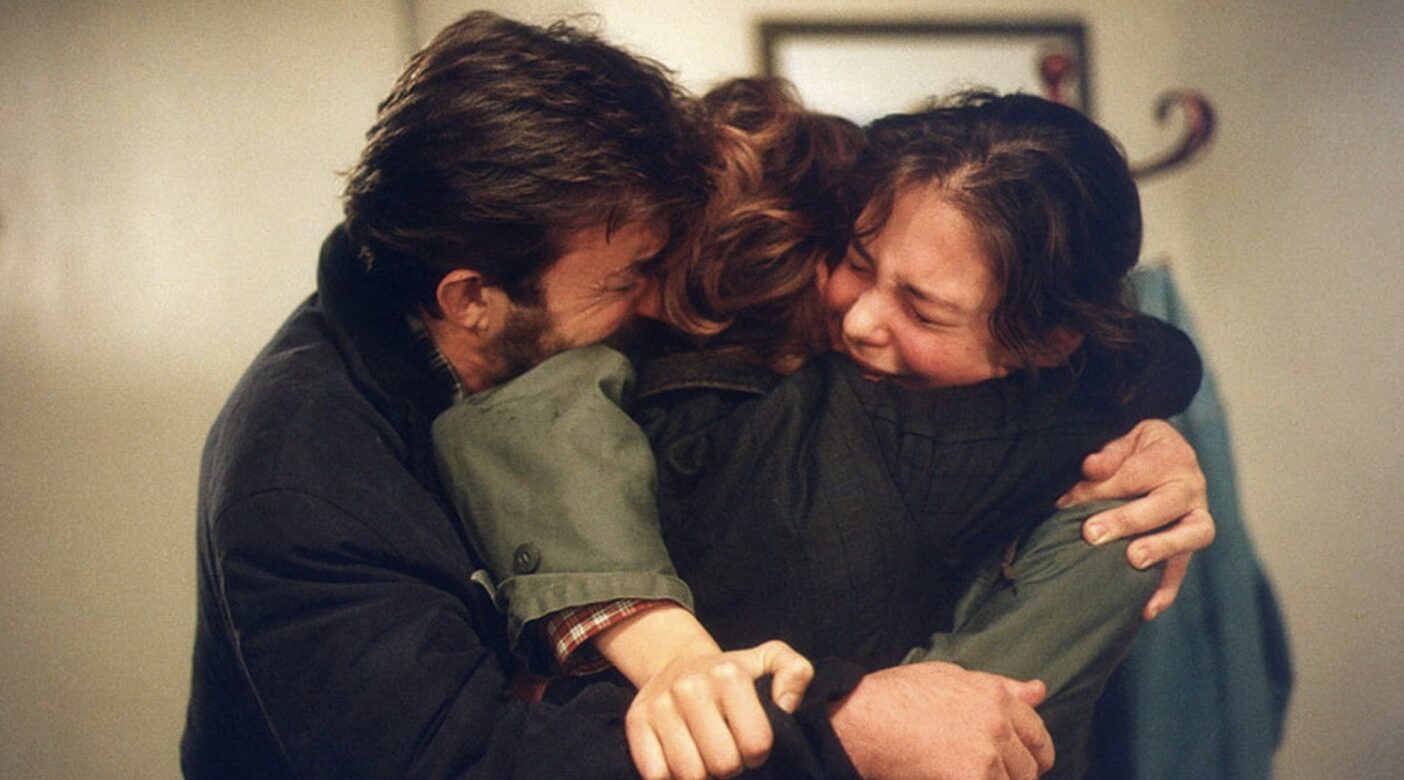
But that figurative checklist looms at every turn: the crying-at-work scene, the “I could have saved him” ruminations, and the empty sensation of wandering a city street, bewildered by existence itself. Only the latter moments resonate, especially when paired with Brian Eno’s “By This River”, used twice to beautiful effect. It’s the original music that leaves much to be desired, offering an air of sentimentality devoid of genuine feeling. As a director, Moretti lacks a distinct style; he hits the right notes, but you won’t find a truly arresting close-up or telling visual moment here.
This lack of a unique perspective extends beyond the visuals. Exploring grief is an easy shorthand for connecting with an audience. If you have a child, a film about the death of a son may well tear you up regardless of its quality. Even if you don’t, you can connect to that pain, however dim the reflection. Moretti wrote this film after learning his wife was pregnant; he also wrote it out of a desire to play a psychoanalyst, and herein lies the justification for the strain of egoism enveloping the project.

Moretti creates an uninteresting protagonist who shows little interest in his patients even before grief consumes him. Giovanni is too preoccupied with his own professional environment to meaningfully reckon with his patients’ pain; their psychological torment strikes him as arbitrary long before his own loss exacerbates this view. This is a subversion of the standard grief-film formula, and an unnecessary one. Moving from mild sweetness as a parent to mild disinterest as a clinician, Giovanni remains a well-meaning but ultimately dull centrepiece.
Throughout its runtime, The Son’s Room never manages an insightful perspective on loss. This well-mined subject has been handled with justice too many times for such a surface-level depiction to truly resonate. No amount of competent direction can overcome the wave of disaffectedness pervading the film.
Its final shot is both haunting and sweet, while Giovanni’s patients—particularly Tommaso (Stefano Accorsi), a man struggling with sex addiction—are consistently more intriguing than the protagonist allows. Whether Moretti recognises this is irrelevant; the writer-director opts instead for a middling portrait of grief that largely runs through the motions, even if the third act finally touches upon the recurring horror and newfound poignancy that true loss inspires.
ITALY • FRANCE | 2001 | 99 MINUTES | 1.85:1 | COLOUR | ITALIAN • LATIN

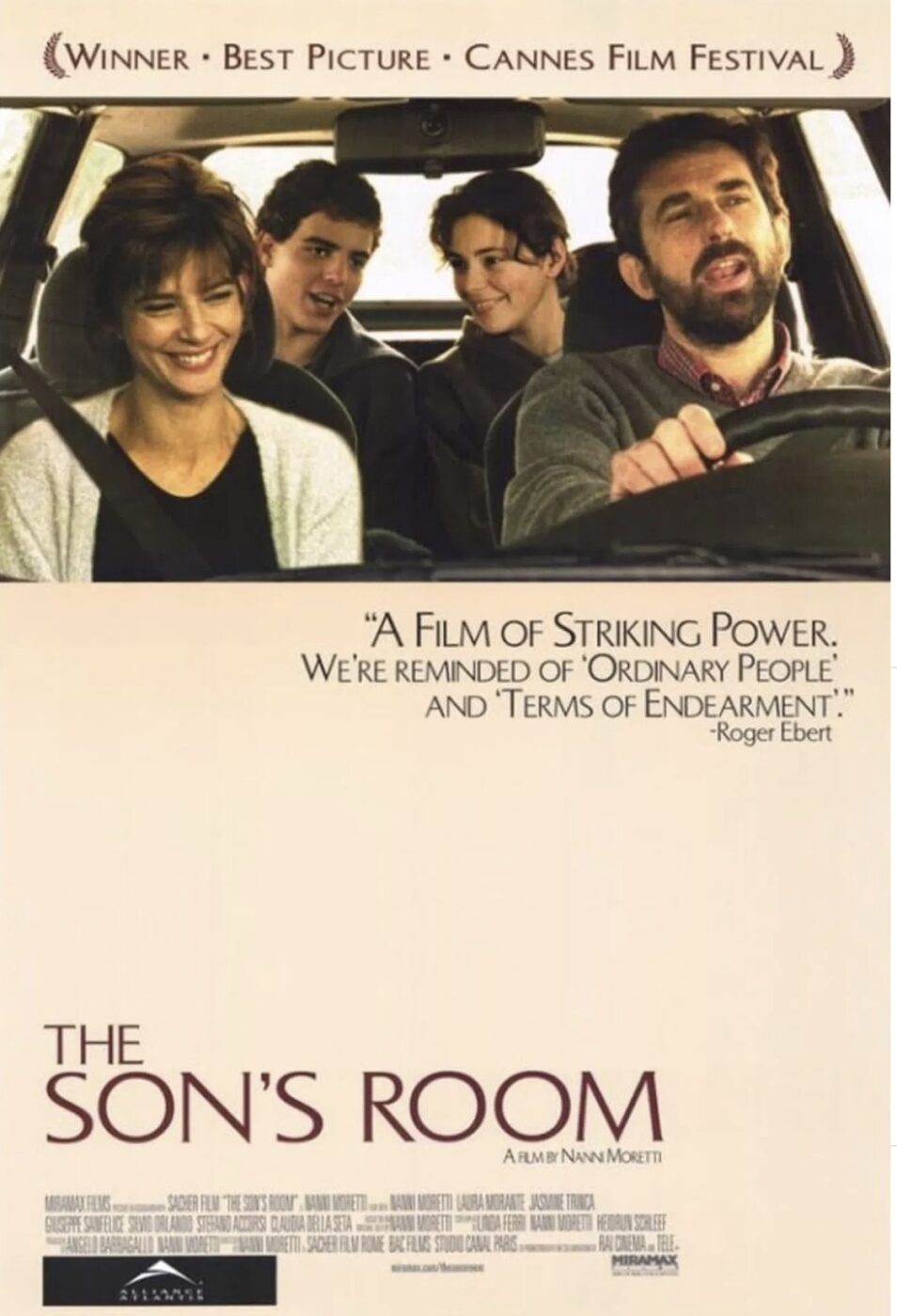
writer & director: Nanni Moretti.
starring: Nanni Moretti, Laura Morante, Jasmine Trinca, Giuseppe Sanfelice, Sofia Vigliar, Silvio Orlando, Stefano Accorsi, Renato Scarpa & Roberto Nobile.