BLACK GIRL (1966)
A black girl from Senegal becomes a servant in France.

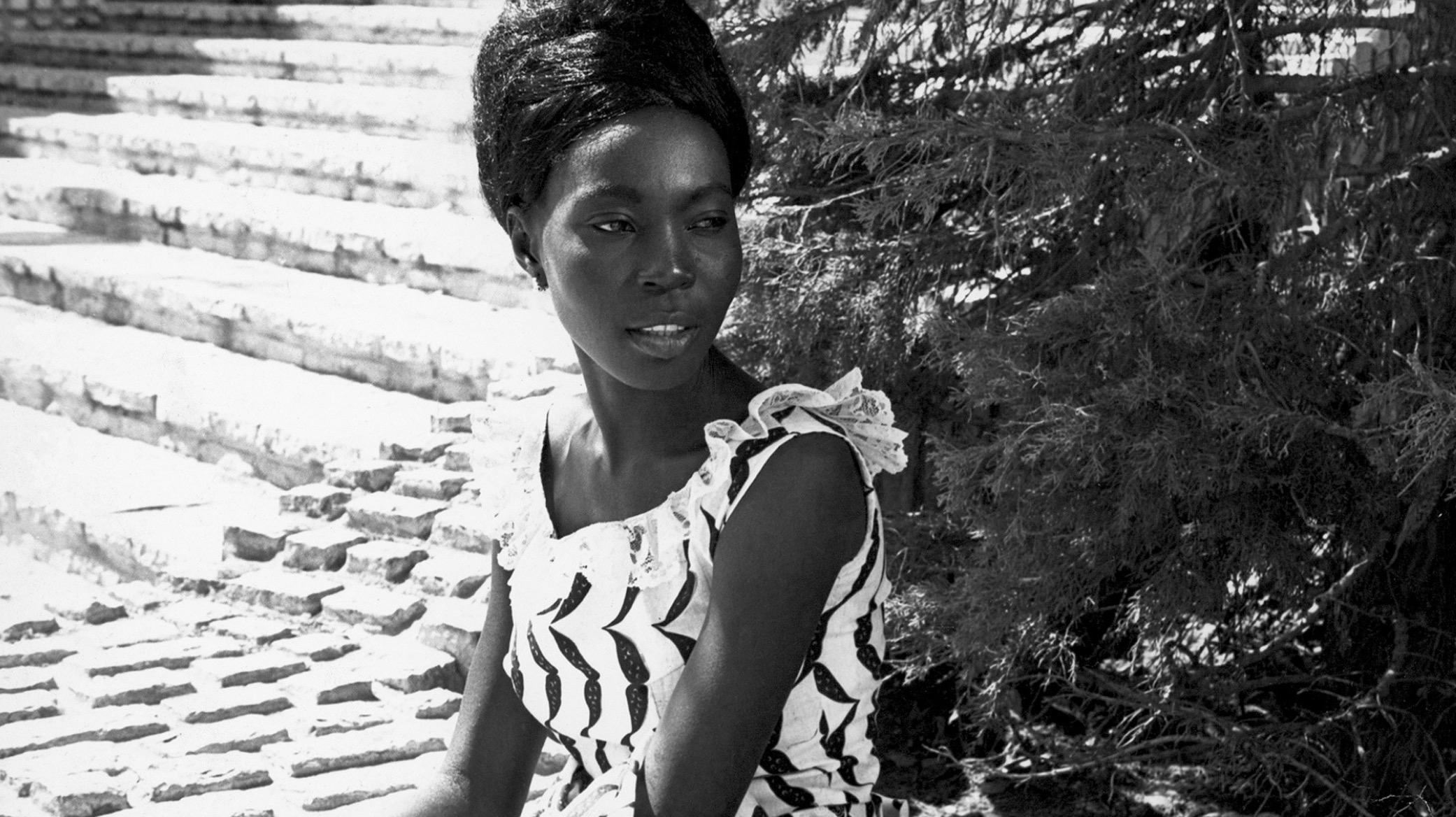

A black girl from Senegal becomes a servant in France.
Upon its release in 1966, Ousmane Sembène’s Black Girl / La Noire de… met with a muted critical reception. Praise was levied at the film’s resonant exploration of colonialism—a force whose presence lingers even after abolition, guiding the film’s subdued anger. At the same time, Sembène’s feature was considered didactic and plodding, failing to give much consideration to the interiority of its characters. While Black Girl has received a much warmer reception from critics and cinephiles lately (bolstered by strong appraisals over the last decade and a release from the celebrated home-video distributor Criterion), its contemporaneous critics were largely correct in their assessment.
Black Girl was a major achievement in African cinema, not least because it came from the continent’s most celebrated filmmaker. Often seen as the first Sub-Saharan African film to receive international attention, it’s a fiery condemnation of colonialism and its power to ‘otherise’ people of colour. Following Diouana (Mbissine Thérèse Diop), a young Senegalese woman who travels to France to work as a maid for a white couple, the film parallels the dehumanisation of colonialism with the mistreatment that befalls its protagonist.
Diouana is continually castigated by the mistress of the house, Madame (Anne-Marie Jelinek), but can do little to resist the confines of her circumstances as she’s dependent on her employer. Not so long ago, she was one of many women sitting on a street corner, desperate for work—even if taking the initiative involved uprooting herself and forging a new life on a different continent.
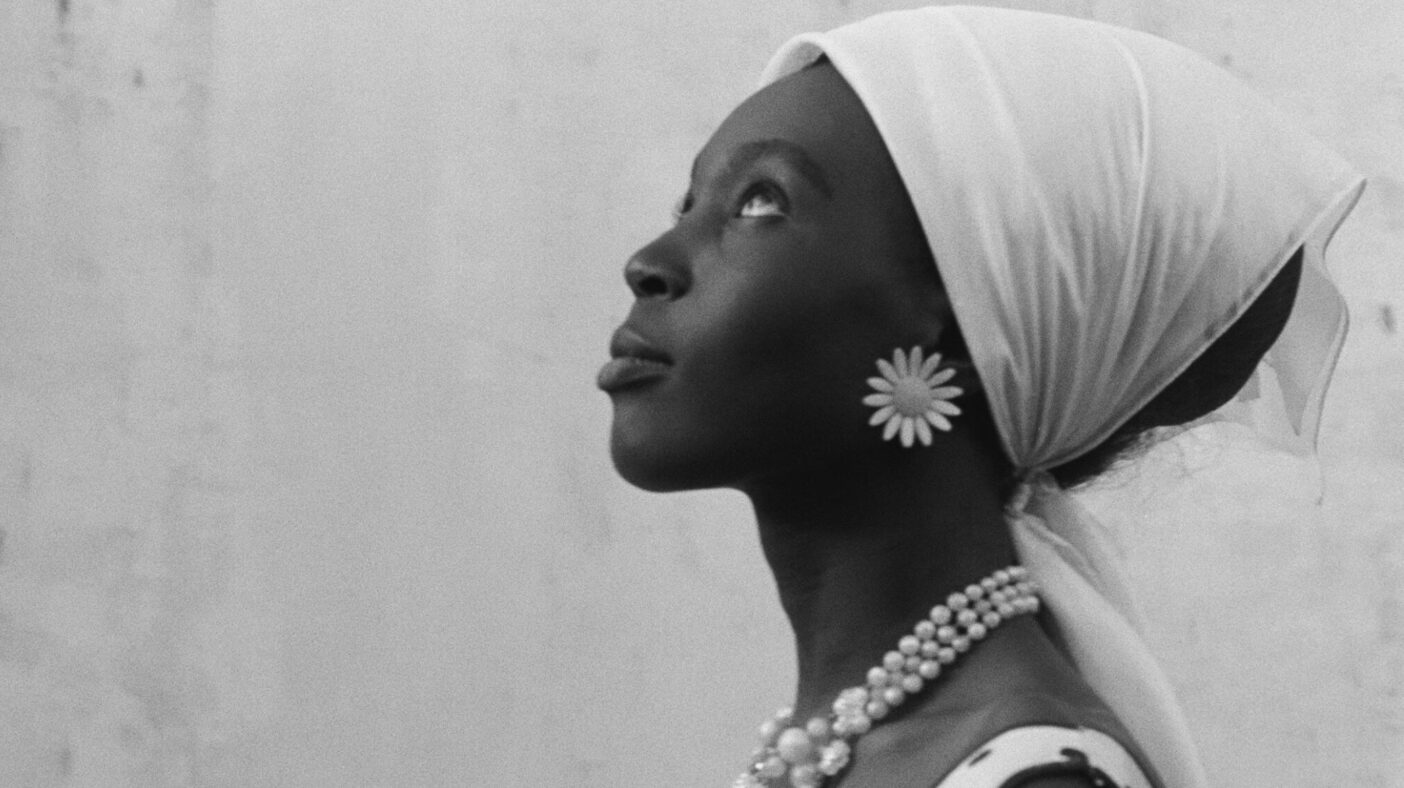
Technically, these women are free to do as they please. However, with scant economic opportunity for native citizens once the colonists left with their tails between their legs, that freedom is hard to appreciate. It almost seems fated that Diouana’s leap of faith would only restrict her further, creating a trap from which there’s no escape. There’s no true freedom, since even in Senegal’s independence, its citizens are caught in a system that interlinks their home with that of their former colonisers.
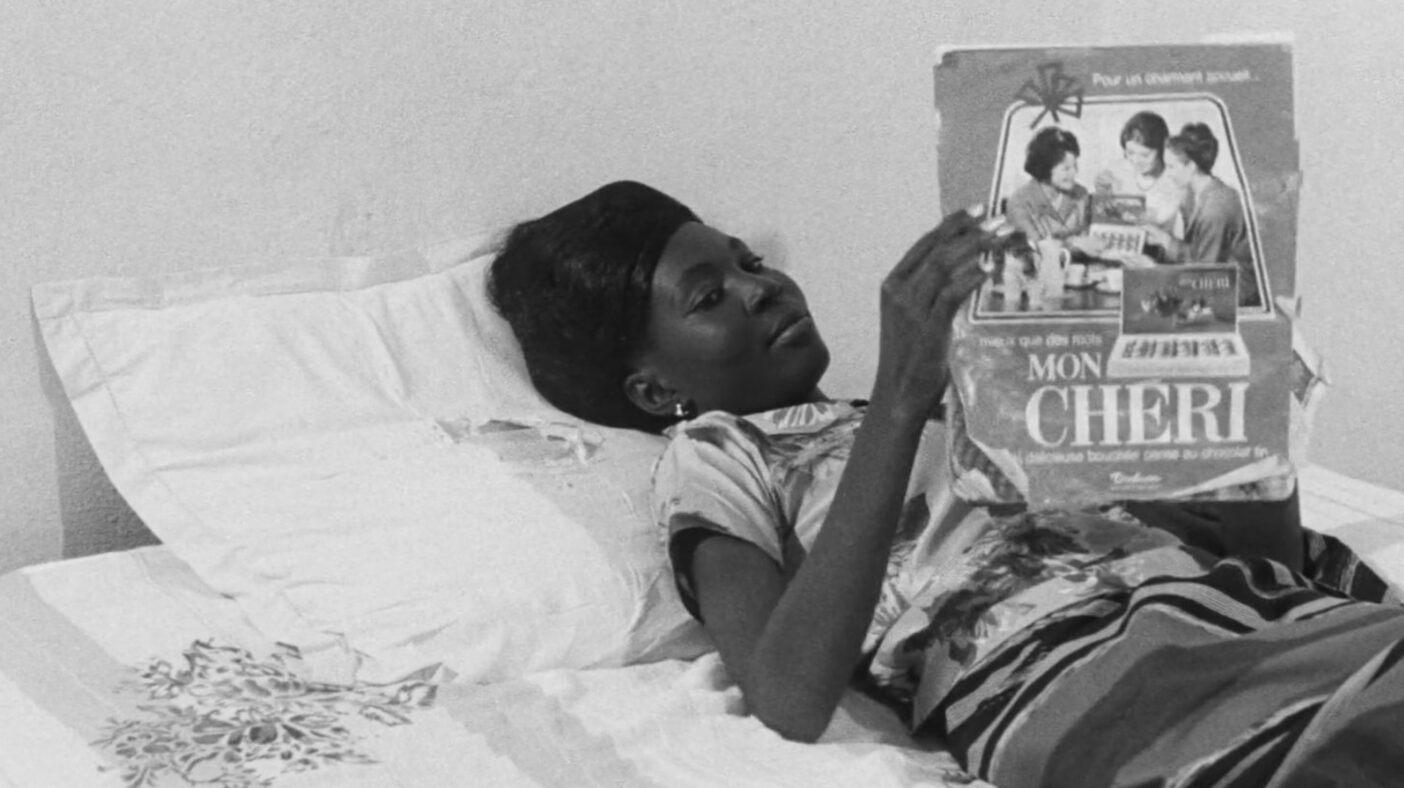
Black Girl is an evocative title, stripping away Diouana’s identity and reducing her to the spare elements her employers see. Similarly, the film is simplistic in its plotting and camerawork, but such an approach effectively depicts how the smallness of Diouana’s surroundings transforms into the smallness of her life. The past becomes a distant memory; the present a bleak series of chores, crushed dreams, and bitter condemnations from a tyrannical mistress. It isn’t long before Diouana feels that all she knows are the white walls surrounding her, the employers who either berate her or ignore her pain, and a future that represents the bleakest chapter of her life.
This tale is frequently illuminating, though rarely through its overused voice-over narration, where Diouana describes her predicament without poetry, insight, or defiance. While hour-long features are a welcome change of pace from a film culture that demands longer runtimes for legitimacy, Black Girl’s 65-minute duration seriously needs fleshing out.
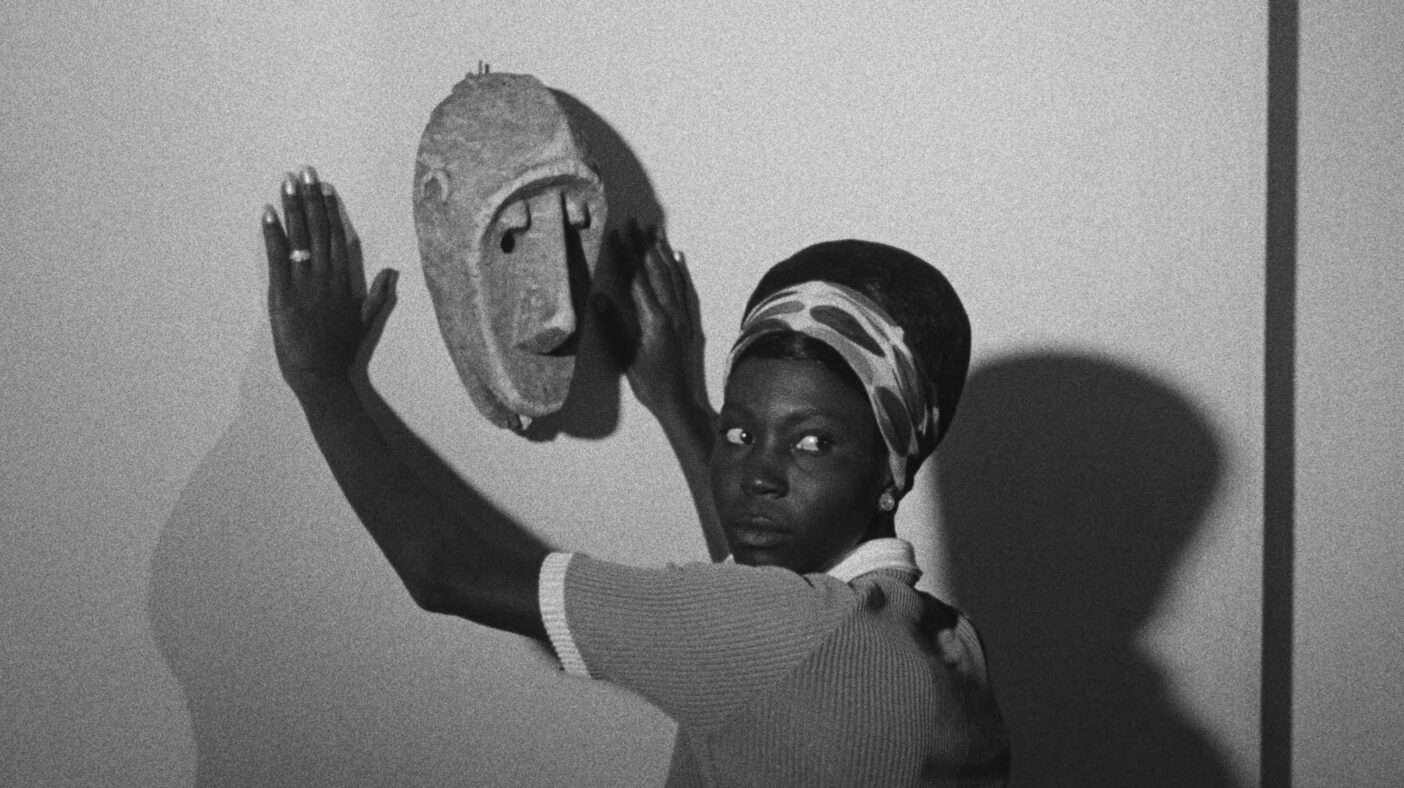
The film’s most egregious flaw is its resistance to setting up the story. Diouana’s introduction to France is practically cleaved from the narrative; the film skips from the moment she’s chosen by Madame to the point where her optimism has already nosedived. We’re told her employer is a tyrant rather than shown it, and following this cruel behaviour minutes later isn’t enough to bridge the gap between the protagonist’s hopes and their annihilation.
Narration fills the gaps in the narrative, with Diouana describing her mental anguish at length instead of the writer-director finding ways to visually convey her repetitive surroundings. Whether it’s the blank walls, the monotony of cooking, or nights spent dreaming of a better life, Sembène comes across as a director learning his craft during production, rather than entering it with a clear vision for depicting despair. Black Girl compromises heavily on the internal life of its protagonist, ironically by explaining away her misery in terms that are artless in their directness.
Despite these failings, Black Girl finds success in smaller moments that illuminate Diouana’s dehumanisation. A dinner party between friends of Madame and her well-meaning but oblivious husband, Monsieur (Robert Fontaine), crackles with the subdued anger that won acclaim from early critics. One would need a heart of stone not to be incensed by how Diouana is treated as a delightful object. This scene doesn’t aim for subtlety, but it also doesn’t paint its offensive characters as mere monsters. They’re very human, very fallible, and impossible not to hate as they laugh away in a form of derision they mistake for good-hearted fun.
Madame is not a character who transforms, as we know nothing about her when she first hires Diouana. She’s enticed by the protagonist’s independence—Diouana is the only woman on the street corner who doesn’t clamour for her attention. This perceived lack of desperation is a quality the employer gradually breaks down.
However, Madame is too small-minded and pedantic a figure upon whom to hoist all of colonialism’s ills. Sembène is mature enough to see that it’s not just the behaviour of individuals, but a system of oppression, which weighs down both Diouana and Sub-Saharan Africa. Even so, the film refuses to offer character development as Madame becomes more despicable; she’s already awful the moment the film inserts its awkward, ill-conceived time jump.
Any good provocateur knows that tragic change must take place slowly, but Sembène omits this transition entirely. It’s a shame given the strength of the performers, especially Diop, who wears silent rage and weary disappointment so well that even a slight smile betrays her true feelings in gut-wrenching fashion. If more time had been spent channelling that instead of deferring to narration, Black Girl could have been an excellent film.
Its positive qualities are haunting enough to remain resonant, ultimately making for a film that’s more interesting to reflect upon than to watch. Fusing anger and restraint, Sembène’s directorial debut remains a strong condemnation of the ice-cold brutality of dehumanisation—a significant, if flawed, leap forward for African representation on the world stage.
SENEGAL • FRANCE | 1966 | 65 MINUTES | 1.37:1 | BLACK & WHITE | FRENCH

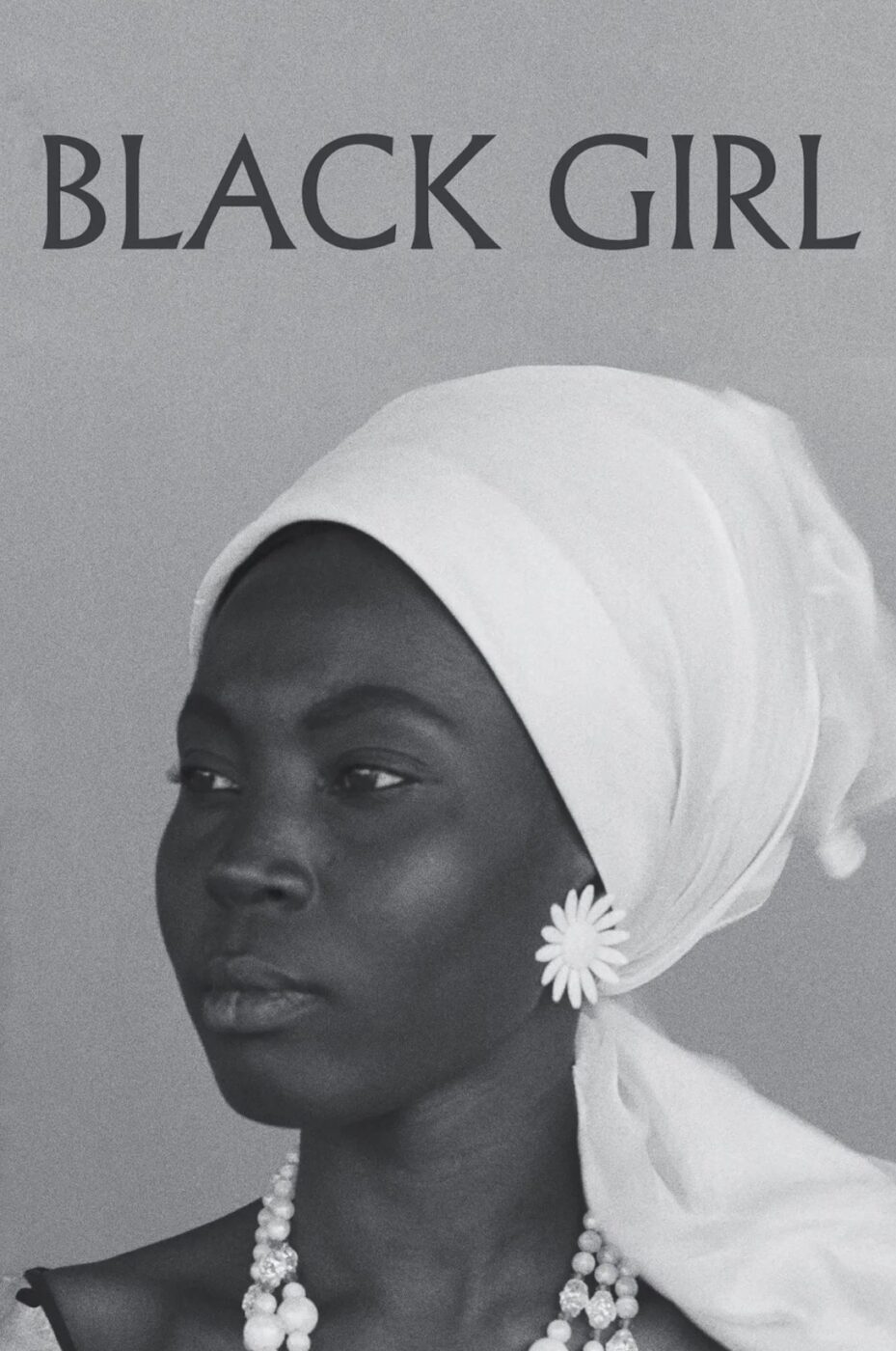
writer & director: Ousmane Sembène.
starring: Mbissine Thérèse Diop, Anne-Marie Jelinek, Robert Fontaine & Momar Nar Sene.