KLARA AND THE SUN (2026)
A robot girl designed to prevent loneliness tries to save a heartbroken family of humans.

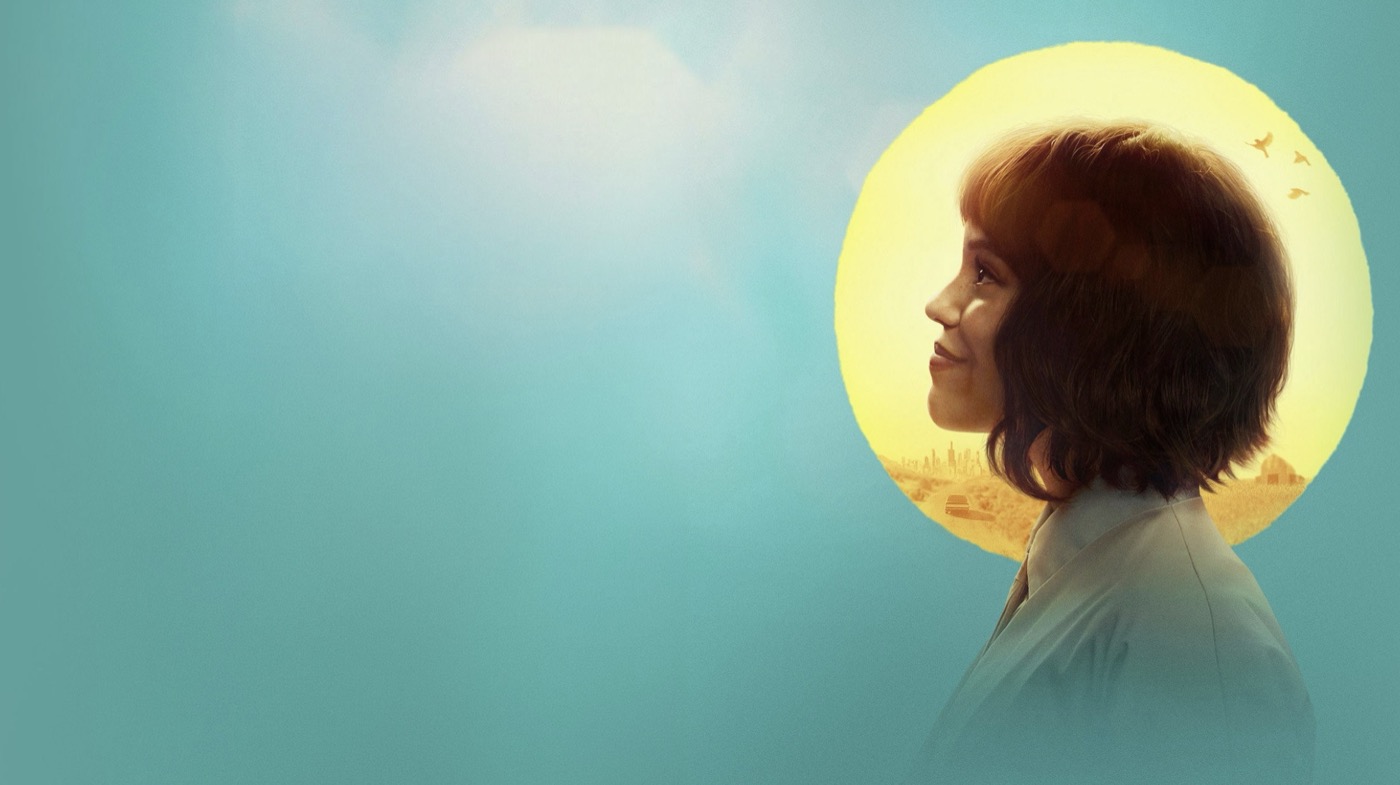

A robot girl designed to prevent loneliness tries to save a heartbroken family of humans.
Spike Jonze’s Her (2013) depicted a near future in which a lonely man falls in love with an AI chatbot. Even then, the premise felt far-fetched. What are love and connection without a soul, without genuine emotion? The film has since been oddly vindicated by the intensity with which some people have pursued ‘relationships’ with AI search engines such as ChatGPT.
The science-fiction subgenre about relationships between robots and humans is hardly new. We can go back as far as Fritz Lang’s Metropolis (1927) to find it on the big screen. But now, as artists grapple with how quickly AI has become part of our lives, the topic has surged in popularity. Filmmakers are exploring AI’s place in society, the dangers of losing our humanity and even the expanding definition of what it means to be human. The result is a near-saturation of the subject, making it increasingly difficult for each new film to stand out.
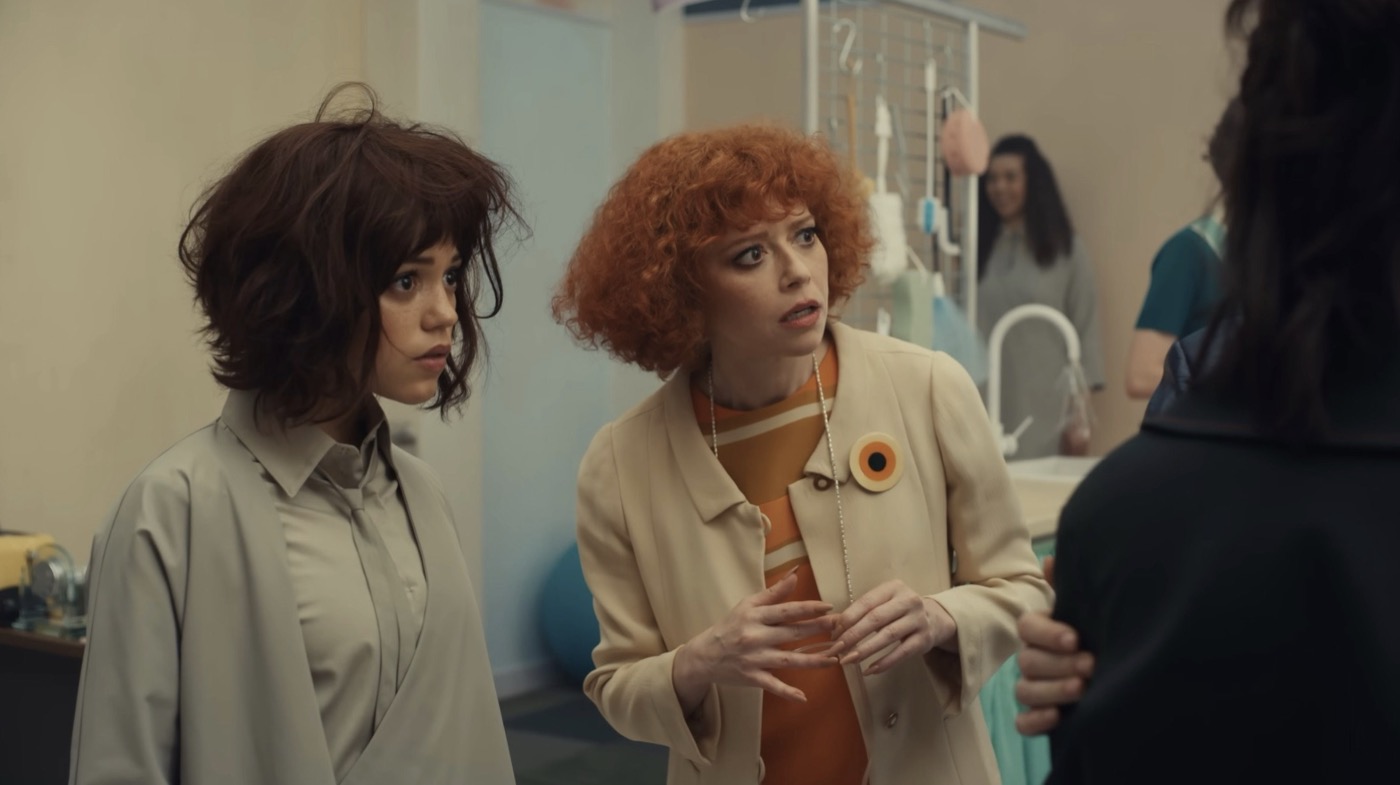
In Taika Waititi’s latest film, Klara and the Sun, based on Kazuo Ishiguro’s novel of the same name (Never Let Me Go), we encounter plenty of interesting questions about where the world is heading. But the film arrives at a time when there’s so much noise around these issues that it’s hard to embrace its radiant optimism.
Klara (Jenna Ortega) is an Artificial Friend (AF), but she’s a little odd, even for a robot. She spends her mornings talking to the sun through the shop’s shutters and sometimes stands on one leg like a flamingo. We don’t know how long she’s been waiting for a buyer, but the newest AF models across the street attract plenty of attention while her shop goes day after day without a prospective customer. Then Josie (Mia Tharia), a teenage girl, spots Klara in the window and approaches her. They mime to each other before Josie’s mother, Chrissie (Amy Adams), pulls her away. Luckily, Josie returns the next day to buy Klara and take her home.
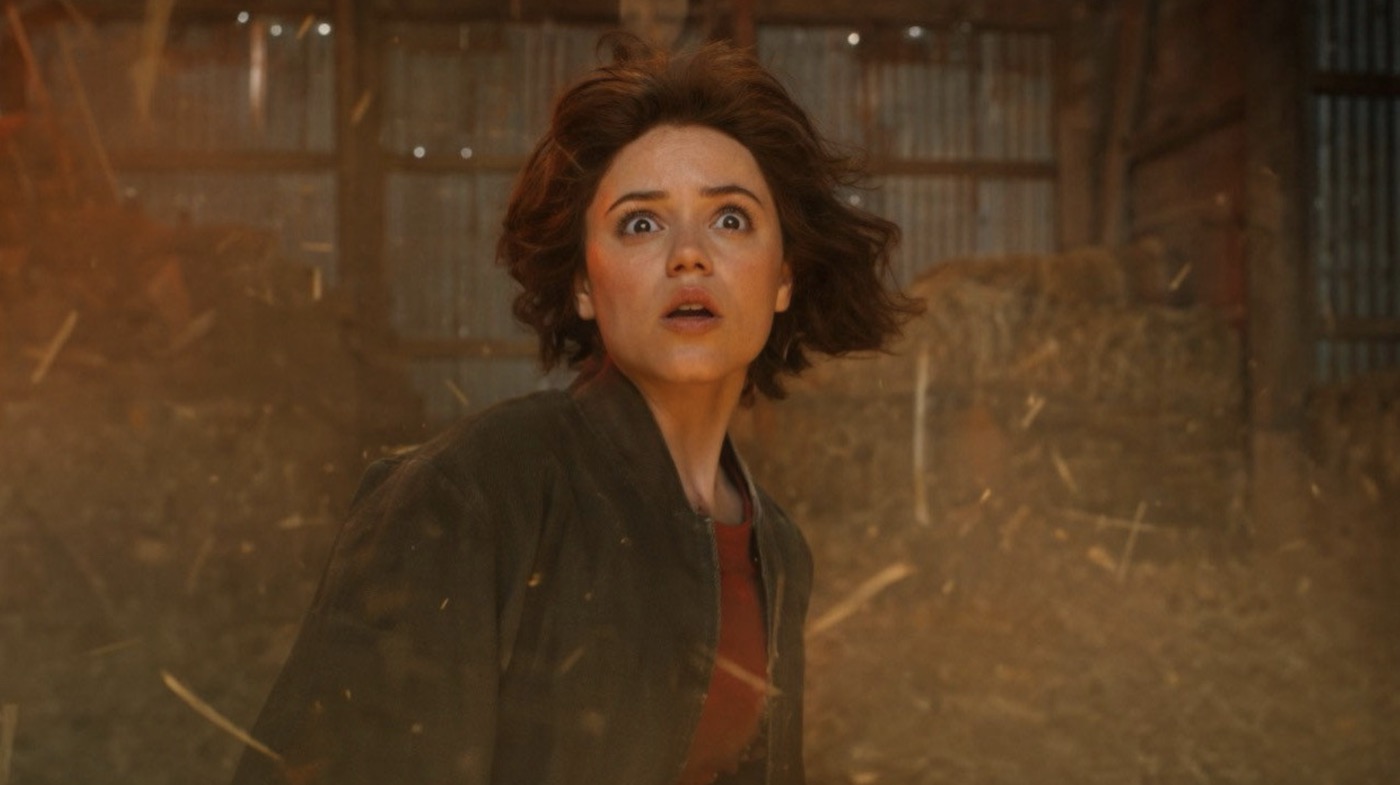
Josie and her mum live on a huge plot of land, in a mansion set on a small patch of grass surrounded by wheat fields. Chrissie and their housekeeper, Melania (Rachel House), are deeply distrustful of Klara. But Josie and Klara hit it off immediately. They spend their days messing about, walking through the fields and teaching each other what they’ve learnt. Josie herself is a little unusual. She’s undergone a procedure called ‘lifting’, which maximises her brain activity and makes her something of a superhuman. The procedure hasn’t been without complications: she often faints and suffers intense nightmares. This gives Klara a greater purpose than simply being Josie’s friend: she must keep her alive.
Klara and the Sun feels destined to divide audiences. It’s hard to buy into because the film is told from Klara’s point of view. Rather than simply observing the story, we’re meant to experience it as she does. From the disorienting shots of Klara calibrating to unfamiliar spaces to Michael Giacchino’s playful score, which reflects her inner feelings as she takes in the world around her, the approach is a surprising one. To Waititi’s credit, I like the gamble. If nothing else, it helps us connect with Klara and gives Jenna Ortega room to shine.
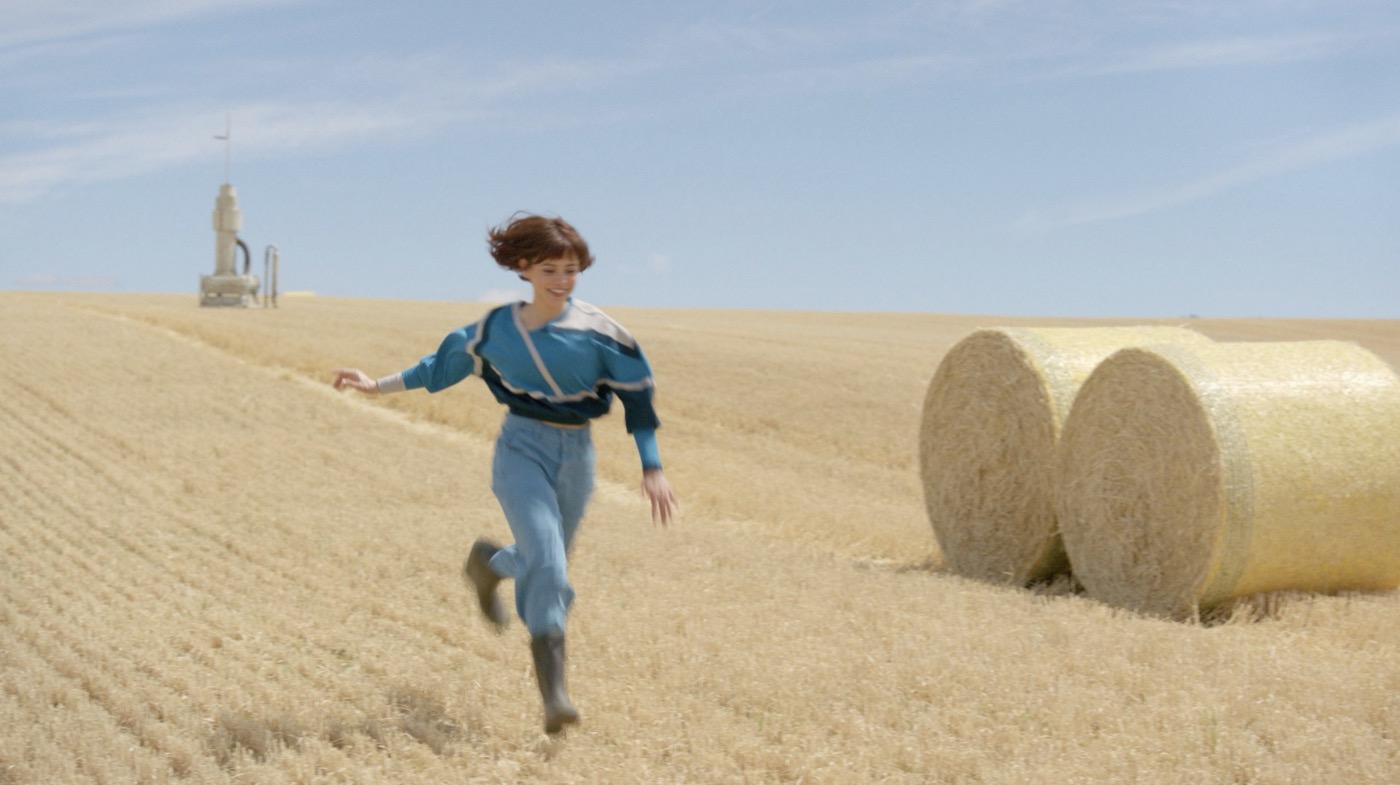
Ortega draws on her experience playing the intense, unblinking Wednesday Addams to shape her robotic character. Her performance is reminiscent of Emma Stone’s in the first act of Poor Things (2023): an innocent observer learning what it means to be human. Klara is a guileless creation, looking for the best in the world, and Ortega, a candid cinephile, is fantastic. It’s great to see her in a more demanding role, carrying a film with such poise and holding her own alongside Amy Adams.
Experiencing the film through Klara’s eyes is also where Waititi’s approach falters. Her optimism and naivety are constantly at odds with the serious themes the film touches on. Class is central to many of them. Josie comes from a wealthy family. Chrissie seems to be an interior designer with enough money to maintain the only patch of grass within a two-mile radius, employ a full-time housekeeper, pay for her daughter’s lifting procedure and buy a first-generation AF. Wealth and status are at the heart of the story. The film introduces new threads connected to these themes but never fully explores them.
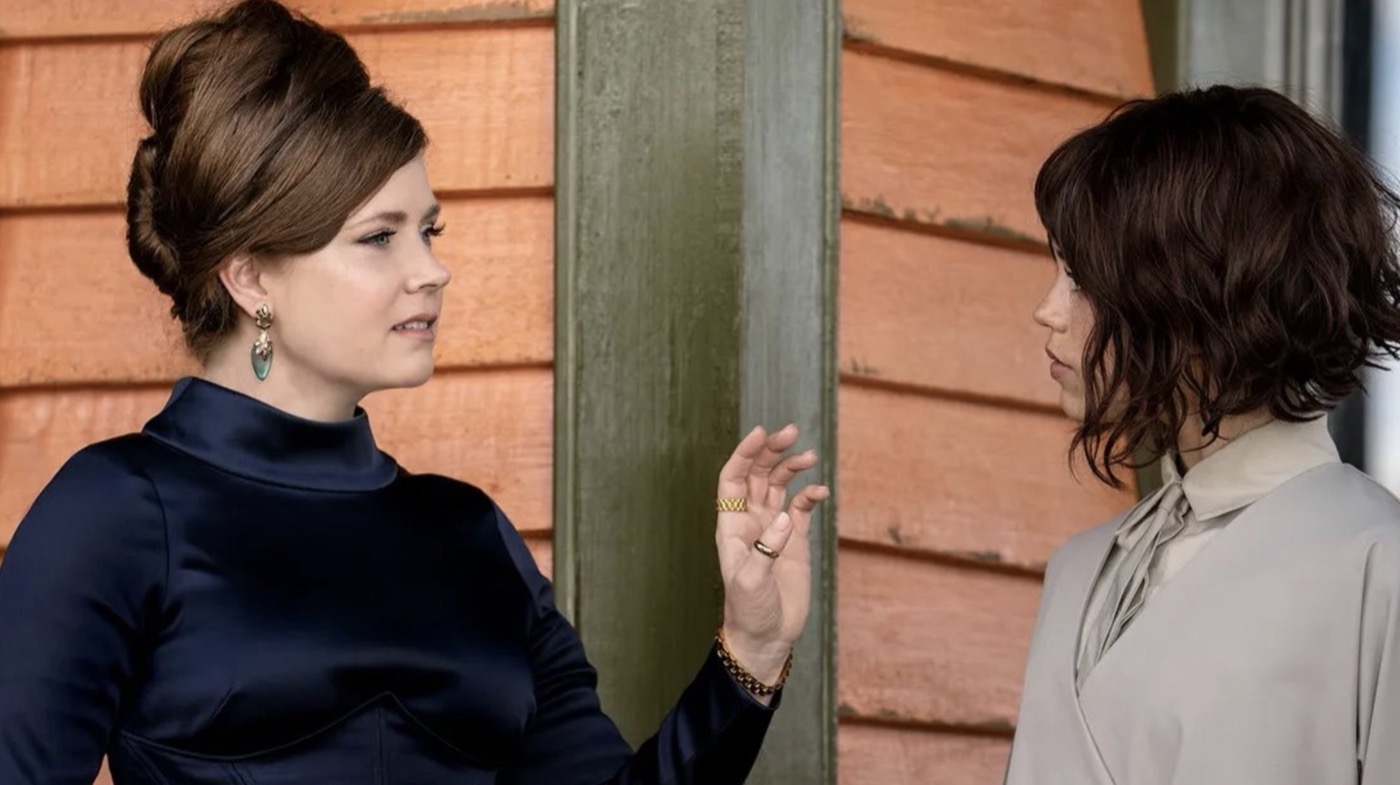
Josie’s boyfriend, Rick (Aran Murphy), is an ‘unlifted’ boy who’s destined to fall behind her because he hasn’t had the procedure. He’s presented as a nice kid, a complete foil to the ‘a-word holes’ among the other lifted children. Questions of class matter just as much to the human experience as love and connection, themes the film explores through Klara’s relationships with the other characters and the world. But without grappling with class, Klara and the Sun never feels complete.
At one point, Waititi gives in to one of his worst habits: undercutting an emotional moment with a weak joke. It’s a tendency that drew criticism from audiences and critics of Thor: Love and Thunder (2022). Rick tries to talk to Klara about the differences in class and experience between him and Josie, but Klara cuts him off with a joke, and the subject is never raised again. That moment is especially frustrating because the film offers glimpses of the old Taika Waititi. What makes earlier films such as Boy (2010),The Hunt for the Wilderpeople (2016) and even Jojo Rabbit (2019) so memorable is their juxtaposition of humour and darkness. Waititi knew when to let characters be human and confront their problems without resorting to cheap one-liners. He seems to have lost that instinct along the way.
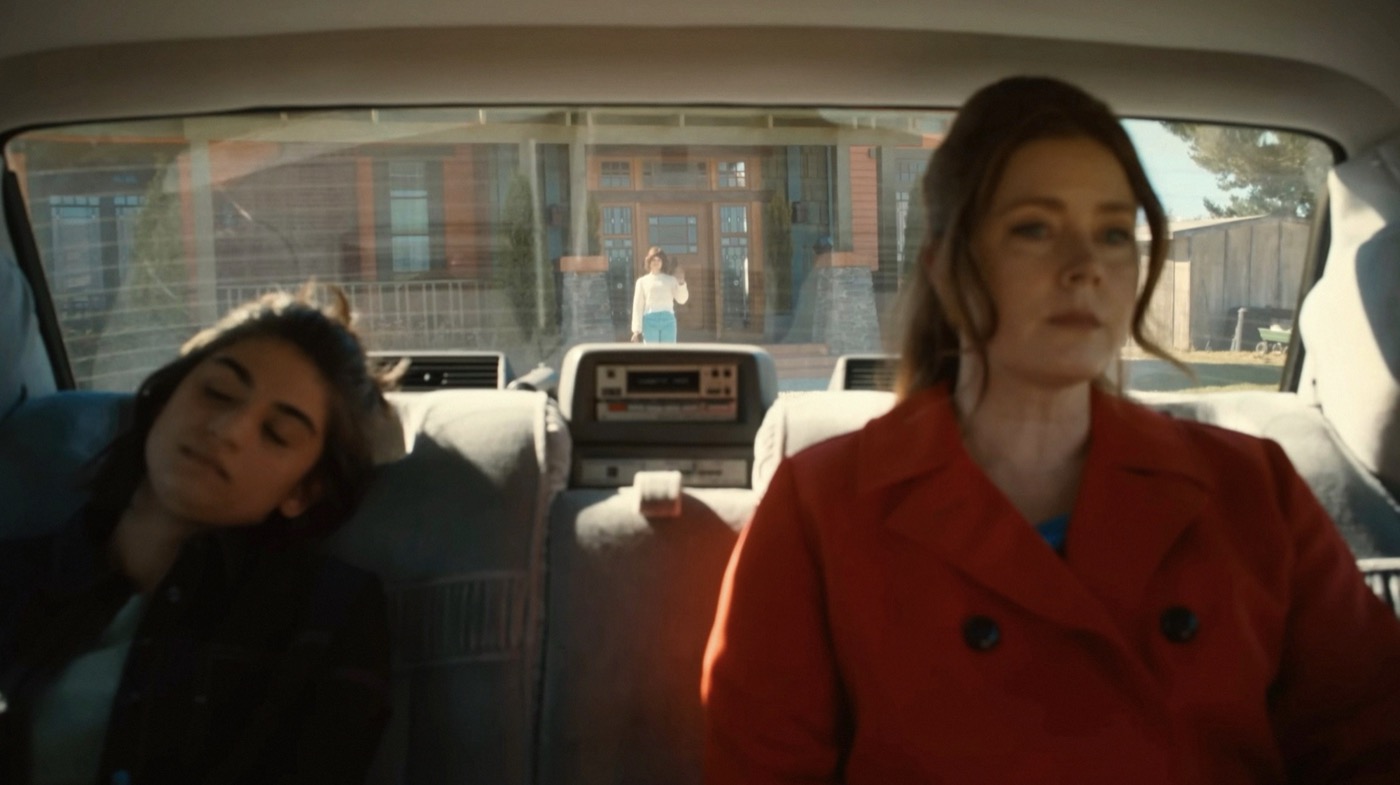
Klara and the Sun is a dark story, and to his credit, Waititi doesn’t shy away from the darker moments in Ishiguro’s novel. The final act explores them more fully, considering how to respond to grief and the grief that precedes a loss, while making the film’s position clearer: it’s more anti-AI and pro-human connection. But these moments of thematic clarity only make the scenes where comedy takes the lead stand out more. The film ends up feeling overstuffed.
Klara and the Sun is crammed with ideas. In its 116-minute runtime, it tries to address artificial intelligence, class, grief, what it means to be human and hope for the future. It does so with an optimism that feels unearned because it never takes a firm position on all these themes. Waititi is most interested in family dynamics and human connection, but that comes at the expense of some of the film’s more intriguing questions.
That’s a shame, because the film is a worthy attempt to tackle important subjects, anchored by a great central performance. I just hoped to feel more emotionally connected by the end. Instead, I left underwhelmed and more wary of a future shaped by wealth inequality and dependence on machines. I wish I could share Klara’s wonder at the sun, but the real world carries much more baggage when viewed without the perspective of an artificial intelligence.
USA • UK • NEW ZEALAND | 2026 | 116 MINUTES | 1.85:1 | COLOUR | ENGLISH


director: Taika Waititi.
writer: Taika Waititi & Dahvi Waller (based on the 2021 novel by Kazuo Ishiguro).
starring: Jenna Ortega, Amy Adams, Mia Tharia, Aran Murphy, Natasha Lyonne, Steve Buscemi & Rachel House.