OBSESSION (2025)
After breaking the mysterious "One Wish Willow" to win his crush's heart, a hopeless romantic finds that some desires come at a sinister price.

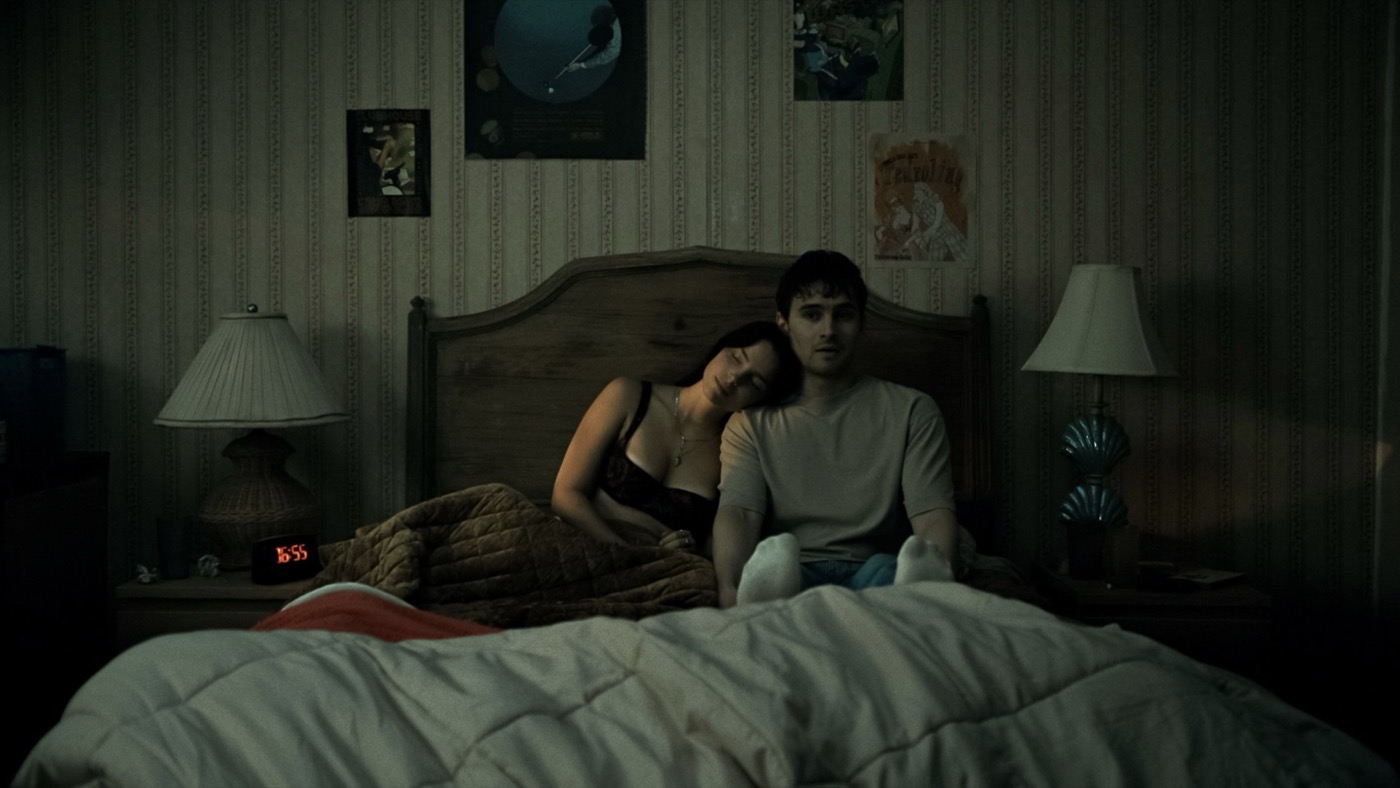

After breaking the mysterious "One Wish Willow" to win his crush's heart, a hopeless romantic finds that some desires come at a sinister price.
Contemporary horror has arguably never been in a state of flux as significant as that of the past few years. The post-Hereditary (2018) era saw the rise of “elevated horror” and its increasingly maligned pretensions. Several recent films with lofty thematic aspirations have repeatedly failed to deliver truly spine-chilling ideas or cohesive scares. Meanwhile, commercialised studio horror seems to be moving at a steadily declining pace regarding original ideas. The Conjuring has just reached a fourth centrepiece instalment, while reboot series like The Strangers trilogy and David Gordon Green’s Exorcist films have fallen on their faces or been scrapped entirely.
The industry now seems to be turning to alternative sources for fresh talent—finding it in both comedy and YouTube. Erstwhile full-time comedians Jordan Peele (Key and Peele) and Zach Cregger (The Whitest Kids U’ Know) have become bankable tentpoles for original horror, with Get Out (2017) and Weapons (2025) serving as pioneering fixtures in the mainstream. Furthermore, with YouTubers like the Philippou brothers (Talk to Me), Markiplier (Iron Lung), and Kane Parsons (The Backrooms) leveraging pre-existing audiences to get feature films made, studios are at a genuine crossroads regarding the effectiveness of traditional business models.
Curry Barker is a man with a foot in both camps; he made a name for himself with YouTube sketch comedy before demonstrating his prowess in horror. On his channel, “that’s a bad idea,” Barker and fellow performer Cooper Tomlinson have frequently collaborated on comedy sketches that pivot into horror shorts—an incubative demonstration of the common ground the genres share. Barker soon leapt into feature filmmaking with the 60-minute found-footage film Milk and Serial (2024), uploaded exclusively to his channel. That film, alongside his shorts, eventually caught the eye of financiers, allowing him to create a second feature on a larger scale.
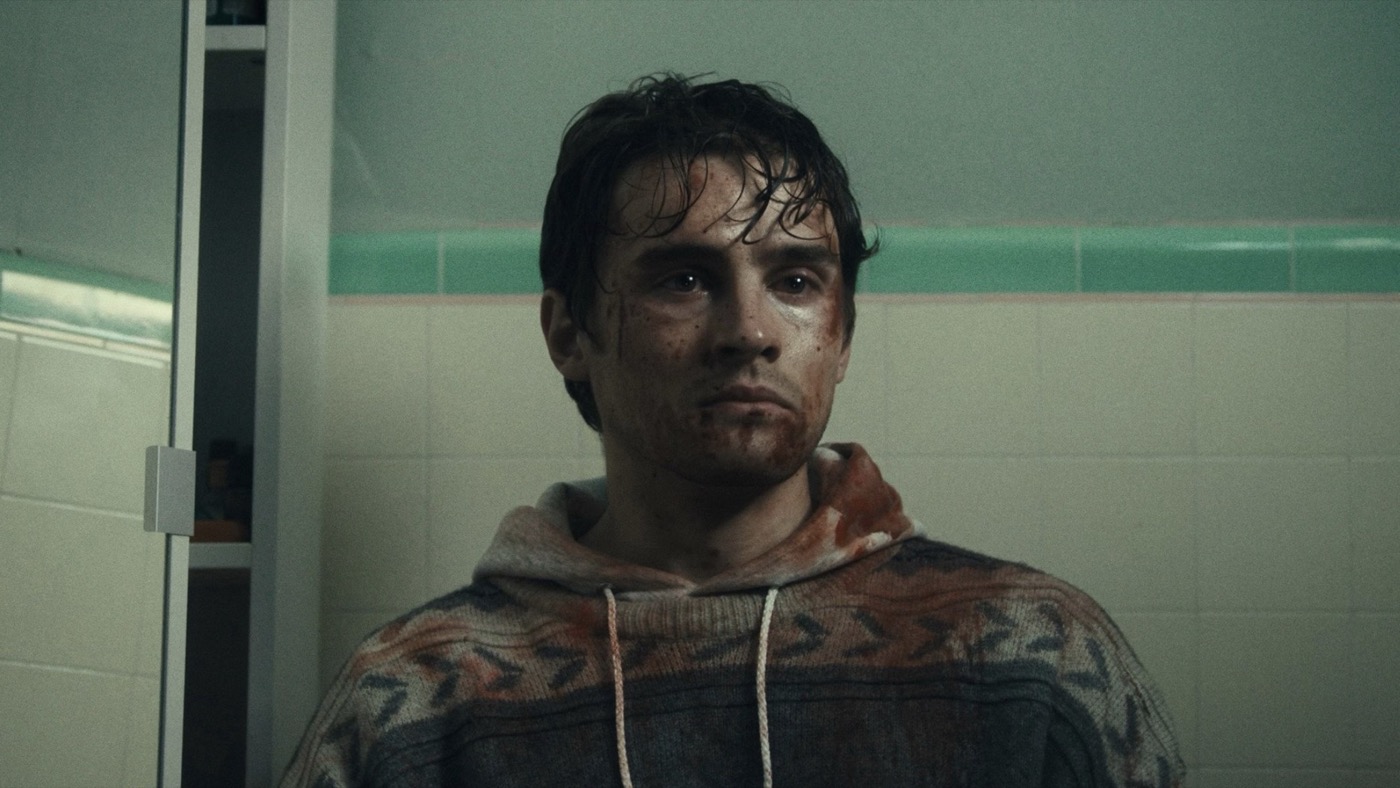
That feature is Obsession—the most sadistic horror film to be released in years. It’s a vicious subversion of romantic tropes that eviscerates the “nice guy’s” sense of entitlement. While Barker’s short films were often collages of ideas—loose in narrative but committed to moments of deep unease—those individualised scares have now found a cohesive structure. The result is a ruthlessly punishing “monkey’s paw” tale about the darkness lurking within obsessive desire. Barker’s aspirations here seem closer to Cregger’s conceptually cohesive thrill rides or the Smile films’ assaultive barrage of tropes. The end result is an expertly calibrated, mean-spirited film that’s sure to send audiences yelping in shock and withering in their seats as they brace for the horrific explosions of violence Barker has in store.
Obsession starts innocuously enough. A young man named Bear (Michael Johnston) is seemingly on the cusp of confessing his feelings to his longtime crush, Nikki (Inde Navarrette). He rehearses the confession with his closest friend, Ian (Tomlinson), at a diner; the awkwardness is amplified by the fact that all three, alongside their friend Sarah (Megan Lawless), work at the same guitar store. Bear is going through a difficult period: a troubled move to a new town and a fraught family history. It doesn’t help that, upon returning home one night, he finds his cat, Sandy, has died after being poisoned by pills he left out.
In his quest to find a gift for Nikki after she loses her necklace, Bear visits a crystal shop where he finds a “One Wish Willow” for sale. Branded in a 1970s-style box, the Willow promises exactly one wish to whoever breaks it. Bear purchases it on a whim. He looks for the right time to tell Nikki how he feels, trying to parse the signals she’s ostensibly sending. But when a golden opportunity strikes, he stumbles at the last second. Desperate for her companionship, Bear takes the Willow and seals his fate: “I wish Nikki Freeman loved me more than anyone in the fucking world!”
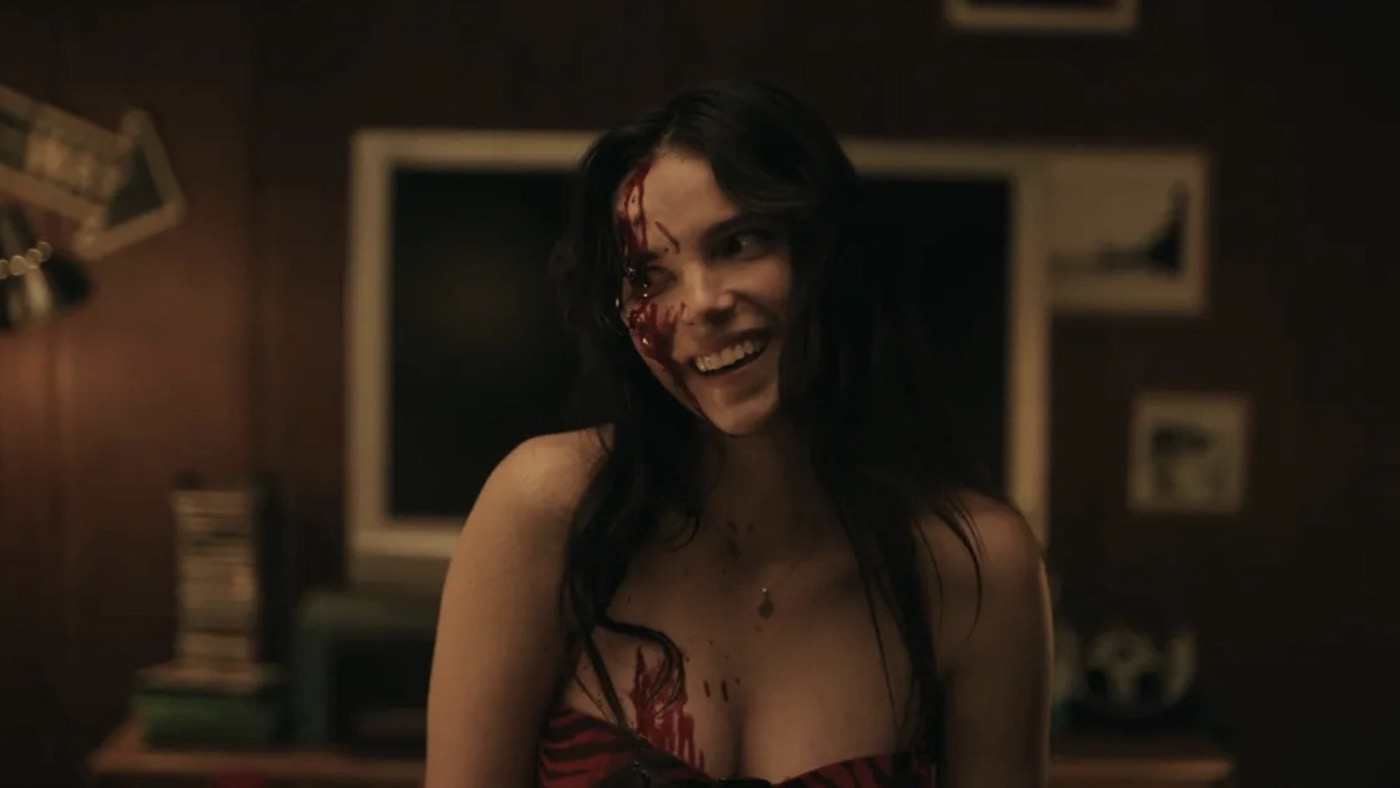
And indeed she does… but as with all such fables, Bear doesn’t anticipate the abject horror that follows. Nikki becomes insatiably infatuated, constantly seeking his approval and growing increasingly violent as he resists her obsession. Barker makes it clear from the first night that something has gone terribly wrong—Nikki is not in control. Every so often, amid bouts of doe-eyed attraction, the actual Nikki breaks through, as if escaping from Peele’s “Sunken Place” (a Get Out reference made explicit in one frantic scene). From there, everything spirals.
The commitment to escalating this simple premise to its logical conclusion over two hours might have grown stale in the wrong hands. However, Barker’s amassed expertise ensures he finds new sources of tension in every scene. How long can Bear tolerate Nikki’s volatility? How violent will Nikki become in pursuit of his attention? How will this destroy their friends? Where other filmmakers might have cowered, Barker doesn’t hesitate to find the ugliest possible answers and throw them straight at the audience.
Bear treads a fine line between craving Nikki’s love and being terrified of her violence. Johnston brilliantly captures Bear’s neurotically immature, emotionally stunted nature while acknowledging that his sickening entitlement has robbed Nikki of her agency. Meanwhile, Inde Navarrette is the most striking horror discovery of the decade. Her role demands three different states of being, and she pulls them all off perfectly: the true Nikki in self-destructive despair; the enchanted, yearning Nikki; and the unstable Nikki willing to annihilate anything in her path. She embodies the film’s terror, and Navarrette sells it completely.
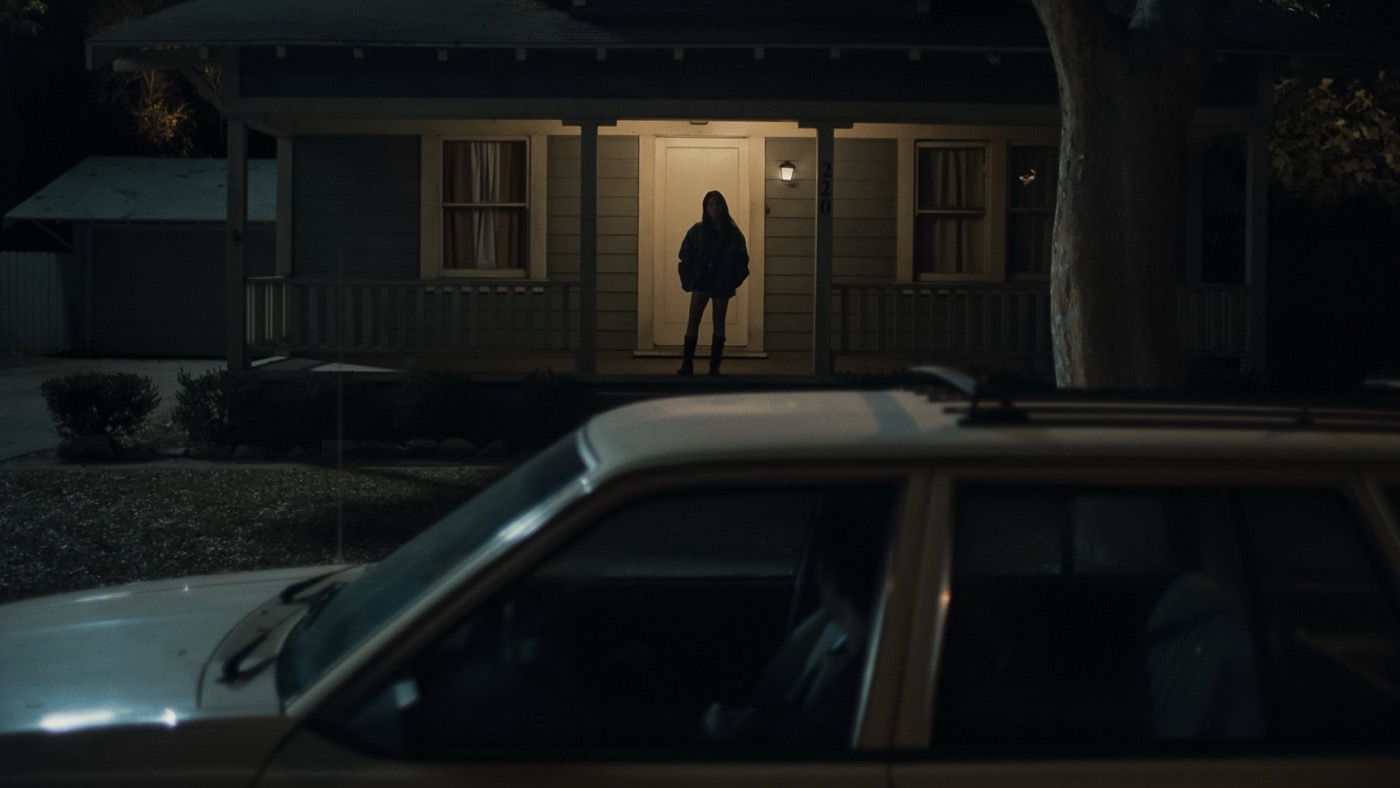
The horror is amplified by Barker’s formal composition. His editing lingers on moments of discomfort; a refusal to cut away makes certain scenes feel unbearable. Cinematographer Taylor Clemons uses shallow depth of field, shadow, and clever blocking to ensure visual obscurity keeps the viewer on edge. Rock Burwell’s oppressive, drone-laden soundtrack accompanies the most shocking jolts, while the sound design applies subtle distortion to Nikki’s voice and heightens benign sounds to destroy any sense of security.
Many modern horror films seem to have lost the knack for being legitimately cruel. For a genre primed to elicit unpleasant emotions and deal in death, there is an unrivalled darkness that often goes untapped. While Barker remains connected to his comedy roots—there are plenty of laugh-out-loud moments—there’s a satisfying sadism undergirding every second. Bear’s lust for adoration is brutally punished, and the destruction of Nikki’s agency is heartbreaking. No one is left off the hook—not even the audience.
Conceptually, Obsession isn’t perfectly tight. A few aspects of its core idea are left as broad gestures, stretching the story slightly longer than it can bear. But as a portrait of emotional extremities, Barker’s ability to root horror in formal intelligence—drawing on contemporary inspirations and even J-Horror (fans of Pulse will enjoy one particular bedroom scene)—is worth celebrating. This is a gnarly, deeply evil film willing to push the envelope of violence and emotional assault. It’s an amazing time at the cinema, effortlessly taking control of your nerves and playing with them like a tight rubber band. See it with a crowd or see it alone; either way, you’ll finally understand why the genies of old refused to grant wishes of love.
USA | 2025 | 109 MINUTES | 1.50:1 | COLOUR | ENGLISH

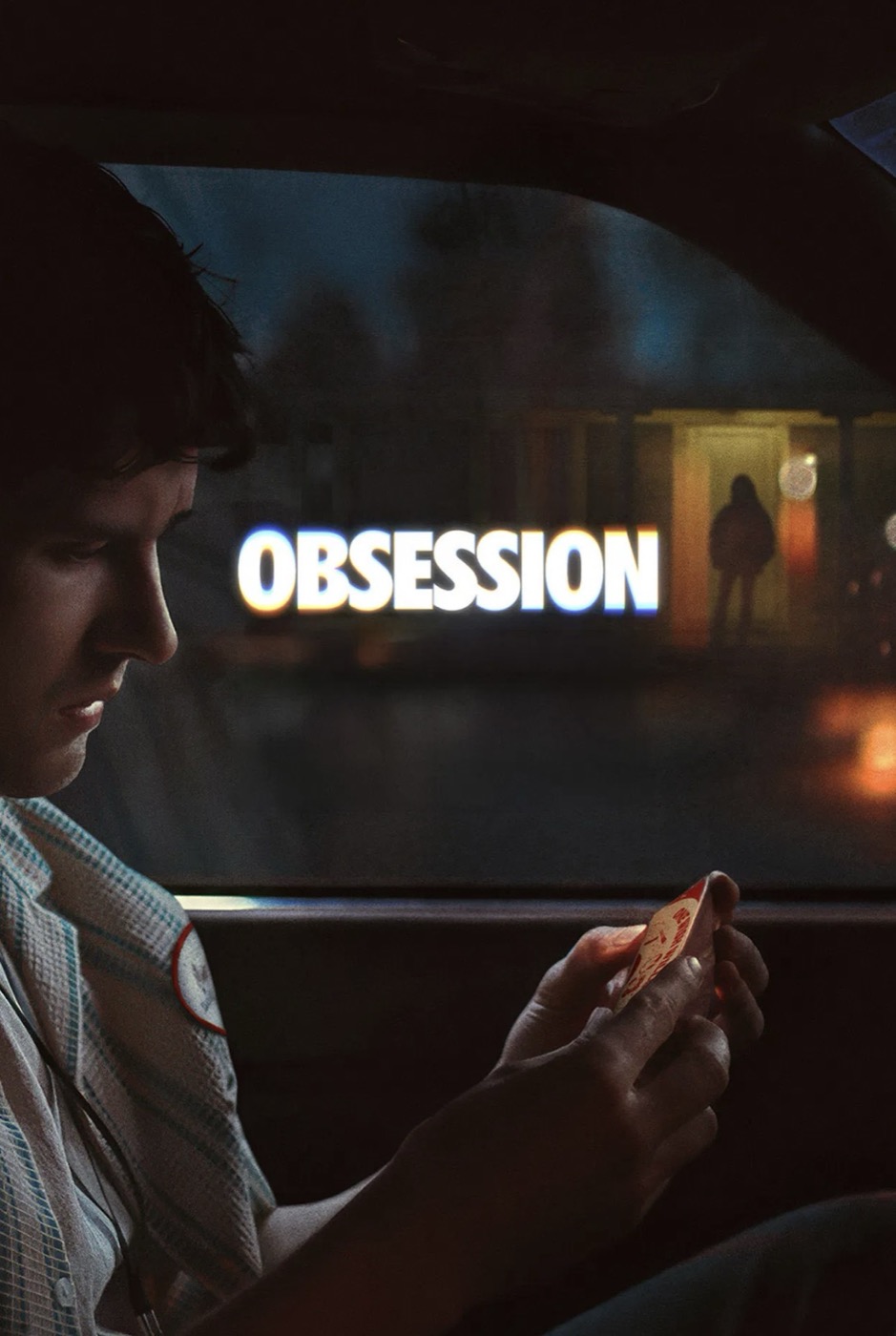
writer & director: Curry Barker.
starring: Michael Johnston, Inde Navarrette, Cooper Tomlinson, Megan Lawless & Andy Richter.