WESTWORLD (1973)
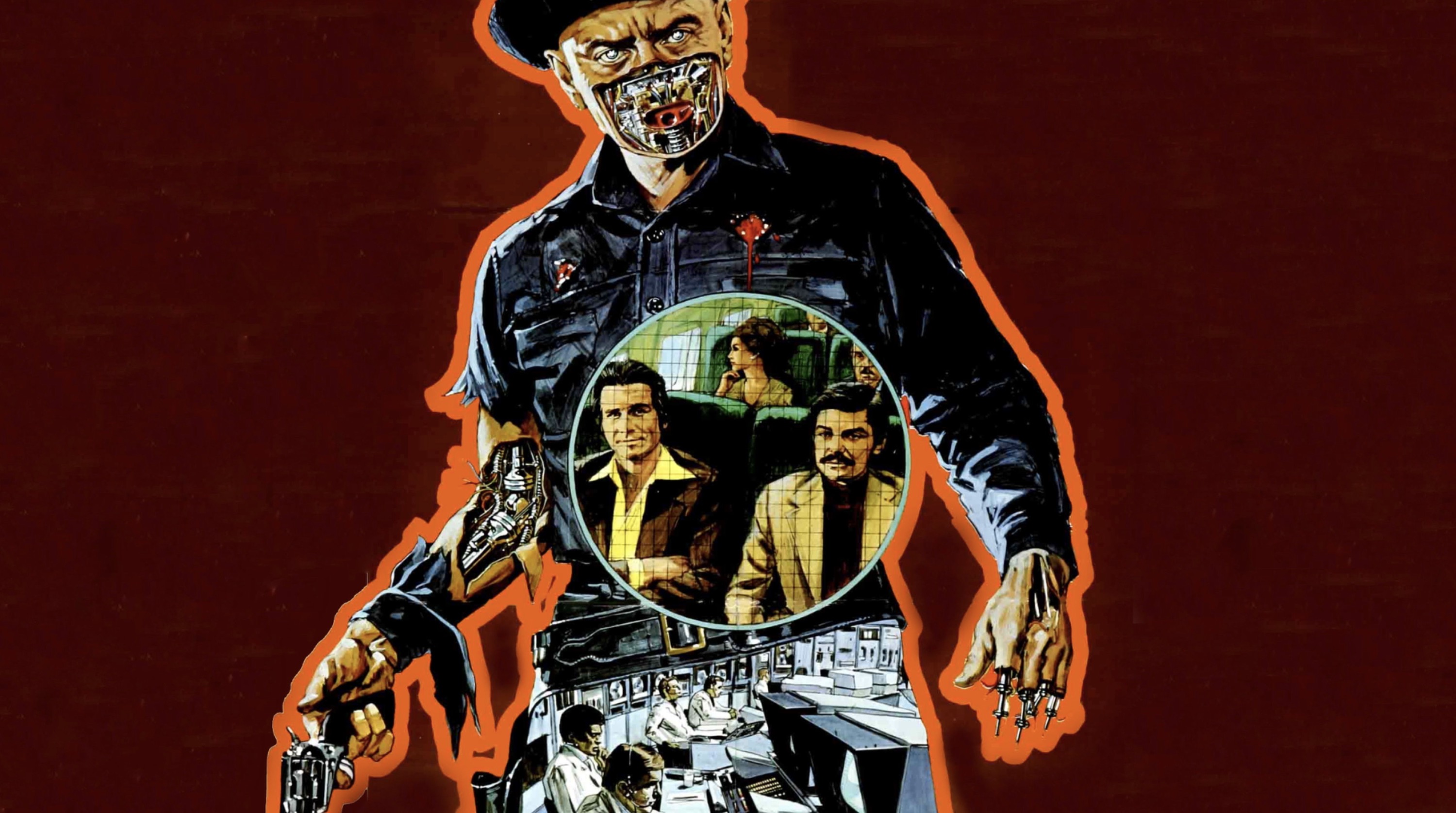
A robot malfunction creates havoc and terror for unsuspecting vacationers at a futuristic, western-themed amusement park.


A robot malfunction creates havoc and terror for unsuspecting vacationers at a futuristic, western-themed amusement park.
Michael Crichton is best known for writing the 1990 novel Jurassic Park, which Steven Spielberg adapted into a groundbreaking blockbuster three years later. Its success sent Hollywood scrambling to adapt more of Crichton’s work—Rising Sun (1993), Disclosure (1994), Congo (1995), and Sphere (1998). Having received a medical degree in 1969, he even created the long-running medical drama ER (1994–2009) off the back of Jurassic Park’s impact.
But it’s worth remembering that Crichton had been a prolific talent for decades before dinosaurs made him a household name, writing books that formed the basis for sci-fi hits The Andromeda Strain (1971) and The Terminal Man (1974), amongst others. He’s also a rare breed: a gifted author who successfully transition into writing screenplays and directing movies himself. Westworld is perhaps the apex of his talents in that respect.
Set in the “future” of 1983, the story follows a company called Delos that has created three amusement parks of unparalleled accuracy: Medieval World, Roman World, and the titular Westworld. For $1,000 a day, guests can role-play in these resorts, where the USP is that most people and animals they encounter are actually highly realistic robots. You’re free to live out your fantasies, which include the thrill of shooting gunslingers dead in a quick-draw, safe in the knowledge that no one is actually getting hurt. There are even safety protocols to ensure guns won’t shoot when aimed at warm-blooded bodies, meaning “friendly fire” situations with fellow holidaymakers are impossible.
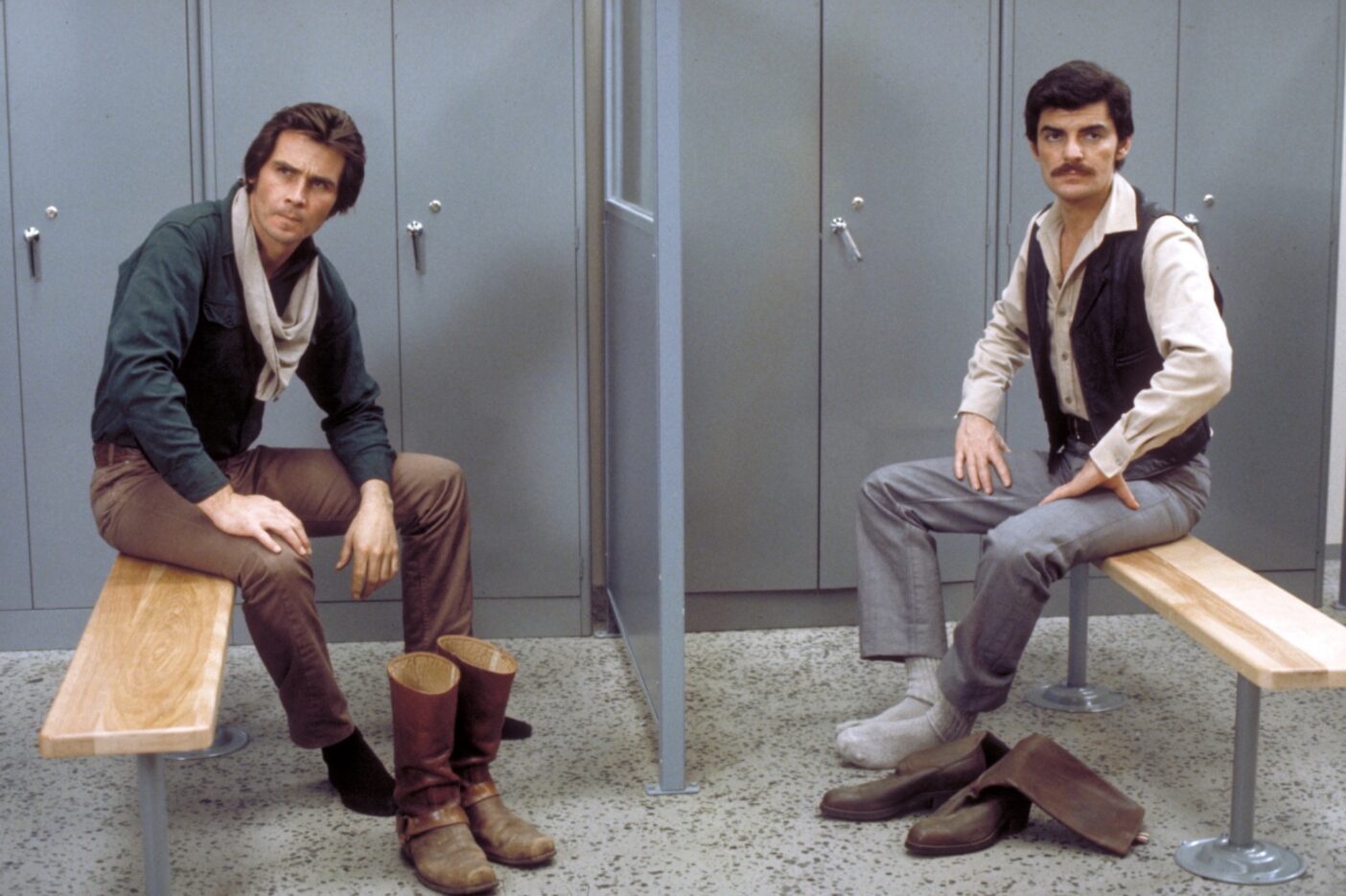
John Blane (James Brolin) is a park veteran returning to Westworld with his friend Peter Martin (Richard Benjamin). After choosing their costumes and weapons, they’re dropped into the park and begin moseying around. Peter is initially self-conscious but soon realises how much fun it is to live out childhood dreams. John, the more experienced visitor, is eager to help his friend unwind by sleeping with android prostitutes and getting into the kind of mischief that soon finds Peter locked in the Sheriff’s jail.
As everyone knows — even those who haven’t seen the film — the eventual twist is that the robots start to malfunction and ignore their programming. John and Peter soon find their lives are on the line, particularly due to the threat of a black-hat Gunslinger (Yul Brynner) robot that’s suddenly determined to kill them both for real.
Seen today, Westworld still has an irresistible premise. Indeed, Crichton effectively recycled the “high-tech theme park goes wrong” setup for Jurassic Park to even greater effect. But, naturally, aspects of it have dated, and events play out in a manner that feels a little undercooked for modern audiences. The main issue is how long it takes for the park to descend into chaos, as John and Peter’s adventures aren’t particularly exciting or complex.
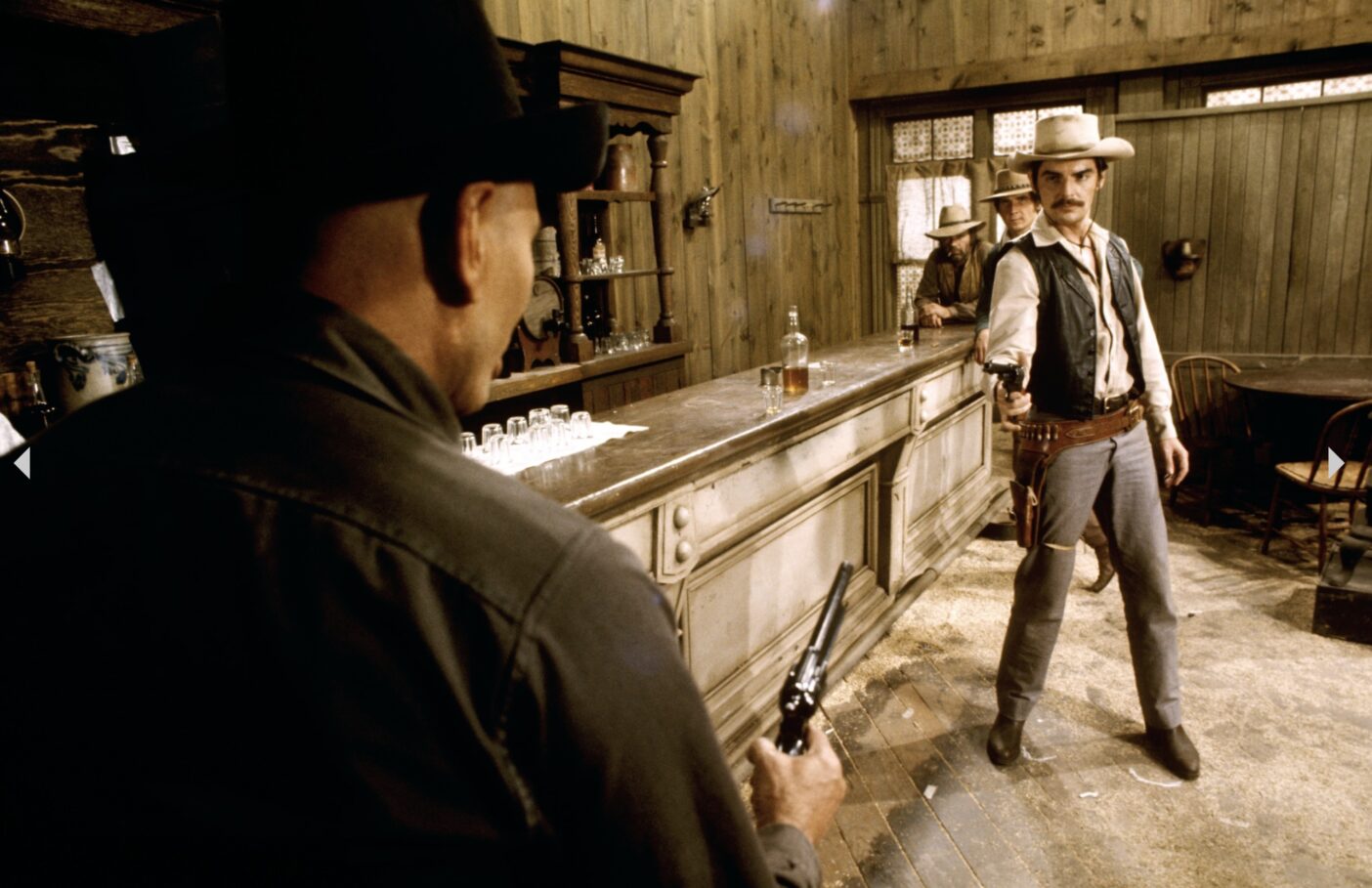
Considering this is a supposedly realistic place, indistinguishable from the Old West, none of the automatons the men encounter ever feel the slightest bit human. And while John and Peter do a few things you might have dreamed of as a boy, where is the high-stakes poker game, the bar-room brawl, or the high-speed train robbery? Westworld had a budget of just $1.2M, which perhaps limited its scope, but it makes the story feel thin and small. Because we spend nearly an hour before things go wrong, the film is mostly a rather tedious Western where the imposing Yul Brynner is easily killed — twice.
Things do pick up once John and Peter’s lives come under threat, but by then the film hasn’t established many characters for them to interact with. We only have the proto-Terminator of Brynner’s Gunslinger, determinedly stalking them at a brisk walking pace. And while the film notably contains the world’s first 2D computer-generated imagery (used to simulate an android’s pixellated view of the world), today it seems laughable that these high-tech robots have such blocky vision.
Another odd creative decision is the inclusion of the other Delos parks. The film is called Westworld, so it just muddies the waters to know some guests opted to visit Medieval World or Roman World. While it could have been an amusing reference — perhaps setting up a sequel — we actually drop into those other parks to watch events unfold. This only serves to split attention unnecessarily from our main heroes, as we witness strangers being slain by robots as their own holidays go horribly wrong. Wouldn’t it have made more sense to populate Westworld with more human guests who could be killed off, thereby increasing the tension for John and Peter?
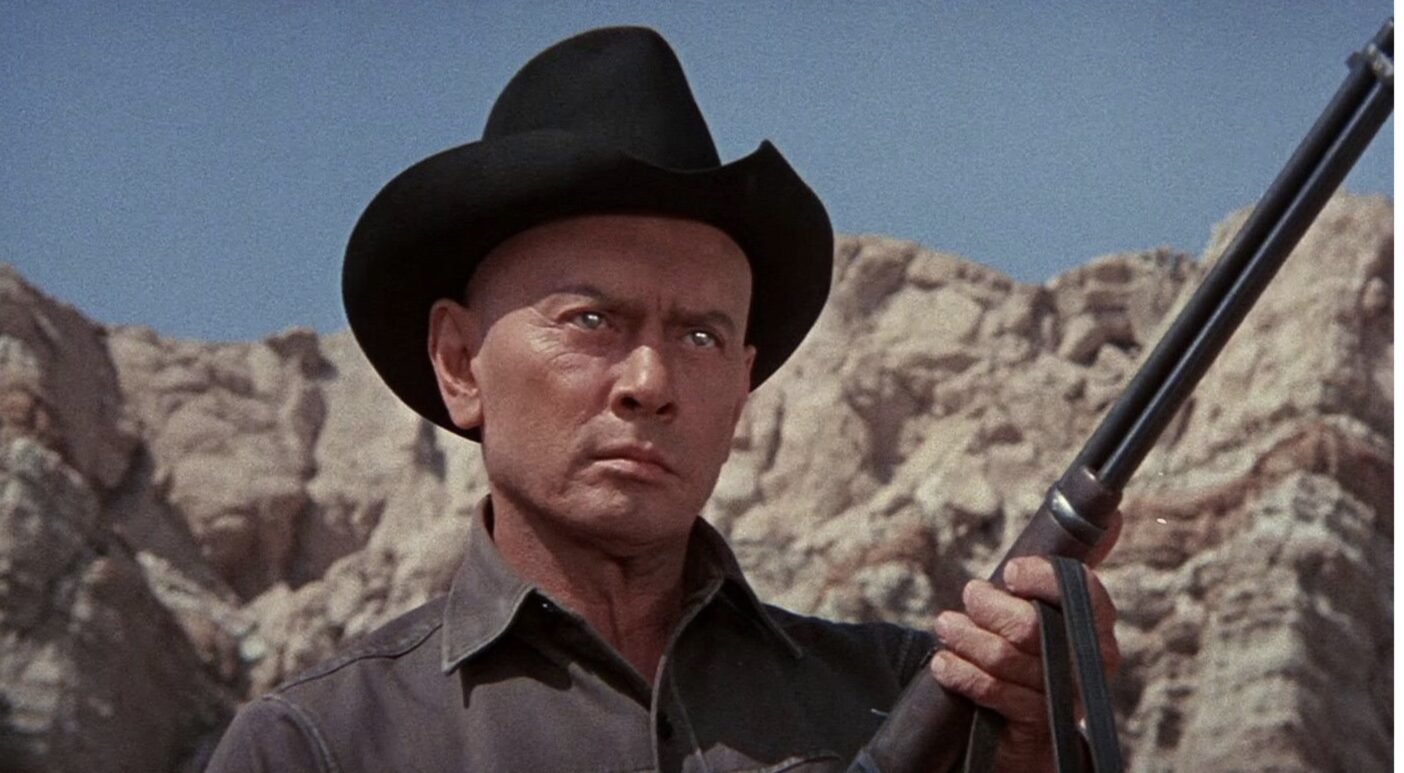
To be fair, Westworld is now an old film and it inspired many subsequent movies that explored its ideas better; even the way Peter defeats the Gunslinger echoed down into Predator (1987). There was a sequel made without Crichton’s involvement called Futureworld (1976), and he later returned to the franchise for a TV series, Beyond Westworld (1980), which only lasted five episodes. However, perhaps having more of an impact on how this 1973 classic is seen today, HBO’s big-budget TV remake (2016–2022) took the bones of Crichton’s idea and developed it further.
While that series perhaps lacked the focus of an 88-minute movie focused on guests running away from mechanical menaces — as later seasons dropped the amusement park setting once it had outlived its relevancy — the creators had more to say about artificial life and its creation than Crichton did in ’73. Back then, sci-fi was expensive if you wanted to create entirely new worlds, so any fun idea that cut corners by taking place in “the past” was easier to get made. Westworld is a genius cost-saving idea on that level, but it has little on its mind regarding what it means to be human versus a synthetic person; it’s more about the fun of seeing killer robots dressed as cowboys.
USA | 1973 | 88 MINUTES | 2.39:1 | COLOUR | ENGLISH

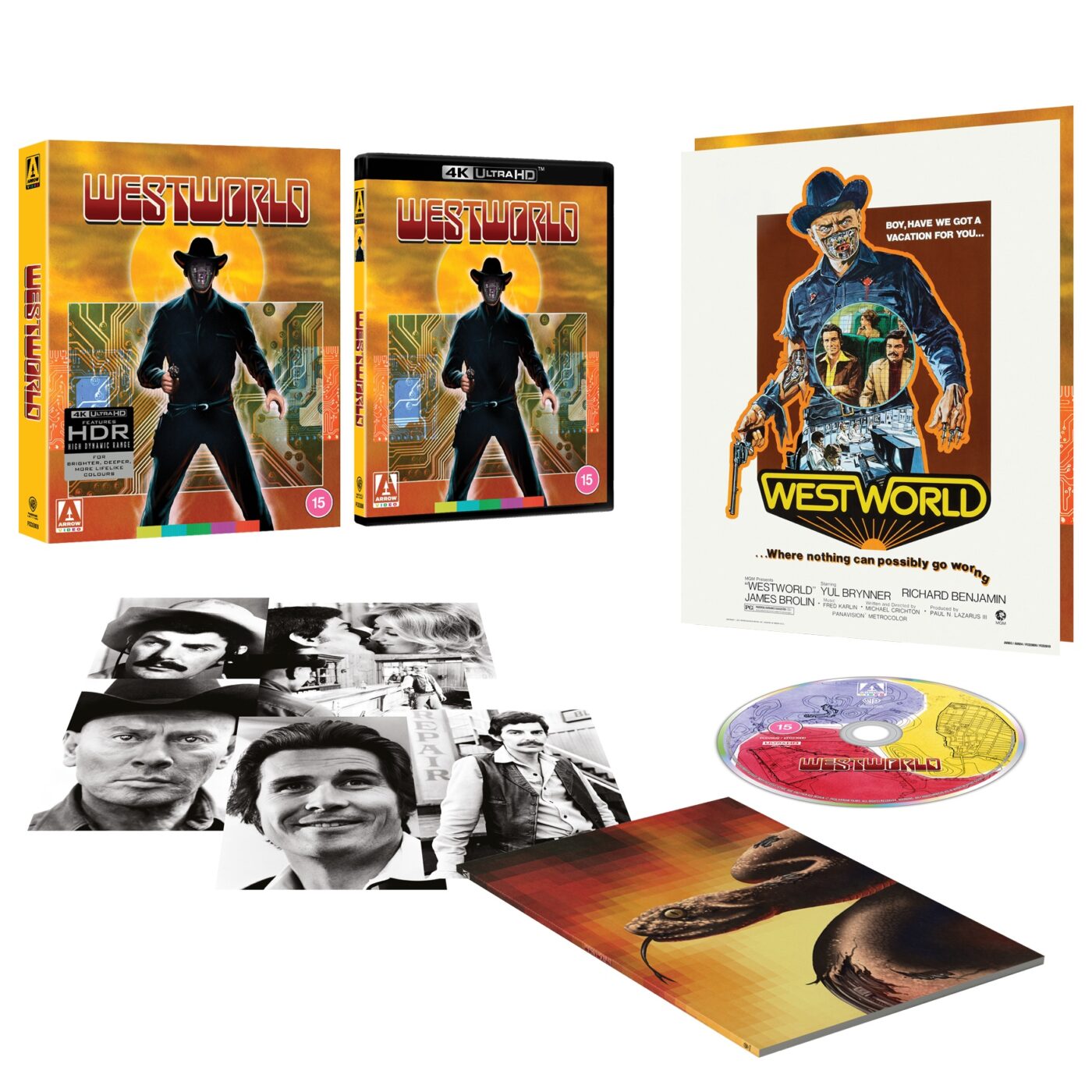
Arrow Video has restored Westworld for this 4K Ultra HD release, and the transfer shines brightest during the exterior shots of the Mojave Desert and the clinical, interior lab scenes. I wouldn’t say the image truly blew me away; as a relatively low-budget production from 1973, there are moments of distracting grain and fuzziness. Furthermore, some nighttime scenes felt a touch soft, lacking the inky depth you might expect from the format.
The audio tracks provide a solid range of options, from 5.1 DTS-HD MA down to lossless stereo in 4.0 and 2.0 configurations — there’s even a mono track for the purists. I opted for the 5.1 mix, though it didn’t particularly impress me regarding rear-channel activity or immersion. However, Fred Karlin’s score sounds crisp and the dialogue is always clear, which is what matters most.
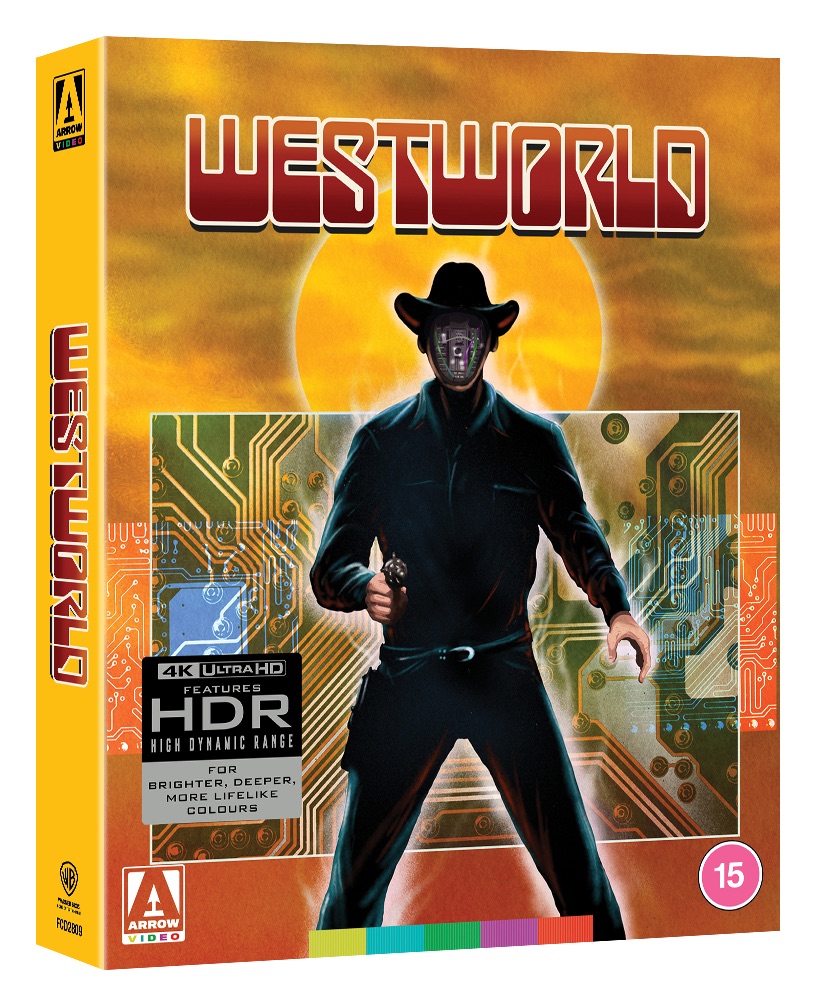
writer & director: Michael Crichton.
starring: Yul Brynner, Richard Benjamin, James Brolin, Norman Bartold, Alan Oppenheimer, Victoria Shaw, Dick Van Patten & Linda Gaye Scott.