JACKASS NUMBER TWO (2006)
Chris Pontius, Johnny Knoxville, Steve-O, Bam Margera, and the whole crew return to the screen to raise the stakes higher than ever before.

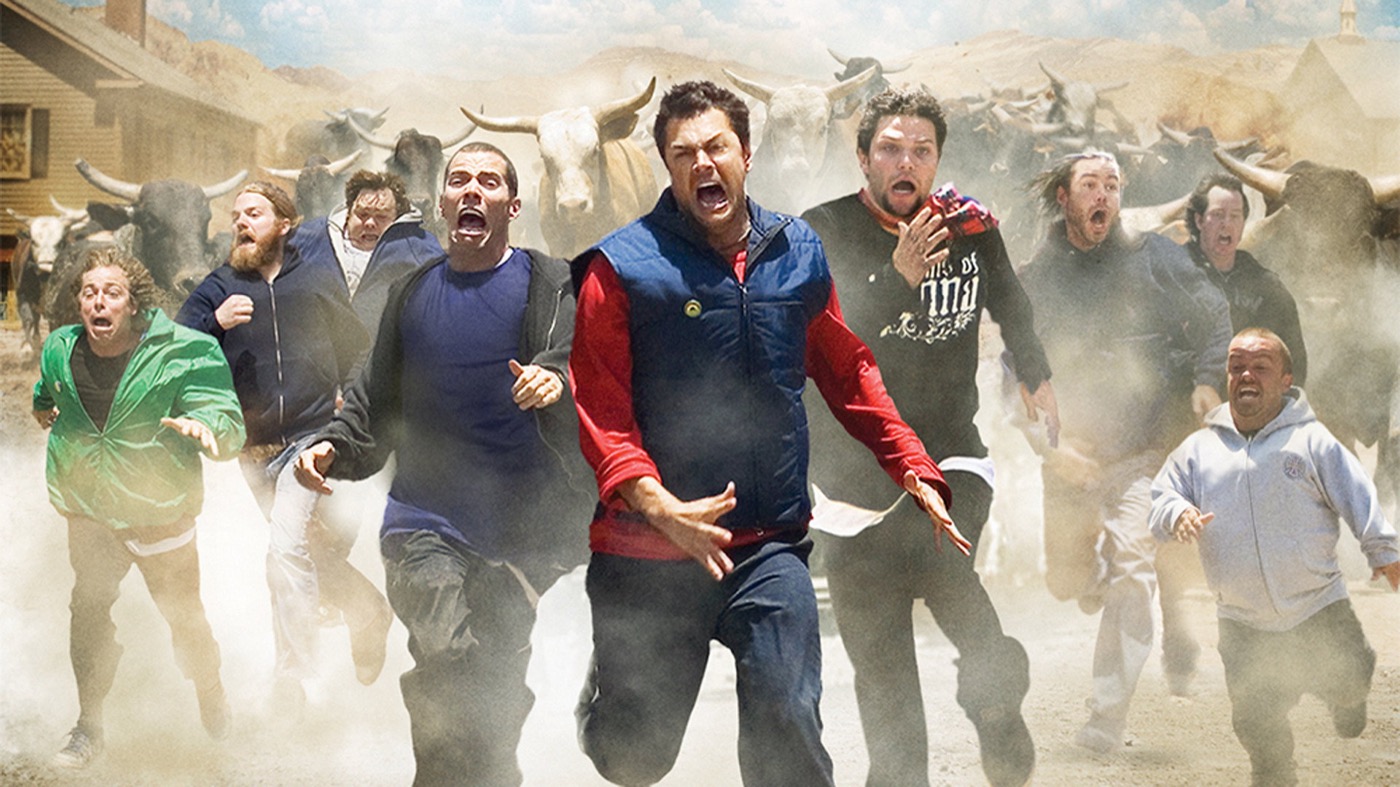

Chris Pontius, Johnny Knoxville, Steve-O, Bam Margera, and the whole crew return to the screen to raise the stakes higher than ever before.
“Nobody was saying we were too old, and just everything worked. The risks we were taking were off the charts. I really consider that second movie to be the masterpiece if there was one.” — Steve O, performer.
The entire cast of Jackass have answered which feature-length entry is their favourite, which one the fans love most, and what stands above the others even when they’re promoting the next sequel: it always comes back to Jackass Number Two. The film’s 20th anniversary provided the perfect opportunity to examine the secret behind its magic. I gave every Jackass film five stars on Letterboxd, so what has brought the best one down under critical reappraisal?
Jackass: The Movie (2002) will always hold that special spot as the original, punk-rock Blair Witch snuff film that your parents swore would rot your brain. Jackass Forever (2022) had 20 years of experience to polish near-perfection in laughs per minute. Number Two finds the same loveable crew on their way to the high-definition cartoon realm of Jackass 3D (2010), but not quite there yet.
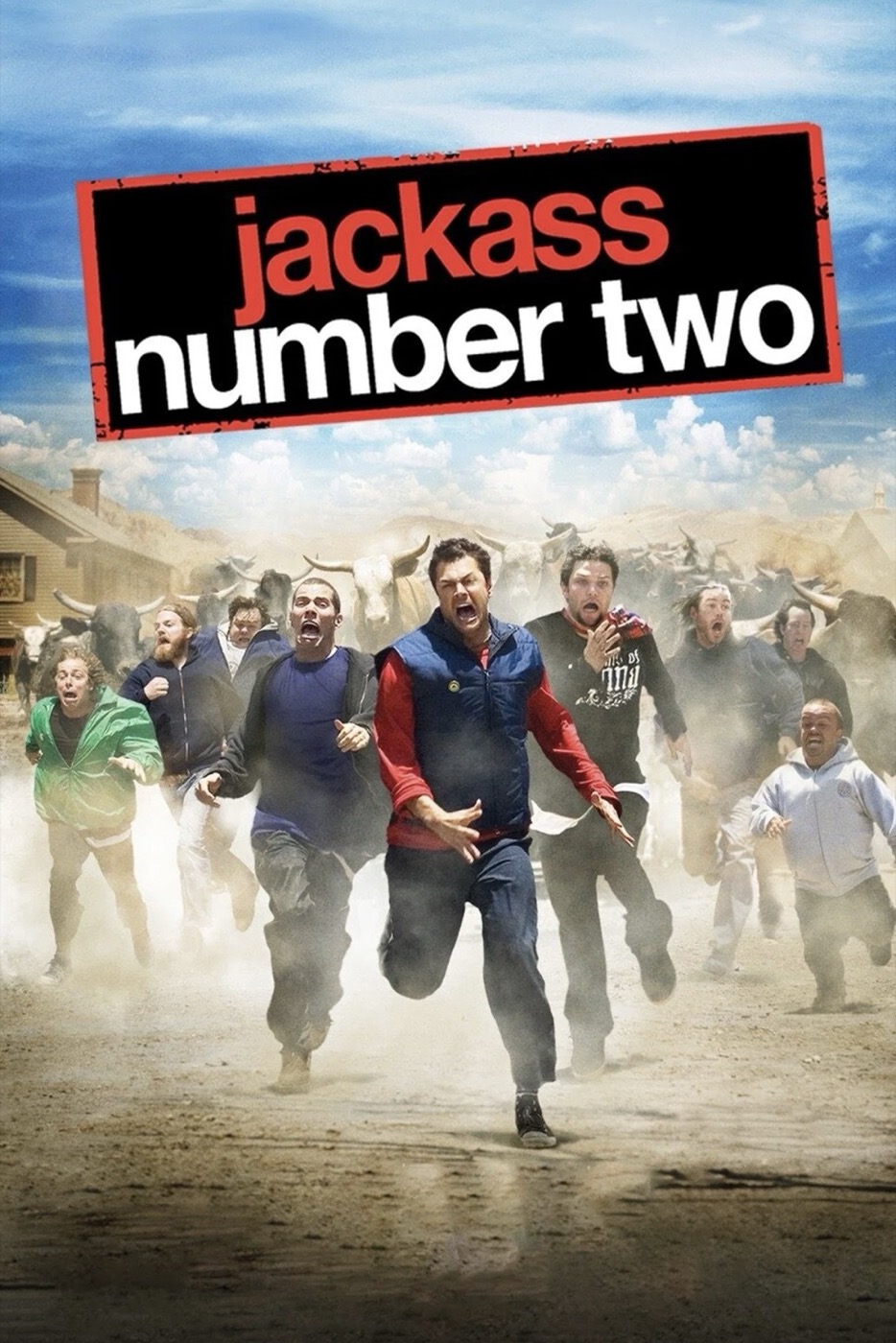
Cinematographer Dimitry Elyashkevich has spent almost 30 years shooting Jackass almost exclusively. His eye framed the insanity as far back as the skate magazine Big Brother’s proto-Jackass VHS tapes. Expanding that scale for the big screen brought a flair for the dramatic: smoke, slow motion, Ennio Morricone. Riding a shopping trolley down the street in the first film has evolved into a Spanish Running of the Bulls invading suburbia. Atoning for their ruinous stampede through the minds of our youth, the Jackass boys are running for their lives.
But that’s just the opening. Jackass remains firmly in grungy cinéma vérité territory. The boys find refuge to commit their deplorable antics in seedy hotel rooms and backwood clearings — the few glimpses of civilisation arriving via hidden-camera pranks. It’s a purgatory of non-linearity; ringleader Johnny Knoxville appears early on wearing a sailor hat, a bandaged hand, and a T-shirt smeared with what could be faeces. We might not get answers by the end of this runtime, but perhaps they’ll come later in the unrated cut, Jackass 2.5 (2007), or in the deleted scenes.
Having that much content is a blessing, given that the creative team decided there would be no more Jackass after the first film. Franchise director Jeff Tremaine followed that up with the wildlife stunt series Wildboyz (2003–06),starring Jackass alumni Steve-O and Chris Pontius. Soon enough, Knoxville began guesting, and kept guesting, until his friend Tremaine popped the question: would you do another Jackass?
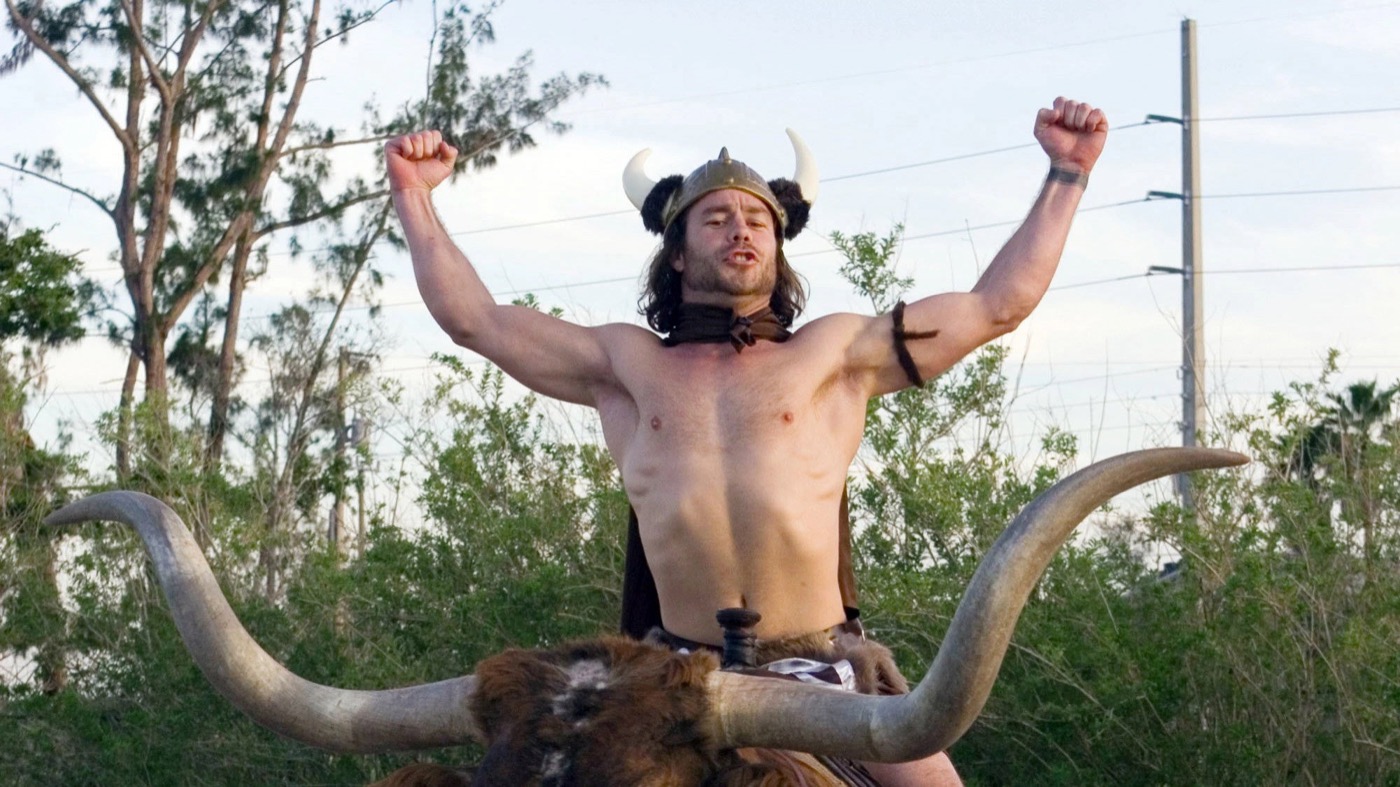
There’s a history of Jackass using animals for entertainment, and their spiritual spin-off didn’t get it out of their systems. There have been serious thinkpieces on whether their well-intentioned curiosity verges on animal cruelty, whilst PETA has protested and even fans are iffy on the deliberate provocation of animals. After the bulls comes a puppet show in which a live snake bites Chris Pontius’s penis. It’s dressed as a mouse, which is what makes it funny.
It’s less a matter of “no animals were harmed in the making of this” and more that cautious restraint chafes against their outlaw attitude. On-camera animal handlers, namely Manny Puig, regularly warn the cast not to harm the creatures during their freakouts. When they discover Bam Margera’s intense fear of snakes, he squeezes his way through their cage trap rather than stomping the poor reptile. That scaredy-cat reaction can be entertaining, but other snake handling has no possible punchline other than getting bitten.
There’s no surprise or shock, and it all comes off a little stilted. Even in that cinematic opening, the boys are clearly hurling themselves rather than being propelled by the bulls. The second and third times they use bulls only skirt boredom through repetition, saved solely by Johnny Knoxville’s apparent death wish. These films showcase a born entertainer who, in any fictional story, would have critics calling out the all-too-obvious foreshadowing that the character is about to die.
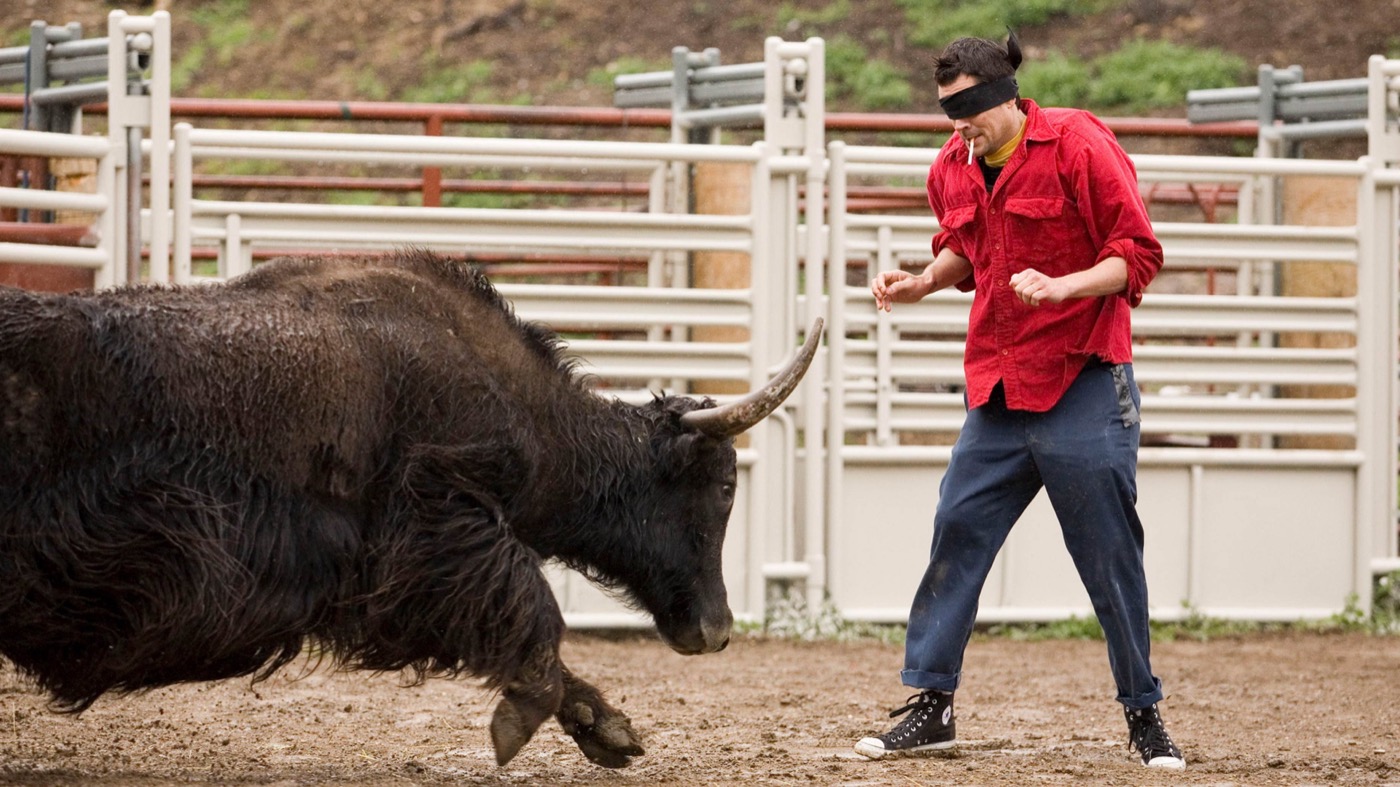
Jackass has long featured its iconic warning message, but the animators of old one-reel cartoons never expected to need their own. In tribute to Texas Tom (1950), Knoxville blindfolds himself and lights a cigarette before a bull rams him at full speed. The fact that this occurs 20 minutes in, with no build-up or fanfare, shows how unique these film events are. Surely this should be a finale? Clearly, it’s never enough. They mount a four-way seesaw intending to dodge the bull. These spectacles flirt heavily with danger as Ryan Dunn tries to bail and gets rammed against a railing several times. Knoxville pushes on — “I’m still not out!” — until cornered by a bull actively trying to gore him.
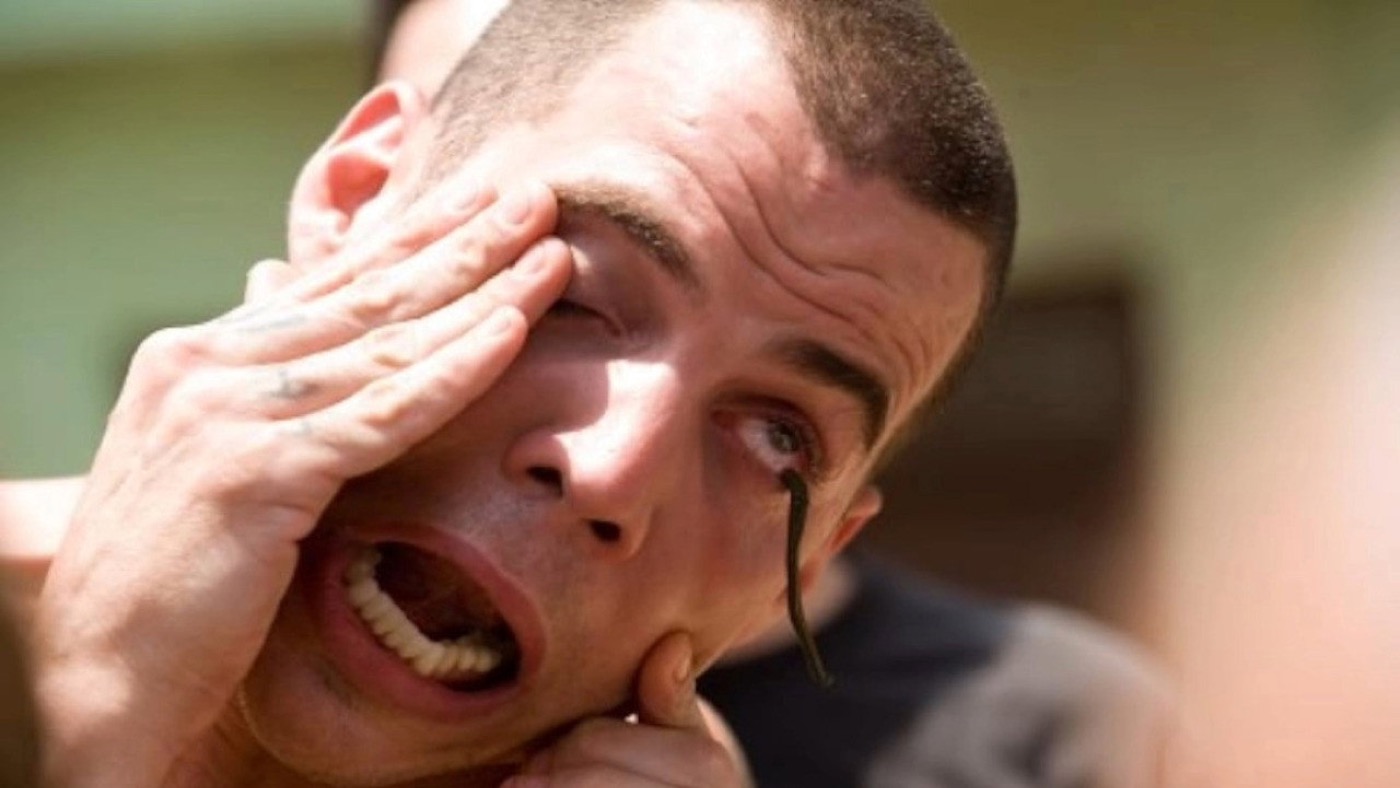
His friends try their best to match his bravado, and some come close. Steve-O places a leech on his eyeball and,arguably just as wince-inducing, Chris Pontius drinks horse semen. The latter must be worse, as the producers had to censor the act to avoid an NC-17 “pornographic” rating. It’s always useful to have Jackass inform audiences where the official line of bad taste is drawn.
If taunting animals isn’t great, what about pranking people? It may be technically impressive for Knoxville to spend three hours in make-up playing rambunctious retiree Irving Zisman, but I’d rather see these goofballs hurt each other than perform hidden-camera skits. The main problem is that their antics rarely garner a worthwhile reaction; most people simply ignore Spike Jonze’s naked grandmother out of sad pity. Zisman is threatened after trying to light his grandson’s cigarette, but are we laughing at the concerned citizen for not carrying out his threat, or because he displayed a sense of morality in the first place?
Tremaine and his cast of merry men understood that variety is the spice of life, but it takes away from the addictive core draw of Jackass: half-naked blokes knocking seven shades of shit out of each other. Social media has proven that humanity will never tire of watching people wipe out. Unique like snowflakes, no two falls are ever the same. With Jackass, you’re never going to see anyone do these stunts again — unless you’re in your twenties, stupid, and drunk with friends.
Knoxville rides a penny-farthing into a pile of snow, launching face-first into the asphalt. He manages to squeeze out,”My head stopped my body from getting really hurt,” between pained breaths. Strapping fireworks onto professional wheelchair rugby player Mark Zupan so he flies off a ramp into a lake is a great example of equality. If Dave England isn’t shitting himself, he’s eating it. Margera fills his parents’ house with snow so they can ski down the stairs. Jackasscould be sponsored by ACME, given their persistence in testing cartoon logic that works as well for them as it does for Wile E. Coyote.
The Jackass crew are human, and some of their bodily punishment matches Saw III (2006) from the same year. Steve-O, with help from Pontius, pierces his cheek with a fishhook — an act somehow more shocking than him flopping around the Gulf of Mexico while sharks circle him. The concept of having a penis branded into your skin with a hot iron is bad enough, but Dunn presses it down several times on Margera’s buttocks to create a sizzling penile collage.
Showing his parents afterwards is mortifying, but Jackass has never been about humiliation rituals. Its carpe diem attitude relies on momentary embarrassment while avoiding lingering shame, which can always be passed along through constant pranking. A charming test of camaraderie is seeing Margera fall victim to a prank and then lure in Steve-O, who then lures in Wee Man. Everyone knows the feeling of something being funny until it happens to you; Jackass works best when everyone is sharing the load. On that note, John Waters’ presence likely alerted some audiences to the reality that Jackass is pretty gay.
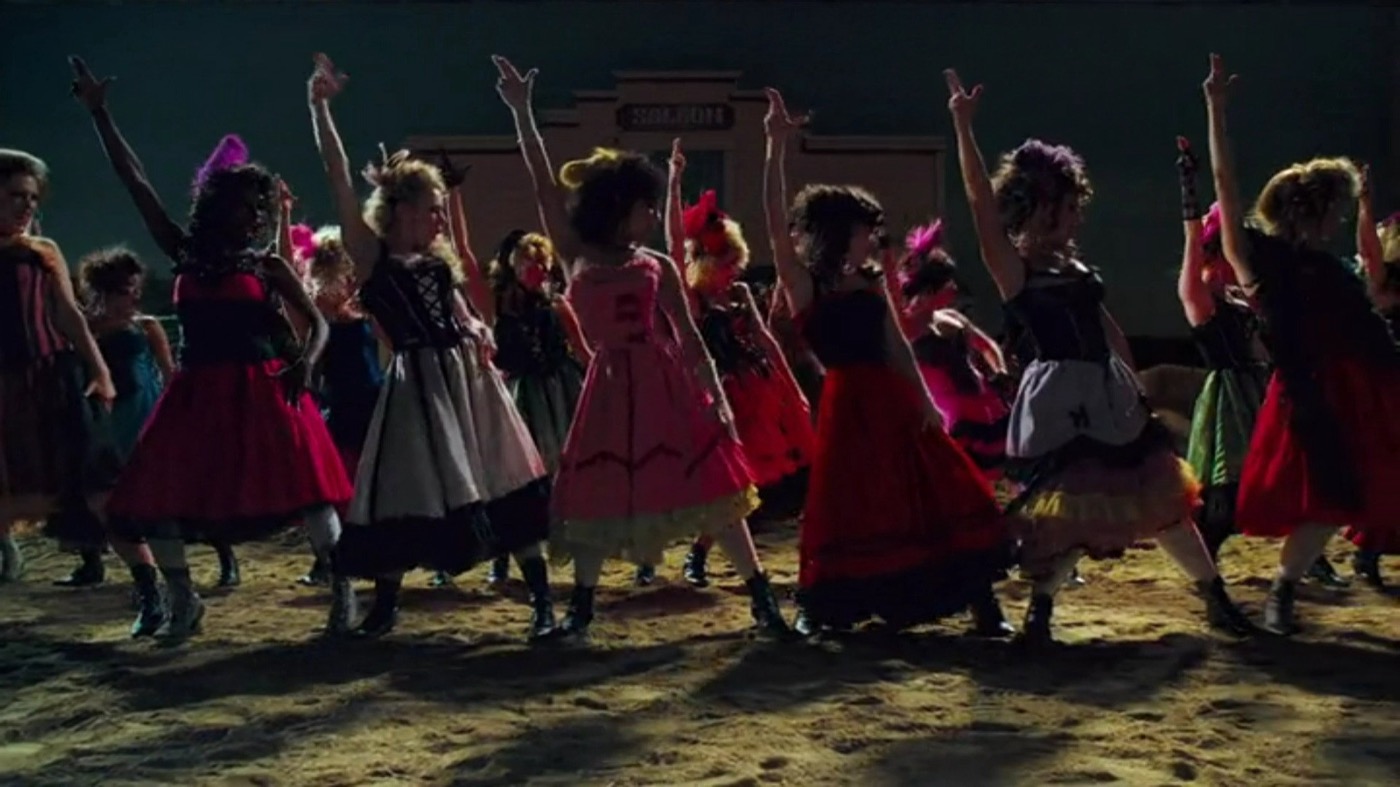
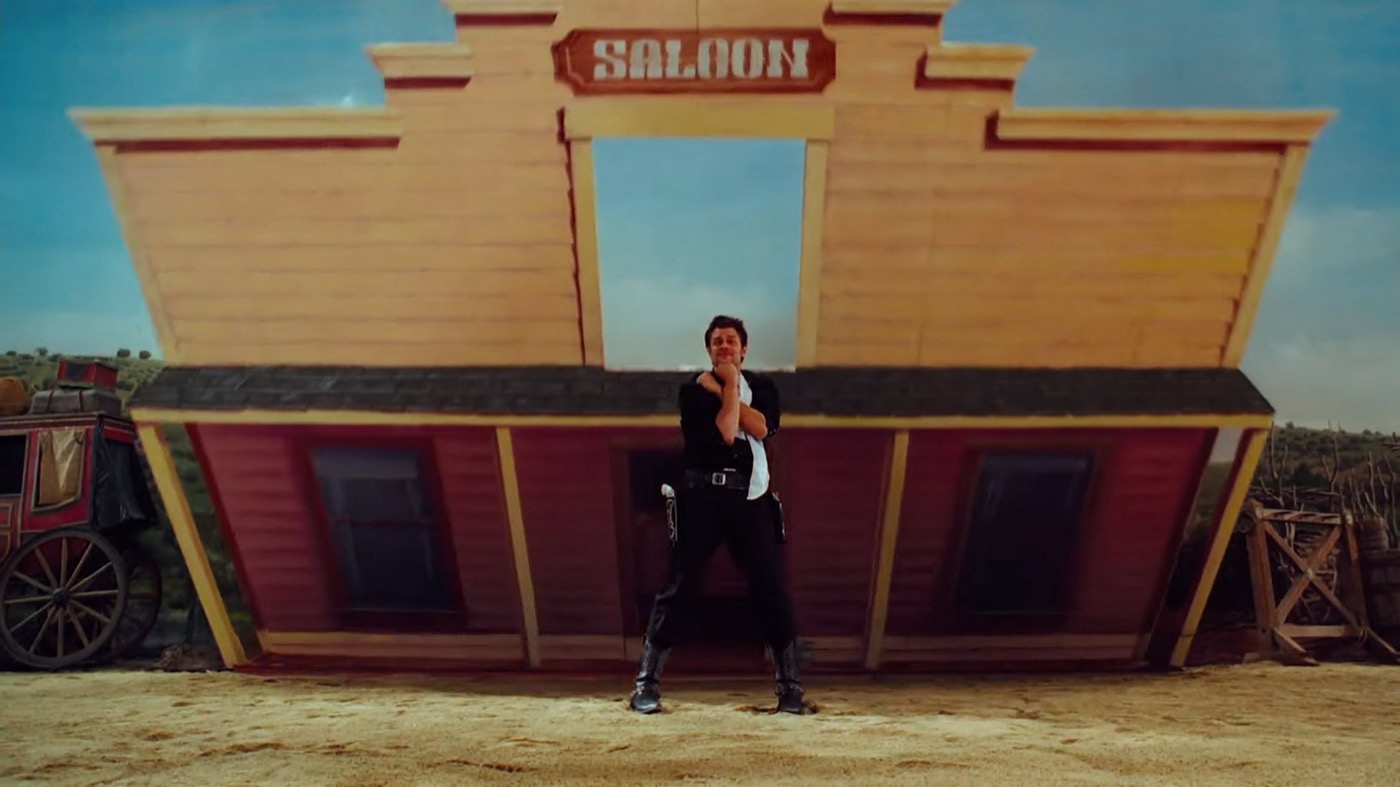
These hyper-masculine men of the era were anything but ashamed of exploring their bodies. “Bam just took a golden dildo up his ass at high speed” — and it was Margera’s own idea. Steve-O ‘butt-chugs’ beer. Wee Man gets his wee man out. Even the soundtrack is in on the joke, featuring homoerotic tracks such as “Rectal Bleeding”, “Fuck the Pain Away”, “My Ass Hurts So Bad”, and “Johnny, Are You Queer?” The grand finale features the whole cast singing “The Best of Times” from La Cage aux Folles, a musical about gay people comically performing heteronormativity.
“Michael Rooney, our choreographer, was amazing. The boys all took it seriously. We didn’t have to have a talk with any of them, they just showed up on set that day and they were all working hard trying to learn their dance steps.” — Johnny Knoxville.
But Knoxville takes it all seriously. A unanimous “fuck that” greets the prospect of standing in front of a 460 Claymore mine — a less-lethal riot control device designed to protect embassy gates from intruders (and yes, “less-lethal” is a legal distinction from non-lethal). Knoxville is the one man who convinces them it’s fine, because he’s already shot himself in the chest. The big red rocket is a classic, if only for the failed attempt that nearly kills Knoxville. It’s a near-fatal miss for a man who barely registers an ounce of fear over such a close call, shrugging it off with, “That woulda been a picture wrap on ol’ Knoxville, ha ha haaaa.” If that doesn’t speak volumes in this exposé on adrenaline junkies, then watch the ‘Making Of’ featurette, where Knoxville records himself running into street signs up to two weeks after Tremaine called a wrap.
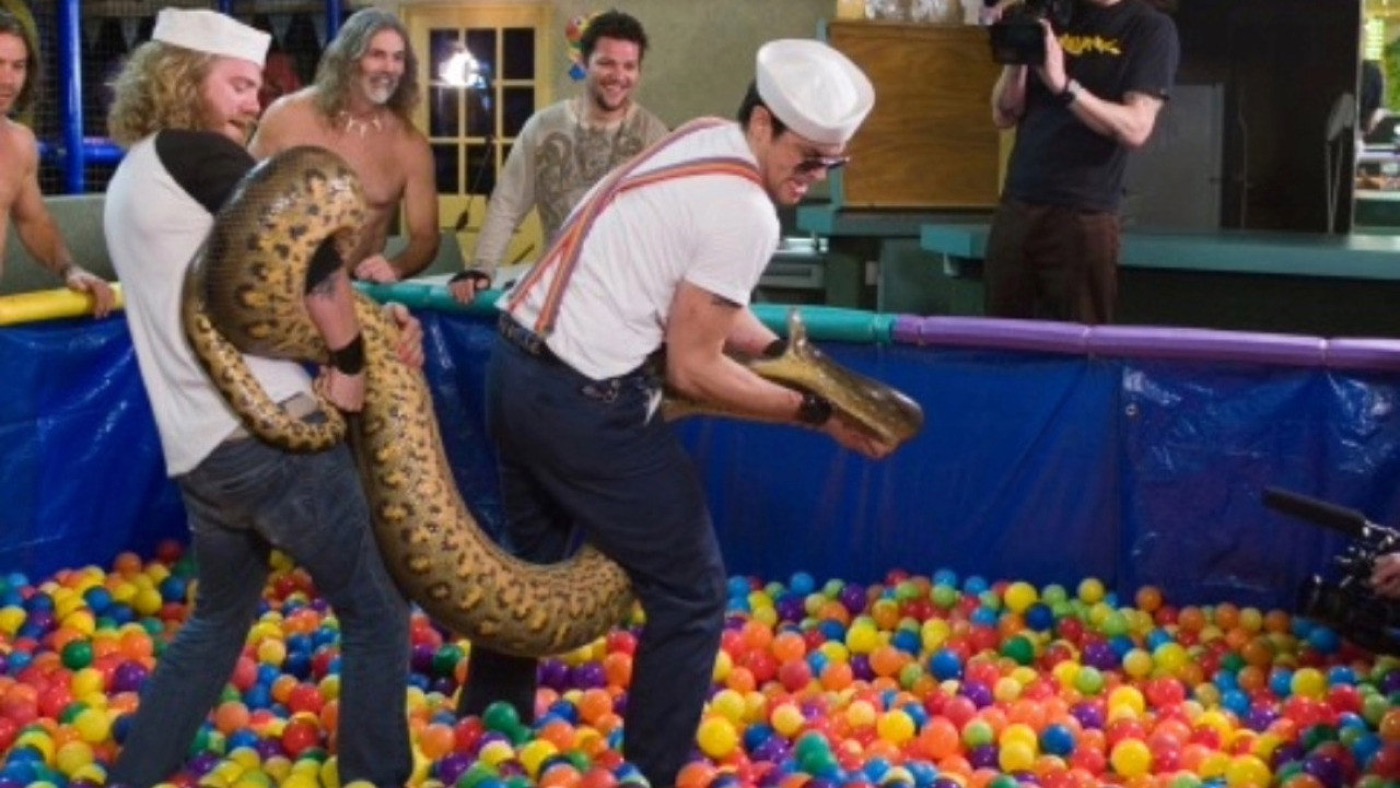
Returning for several sequels, Knoxville has sobered up since. “Back then, she would never see anything where Daddy got hurt,” Knoxville notes of his daughter. “But I showed her some parts of this one and she just laughed. She just knows me as big sissy Daddy.” His daughter even cameos right as the credits end; her daddy messes up his Buster Keaton routine — which the crew warned could kill him — and a young voice offscreen yells, “Daddy, what the heck! What is your problem!?”
The relief felt when those credits roll is akin to the rollercoaster restraints lifting at the finish. Nobody died, and the crew have been able to laugh off these injuries — or most of them, at least. Knoxville alone earned four separate trips to unconsciousness. After everyone laughed at the penis brand, Margera was hospitalised due to an infection. Dunn suffered a shoulder injury that developed a blood clot, threatening both his heart and brain, before contracting Lyme disease. Both incidents led to a deep depression that isolated him from friends and family for around a year. These guys were well aware of the Russian roulette they were playing with every stunt.
Jackass supplied a high unlike any other. Steve-O abstained from drugs during production because the adrenaline alone brought a “peak, ready-to-die danger”. Like Knoxville struggling to accept the cameras turning off, Steve-O relapsed shortly afterwards and was once again “ready to die”. Chris Raab, working largely as a camera operator, declined the temptation so he could focus on recovering from his own addictions. Both DVDs feature commentary by the cast — except for Margera, who would hold on for just a while longer.
“We were more out of control with drugs and alcohol and sex than can even be believed. We were taking the biggest risks, we were doing the craziest stuff, and everything just worked. I knew we were never going to beat that. I just felt like it’s all downhill from there. I remember going to that premiere and feeling like I was at my funeral. I was so mad at that red carpet because it felt like it was like the end.” — Steve O.
The shocking real stunts took a heavy physical toll on the cast, so it’s hard to believe a Jackass film would ever need special effects. Don Vito, Margera’s uncle, was arrested for sexual assault one month before the film’s release. Two of his scenes were cut, naturally, but the trickier issue was the persistent presence of the crew spectating each other. Would audiences notice a sex pest in the background of several otherwise great stunts? Or would audiences notice if he were digitally removed? It turns out the latter worked out well enough, as footage from the film highlights: he was simply buried under crude cloning of surrounding crowd shots.
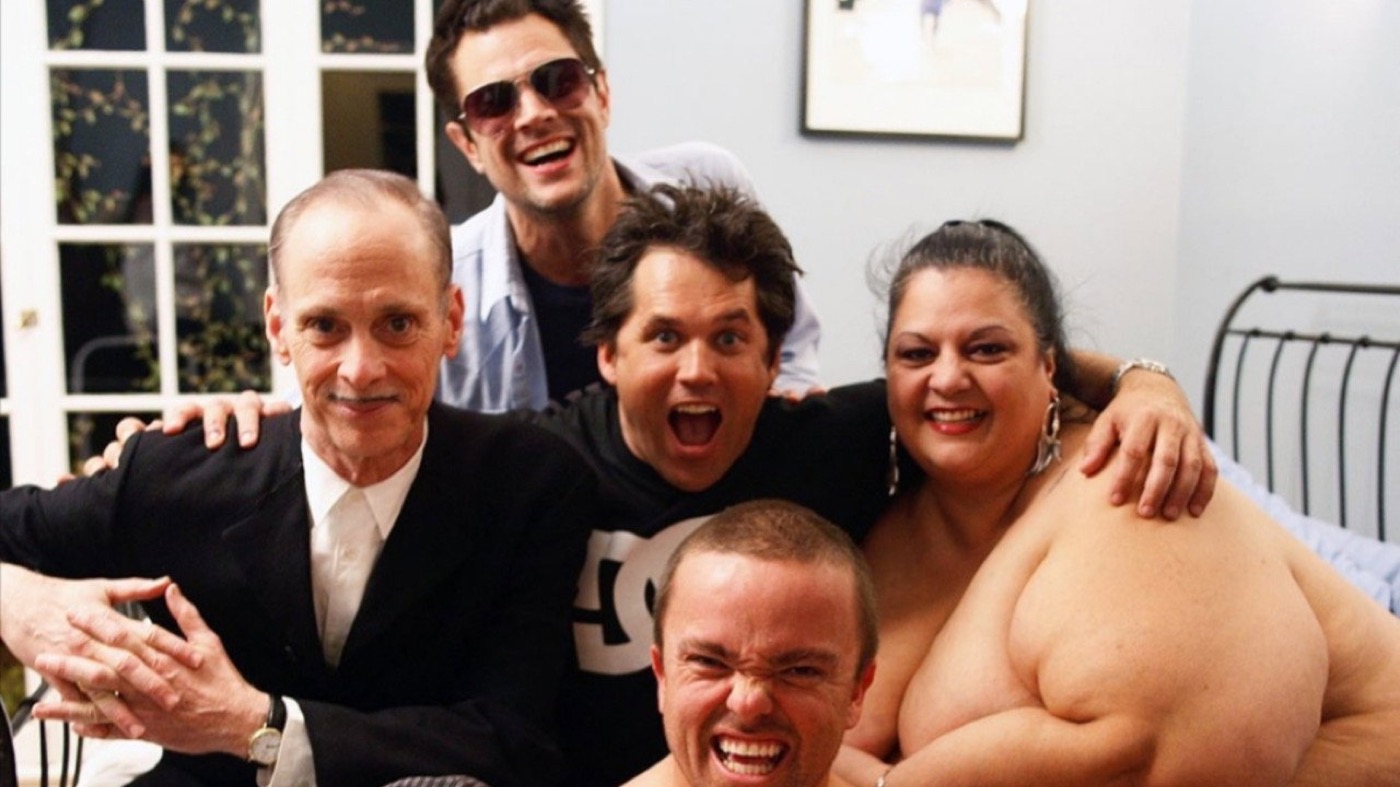
Not to end on a dark note, how does Jackass handle post-9/11 terror threats? As Margera foretells: “Ladies and gentlemen, welcome to the best skit of this movie.”
It starts with the crew warning Ehren McGhehey not to associate with any particular country as they apply brown paint and a fake beard to his face. What spins ‘Terror Taxi’ into a phenomenal stunt is how the prank turns on the person performing the racial stereotype. Lingering on McGhehey getting into character while practising his ululations is hilarious because we know McGhehey. He’s somehow both thrilled to be the centre of attention and too foolish to remember this is Jackass. Of course he’s the real victim. He asks a taxi driver about his wife’s breasts, allowing covert actor Jay Chandrasekhar to threaten him right back. The balance of power exponentially shifts into a fake kidnapping. It offers a surprisingly progressive commentary: most young men watching Jackass had likely mimicked mock accents, and this showcases the natural frustration of bearing the racial weight of political terrorism. What makes it so funny is that, even at gunpoint, McGhehey inexplicably maintains his offensive accent, as if the disguise might still fool them.
Then comes the real punchline. McGhehey accurately describes his struggle with the fake beard: “I feel like I’m eating pubes right now.” He is. There is his punishment for believing his own perspective on the stunt would ever be funny by itself.
The nostalgia for this film is shared by crew and audiences alike; this first sequel proved the concept could become a lasting franchise. Even while members were entering rehab, or while Knoxville was skirting Hollywood with John Waters’ A Dirty Shame (2004) or Jay Chandrasekhar’s The Dukes of Hazzard (2005), the numbers spoke for themselves. Some of those Knoxville-starring projects had budgets close to Jackass Number Two’s total box office take of $84.6M. On a modest $11.5M budget, Jackass was printing money. Following Jackass: The Game (2007) — a very real release — Tremaine began testing new technology. The ‘Heli-cockter’ was filmed in 3D and screened to Paramount Pictures executives: Pontius twirled his penis while tied to a remote-controlled helicopter. Paramount greenlit the next film immediately.
USA | 2006 | 92 MINUTES | 1.85 : 1 | COLOUR | ENGLISH

director: Jeff Tremaine.
based on: ‘Jackass‘ by Johnny Knoxville, Spike Jonze & Jeff Tremaine).
starring: Johnny Knoxville, Bam Margera, Chris Pontius, Steve O, Ryan Dunn, Dave England, Jason “Wee Man” Acuna, “Danger Ehren” McGhehey, Preston Lacy, Brandon DiCamillo, Brandon Novak, April Margera, Phil Margera, Jess Margera, Loomis Fall, Stephanie Hodge, Mike Kassak, Thor Drake, David Weathers, Manny Puig, Jim Karol, Mat Hoffman, Tony Hawk, Clyde Singleton, Jason Taylor, Mark Zupan, John Waters, Jay Chandrasekhar, Ville Valo, Three 6 Mafia, Roger Alan Wade, Rip Taylor, Luke Wilson, Willie Garson & Mike Judge.