BILLY LIAR (1963)
A young man in 1960s England tries to escape his drab reality by fantasising about fame and fortune.


A young man in 1960s England tries to escape his drab reality by fantasising about fame and fortune.
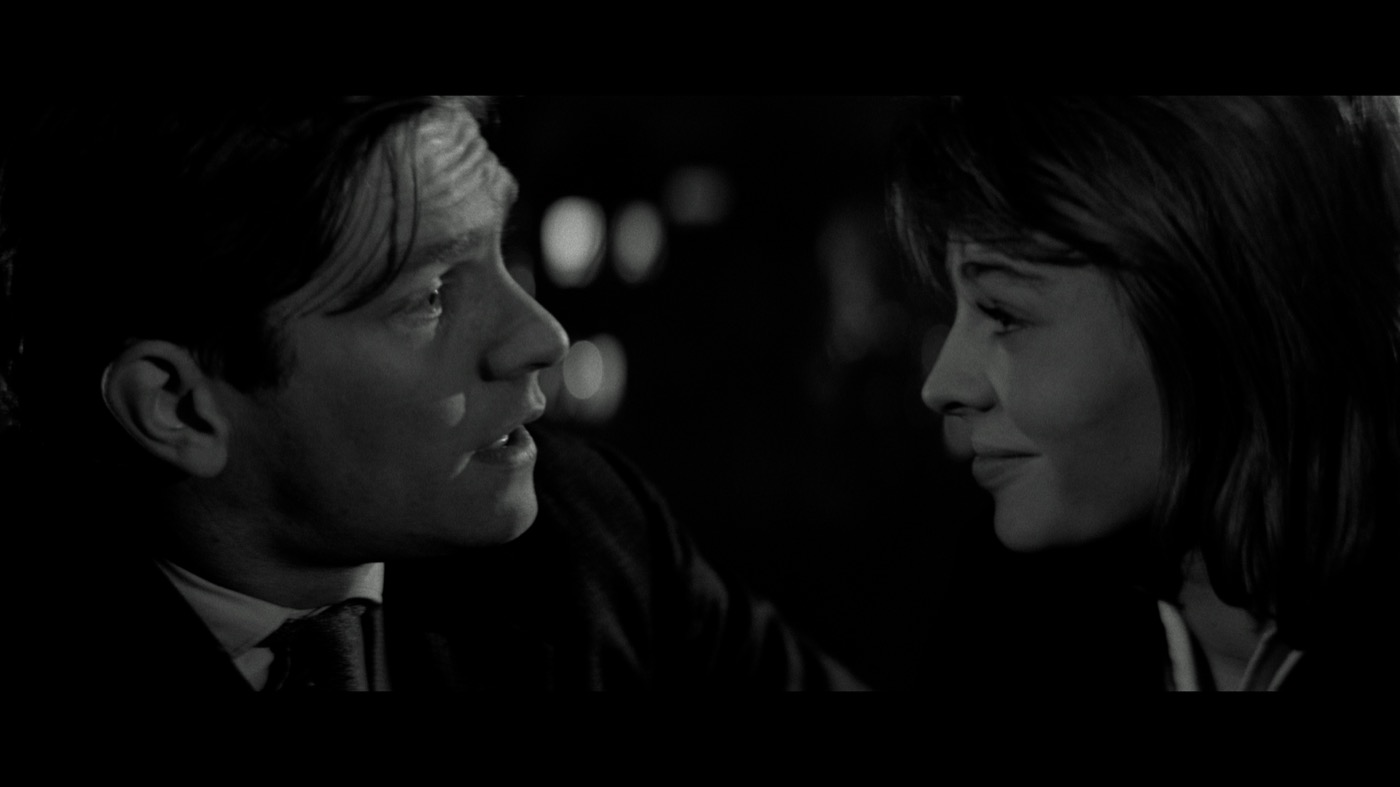
Billy Fisher (Tom Courtenay) leads a mundane life in the industrial north of England. In his early-twenties, he still lives with his parents and works as a clerk for a local undertaker. It’s the 1960s, but they’re not really swinging yet—at least not for Billy. A limited amount of youth culture has filtered through to his town, but it’s more conservative than revolutionary, and there’s certainly no inkling of counterculture. His life has far more in common with his parents’ in the 1920s and 1930s than with the hippies who’ll emerge later in the decade.
People call him Billy Liar because he has such difficulty telling the truth. Sometimes he lies just for fun (like walking down the street pretending to be blind); other times it’s for practical purposes, though he’s rarely successful. Two major lies run through John Schlesinger’s 1963 film: his frantic manoeuvring to woo two different girlfriends with the same engagement ring—inventing reasons why each must temporarily part with it so the other can wear it—and his equally desperate attempt to cover up a minor fraud at work, which has left him with a wardrobe full of unsent mail to dispose of.
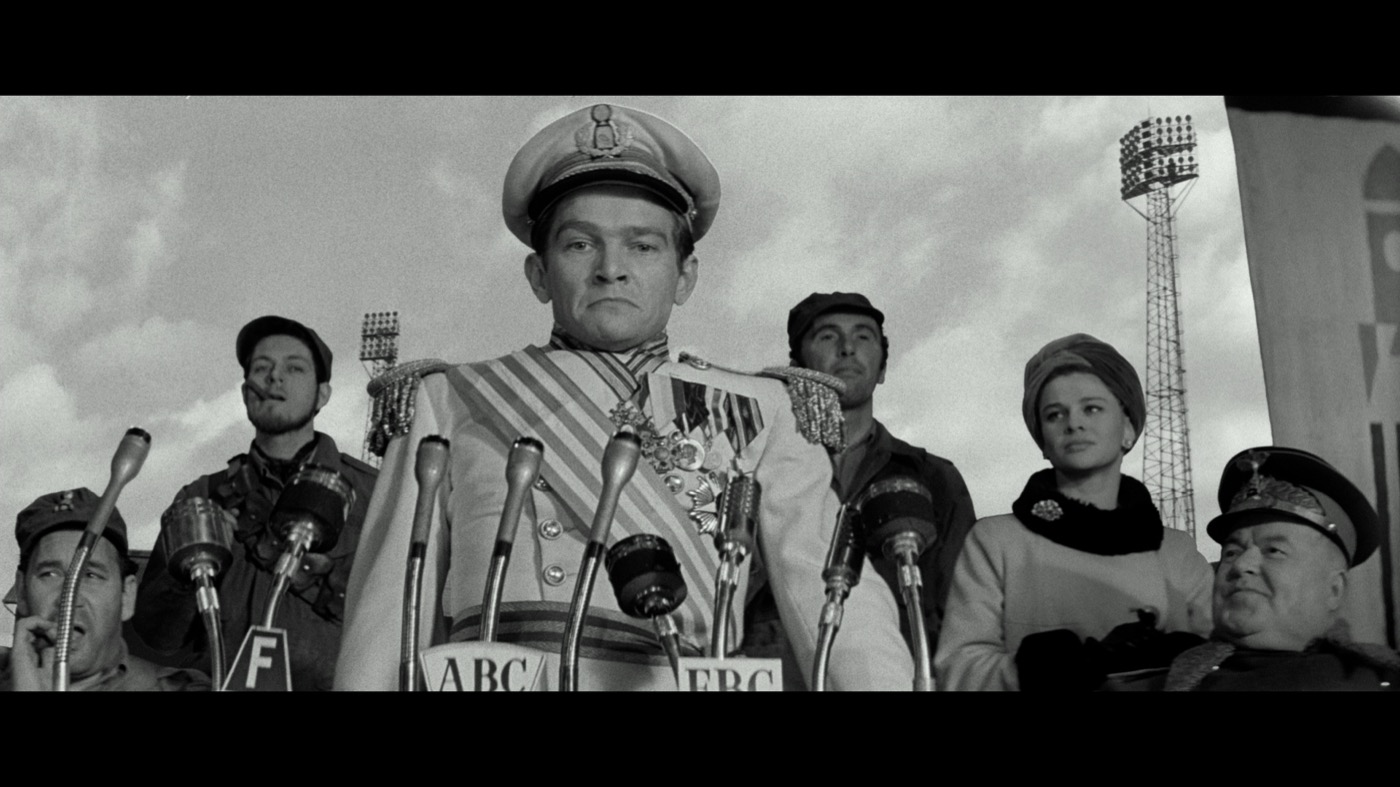
Yet more important to Billy than any of this—or other people’s perceptions—is his Walter Mitty-like fantasy life. This takes several forms: at times he’s a suave seducer, a boy born to wealth, or a condemned criminal. Most significant, however, are his long-running daydreams about Ambrosia, a vaguely Balkan country where he’s an adored leader and triumphant military commander. “Viva Fisher,” reads the local graffiti.
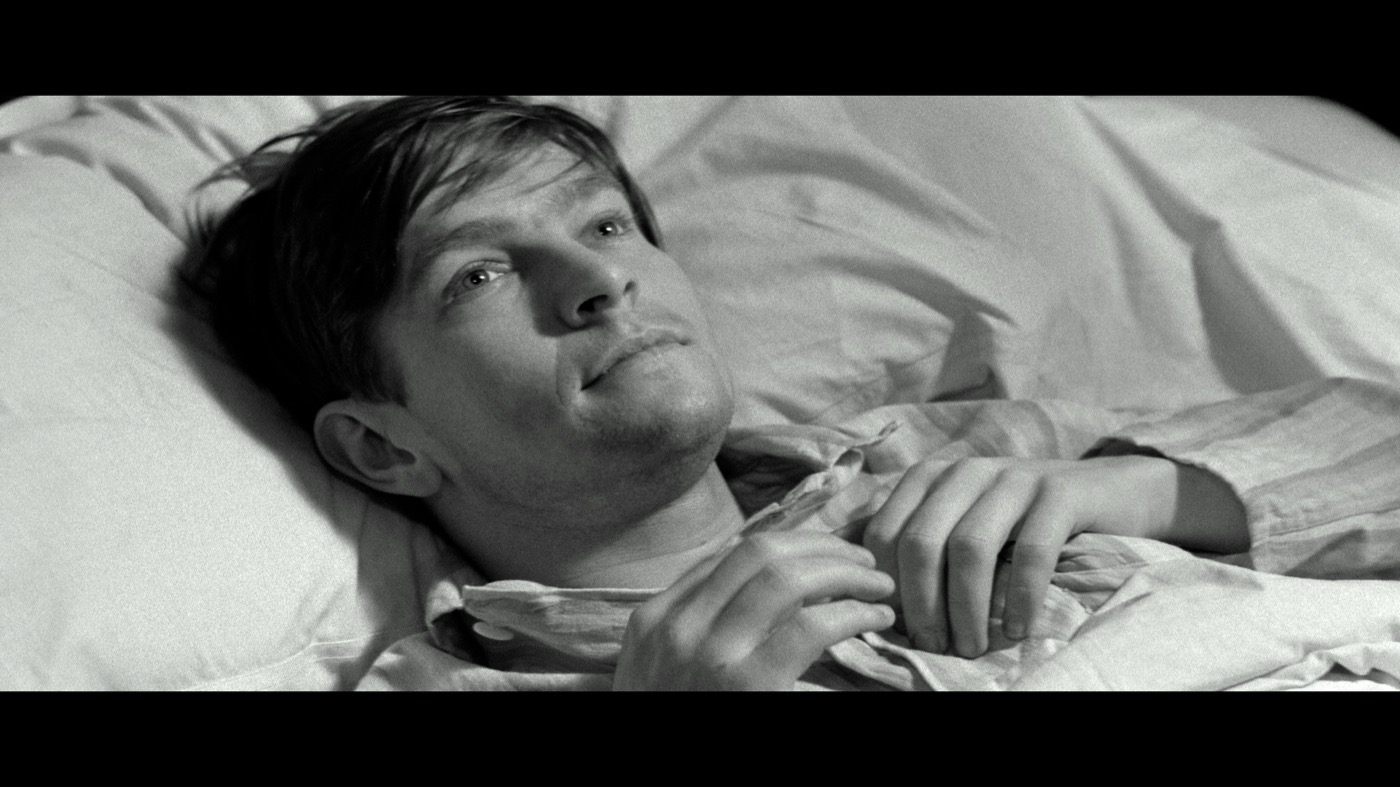
The name Ambrosia—like most things in Billy Liar, the work of novelist Keith Waterhouse (whose early life wasn’t so different from Billy’s)—is a stroke of brilliance. Ambrosia is the food of the gods, of course, but it was also a popular brand of rice pudding familiar to all Brits at the time. (A custard product launched in 1961—truly an era of radical change.) So, while Billy dreams of fame, fortune, and godlike status, he can’t escape humdrum domesticity.
He does make a few attempts to improve his real life, too, and these driving forces power the plot. He aspires to be a comedy writer, trying to secure work with a visiting comedian, Leslie Randall. He also hatches a plan with another girlfriend, Liz (Julie Christie), to flee the North for the bright lights of London. It’s hard not to suspect these are just more fantasies—Billy lying to himself. (Kat Ellinger, in her excellent commentary for this reissue, compares him to Rupert Pupkin in Martin Scorsese’s The King of Comedy.) Yet these two glimmers of hope feel realistic enough that the film functions brilliantly as both a drama and a comedy.
The real joy of Billy Liar, though, lies in the characters rather than the plot. Few movies feature such a consistently wonderful cast.
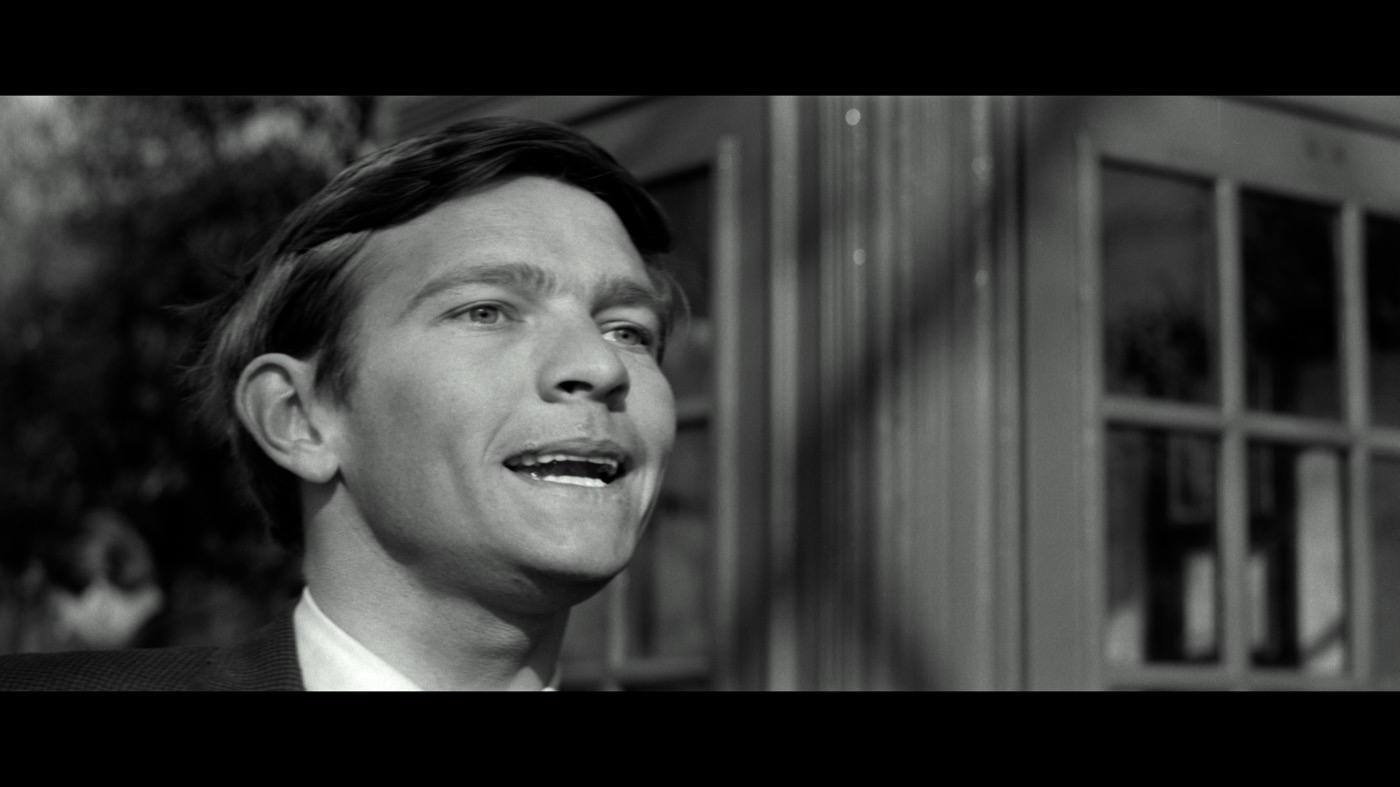
Courtenay—fresh from his success in The Loneliness of the Long Distance Runner (1962)—carries the film with an entirely believable performance. The key is how he conveys that Billy isn’t actually who he imagines himself to be: he’s slightly annoying, arrogant, and superficially clever, but completely unperceptive and ultimately cowardly. Or so it seems; pretense is so deeply ingrained in him that we’re never quite sure who the “real” Billy is.
Ellinger notes that Billy’s fantasies tend to involve power rather than adventure or sex, serving as a way to compensate for his lack of real-world control. At times, he can even come across as middle-aged. Courtenay was 26 when the film came out, and while the character is no older than that, Billy has already been slotted into a life of work and responsibility that he’s expected to maintain forever.
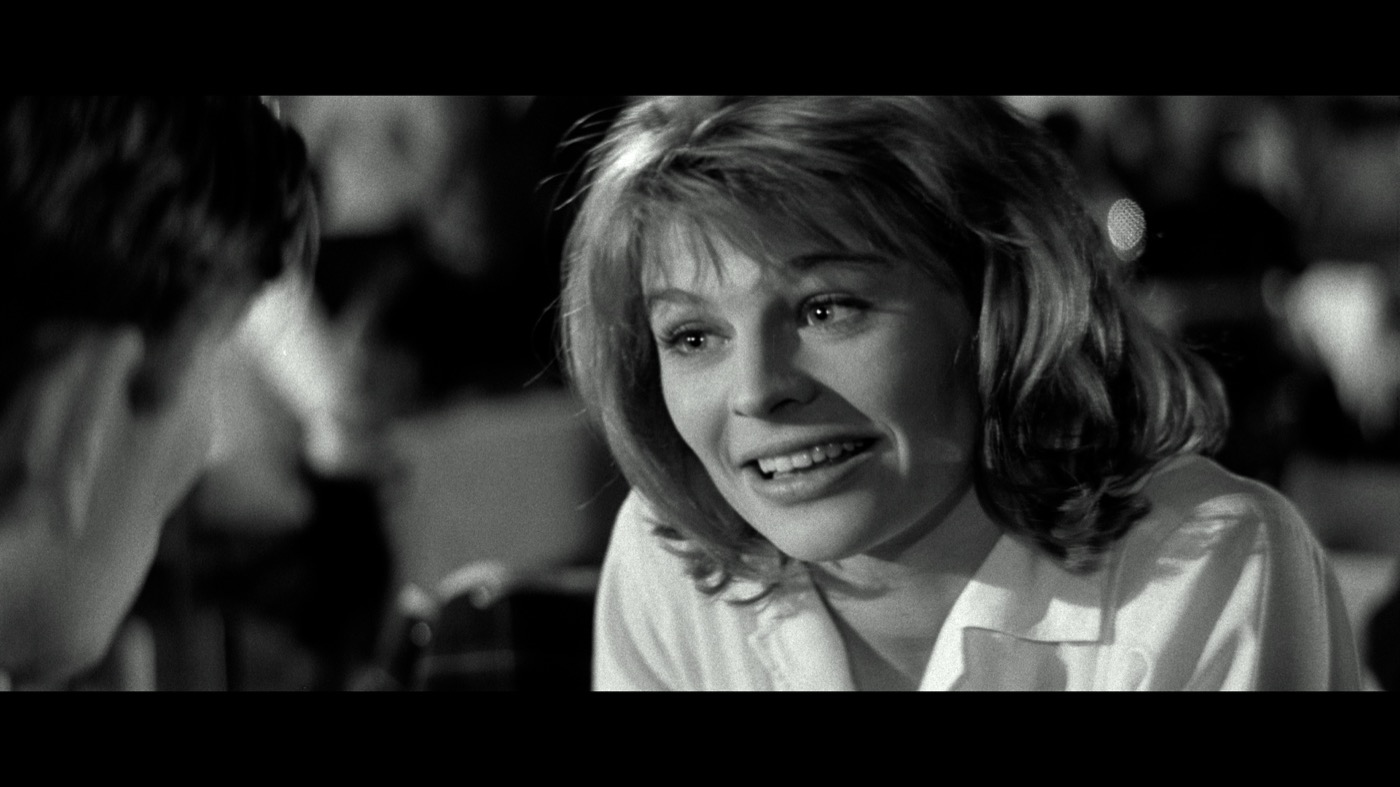
The other standout performance is Christie’s Liz. Cosmopolitan and well-travelled—at least by Billy’s standards—she symbolises the possibility of escaping his constraints. It was Christie’s breakout role, earning her a BAFTA nomination at just 23.
As important as Liz is, the other female performances are equally compelling. Helen Fraser shines as Barbara, a prim girlfriend unwilling to kiss before marriage, whom Billy tries to seduce with dubious “passion pills”. (In a modern context, this looks less like comedy and more like attempted drug-facilitated assault—a reminder that the past is a different country.) Gwendolyn Watts offers a brilliant contrast as Rita, the volatile, aggressive recipient of the engagement ring, who is far more willing to dispense female favours if she gets her way.
A subtler touch comes from Mona Washbourne as Billy’s mother (reprising her stage role). She is a powerful force at home, yet confined by social expectations and subject to the control of her husband (Wilfred Pickles). While Billy dreams of avoiding his father’s fate, Liz is equally determined not to be boxed into a life like his mother’s—both hinting at the broader social shifts coming later in the decade.
The household is rounded out by Billy’s grandmother, Florence (Ethel Griffies, also from the stage show), played pitch-perfectly for laughs, as is Councillor Duxbury (Finlay Currie)—a wickedly funny embodiment of “grim up North” stereotypes (“It were all fields round here when I were a lad”). Terrific supporting performances also come from Leonard Rossiter as the undertaker manager, Rodney Bewes as Billy’s colleague Arthur, and Randall as comedian Danny Boon.
Every character is treated with a mix of warmth and seriousness. The film never sneers at them, and this good humour extends to their relationships: despite the conflict between Billy and his exasperated father, there is no bitterness or malice.
While this offers an optimistic view of humanity, the film’s visuals are grounded in reality—even the fantasy sequences, which draw on Billy’s surroundings (a demolition site becomes an Ambrosian military parade).
Exteriors were mostly shot in Bradford, offering a fascinating glimpse into evolving British cities—highlighted by the opening montage of housing, from old terraces to shiny new flats. Many interiors are equally evocative, from the undertaker’s office to the Locarno dance hall and railway station.
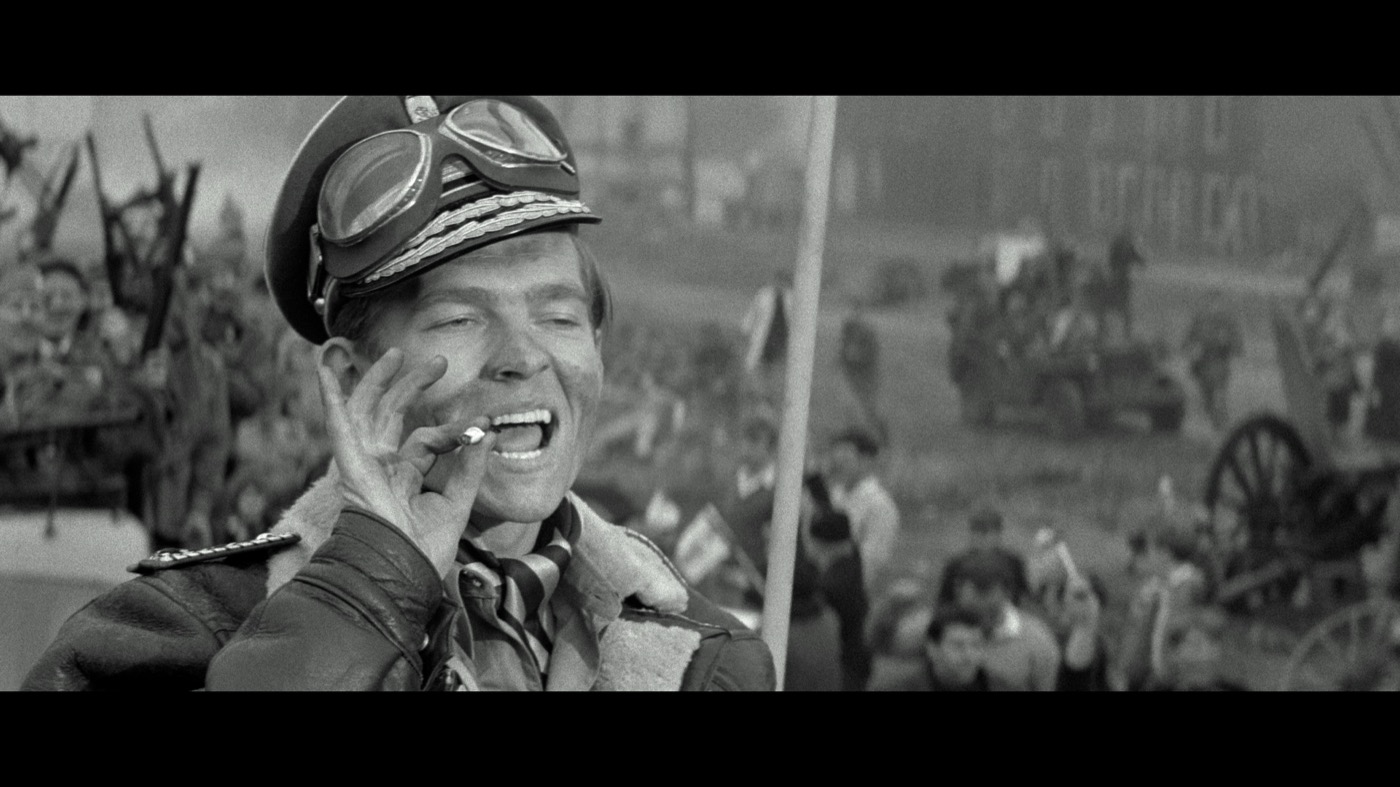
You might expect the movie to feel visually cramped, but shooting in CinemaScope prevents this. The widescreen format allows scenes on the northern hills and streets to breathe, while seamlessly integrating fantasy footage into the realist frame. The fantasies themselves are beautifully directed—slightly over-the-top (Billy addressing a crowd recalls Charlie Chaplin in The Great Dictator), yet full of subtle, imaginative detail.
This visual scope doesn’t dispel the film’s underlying sense of restriction. It’s fair to view the movie and Waterhouse’s novel as a critique of post-war Britain—torn between old and new, dreaming of past glory. England was showing early signs of change, but remained rooted in the 1940s. As Philip Larkin famously wrote: “Sexual intercourse began / In nineteen sixty-three… / Between the end of the Chatterley ban / And the Beatles’ first LP.”
Little details underline a world caught between eras. Billy’s father is thoroughly traditional, yet works for Radio Rentals—a company hiring out TVs, representing an exciting technological future. Conversely, the jokes Billy writes are hopelessly old-fashioned.
As a piece of cinema, its charm is timeless. Only Schlesinger’s second feature, it remains lively and relatable over 60 years later. The acting is pure gold, effortlessly balancing comedy and heartbreak. There’s no Billy Elliot uplift here; instead, the film offers a quiet acknowledgment that while dreams often fail to come true, they’re still worth having.
UK | 1963 | 98 MINUTES | 2.35:1 | BLACK & WHITE | ENGLISH

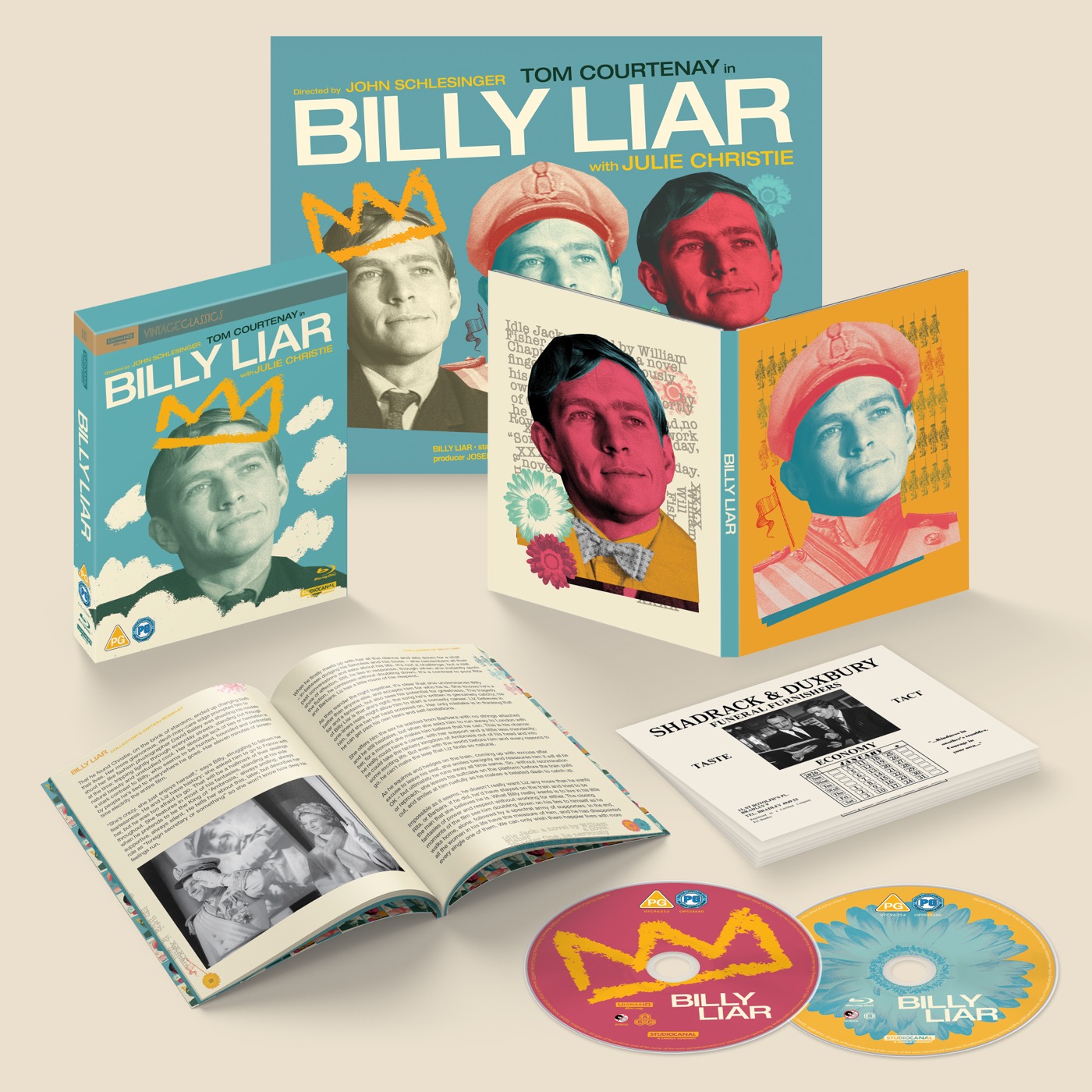

director: John Schlesinger.
writers: Keith Waterhouse & Willis Hall (based on the 1959 novel by Waterhouse and the 1960 play by Waterhouse & Hall).
starring: Tom Courtenay, Wilfred Pickles, Mona Washbourne, Ethel Griffies, Julie Christie & Leonard Rossiter.