KINGS OF THE ROAD (1976)
A projection-equipment mechanic working along the East-German border meets with a depressed young man whose marriage has just broken up, and they decide to travel together.

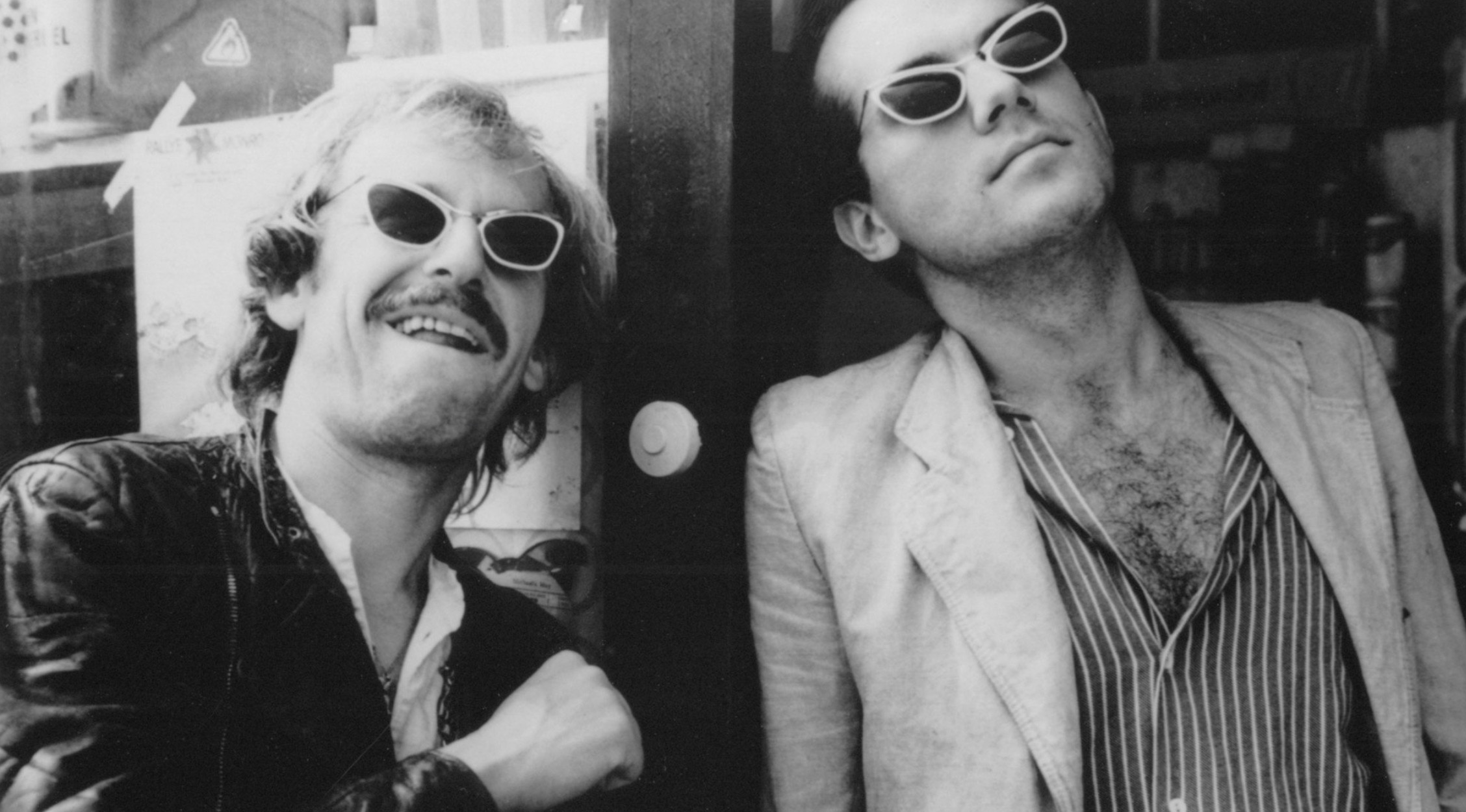

A projection-equipment mechanic working along the East-German border meets with a depressed young man whose marriage has just broken up, and they decide to travel together.
The culmination of a loose trilogy—which also includes Alice in the Cities (1974) and The Wrong Move (1975)—Wim Wenders’ Kings of the Road / Im Lauf der Zeit is the most literal of the three road movies the German director helmed in the 1970s. Charting the meandering road trip of two strangers who meet by chance, we follow the pair’s fruitless search for the indefinable. This lonely path glimmers infrequently with beauty and is haunted by existentialism, where nothing these characters encounter can match the lingering presence of life’s pointlessness. They rarely bump into other weary travellers, more often brushing up against people with fixed identities and lives. But neither avenue seems appealing here.
In this listless malaise, Wenders has perhaps crafted the ultimate ‘vibes-based’ film, one in which its three-hour runtime is destined to either rankle viewers or illuminate its themes. Not unlike Antonioni’s The Passenger (1975), this vague gesture of a film is in many ways a perfect match for the vague stabs at life these characters undertake. Can this state of limbo really be called living, as they roam endlessly, free of meaningful bonds and commitments? Both films know better than to answer that question; the answer is beyond our grasp, just as it is for the characters. But reaching that point is more often ‘pondersome’ than ponderous, given Kings of the Road’s excruciating 175-minute runtime.
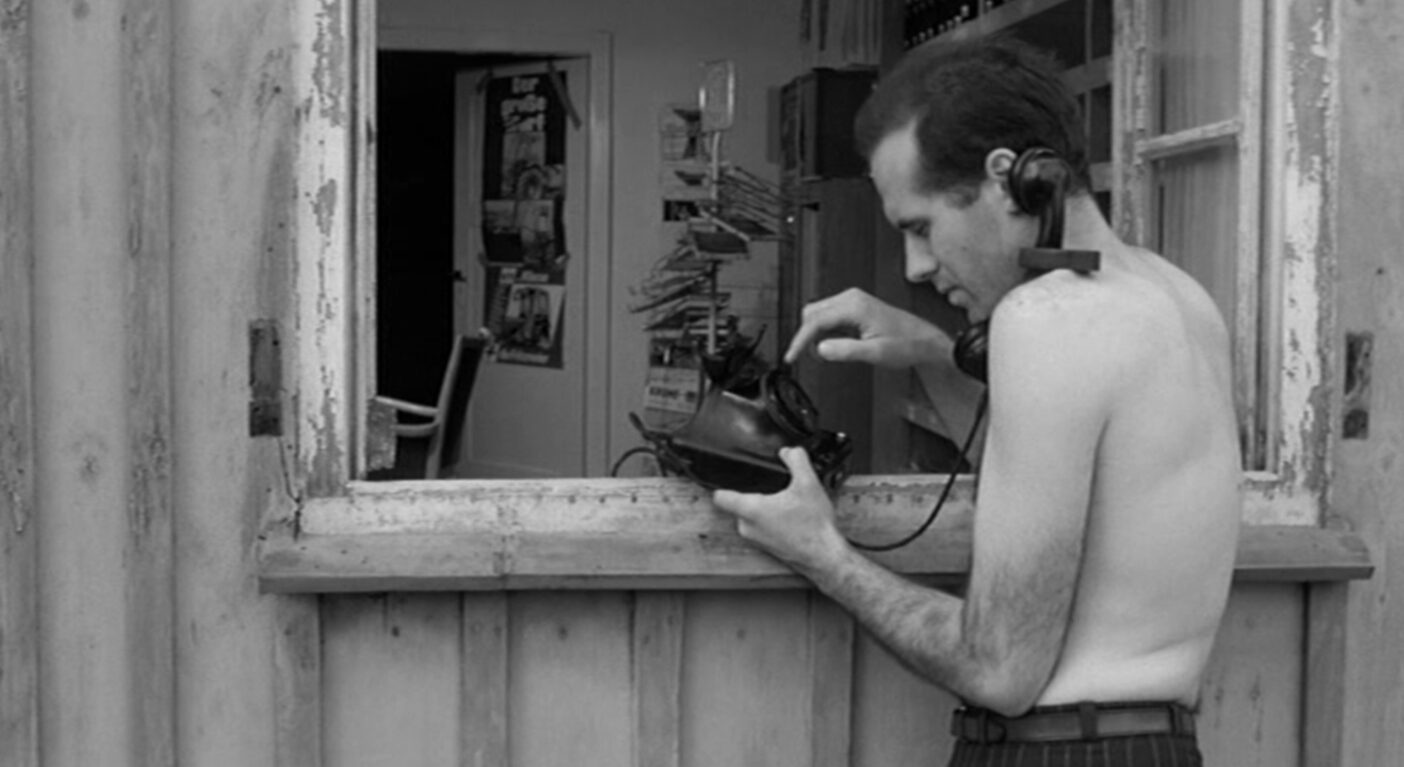
Silence is the film’s greatest weapon, even if it’s wielded so often that what was once beautifully haunting becomes a series of pretty images from a flat emotional palette. The first few long stretches of near-silence, where not a word is uttered between mechanic Bruno Winter (Rüdiger Vogler) and the depressed Robert Lander (Hanns Zischler), are remarkably assured. Robby Müller’s cinematography is fantastic, but it’s also intriguing to ponder how someone documenting these works of slow cinema can be so confident they’re boldly charting a new path, rather than blandly composing brushstrokes of a mundane existence.
As Bruno watches Robert crash his car into a body of water, then quickly ensures his half-hearted suicide attempt fails, neither man knows quite what to say. Bruno is both selfish and caring, stopping to pack his shaving kit before wandering towards the sinking car, and taking a swig of coffee before thinking to offer it to Robert. But he does help, crucially, with this simple action binding both men’s lives together for a moment that feels infinite yet perpetually out of reach. They talk very little, and when they do, they have even less of worth to say. Their individual woes preoccupy them, often in ways that defy articulation. In mapping this mode of thought onto film, Wenders creates a few hauntingly serene pieces of imagery, and far more instances where it’s a slog to sit through these aimless wanderings.
To fit the theme of surprises cropping up along their journey, the film’s eclectic soundtrack—whose shifting genres are never unwelcome—kicks into gear suddenly, as if its placement were improvised during a single viewing. These sudden forays into music from near-silence are jarring, but that isn’t quite what makes them rankling. Like many of Kings of the Road’s creative decisions, they appear thoughtless in any sense extending beyond aesthetic appeal. Each conversation meanders, often without a clear through-line or emotional inlet. The film lives and dies on how immaculate one finds its ‘vibes’, which are undulating in their aimlessness.
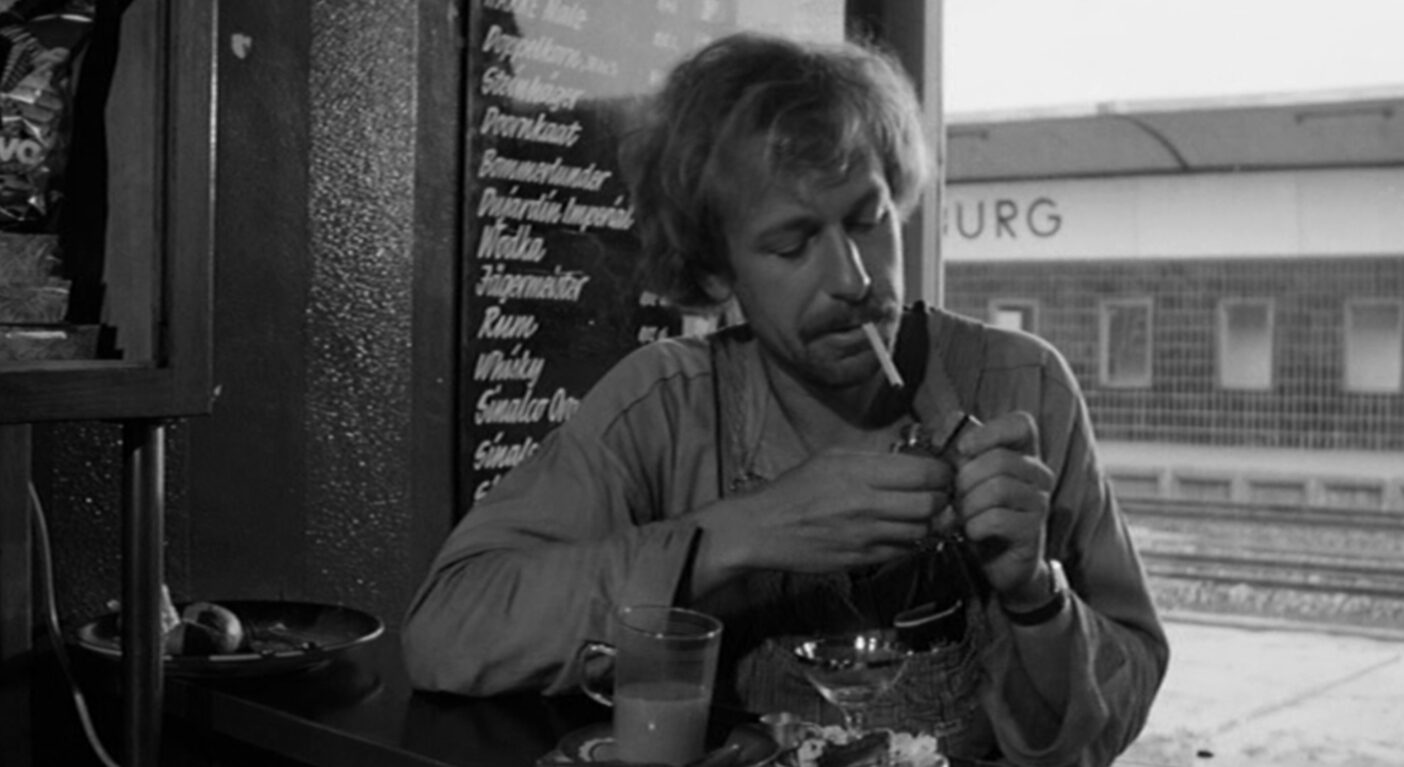
To praise Wenders’ mise-en-scène feels like understating his abilities from the get-go, since his astonishing work here aims for so much more than pretty images. Kings of the Road is bookended by conversations about the death of cinema, paralleled with increasing industrialisation and a barren countryside. There are kernels of compelling ideas here. But to find these images profound, one must accept that this meandering is worthwhile.
There are some truly electric sequences, almost all of which occur when vehicles are in motion. But when these protagonists stop and wander through new places, the drama stalls and the magic is lost. It’s an inevitability, of course—real life can’t always feel like a revelation. But the film is more punishing to viewers than it is to these characters in conveying this realisation.
Many of the film’s admirers would likely posit that this is due to its rich, relevant themes, such as big business and advancing technology eroding what were once cornerstones of thriving communities. The rural areas in Kings of the Road are slowly dying, with citizens forced to travel further for basic amenities. It’s a practical problem that holds room for philosophical inquiry and pining for a lost era. But none of that is possible with these weary travellers, who are too focused on their undefined emotions to properly reckon with their environments.
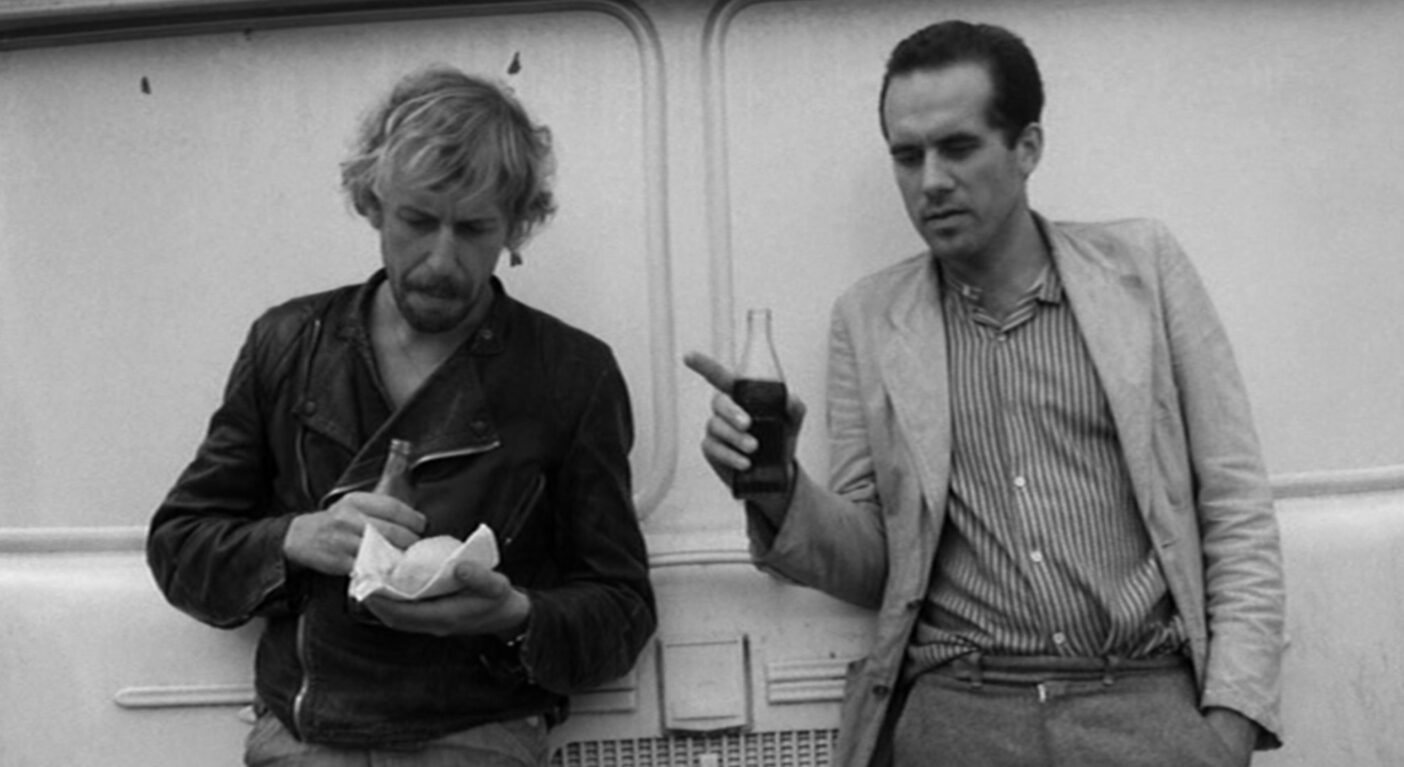
Much has been celebrated of the film’s depiction of male loneliness, with Bruno offering few words of support to the depressed Robert. But an absence of writing isn’t necessarily astute character work. Perhaps the pair are simply uninteresting in their self-absorption. Just as with the declining rural communities, viewing this as a practical problem, rather than a soul-searching well of trauma, feels more convincing.
If you find yourself gelling with the ultra-laid-back, ‘hangout’ style, the daunting runtime might melt away. But Wenders, with his clearly improvised sequences, leans so far into this mode that it feels as if he directed the project while slumped over, half-asleep. I credit those who can sit through 175 minutes and not feel much the same way.
The Passenger wasn’t always successful at mining its spare sequences for despairing emptiness, but at its centre sat a compelling portrait of a lack of identity. Kings of the Road can’t access anything close to that same emotional core across its bloated runtime, inadvertently prioritising vagueness over alienation. It isn’t that the film never finds a way out of its self-indulgent slackerdom that makes it insufferable, but that it can’t uncover a way into these characters’ lives. On that unsteady ground, all its gestures at lofty themes crumble, leaving no opportunity for us weary travellers to admire the tragic beauty of the desolation.
WEST GERMANY | 1976 | 175 MINUTES | 1.66:1 | BLACK & WHITE | GERMAN • ENGLISH

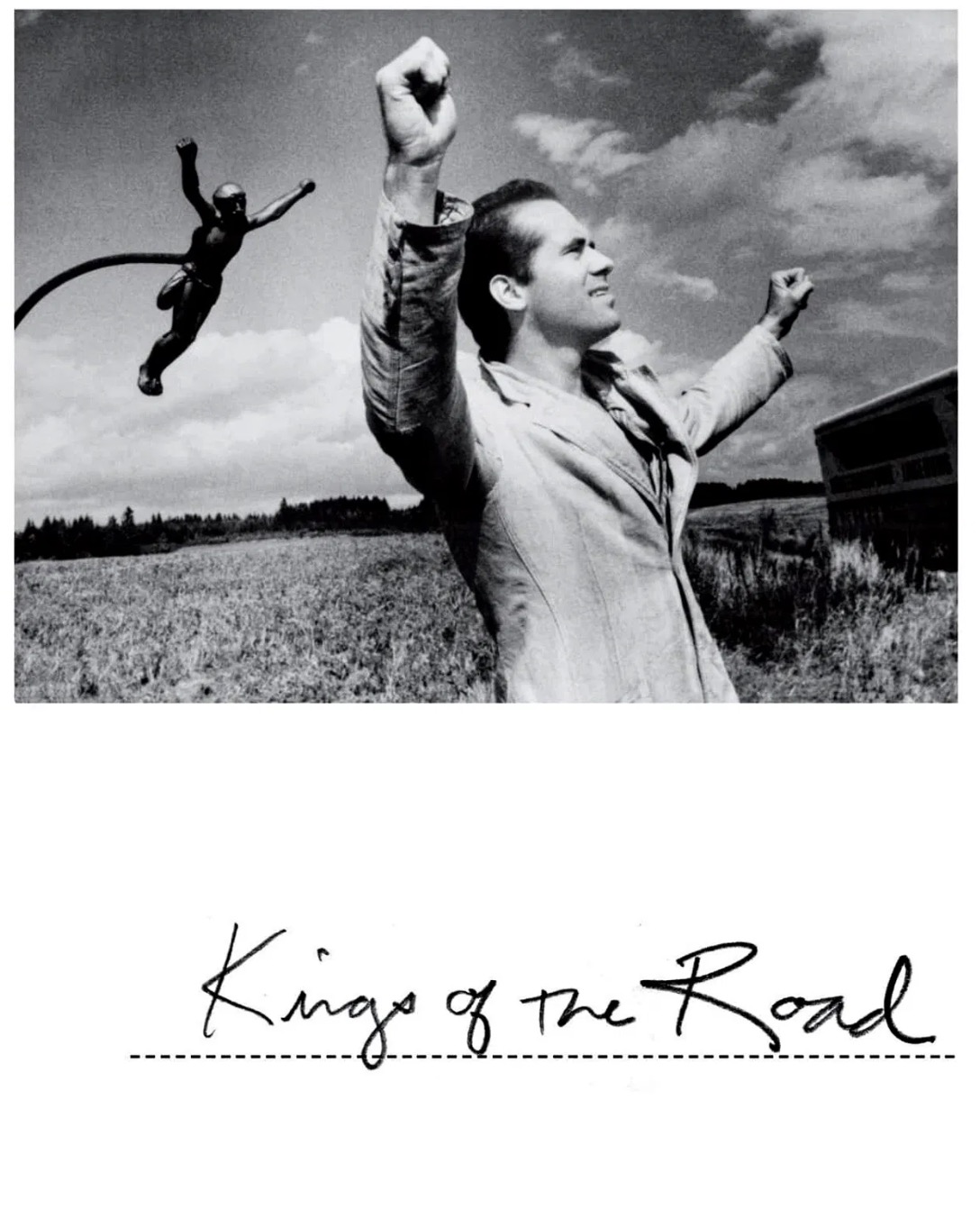
writer & director: Wim Wenders.
starring: Rüdiger Vogler, Hanns Zischler, Rudolf Schündler, Lisa Kreuzer, Marquard Bohm, Hans Dieter Trayer, Franziska Stömme, Patric Kreuzer & Wim Wenders.