JAY KELLY (2025)
A famous movie actor embarks on a journey of self-discovery, confronting his past and present with his devoted manager...



A famous movie actor embarks on a journey of self-discovery, confronting his past and present with his devoted manager...
Noah Baumbach’s built a career on films that study flawed individuals and the dysfunctional relationships they drag around with them. In Jay Kelly, he and co-writer Emily Mortimer bring that same dynamic to the film industry. It’s a risky move, because stories about actors and filmmakers can feel a bit played out, and the whole “write what you know” idea can backfire when what you know is Hollywood itself. That’s part of why movies about movies feel so commonplace compared to stories about blue-collar work. The risk pays off here, though, and it probably helps that Baumbach has Hollywood royalty George Clooney in the lead and Adam Sandler flexing his dramatic range in support.
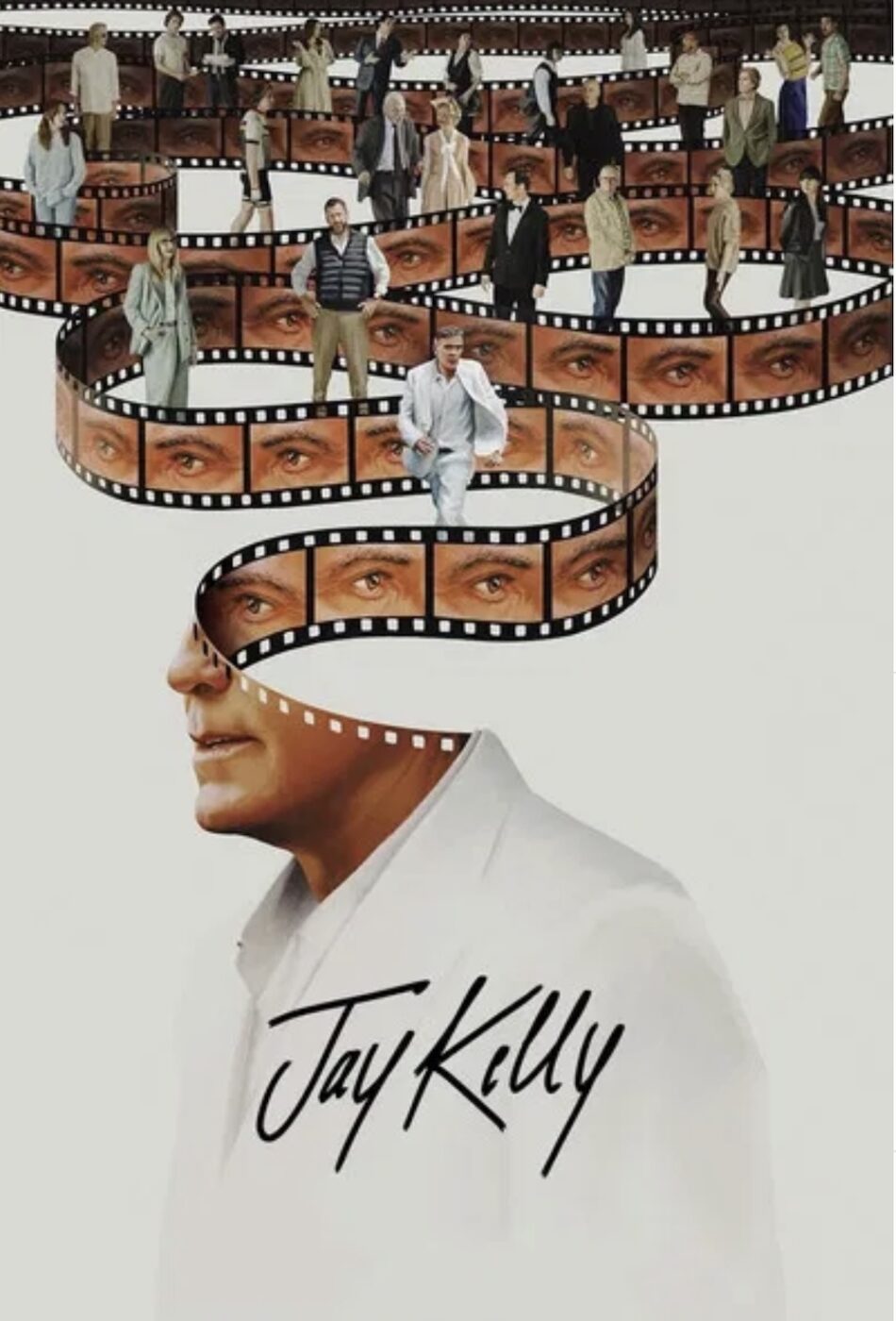
The film opens by dropping us right into the final shot of a movie where Jay Kelly (Clooney) is delivering a dramatic line. The set is more chaotic than glamorous, but the veteran is ready to deliver it with ease. Baumbach uses this to underline the point early: Jay is someone who’s built a life performing things he doesn’t bother practising in real life. He demands precision for the camera but is sloppy everywhere else. He’s surrounded by handlers—Ron (Adam Sandler), Liz (Laura Dern), and assistants constantly hovering around him—while he barely notices. Living this life of glamour, he’s largely neglected the relationships he’s about to need to fall back on. The ensuing story becomes a redemption arc of sorts, one where he keeps fumbling the steps required to bring the people he loves back into his life.
That arc begins when Jay learns of the passing of his longtime mentor and friend, Peter (Jim Broadbent). Realising he still owed his friend a phone call, it’s the first crack in Jay’s armour. Another comes in the form of a reunion with Timothy (Billy Crudup), a classmate from his acting school days who’s been carrying around decades of resentment. He dumps it all on Jay over a few drinks in a scene that leads to a parking-lot brawl instead of any kind of reconciliation.
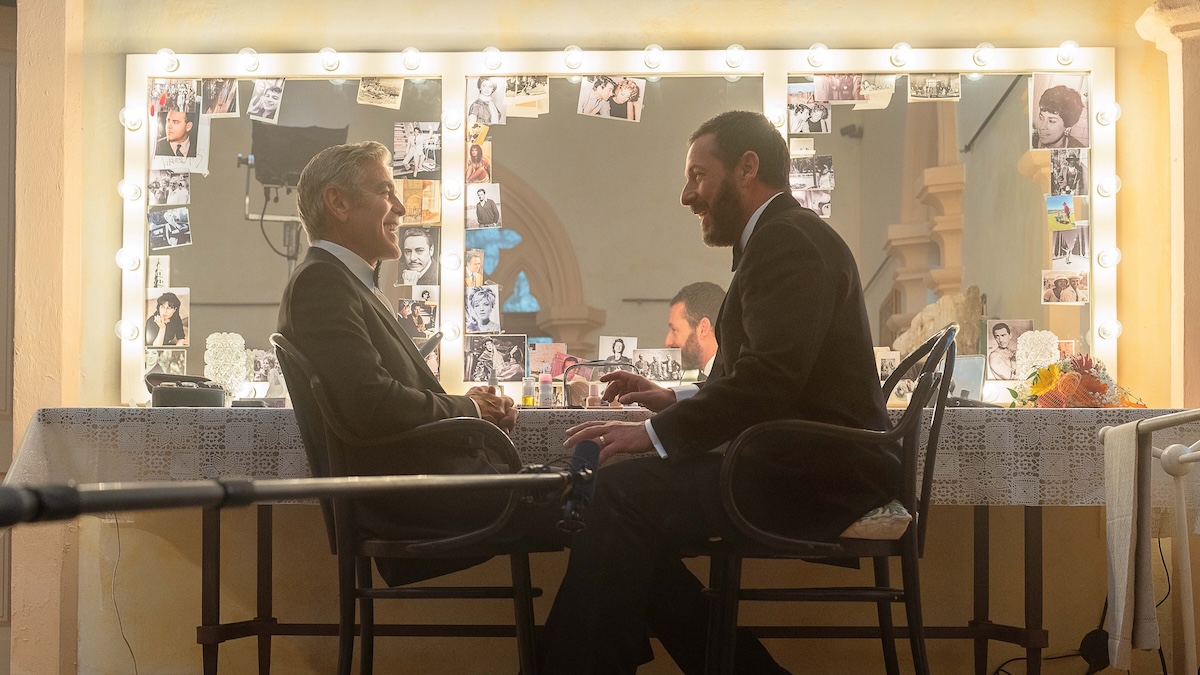
With a busy post-wrap schedule looming, Jay decides to ditch it all—against the advice of his team—in favour of chasing his youngest daughter Daisy (Grace Edwards) across Europe. He’s hoping he can fix at least one relationship in his life, even though he has no real idea how and keeps doing the bare minimum. The trip just so happens to line up with his own tribute event in Italy, which says a lot about what motivates him and maybe what’s always motivated him. Baumbach keeps exposing new character flaws right when it feels like Jay should finally be learning something. It’s a signature storytelling technique of his, and it adds to the conflict in a way that makes the drama land harder.
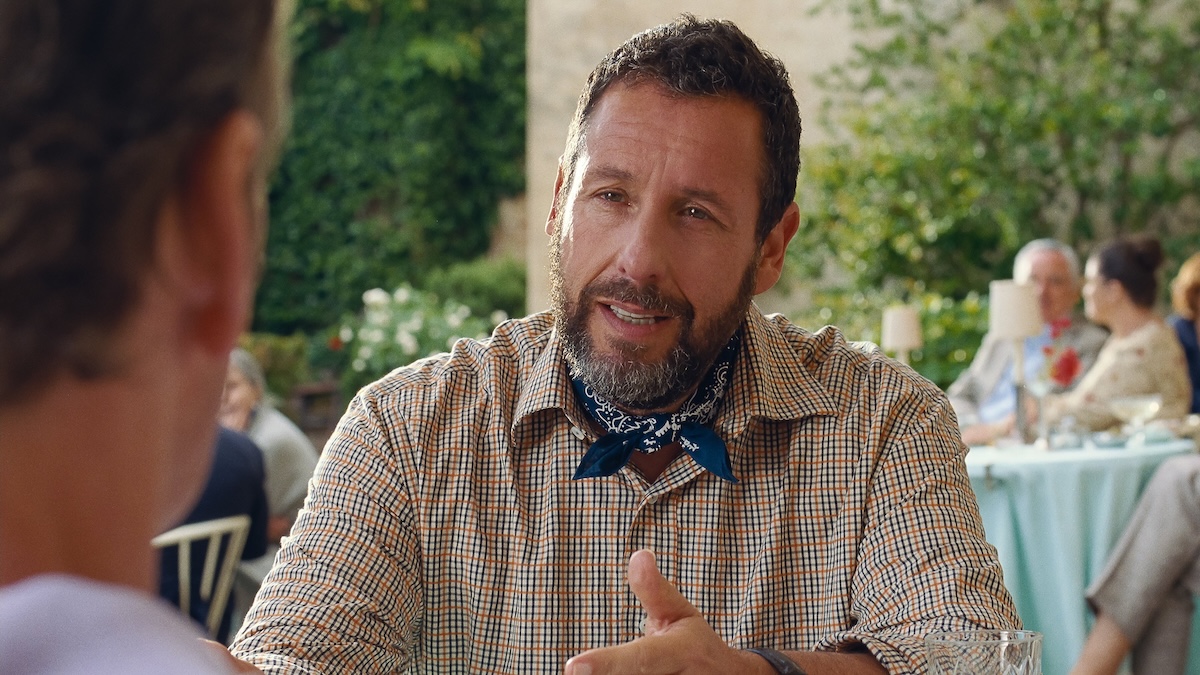
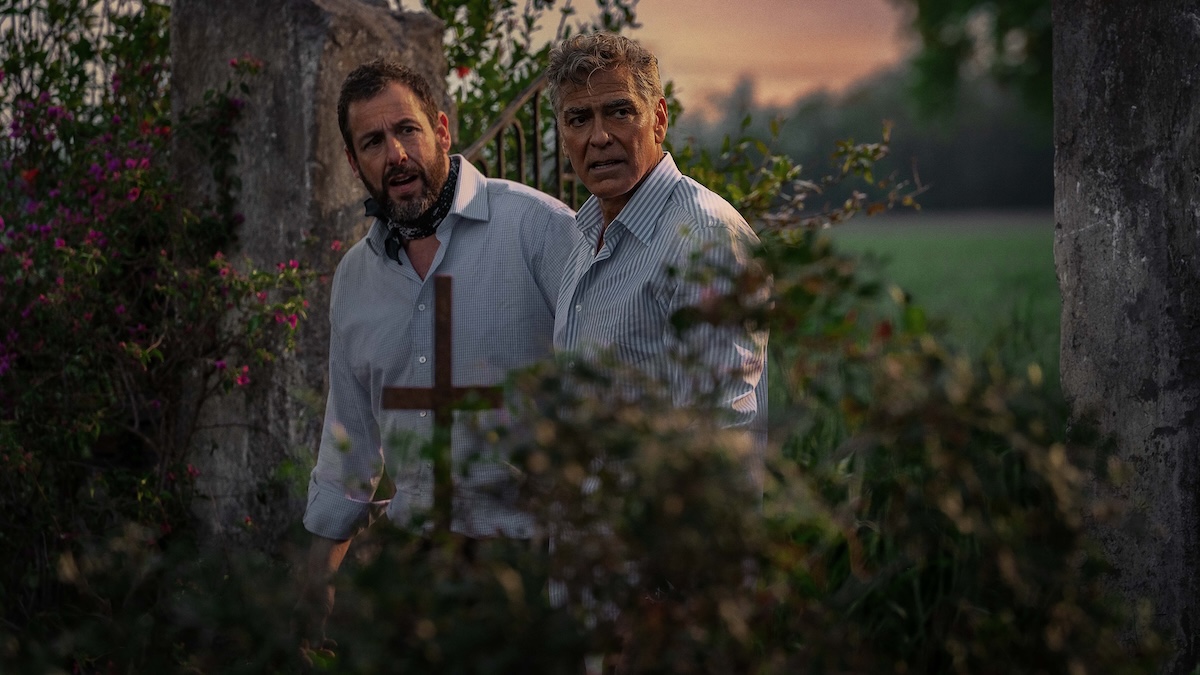
Adam Sandler plays Ron, Jay’s longtime manager, and it’s a performance that belongs in his top tier alongside Punch-Drunk Love (2002) and Uncut Gems (2019). Ron sees Jay the same way the audience does. He’s built his whole professional world around this difficult, charismatic, exhausting celebrity because he sees the person Jay could be. Like the audience, he gives Jay chance after chance to turn things around, even when it seems hopeless. His loyalty isn’t admirable or pathetic—it’s complicated and necessary—and Sandler nails that balance.
Baumbach gives Ron more emotional weight than you’d expect. He has his own family he should be with. He has a marriage he’s trying to maintain. Even when his wife is struggling, he’s still stuck fielding calls from Jay, still chasing after him through airports and hotels and back alleys in Florence. There’s this growing exhaustion in Sandler’s performance that looks nothing like the “sad-clown Sandler” we’ve seen before. It’s more recognisably human. He’s the one who keeps insisting Jay has a good heart under all the narcissism, and we want to believe him because we like Ron. But even he starts to crack as the trip goes on.
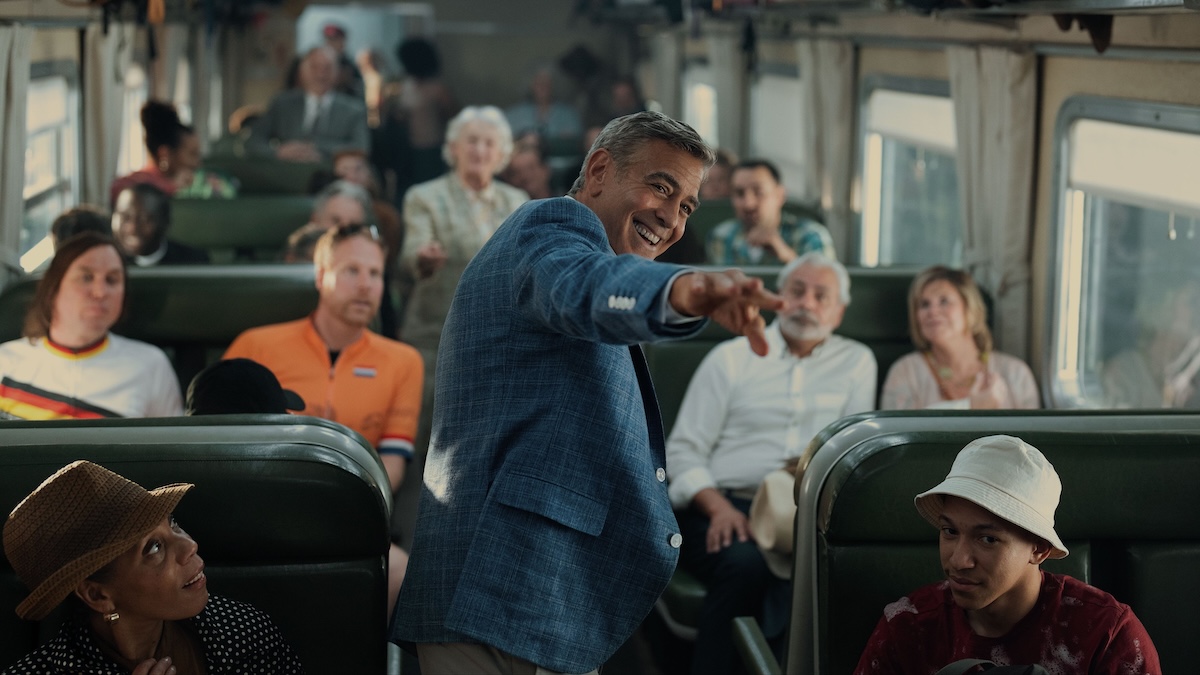
But this whole thing ultimately lives or dies on Clooney’s shoulders. The film hinges on his ability to play what seems to be a version of himself, and it even brings attention to that during Jay’s conversation with a young fan who asks, “What do you say to people who say you only play yourself?” His instant response: “Do you know how difficult it is to be yourself?” Whether it’s a stretch for him or not, Clooney nails the performance. He does it so well that it’s likely viewers will underestimate how tricky the role actually is. He has to sell both sides of Jay Kelly: the adored public figure and the hollow man underneath. If one half is too loud, the whole movie collapses. If one half is too soft, the film turns into parody.
Clooney will likely not get credit for his precision. The entire movie is balanced on micro-expressions like hesitations or flashes of insecurity. He hits these tiny beats so naturally that you barely notice how much of the film depends on them. But if you swapped in any other actor, it’s hard to see this film having the same impact. Clooney’s star imageisn’t a distraction, it’s completely necessary.
It’s also a surprisingly comedic performance at times. Baumbach intentionally includes scenes that allow Clooney to poke at his own persona. He uses a black Sharpie for eyebrow touch-ups. He sprints awkwardly after objects and people. Clooney commits to all of it with a total lack of vanity, which is probably why the jokes work. He’s mocking himself to a point, but he’s also playing a guy who genuinely doesn’t know he’s mockable. That takes a specific comedic beat, and he lands it.
Visually, the film is gorgeous. Cinematographer Linus Sandgren captures a beautiful backdrop of lush Hollywood hillsides, European streets that look like paintings, and stunning Tuscan fields. All of it feels warm and cinematic without looking manufactured. The set design and location teams deserve just as much credit. Every backdrop feels deliberately chosen for the scene playing out there. The beauty becomes a constant contrast to Jay’s emotional emptiness. He’s surrounded by some of the most beautiful places on earth, yet he’s internally hollow.
The film does run a bit long. It almost feels like Baumbach refused to cut anything that might land emotionally, even at the risk of repeating beats. The running time doesn’t ruin the movie, but it does stretch the themes thinner than needed. The core message is simple, and the film takes its time getting there.
By the final act, the central question isn’t whether Jay will change but whether he understands what real change even requires. His missteps are so consistent that the audience can’t just assume he’s headed toward a breakthrough. He’s someone who built his whole world around the wrong priorities and is now trying to sort through the fallout.
Ultimately, Jay Kelly works best when viewed as an examination of emotional investment. Its message is clear: if you don’t put time into your relationships, you eventually find yourself without them. It doesn’t matter how successful you are or how admired you’ve become—without connection, everything else fades. Jay is only now realising this, and the film follows him as he tries to make up for decades of neglect with tools he barely understands.
The final scene adds a neat touch that Clooney fans—and cineastes in general—ought to be delighted with. It’s an uneven film at times, maybe even a little indulgent, but it’s the kind of character drama that sticks with you afterward. There’s more truth in it than glamour, and that might be why it works.
USA • UK • ITALY | 2025 | 132 MINUTES | 1.66:1 | COLOUR | ENGLISH

director: Noah Baumbach.
writers: Noah Baumbach & Emily Mortimer.
starring: George Clooney, Adam Sandler, Laura Dern, Billy Crudup, Louis Partridge, Riley Keough, Grace Edwards, Stacy Keach, Jim Broadbent, Patrick Wilson, Eve Hewson, Greta Gerwig, Alba Rohrwacher, Josh Hamilton, Lenny Henry, Emily Mortimer, Isla Fisher, Thaddea Graham, Nicôle Lecky & Jamie Demetriou.