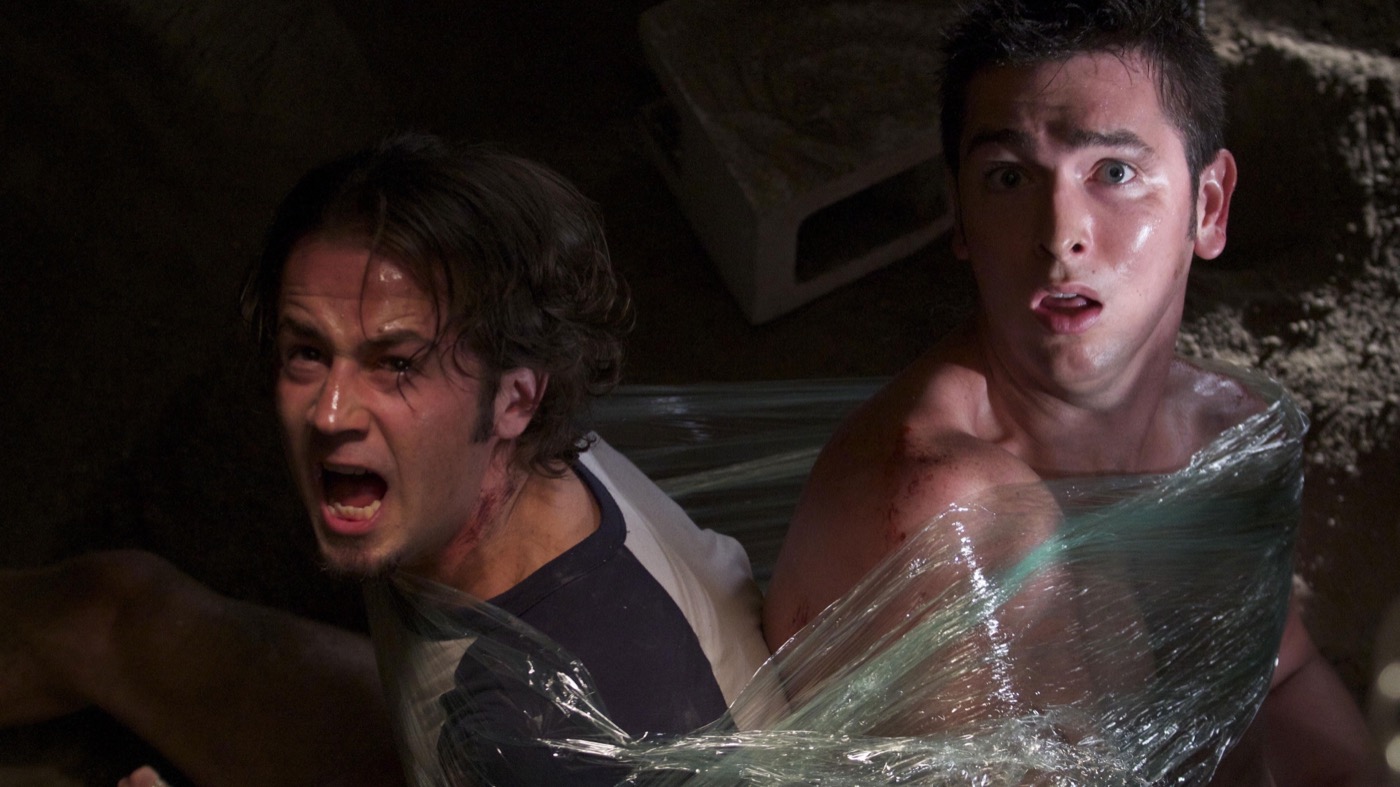
Takashi Ishii: The Angel Guts Collection (1979-1988)
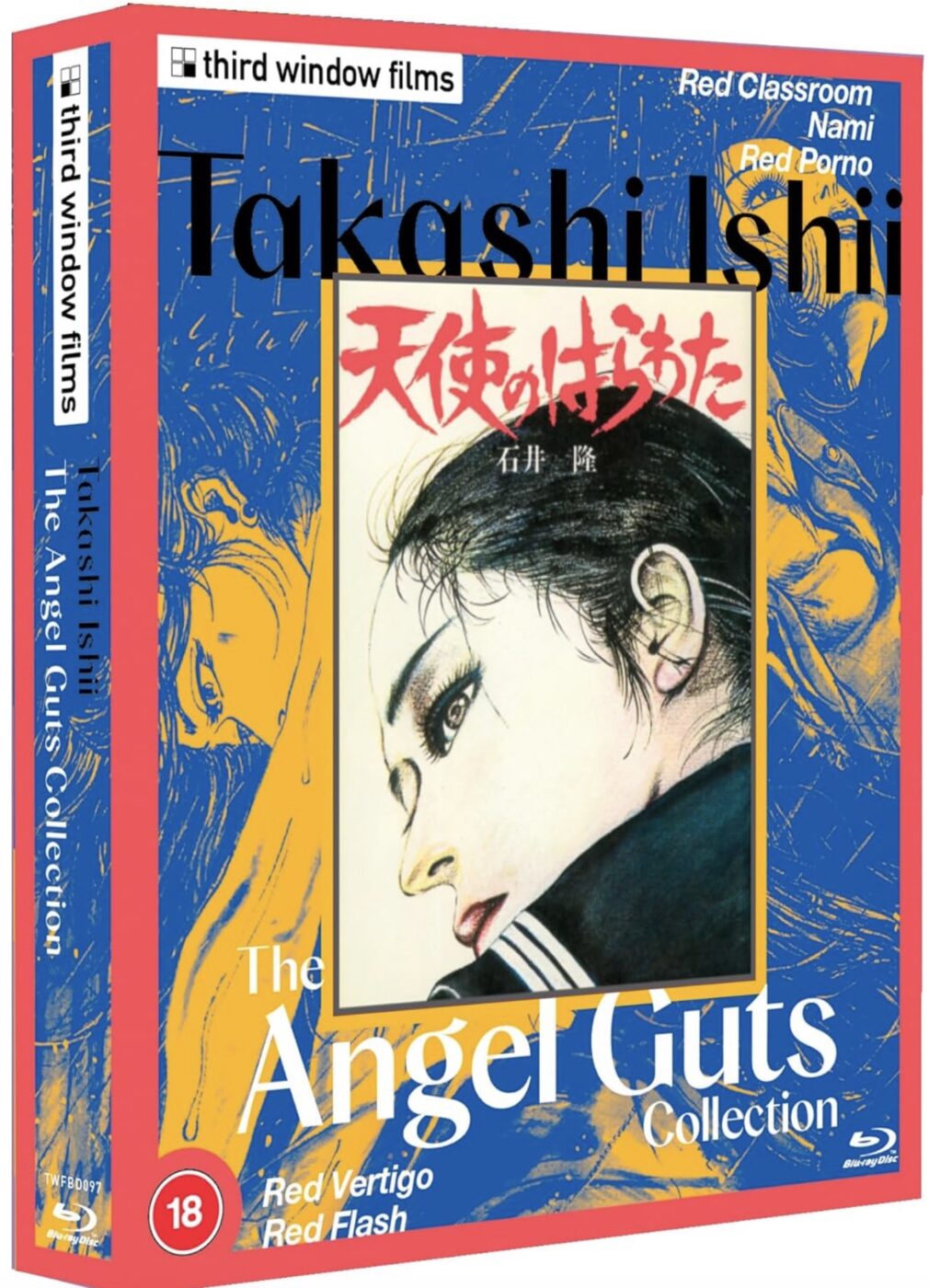
A collection of five films from 1979 to 1994 adapted from Takashi Ishii’s cult manga...


A collection of five films from 1979 to 1994 adapted from Takashi Ishii’s cult manga...
Third Window Films is currently the boldest Blu-ray distributor on the market, actively unearthing overlooked gems from Japan’s rich cinematic heritage and presenting them alongside vital contemporary works from the nation’s emerging talent. Their latest release, Takashi Ishii: The Angel Guts Collection, follows last year’s excellent—if challenging—Takashi Ishii: 4 Tales of Nami box set, which proved a revelation.
This new collection features another four films, all newly remastered in high definition and linked by the recurring character of Nami. However, she’s more of a concept than a conventional character; she’s a distinctly different woman in each story and is never played by the same actress. What each manifestation shares is an uncommon resilience that enables her to shed victimhood and survive the most harrowing circumstances.
Although this is the second Angel Guts box set, it presents four earlier titles from a franchise comprising either six or nine films, depending on whether one counts the titles produced without the direct involvement of Nami’s creator, Takashi Ishii. Unfortunately, these don’t quite meet the expectations set by the previous collection, and I can understand Third Window’s decision to release them in this order.
Anyone unfamiliar with the series shouldn’t start here. Any chance of a positive engagement with this collection really rests on understanding the far more sophisticated films in the previous release. Therefore, I suggest you read my in-depth review of that box set first, as I’ve already discussed Nami and many of the recurring themes there.
Again, these movies deal with taboo subjects relating to psychological, physical, and sexual trauma. Unavoidably, the following reviews contain potential triggers—particularly sexualised violence and rape. Read on at your peril.
Between 1971 and 1988, the Japanese studio Nikkatsu churned out around 1,000 ‘Roman-porno’ films like these, with half a dozen in production at any one time. Most were masturbatory fantasies catering to the darker, misogynistic spectrum of toxic masculinity, with no intention of reflecting reality. They were so far from ‘woke’ that they may qualify as ‘comatose’.
In this context, ‘Roman’ referred to the kino-Roman, or Romanesque, which is a novelistic approach to writing a film treatment. It was their structured plots and production values that set them apart from the cheaper, independently produced pinku eiga (or ‘Pink’ films) that rarely concerned themselves with plot at all. Both subgenres were pornographic and unapologetically marketed as such.
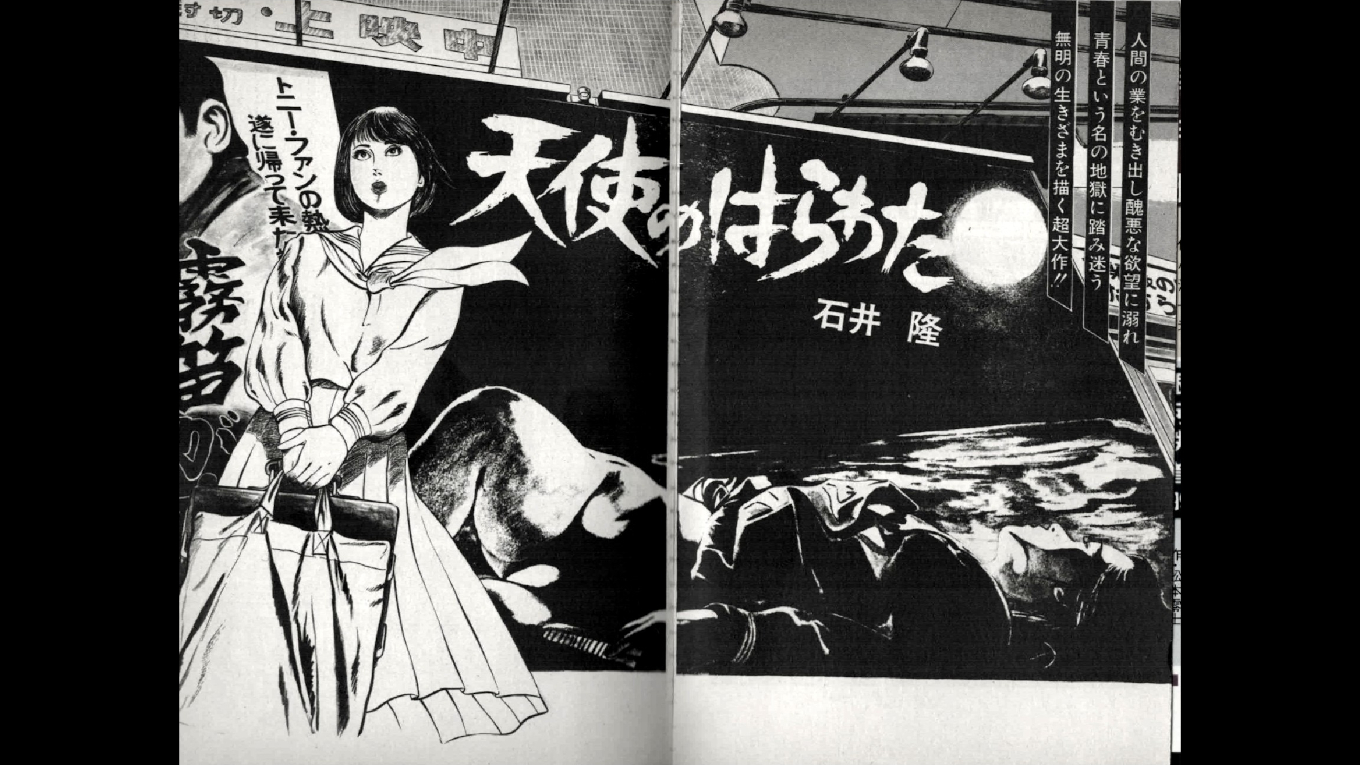
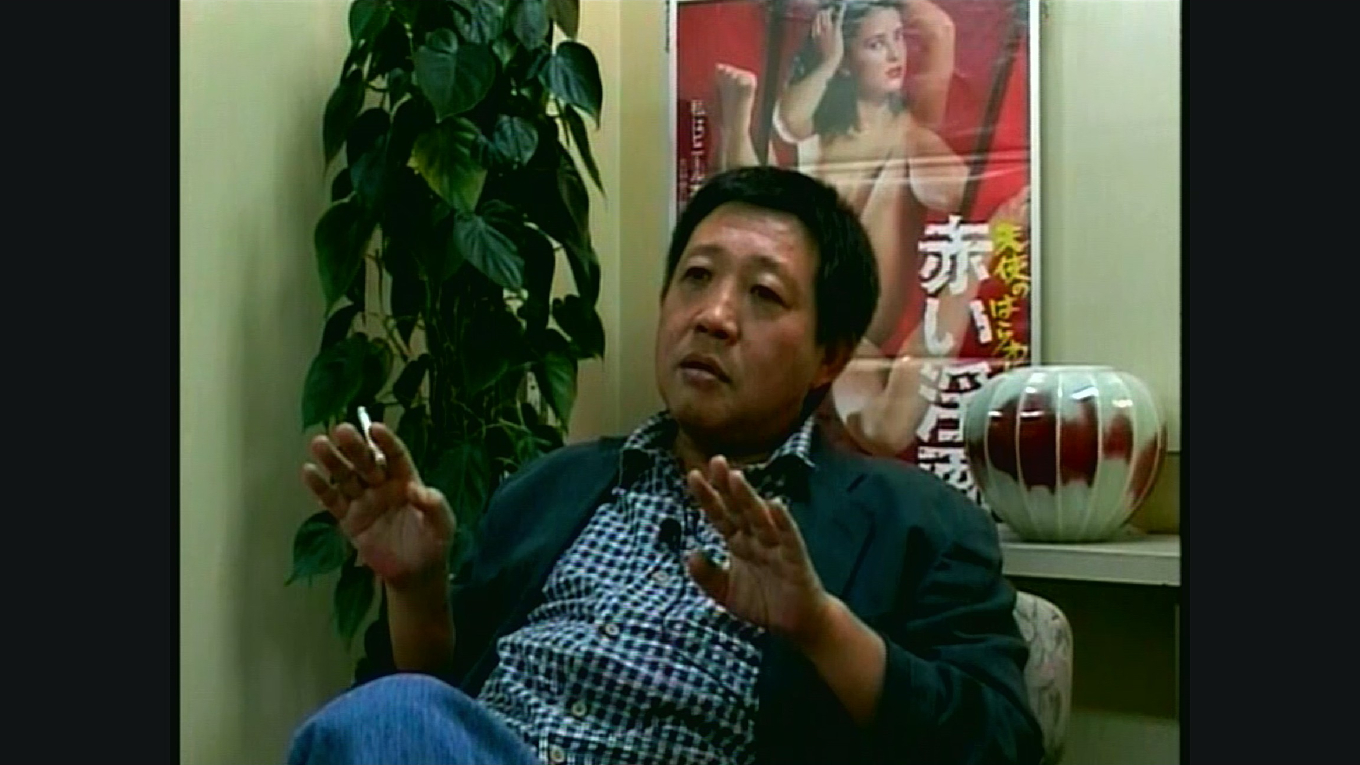
The Angel Guts sequence was somewhat of an anomaly, as the films were based on existing storylines from the manga series created, written, and drawn by Takashi Ishii. It’s when he takes the directorial helm that they’re finally elevated above clear categorisation and can no longer be justifiably dismissed as mere porn. Unfortunately, that only applies to one of the titles presented here: his directorial debut, Red Vertigo (1988). While there’s a bonus disc of Red Flash (1994)—also written and directed by Ishii—it’s worth noting that this was, rather confusingly, also included in the previous release.
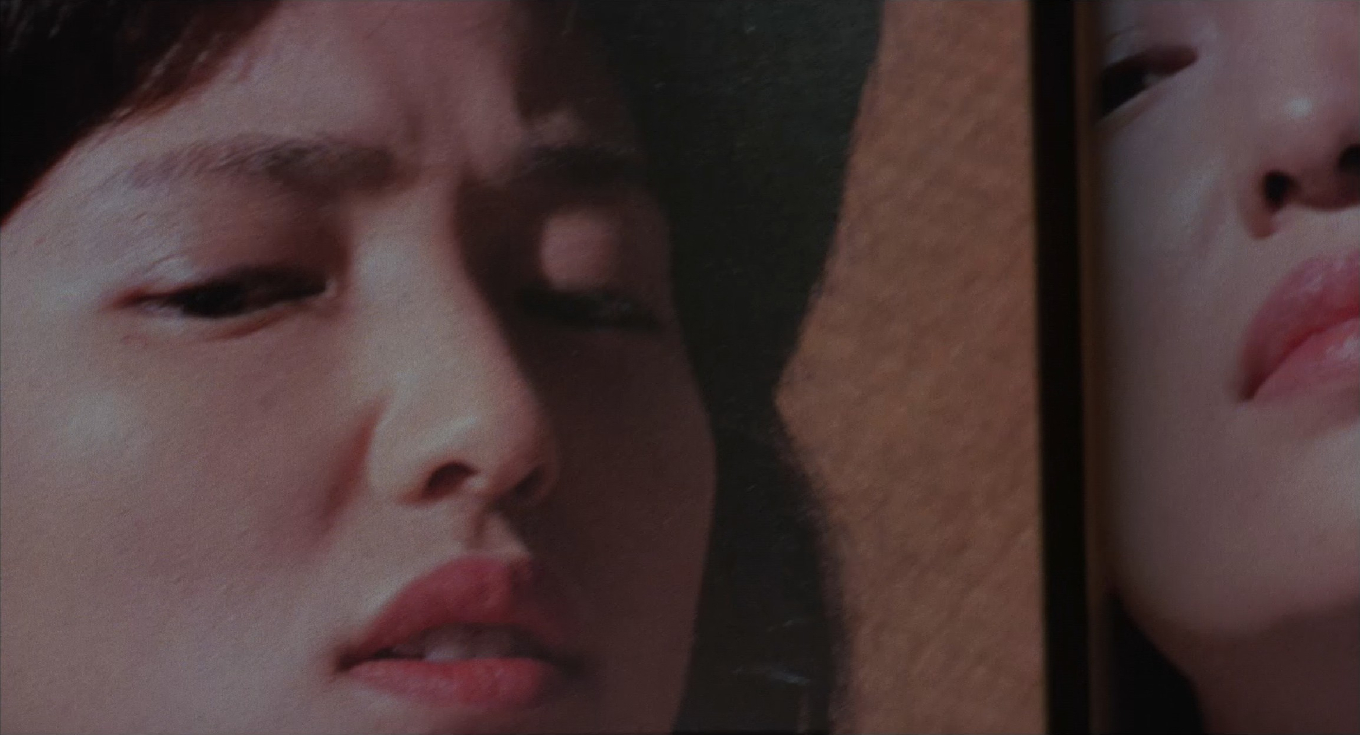
Like other exploitation genres—such as gratuitous gore, nastier slasher fare, and borderline pornography excused as ‘erotic thrillers’ or ‘sex comedies’—the other three titles may still be viewed in the context of their formative influence. In this case, they serve as contributions to the nascent akai: a genre taking its name from the ‘red’ themed titles of Ishii’s Nami sequence. Think of them as the awakening of Japanese giallo, or a preamble to the ‘Asia Extreme’ boom that ushered in the 21st-century.
The films can also be approached as a critique of the commodification inherent in consumerism, reflecting a collapse of traditional societal narratives in the aftermath of Japan’s so-called ‘miracle years’ of post-war prosperity. Perhaps they serve as both a product of and a commentary on the traumas of life within a consumer-driven culture during the economic struggles that plagued the last quarter of the 20th century following the global oil crisis of 1973. However, justifying their contentious content with this intellectual argument would require an entire thesis…
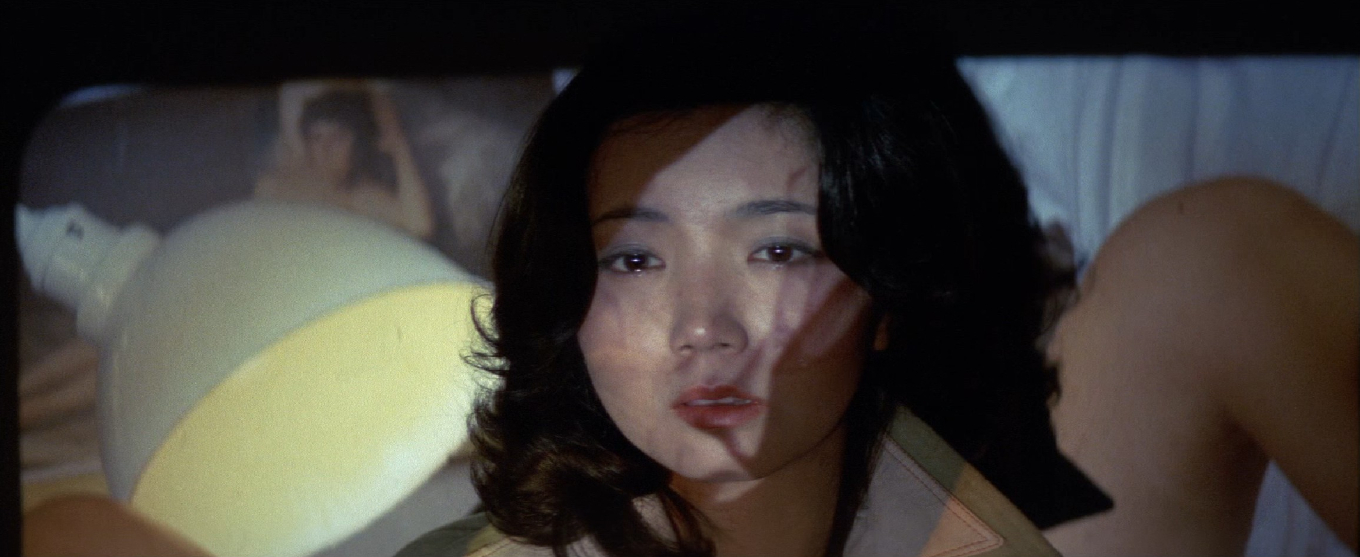
When a porn magazine editor watches a blue film of a gang rape in a school, he becomes obsessed with the actress, leading him down a dark path into obsession.
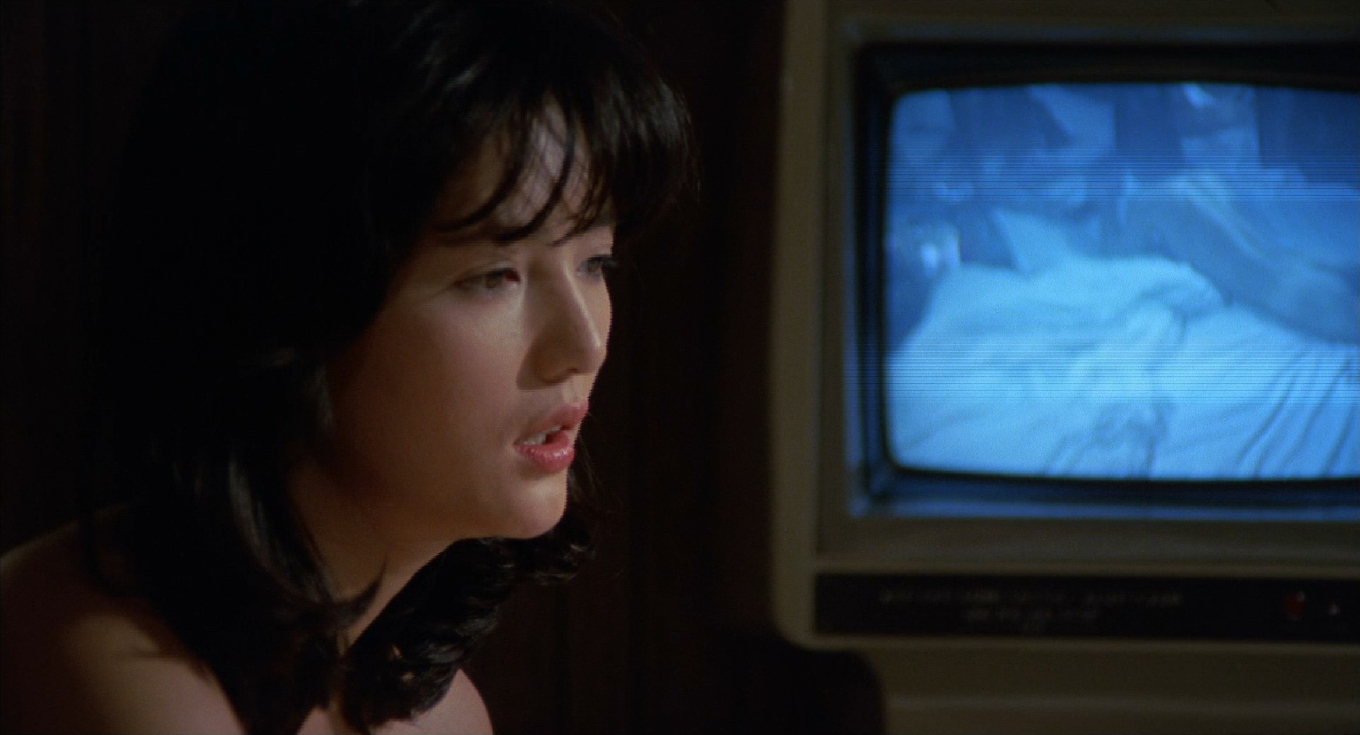
The film opens with a low-quality sequence in which a young woman (Yūki Mizuhara) is pursued through the halls of an empty school by three young men, accompanied by an electro score reminiscent of an early giallo. A multiple rape ensues; when the perpetrators flee, the camera lingers on the victim’s face. As it happens, this is a film within a film—an opening that immediately reframes notions of voyeurism as we watch the reactions of those viewing the violent pornography, mirroring our own position as an audience. This is a film about media constructs of reality.
One of those watching is Tetsuro Muraki (Keizô Kanie), who runs a small-time photographic agency providing content for adult magazines. Unable to forget the final frame of the woman’s face, he is struck by what he perceives as a rare authenticity. He becomes obsessed with tracking down the model under the pretext of working with her. She proves difficult to find, as the dodgy distributor handling the movie refuses to disclose any information about the actress.
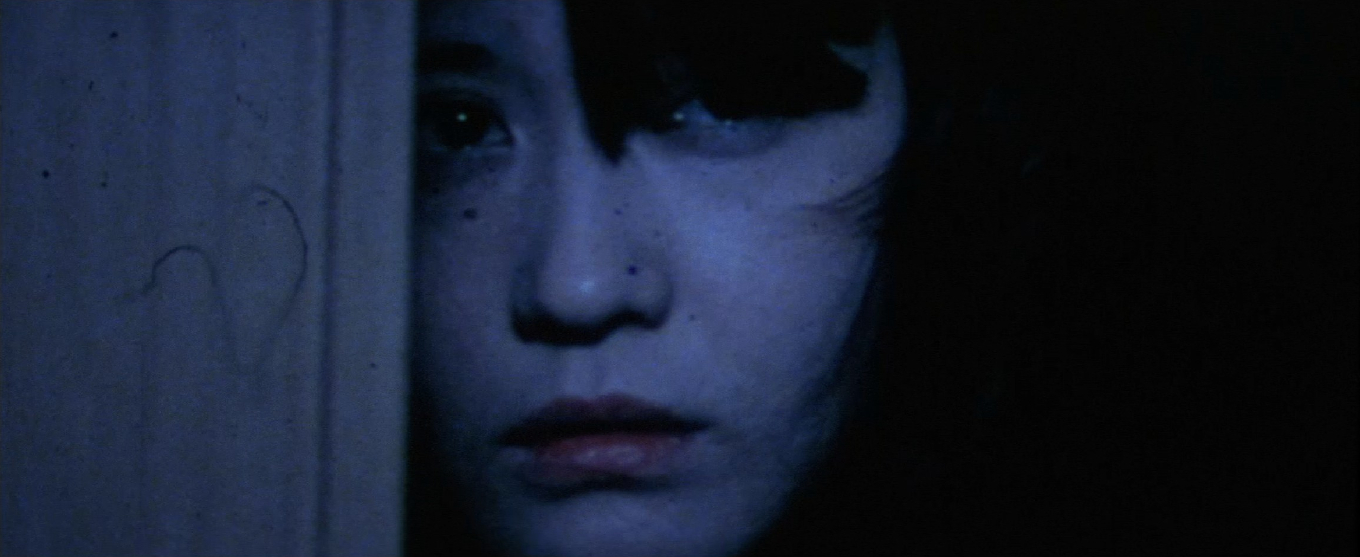
When he eventually tracks her down, she immediately forces herself on him; he slaps her, only to discover her name is Nami and she is now working as a prostitute. They arrange a meeting to start over with a traditional date, but Muraki is detained by the police and fails to make their rendezvous.
To close the second act, we see her with a client in a protracted, near real-time, and decidedly unerotic sex scene. The client’s masculinity is eventually subjugated by her insatiability. Her unbridled sexuality becomes daunting, and the man’s desperate desire to break for a cup of tea provides a moment of dark comedy.

Three years pass, and Muraki is now the father of a baby named Nami—a sign that his obsession was never sated. Risking his comparative stability in life and love, he seeks Nami out once more. Driven perhaps by a saviour complex, he hopes to rescue her from a downward spiral into depravity. He finds her working as a hostess in a squalid backstreet bar that stages live sex shows. Following a sequence that effectively evokes the experience of extreme intoxication, Muraki finally learns the harrowing truth about that school rape movie from years prior. He realises that, simply by watching it, he is somehow complicit in a criminal cycle of abduction and abuse.
The film’s success rests upon how director Chūsei Sone uses explicit content not as spectacle, but as a method of psychological excavation, and how the lead cast rises to the challenge. The film never offers easy answers; the distinction between victimhood and agency remains an unresolved conflict. What could have been nothing more than trashy exploitation ends up reminiscent of the grimmest European arthouse offerings—such as Lars von Trier’s Breaking the Waves (1996), Antichrist (2009), or Nymphomaniac (2013)—yet it lacks such grand pretensions.
According to records from the British Board of Film Classification (BBFC), this is the first time Red Classroom has been available uncut on UK home video, with just over a minute restored from a previous 2002 submission.
JAPAN | 1979 | 79 MINUTES | 1.66:1 | COLOUR| JAPANESE
While investigating stories of rape, a determined but callous reporter becomes caught-up in the trauma of the women’s experiences.
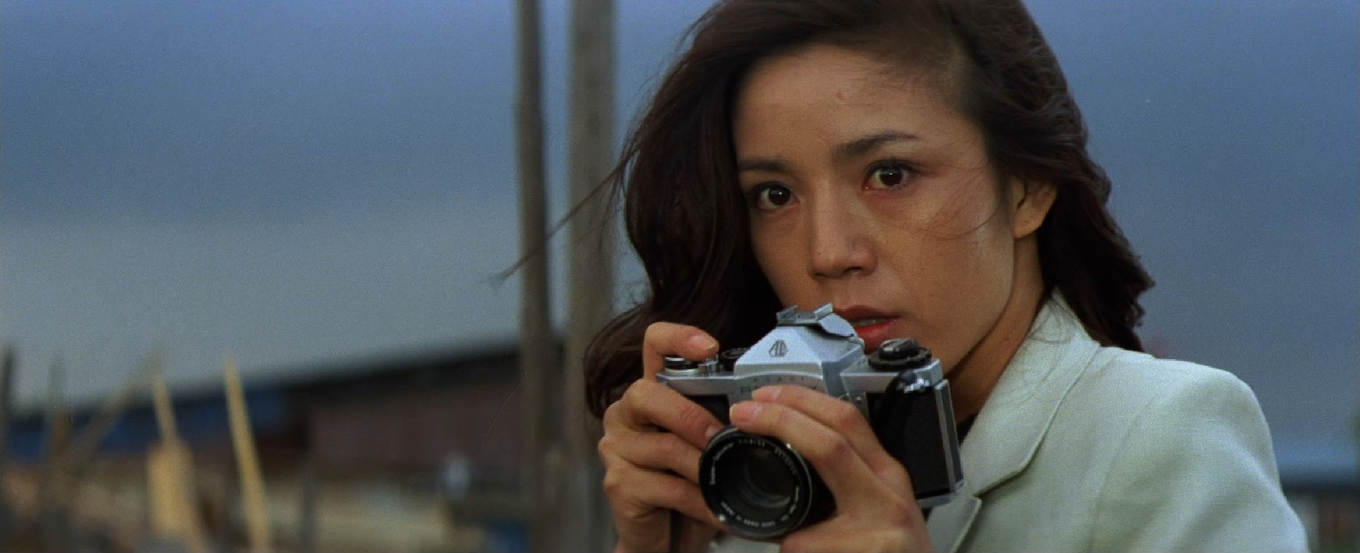
The opening is striking: the sprawling cityscape of Tokyo’s Shinjuku ward is laid out beneath us. Via a stepped zoom, we descend to street level to find a woman about to board a train. By implication, she could be any woman but, unexpectedly, she reacts to the presence of the handheld camera as it approaches, then pursues her as she turns to run. It seems that we are the source of her fear; as she finally stumbles, she pleads with us not to hurt her before lashing out with a piece of wood that cracks the screen. This is followed immediately by a rain-drenched scene of another woman being abducted and raped, putting up a futile but bloody fight against her attacker.
These are just two of the victims that ambitious reporter Nami (Eri Kanuma) is tracking for her series, ‘Rape and its Consequences’. Published in a women’s magazine—though we learn she receives fan mail from male readers—the column is driven by male editors who encourage Nami to hound the victims. She tenaciously harasses them until they give in and share their stories, reliving their trauma for the page. Naturally, we see these sordid experiences as they’re recounted, along with the physical and emotional wreckage they leave behind.

Initially, Nami is callous and unaffected, but the stories gradually begin to take their toll. She then finds them erotically stimulating—symbolically underlining that she, too, is violating these traumatised women by uncovering their experiences, often without their consent.
In this instalment, Muraki (Takeo Chii) is an editor of ‘plastic-mags’—adult magazines that must be sold in sealed bags—whom Nami meets at a sex show. She is there to interview a rape victim who now performs S&M scenarios with a gay man. The man wears a Tengu mask as a codpiece, utilising its extended phallic nose exactly as one might expect—a moment reminiscent of the long-nosed masks from the infamous rape scene in Stanley Kubrick’s A Clockwork Orange (1971).
While the film is a disturbing affair throughout, the third act takes an abrupt turn into admirably extreme horror. It involves a nurse attacked by a masked maniac wearing a leather butcher’s apron. An attempted disembowelment in the autopsy room is followed by a brutal rape in the adjacent mortuary, while the pair are partly submerged in an open formalin tank containing two floating corpses. One appears to be a burn victim, robbed of any gender—read into that what you will. First and foremost, it’s a stark reminder of the transience of flesh; what those corpses are, so shall the other two become. Furthermore, the semi-sedated woman and the frenzied, mechanical actions of the man demonstrate that physicality without meaning—in the absence of love, dare I say—is a form of death in itself.

It’s a bleak evocation of existential angst and horror of Lucio Fulci proportions, hovering somewhere between the American slasher and Japanese akai. I was reminded of Flesh for Frankenstein (1973) and Udo Kier’s line regarding death, life, and the gall bladder. I feel sorry for any lonely Japanese businessman or stag-party pals who were expecting a fun time at the cinema; I imagine them turning to one another, pale-faced, and suggesting they go for skewers and sake instead.
From the outset, director Noboru Tanaka confidently subverts the visual grammar of pornography to present something altogether too confusing to be a ‘turn-on’, gradually morphing through horror into surrealism. There’s even some humour along the way, if you squint hard. In the end, however, reality breaks down into a visual analogue of insanity. Whose insanity is unclear. We can’t be sure who survives as everything is shattered—victims and perpetrators alike.
JAPAN | 1979 | 98 MINUTES | 2.35:1 | COLOUR| JAPANESE
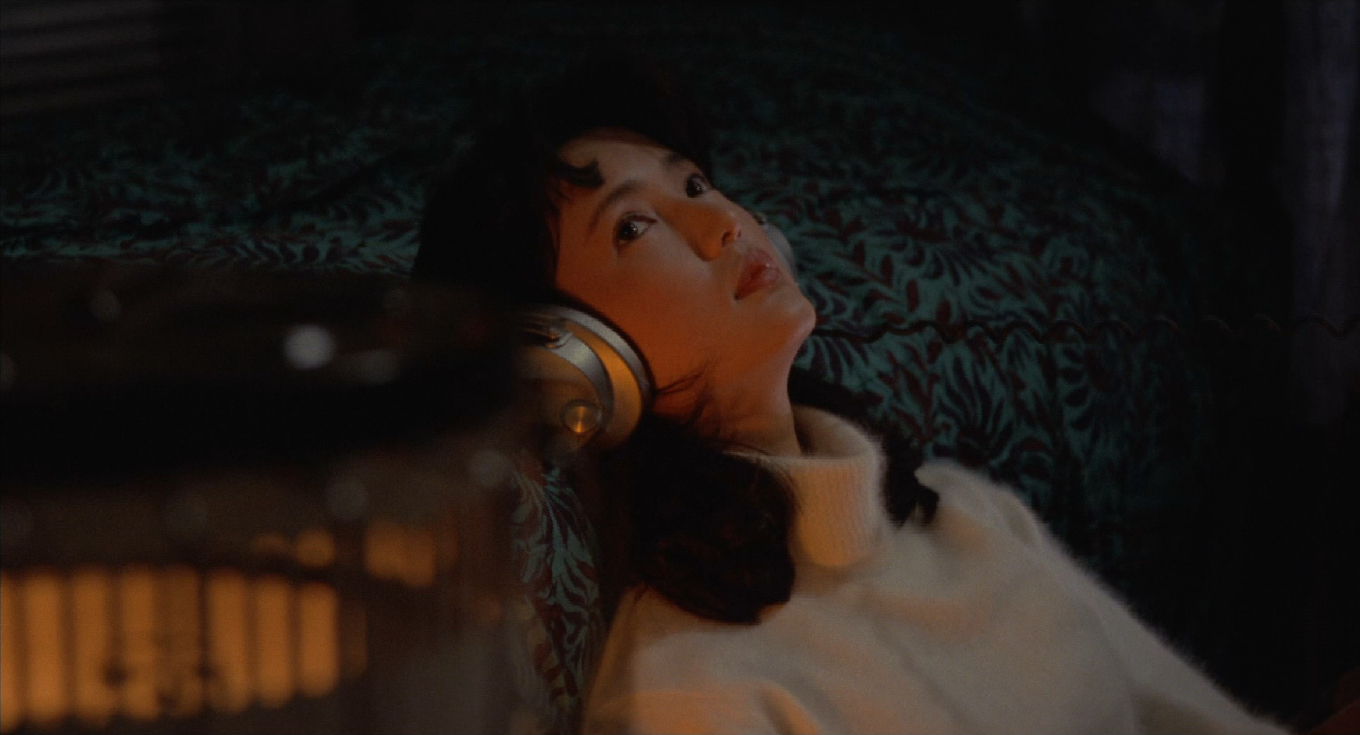
A department store worker agrees to stand in for a friend in a magazine photo shoot, which to her horror is S&M themed and requires nudity.
Directed by Toshiharu Ikeda, this is the nastiest and most explicit of the quartet—and also the least engaging. This time, Nami (Jun Izumi) works in a department store until a colleague asks her to stand in for a ‘side hustle’, which turns out to be a photoshoot for the S&M magazine Red Porno. The photographer and editors are so impressed by her commitment and acting ability—though she wasn’t acting—that they invite her back for more. Her problems really begin when the issue featuring her photographs is published; she becomes an unwilling star of sleaze and loses her job as a result.
Muraki (Masahiko Abe) is a loner who writes and recites terrible poetry when he’s not masturbating over Nami’s bondage photos or voyeuristically watching a young female neighbour… who is also masturbating, creatively using a hard-boiled egg and pencils. These oneiric scenes are the most explicit in the set and can’t really be excused as anything other than pornography, although they are by no means erotic. What slight narrative there is stretches credulity and fails to bring cohesion to a fragmented parade of colourful, often sticky, and ultimately meaningless visuals. I suppose that is the nihilistic intent. One scene of gendered violence is horrifically brutal and ends in murder; I’d wager that Muraki, our peeping Tom loner, will get the blame.
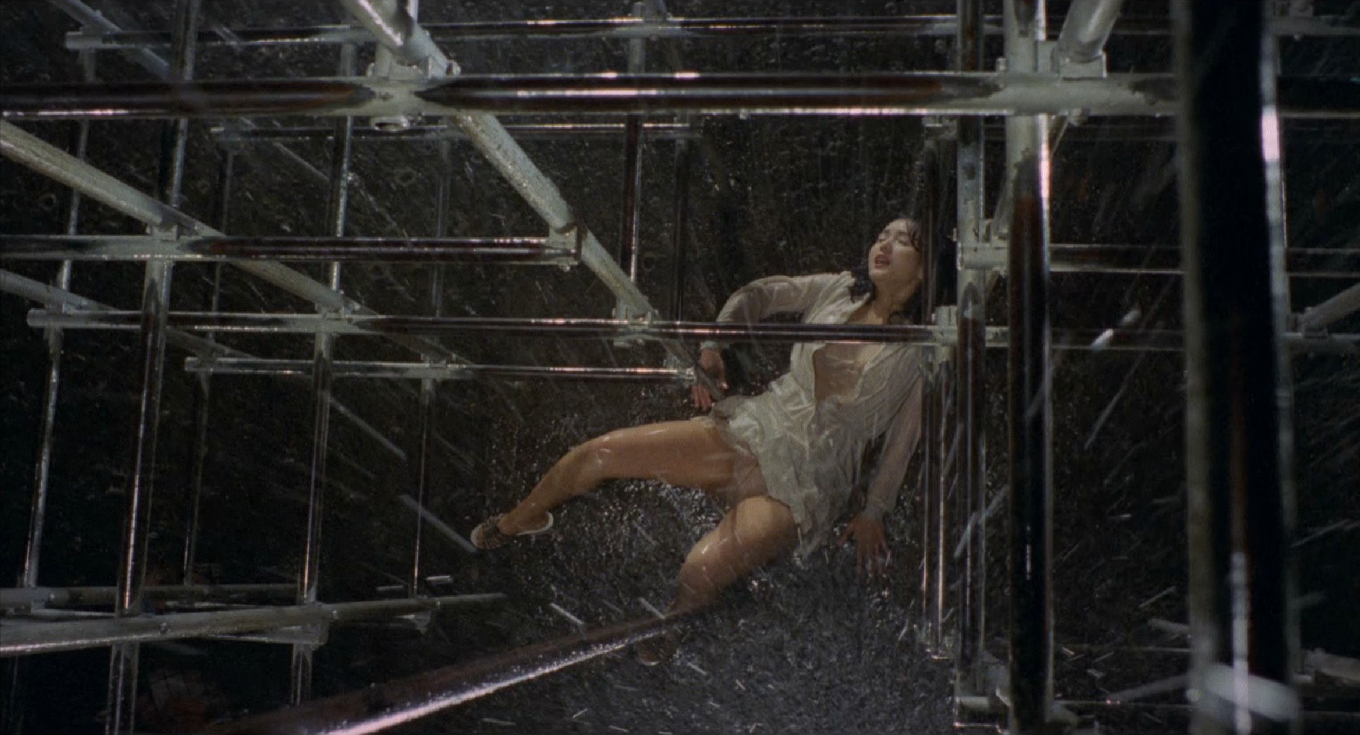
Toshiharu Ikeda’s direction and the clever cinematography by Yonezô Maeda are what makes this offering at all interesting. There’s deliberate use of objects to create symbolic barriers between characters and to obscure details, both for narrative purposes and to avoid compulsory cuts from the censors. It’s impressive how often the angle and framing come so very close to showing what would not be permissible.
The duo would work together several times, notably on Ikeda’s next movie Mermaid Legend (1984) which fused a supernatural narrative with a female vengeance plot. Takashi Ishii, also interested in using supernatural elements alongside uncompromising realism, collaborated again with Ikeda on the infamous Evil Dead Trap (1988) about a television reporter who receives a snuff tape that appears to feature herself as the victim – a film clearly influenced by American slasher movies and a formative precursor of Asia Extreme.
JAPAN | 1981 | 67 MINUTES | 1.85:1 | COLOUR| JAPANESE
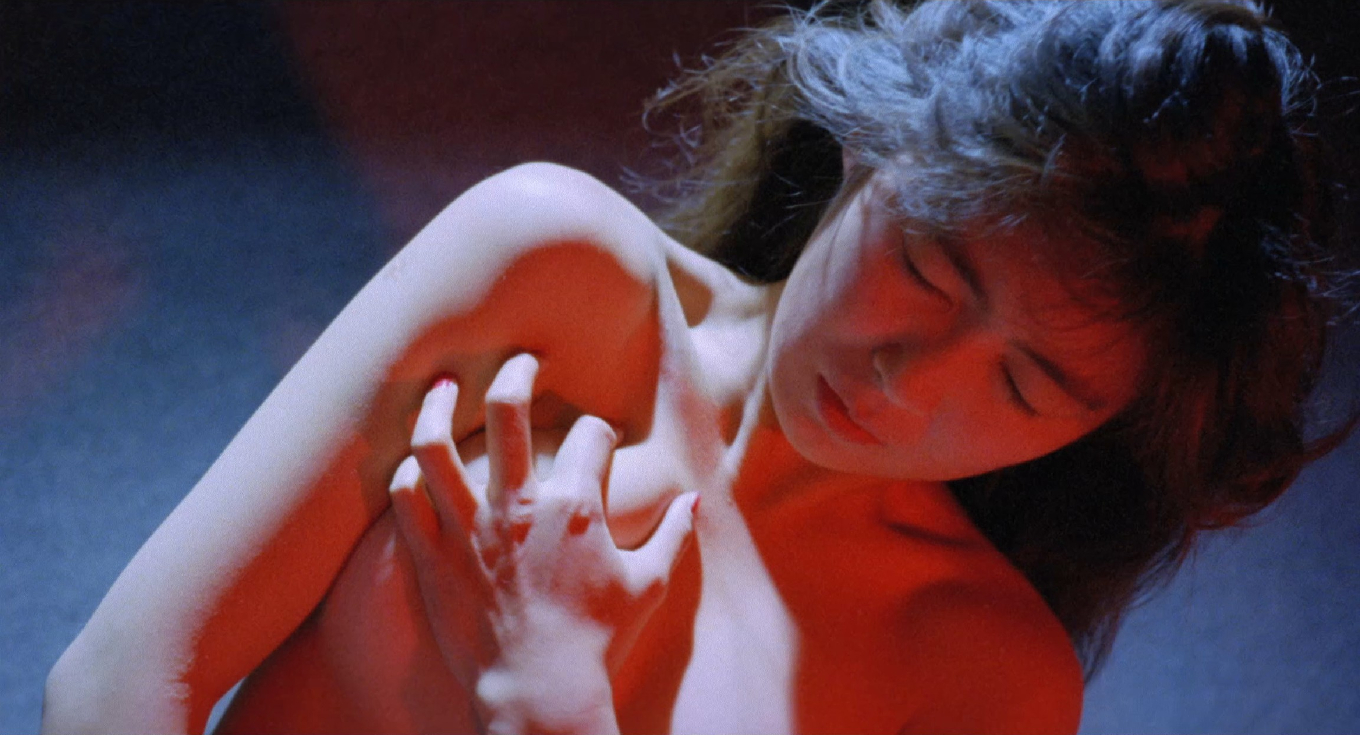
A nurse becomes the unwilling object of her patients’ lust and when she is hit by a car, the driver takes her prisoner.
The final film in this collection is Takashi Ishii’s directorial debut, having scripted the previous three from his own manga stories. It’s also the best of the bunch, though it would later be surpassed by his subsequent contributions to the series. A case in point is A Night in Nude (1993), which could even be considered a loose remake, as it shares several plot points and echoes the tragi-poetic dénouement. It also sees the excellent Naoto Takenaka reprise his role as Muraki, albeit in a very different incarnation.
Nami (Mayako Katsuragi) is sleeping at her nurses’ station when we seem to enter her dream: she is back home, helping her photographer boyfriend (Hirofumi Kobayashi) in the darkroom. She observes that one of the models he has been working with is exceptionally pretty and appears more frequently than any other. He explains that the selection of models is dictated by the editor and what will sell.
Immediately, we are presented with a critique of consumerism as a form of democracy; audience demand creates a feedback loop that dictates the media being produced. The popular body type—indicated by sales or viewing figures—influences the kind of physique shown most often. Likewise, the sort of content that sells (or, to use today’s terminology, gets the most ‘clicks’) is what we see more and more of.
Nami wakes and continues her rounds, adjusting an IV drip. Its rhythm merges with the drip of spilled whisky onto a phone on the floor of a shambolic apartment where a man sleeps on a sofa. The phone rings and a woman’s recorded voice announces that this is Muraki; we hear the caller threaten him, suggesting he burn down his house for the insurance or sell his wife into prostitution to repay a debt. “She’s already left,” mutters Muraki. This level of sophisticated narrative construction builds a solid, parallel portrait of both protagonists until they meet by chance.

Nami is called to a patient’s room, where she is ambushed and held down by an accomplice. She is almost raped, but the man botches the attempt and she manages to escape. Returning home from her shift early, she finds Kenji in flagrante with the pretty model, just as she suspected. This is consensual sex for a change, yet there is still a victim. Distressed, Nami flees the apartment on foot.
Meanwhile, Muraki—a disgraced stockbroker who has received death threats—believes a disgruntled ex-client is coming for him and also flees his apartment in distress, this time by car. He’s distracted by life’s financial and societal pitfalls, while Nami is distracted by the emotional and sexual. Both reflect the problems of a society with strictly compartmentalised gender roles: women measure their worth by sexual attractiveness, and men by financial success.
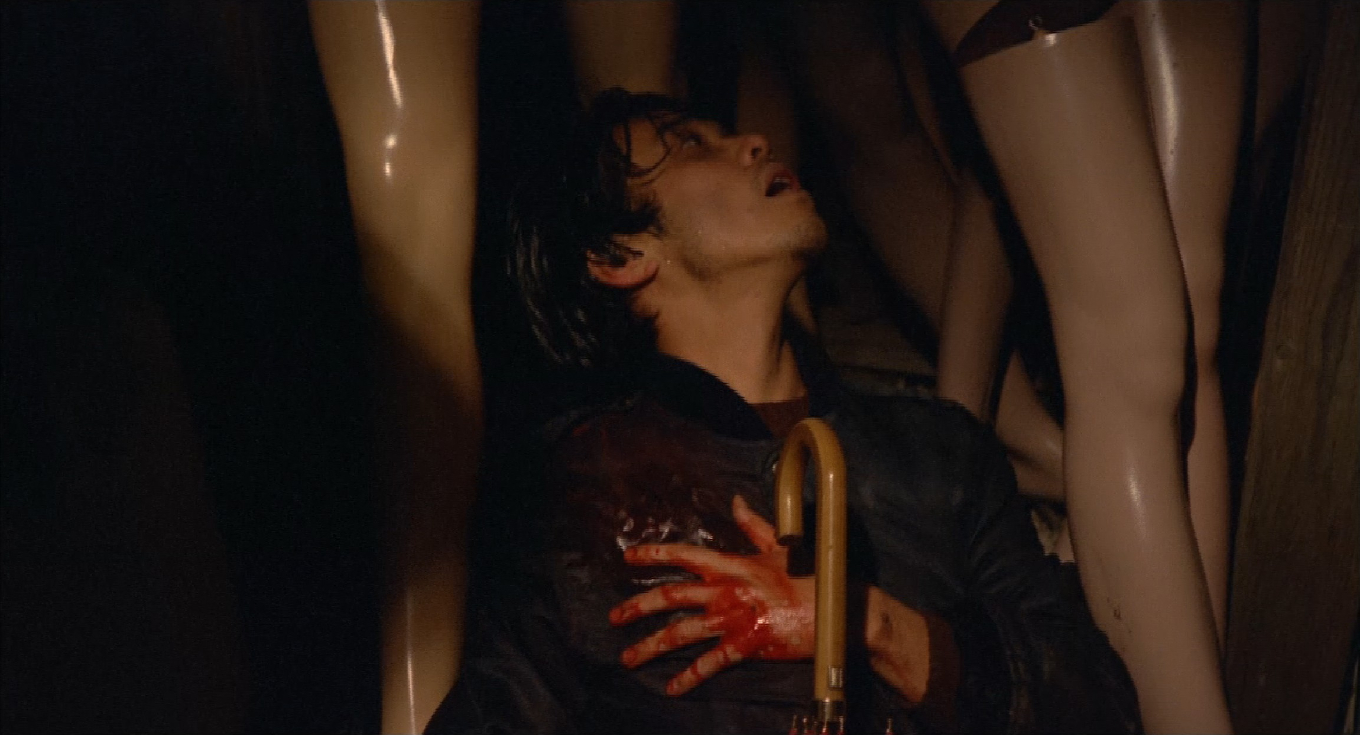
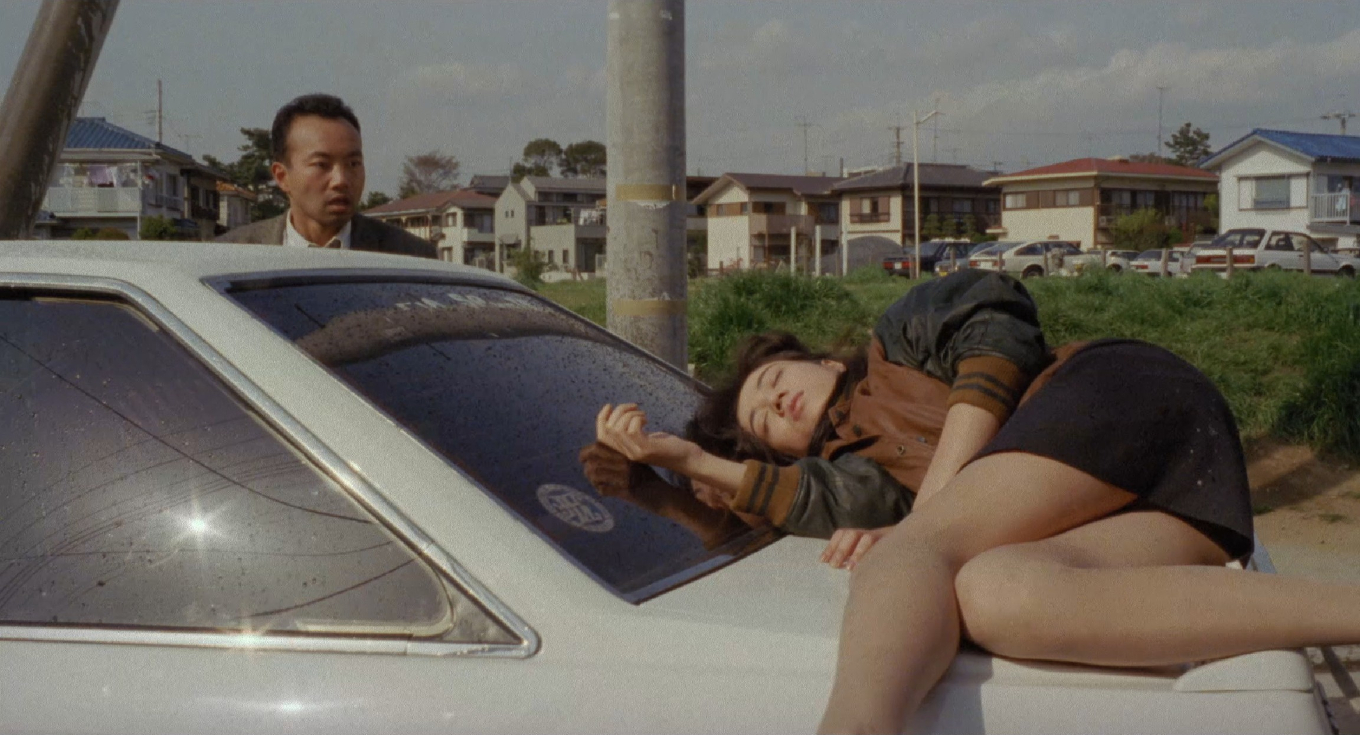
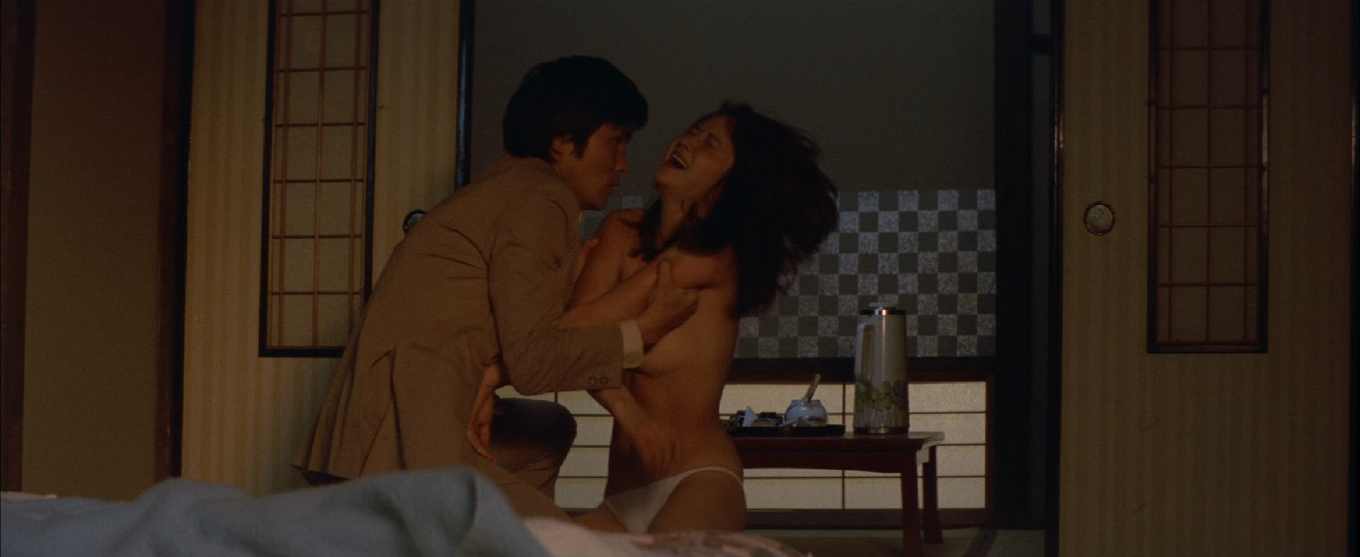
Neither is looking where they are going at the moment Nami is hit by Muraki’s car. Panicking and thinking he’s killed a stranger, he bundles her body into the vehicle and drives off while considering his next move. When he stops to check her for injuries, he instead begins to molest her while she’s unconscious. One finds oneself humming the equally “pervy” song by Momus, The Cabriolet.
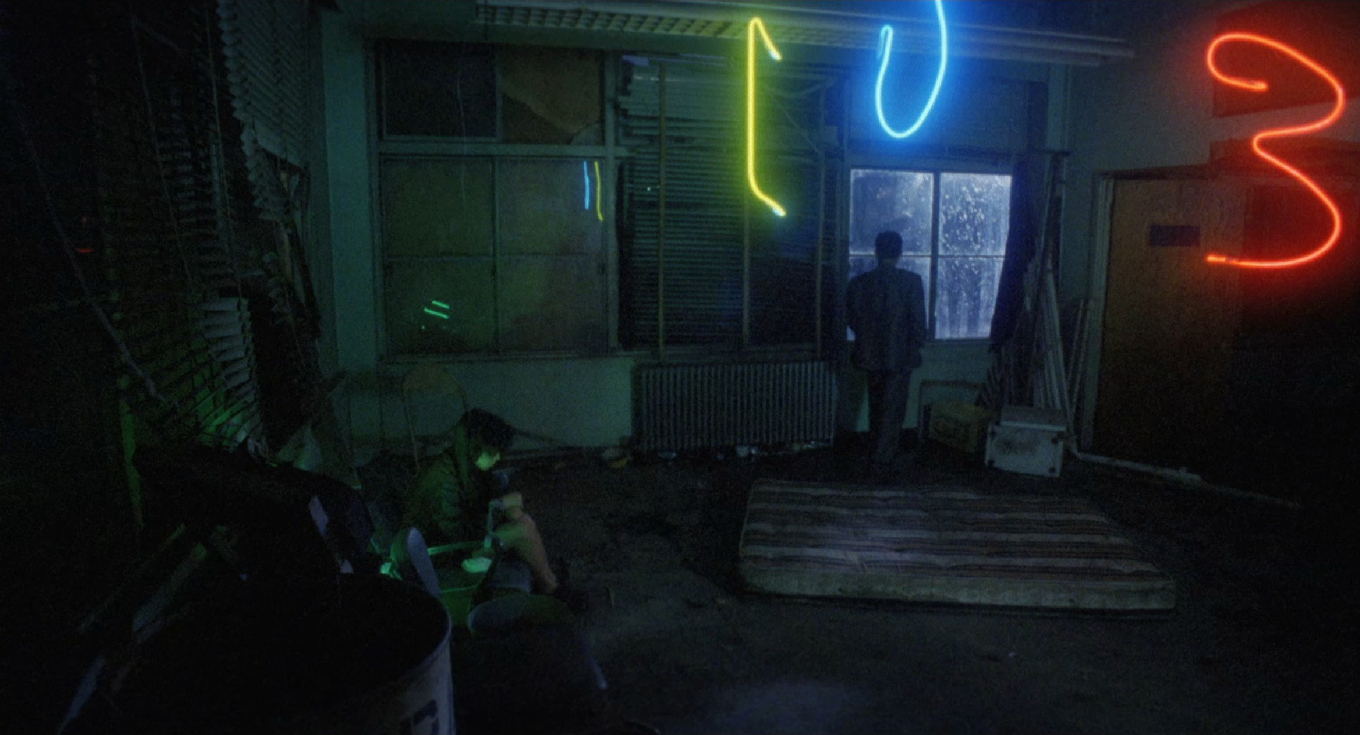
It’s a testament to Ishii’s writing and directorial intelligence that he can use this chance meeting and its gendered violation as the foundation for a complex relationship. As the characters navigate despair, revulsion, and anger, they find points of connection. Genuine feelings surface, and they form a bond born of mutual anguish. This is just about believable, though it could’ve benefited from a little more time to become wholly convincing. Ishii even manages one of cinema’s weirdest almost-romantic metaphors when both characters need to urinate. She crouches behind a cabinet and he stands behind a door; separated by the breadth of the frame, the streams they produce flow across the floor to meet and mingle. I don’t know if Ishii had read Georges Bataille—specifically the 1928 novel The Story of the Eye—but I wouldn’t be surprised, as it also leans into the metaphorical use of bodily fluids.
Red Vertigo is an impressive directorial debut. It already features the elements that form Ishii’s cinematic grammar: neon‑soaked spaces, whole-frame compositions, long continuous takes, and the psychological metaphor of rain and abandoned urban spaces. His fascinations with eroticism as a site of violence and transgression as a form of revelation were already evident in his manga and here begin to assert themselves on the screen.
JAPAN | 1988 | 74 MINUTES | 1.85:1 | COLOUR | JAPANESE


The HD transfers appear to have some issues with horizontal banding during fast pans, though I suspect this is an artefact embedded in the source material. While it actually heightens one’s awareness of the screen as a constructed surface, one wonders if this was intentional. Nami and Red Vertigo have both benefited from the remastering and look particularly slick and clean.
Each film is accompanied by informative audio commentaries from leading experts on Japanese cinema. While placing the movies in their historical context, they provide a wealth of information regarding the cast and crew that would be difficult to source elsewhere. However, with the exception of Samm Deighan’s thorough contribution, the analysis of the on-screen sexuality is somewhat generalised; it rarely relates directly to the specific visuals, tending instead towards the academic and structural.


Film previously reviewed here.
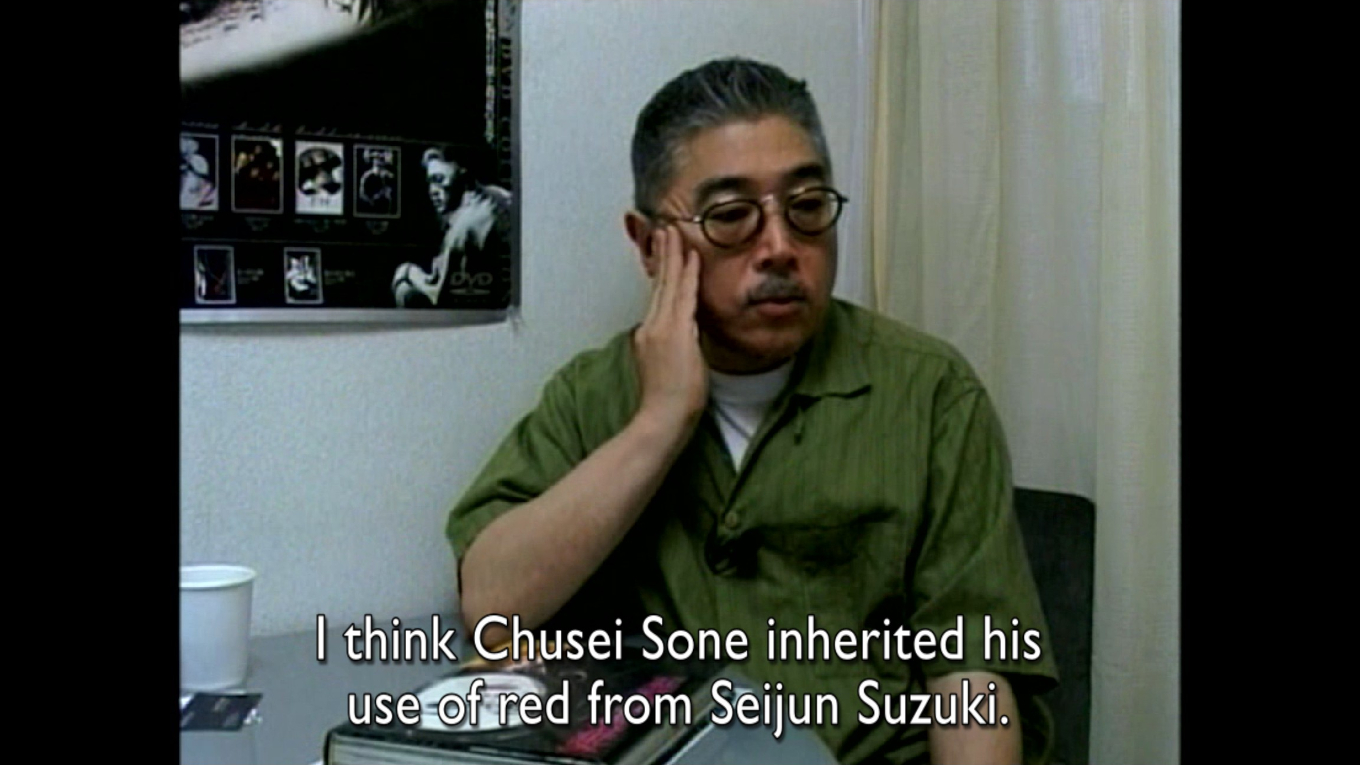
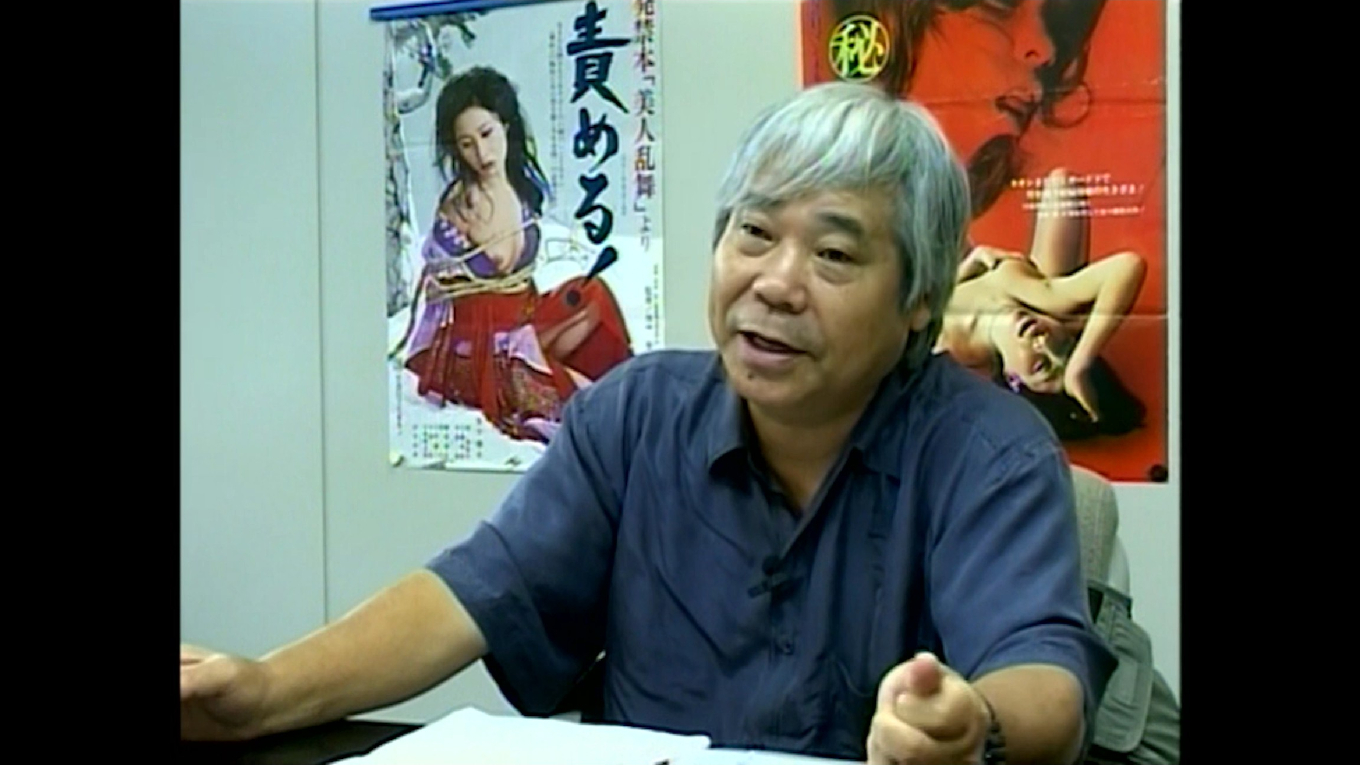
directors: Chûsei Sone (Classroom) • Noboru Tanaka (Nami) • Toshiharu Ikeda (Red Porno) • Takashi Ishii (Vertigo).
writer: Takashi Ishii.
starring: Yûki Mizuhara, Keizô Kanie, Jun Aki, Ken Mizoguchi, Minako Mizushima & Kenji Kasai (Classroom) • Eri Kanuma, Takeo Chii, Mimi Sawaki & Miyako Yamaguchi (Nami) • Jun Izumi, Masahiko Abe & Kyoko Ito (Porno) • Mayako Katsuragi, Naoto Takenaka, Hirofumi Kobayashi, Jun Izumi, Kazuyo Ezaki & Akira Ôtaka (Vertigo).