RETURN TO SILENT HILL (2026)
When a man receives a mysterious letter from his lost love, he is drawn to Silent Hill, a once familiar town now consumed by darkness.

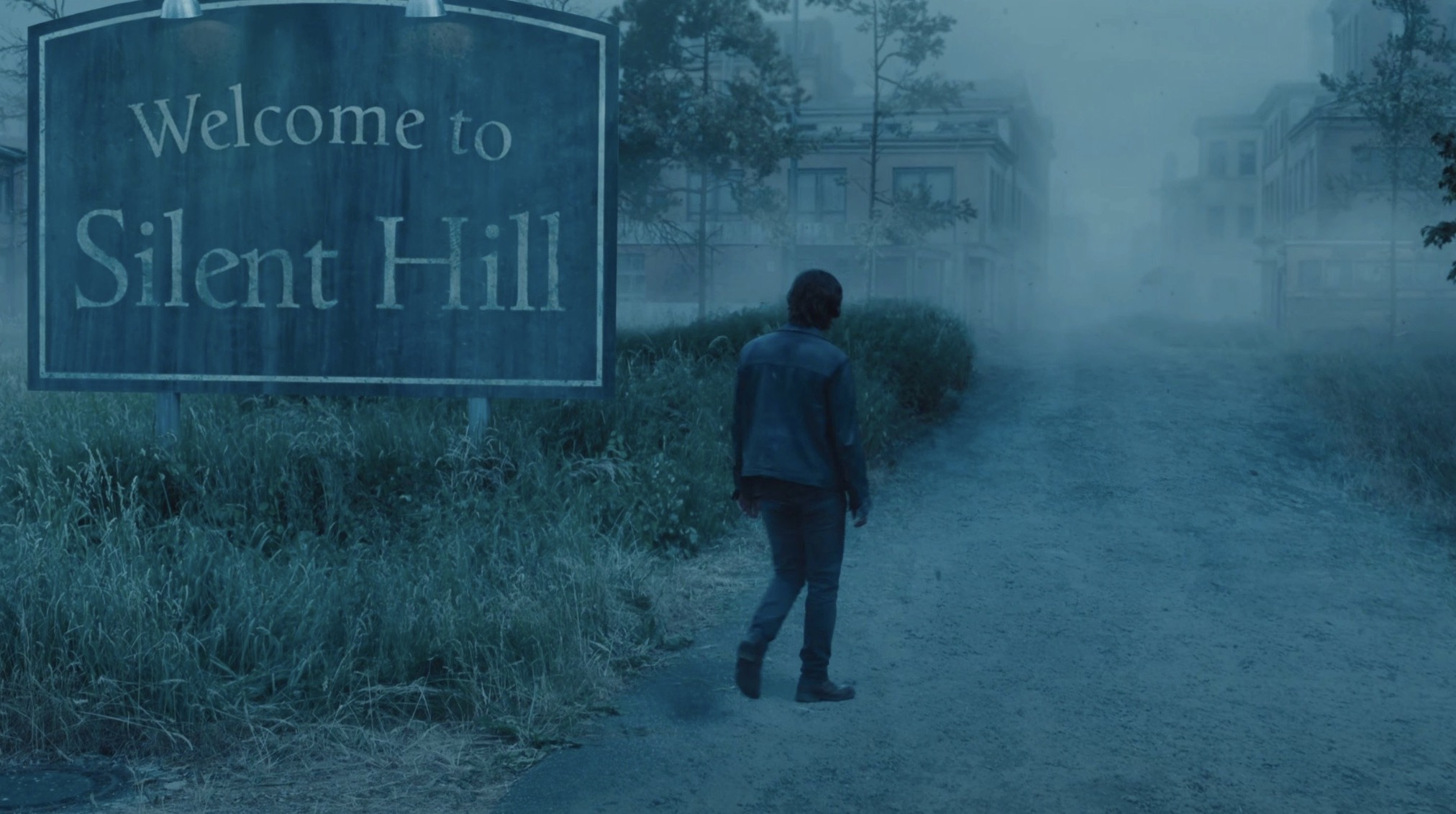

When a man receives a mysterious letter from his lost love, he is drawn to Silent Hill, a once familiar town now consumed by darkness.
“Silent Hill has a huge fan base. Christophe is somebody that they can relate to and understand, and he is a gamer himself, and I think there is nobody better poised to bring it to the modern screen.”—Molly Hassell, producer.
“Christophe is really faithful and respectful to Silent Hill. We had a tremendous chance to work with Konami very closely.”—Victor Hadida, producer.
Those two quotes kept popping into my mind while viewing the new Christophe Gans joint, almost on a loop throughout the film. Not only is Return to Silent Hill an awful screen adaptation of the video game source material, but it’s an abhorrent piece of filmmaking as well. Gans certainly thinks rather highly of the job he did, much like a secondary school student who thinks they’re an artistic prodigy because they received a handful of compliments for a single piece of work.
I’ve emphasised the importance of preserving the spirit of source material when adapting it to another medium numerous times; there’s no need for me to elaborate further here. I’ve also stressed that one can take creative liberties while translating a story, as not everything can properly adhere to a new medium. Well, Gans takes creative liberties alright, but he does so in a manner that completely eviscerates the soul of Silent Hill 2—the video game upon which Return to Silent Hill is based.
He omits important details from the source material’s screenplay, then contorts the rest to fit his ideas, including the characters, who barely make the impact they did in the game. All of their crucial scenes pertaining to the narrative and themes have been gutted; they’re mostly used for aesthetics.
Eddie Dombrowski (Pearse Egan) isn’t broken down and turned unhinged by events prior to his arrival in Silent Hill, killing every manifestation the town throws at him that pokes fun at his weight; he just exists, and then he doesn’t. Angela (Hannah Emily Anderson) is no longer a victim of sexual abuse from her father and brother; instead, she looks like a vagrant used as an expository tool to warn James of the town’s dangers. Laura (Evie Templeton), who is supposed to be an eight-year-old who befriended Mary Sunderland—James’ wife—at the hospital, is instead 17-years-old, isn’t friends with Mary, and carries a decaying monstrous baby at all times.
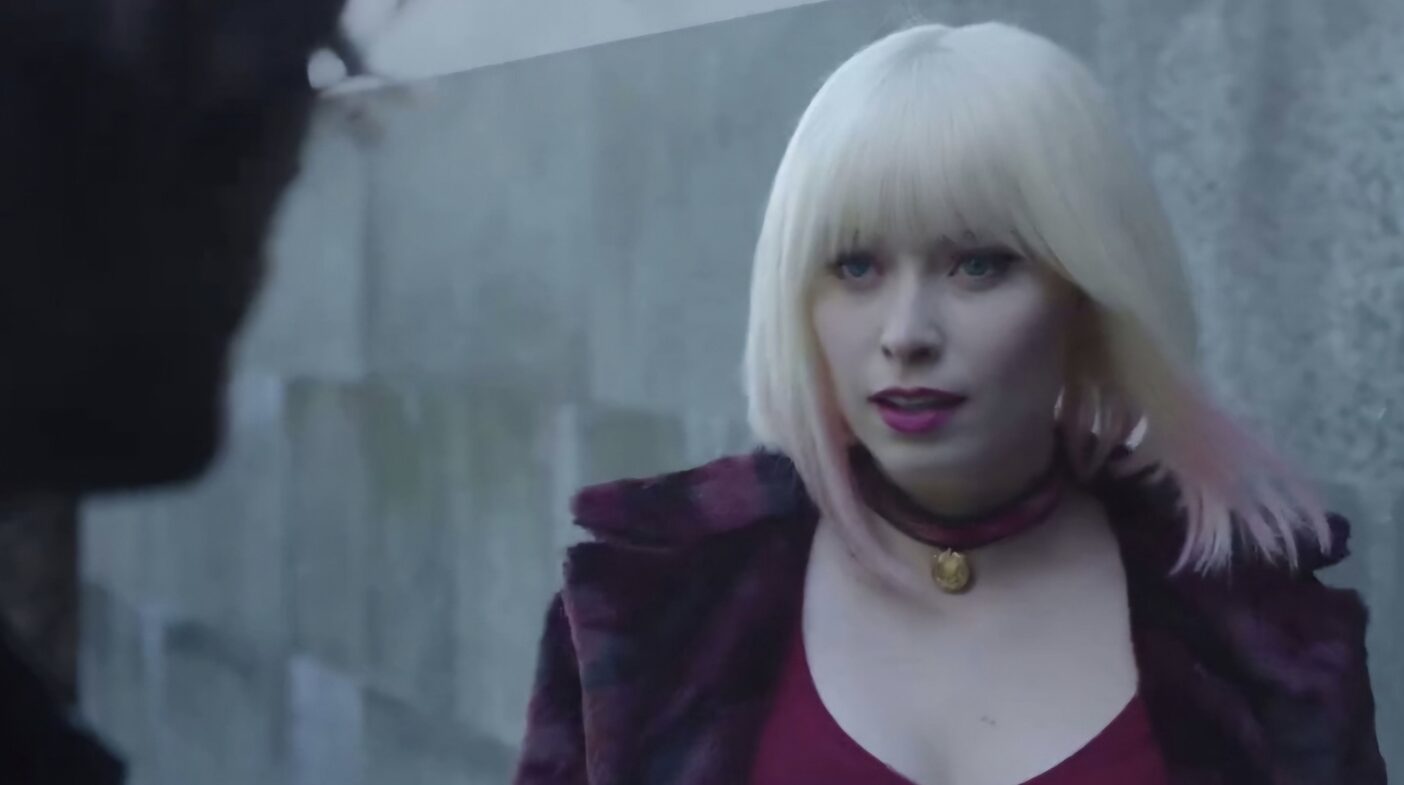
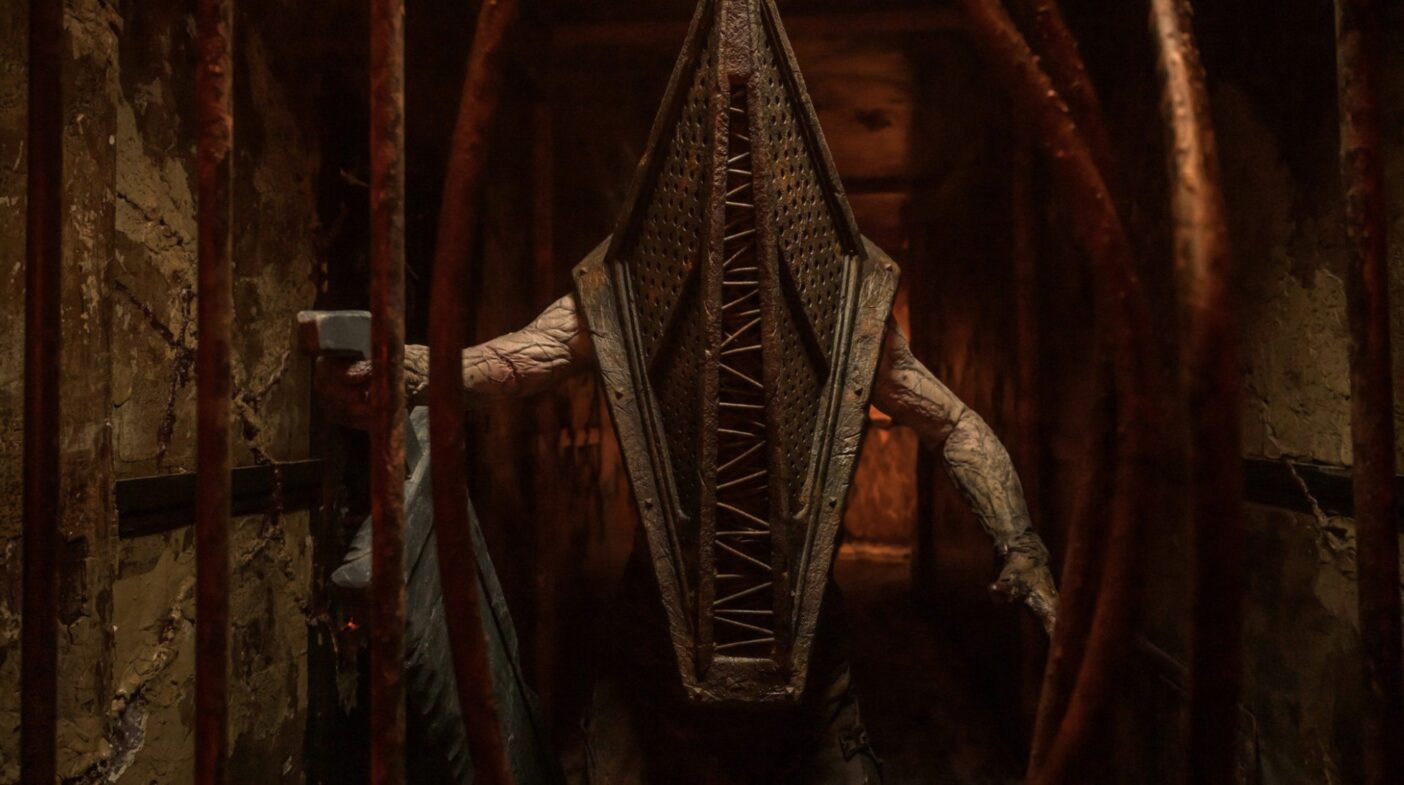
Maria (Hannah Emily Anderson) isn’t a manifestation of James’ longing for his wife, formed from the guilt of her passing and repressed sexual desires; she just exists because she’s in the game and serves as decoration. Lastly, the Red Pyramid thing (Robert Strange) is no longer a physical manifestation of James’ shadow (Jungian) or id (Freudian), depending on how one interprets the screenplay of the game, brought forth by the town itself. Instead, he’s a generic “big bad” that Gans gives a face, and it isn’t what Masahiro Ito intended back when he first designed the character—it’s a human face with a stern grimace.
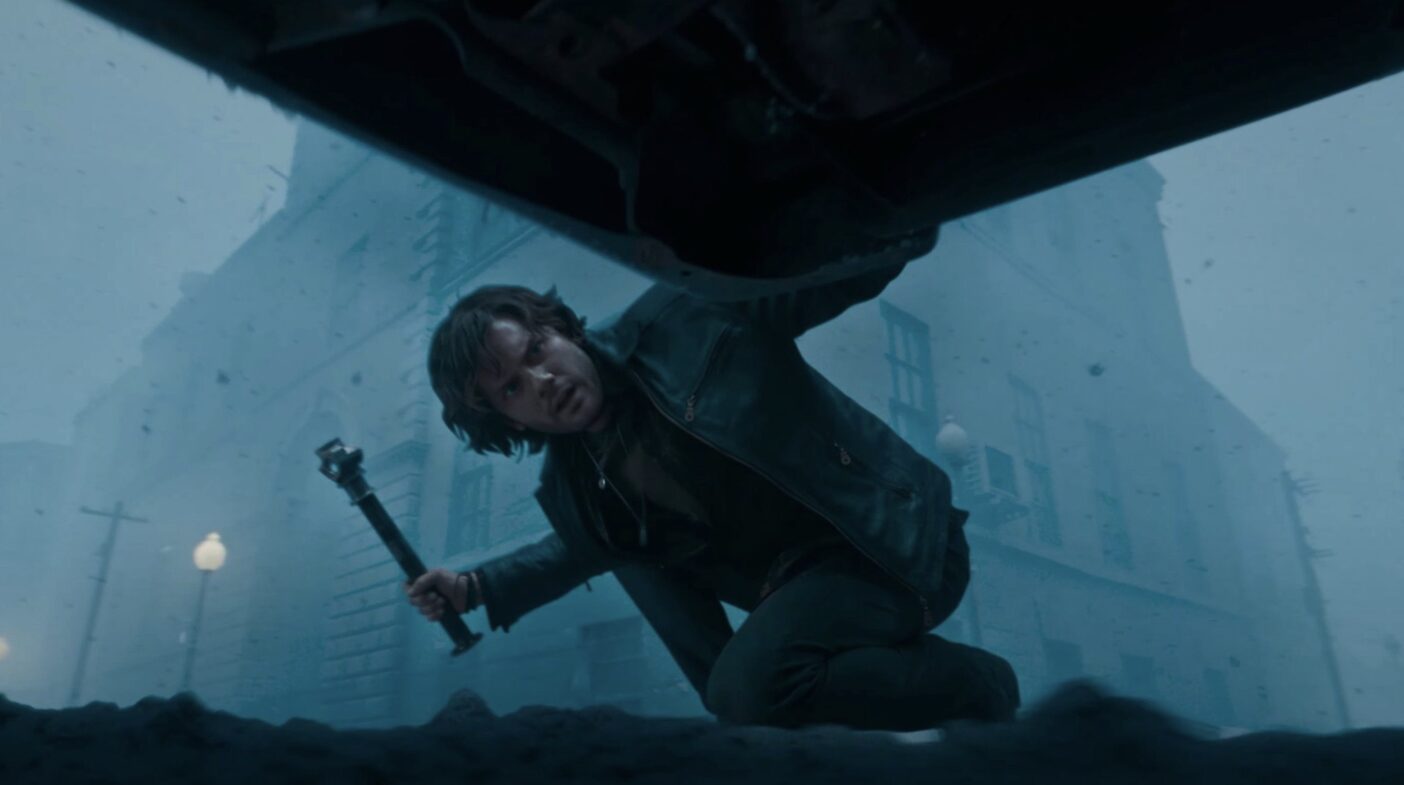
Then there are the changes Gans makes to the two major characters: James Sunderland (Jeremy Irvine) and Mary (Hannah Emily Anderson). They are no longer married; they’re just a couple. They meet in such a contrived manner it would make the CEO of the Hallmark Channel blush. James is an artist, and Mary is part of The Order—the series’ resident cult. Her family were the founders of the town and the sect.
The Order isn’t the same this time around, despite what we were told of its inception. The Order, once a unique mixture of Christianity, Neo-paganism, Gnosticism, other religious beliefs, and elements of the occult, became something hilariously evil in Gans’s Silent Hill (2006) film, but is now outright satanic. What a perversion! As nonsensical as this change is, at least Gans used the right iconography instead of misusing the Petrine cross as most filmmakers do.
The core events at the start of the film play out differently from the game but ultimately lead James to town to look for his dead wife. Return to Silent Hill begins with a recollection of how James met Mary. It’s set in the modern day, so James drives a contemporary black Mustang instead of a turquoise 1977 Pontiac Ventura. He’s an alcoholic—a nice callback to the game where James had recovered from it—and during a bender one night, he finds a letter on the floor of his studio apartment from Mary. She narrates the contents of the letter, like the game, but Gans has gutted the contents of this letter, reducing it to a fraction of what it once was.
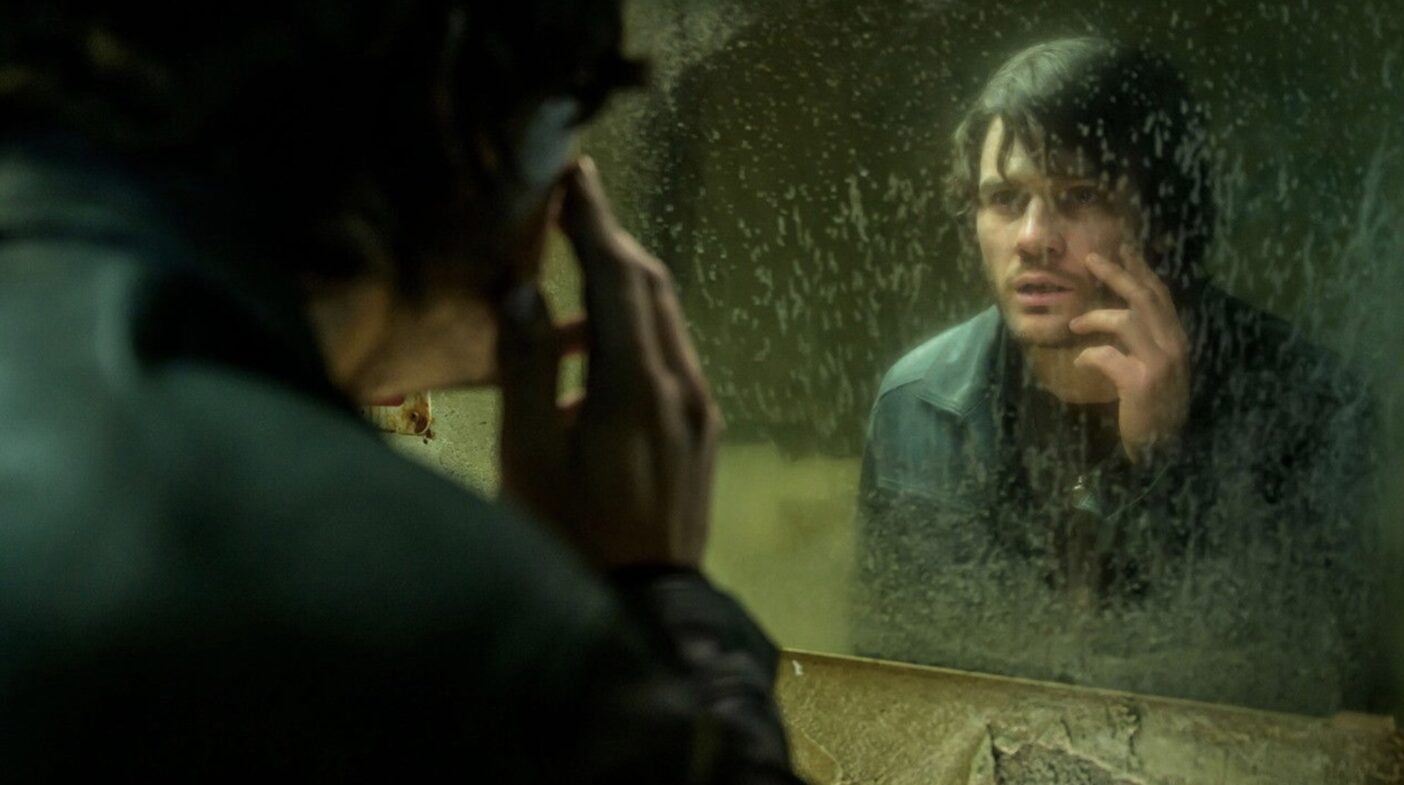
James makes his way to town—nonchalantly, I might add—and meets a homeless man spouting nonsense before he is killed by a Lying Figure and the town transitions into the Other World. The transition is different this time; reality no longer breaks apart like brittle, cracked paint. Instead, cracks protrude from James’ body like tree roots while the surface undoes itself.
That’s cool. In the games, the Other World reflects aspects of the individual, so varied transitions are a nice touch… except Gans then makes the Other World in this film look exactly as it did in the first film, which was based off the first Silent Hill game. Wonderful.
It really bothers me that fans and creators alike associate the Other World exclusively with rusty grates and fencing when that was specific to Alessa Gillespie. Do people pay any attention to the damn plot of these games? The producers confidently assert that Gans loves video games and is committed to being faithful to the series, as Gans himself has stated that he is a fan of Silent Hill; however, the final product shows a homogenization and reuse of assets. This happened in the Silent Hill 2 remake, and it’s happening here.
Should I be surprised? This is the same filmmaker who changed Harry Mason into a woman because, in his opinion, it “doesn’t make sense” for a father to look for his lost daughter in an abandoned town. Apparently, Gans doesn’t know what it means to be a parent. This is also the filmmaker who thinks the creator of the series is Akira Yamaoka (the composer), rather than Keiichiro Toyama, who left after the first game, as each game afterward had a different director until Team Silent dissolved post-Silent Hill 4.
The man clearly doesn’t know what he’s talking about, which is a crying shame. Had he actually cared about the art, then there is a chance that these films could have been enjoyable. Does Gans’ approach work when removed from the source material? I’d argue not. Despite Gans wanting to do his thing with the film, there are shared elements of lore that should be reflected in his films, like the nature of the town. Why make film adaptations of Silent Hill games if you’re not going to have the town function as it should at the very least? To satiate gorehounds and horror plebs who clamour for blood and nonsensical writing? He might as well make original stories using the lore Toyama and Team Silent created.
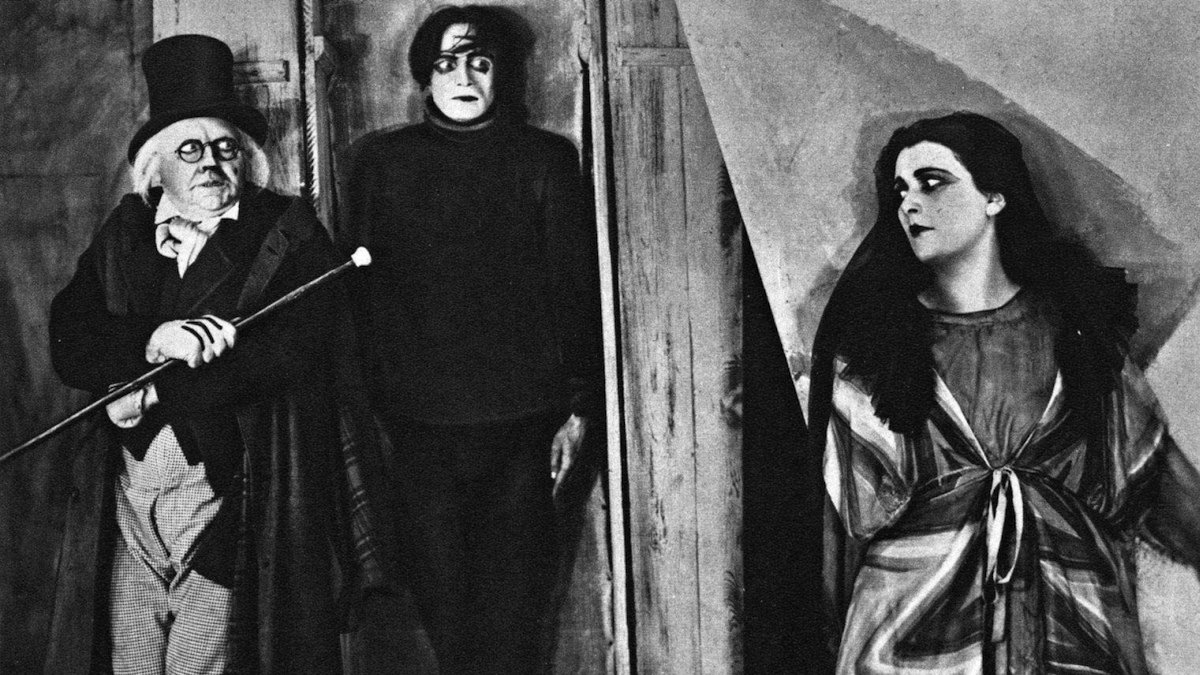
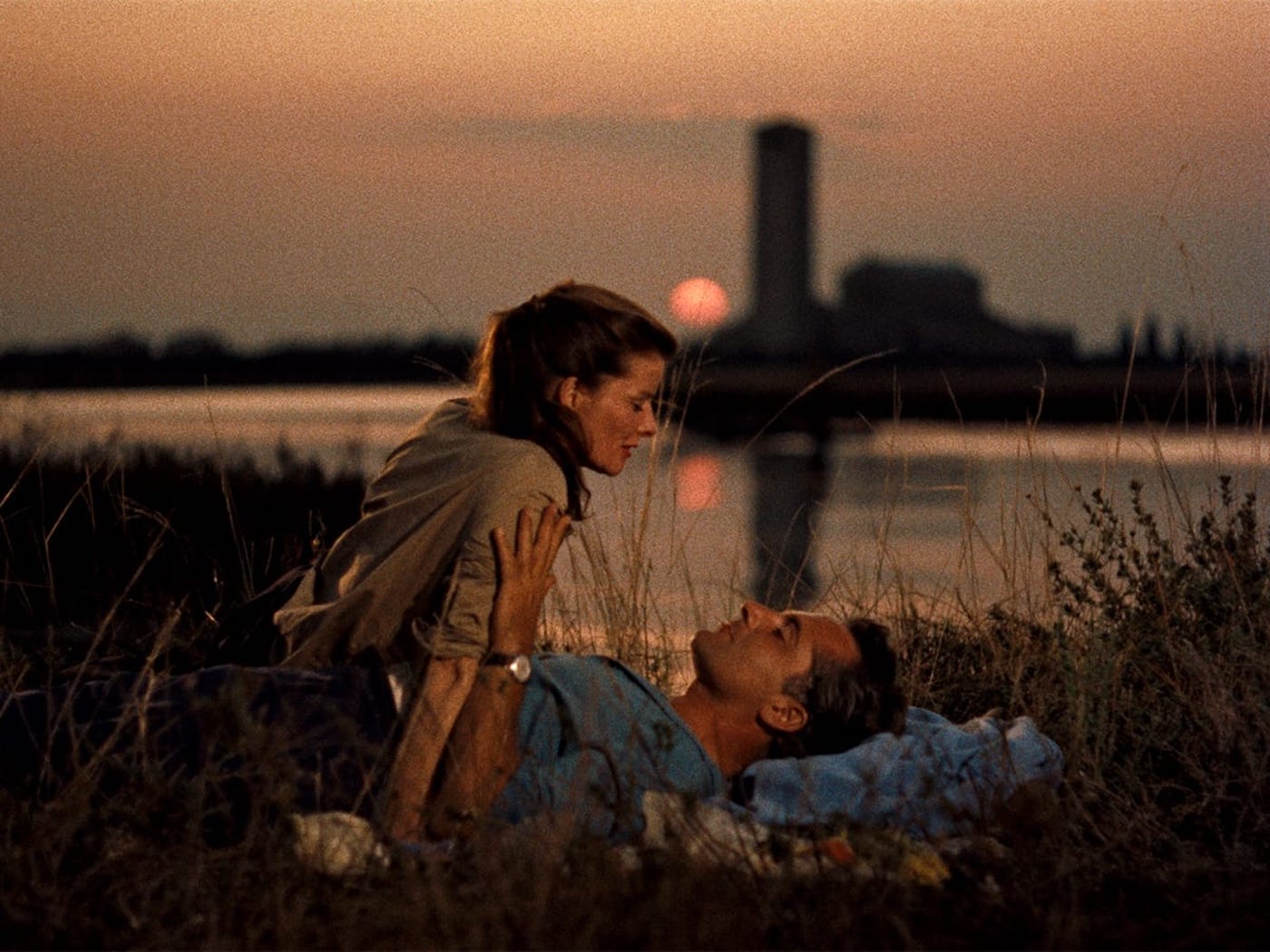
It’s honestly perplexing. As a filmmaker, Gans should appreciate the work Team Silent put into creating this world, as Team Silent is comprised of a bunch of cinephiles who drew influence from filmmakers they love, like Stanley Kubrick, David Lynch, and Andrei Tarkovsky. The town takes inspiration from the “Zone” in Tarkovsky’s Stalker (1979) and the Overlook Hotel in Kubrick’s The Shining (1980), while also taking influence from the supernatural powers of the town Twin Peaks from Lynch’s popular television series.
Pertaining to Silent Hill 2 specifically, Eddie Dombrowski is based on Private Leonard “Gomer Pyle” Lawrence from Full Metal Jacket (1987), and the concept of a man facing his dead wife comes from Tarkovsky’s Solaris (1972), which is an element in Stanisław Lem’s 1961 novel of the same name. Hell, even the cadence of the characters Team Silent uses in the games is derivative of what Lynch uses in his films and his show Twin Peaks (1990-91).
Although Toyama stated the transition to the Other World functions like REM cycles, the town has been reshaped over time into what many fans, myself included, interpret as a physical manifestation of Jung’s map of the human psyche: the Fog World represents the conscious mind, the Other World the unconscious, and ‘Nowhere’ the collective unconscious. From Silent Hill 2 onwards, the series began incorporating more psychoanalysis into its screenplays and design, whether partially (Silent Hill 3, Silent Hill f) or entirely (Silent Hill 2).
With his recent changes, Gans has outright removed the most crucial element of Silent Hill 2: the psychoanalysis. Instead, he builds the screenplay around a mid-film twist. This sacrifice is an ambitious leap, but it fails because the characterisations aren’t properly utilised to support this pivot; furthermore, it contradicts the lore established in his own debut film. It’s a shame, really. Despite all that passion, the man can’t seem to follow his own ideas—and he’s only made one Silent Hill entry prior to this.
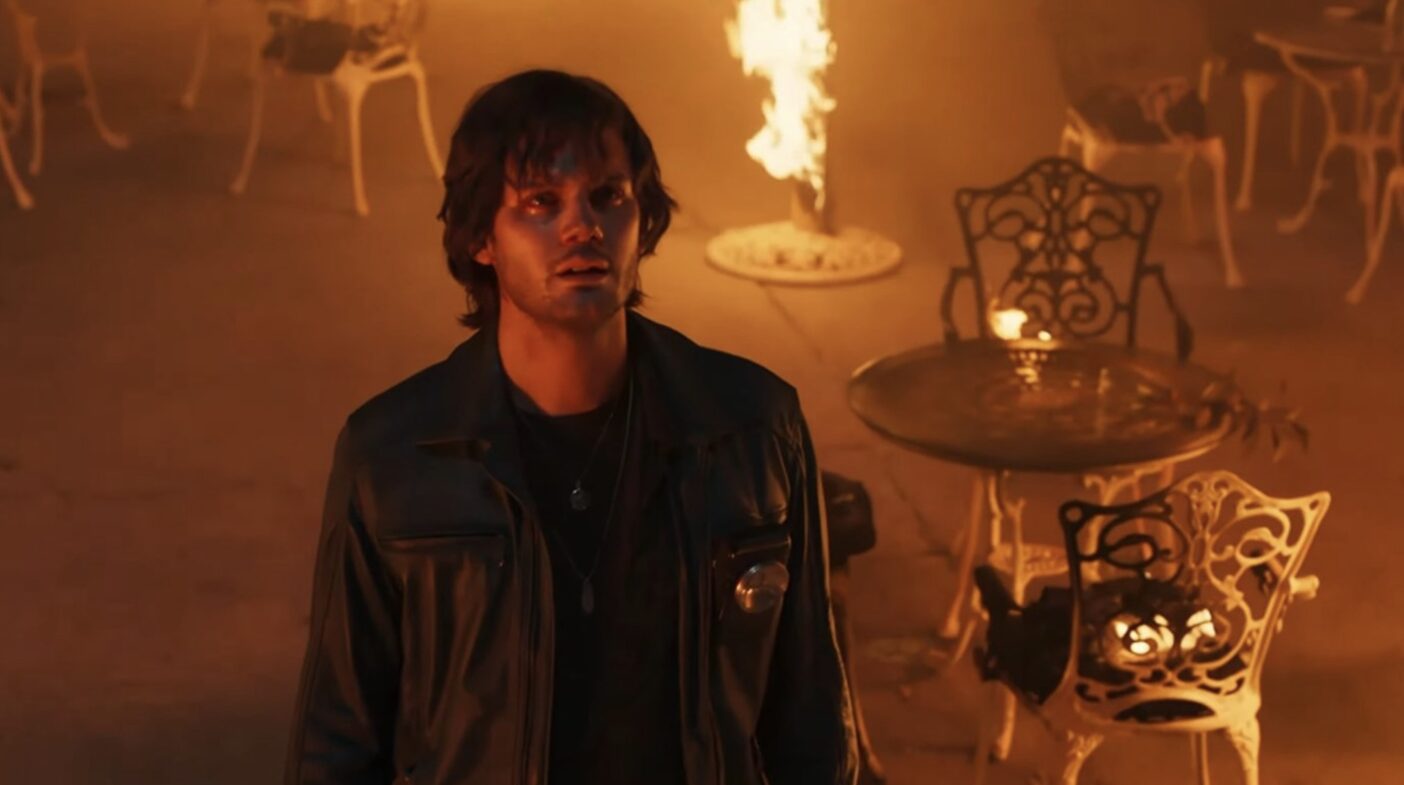
From a cinematic perspective, Return to Silent Hill unfolds with the frantic haste of a television show. It plays out as a series of brief summaries, rapidly transitioning to the next set-piece while introducing characters and subplots that vanish as quickly as they appear. Following the plot twist, the film devolves into a fragmented mess of poorly translated scenes from the game, as if Gans is attempting to ‘speed-run’ his own movie. He even employs contemporary techniques designed to placate audiences conditioned by short-form media: restless panning, quick cuts, fast zooms, and various distortions. It is, frankly, a mess.
Despite these flaws, the film possesses some redeeming qualities—though they are few and far between. When the ‘short-form’ editing style is set aside, the camerawork is solid. I particularly enjoyed Gans’s attempt to emulate the game’s iconic camera angles while lending them a more ‘cinematic’ feel.
However, much like his grasp of the narrative, Gans fails to understand how Team Silent originally approached the lens. Their style was a medium-specific translation of Kubrick’s objective camerawork, blended with the hyper-dynamic, fixed angles found in Capcom’s Resident Evil.
The enemy designs are largely mediocre; they appear bland, as if coloured with the basic flesh tones used for painting figurines or animatronics. That said, there is a striking custom design towards the end involving moth imagery. This effectively ties into the original game’s themes, referencing both Room 202 of the Woodside Apartments and the final boss.
Lastly, none of the characters’ looks reflect the original game, except for Maria; she is the only one faithful in design. Hannah Emily Anderson is stunning in the role; absolutely gorgeous. Interestingly enough, the presentation of her hair and cadence is oddly familiar. Come to think of it, it’s reminiscent of YouTuber Sphere Hunter (Sue ‘Suzi’ Kalergi.) If this is Gans paying homage to a well-known fan of the Silent Hill series, then it’s a rather nice touch.
That’s where the compliments end. Everything else is atrocious. The film was so bad I finished the alcohol I’d smuggled in within 30 minutes. If you’re curious, I was drinking Suntory’s Hibiki from my glass flask. Hibiki translates to “resonance,” which is what I was hoping to achieve while watching this trainwreck of an adaptation, but my efforts were in vain; even my drunken state could not numb me from the poor quality of Return to Silent Hill.
Many viewers have already uploaded their reactions to YouTube and TikTok; some claim that despite the inevitability of screenplay changes, a film based on Silent Hill 2 simply isn’t suited to the cinematic medium. I disagree. Team Silent, along with other veteran horror developers, designed their games with an inherent cinematic quality. They pay homage to the very film genres that inspired them—Resident Evil, for instance, draws on 1980s “cheese” and action cinema. Furthermore, despite the average play time, these games are designed to be beaten within the length of a feature film once a player becomes familiar with them.
If you’re familiar with Silent Hill 2, you can complete it in 165 minutes without skipping cutscenes. An adaptation could easily trim the travel and puzzles to clock in between 110 and 135 minutes. The literary, thematic, and character wealth is already there: the cast—whether manifestations of the town or outsiders drawn into it—exist to blur the line between reality and delusion, punishing James to face what he’s repressed deep within his shadow. The Silent Hill 2 screenplay would make for an excellent film; it just needs the right person to adapt it.
I went in without expectations and was still disappointed. Return to Silent Hill feels aimless and vacuous. It’s a horror film without a single good quality to it outside of some good camerawork and creature design sprinkled about. After five films, Gans still hasn’t learned how to craft something of quality. His inability to improve is truly impressive, but I hope he doesn’t get any more work; he doesn’t deserve the privilege of wasting film.
FRANCE • USA • UK • GERMANY • SERBIA • JAPAN | 2026 | 106 MINUTES | 2.39:1 | COLOUR | ENGLISH


director: Christophe Gans.
writers: Christophe Gans, Sandra Vo-Anh & Will Schneider (based on the video game ‘Silent Hill 2’ by Konami).
starring: Jeremy Irvine, Hannah Emily Anderson, Evie Jayne Templeton, Robert Strange, Pearce Egan & Nicola Alexis.