PEOPLE WE MEET ON VACATION (2026)
After years of summer vacations together, two polar-opposite friends wonder if they could be a perfect romantic match.



After years of summer vacations together, two polar-opposite friends wonder if they could be a perfect romantic match.
Based on the popular Emily Henry novel of the same name, People We Meet On Vacation follows free-spirited Poppy (Emily Bader) and neurotic Alex (Tom Blyth) through the highs and lows of their friendship. The story hits all the familiar romance tropes: opposites attract, friends-to-lovers, and the underrated “only one room left in the hotel” cliché.
We meet Poppy as a grown woman—though not necessarily a “grown-up”—working as a travel journalist. She and Alex aren’t on speaking terms for reasons initially left unexplained, but the pair must reunite for his brother’s destination wedding in Barcelona. From there, the film flits through nine years of their relationship, from their university days to the holiday that caused their eventual rift.
Poppy and Alex first meet at university when he drives her home after they discover they’re from the same small town in Ohio. Her scatty, messy nature immediately tests the patience of the highly strung Alex; she plays the radio too loudly and spills hot sauce in his car, leaving him thoroughly unimpressed. After they’re locked out of the vehicle, the pair are forced to spend the night together in the last available hotel room. There’s never any real doubt that these two will end up together.
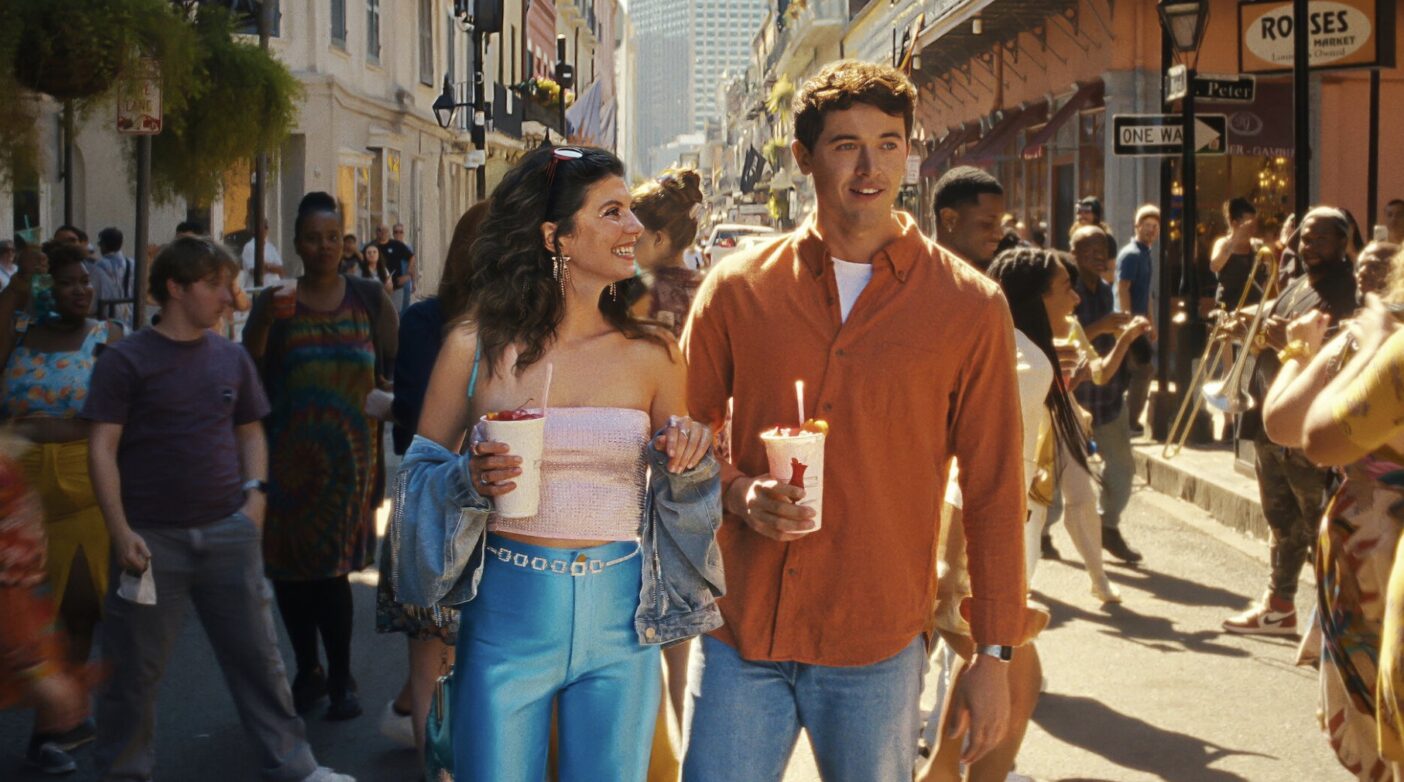
Over the course of a decade, we encounter the duo in various locales, including a post-breakup camping trip, a Tuscan getaway, and a wild visit to New Orleans. Considering the story’s globetrotting nature, Brett Haley’s direction feels strangely flat. While the film’s structure—a setup that worked well for series like One Day (2024) and Normal People (2020)—isn’t inherently flawed, the execution fails here. The film offers a mere summary of their summers together, never taking the time to delve beneath the surface.
Despite the story spanning ten years, there’s little indication of time passing. There are no era-specific fashion choices or pop culture references; in fact, the hair and makeup team don’t even attempt to age the duo. Character development is absent; instead, the protagonists simply tell us how they’ve changed each other for the better. This version of the couple isn’t interesting enough to warrant repeated visits, which rests on the shoulders of the screenwriters (Yulin Kuang, Nunzio Randazzo, and Amos Vernon). Nothing significant seems to happen to them—-not in a realistic, “slice of life” way, but in a way that suggests uninspired writing.
The intention is for the audience to check in annually, watching Alex and Poppy’s personal lives evolve as they hurtle towards estrangement. Instead, it feels like watching a SparkNotes version of Henry’s bestselling book.
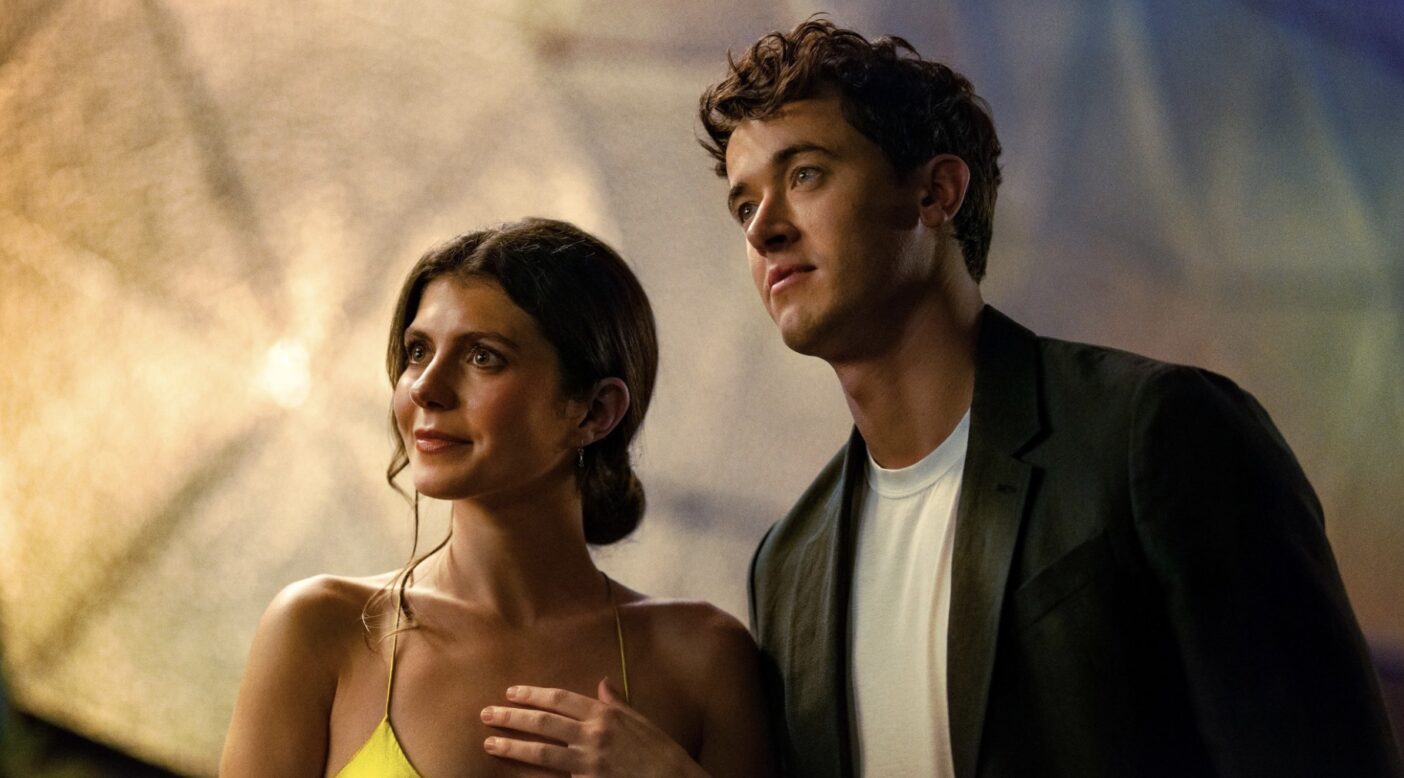
While many of the book’s pivotal moments are skimmed over, the film somehow manages to outstay its welcome. At nearly two-hours long, the script struggles with pacing, rushing through key scenes while lingering too long on others. It feels more like an extended montage than a cohesive narrative. The low stakes and inevitable conclusion only exacerbate these pacing issues.
These flaws aren’t the fault of the leads. Tom Blyth is dreamy as Alex, portraying a man whose neuroses are adorable rather than irritating—a classic fictional male lead. Emily Bader plays Poppy as quirky but relatable, avoiding the “annoying” trap. However, neither feels like a real person; they seem trapped in a 1990s alternative rom-com universe without true dimension. Because the writing never explores what makes them tick, they feel like people you meet in passing rather than people you truly know.
Blyth and Bader work hard to manufacture chemistry, but it’s an uphill battle. There are moments where they smoulder—such as a dance scene in New Orleans or their first long car journey—but the film lacks big, memorable moments or heartfelt speeches. You never truly believe these two are soulmates who must overcome their issues to find love. Their romantic inclination is always “told” rather than “shown,” making the inevitable climax feel unearned. This Netflix adaptation has sanitised the darker, grittier, and sexier elements of the book, leaving only the more uninspired parts of the story.

Fans of the novel will likely be disappointed. This much-anticipated adaptation turns a touching, sexy story into a tired, cliché-riddled romance. Henry’s work might have fared better as a miniseries; as a film, too much is sacrificed. Relatable, likable characters are flattened into one-dimensional figures.
The film races through these two lives, summarising events instead of letting the story unfold. While it’s expected that not every scene survives the transition from page to screen, People We Meet On Vacation misses key moments that would have provided much-needed depth and made the romance believable.
Ultimately, Brett Haley’s film is a blend of every romantic trope imaginable, executed in the most unimaginative way possible. It’s a passable, if forgettable, watch for genre devotees, but those who aren’t already fans of the book or the rom-com formula will struggle with the lacklustre writing.
USA | 2026 | 118 MINUTES | 1.85:1 | COLOUR | ENGLISH


director: Brett Haley.
writers: Yulin Kuang, Amos Vernon & Nunzio Randazzo (based on the novel by Emily Henry).
starring: Tom Blyth, Emily Bader, Sarah Catherine Hook, Miles Heizer, Lukas Gage, Alan Ruck, Lucien Laviscount, Molly Shannon & Jameela Jamil.