JULIETA (2016)
After a casual encounter, a brokenhearted woman decides to confront her life and the most important events involving her estranged daughter.


After a casual encounter, a brokenhearted woman decides to confront her life and the most important events involving her estranged daughter.
Pedro Almodóvar’s Julieta appears to have fallen through the cracks of its director’s filmography, forgotten amidst his “golden era” (spanning the 1990s and 2000s) and his latest, more polarising works. The Spanish director’s striking visual palettes and telenovela-inspired displays of passion and longing have made descriptors like “colourful” and “spirited” an indelible part of his brand. The delicately melancholic, reflective Julieta doesn’t align with his most celebrated films, even if more recent entries in his canon have been similarly wistful. After spending decades tracking desperate characters focused on the irrepressible joys and pains of the present, he’s finally begun using these conduits to look backwards.
Adapted from three stories in Nobel Prize-winner Alice Munro’s collection Runaway, the film follows a mother’s attempt to wade through the events that led to the dissolution of her relationship with her daughter. It’s a tragic work comprised of several smaller tragedies. None are explored in much depth, however, with Emma Suárez’s voice-over narration (as the older Julieta Arcos) resisting any opportunity for viewers to settle into the story.
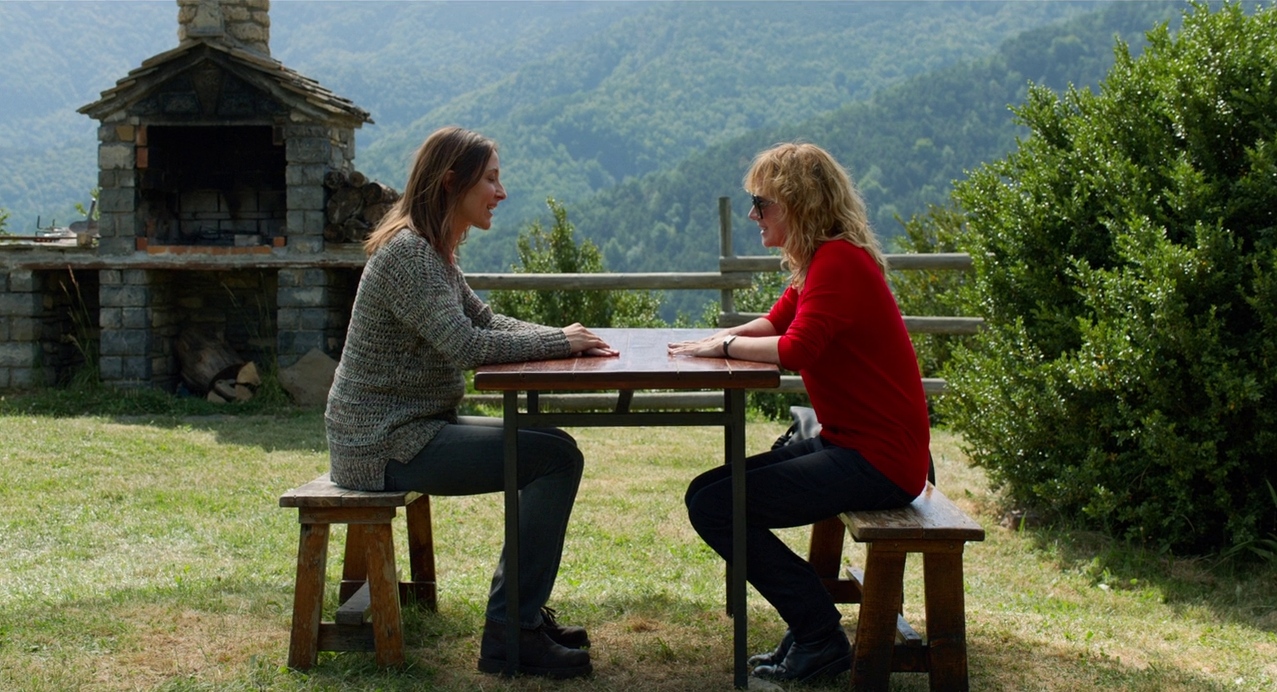
Ideally, reflective tales would ditch voice-over after a short introduction, having the confidence to let the narrative unfurl and trusting viewers to remember that it culminates in present-day sorrow. But with no ability to channel Julieta’s grief in subtler ways, each instance of voiceover causes the film to grind to a screeching halt—not unlike the fateful train this protagonist boarded years ago, which set this story in motion.
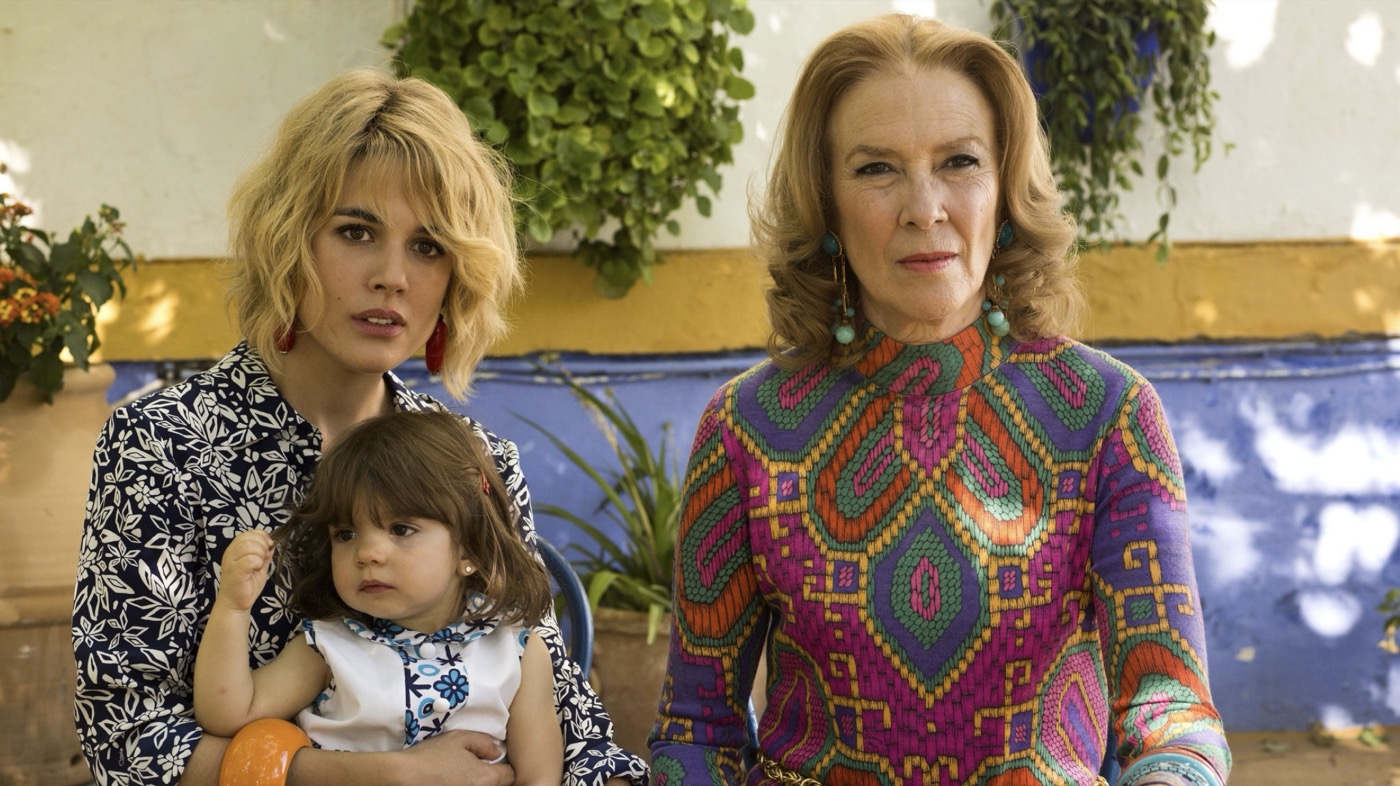
Viewers familiar with Almodóvar’s work could watch a five-minute snippet of Julieta on mute and instantly identify the director. But this is one of the rare occasions where his stylistic hallmarks clash with one of his film’s sensibilities. Julieta’s expressive colour palette is at odds with a story marked by sombre emotions. Composer Alberto Iglesias, a bedrock of the director’s career for over three decades, also misfires on more than one occasion. Bizarrely, noir-esque music is deployed when the film dips into the past, beginning with that fateful train journey where Julieta meets the love of her life. Iglesias and Almodóvar are keen to impose the sensibilities of a mystery on this story, but nothing in the protagonist’s history justifies this tone.
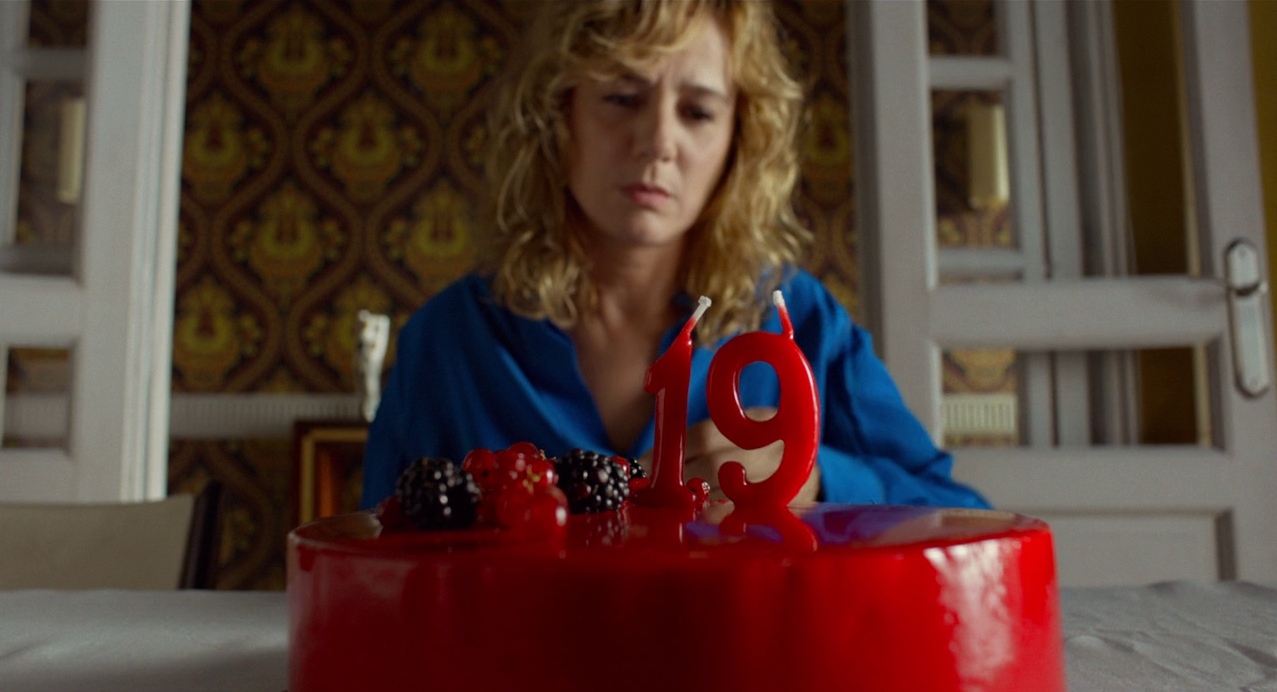
Originally titled Silencio, the name was scrapped to avoid confusion with Martin Scorsese’s Silence, also released in 2016. According to Almodóvar, silence was “the principal element that drives the worst things that happen to the main female protagonist”—a compelling notion that helps explain the brief, underplayed nature of its dramatic beats. Also shelved was the director’s plan to make this his first English-language film, which was to star Meryl Streep as this protagonist at 20, 40, and 60 years old. This potentially daring project, which would have used the original Vancouver locations from Munro’s stories, was abandoned for something far safer.
A colder climate might have convinced Almodóvar that bright colours have no place in the soul-deadening mental space which gradually enshrouds this protagonist. Streep’s performance could have provided the essential missing ingredient to Julieta, bridging the emotional gaps in a narrative that continually stops and starts, gliding through years in seconds with little regard for the viewer’s journey.
The trouble with Julieta is that its central tragedies have paralysed the lead so much that she can’t look forward. She’s trapped in a stasis, refusing to accept that anything can be made of her bleak existence. She affirms her despair at every turn, not through tears—Almodóvar specifically steered his lead actresses away from crying to explore the “tearless pain” of dejection—but through blank stares that look through anyone in her way. She cannot think of the future, yet the film is obsessed with skipping forward, seemingly unwilling to sit with the mundanities of such a hollow life.
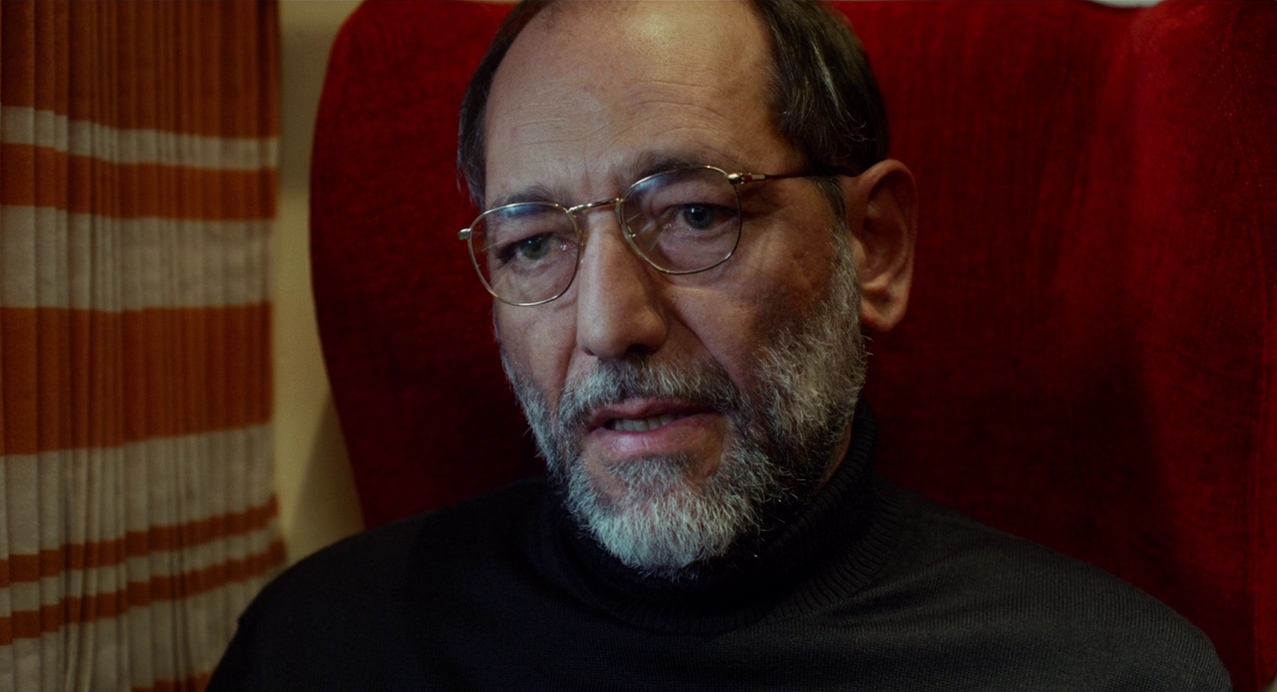
Almodóvar was never the right director to explore the cruel, centreless wasteland of a ravaged psyche, especially when expressed in everyday terms. Gone are the emotional outbursts of his previous films, which were so alive with passion they’d scoop you up and fling you out into the brilliant, unknowable world. Even in other tragic works, he forms a semblance of a journey; here, there’s no room to settle into the past when the protagonist’s dictated thoughts keep resurfacing through narration.
Ultimately, the film ignores the hollowness of the present, the tragic notes of its own story, and the journey of wading through them. Each element feels so empty that only occasionally bittersweet scenes and the mask of despair worn by Suárez save the film from veering off course. Attempts at understated sorrow fall flat against the director’s trademark flair, resulting in an emotionally remote experience that does a disservice to the talents of both Almodóvar and Munro.
SPAIN | 2016 | 96 MINUTES | 1.85:1 | COLOUR | SPANISH

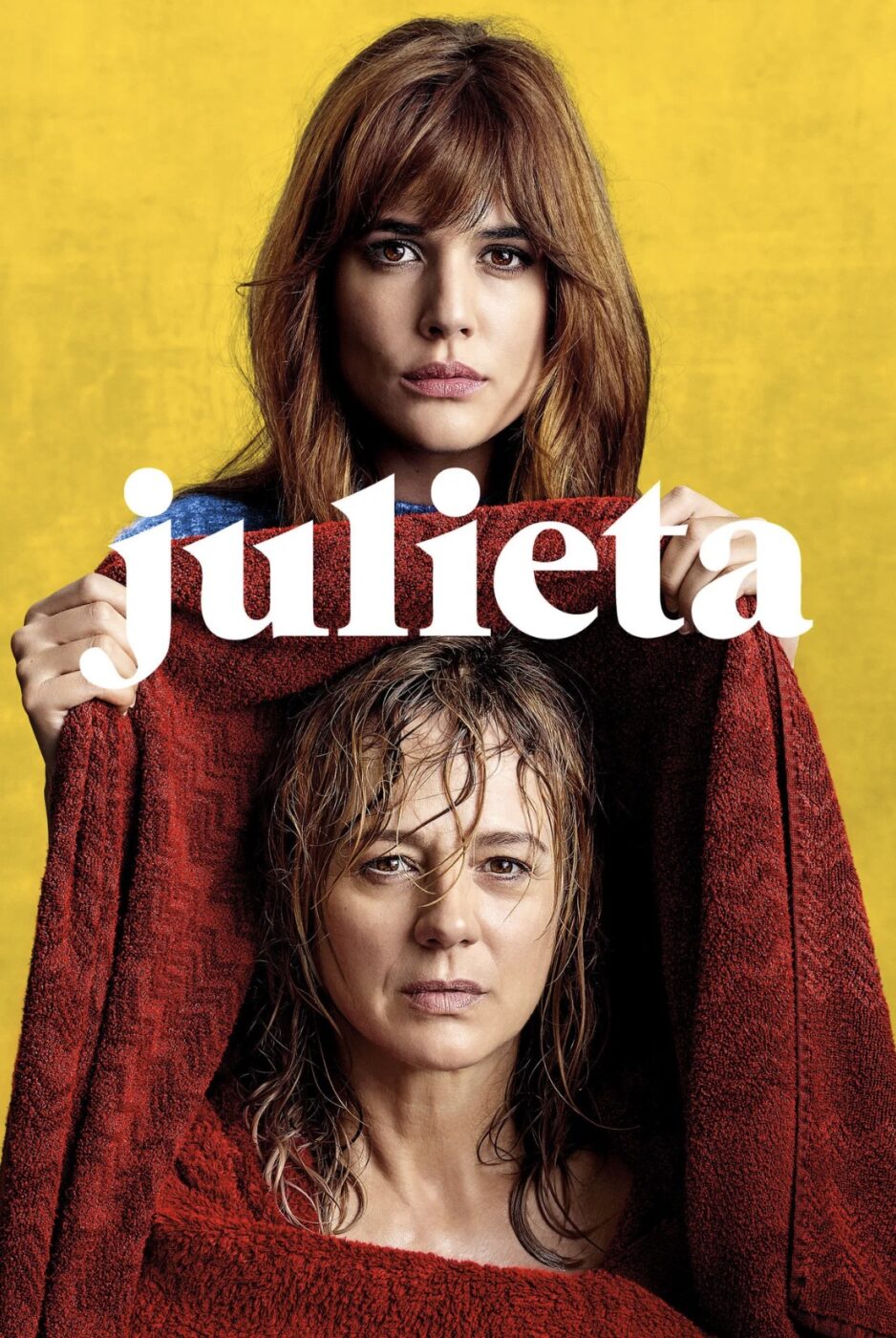
director: Pedro Almodóvar.
writer: Pedro Almodóvar (based on the short stories ‘Chance, ‘Silence’, and ‘Soon’ by Alice Munro).
starring: Emma Suárez, Adriana Ugarte, Daniel Grao, Inma Cuesta, Michelle Jenner, Darío Grandinetti, Rossy de Palma & Nathalie Poza.