THE BEAUTY – Season One (2026)
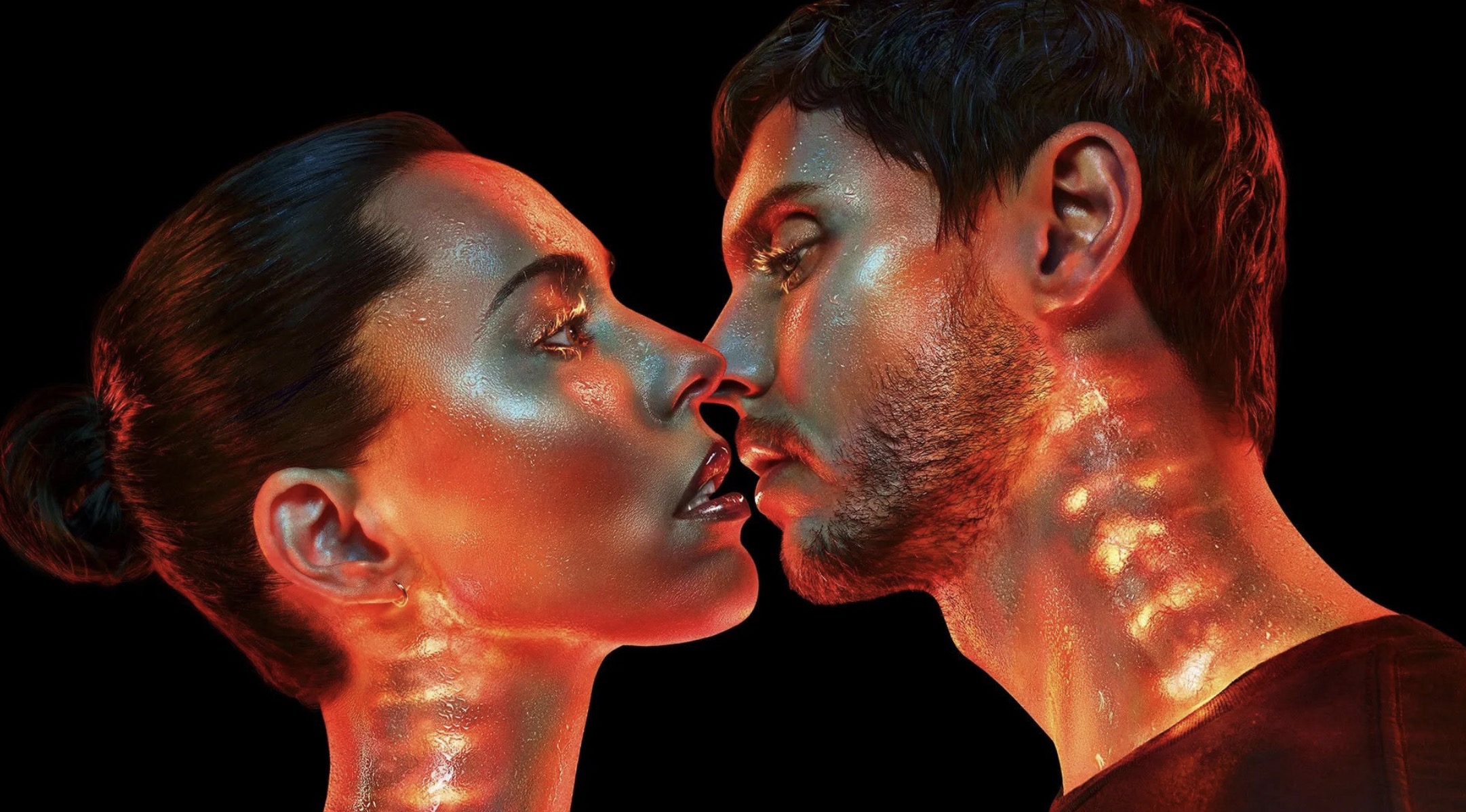
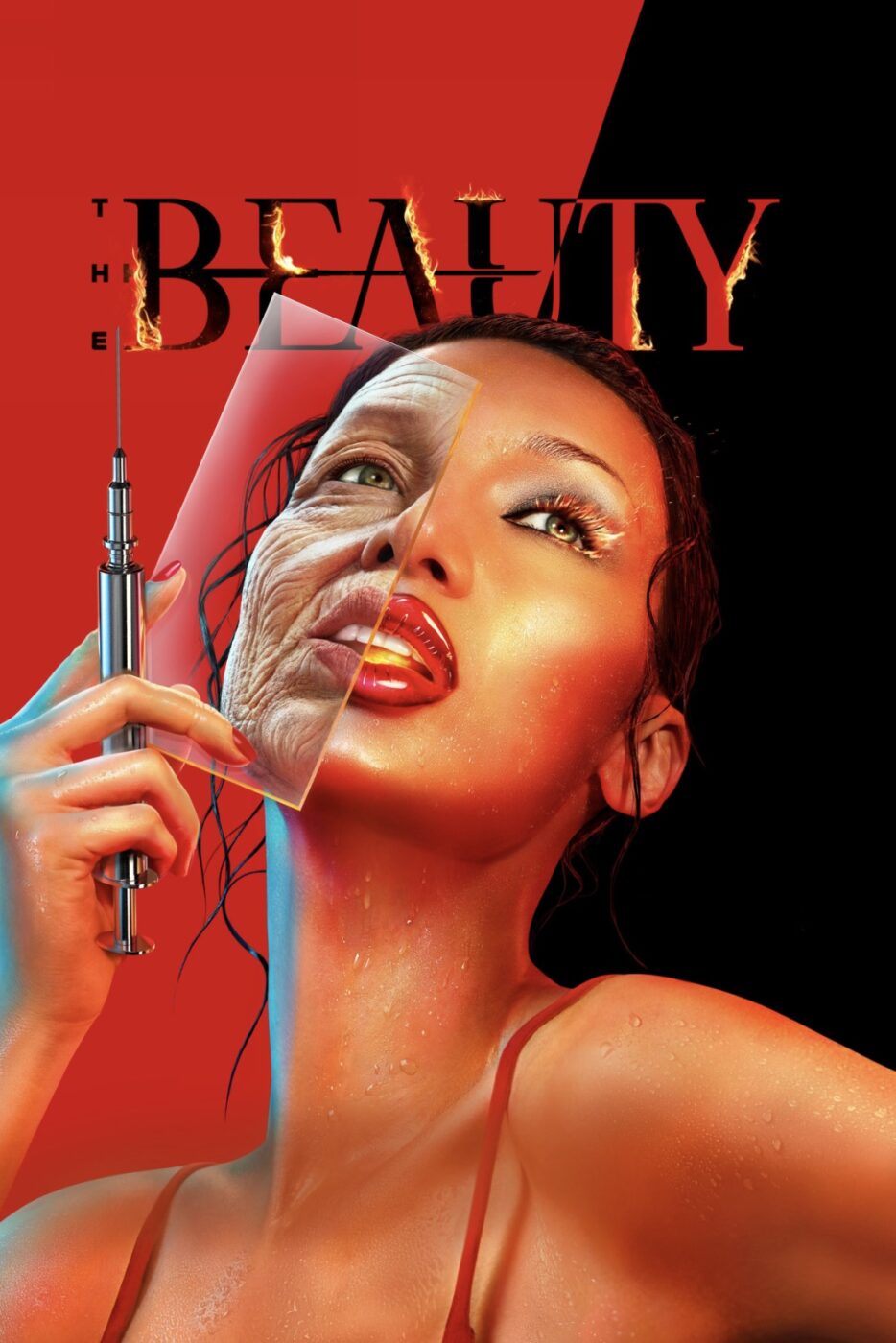
Two FBI agents investigate "the Beauty" STD causing aesthetic improvements but a lethal end...


Two FBI agents investigate "the Beauty" STD causing aesthetic improvements but a lethal end...
Based on the 2016-2022 comic-book series by Jeremy Haun and Jason A. Hurley, Hulu’s new genre-mashing cocktail—horror, sci-fi, police procedural, action, and erotic thriller—is perhaps the purest distillation of producer Ryan Murphy’s polarising talents. I wasn’t exactly relishing this assignment; I’ve long been resistant to Murphy’s projects, which typically teeter on the wire between high camp and low-grade junk.
His early work, such as Nip/Tuck (2003–2010), established his “late-night soap opera” template: sensationalist plots, melodramatic dialogue, and lashings of simulated sex punctuated by bursts of gruesome violence. While I enjoy camp and am inordinately fond of junk, Murphy’s brand often feels hollow. As his career has progressed, his work has taken on a vacuity and inauthenticity that I find unengaging at best and teeth-grindingly annoying at worst. He possesses a strange cachet for a man who is, fundamentally, a schlockmeister. He operates at the dramatic level of a William Castle or any number of Z-movie hacks, yet somehow commands A-list budgets and stars.
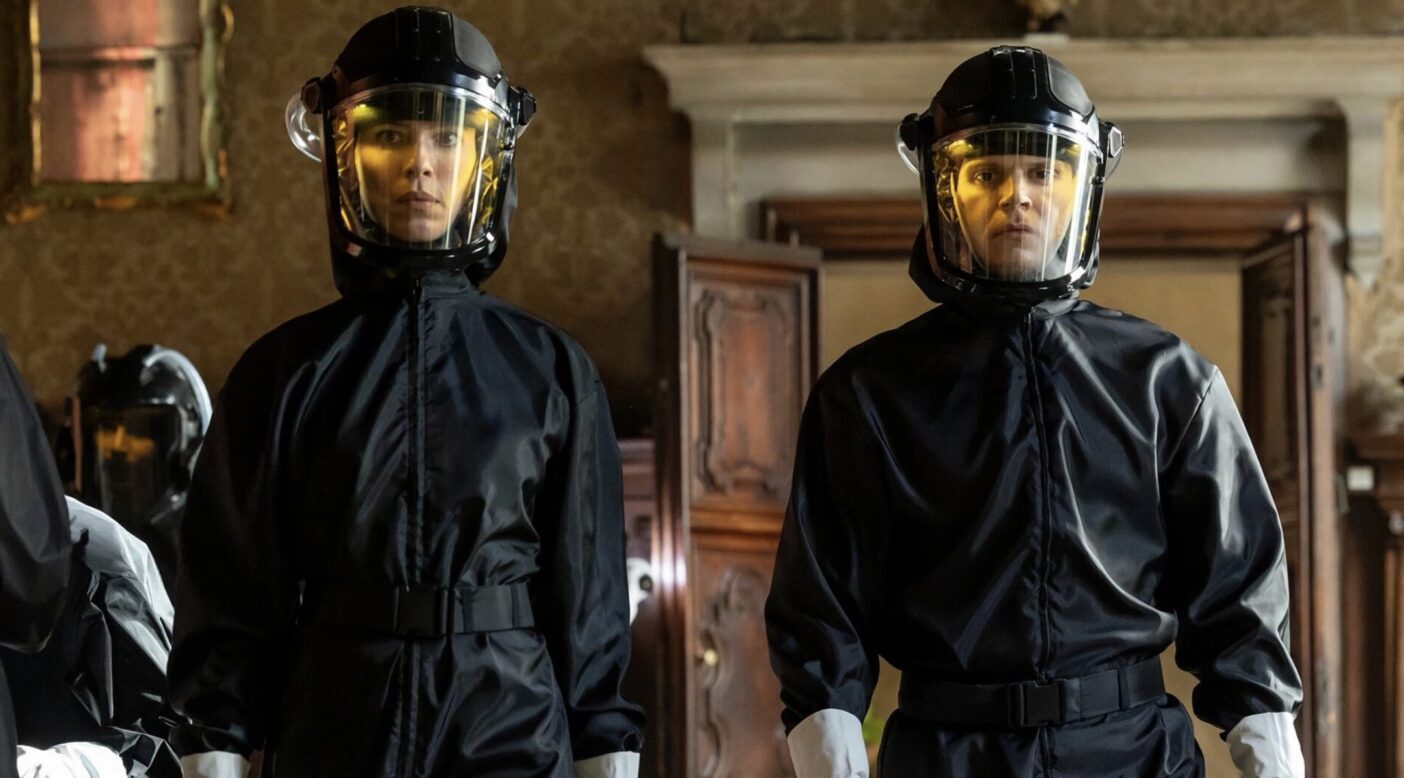
In The Beauty, FBI agents (and occasional lovers) Cooper Madsen (Evan Peters) and Jordan Bennett (Rebecca Hall) traverse Europe to investigate a new treatment that grants a radical physical transformation. If Plato’s ideal rabbit is the perfectly proportioned, floppy-eared image of what a rabbit “is”, then “the Beauty” turns you into Plato’s hottie. Depending on your gender identity, you become either Adonis or Aphrodite.
(Or a “Chad” or “Stacy”, to adopt incel parlance. Characters here treat “incel”—or involuntary celibate—as an objective state of being rather than a dark sociological phenomenon rooted in male entitlement. It’s a choice that unfortunately reinforces the incel worldview, and it’s one of those moments where I can’t tell if Murphy is joking or not.)
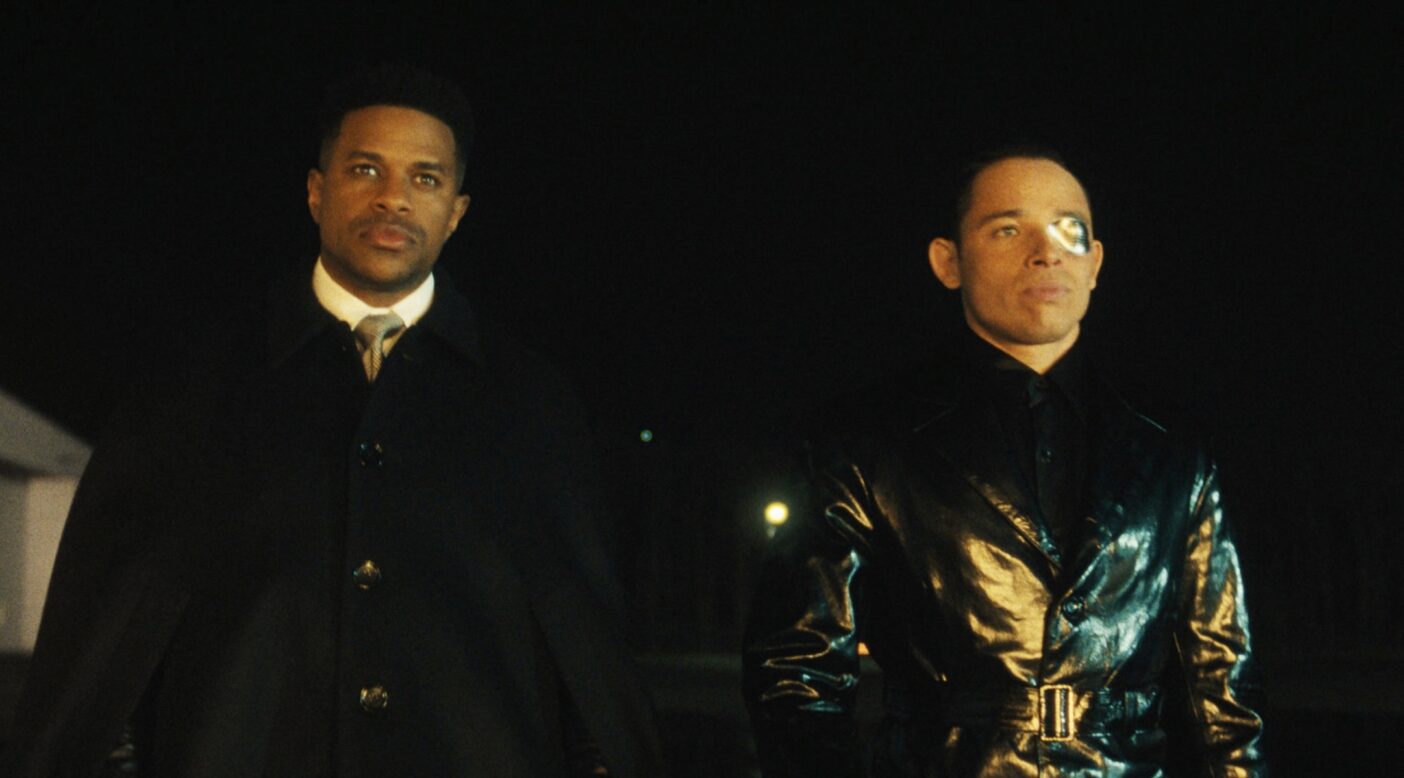
However, this aesthetic perfection comes with a ticking clock. “Beautiful” people—many of whom appeared from nowhere to find stardom as models—are dying in horrific accidents. Meanwhile, an assassin named Antonio (Anthony Ramos) performs damage control for a mysterious billionaire, Byron Forst (Ashton Kutcher), and encounters Jeremy (Jeremy Pope), a recipient of the treatment.
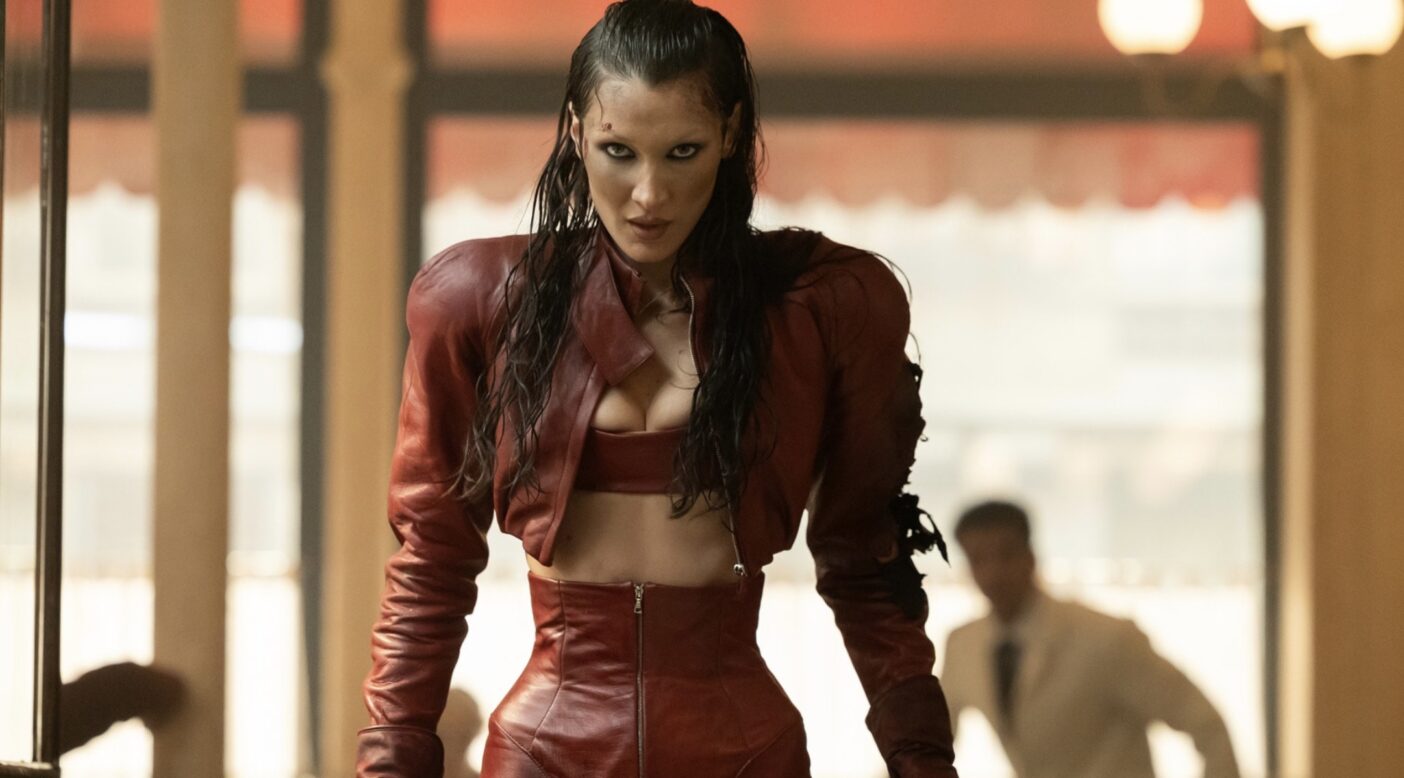
The show weaves through various subplots and hops across timelines to the point where the FBI leads feel sidelined. The story’s graphic novel origins are evident from the opening frame. The prologue depicts a Paris fashion show descending into a bloodbath as a model turns feral, tearing attendees apart before her own body gorily rips itself asunder in a desperate search for water. It’s easy to see how vividly this would have played out as sequential art.
The comic book genre permits an exaggerated drama that other forms do not. Much like theatre, the threshold for the suspension of disbelief is lower. On stage, your imagination fills the gaps; you enter a pact with the creators. A similar effect occurs with illustrations and speech bubbles. Film and television are more brutal mediums; they record exactly what is in front of the lens and expect the viewer to take it literally.
Sometimes, the gulf between what works in a comic and the demands of television creates unintentional comedy. I haven’t read the source material, but I’d wager a scene where a character asks a neighbour about their cat, only for the neighbour to say “it died” and silently shut the door, is lifted straight from the page. In a static painting, that’s an impressionistic beat—an illustration of grief and loneliness. In the literalist world of TV, the neighbour just looks socially maladjusted. It made me bark with laughter, which I suspect wasn’t the intended reaction.
This clunkiness persists throughout. The Beauty is packed with imagery that likely looked sublime in a splash page but loses its atmosphere when paired with the writing of Murphy and co-creator Matthew Hodgson. Their style aims for irony but frequently lands on “cringe”. Take, for instance, a cameo by Ben Platt as a “fashionista” who prattles on about how oral sex is his “love language” and admires Madsen’s masculinity. Platt feels like he’s wandered in from a third-rate Sex and the City (1998-2004) clone. Is he meant to be funny? Relatable? A commentary on gender? Who knows. He isn’t offensive, just representative of the shallow, trashy tone Murphy excels at.
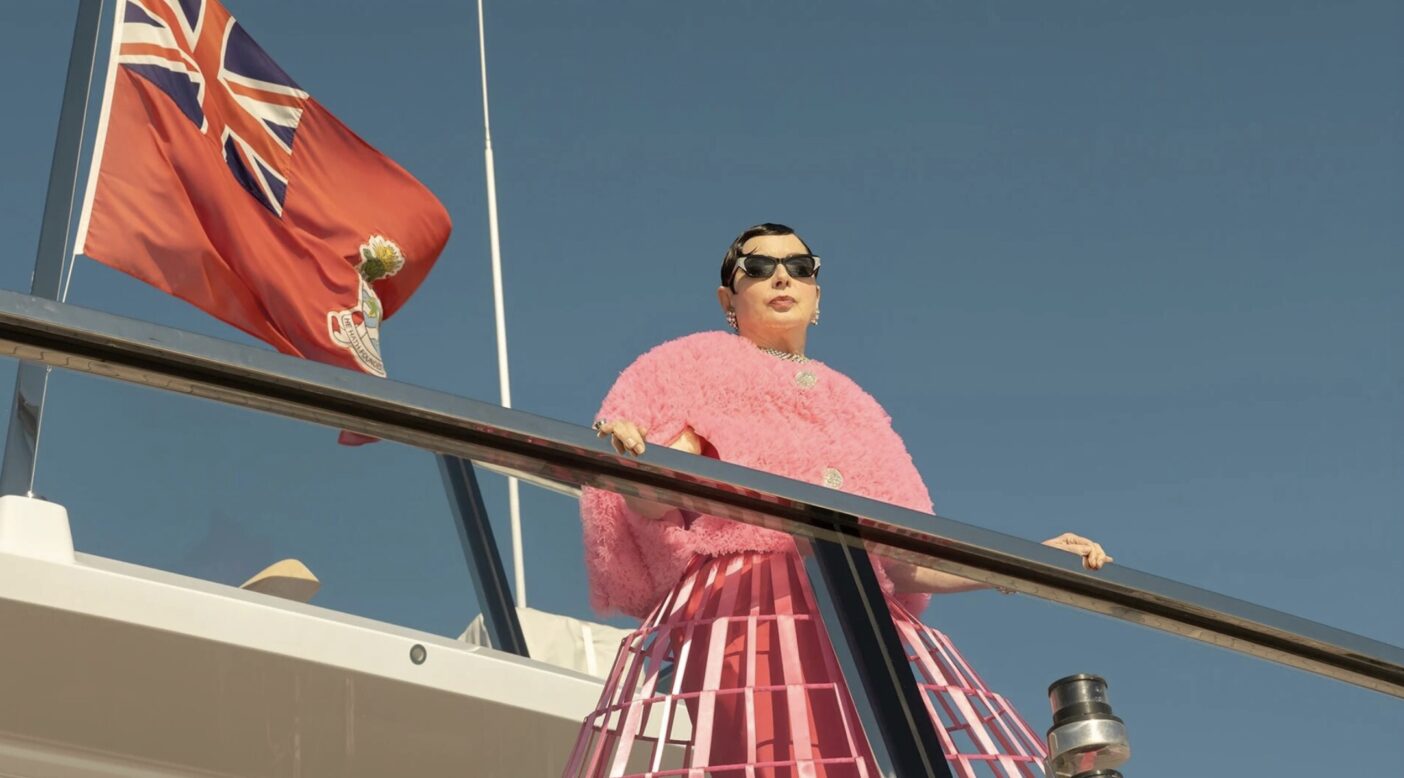
The sex is, presumably, the primary draw for Murphy. As with Nip/Tuck, the premise is a convenient excuse to film aesthetically pleasing people “bonking”. We’re treated to the sort of simulated acts common to late-night TV of yesteryear—heads bobbing in and out of frame in the back of cars. The show has a particularly healthy interest in the male physique; many shots linger on pert buttocks to the point where they become the primary signifier of beauty.
I’ve no problem with that, of course; it just reinforces my frustration that I don’t like Murphy more, given his status as a major queer voice in television. He’s like John Waters stripped of the satire and imagination—a “Calvin Klein advert meets music video” aesthetic. The crude humour and queer themes are present, but without Waters’ subversion or wit. Murphy’s camp often feels packaged for a “lowest common denominator” straight audience. I recall an episode of Nip/Tuck featuring anal sex that felt like the straightest possible interpretation of a gay encounter, with both partners looking more angry than aroused.
Still, The Beauty isn’t as repellent as Murphy’s Monster anthology for Netflix. The Jeffrey Dahmer-focused third season starred Peters as a “hunky” version of a killer who targeted queer people of colour—the role that doubtless landed him this gig. (I abandoned the Ed Gein series after 15 minutes. While I don’t mind a lingering shot of Charlie Hunnam, it’s bizarre in the context of a show perpetuating transphobic myths about a real-life serial killer.)
Regarding gender, the drama finds its footing about six episodes in with the introduction of a trans character. I usually brace myself for these portrayals given the current cultural climate, but the theme is handled with relative sensitivity. There’s a cringeworthy moment where the character apologises “on behalf of their gender”, but their friendship with an “unlucky-in-love” cisgender person is moving. Crucially, the “Beauty” treatment responds to the character’s inner identity rather than their biological sex, which is a genuinely fascinating thematic hook.
I wish the rest of the show explored identity with that level of nuance. Instead, it’s mostly concerned with shallow thriller tropes and softcore “Skinemax” romps. Which is fine, I suppose. To quote a random episode of Murder, She Wrote: it’s just “good, clean sex once a week.” (My apologies and RIP to the great Angela Lansbury.)
USA | 2026 | 11 EPISODES | 16:9 HD | COLOUR | ENGLISH

writers: Ryan Murphy & Matthew Hodgson (based on the comic-book series by Jeremy Haun & Jason A. Hurley).
directors: Ryan Murphy, Alexis Martin Woodall, Michael Uppendahl & Crystle Roberson Dorsey.
starring: Evan Peters, Anthony Ramos, Jeremy Pope, Rebecca Hall, Ashton Kutcher, Vincent D’Onofrio, Isabella Rossellini, John Carroll Lynch, Rob Yang & Ari Gaynor.