BUNNY (2025)
The motley residents of a New York apartment building work together to outwit the cops.

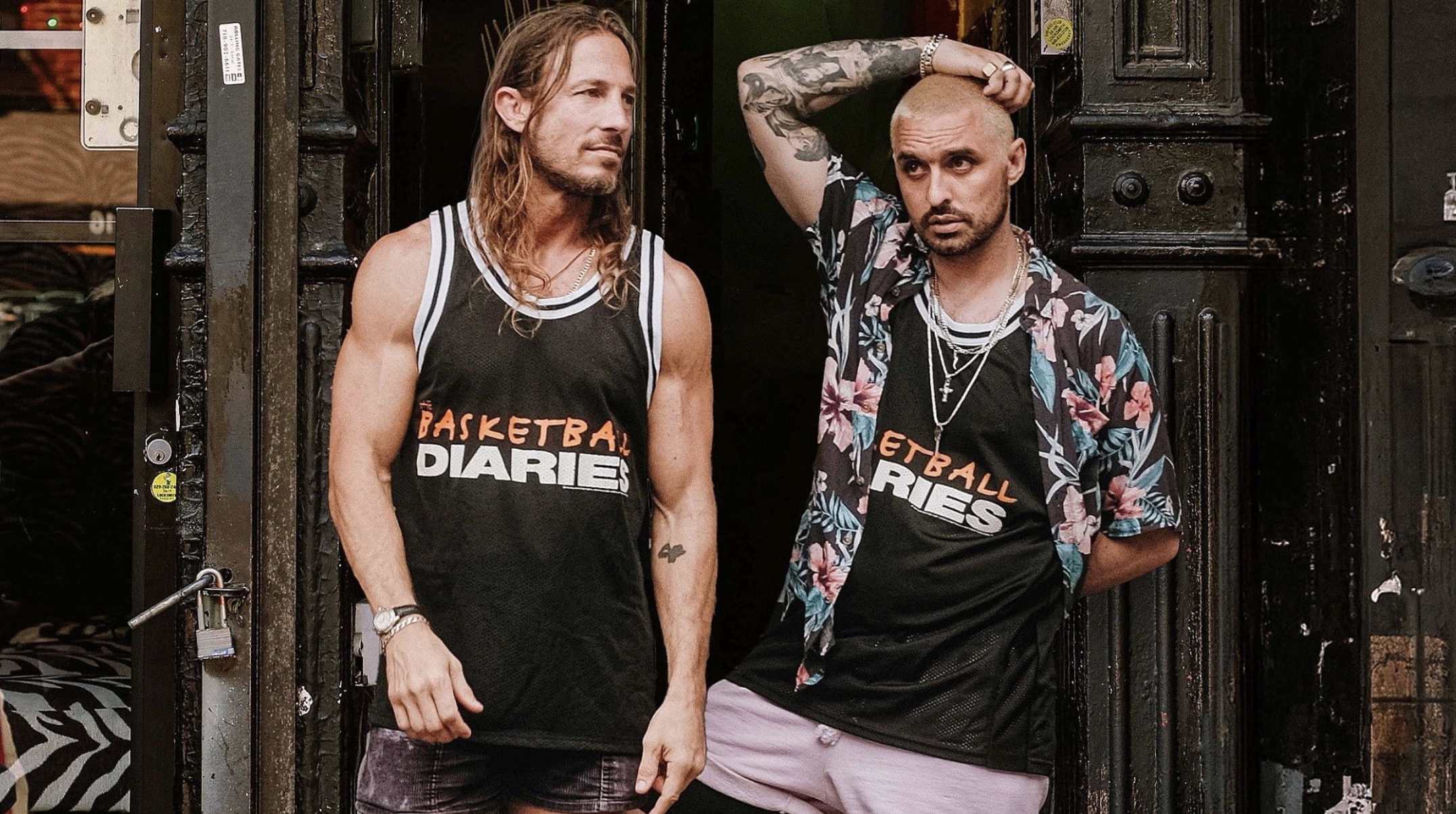

The motley residents of a New York apartment building work together to outwit the cops.
No politicians appear in Ben Jacobson’s directorial debut Bunny, but its New York is very much the city as fantasised by Zohran Mamdani rather than Donald Trump. The Big Apple here is a place of community, tolerance, good humour and mutual support—even if that support involves helping a neighbour dismember a corpse.
Not to be confused with James Branson’s movie of the same name, year, and runtime, Jacobson’s Bunny might, on paper, sound like a Safdie Brothers production: Uncut Gems (2019), certainly, or even Marty Supreme (2025). Indeed, its non-stop narrative is almost as exhausting as those two films, in the best way possible. “Can we just stop and talk?” pleads a key character, Dino (director and co-writer Jacobson himself), at one point.
But unlike many films about ducking, diving, and living on the edge of chaos, Bunny is resolutely focused—much more so than it first appears. There’s no rushing across town; Jacobson’s film is set over a single afternoon and evening in one small East Village apartment building (a tenement in the New York sense) and on the pavement outside. While there’s plenty of physical movement throughout—it never feels constrained by its minimalist location—it could easily function as a stage play.
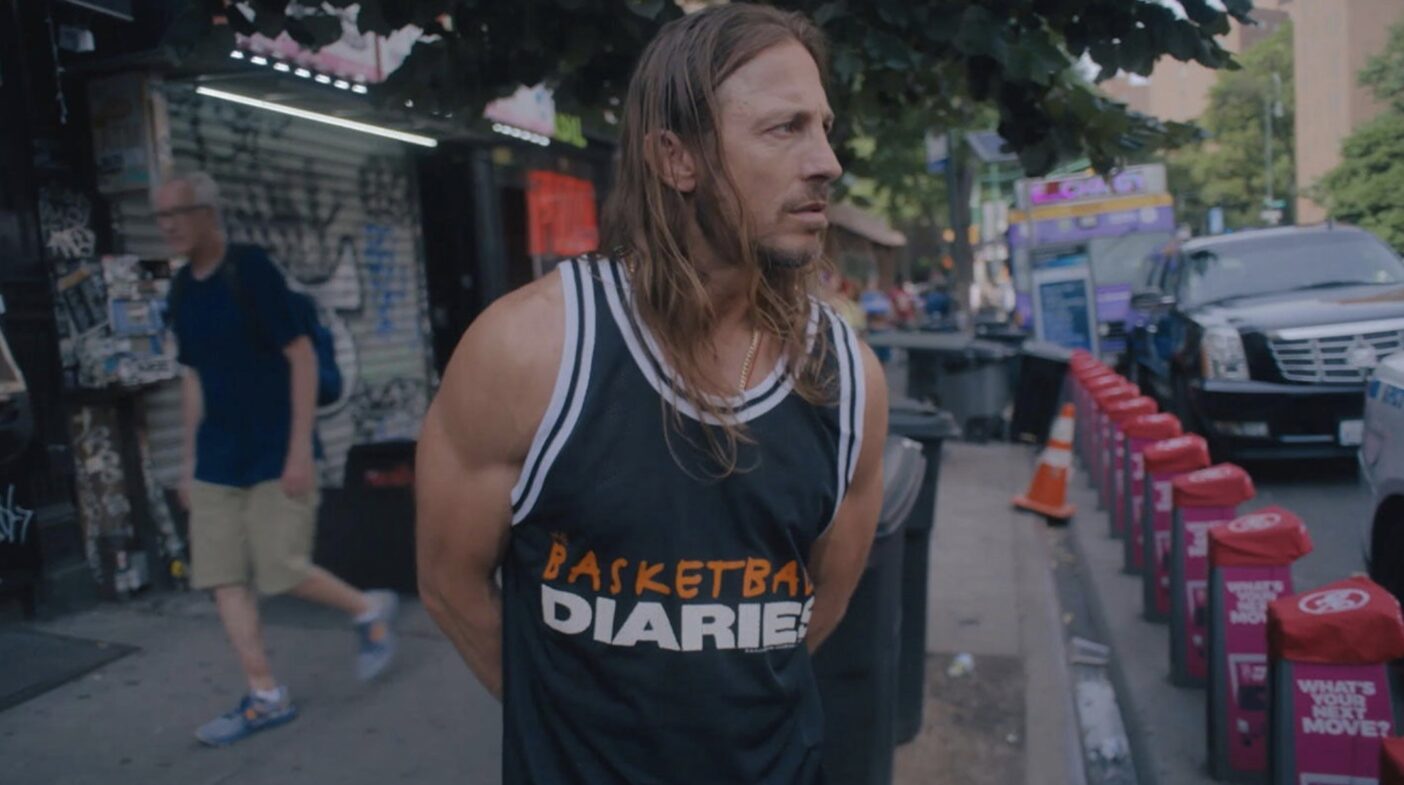
Whole scenes might seem like meanders, but they never stall the momentum. There’s almost always a purpose, whether for characterisation, narrative, or simply a joke. Similarly, while Jackson Hunt’s cinematography has the informal feel of handheld found footage, it’s shot with a Steadicam. The takes—often lengthy and close-up given the cramped setting—are never marred by wobble or irrelevant wandering. The dialogue frequently feels improvised, but I suspect it isn’t; the writing is tighter than it sounds, and few lines fail to contribute something.
The result is a movie that might give the impression of stumbling about in a stoner haze, but in fact carries you along so effortlessly that you don’t care about the few loose ends or the occasional misjudgement (such as a brief voiceover that feels awkwardly intrusive in an otherwise pseudo-naturalistic film).
The titular Bunny (Mo Stark, also a co-writer) is a man of around 30, married to Bobbie (Liza Colby) and making a living as a sex worker of a somewhat vague variety. He compares himself early on to Richard Gere, presumably a reference to American Gigolo (1980), though Gere’s role in Looking for Mr. Goodbar (1977) also springs to mind.
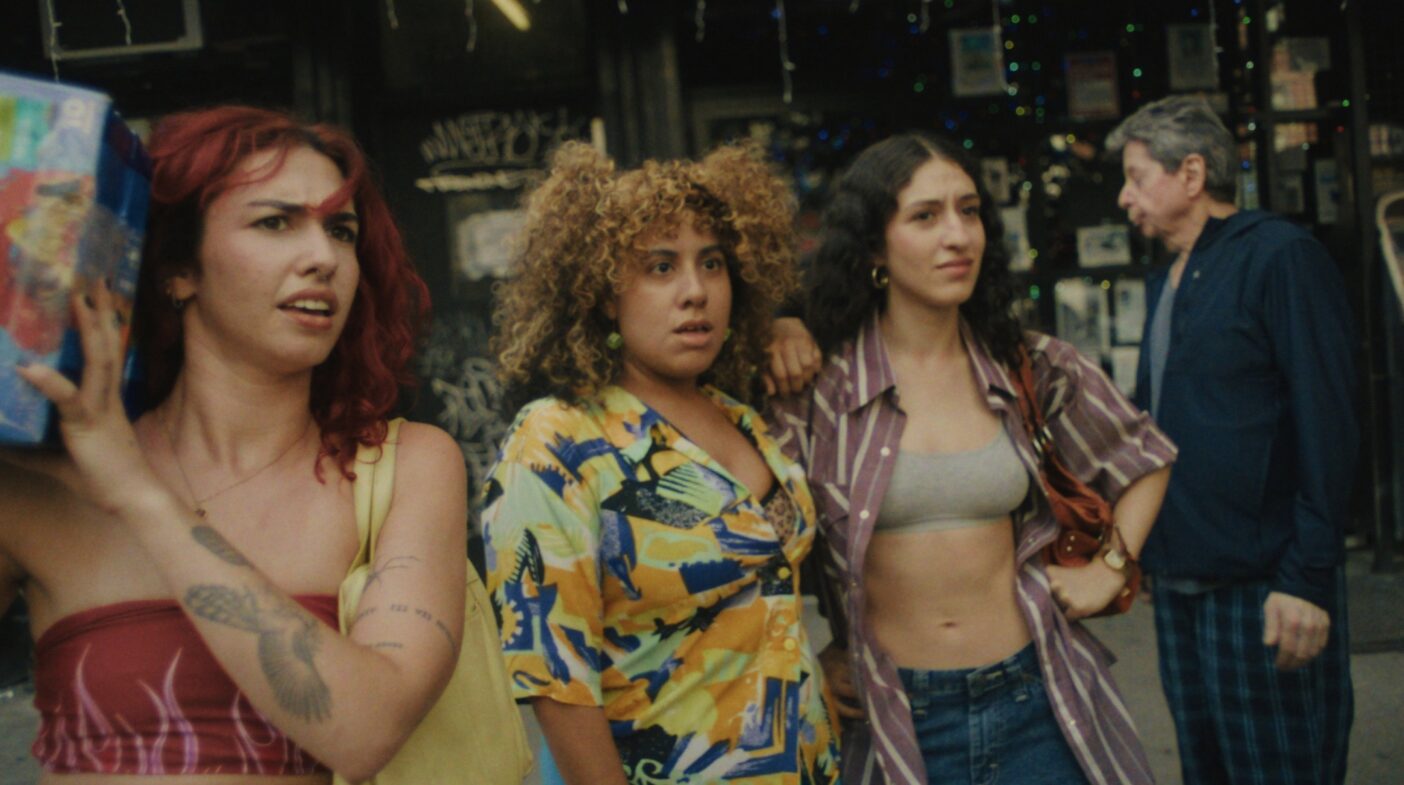
Refreshingly, however, this isn’t a prurient look at the character. Bunny’s job isn’t mentioned in detail until 30 minutes in, and then only to justify a specific plot development. Much more important is another word mentioned just as early as “gigolo”: “family”. The inhabitants of Bunny and Bobbie’s building live in true sitcom fashion like one big, mostly happy family, passing half their time in each other’s flats. (This is a film where, again sitcom-like, nobody seems obliged to spend the day at work). In fact, it becomes difficult to keep track of who lives where, but again, you won’t really mind.
It’s Bunny’s birthday, and the movie circles around the celebrations—feeling a bit like the opening party sequence in Cloverfield (2008)—until, 23 minutes in, it takes an unexpected turn. “Someone’s coming for me,” a panicked Bunny announces; specifically, someone working for a pair of wealthy clients he annoyed earlier that day.
Before long, the happy quasi-family has a dead body on its hands—and soon a second. The remainder of the movie follows their attempts to dispose of the corpses, led by Bunny and Dino. Yet it finds plenty of time for other pressing issues: helping Ian (Richard Price) with his laundry, relocating a stove, advising two idling copper (Liz Caribel Sierra and Ajay Naidu) on the best local kebab joints, and establishing exactly when a Calvin Klein billboard is changed. Also featuring are a dead mouse, a dog allergy, and Orthodox Jewish rules on gender segregation. If Bunny is a little unrealistic in its portrayal of an idealised community, the eclecticism of the conversation is true-to-life.
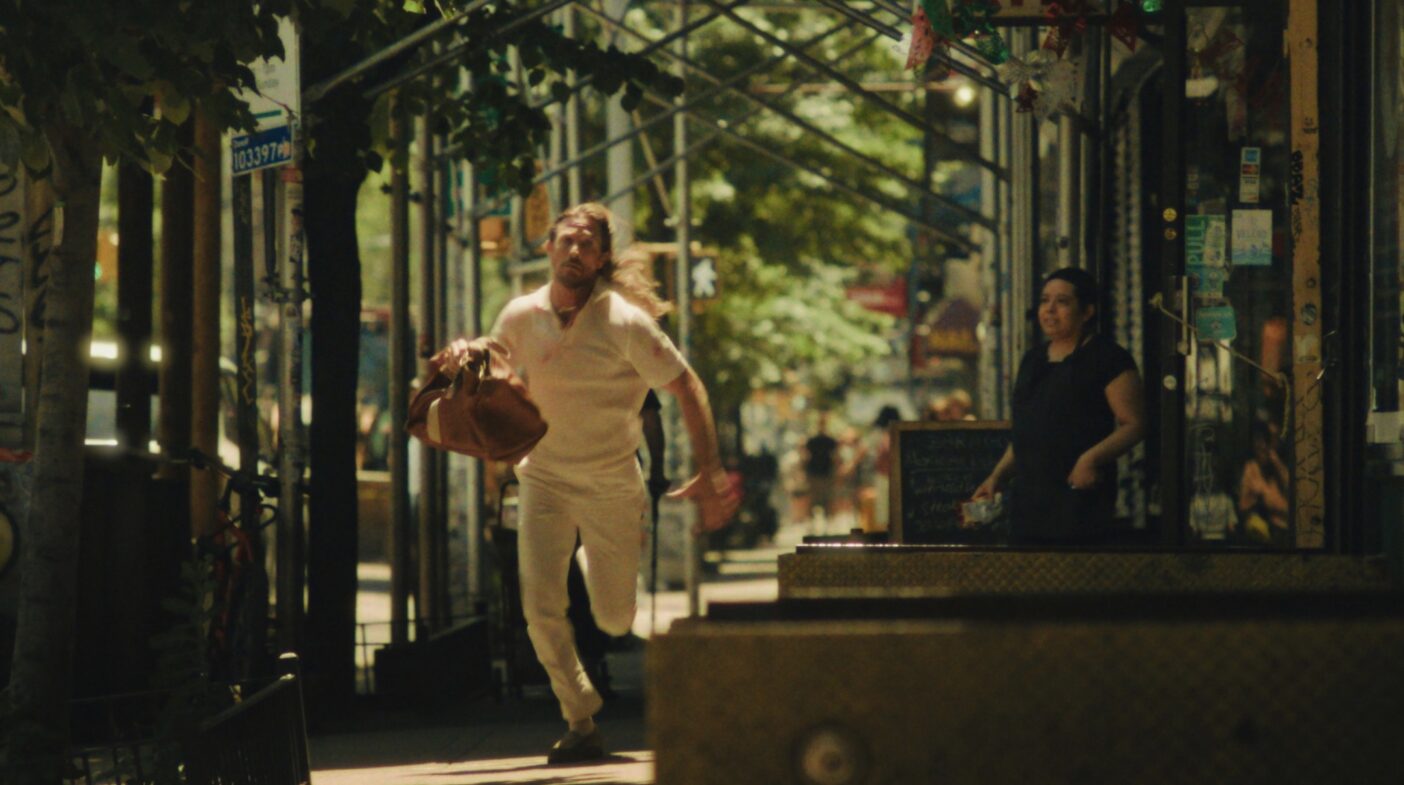
The dead bodies serve as effective MacGuffins, and their potential is exploited inventively, but above all, Bunny is a love letter to its characters. The film is determined that you should like them; and though it lacks the inclination to provide real depth to individuals, it consistently avoids stereotypes.
Bunny dominates the film, but Jacobson’s Dino provides an effective foil as the best friend and sidekick. The comic highlight is Linda Rong Mei Chen as the live-in landlady, who accepts the most outrageous goings-on with equanimity. Like several in the cast, she is not a professional actor but a real tenant of the building where Bunny was filmed. In fact, the flat where Bunny and Bobbie live actually belongs to the lead actors, Mo Stark and Liza Colby.
Coming a close second for comedy is Genevieve Hudson-Price as Happy Chana, a Californian Airbnb guest visiting New York for a date with a man she met online; predictably, that goes wrong too. Initially perturbed by the chaos in the tenement, she soon settles into the mini-community. Additional amusement is provided by Anthony Drazan as Bobbie’s father, Loren, reappearing after 30 years, and by Eric Roth, whose relationship with Ian is mysterious, who never leaves his bed, and who appears obsessed with the oeuvre of David Carradine. It’s that sort of film.
If these characters live on the edge, they do so in a rather gentrified way—Bunny asks guests to remove their shoes, not usually a concern for the streetwise New Yorkers of a Martin Scorsese film. Yet that’s part of the joke: Bunny is technically about murder, but its characters are the least devious people imaginable. Even the police, who ought to be their enemies, aren’t; they become friends, almost.
USA | 2025 | 90 MINUTES | COLOUR | ENGLISH

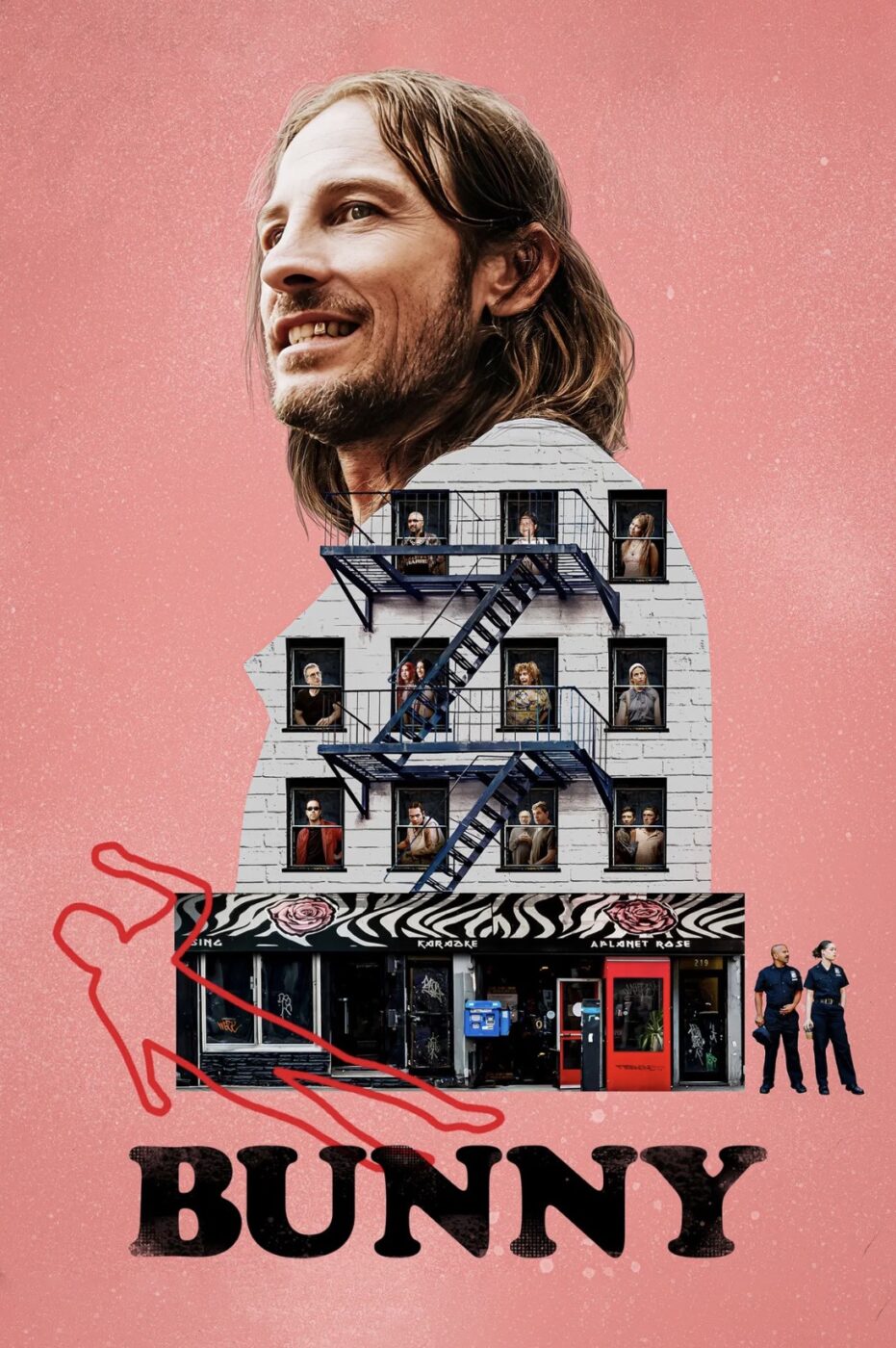
director: Ben Jacobson.
writers: Mo Stark, Ben Jacobson & Stefan Marolachakis.
starring: Mo Stark, Ben Jacobson, Liza Colby, Anthony Drazan, Linda Rong Mei Chen & Genevieve Hudson-Price.