SCANNERS (1981)
A scientist trains a man with an advanced telepathic ability called "scanning" to stop a dangerous Scanner with extraordinary psychic powers from waging war against non-Scanners.


A scientist trains a man with an advanced telepathic ability called "scanning" to stop a dangerous Scanner with extraordinary psychic powers from waging war against non-Scanners.
Long before he established himself as a titan of body horror, David Cronenberg dived deep into the equally disturbing realm of speculative fiction. His 1981 sci-fi thriller Scanners imagines a world where mind control is possible. Crucially, Cronenberg respects this premise and its implications enough to depict this superpower as both an exciting discovery and a terrifying threat to humanity. There are just 237 of these telepathic individuals, known as “scanners”, but the enormous potential of their superhuman ability means they could take on entire armies. With the criminally insane Darryl Revok (Michael Ironside) on the loose and eager to create a scanner legion to rule over humanity, they might just achieve it.
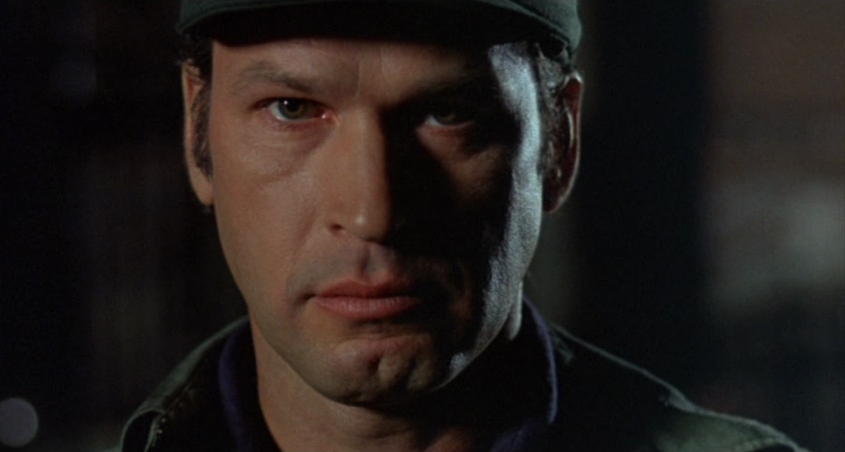
Standing in their way is fellow scanner Cameron Vale (Stephen Lack), one of the blandest characters in cinema history. It would be unfair to Lack to suggest he was given a compelling lead to portray, as Vale usually comes across as the dull voice of reason. However, that’s still no excuse for the Canadian actor’s flat, emotionless delivery. Oddly enough, he’s at his best when the protagonist is screaming in agony and thrashing about, where his emotional palette is completely uninhibited.
Anything more nuanced than a shriek of agony is a chore to sit through—to such a degree that it starts to feel as though Vale exists in an entirely different world from the rest of the characters. For every moment Scanners moves into interesting territory—with scenes where disquieting sound effects and body horror imagery haunt and intrigue—there are just as many instances where Lack’s wooden acting kills the excitement. There doesn’t seem to be a single thought lurking in the protagonist’s head as he stumbles gormlessly through conversation, each line delivered in a robotic monotone.
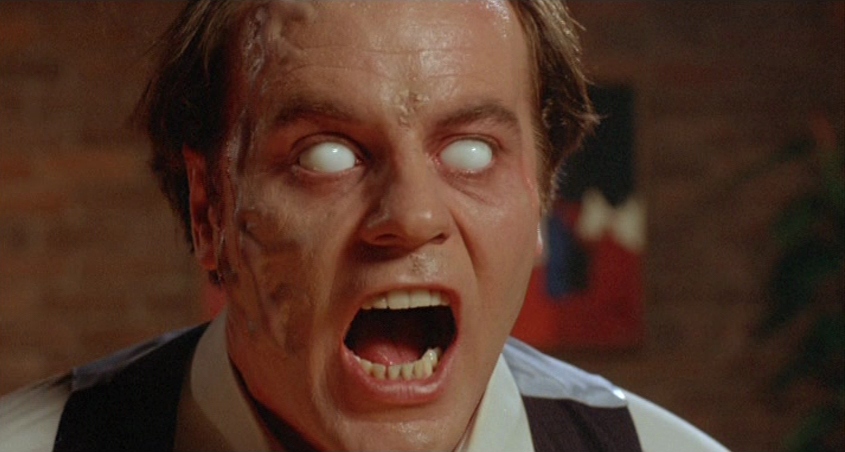
Because of this, it’s impossible to give a damn about Vale—a troubling sign for a film where he’s the viewer’s vessel into this universe. Even if its lead doesn’t stir up positive emotions, Scanners is far from a complacent film. Twists and turns lie ahead in its plotting, where double-crosses, surprise attacks, and coordinated assassination attempts abound. But it’s very hard to worry for Vale’s safety when he talks from the outset as if he’s just been lobotomised. Lack’s performance is even more damning when paired with the rest of the key players, who are all commendable. Ironside is expressive and entertaining, channelling Revok’s rage in a way that reverberates with menacing notes, yet is so chaotic it’s a blast to witness.
He’s equally talented at conveying the character’s superiority complex and the hint of madness compelling his destructive thinking. While it can’t have been an intentional acting choice from both sides, the duality between Ironside and Lack is interesting to witness. Whereas Lack portrays the protagonist as if everything he learns is of no real surprise or consequence, easily assimilating the plot’s reverberations into his psyche and flattening each of them through a dull monotone, Ironside is at his best when he combines Revok’s simultaneous power and powerlessness. The world could very well be at this villain’s mercy in the near future, but until then, he’s tormented by the existence of thought itself.
In this showdown involving a literal representation of thought crimes, Kim Obrist (Jennifer O’Neill), the leader of a scanner group opposing Revok, offers a window for viewers to root for humanity. None of these central characters are particularly fascinating, but watching them wade through mental battlegrounds is always intriguing. Because of the mercurial nature of this superpower, intrigue is practically built into the premise; these characters never quite know where they stand in the realm of telepathy.
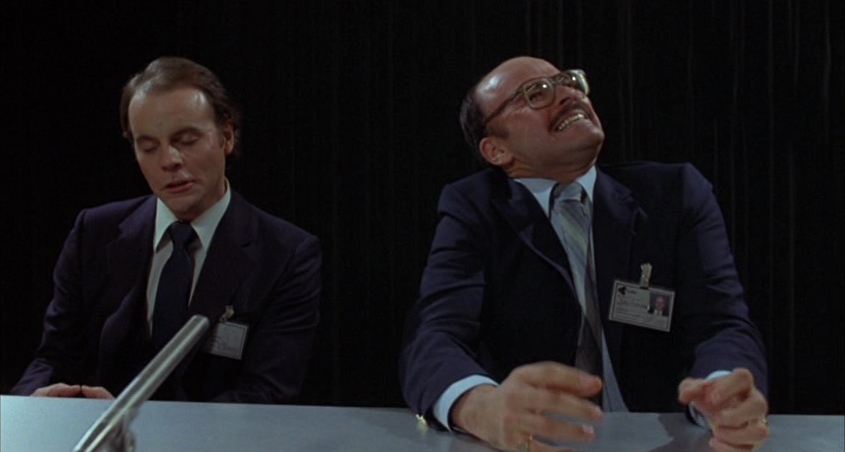
Despite Cronenberg’s reputation for disturbing imagery, very little of Scanners is actually squirm-inducing. Just as much beauty as horror is afforded to the ability to decipher thoughts. It’s a terrifying power, articulated through the soundtrack’s overheard voices and portentous sounds of doom. It’s also deeply unenviable—to such a degree that it’s easy to imagine how it could shatter someone’s perceptions and cause them to reject humanity. This superpower’s psychological toll is more devastating than any single image, though there’s still plenty of gory violence to appease body horror fans.
The film’s most violent scenes succeed because Cronenberg understands that the most beautiful, awe-inspiring aspects of this superpower are also its most terrifying. Beneath this limitless potential lies an unbearable mental hellscape that can’t be eluded. With these formidable minds butting heads, “mental warfare” takes on an entirely new meaning, usually in ways that inflame the viewer’s curiosity.
While the story’s structure has potential, many of its individual plot beats aren’t nearly as captivating as they might have sounded on paper. Cronenberg has remarked that this was one of the most difficult films of his career, as it entered production without a finished script. The writer-director had a series of ideas rather than anything fully formed, using two weeks of pre-production to cobble together something workable and writing entire scenes on the mornings of the shoot.
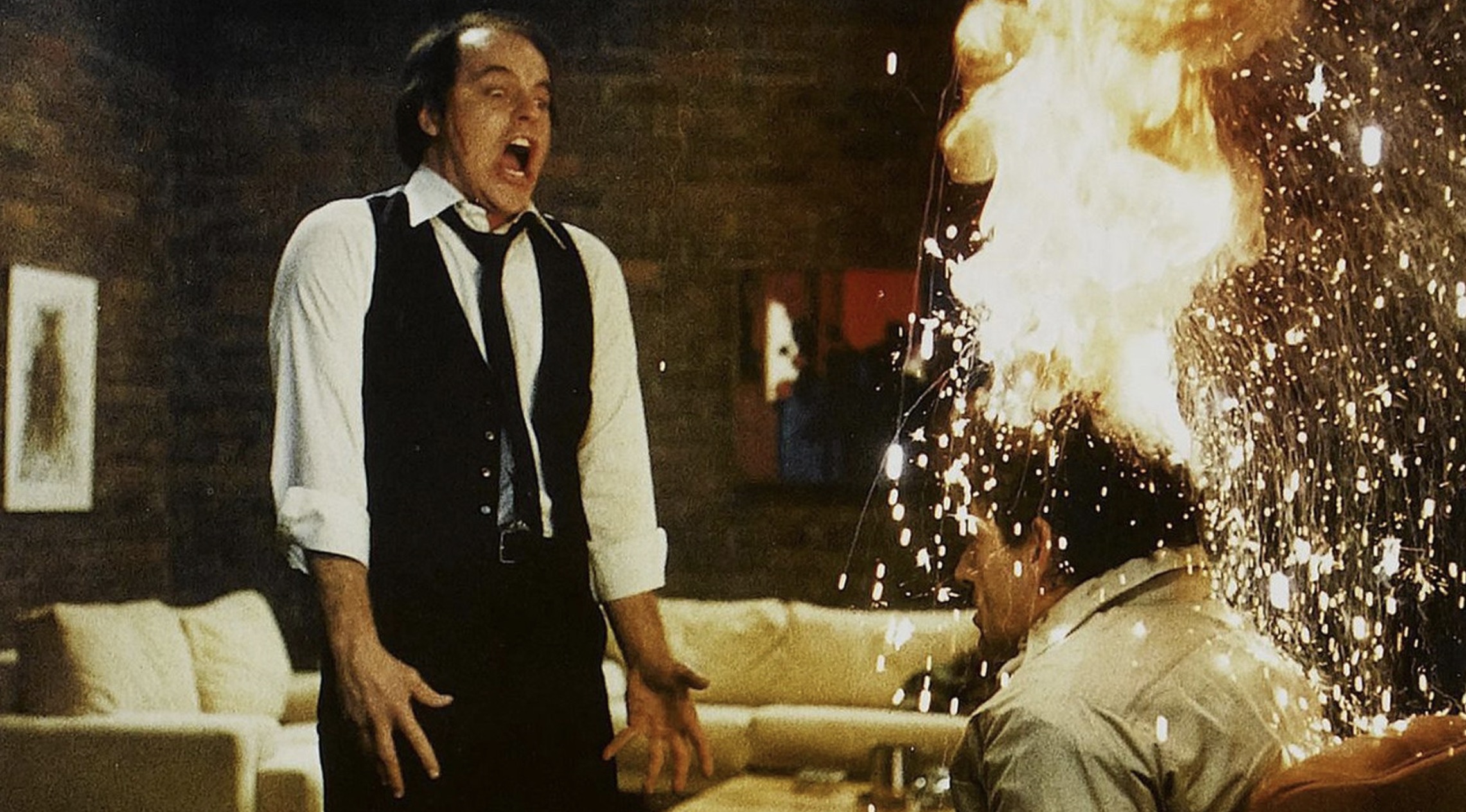
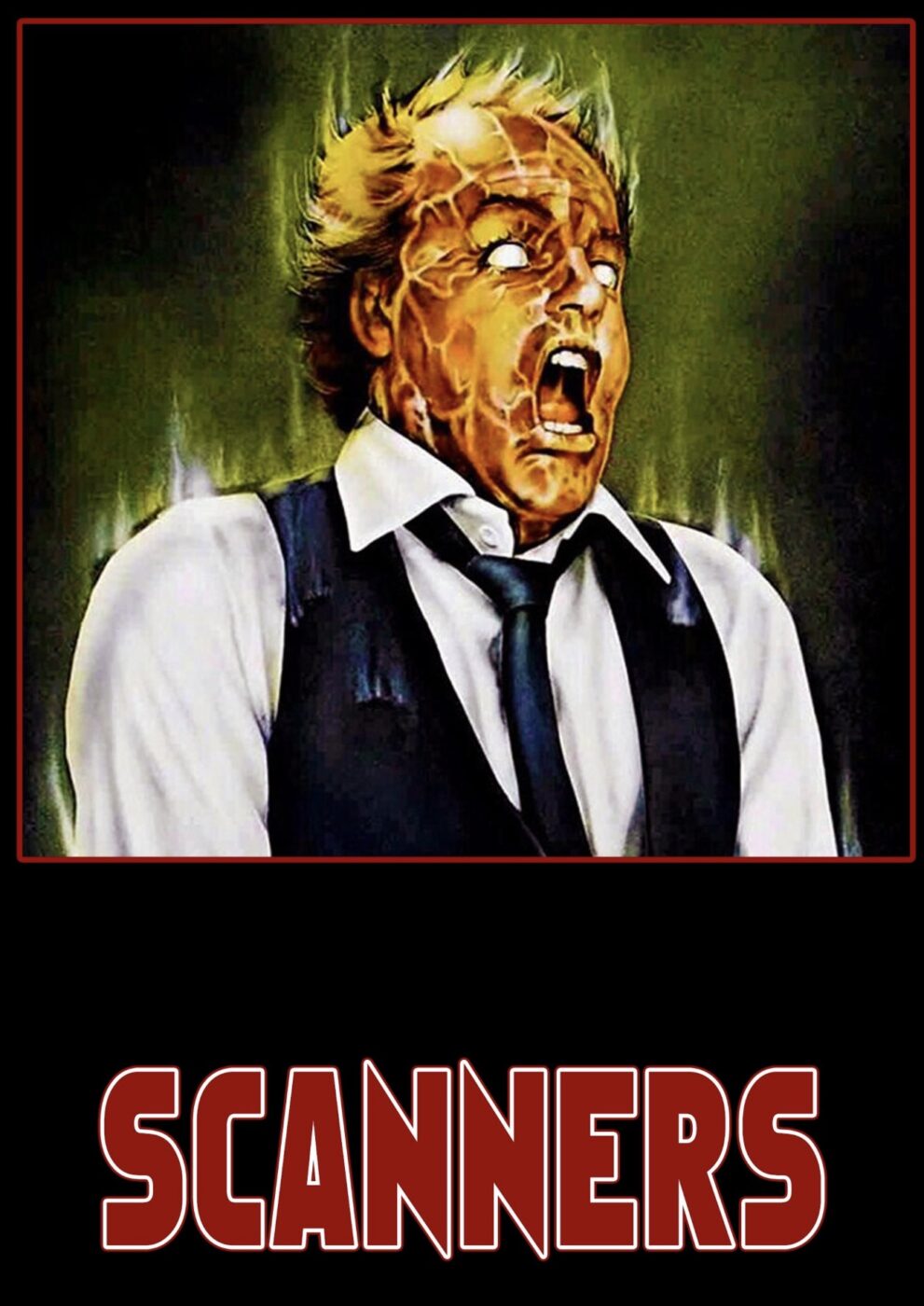
This need for improvisation is evident in the fairly rote, plodding aspects of the cat-and-mouse chase between Revok and Vale. It’s a dull formula redeemed by thrilling sequences that focus squarely on the eerie qualities of telepathy. By far the most famous example occurs when a man’s head explodes–a byproduct of Revok’s psychic abilities. The practical effects and make-up are excellent; these gory moments have lost none of their garish charm in the four decades since the film’s release. Part of you wants to look away, but that same impulse is what makes it strangely fascinating, much like how the power of mind control itself must feel.
Whenever Scanners pivots from the beauty and terror of these moments to a generic hunt between its protagonist and villain, the film becomes dull and incurious. It retains just enough atmosphere to stave off boredom, but many plot beats feel punishing compared to the thrilling telepathic sequences.
Not even Lack can stifle Scanners’ finest scenes, which overpower his abysmal performance to craft an eerie display of power and powerlessness. The scanners are both god-like figures and wounded subjects, at the mercy of innocuous thoughts but capable of turning people’s brains to mush. They can be destroyed from within by accident, or they can go out of their way—in Revok’s case—to do this on a literal level. This compelling duality and Cronenberg’s assured direction redeem the film’s lacklustre plotting and lead performance.
CANADA | 1981 | 103 MINUTES | 1.85:1 | COLOUR | ENGLISH

writer & director: David Cronenberg.
starring: Stephen Lack, Michael Ironside, Jennifer O’Neill, Patrick McGoohan, Robert Silverman, Mavor Moore, Fred Doederlein & Louis Del Grande.